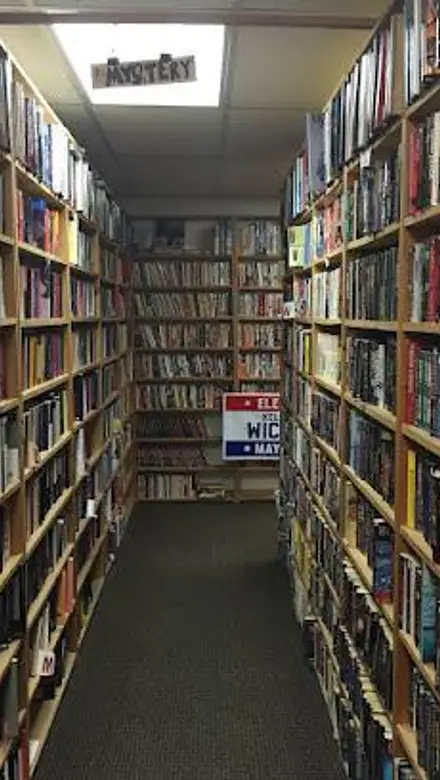
Marx Memorial Library & Workers School, London Travel Guide
A compact Clerkenwell archive devoted to Marxism, labour history, and radical London, set in a historic building on the edge of Clerkenwell Green.
On Clerkenwell Green, this compact specialist library traces London’s labour and socialist history through a Grade II listed building, reading rooms, tours, and talks. It is quieter than a museum, more purposeful than a sightseer stop, and best for travellers who want political history in a real working archive rather than a display-heavy attraction.
A brief summary to Marx Memorial Library & Workers School
- 37A Clerkenwell Grn, London, EC1R 0DU, GB
- Click to display
- Click to display
- Duration: 0.5 to 3.5 hours
- Budget
-
 Mixed
Mixed
- Mobile reception: 4 out of 5
- Monday 12 pm-1 pm
- Tuesday 11 am-4 pm
- Wednesday 11 am-4 pm
- Thursday 11 am-4 pm

Know before you go
Hi, I'm Eve. Here are a few practical things to know before exploring Marx Memorial Library & Workers School.
- Treat it as a scheduled cultural visit, not a casual drop-in museum; tours, talks, and research access are the main ways in.
- Use Farringdon for the simplest arrival, then walk the short distance through Clerkenwell’s busy central streets.
- If accessibility matters, check arrangements in advance: the building has no lift and no step-free toilets.
Do you manage this location?
Take control to get all the benefits, like improved information, better appearance, and stronger visibility across AI-powered discovery. Learn more about listing your business on Evendo
Activate your presenceOther nearby places you may find interesting
The closest places of the same kind, if this one is not quite what you had in mind.
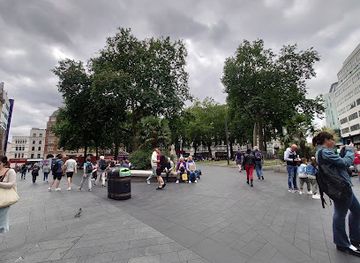

Explore Marx Memorial Library & Workers School on the Map
A handpicked selection of must-see spots near Marx Memorial Library & Workers School, mapped for you.
Unlock the Best of Marx Memorial Library & Workers School
Buy tickets
-
No tickets available
Book tours with entry
-
No tours available


Getting There
-
Public transport
Farringdon is the most practical gateway, with Underground, Elizabeth line, and Thameslink connections making the final walk short and simple.
-
Bus
Several central London bus routes serve the Clerkenwell area, making it easy to combine the visit with other nearby stops.
-
Taxi or rideshare
A straightforward option for short central-London hops, especially if you are arriving with limited time or mobility constraints.
-
Cycling
Feasible for confident city cyclists, though the approach is urban and traffic-heavy rather than scenic or segregated.
For the on-the-go comforts that matter to you
-
 Restrooms
-
 Seating Areas
-
 Sheltered Areas
-
 Information Boards
Discover more about Marx Memorial Library & Workers School
What it is
Marx Memorial Library & Workers’ School is a specialist research and education library devoted to Marxism, socialism, labour history, trade unionism, and related political movements. It occupies a historic Grade II listed building on Clerkenwell Green, a place long associated with printing, dissent, and radical politics. The site is not a broad public museum; it is a working archive with a strong educational mission and a compact visitor offer.The building itself carries layers of history. Its earlier uses include a Welsh charity school, workshop functions, and links to political and print organisations. The library was founded in 1933 as a memorial to Karl Marx and as a centre for study. That mix of building history and intellectual purpose is what gives the place its character.What the visit feels like
A visit is usually quiet, structured, and information-dense. You may join a guided tour, attend a talk, or come by appointment for research or reading room access. The experience is less about browsing galleries than about listening, reading, and looking closely at a small number of rooms, displays, and historic details. It suits visitors who already have an interest in labour history, book history, or radical London.The atmosphere is restrained and scholarly. On event days it can feel more animated, but even then the scale stays small. Expect a contained visit rather than a long, free-flowing museum wander. For many travellers, the appeal lies in the sense of place: you are standing in a building tied to the city’s political and print culture, on a square that has seen centuries of argument and organisation.Why people come
Travellers come here for the combination of archive, history, and setting. The library’s collections and interpretation focus on socialist and working-class movements, while the building and its Clerkenwell Green address anchor that material in a real urban landscape. It is one of the few places in central London where political history is not presented as a polished narrative but as an active research environment.The site also works well as part of a wider Clerkenwell visit. The surrounding streets still carry traces of the area’s workshop, publishing, and protest past, so the library makes more sense when paired with the neighbourhood around it. It is a strong choice for travellers who prefer context, documents, and conversation over spectacle.Practical expectations
Access is straightforward by public transport, with Farringdon the most practical rail and Underground gateway. The building is indoors and compact, so weather matters little once you arrive. Facilities are limited and research-oriented rather than visitor-centred, and accessibility is mixed because the building has no lift and no step-free toilets. Photography for researchers is controlled rather than casual.Plan on a short to medium visit unless you are attending a longer event or using the collections. This is a place for purposeful travellers: historians, students, union-minded visitors, and anyone interested in the political life of London’s streets and institutions.More to explore near Marx Memorial Library & Workers School
-

Best experiences near Marx Memorial Library & Workers School
-

Best hotels near Marx Memorial Library & Workers School
-

Best landmarks near Marx Memorial Library & Workers School
-

Best shops near Marx Memorial Library & Workers School
-

Best restaurants near Marx Memorial Library & Workers School
-

Best bars near Marx Memorial Library & Workers School







Your all‑in‑one travel companion app
Explore expert travel guides, compare and book tours, experiences, hotels, and more—all from the palm of your hand. Download now for seamless trip planning wherever your wanderlust takes you.


Explore More of London
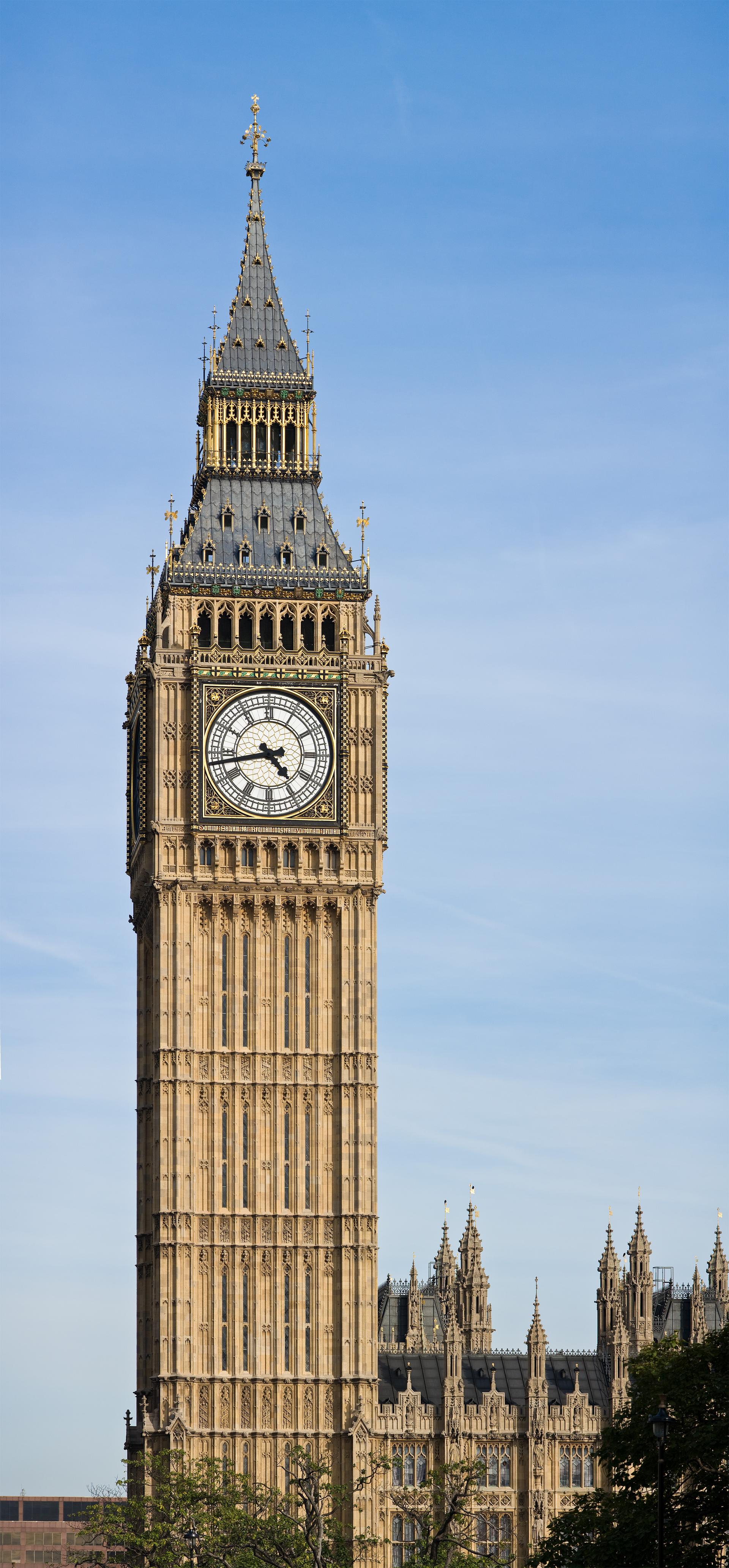
Looking beyond Marx Memorial Library & Workers School? Discover London for broader travel guides, local hot-spots, and regional highlights.
Explore London
A compact Tudor survivor on High Holborn, Staple Inn offers a quick but rewarding look at London’s legal history and timber-framed architecture.
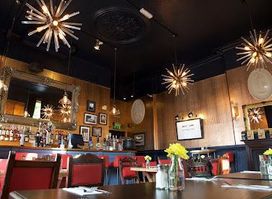
Historic Clerkenwell pub on the Green, serving food, drinks, and terrace seating in a compact central-London setting with strong local character.