

Prince Henry's Room: A Jacobean Gem on Fleet Street
Discover one of London's rare pre-Great Fire timber-framed buildings with a stunning Jacobean ceiling and a rich history on Fleet Street.
Prince Henry's Room, located at 17 Fleet Street in London's Temple area, is a rare surviving timber-framed building from before the Great Fire of 1666. Built in 1610 as a tavern named the Prince's Arms, it features an exquisite Jacobean plaster ceiling adorned with the Prince of Wales's feathers and original oak panelling. Though now closed to the public, its historic façade and rich past as a tavern, council chamber, and museum make it a captivating landmark steeped in London's legal and cultural history.
A brief summary to Prince Henry's Room
- 17 Fleet St, London, Temple, EC4Y 1AA, GB
- Duration: 0.5 to 1.5 hours
- Free
-
 Outdoor
- Mobile reception: 5 out of 5
Local tips
- Admire the historic Jacobean façade from Fleet Street, as the interior is currently closed to the public.
- Look up to see the intricate plaster ceiling featuring the Prince of Wales's feathers and the initials 'PH'.
- Explore the surrounding Inner Temple area to experience London's legal heritage alongside this historic site.
- Visit during special heritage open days when the room may occasionally be accessible for tours.

For the on-the-go comforts that matter to you
- Information Boards
- Seating Areas
- Restrooms
- Food Options
- Drink Options
Getting There
-
London Underground
Take the Central Line to Chancery Lane station, approximately a 7-10 minute walk to 17 Fleet Street. The station has step-free access and frequent service. No entrance fee applies.
-
Bus
Use bus routes 11, 15, or 242 which stop near Fleet Street. Travel times vary from 15 to 25 minutes depending on traffic. Contactless payment or Oyster cards are accepted; fares typically range from £1.75 to £2.50.
-
Taxi or Rideshare
A taxi or rideshare from central London locations takes about 10-20 minutes depending on traffic. Fares typically range from £8 to £15. Note that parking is very limited in the area.
-
Walking
If staying nearby, walking to Prince Henry's Room is pleasant and accessible, taking about 10-15 minutes from St. Paul's Cathedral through historic streets with flat terrain.
Prince Henry's Room location weather suitability
-
 Any Weather
-
 Rain / Wet Weather
-
 Clear Skies
-
 Mild Temperatures
Discover more about Prince Henry's Room
Historical Roots and Early Significance
Prince Henry's Room sits atop a site with origins tracing back to the 12th century when it was part of the Knights Templar estate. After the dissolution of the Templars, the property passed to the Knights Hospitallers. The current building was erected in 1610, coinciding with the investiture of Prince Henry, son of King James I, as Prince of Wales. Originally named the Prince's Arms tavern, it served as a social hub during a vibrant period of London's history. Despite claims, there is no firm evidence that Prince Henry personally used the room, as he died just two years later. The building survived the Great Fire of London in 1666, making it one of the few pre-fire timber-framed structures remaining in the City.Architectural Highlights and Interior Features
The most striking feature of Prince Henry's Room is its richly decorated Jacobean plaster ceiling, showcasing the Prince of Wales's feathers and the initials "PH" at its center. The room retains one wall of original 17th-century oak panelling, with other panelling dating from the Georgian era. Leaded glass windows bearing coats of arms add to the historic ambiance. The fireplace, though modest, includes wood panelling with an inscription referencing Samuel Pepys, the famous diarist and naval administrator who visited the tavern in 1661. The façade, rediscovered in its original 17th-century form beneath layers of paint in 1900, serves as a visual testament to the building's enduring legacy.Changing Roles Through the Centuries
Over time, the building evolved from tavern to a venue hosting Mrs Salmon's Waxworks exhibition in the 18th and 19th centuries, attracting Londoners with displays of infamous historical figures and curiosities. In the 20th century, the City of London Corporation acquired the property to preserve it. From 1975, the first-floor room functioned as a museum dedicated to Samuel Pepys, exhibiting artefacts loaned by the Pepys Society. The museum eventually closed, and the space now serves as offices for the Delegation of the Catalonian Regional Government to the UK, though the room itself is not open to the public.Location and Surrounding Context
Situated at the western end of Fleet Street, Prince Henry's Room forms a pedestrian gateway into the Inner Temple, one of London's historic legal districts. The building's position amid the journalistic and legal heritage of Fleet Street enhances its cultural significance. Though visitors cannot enter, the building's façade and the arched gateway below offer a glimpse into London's layered history, bridging medieval, Jacobean, and modern eras.Preservation and Legacy
Prince Henry's Room is a Grade II* listed building, recognized for its architectural and historic importance. Its survival through centuries of urban change and the Great Fire underscores its resilience. The City of London Corporation's stewardship has ensured that this rare timber-framed Jacobean townhouse remains a cherished landmark. While closed to the public, occasional special openings and heritage events provide rare opportunities to experience its unique atmosphere and craftsmanship.Enduring Mystique and Cultural Connections
The building's association with figures like Samuel Pepys and its evocative Jacobean features continue to inspire curiosity and admiration. The feathered crest and initials embedded in the ceiling evoke the brief but impactful legacy of Prince Henry. Stories of the Duchy of Cornwall's council chamber and the tavern's role in London's social life add layers of intrigue. Prince Henry's Room stands as a tangible link to London's rich past, inviting reflection on the city's evolution and the lives once lived within its walls.Iconic landmarks you can’t miss

Prince Henry's Room
0.0 km
Discover a rare Jacobean timber-framed treasure on Fleet Street, rich with history, ornate plasterwork, and tales from London's past.
Hare Pl
0.1 km
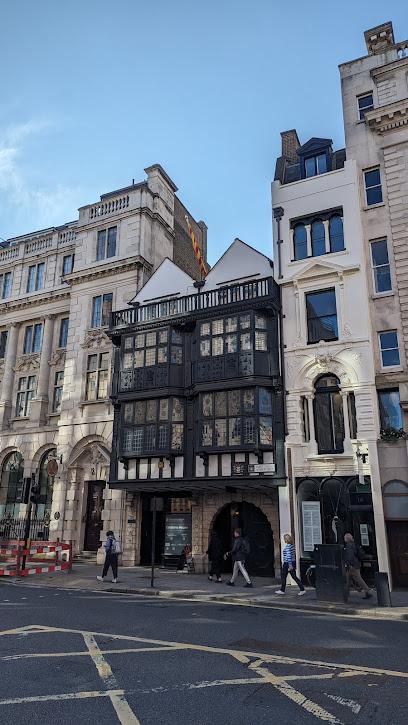
Discover Hare Place in Temple, London—a serene historic enclave steeped in centuries of legal tradition and architectural charm.
St Clement Danes Church
0.2 km
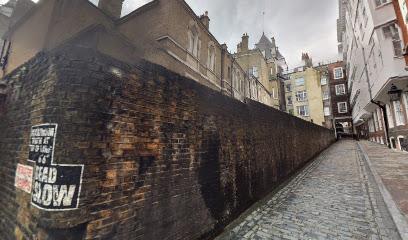
Historic London church and Central Church of the Royal Air Force, famed for its Wren architecture, RAF memorials, and iconic 'Oranges and Lemons' bells.
Bomber Harris Memorial
0.3 km
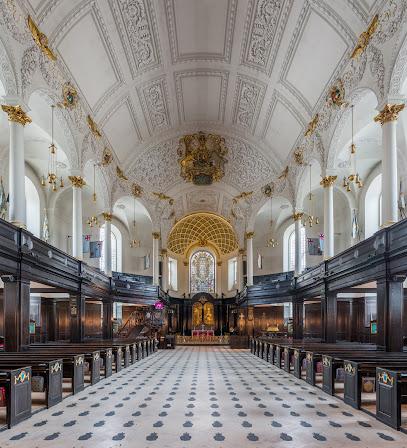
A solemn tribute to RAF Bomber Command’s leader and airmen, set within the historic St Clement Danes Church in London’s Temple district.
3 Gunpowder Square
0.3 km
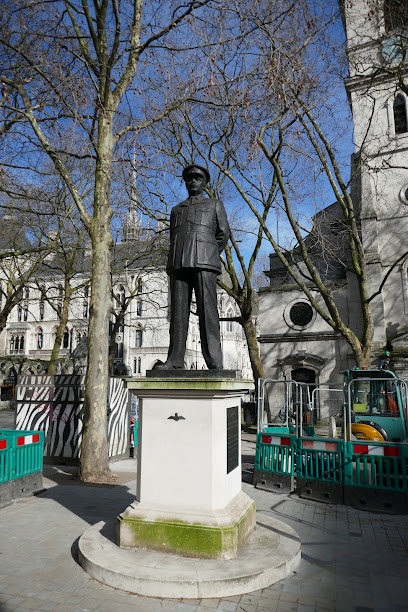
A modern square in London’s financial district commemorating the dramatic history of the 1605 Gunpowder Plot and Guy Fawkes’ daring conspiracy.
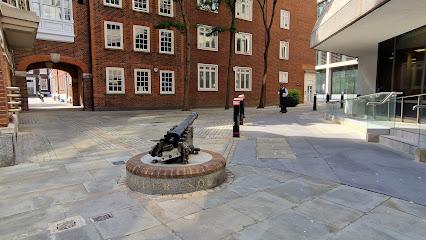
King's Reach commemoration memorial
0.3 km
Historic riverside memorial honoring King George V’s Silver Jubilee and the naming of London’s Thames stretch as 'King’s Reach'.
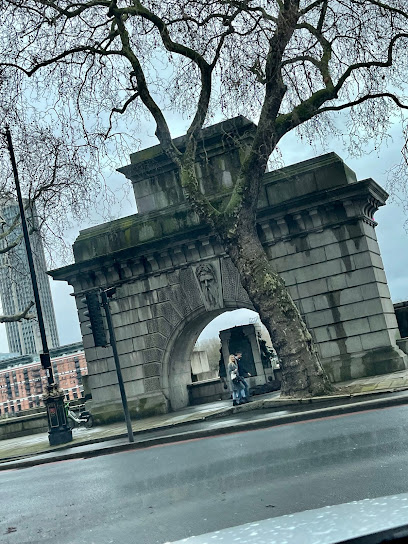
The Old Watch House
0.4 km
A quaint early 18th-century parish watch house on London’s Strand, offering a rare glimpse into pre-Metropolitan Police community policing.
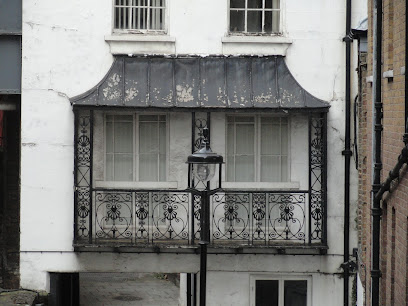
Ludgate Circus
0.5 km
Historic Victorian junction where London's ancient Ludgate once stood, blending rich legend, architecture, and urban vitality.
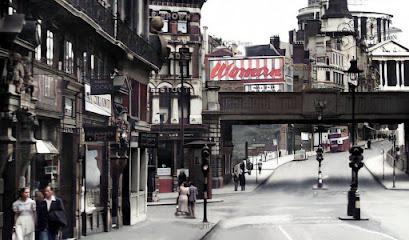
Victoria Embankment
0.5 km
A historic riverside promenade in London blending Victorian engineering, scenic gardens, iconic monuments, and stunning Thames views.
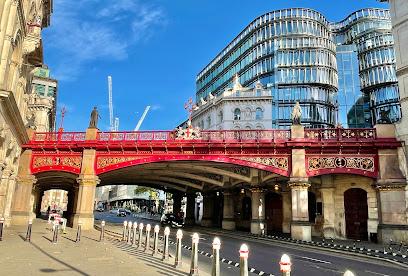
Holborn Viaduct
0.6 km
A grand Victorian bridge spanning London's hidden Fleet valley, blending engineering innovation with ornate artistry and rich history.
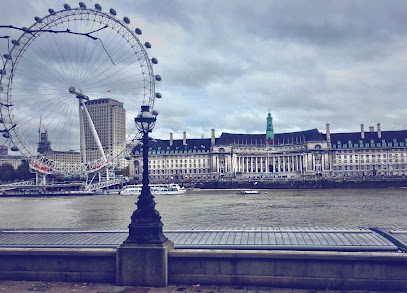
South Bank Community Area
0.6 km
A vibrant riverside cultural and historic district in central London, home to iconic landmarks, arts venues, and scenic Thames views.
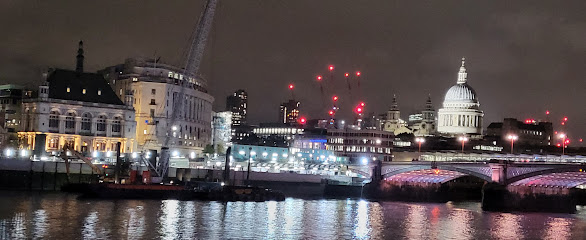
Blackfriars Bridge
0.6 km
Historic and widest Thames crossing in London, blending Victorian engineering with medieval heritage and stunning river views.
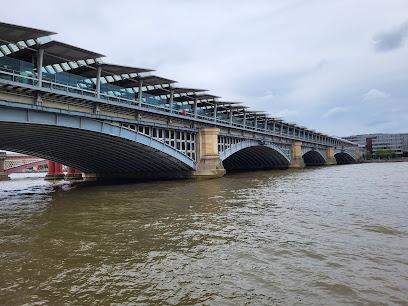
Southbank Boardwalk
0.7 km
Experience the charm of London's Southbank Boardwalk, a serene escape with stunning river views, vibrant culture, and lush gardens.
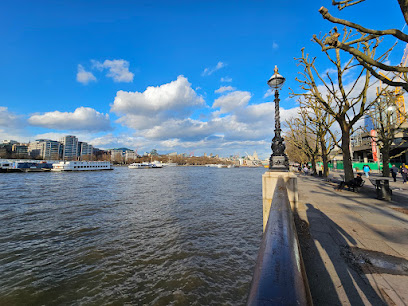
Strand
0.7 km
Historic London thoroughfare linking Westminster and the City, famed for grand hotels, cultural landmarks, and hidden historical treasures.

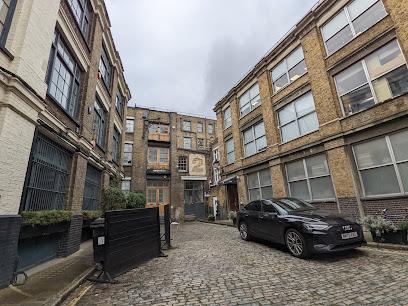
Bleeding Heart Yard
0.7 km
London's most haunted courtyard, where Gothic legend meets gritty Victorian history beneath ancient cobblestones.
Unmissable attractions to see

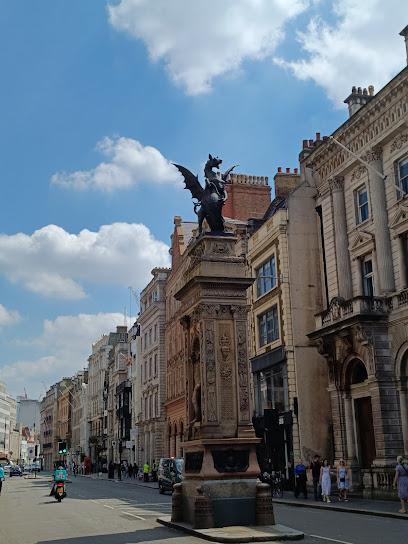
Temple Bar Memorial
0.1 km
Uncover the historical significance of Temple Bar Memorial, a captivating landmark in the heart of London, reflecting the city's rich heritage and culture.
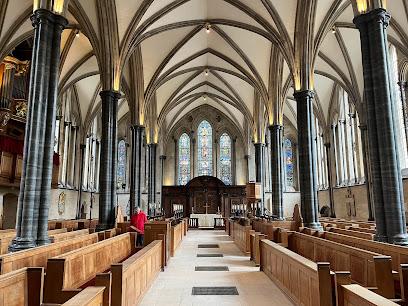
Temple Church
0.1 km
Explore the exquisite Temple Church, a 12th-century architectural marvel in London, rich in history and breathtaking beauty.
St Dunstan-in-the-West
0.1 km
Discover St Dunstan-in-the-West, a neo-Gothic marvel on Fleet Street with a rich history spanning over a millennium and unique octagonal design.
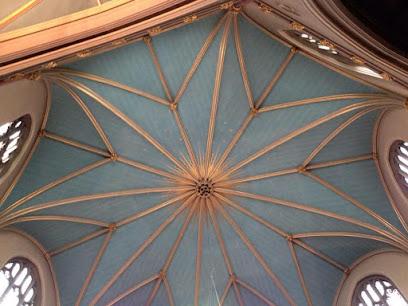
Middle Temple Venue Hire
0.1 km
A stunning Elizabethan hall at the heart of London’s legal heritage, blending history, architecture, and tradition in a serene riverside setting.
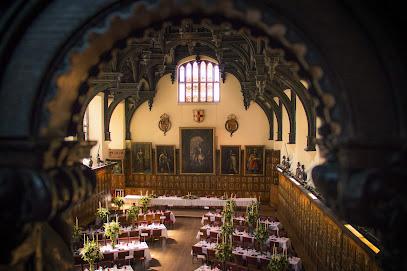
Royal Courts of Justice
0.2 km
Explore the Royal Courts of Justice, a stunning Gothic architectural masterpiece in London, showcasing the city's rich legal history and vibrant culture.
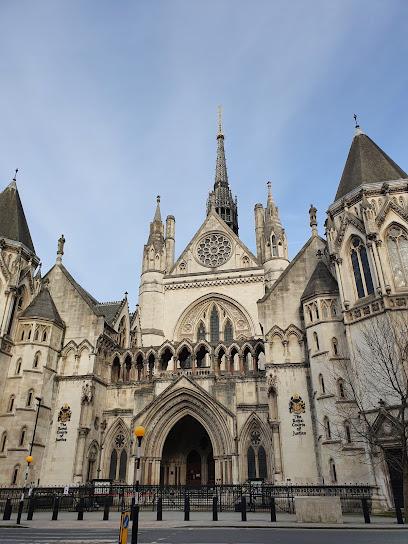
The Maughan Library
0.2 km
Explore London's grand neo-Gothic Maughan Library, a historic fireproof archive turned vibrant university research hub at King's College London.
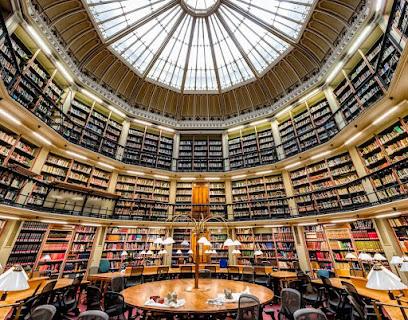
The Honourable Society of the Middle Temple
0.2 km
Discover the historic heart of English law and royal heritage at the Honourable Society of the Middle Temple, home to stunning Elizabethan architecture and centuries of tradition.
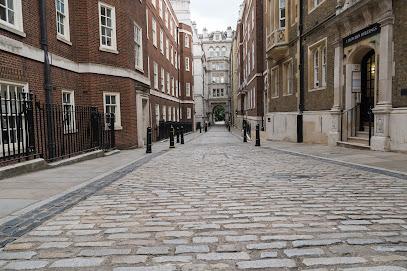
Fleet St
0.2 km
Historic London street famed as the traditional home of British journalism, rich in literary heritage and hidden urban secrets.
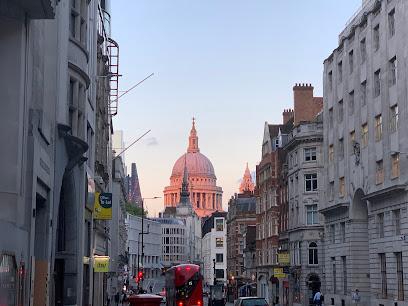
The Seven Stars
0.2 km
One of London’s oldest pubs, The Seven Stars blends centuries of history with a lively legal atmosphere and eclectic charm in Holborn.
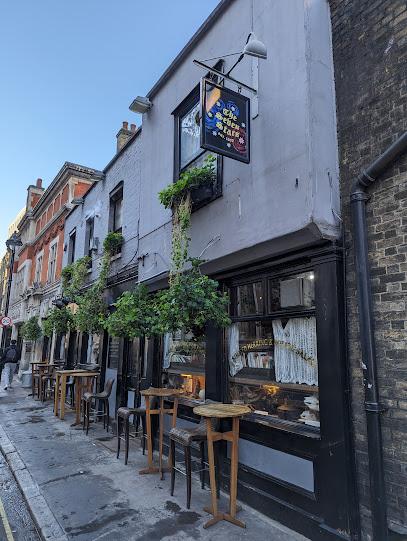
Dr Johnson's House
0.2 km
Step into the historic home of Samuel Johnson and explore the birthplace of the English dictionary in the heart of London’s literary past.
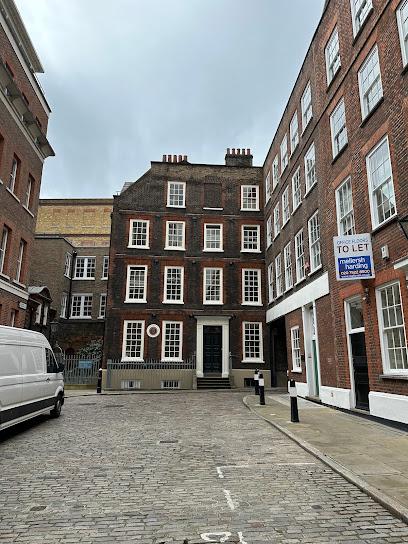
Two Temple Place
0.2 km
Discover Two Temple Place, a neo-Gothic Victorian mansion blending literary grandeur and architectural mastery on London’s iconic Victoria Embankment.
John Wilkes statue
0.3 km
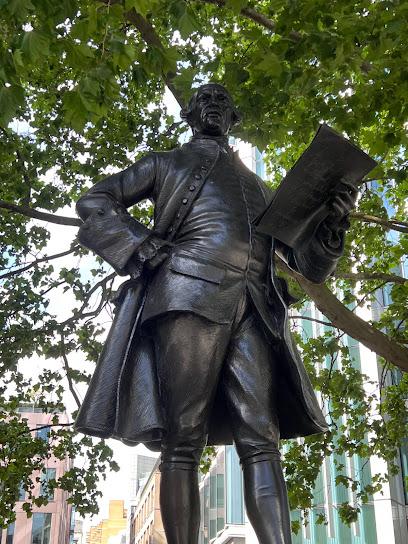
Explore the dynamic bronze statue of John Wilkes on Fetter Lane, celebrating a fiery 18th-century champion of freedom and London’s political heritage.
Hodge The Cat Statue
0.3 km
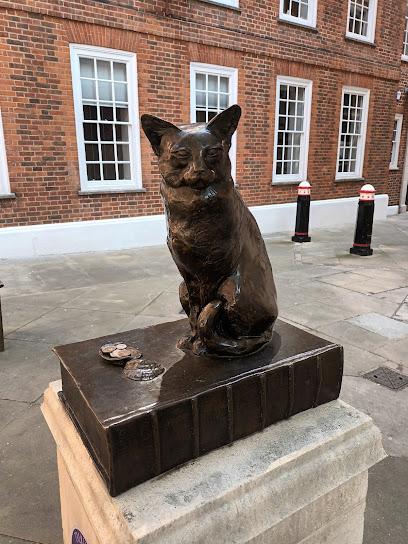
Discover the charming bronze statue of Hodge, Samuel Johnson's beloved cat, perched on a dictionary in historic Gough Square, London.
Monument Queen Victoria
0.3 km
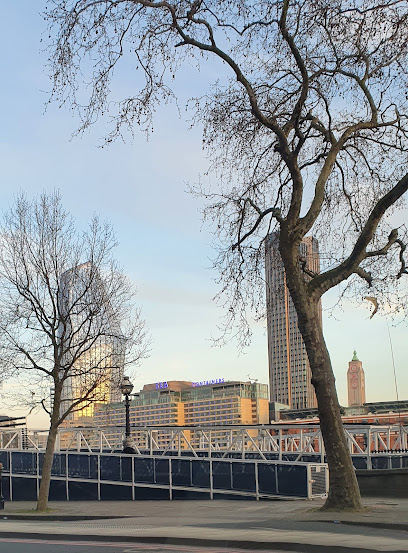
Historic gateway memorial with majestic statues of Queen Victoria and Edward VII, crowned by the iconic City of London dragon.
The Honourable Society of Lincoln's Inn
0.3 km
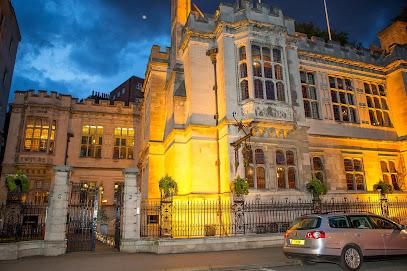
Explore the historic legal heart of London at Lincoln's Inn, where centuries of law, architecture, and tradition converge in a serene urban oasis.
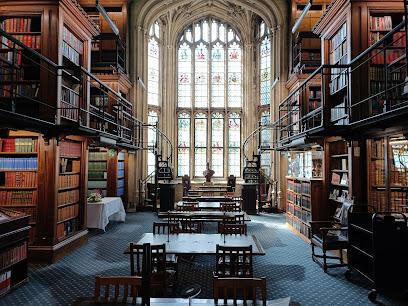
Essential places to dine

Ikoyi Restaurant
0.3 km
Discover Ikoyi, London’s two-Michelin-starred restaurant blending bold West African spices with British ingredients in an elegant, sensory tasting journey.
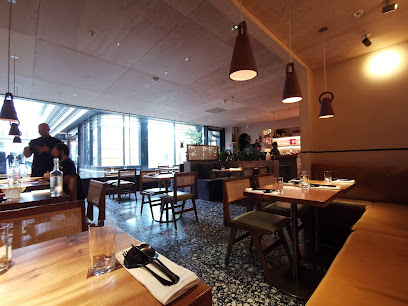
Sarastro
0.6 km
Experience vibrant Mediterranean flavors and live musical theatre in the heart of Covent Garden’s most theatrical restaurant.
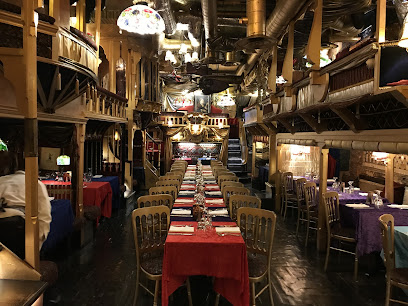
Paradiso Burger & Cocktail Bar Southbank
0.6 km
Vibrant riverside spot in Southbank serving gourmet burgers, cocktails, and bottomless brunch with stunning Thames views.
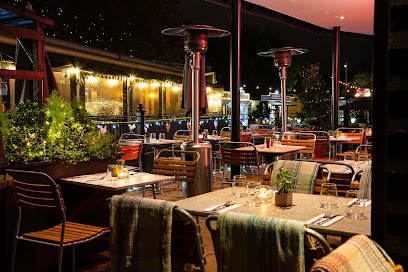
Sea Containers Restaurant
0.6 km
Stylish Modern British dining with iconic Thames views on London’s vibrant Southbank, perfect for brunch, dinner, and special occasions.
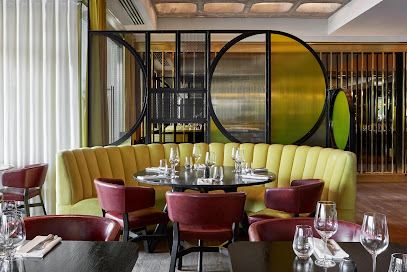
Cicchetti by San Carlo - London Covent Garden
0.7 km
Experience authentic Venetian small plates and seasonal Italian flavors in a stylish, lively Covent Garden setting.
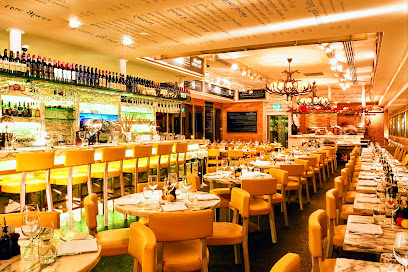
Balthazar
0.7 km
Experience the lively charm of a Parisian brasserie with classic French cuisine in the heart of Covent Garden, London.
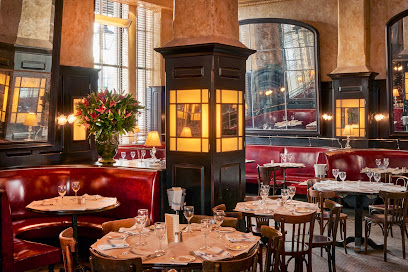
Margot
0.8 km
Sophisticated Italian dining with classic charm and an extensive wine list in the heart of Covent Garden, London.
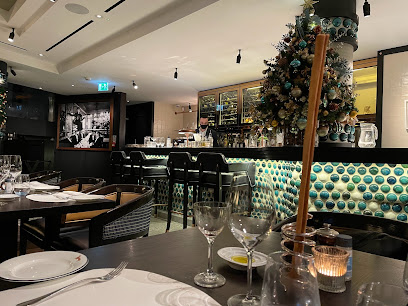
Wahaca Southbank
0.8 km
Experience vibrant Mexican street food in a unique riverside setting with scenic Thames views and lively atmosphere at Wahaca Southbank.
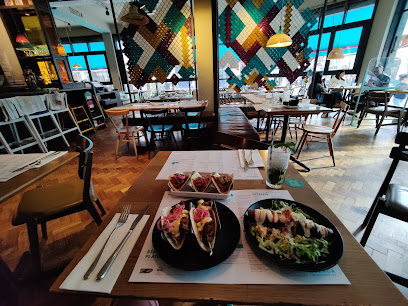
Frog by Adam Handling Restaurant Covent Garden
0.8 km
Experience Michelin-starred modern British cuisine with theatrical flair and sustainable luxury in the heart of Covent Garden.
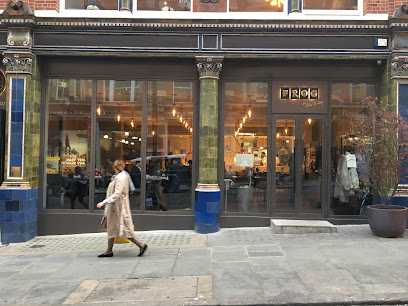
Chez Antoinette
0.8 km
Authentic Lyon-inspired French bistro serving classic tartines and cozy café fare in the heart of Covent Garden, London.
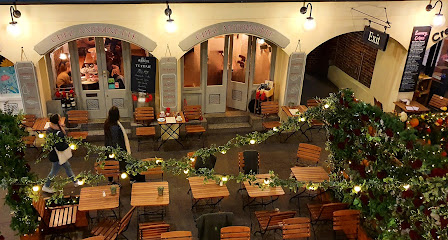
Inamo Covent Garden
0.9 km
A futuristic Pan-Asian restaurant in Covent Garden where interactive tables meet bold Asian flavours in a sleek, tech-forward space.
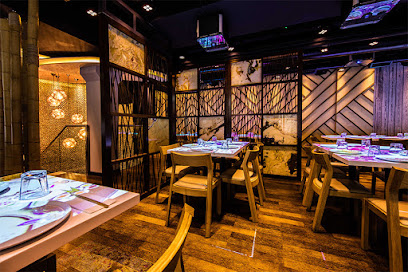
Punch & Judy
0.9 km
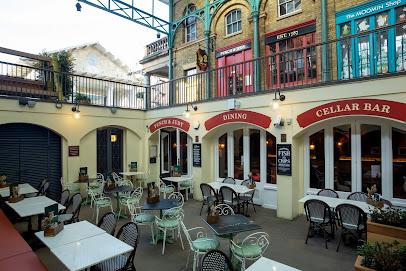
Historic Covent Garden pub blending classic British fare, lively balcony views, and family-friendly charm in the heart of London.
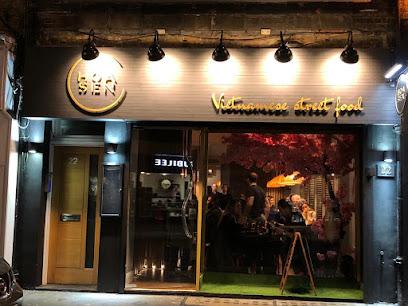
Hoa Sen Vietnamese Street Food Restaurant
0.9 km
Authentic Vietnamese street food in the heart of Covent Garden, blending vibrant flavors with a lively, cozy atmosphere.
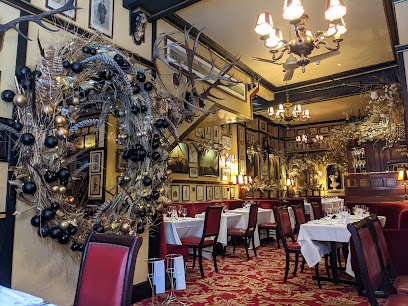
Rules
0.9 km
London’s oldest restaurant since 1798, Rules serves timeless British classics in an elegant, historic Covent Garden setting.
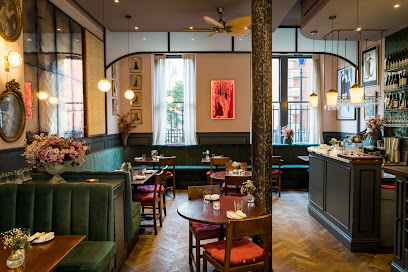
Cora Pearl Covent Garden
0.9 km
Elegant modern British dining in Covent Garden with iconic chips, soulful vibes, and a nod to a glamorous past.
Markets, malls and hidden boutiques

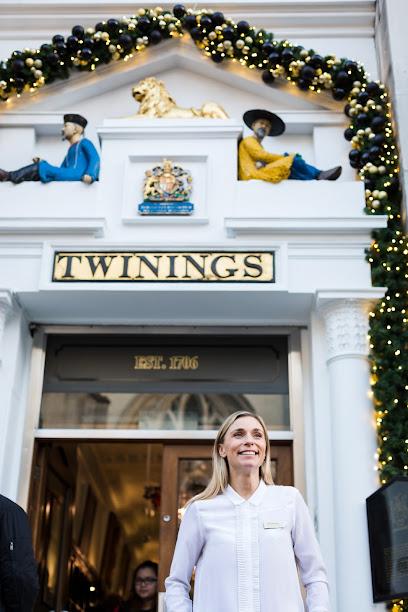
Twinings - The Strand
0.1 km
Discover over 300 years of tea heritage at London’s oldest tea shop, featuring historic charm, premium tastings, and a unique museum experience.
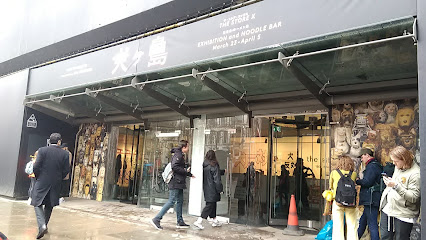
The Store X
0.3 km
A visionary space where London’s fashion, art, and culture converge in an immersive, innovative experience.
not just a shop
0.6 km
Discover unique, handcrafted art and design by UAL’s students and alumni at this creative retail hub in central London.
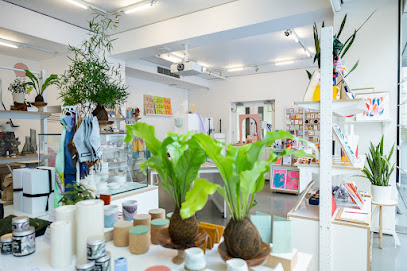
Brand Academy Independent Gift Shop
0.6 km
Dive into a world of whimsical designs and unique finds at this South Bank gem, where global brands meet emerging talents in the heart of Oxo Tower Wharf.
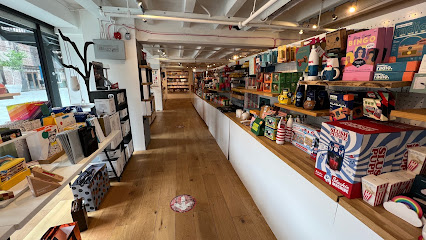
SUCK UK Alternative Gifts (OXO Tower)
0.6 km
Discover quirky, clever gifts and homewares at SUCK UK’s flagship store in London’s iconic OXO Tower.
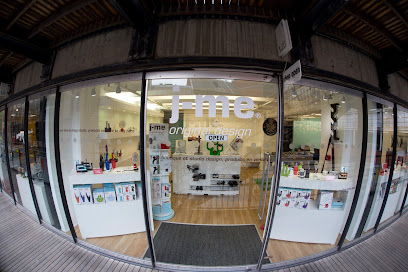
j-me original design ltd
0.6 km
Whimsical designs with a humorous twist from London's Oxo Tower creative hub – quirky home gifts blending fun, function, and British ingenuity.
Sugar And Style
0.7 km
Discover design-led fashion accessories in Gabriel's Wharf, London's arty South Bank riverside haven blending style, creativity, and Thames views.

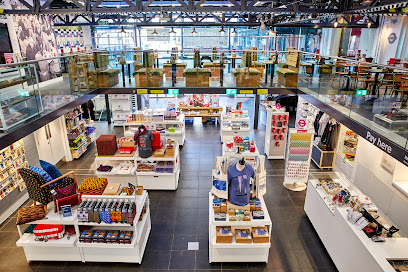
London Transport Museum - Shop
0.8 km
Discover unique transport-themed gifts and iconic London memorabilia at the London Transport Museum Shop in Covent Garden.
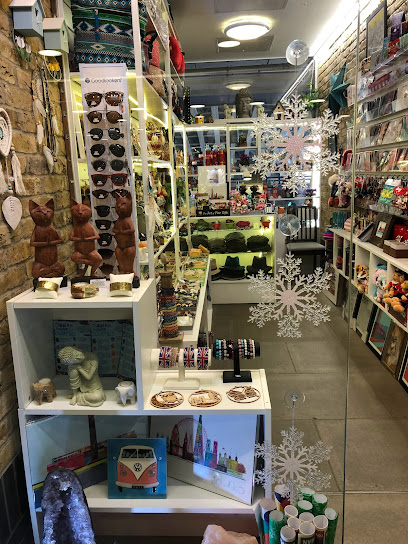
Bankside Arches Boutique
0.8 km
Discover unique London gifts and handcrafted treasures inside Blackfriars Station’s charming Bankside Arches Boutique.
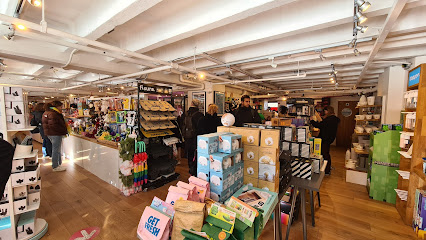
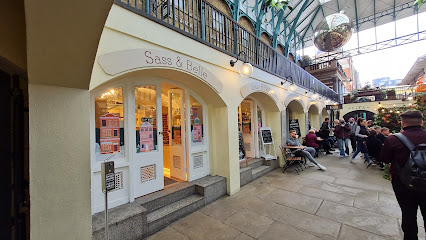
Sass & Belle Covent Garden Market
0.8 km
Quirky gifts and whimsical homeware in Covent Garden's lively market—permanently closed in-store, thriving online with cute finds for every home.
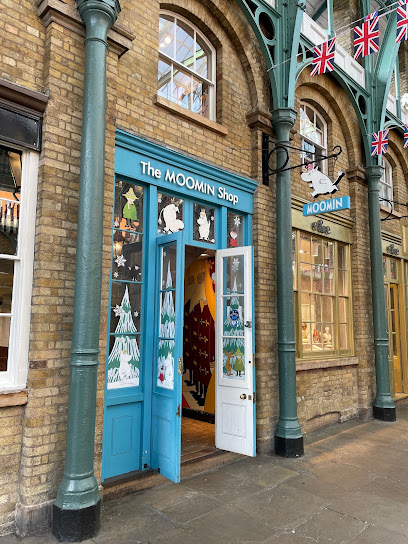
The Moomin Shop London
0.9 km
Step into the enchanting world of Moominvalley at The Moomin Shop in Covent Garden, London’s magical haven for fans of Tove Jansson’s beloved characters.
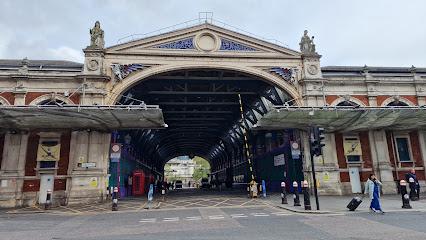
Smithfield Market
0.9 km
London’s oldest wholesale meat market, where history and commerce meet in the heart of the city.
Rokit Covent Garden
0.9 km
Dive into retro treasures at Rokit Covent Garden, where sustainable vintage fashion meets London's vibrant street style heritage on Shelton Street.

MUJI Covent Garden Store
0.9 km
Discover Japanese minimalism in Covent Garden: timeless clothing, sustainable homewares, and functional stationery for clutter-free, mindful living.
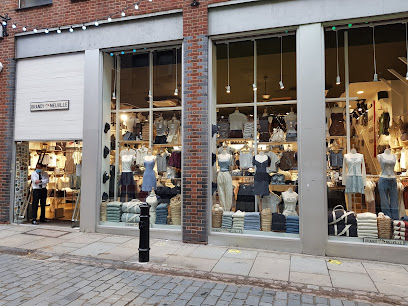
Brandy Melville - Covent Garden
1.0 km
Trendy Italian-LA fusion on Neal Street: one-size-fits-most chic for the effortless Covent Garden style seeker.
Essential bars & hidden hideouts

Black Parrot
0.4 km
Discover London’s top rum bar with expertly crafted cocktails, immersive masterclasses, and a lively yet intimate atmosphere in Bride Court.
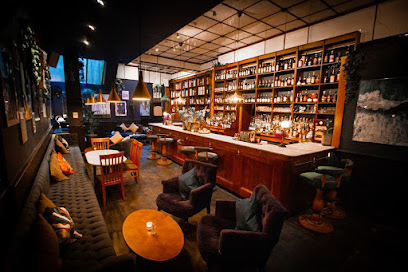
Lyaness
0.7 km
Innovative cocktails and sustainable mixology with stunning Thames views in London’s stylish South Bank hotspot.
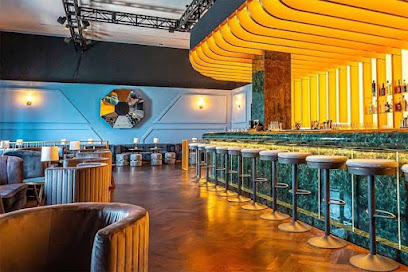
Plume Wine Bar
0.7 km
Covent Garden speakeasy in Dickens' old offices: sparkling wines from afar, cheesy sharing plates, and note-passing to strangers in candlelit luxury.
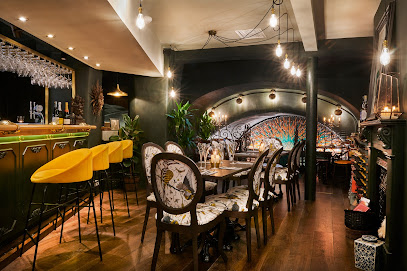
Be At One - Covent Garden Lyceum
0.7 km
Shake up your night in Covent Garden with 100+ cocktails, 2-for-1 happy hours, and masterclasses in a historic spot pulsing with theater-district energy.
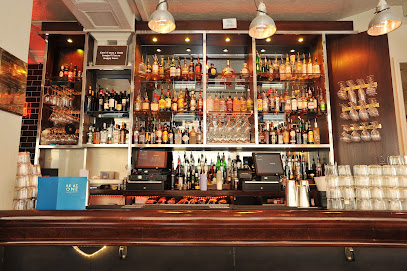
Be At One - Russell Street
0.7 km
Covent Garden’s vibrant cocktail bar with 100+ drinks, late-night parties, and unbeatable 2-for-1 happy hours in a stylish basement setting.
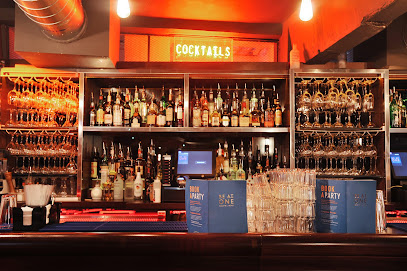
The Understudy
0.7 km
Riverside craft beers, KERB street food, and Thames views at the National Theatre's lively bar – perfect for pre-show bites or late-night hangs on London's South Bank.
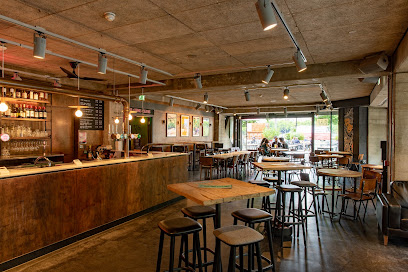
Doggett's Coat and Badge
0.7 km
A large, riverside Nicholson’s pub on Blackfriars Bridge offering classic British fare, real ales and a rooftop terrace with strong Thames views.
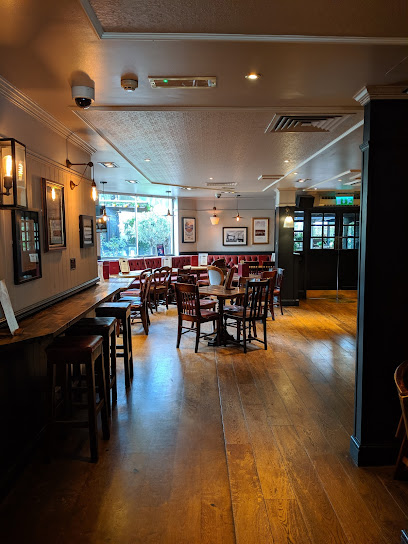
Beaufort Bar
0.8 km
Step into the Beaufort Bar’s jet-black and gold Art Deco glamour for exquisite cocktails, live sultry music, and a timeless London night out.
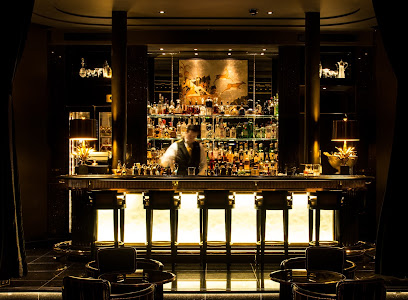
American Bar
0.8 km
Step into London’s oldest cocktail bar, where over a century of mixology mastery meets elegant Art Deco charm at The Savoy.
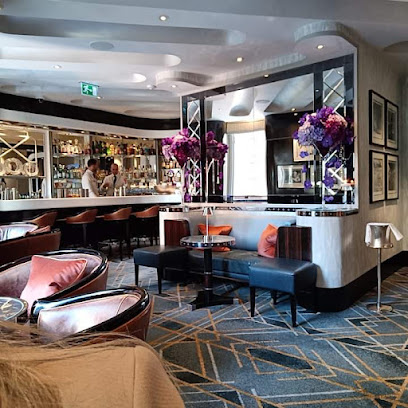
Dirty Martini - Covent Garden
0.8 km
Glamorous Covent Garden cocktail haven pulsing with martini magic, bottomless brunches, and late-night DJ vibes under sparkling chandeliers.
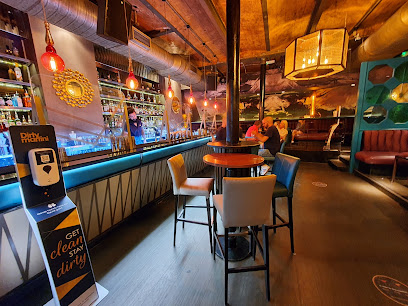
Crusting Pipe
0.8 km
Covent Garden wine bar pouring Davy’s finest ports amid live music, British classics and cosy nooks—perfect for pre-theatre indulgence or market rendezvous.
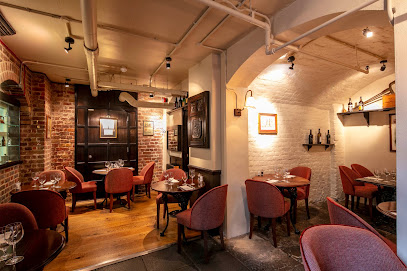
Eve Bar Covent Garden
0.8 km
Subterranean Covent Garden cocktail bar tempting with zero-waste elixirs, decadent snacks, and Eden-inspired glamour beneath a Michelin-starred haven.
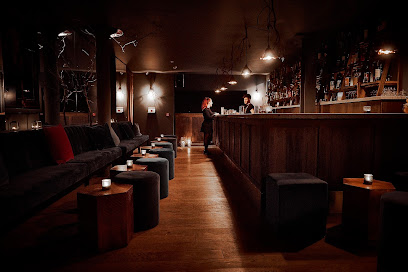
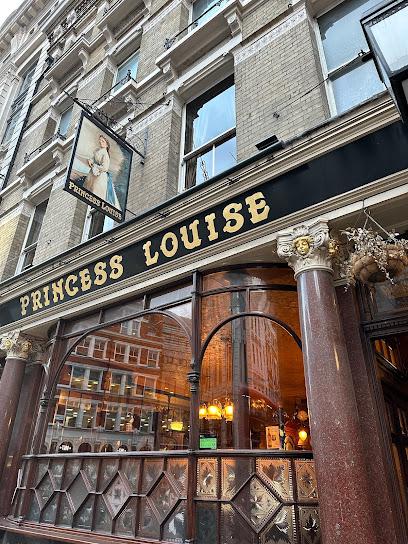
Princess Louise
0.8 km
Step into the Princess Louise, a stunning Victorian gin palace in Holborn, where opulent interiors and rich history blend in a timeless London pub experience.
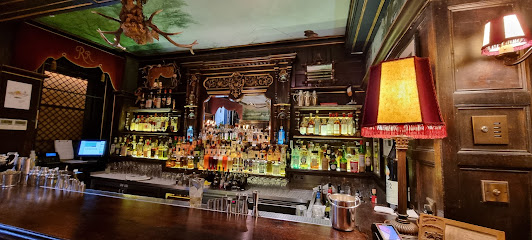
Upstairs At Rules
0.9 km
Discover Upstairs At Rules, a refined cocktail bar above London’s oldest restaurant, where Edwardian elegance meets expertly crafted drinks in Covent Garden.
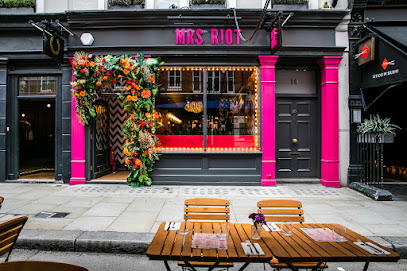
Mrs Riot
0.9 km
Covent Garden's technicolor riot: punk-pop cocktails, drag brunches, live DJs, and Kitty Clive's rebellious legacy in one explosive venue.
Nightclubs & after hour spots

Proud Late
0.7 km
Dive into two-storey glamour under Waterloo Bridge: cabaret acrobatics, burlesque dazzle, supper feasts, and non-stop clubbing till 5am in London's West End nightlife epicenter.
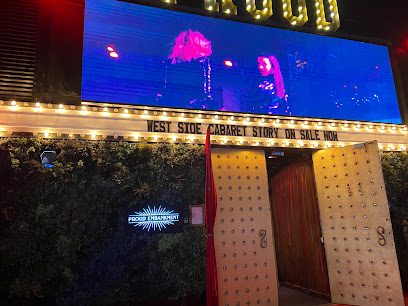
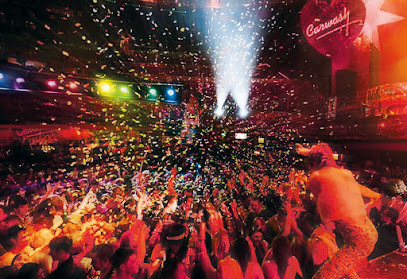
Carwash Nightclub
0.7 km
Experience Europe’s longest-running disco club in London’s West End, where retro beats, vibrant crowds, and themed parties create unforgettable nights.
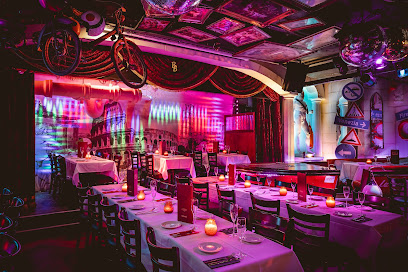
Bunga Bunga Covent Garden
0.8 km
A neon-soaked, pizza-and-karaoke supper club under Drury Lane — 90s nostalgia, stage shows and shareable Italian feasts.
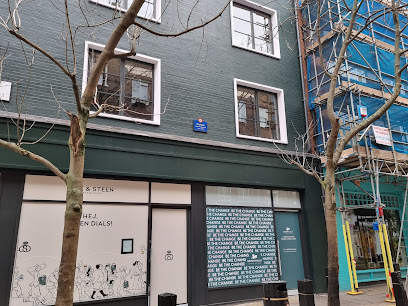
Comedy Carnival Covent Garden
1.0 km
London's premier stand-up comedy venue showcasing bold, award-winning international comedians in vibrant Covent Garden.

The Roxy
1.0 km
Soho's unbeatable happy hour cocktail bar by day, pulsing nightclub with live music and DJ nights till 3am—affordable vibes in London's nightlife heart.
Heaven
1.1 km
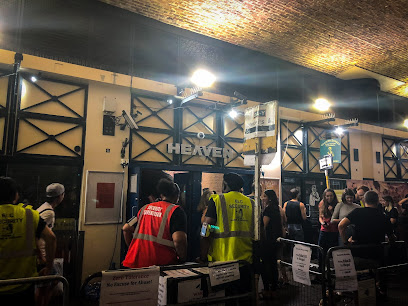
London’s iconic gay superclub under the railway arches — big nights, loud music, drag, and late finishes in the heart of the West End.
Whatdafunk Presents West End Urban Disco
1.2 km
Dive into London's grooviest urban disco beats at Whatdafunk, where Covent Garden's streets pulse with funk, soul, and non-stop dance energy in the heart of the West End.
The Ivy Club
1.2 km
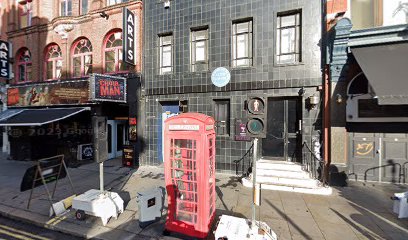
Art-Deco‑tinged members’ club above The Ivy — piano bars, discreet private dining and polished West End glamour.
London Best Night Clubs
1.2 km
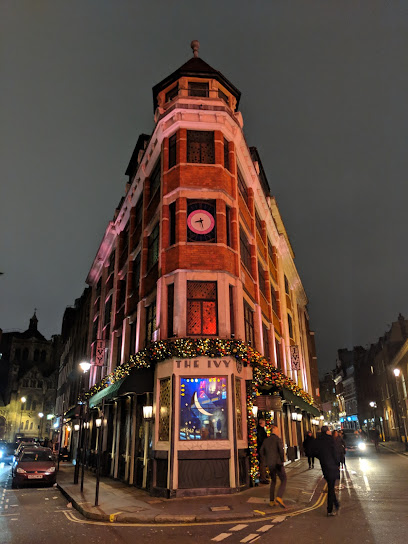
Experience London’s legendary Ministry of Sound, where cutting-edge sound meets dynamic club culture in a multi-room dance haven.
Zoo Bar & Club
1.3 km
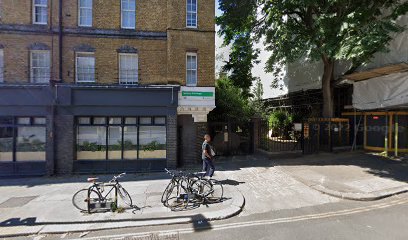
Dive into Leicester Square's edgy nightlife hub: two floors of R&B beats, sports screens, and wild energy until 3am at Zoo Bar & Club.
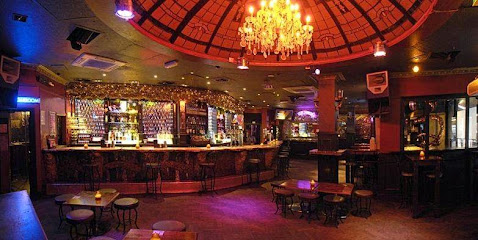
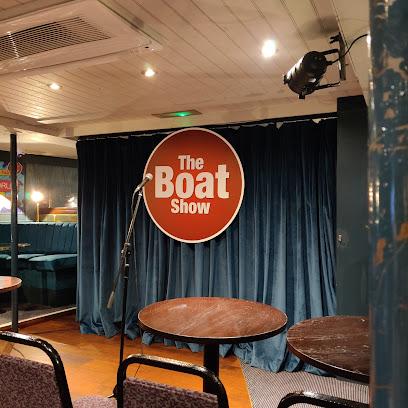
The Boat Show Comedy Club
1.3 km
London’s premier floating comedy club aboard the historic Tattershall Castle, blending laughter with iconic riverside views and vibrant nightlife.
Cirque Du Soul
1.3 km
Dive into Leake Street's graffiti tunnel for soul-stirring electronic nights at this underground nightclub haven.
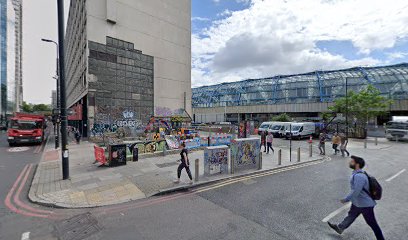
We Are Waterloo
1.3 km
Dive into Leake Street's graffiti heart where street art meets thumping beats in London's ultimate underground nightclub haven.
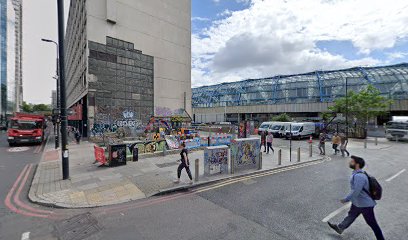
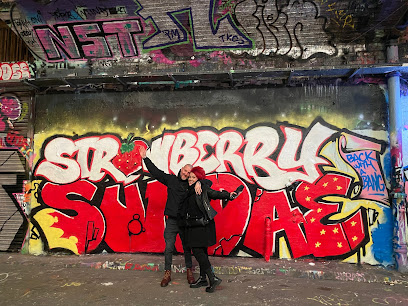
STRAWBERRY SUNDAE
1.3 km
Retro rave haven in Waterloo Arches: Daytime hardcore beats, 90s DJ legends, and industrial euphoria from midday to midnight.
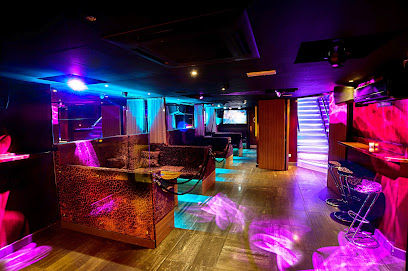
Club49Soho
1.4 km
Soho's stylish cocktail haven with DJ-fueled dancefloor energy, blending upscale drinks and classy nightlife vibes until 3am.
For the vibe & atmosphere seeker
- Historic
- Tranquil
- Unique
- Scenic
For the design and aesthetic lover
- Vintage Styles
- Rustic Designs
For the architecture buff
- Historic
- Landmarks
- Heritage Neighborhoods
For the view chaser and sunset hunter
- Iconic Views
For the social media creator & influencer
- Instagrammable
- Photo Spots
- Architectural Shots
For the eco-conscious traveler
- Protected Area
- Public-Transport Accessible
- Locally Managed
For the kind of experience you’re after
- Cultural Heritage
- Photowalk
- Day Trip
- Weekend Getaway
For how adventurous you want the journey to be
- Easy Access
Location Audience
- Family Friendly
- Senior Friendly
- Child Friendly
- Teen Friendly
- Wheelchair Access
- Solo Friendly
- Couple Friendly
- Vegetarian Friendly
- Vegan Friendly


