

Clive of India Memorial in London
A towering Edwardian statue in London commemorating Robert Clive, founder of British rule in India, embodying imperial triumph and controversy.
The Clive of India Memorial is a bronze statue located on Clive Steps, London SW1A, near the Foreign Office. Erected in 1912 and designed by John Tweed, it commemorates Robert Clive, a key figure in establishing British rule in India through military and political campaigns. The statue stands on a limestone plinth adorned with bronze friezes depicting pivotal moments from Clive’s life, symbolizing his controversial legacy as both a founder of empire and a figure of imperial violence.
A brief summary to Clive of India Memorial
- Clive Steps, London, SW1A 2HQ, GB
- Duration: 0.25 to 1 hours
- Free
-
 Outdoor
- Mobile reception: 5 out of 5
Local tips
- Observe the bronze friezes at the base carefully to understand key moments in Clive’s military career.
- Visit nearby St James’s Park for a scenic contrast to the memorial’s imperial symbolism.
- Consider the statue in the context of ongoing debates about colonial history and public monuments.
- Explore other imperial-era landmarks in the Whitehall area to deepen your understanding of British history.

For the on-the-go comforts that matter to you
- Restrooms
- Drink Options
- Food Options
- Seating Areas
- Information Boards
Getting There
-
London Underground
Take the District or Circle Line to Westminster Station, then walk approximately 10 minutes through central government buildings to reach Clive Steps. The station is well-served with frequent trains, and walking offers views of nearby landmarks.
-
Bus
Use bus routes 11, 24, or 148, which stop near Whitehall. From the bus stop, a short 5-7 minute walk along government offices leads to the memorial. Buses run regularly throughout the day with standard London fare.
-
Taxi or Ride-Hailing
A taxi or ride-hailing service from central London locations typically takes 10-20 minutes depending on traffic. Note that parking is limited around Whitehall, so drop-off is recommended.
Clive of India Memorial location weather suitability
-
 Any Weather
-
 Clear Skies
-
 Rain / Wet Weather
Discover more about Clive of India Memorial
Origins and Historical Context of the Memorial
The Clive of India Memorial was commissioned in the early 20th century as part of a broader Edwardian effort to commemorate imperial heroes. Robert Clive, later Baron Clive of Plassey, was instrumental in establishing British dominance in India during the mid-18th century. His military victories, especially the Battle of Plassey in 1757, marked the beginning of British colonial rule in Bengal and laid the foundation for the British Empire in India. The statue was designed by sculptor John Tweed and unveiled in 1912, over a century after Clive’s death, reflecting a period of imperial nostalgia and nationalistic pride.Design and Symbolism of the Statue
The bronze statue stands approximately 2.9 meters tall on a 4.2-meter limestone plinth. Around the base are three detailed bronze friezes that illustrate significant episodes from Clive’s career: the siege of Arcot in 1751, the eve of the Battle of Plassey in 1757, and Clive receiving the grant of Bengal at Allahabad in 1765. These scenes emphasize Clive’s military prowess and political influence, portraying him as a decisive and victorious figure. The statue’s placement between the Foreign Office and the Treasury underscores Clive’s enduring association with British imperial governance.Controversy and Changing Perspectives
Despite its grandeur, the memorial has been a subject of controversy. Clive’s legacy is deeply contested due to his role in violent colonial conquest, exploitation, and policies that contributed to the Bengal Famine of 1770, which caused millions of deaths. Critics highlight the statue’s depiction of small, subservient Indian figures alongside Clive, which many view as a symbol of imperial racism and domination. Calls for the statue’s removal or relocation have emerged periodically, reflecting ongoing debates about colonial history and public memory in Britain.Clive’s Complex Legacy
Robert Clive’s life was marked by both remarkable military achievements and ruthless political maneuvering. His victory at Plassey was secured through strategic alliances and betrayal, which allowed the British East India Company to gain control over Bengal. While some credit him with administrative reforms, his governance also exacerbated suffering through heavy taxation and economic exploitation. The statue embodies this duality, representing both the foundation of British imperial power and the darker consequences of colonialism.Location and Surroundings
Situated on Clive Steps near Whitehall, the memorial occupies a less prominent site than might be expected for such a historically significant figure. It faces St James’s Park and is flanked by important government buildings, symbolically linking Clive’s legacy to British state power. The area is a hub of political and historical landmarks, providing visitors with a contextual backdrop for reflecting on Britain’s imperial past.Memorial’s Role in Public History
The Clive of India Memorial serves as a locus for discussions about imperial history, nationalism, and the ethics of public commemoration. It illustrates how monuments can embody contested narratives and provoke dialogue about historical memory. The statue’s presence near the Foreign Office is a reminder of Britain’s colonial heritage and the complexities involved in commemorating figures whose actions had profound and often tragic impacts on colonized peoples.Iconic landmarks you can’t miss

Clive of India Memorial
0.0 km
A towering Edwardian statue in London commemorating Robert Clive, founder of British rule in India, embodying imperial triumph and controversy.
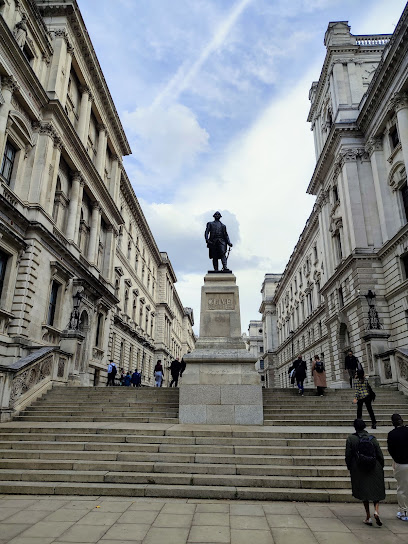
Clive Steps
0.0 km
A Grade II-listed bronze statue commemorating the controversial architect of British imperial power in India.
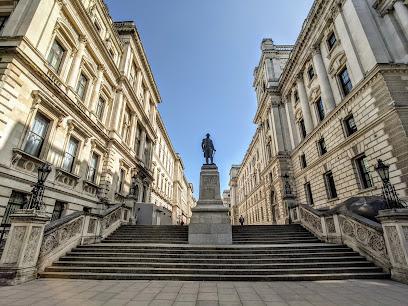
His Majesty's Treasury
0.1 km
The historic and strategic heart of the UK government’s economic policy, located in the iconic government district of Westminster, London.
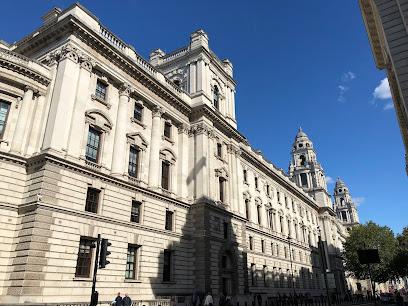
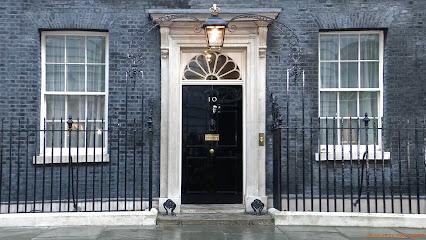
10 Downing St
0.2 km
Discover the historic seat of British leadership, where iconic moments and political power converge behind the famous black door.
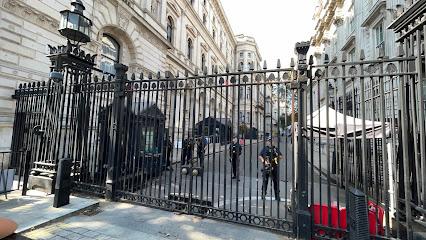
10 Downing Street
0.2 km
Iconic London residence and office of the UK Prime Minister, steeped in centuries of political history and power.
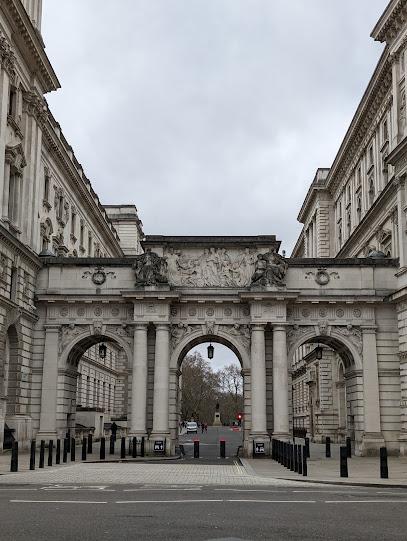
King Charles Street Arch
0.2 km
A grand 1908 triple-arched gateway in London’s Whitehall, rich in sculptural detail and historical significance.
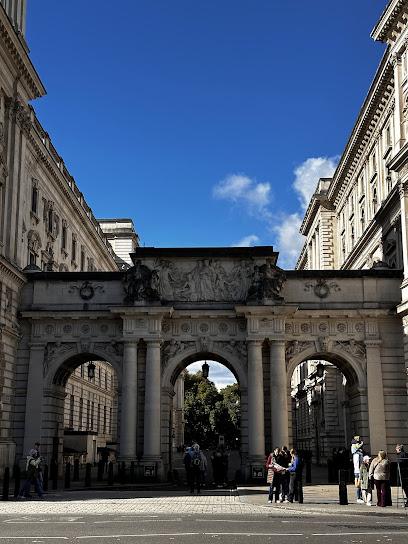
King Charles Street
0.2 km
Explore King Charles Street, a historic London government hub famed for its grand Victorian architecture and pivotal role in British political life.
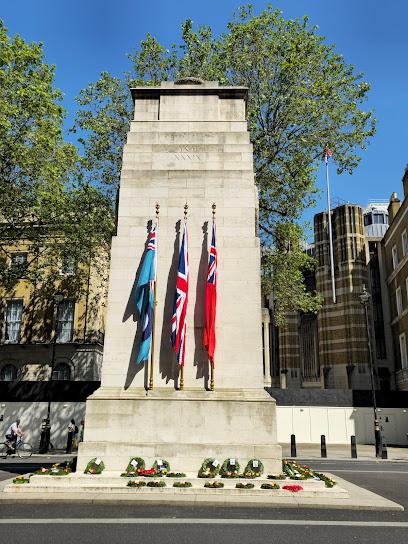
The Cenotaph
0.2 km
Britain’s national war memorial in Whitehall, a solemn tribute to the fallen of the World Wars and later conflicts.
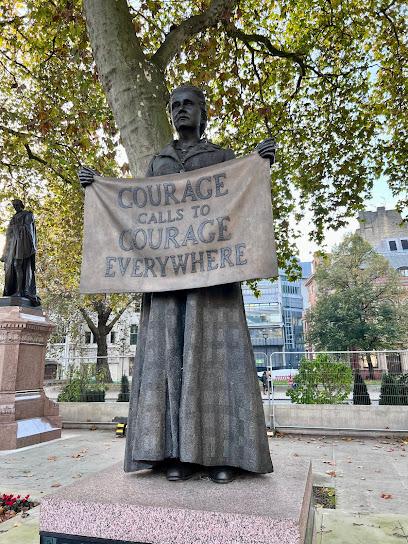
Millicent Garrett Fawcett Statue
0.2 km
Honoring Millicent Garrett Fawcett, the first woman commemorated in Parliament Square, inspiring equality through her iconic statue and legacy.
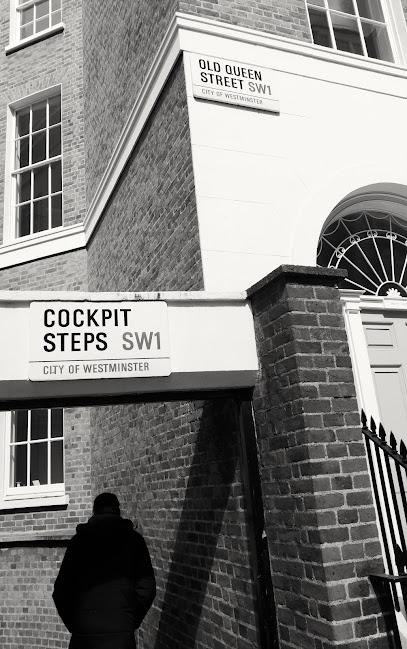
Cockpit Steps
0.2 km
Discover Cockpit Steps, a hidden historic passage in Westminster where London’s royal cockfighting past meets ghostly legend and quiet charm.
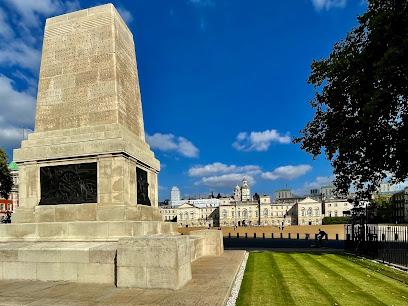
Guards Memorial
0.2 km
A solemn tribute to the valor and sacrifice of the Guardsmen who fell in World War I, set amidst London’s historic ceremonial heart.
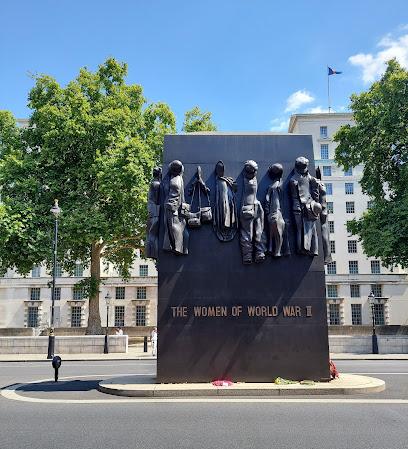
The Women of World War II
0.3 km
A powerful bronze tribute in Whitehall honoring over seven million British women’s vital roles during World War II.
Dover House
0.3 km
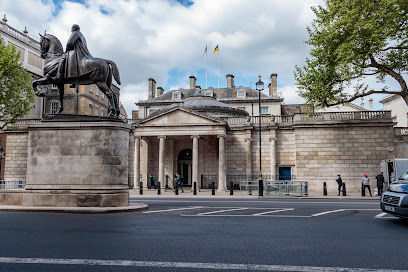
Historic neoclassical mansion on Whitehall, home to the Scotland Office with a unique rotunda entrance and rich aristocratic past.
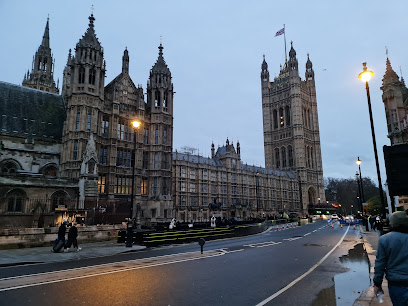
Westminster Hall
0.4 km
Step into Westminster Hall, a majestic medieval masterpiece that has witnessed a millennium of British history, law, and monarchy.
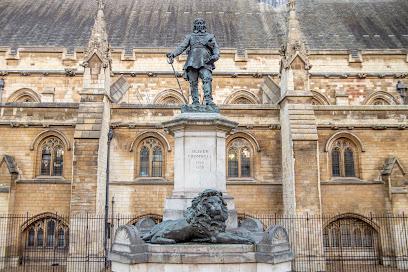
Statue of Oliver Cromwell
0.4 km
A commanding bronze tribute to Oliver Cromwell, standing outside Westminster Hall as a symbol of Britain’s turbulent 17th-century history and contested legacy.
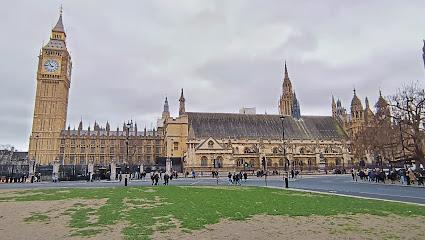
Unmissable attractions to see

Parliament Sq
0.2 km
Historic London square at the heart of British democracy, adorned with iconic statues and framed by world-famous landmarks.
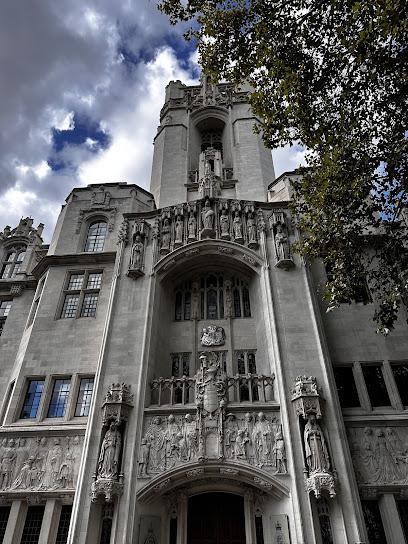
The Supreme Court
0.2 km
Explore the UK's highest court in a stunning neo-Gothic building at the heart of London’s political and judicial district.
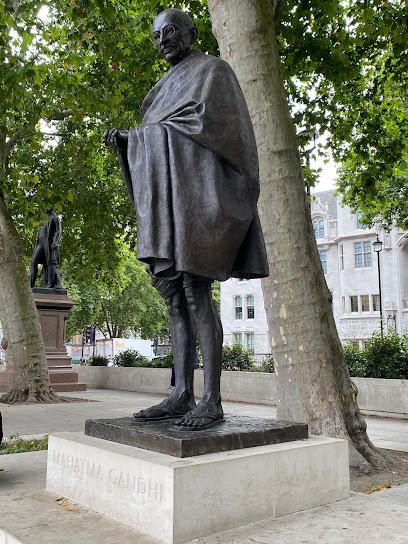
Mahatma Gandhi statue
0.2 km
A dignified bronze tribute to Gandhi’s peaceful legacy, standing humbly among world leaders in the heart of London’s historic Parliament Square.
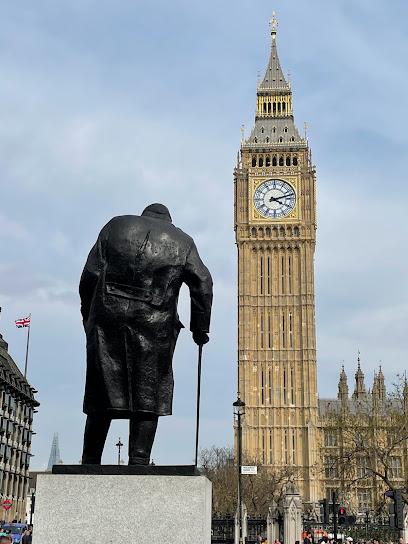
Sir Winston Churchill statue
0.3 km
Iconic bronze statue of Winston Churchill in Parliament Square, symbolizing British resilience and leadership during World War II.
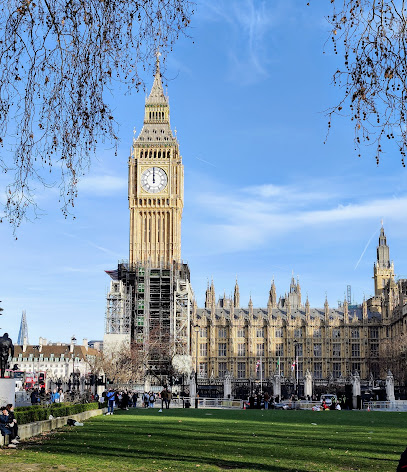
Parliament Square Garden
0.3 km
A historic green oasis in Westminster, offering iconic views and monuments at the heart of London’s political heritage.
Central Hall Westminster
0.3 km
Iconic Grade II* listed venue with Europe’s largest self-supporting dome, hosting historic and modern events in central London.
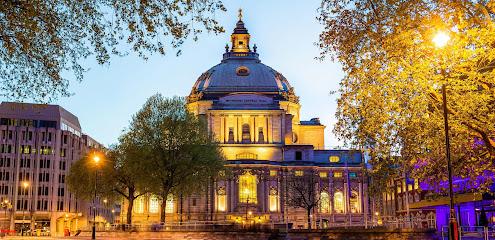
Horse Guards Parade
0.3 km
Historic ceremonial parade ground in London’s Whitehall, famed for royal pageantry and military tradition since the 16th century.
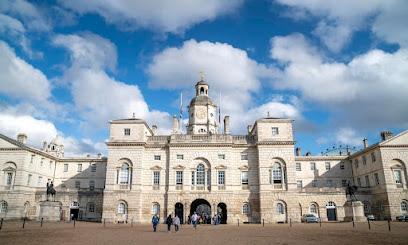
The Household Cavalry Museum
0.3 km
Explore the living history and pageantry of Britain’s elite Household Cavalry at their historic London headquarters.
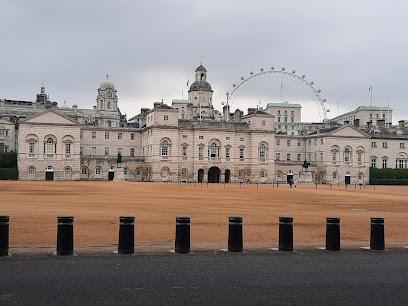
The Sanctuary
0.3 km
Historic charm meets modern comfort in the heart of Westminster, with cozy rooms, a classic pub, and sustainable hospitality.
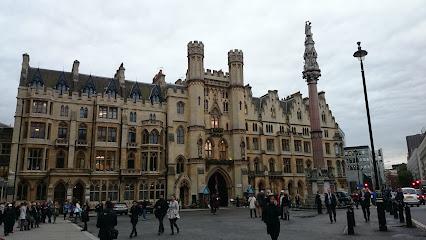
Bridge St
0.3 km
Historic Bridge Street in London offers riverside views, rich heritage, and vibrant urban life beside the iconic London Bridge.
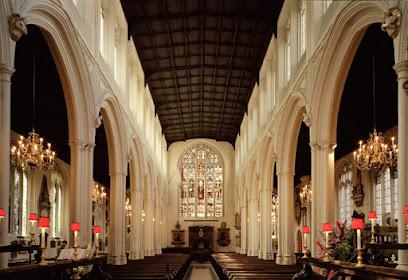
St Margaret's Church
0.3 km
Explore the serene St Margaret's Church, a historic Anglican church in London, next to Westminster Abbey, rich in history and stunning architecture.
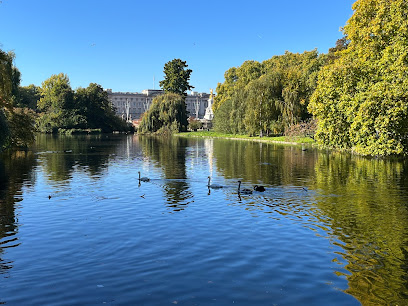
St James's Park
0.3 km
London’s oldest Royal Park, a serene green oasis with iconic palace views, historic charm, and a famous pelican colony in the city center.
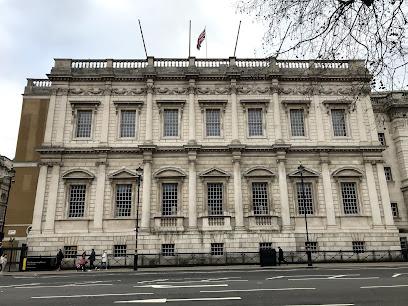
Banqueting House
0.3 km
Explore London's Banqueting House, a Palladian masterpiece with Rubens' ceiling and the historic site of King Charles I’s execution.
Royal Naval Division War Memorial
0.3 km
A solemn Lutyens-designed fountain and obelisk memorial honoring the Royal Naval Division’s WWI sacrifices on historic Horse Guards Parade.
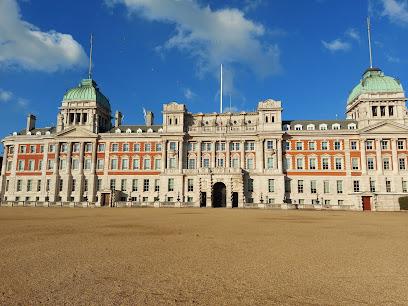
Westminster Abbey
0.4 km
Discover the majestic Gothic abbey where British monarchs have been crowned since 1066 and history echoes through every stone.
Essential places to dine

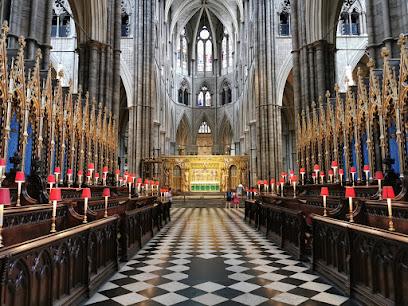
The Pem
0.4 km
Elegant modern British dining in Westminster, honoring heritage with exquisite seasonal menus and refined ambiance.
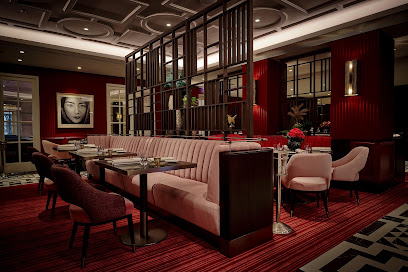
Caxton Grill
0.5 km
Refined British grill cuisine with fresh rooftop garden produce in a relaxed Westminster setting inside St Ermin’s Hotel.
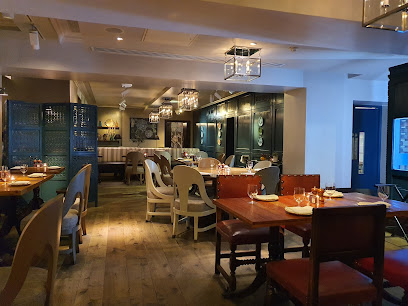
Ekstedt at The Yard
0.5 km
Experience Nordic wood-fired cuisine by Michelin-starred chef Niklas Ekstedt in the historic Great Scotland Yard Hotel, blending ancient fire cooking with British seasonal ingredients.
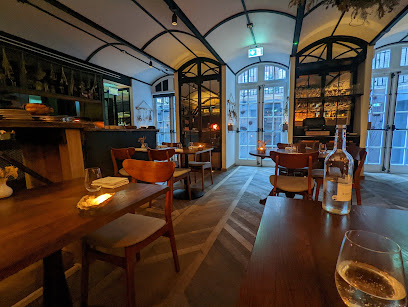
The Garden
0.6 km
A Mediterranean-inspired garden oasis offering refined seafood and elegant dining in the heart of London’s Corinthia Hotel.
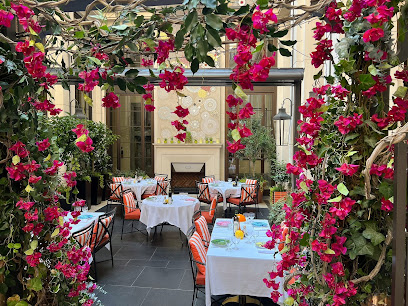
The Northall
0.6 km
Refined British dining with seasonal flair in a grand, elegant setting at Corinthia London’s distinguished restaurant.
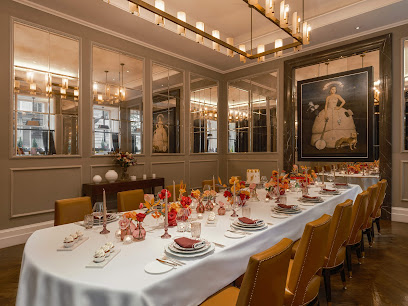
Wild Honey St James
0.6 km
Michelin-starred French-influenced cooking in a Grade II-listed banking hall, where refined technique meets understated elegance.
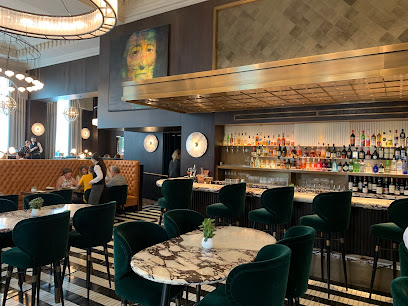
Chez Antoinette Victoria
0.6 km
Authentic French bistro in London’s Victoria offering classic Lyonnais and Parisian dishes in a cozy, Parisian-style setting.
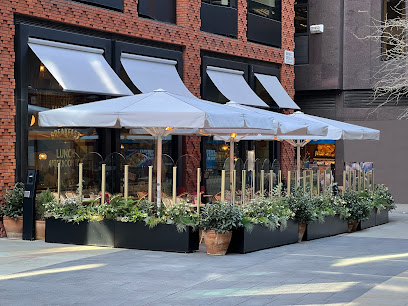
Ma La Sichuan
0.6 km
Experience authentic, boldly spiced Sichuan cuisine in the heart of Westminster with vibrant flavors and a welcoming atmosphere.
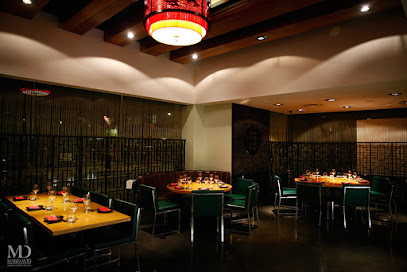
Colosseo Restaurant
0.7 km
Experience authentic Italian flavors and warm hospitality in the heart of London’s Victoria at Colosseo Restaurant.
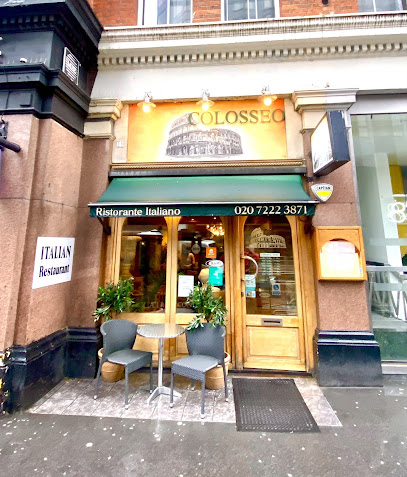
Mio Restaurant & Bar
0.7 km
Authentic Italian flavors and warm hospitality await you in this cozy central London gem with generous portions and great value.
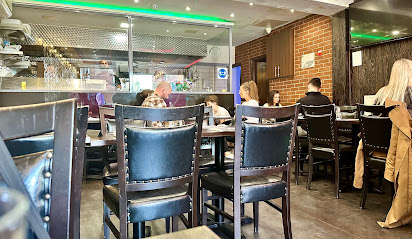
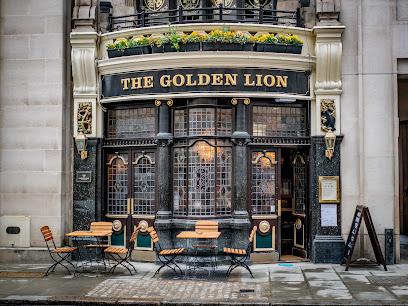
Golden Lion
0.7 km
Historic 1690s pub in St James's offering classic British fare, rich heritage, and a warm, family-friendly atmosphere near Buckingham Palace.
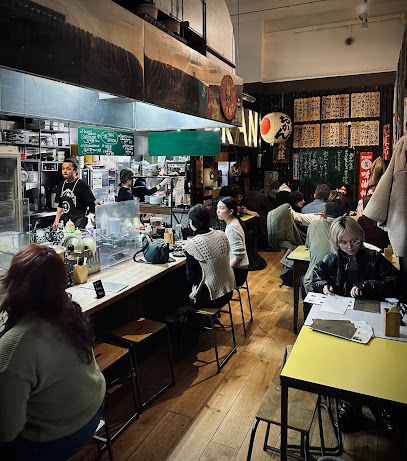
OKAN South Bank
0.8 km
Experience authentic Osaka-style okonomiyaki and Japanese street food in a cozy, lively South Bank eatery with friendly service and a nostalgic vibe.
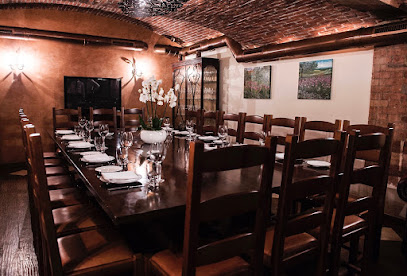
Osteria dell'Angolo
0.8 km
Classic Italian flavors and fresh pasta in a warm, elegant Westminster setting with attentive service and a visible kitchen.
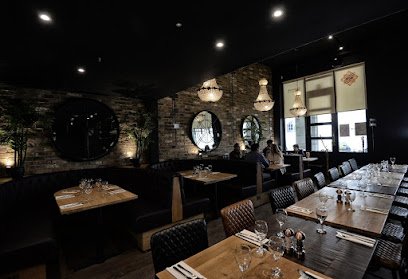
Troia Southbank
0.8 km
Experience authentic Mediterranean and Middle Eastern cuisine with halal options in a vibrant riverside setting near the London Eye.
Great British Restaurant
0.8 km
Elegant British dining in the heart of St James’s, blending traditional flavors with modern sophistication in a tranquil hotel setting.
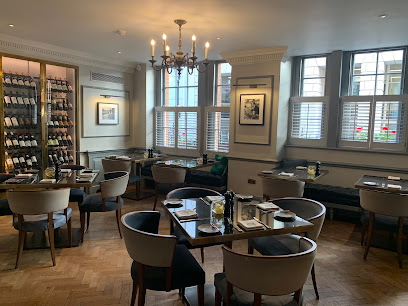
Markets, malls and hidden boutiques

Houses of Parliament Shop
0.3 km
Discover parliamentary pride in souvenirs, books, and gifts at this cozy Bridge Street boutique, steps from Westminster's iconic halls.
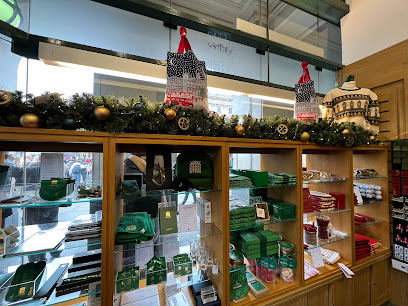
Westminster Abbey Shop
0.3 km
Discover exclusive Abbey-inspired gifts and souvenirs that support Westminster Abbey’s heritage and conservation efforts.
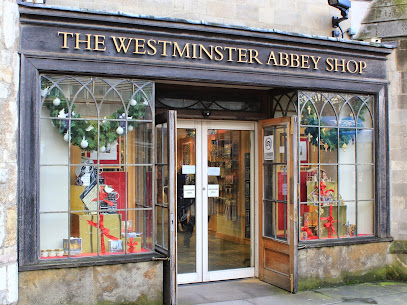
Jubilee Shop (Houses of Parliament Gift Shop)
0.4 km
Discover exclusive British political gifts and souvenirs inside the historic Westminster Hall at the Jubilee Shop, Houses of Parliament.
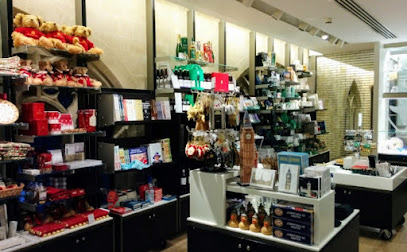
Crest of London Ltd
0.5 km
Discover authentic London souvenirs and local crafts at Crest of London Ltd, your premier gift shop in historic Whitehall.
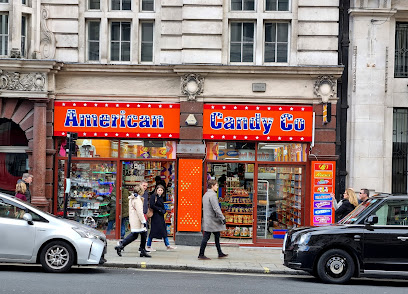
Browns of London
0.7 km
Explore Browns of London for unique handcrafted gifts and local treasures in the heart of the city, perfect for memorable souvenirs from your travels.
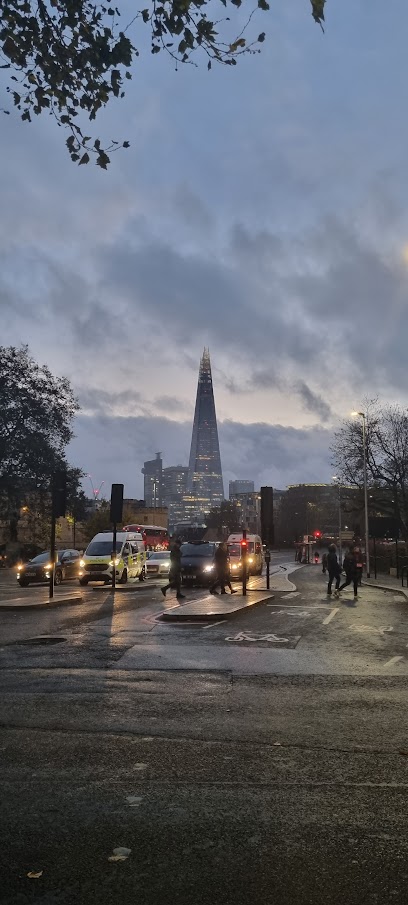
Berry Bros. & Rudd Wine Shop
0.7 km
London’s oldest family-run wine merchant since 1698, blending royal tradition with expert wine and spirits in a historic Pall Mall setting.
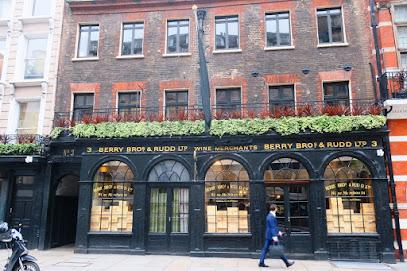
Gift Shop - London Eye Shop
0.7 km
Capture London's magic at the London Eye Gift Shop: exclusive souvenirs, Thames views, and iconic keepsakes from the wheel's base.
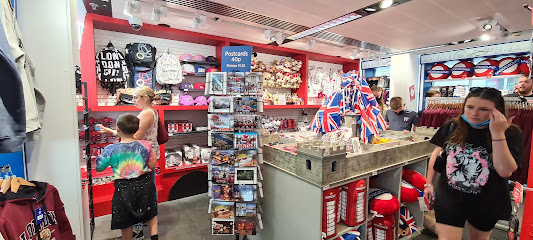
Gifts of London
0.7 km
Discover unique souvenirs and gifts that embody the spirit of London at Gifts of London, your perfect shopping destination.
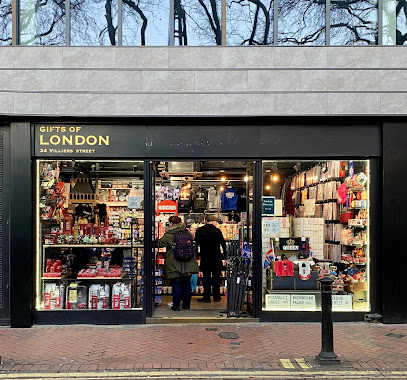
Lock & Co. Hatters
0.7 km
Discover the world’s oldest hat shop, where centuries of British style and craftsmanship come to life in the heart of London.
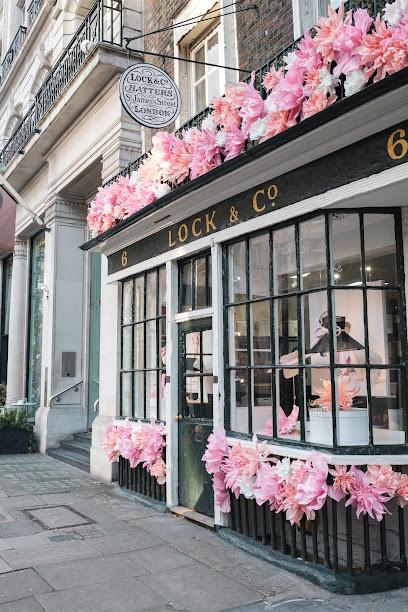
John Lobb St. James
0.7 km
Where 170 years of royal patronage meets handcrafted perfection in every stitch.
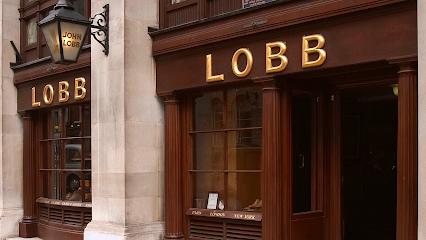
Custom Gifts By Jupiter
0.8 km
Unleash creativity with bespoke gifts and custom decor from this South Bank artisan haven near the Thames and iconic landmarks.
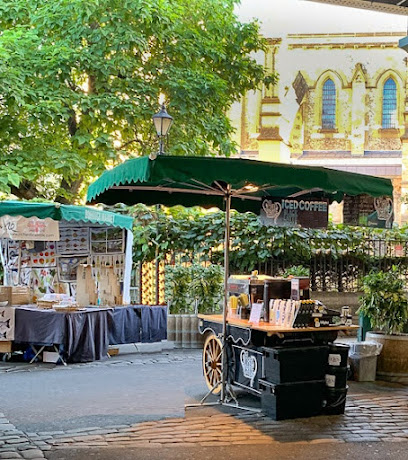
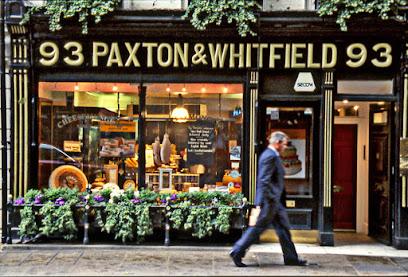
Paxton & Whitfield Ltd
0.8 km
London’s oldest cheesemonger, serving artisan cheese with royal heritage and timeless charm.
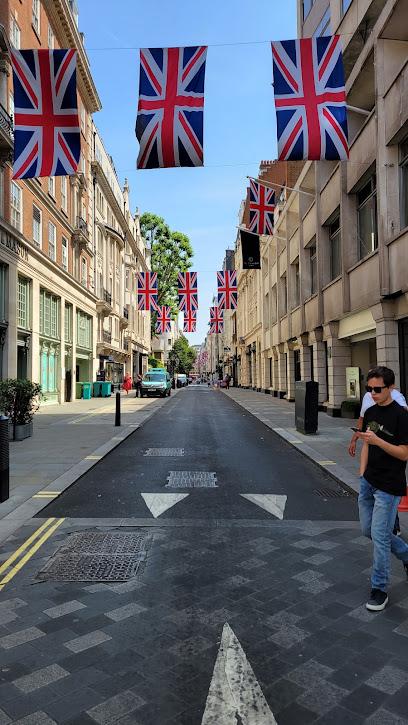
Jermyn St
0.9 km
Discover Jermyn Street, London’s historic menswear enclave blending timeless craftsmanship with contemporary style and refined elegance.
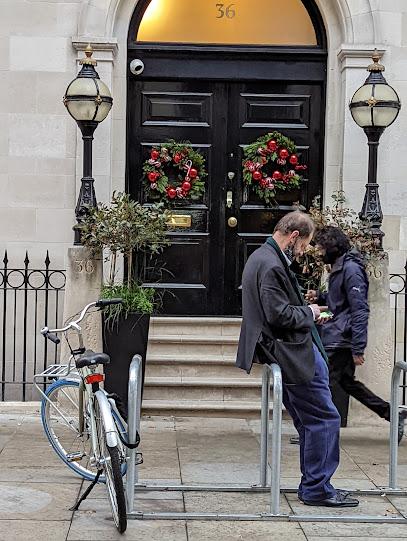
Floris London
0.9 km
Experience nearly three centuries of British fragrance heritage at Floris London’s historic boutique on iconic Jermyn Street.
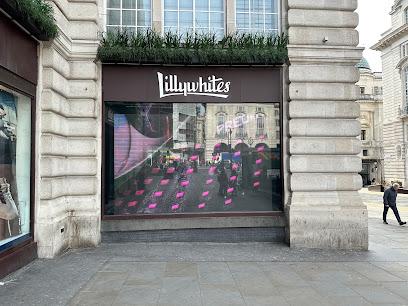
Lillywhites
0.9 km
London's iconic sports megastore at Piccadilly Circus—where athletic excellence meets retail tradition.
Essential bars & hidden hideouts

Westminster Arms
0.2 km
Historic Westminster pub with parliamentary division bell, Shepherd Neame ales, and cozy alcoves steps from Abbey and Parliament—timeless British charm in political heart.
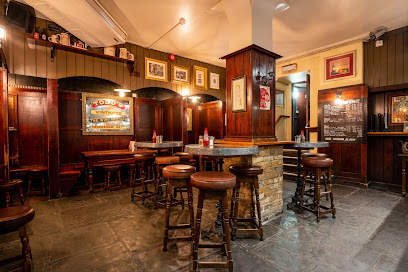
The Red Lion, Parliament Street
0.2 km
A venerable Westminster corner pub — late‑Victorian fittings, political atmosphere and a long history beside Downing Street and Parliament.
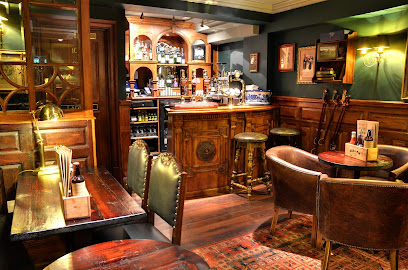
Two Chairmen
0.3 km
Traditional Westminster pub serving hearty pies, fresh ales, and classic British cheer just steps from St. James's Park and Parliament.
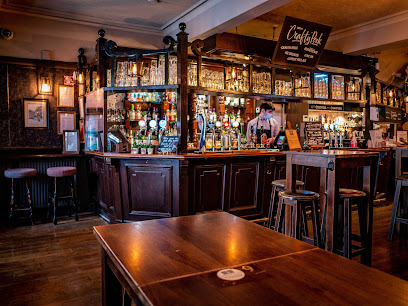
Blue Boar Pub
0.4 km
Traditional Westminster pub serving hearty British classics in a cozy, historic setting near Abbey and Parliament—perfect for ales, roasts, and relaxed evenings.
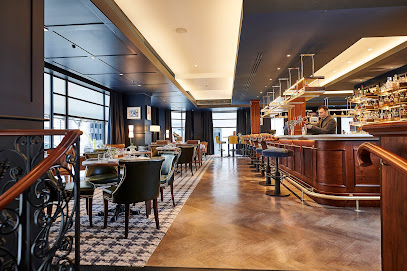
The Spy Bar
0.4 km
Step into London’s secret subterranean bar where espionage history meets masterful cocktails and exclusive, no-photos privacy.
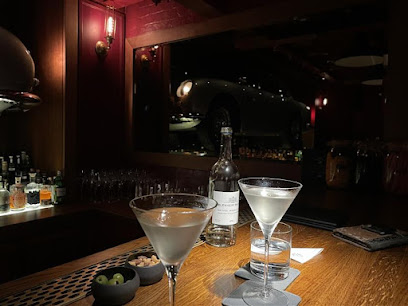
Old Shades
0.5 km
Historic Whitehall pub pouring cask ales and pub classics since 1898, steps from Trafalgar Square—a true taste of London tradition.
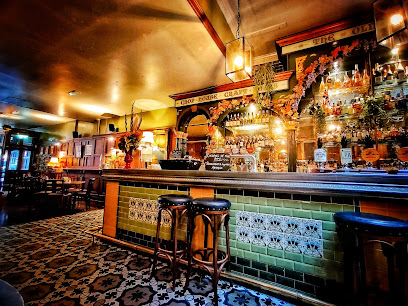
Adam & Eve
0.5 km
Classic Westminster pub pouring real ales and hearty grub amid historic streets—a cozy haven near Parliament and the Abbey for authentic London pints.
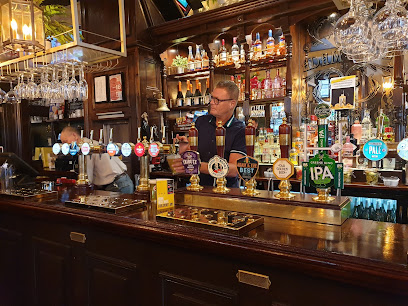
Le Champagne Bar
0.7 km
A compact riverside champagne lounge beside the London Eye—perfect for a celebratory flute and framed Thames views.
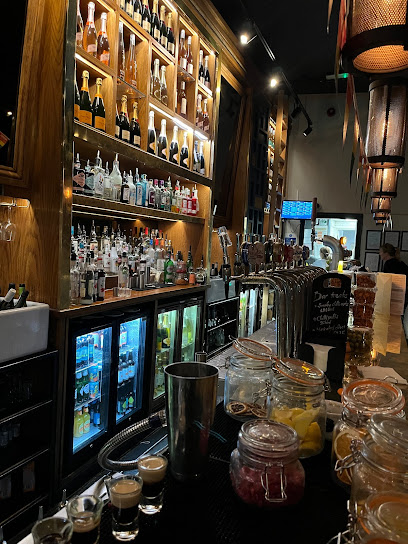
All Bar One Victoria
0.7 km
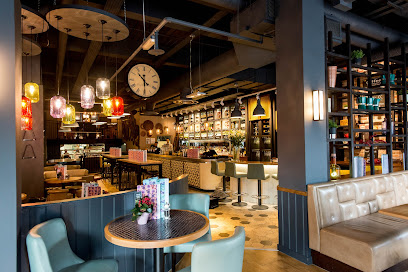
Sophisticated wines, global bites, and lively vibes on Victoria Street – London's go-to for stylish drinks and casual feasts near Westminster's heart.
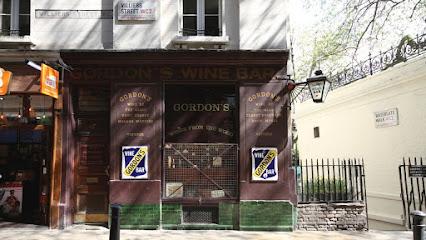
Gordon's Wine Bar
0.7 km
Step into London's oldest wine bar, where history, candlelight, and award-winning wines create an unforgettable cellar experience.
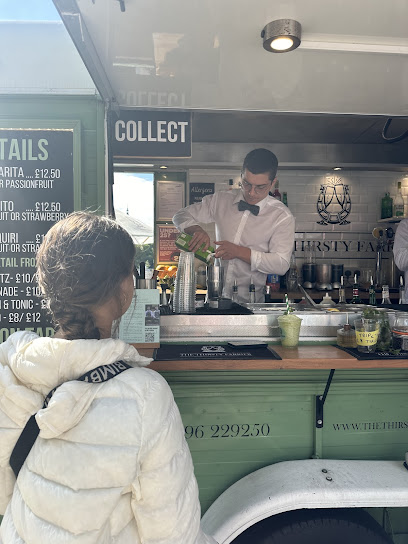
The Thirsty Farrier Cocktail Bar
0.8 km
A vibrant London cocktail bar offering expertly crafted seasonal drinks with scenic riverside views and a welcoming atmosphere.
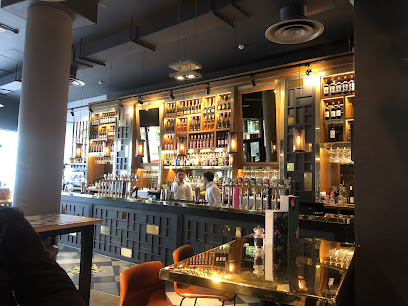
All Bar One Waterloo
0.8 km
Sophisticated South Bank bar serving creative cocktails, sharing plates, and wines in a lively spot near Waterloo Station and the London Eye.
The Red Lion, Mayfair
0.8 km
Historic Victorian pub in Mayfair famed for its political heritage and classic London charm, steps from Downing Street.
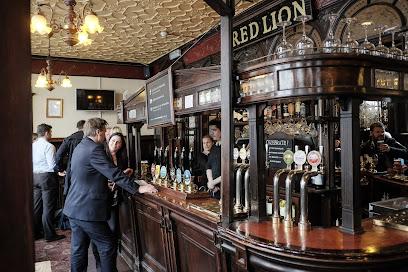
Hampshire Restaurant and Bar
0.9 km
Intimate bar and restaurant serving vibrant Mexican and Peruvian cuisine in the heart of Leicester Square’s iconic theatre district.
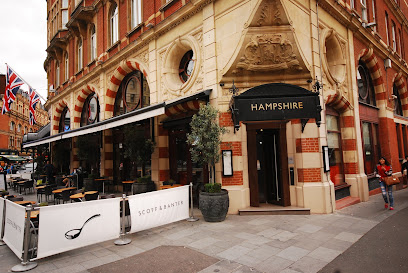
Slug & Lettuce - County Hall
0.9 km
Chic South Bank cocktail haven in County Hall: bottomless brunches, 2-for-1 sips, pub classics, and Thames views for London's liveliest lunches and nights out.
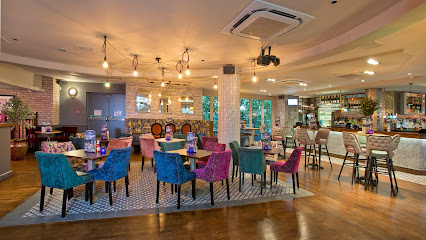
Nightclubs & after hour spots

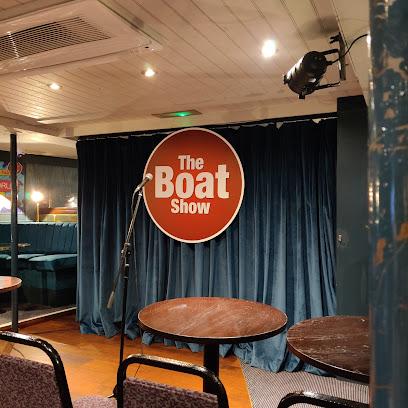
The Boat Show Comedy Club
0.5 km
London’s premier floating comedy club aboard the historic Tattershall Castle, blending laughter with iconic riverside views and vibrant nightlife.
TSQ Club
0.6 km
Dive into Trafalgar Square's nightlife pulse at TSQ Club, where eclectic beats, dazzling lights, and craft cocktails fuel unforgettable weekend nights in London's heart.
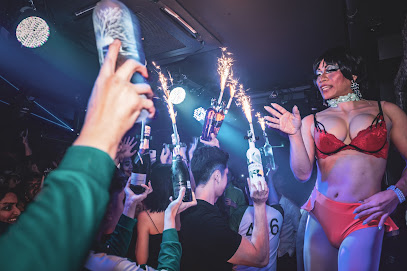
Heaven
0.7 km
London’s iconic gay superclub under the railway arches — big nights, loud music, drag, and late finishes in the heart of the West End.
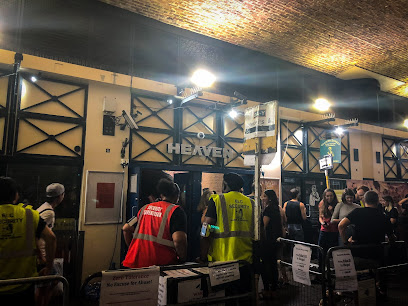
The Scotch of St James
0.8 km
Legendary Mayfair speakeasy where 60s rock stars jammed and today's elite dance till dawn in velvet-clad intimacy.
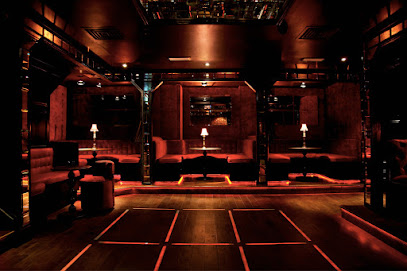
Tiger Tiger London
0.9 km
Experience London’s iconic Haymarket nightclub with six vibrant rooms, lively DJs, and a dynamic party atmosphere just moments from Piccadilly Circus.
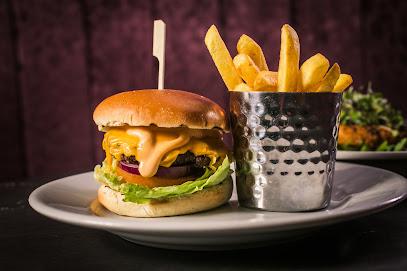
Luxe Club
0.9 km
Experience London's vibrant nightlife at Luxe Club, a central hotspot for music, dancing, and late-night entertainment.
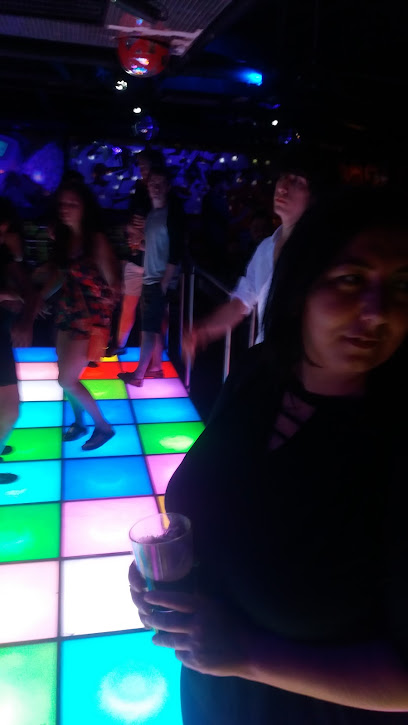
Cirque Du Soul
0.9 km
Dive into Leake Street's graffiti tunnel for soul-stirring electronic nights at this underground nightclub haven.
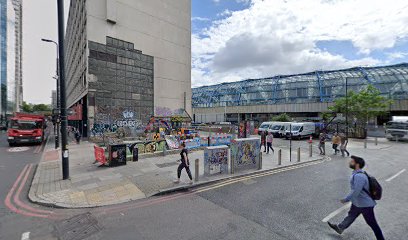
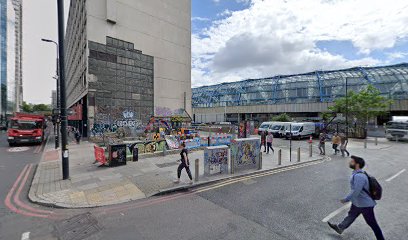
We Are Waterloo
0.9 km
Dive into Leake Street's graffiti heart where street art meets thumping beats in London's ultimate underground nightclub haven.
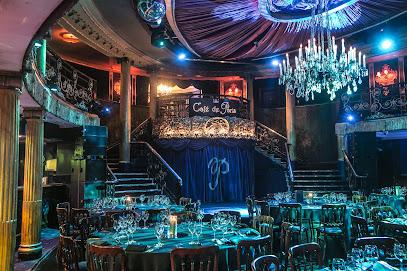
Café de Paris
0.9 km
Step into London’s iconic West End nightclub where history, glamour, and electrifying cabaret create unforgettable nights.
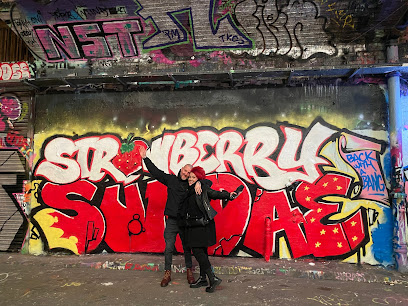
STRAWBERRY SUNDAE
0.9 km
Retro rave haven in Waterloo Arches: Daytime hardcore beats, 90s DJ legends, and industrial euphoria from midday to midnight.
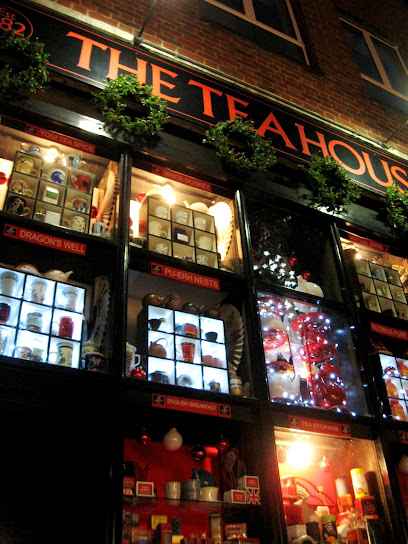
The Penthouse London
1.0 km
A compact, rooftop nightclub above Leicester Square — reached by a side lift, built for late‑night private parties and skyline glimpses.
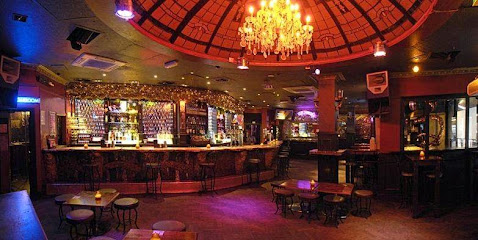
Zoo Bar & Club
1.0 km
Dive into Leicester Square's edgy nightlife hub: two floors of R&B beats, sports screens, and wild energy until 3am at Zoo Bar & Club.
The Cuckoo Club
1.0 km
Exclusive Mayfair nightclub and restaurant blending glamorous design, contemporary cuisine, and vibrant nightlife in London’s upscale scene.
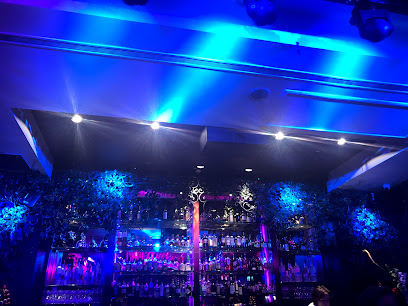
Tabu London
1.0 km
Escape Mayfair's polish for Tokyo's neon-lit Shinjuku alleys at Tabu London—retro gaming vibes, caged dancers, hip-hop beats, and upscale bites fuel epic nights.

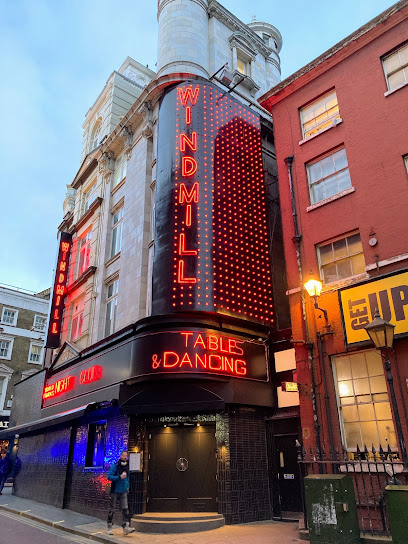
The Windmill Soho | Restaurant, Cabaret & Nightclub in Soho, London
1.1 km
Soho's legendary cabaret den revived: burlesque bites, theatrical feasts, and all-night beats in a historic hotspot of hedonism.
For the vibe & atmosphere seeker
- Historic
- Scenic
- Unique
- Casual
For the design and aesthetic lover
- Vintage Styles
For the architecture buff
- Historic
- Landmarks
For the view chaser and sunset hunter
- Iconic Views
- Panoramas
For the social media creator & influencer
- Architectural Shots
- Photo Spots
For the eco-conscious traveler
- Public-Transport Accessible
For the kind of experience you’re after
- Cultural Heritage
- Photowalk
- Myth & Legends
For how adventurous you want the journey to be
- Easy Access
Location Audience
- Family Friendly
- Senior Friendly
- Child Friendly
- Teen Friendly
- Wheelchair Access
- Solo Friendly
- Couple Friendly
- Vegetarian Friendly
- Vegan Friendly


