

The Graffiti Tunnel, Sutherland Travel Guide
London’s largest legal graffiti gallery beneath Waterloo Station, where street art thrives in a constantly evolving urban canvas.
Located beneath Waterloo Station, Leake Street Graffiti Tunnel is a vibrant, ever-changing urban art gallery. Since 2008, when Banksy hosted the Cans Festival here, the tunnel has become London’s largest legal graffiti wall. Artists from around the world freely paint and repaint its 300-meter length, creating a dynamic and colorful canvas that evolves daily. This unique space blends street art culture with community spirit, offering visitors an immersive experience of London’s alternative creative scene.
A brief summary to The Graffiti Tunnel
- Leake St, London, SE1 7NN, GB
- Click to display
- Duration: 0.5 to 2 hours
- Free
-
 Outdoor
- Mobile reception: 4 out of 5

Know before you go
Hi, I'm Eve. Here are a few practical things to know before exploring The Graffiti Tunnel.
- Visit during daylight to see the full vibrancy of the ever-changing graffiti artworks.
- Bring a camera to capture unique murals and the dynamic street art culture.
- Respect the artists’ work—avoid defacing or removing any artwork.
- Explore the nearby Leake Street Arches for independent dining and entertainment options.
- Be aware of your surroundings, especially if visiting alone or after dark, though the area is generally safe due to constant activity.
Do you manage this location?
Take control to get all the benefits, like improved information, better appearance, and stronger visibility across AI-powered discovery. Learn more about listing your business on Evendo
Activate your presenceOther nearby places you may find interesting
The closest places of the same kind, if this one is not quite what you had in mind.

Explore The Graffiti Tunnel on the Map
A handpicked selection of must-see spots near The Graffiti Tunnel, mapped for you.
Unlock the Best of The Graffiti Tunnel
Buy tickets
-
No tickets available
Book tours with entry


Book tours without entry
-
No tours available
Getting There
-
Public Transport
Take the London Underground to Waterloo Station, served by the Jubilee, Northern, Bakerloo, and Waterloo & City lines. The tunnel is a short walk from the station concourse. Travel times vary depending on your starting point but typically range from 15 to 45 minutes within central London. No additional fare beyond standard tube tickets is required.
-
Bus
Multiple London bus routes stop near Waterloo Station, including routes 59, 68, 171, and 211. Bus travel times vary by traffic but generally take 20 to 50 minutes from central London locations. Buses accept contactless payment or Oyster cards.
-
Taxi or Rideshare
Taxi or rideshare services can drop you off near Leake Street, with journey times from central London averaging 10 to 30 minutes depending on traffic. Expect fares typically between £8 and £20. Note that parking is limited and not recommended.
-
Walking
If you are near the South Bank or London Eye, walking to Leake Street Tunnel takes approximately 10 to 15 minutes over mostly flat, paved paths. The route is accessible and well-signed.
For the on-the-go comforts that matter to you
-
 Restrooms
-
 Drink Options
-
 Food Options
-
 Seating Areas
-
 Trash Bins
-
 Information Boards
Discover more about The Graffiti Tunnel
A Hidden Canvas Beneath Waterloo
Leake Street Graffiti Tunnel, often called the Banksy Tunnel, is a 300-meter-long passage running beneath the busy railway tracks of Waterloo Station. Originally part of the Eurostar terminal's access route, the tunnel fell into neglect after Eurostar moved to St Pancras International. Once a dark, dismal underpass, it was transformed in 2008 when the renowned street artist Banksy organized the Cans Festival, inviting artists worldwide to paint the tunnel legally. This event sparked the tunnel’s rebirth as an open-air gallery, turning a forgotten space into a celebrated urban art destination.The Ever-Evolving Urban Gallery
What sets Leake Street apart is its fluid and democratic nature. Artists are free to paint over existing pieces, ensuring the tunnel’s artwork is constantly refreshed and never static. This results in a vibrant, unpredictable display where no two visits are alike. The walls and ceilings are covered with a mix of intricate murals, bold tags, political statements, and playful designs. The tunnel acts as a living canvas that reflects contemporary urban culture, creativity, and social commentary, making it a unique spectacle for art lovers and curious visitors alike.Community and Culture in Motion
Beyond its artistic significance, the tunnel serves as a communal space where artists, photographers, and visitors converge. It fosters a sense of connection among diverse creatives, from professional muralists to amateurs and families painting together. The constant activity and presence of people have transformed the tunnel into a safer, lively environment despite its underground setting. Nearby, the Leake Street Arches complement this cultural hub with independent restaurants, bars, and entertainment venues, enriching the visitor experience with urban lifestyle elements.Historical Layers and Namesake
The tunnel’s name honors Dr John Leake, an 18th-century physician known for founding the Westminster Lying-In Hospital, a maternity hospital near the site. This historical connection adds depth to the location’s identity, linking its past as a place of care and community to its present role as a vibrant cultural landmark. The juxtaposition of medical history with contemporary street art highlights the layered character of London’s urban spaces.Visitor Experience and Atmosphere
Walking through the tunnel is a sensory journey: the vivid colors and bold designs contrast with the gritty brickwork and the echo of passing trains overhead. The atmosphere is informal and welcoming, with artists often happy to chat or pose for photos. The tunnel’s ever-changing artwork invites repeat visits and exploration, encouraging visitors to discover new pieces and stories each time. It is best experienced during daylight to fully appreciate the colors, though the tunnel is accessible at all hours.Legal Graffiti and the Spirit of Freedom
Leake Street Graffiti Tunnel stands as one of the few places in London where graffiti is legally permitted, making it a rare haven for street art. Banksy’s initiative helped shift perceptions of graffiti from vandalism to a legitimate and celebrated art form. The tunnel exemplifies how urban art can reclaim and beautify neglected spaces, offering a platform for free expression and community engagement. It remains a testament to the transformative power of creativity in the city.












Your all‑in‑one travel companion app
Explore expert travel guides, compare and book tours, experiences, hotels, and more—all from the palm of your hand. Download now for seamless trip planning wherever your wanderlust takes you.


Explore More of Sutherland
Looking beyond The Graffiti Tunnel? Discover Sutherland for broader travel guides, local hot-spots, and regional highlights.
Explore Sutherland
Dive into London’s premier marine world with over 500 species, immersive underwater tunnels, and inspiring conservation efforts at SEA LIFE London Aquarium.
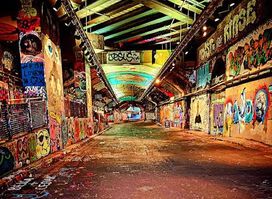
London's longest legal graffiti wall—a 300-meter underground gallery where street art thrives in constant, democratic flux.
