

The Charterhouse: A Historic London Legacy from Plague Pit to Almshouse
Explore over 600 years of London history at The Charterhouse, from medieval monastery and Tudor mansion to enduring charity and museum.
The Charterhouse in London’s Barbican area is a remarkable historic complex spanning over 600 years. Originating as a 14th-century plague burial ground, it became a Carthusian monastery in 1371, later transformed into a grand Tudor mansion, and then a pioneering charity and almshouse founded in 1611. Today, it houses a museum, chapel, and continuing almshouse, offering visitors a profound glimpse into London’s medieval, Tudor, and charitable heritage.
A brief summary to The Charterhouse
- Charterhouse Square, London, Barbican, EC1M 6AN, GB
- +442038188873
- Visit website
- Duration: 1 to 3 hours
- Mid ranged
-
 Outdoor
- Mobile reception: 4 out of 5
- Tuesday 10:30 am-4:30 pm
- Wednesday 10:30 am-4:30 pm
- Thursday 10:30 am-4:30 pm
- Friday 10:30 am-4:30 pm
- Saturday 10:30 am-4:30 pm
Local tips
- Book a guided tour to gain deeper insights into the Charterhouse’s rich history and hear stories from almshouse residents.
- Visit the Chapel to admire original medieval stonework and stunning stained glass windows.
- Explore the free museum to learn about the Black Death plague pit beneath Charterhouse Square.
- Check opening hours carefully as the site is closed on Mondays and Sundays.
- Combine your visit with a walk around Charterhouse Square to appreciate the architectural diversity of the area.

For the on-the-go comforts that matter to you
- Restrooms
- Information Boards
- Visitor Center
- Seating Areas
Getting There
-
Public Transport
Take the London Underground to Barbican Station on the Circle, Hammersmith & City, or Metropolitan lines. The station is about a 5-7 minute walk from The Charterhouse. Services run frequently with typical fares ranging from £2.50 to £5 depending on ticket type.
-
Bus
Several London bus routes, including numbers 153 and 242, stop near Charterhouse Square. Bus journeys from central London take approximately 15-25 minutes. Contactless payment or Oyster cards are accepted, with fares around £1.75 per trip.
-
Taxi or Rideshare
Taxis and rideshare services can drop you directly at Charterhouse Square. Travel times vary from 10 to 30 minutes depending on traffic. Expect fares from £10 to £20 from central London locations.
-
Walking
If staying nearby in the Barbican or Farringdon areas, walking to The Charterhouse is pleasant and accessible, taking 10-20 minutes over mostly flat urban terrain.
The Charterhouse location weather suitability
-
 Any Weather
-
 Rain / Wet Weather
-
 Clear Skies
-
 Mild Temperatures
Discover more about The Charterhouse
Origins in Tragedy and Faith
The Charterhouse’s story begins in 1348 amid the devastation of the Black Death, when Sir Walter Manny leased land now known as Charterhouse Square as an emergency burial site for plague victims. It is estimated that up to 10,000 bodies were interred here, making it one of London’s largest mass graves. Following this grim period, the Bishop of London, inspired by the Carthusian monastery he had seen in Paris, founded the London Charterhouse in 1371 as a place of austere monastic life, dedicated to silence, prayer, and solitude.Religious Turmoil and Tudor Transformation
The monastery flourished until the English Reformation under Henry VIII. The monks’ refusal to accept the King as head of the Church led to their persecution and execution between 1535 and 1537, and the dissolution of the Charterhouse. The site was confiscated by the Crown and repurposed as storage, including for royal hunting equipment. In 1545, Sir Edward North acquired the property and transformed it into a grand Tudor mansion, complete with a Great Hall and Great Chamber. The mansion hosted notable figures, including Queen Elizabeth I, who used it during her coronation preparations.The Birth of a Charity and Almshouse
In 1611, Thomas Sutton, reputedly the wealthiest commoner in England, purchased the Charterhouse and established it as a charitable foundation. His vision created an almshouse for elderly men and a school for boys, a pioneering philanthropic institution that endures today. The Charterhouse became one of Europe’s wealthiest charities, governed by a board of governors who oversaw its operations and expansions.War, Restoration, and Preservation
The Second World War brought significant damage to the Charterhouse during the Blitz, including destruction of the Great Hall and other historic interiors. The site was also used for wartime efforts, with air raid shelters and vegetable gardens. Post-war restoration led by architects John Seely and Paul Paget from 1945 to 1959 carefully conserved and restored the buildings, revealing hidden medieval and Tudor features. Archaeological excavations during this period uncovered important finds such as the grave of Sir Walter Manny.Architectural and Cultural Context
Charterhouse Square itself is a microcosm of London’s architectural history, surrounded by buildings from medieval to modern times. Nearby Florin Court, an Art Deco residential building, contrasts with the historic Tudor and medieval structures of the Charterhouse. The square’s evolution from plague pit to residential and commercial area reflects London’s broader urban development. The Charterhouse remains a significant heritage site, blending its monastic, Tudor, and charitable past with contemporary cultural uses.Visitor Experience and Legacy
Today, visitors to the Charterhouse can explore its free museum, historic chapel with original medieval stonework and stained glass, and participate in guided tours often led by almshouse residents. The site’s layered history—from plague burial ground to monastic retreat, Tudor mansion, school, and almshouse—offers a unique window into London’s social, religious, and architectural evolution over centuries. Its continued function as an almshouse preserves its founding charitable mission, connecting past and present in a living heritage site.Iconic landmarks you can’t miss

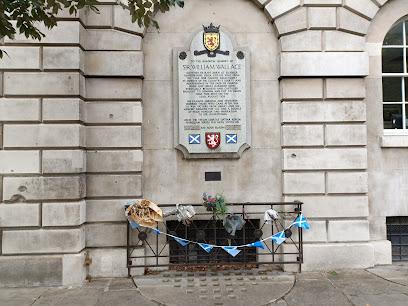
Sir William Wallace Memorial
0.3 km
A solemn 1956 memorial to Scotland's greatest patriot, executed here in 1305 for resisting English rule.
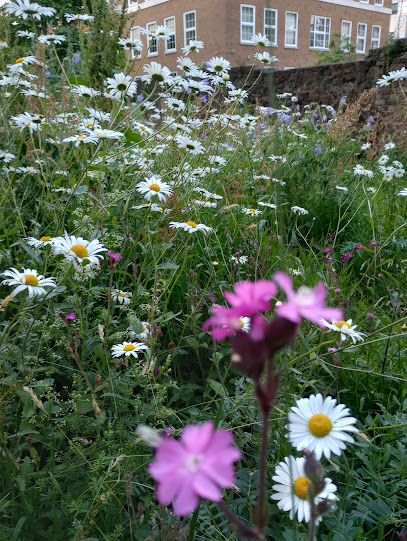
London City wall
0.5 km
Explore the ancient Roman and medieval London City Wall, a monumental symbol of the city’s enduring history and resilience.
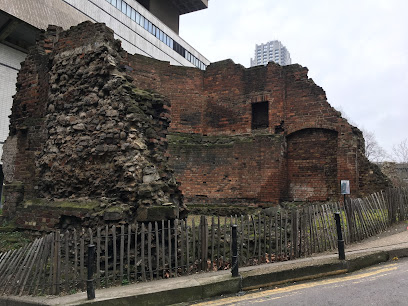
London City Wall - Bastion 14
0.5 km
Explore Bastion 14, a medieval bastion built on Roman foundations, revealing centuries of London’s ancient city defenses in the Barbican.
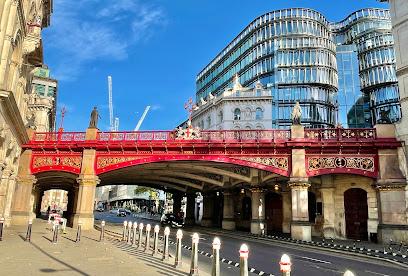
Holborn Viaduct
0.6 km
A grand Victorian bridge spanning London's hidden Fleet valley, blending engineering innovation with ornate artistry and rich history.
Roman London Wall (St Alphage Garden Section)
0.6 km
Explore the ancient Roman and medieval layers of London's historic city wall nestled within the peaceful St Alphage Garden in Barbican.
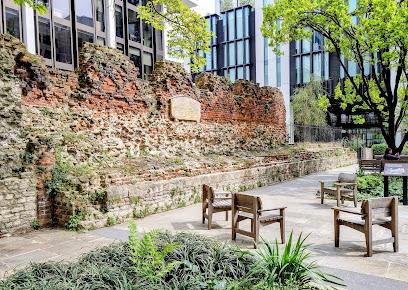
Temple Bar London
0.8 km
Explore Temple Bar, London’s historic ceremonial gateway rebuilt by Christopher Wren, rich with royal heritage and striking 17th-century architecture.
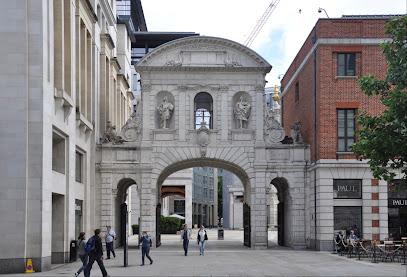
Guildhall
0.8 km
Discover Guildhall, London’s medieval civic heart where Roman ruins, grand halls, and centuries of history converge in the City’s vibrant core.
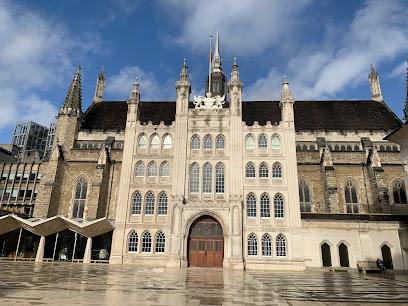
St. Paul's Cathedral
0.8 km
Wren's masterpiece: climb London's most iconic dome for breathtaking city views and centuries of history.
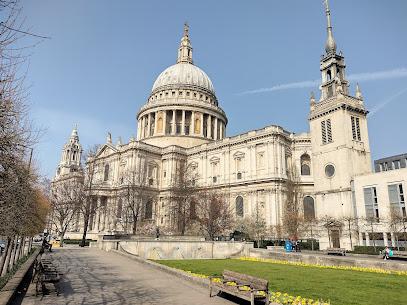
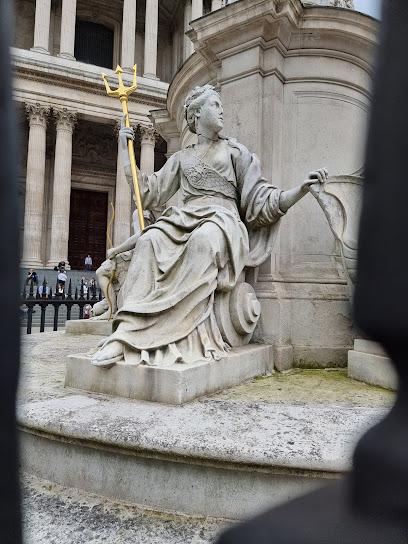
Queen Anne Statue
0.8 km
Historic statue commemorating Queen Anne’s reign and the completion of St. Paul’s Cathedral, symbolizing Britain’s royal heritage and resilience.
things to do in london
0.8 km
Discover the incredible history, culture, and culinary delights of London, a must-visit destination for every traveler seeking adventure and inspiration.

Trip Turkey
0.8 km
Discover Turkey's rich history and breathtaking landscapes with expertly guided tours from Trip Turkey, your gateway to unforgettable adventures.

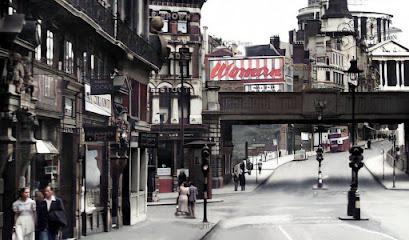
Ludgate Circus
0.8 km
Historic Victorian junction where London's ancient Ludgate once stood, blending rich legend, architecture, and urban vitality.
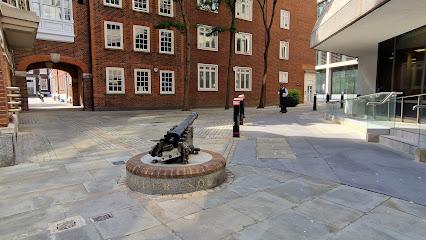
3 Gunpowder Square
0.9 km
A modern square in London’s financial district commemorating the dramatic history of the 1605 Gunpowder Plot and Guy Fawkes’ daring conspiracy.
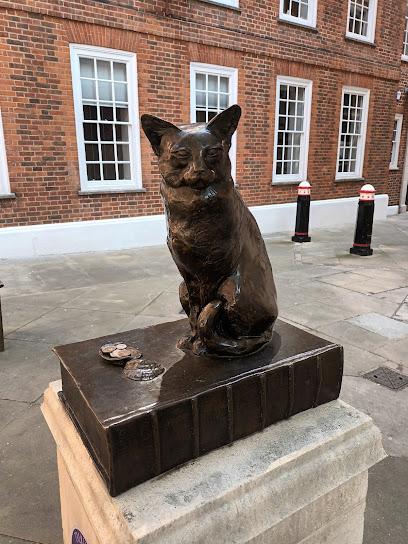
Hodge The Cat Statue
0.9 km
Discover the charm of Hodge The Cat Statue in London, a delightful tribute to literary history and a must-visit for cat lovers and culture enthusiasts.
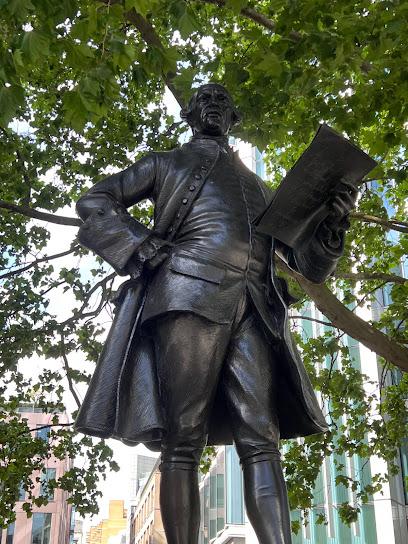
John Wilkes statue
0.9 km
Explore the John Wilkes Statue in London, a significant cultural landmark celebrating civil liberties and the fight for free speech.
Unmissable attractions to see

40 Charterhouse Square
0.1 km
Historic Charterhouse Square in London’s Barbican blends medieval legacy with iconic Brutalist architecture and vibrant city life.

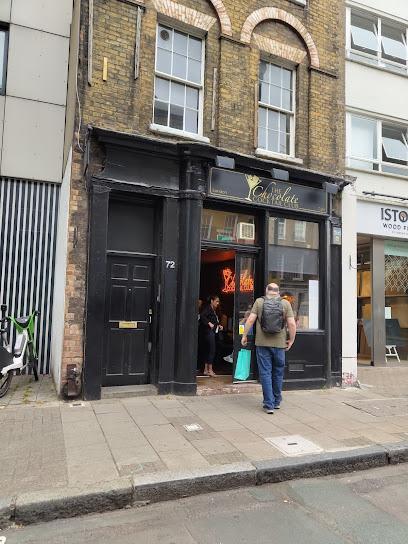
The Chocolate Cocktail Club
0.1 km
Discover the sweet side of London at The Chocolate Cocktail Club, where chocolate meets cocktail artistry in a delightful atmosphere.
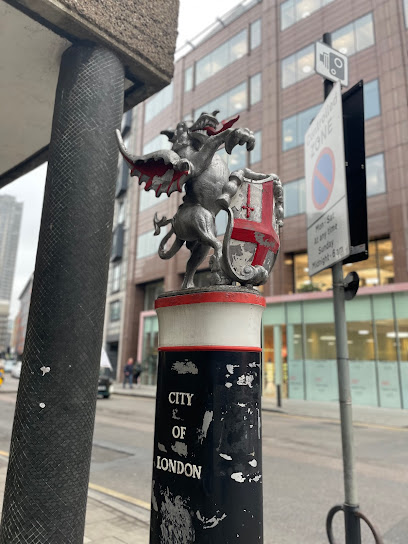
London dragon
0.2 km
Historic City of London dragon statue guarding the boundary beside the iconic post-war modernist Golden Lane Estate.
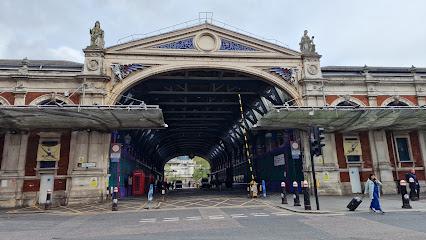
Smithfield Market
0.2 km
London's 900-year-old wholesale meat market where Victorian architecture meets modern commerce.
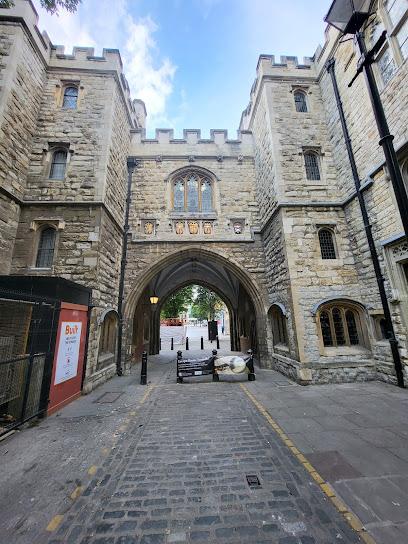
St John's Gate
0.2 km
Discover the medieval gateway of St John's Gate, home to the Knights Hospitaller and the origins of St John Ambulance in historic Clerkenwell.
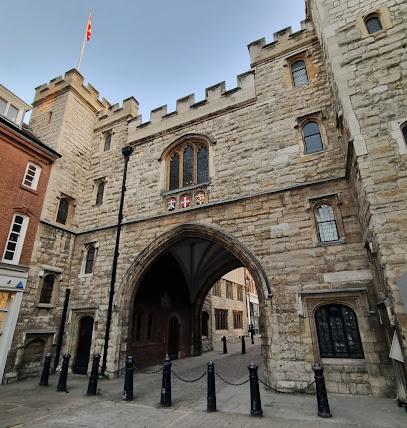
Museum of the Order of Saint John
0.2 km
Discover the rich history of the Order of St John at its historic London Gatehouse, blending medieval heritage with modern humanitarian legacy.
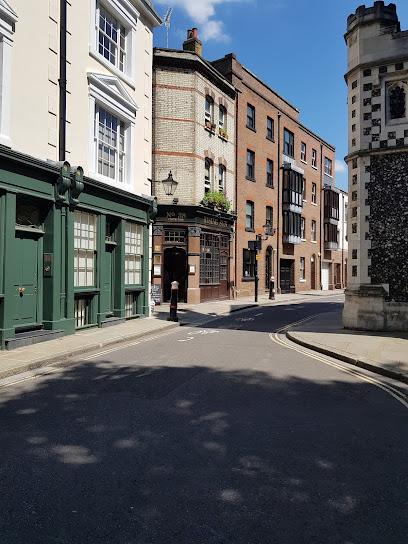
Cloth Fair
0.2 km
Step into medieval London on Cloth Fair, a historic street where merchants once traded fabric and the city’s oldest houses still stand.
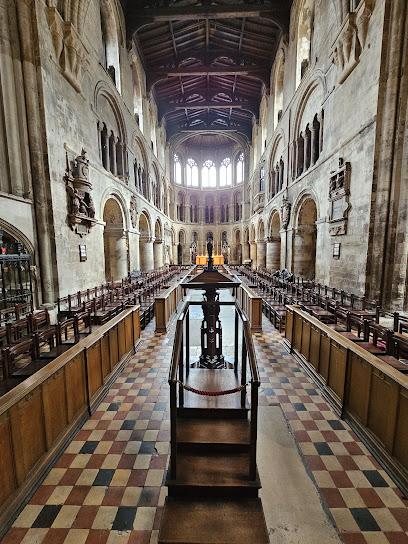
St Bartholomew the Great
0.3 km
Explore St Bartholomew the Great, a historic Anglican church in London, rich in architecture, culture, and tranquility, perfect for all visitors.
St Bartholomew's Gatehouse
0.3 km
Explore the rich history and stunning architecture of St Bartholomew's Gatehouse, a must-visit historical landmark in the heart of London.
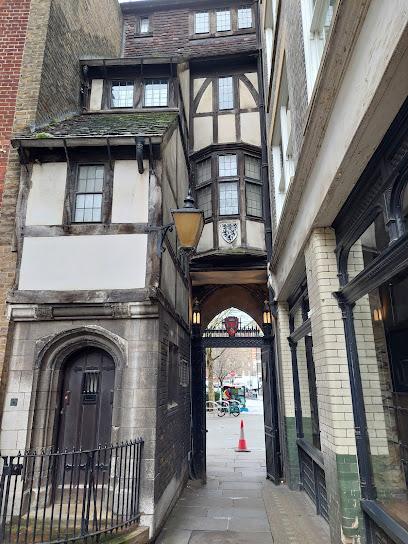
Barbican Centre
0.4 km
Europe’s largest multi-arts centre, a Brutalist architectural icon and vibrant cultural hub in London’s Barbican Estate.
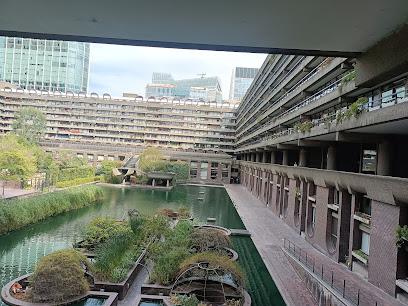
The Crown Tavern
0.4 km
Step into The Crown Tavern, a historic Victorian pub where revolutionary history meets classic London charm on Clerkenwell Green.
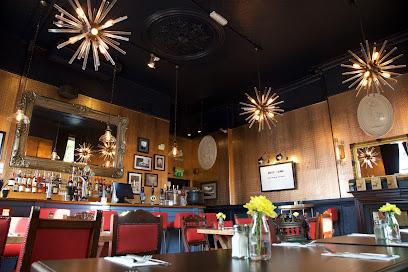
Golden Boy of Pye Corner
0.4 km
Discover the Golden Boy of Pye Corner, a gilded statue marking where London’s Great Fire ended and a moral tale of gluttony began.
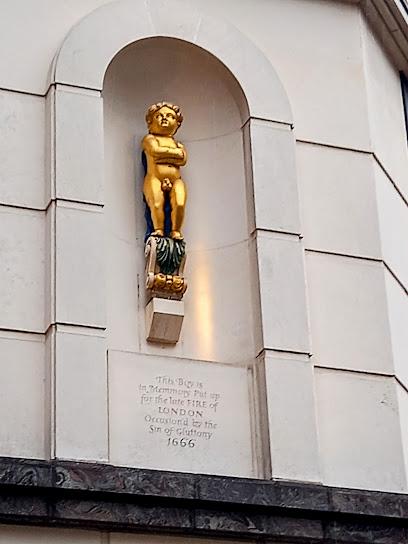
Marx Memorial Library & Workers School
0.5 km
A historic hub of Marxist scholarship and working-class education housed in a beautifully restored 18th-century building in the heart of Clerkenwell Green.

St Giles Cripplegate
0.5 km
Explore St Giles Cripplegate, a historic Anglican church in London's Barbican, rich in culture and architectural beauty, perfect for history lovers.
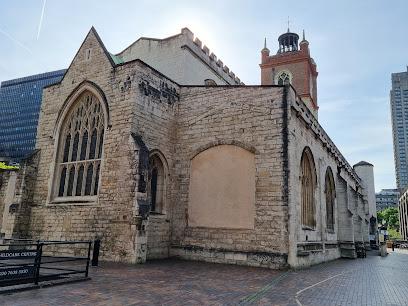
St Botolph’s-without-Aldersgate
0.5 km
Historic Georgian church at London’s eastern City gate, blending medieval roots with Victorian artistry and community resilience.
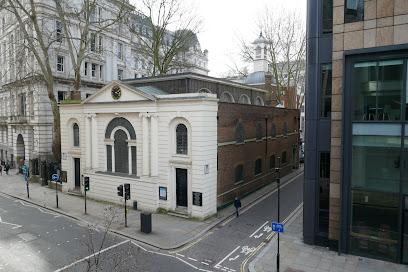
Essential places to dine

St. John
0.1 km
Experience authentic British nose-to-tail dining in the heart of London’s Barbican at St. John, where tradition meets modern culinary artistry.
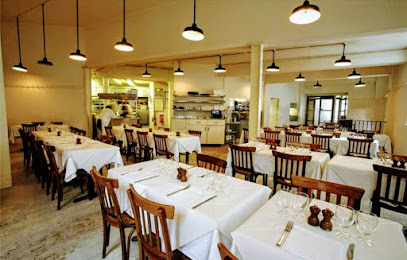
Dans le Noir ? London Restaurant
0.2 km
Experience dining like never before in total darkness, guided by visually impaired waitstaff in a sensory adventure at Dans le Noir ? London.
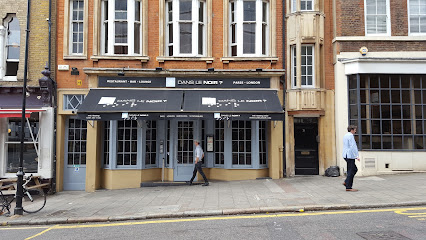
Madison
0.9 km
Stylish rooftop dining and cocktails with breathtaking views of St Paul’s Cathedral and London’s skyline.
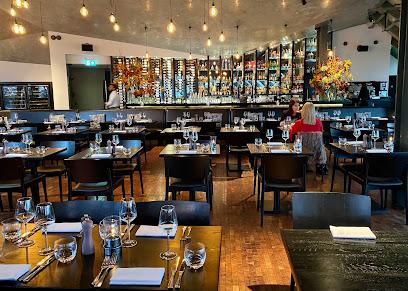
Ikoyi Restaurant
1.4 km
Discover Ikoyi, London’s two-Michelin-starred restaurant blending bold West African spices with British ingredients in an elegant, sensory tasting journey.
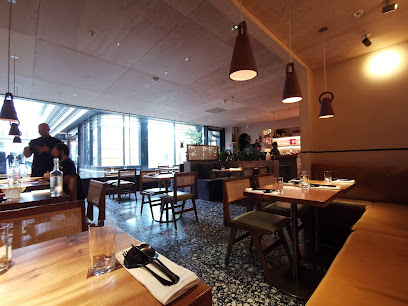
Sea Containers Restaurant
1.5 km
Stylish Modern British dining with iconic Thames views on London’s vibrant Southbank, perfect for brunch, dinner, and special occasions.
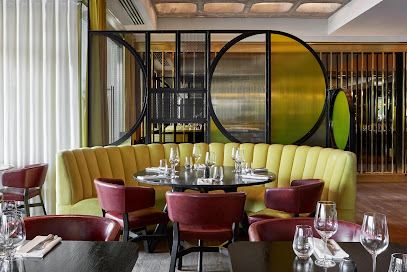
Marugame Udon Middlesex Street
1.5 km
Experience freshly handcrafted Japanese udon and crispy tempura in a lively open kitchen setting at Marugame Udon Middlesex Street, London’s authentic udon destination.
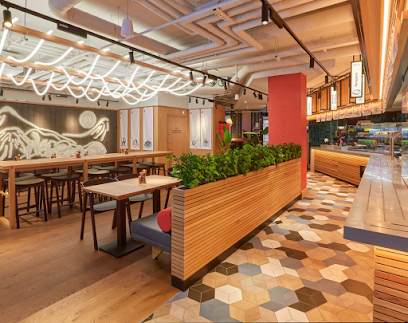
Nest Restaurant Old Street
1.5 km
Intimate Shoreditch gem offering creative British seasonal tasting menus in a cozy, historic setting with a sustainable ethos.
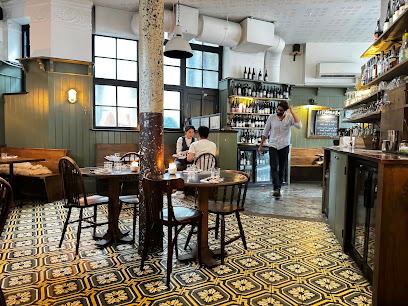
The Clove Club
1.6 km
Two Michelin stars meet innovative modern British cuisine in a historic Shoreditch Town Hall setting with a unique urban garden.
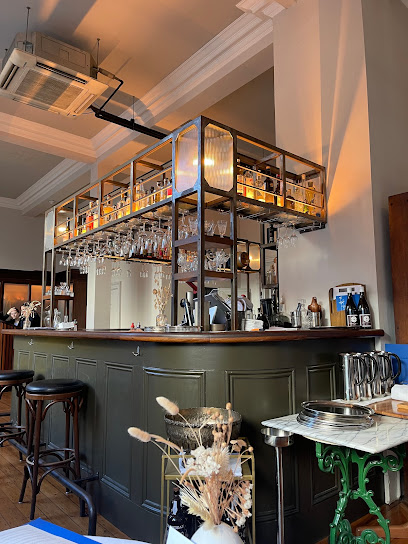
Sarastro
1.6 km
Experience vibrant Mediterranean flavors and live musical theatre in the heart of Covent Garden’s most theatrical restaurant.
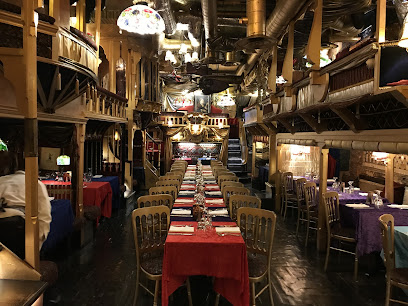
Paradiso Burger & Cocktail Bar Southbank
1.6 km
Vibrant riverside spot in Southbank serving gourmet burgers, cocktails, and bottomless brunch with stunning Thames views.
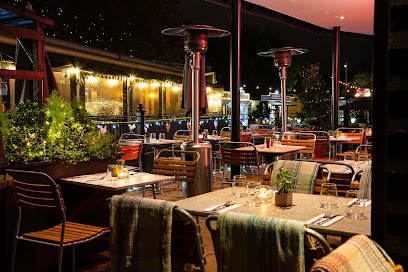
Lyle's
1.6 km
Michelin-starred Lyle's serves innovative, seasonal British cuisine in a minimalist Shoreditch setting with a relaxed, refined atmosphere.
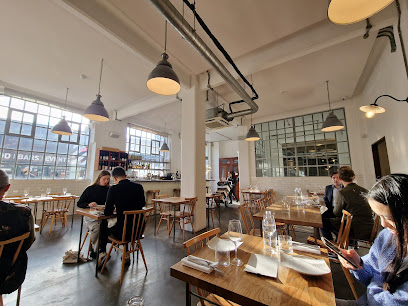
14 Hills
1.6 km
Experience modern British cuisine in a lush, sky-high garden with breathtaking panoramic views over London’s iconic skyline.
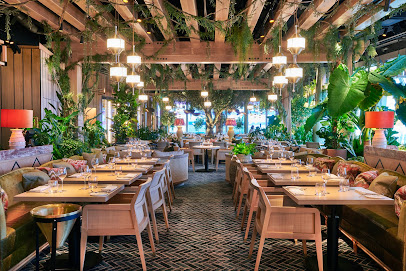
Margot
1.7 km
Sophisticated Italian dining with classic charm and an extensive wine list in the heart of Covent Garden, London.
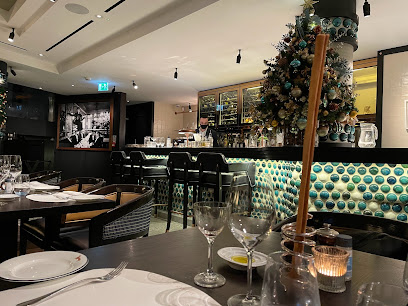
Cicchetti by San Carlo - London Covent Garden
1.8 km
Experience authentic Venetian small plates and seasonal Italian flavors in a stylish, lively Covent Garden setting.
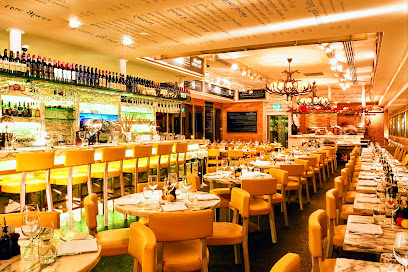
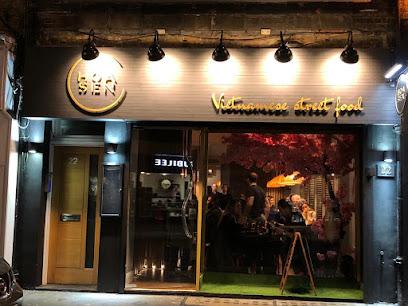
Hoa Sen Vietnamese Street Food Restaurant
1.8 km
Authentic Vietnamese street food in the heart of Covent Garden, blending vibrant flavors with a lively, cozy atmosphere.
Markets, malls and hidden boutiques

Barbican Shop
0.4 km
Discover curated art, design, music, and unique gifts at the Barbican Shop, a creative retail haven within London’s iconic Barbican Centre.
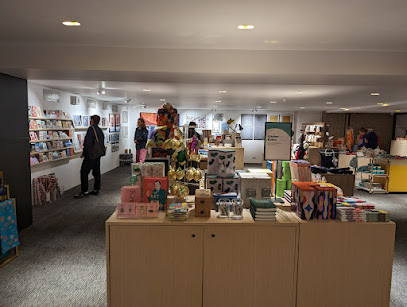
Unique Gifts
0.8 km
A compact London gift shop filled with original, handpicked presents and quirky souvenirs for those who love something different.
Pop Up Luxury Shop
0.8 km
Exclusive, curated luxury shopping in a stylish London pop-up setting blending fashion innovation with boutique charm.

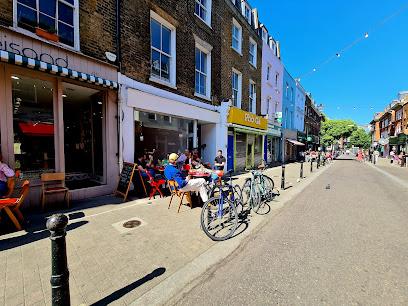
Exmouth Market
0.8 km
Discover Exmouth Market, London’s vibrant street of eclectic eateries, lively bars, and independent shops in the heart of Clerkenwell.
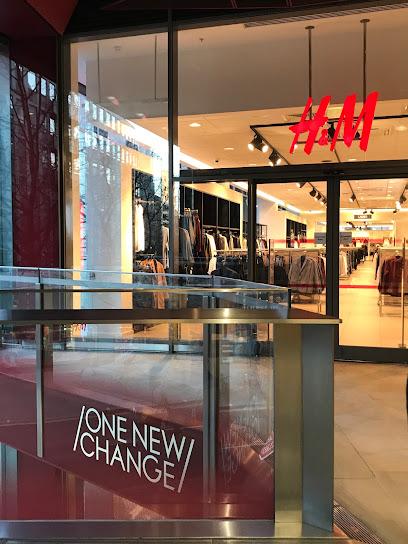
One New Change
0.9 km
Modern glass landmark with free rooftop views of St Paul's Cathedral and London skyline.
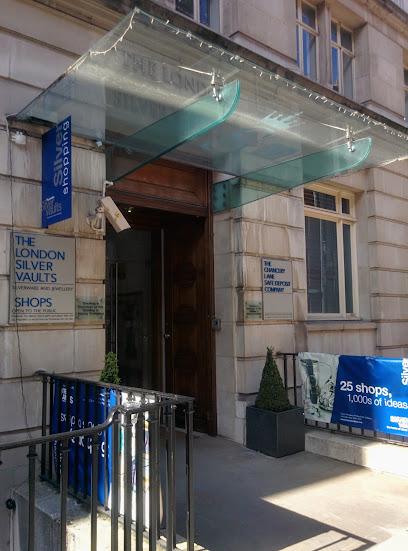
London Silver Vaults
1.0 km
The world's largest underground marketplace for fine antique and contemporary silver, hidden beneath historic Chancery Lane.
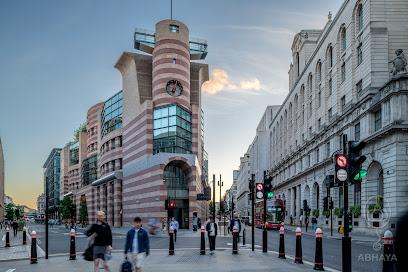
1 Poultry
1.1 km
Iconic postmodern office and retail building with vibrant limestone stripes, a colorful atrium, and a rooftop garden overlooking London’s financial district.
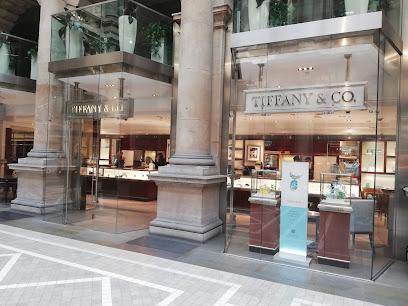
The Royal Exchange
1.2 km
A majestic neoclassical landmark blending 450 years of London’s trading history with luxury shopping in the City’s financial heart.
not just a shop
1.2 km
Discover unique, handcrafted art and design by UAL’s students and alumni at this creative retail hub in central London.

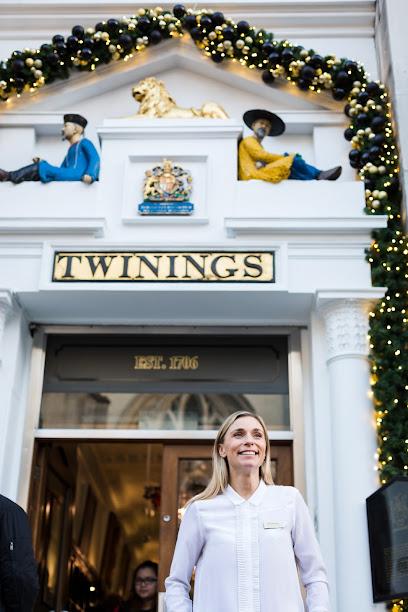
Twinings - The Strand
1.3 km
Discover over 300 years of tea heritage at London’s oldest tea shop, featuring historic charm, premium tastings, and a unique museum experience.
Persephone books
1.3 km
Discover the hidden treasures of 20th-century women’s literature at Persephone Books, a Bloomsbury gem celebrating forgotten female voices.
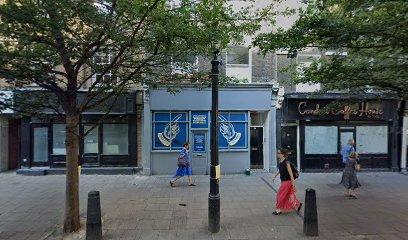
The Old Curiosity Shop
1.4 km
Step into a Tudor-era timbered cottage steeped in Dickensian lore, nestled amidst the vibrant heart of modern London.
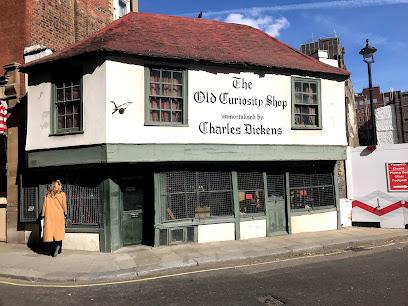
Bankside Arches Boutique
1.4 km
Discover unique London gifts and handcrafted treasures inside Blackfriars Station’s charming Bankside Arches Boutique.
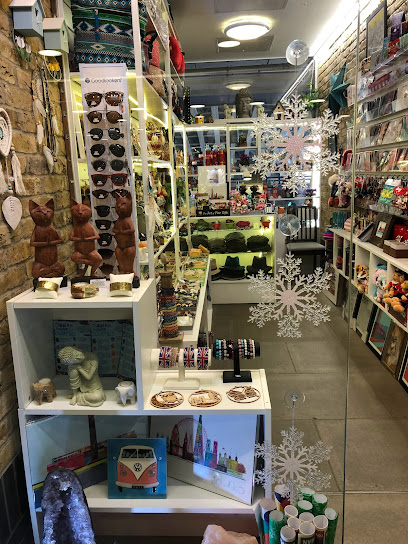
The Store X
1.4 km
A visionary space where London’s fashion, art, and culture converge in an immersive, innovative experience.
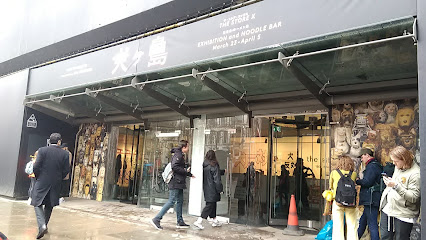
Camden Passage, Islington
1.5 km
Explore Camden Passage in Islington: A Vintage Market Paradise with Unique Shops, Cafes, and Artisanal Food Delights.
Essential bars & hidden hideouts

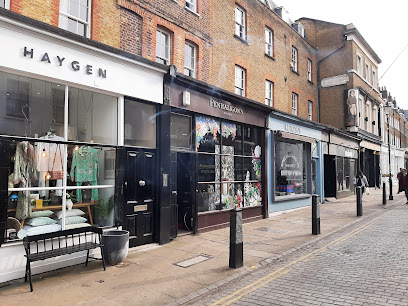
Punch Tavern
0.9 km
Historic Victorian Gin Palace on Fleet Street, famed for its Punch magazine heritage and vast gin selection in the heart of London.
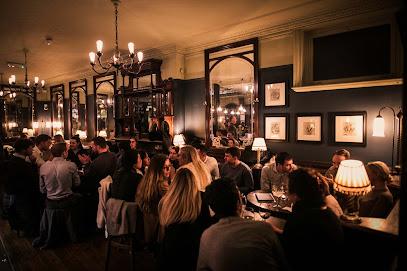
Black Parrot
0.9 km
Discover London’s top rum bar with expertly crafted cocktails, immersive masterclasses, and a lively yet intimate atmosphere in Bride Court.
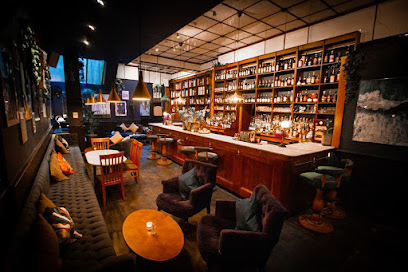
Flight Club Shoreditch
0.9 km
Experience the vibrant social darts scene with great food, cocktails, and fun at Flight Club Shoreditch in East London.
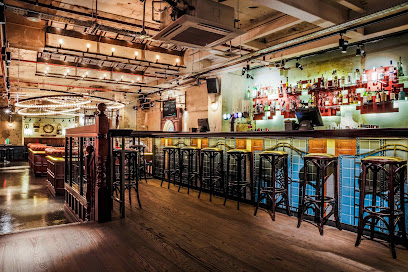
Aviary
1.0 km
Elegant rooftop dining with botanical cocktails and panoramic London skyline views in the heart of Finsbury Square.
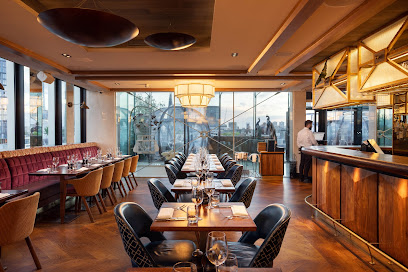
Old Fountain
1.0 km
Historic family-run freehouse in Old Street, London, famed for award-winning ales, hearty British food, and a stylish rooftop terrace.
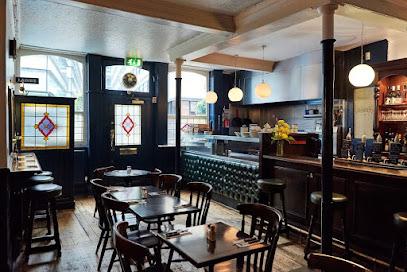
Nightjar Shoreditch
1.0 km
Step into Nightjar Shoreditch, a hidden gem where Prohibition-era cocktails meet live jazz in an intimate, vintage-inspired setting.
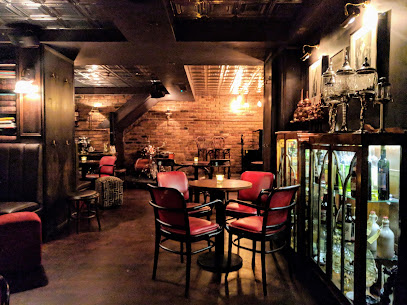
The Cocktail Club - Cocktail Bar near Old Street
1.1 km
A vibrant and stylish cocktail bar in London’s Old Street area, known for creative drinks and a lively urban atmosphere.
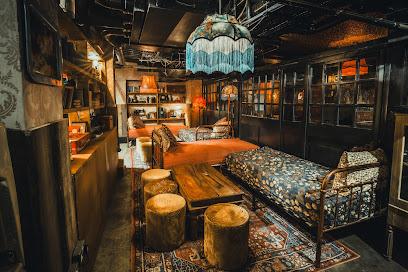
Simmons Bar | Old Street
1.1 km
A retro-inspired cocktail bar in Shoreditch offering creative drinks and a lively, youthful nightlife atmosphere.
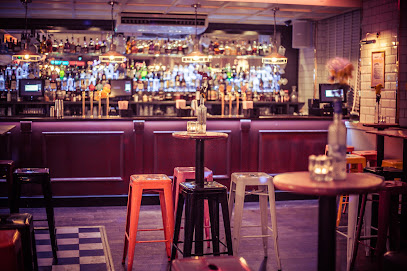
The Craft Beer Co. Old Street
1.1 km
A vibrant London pub offering a top-tier selection of craft beers served with expert care in a casual, retro setting.
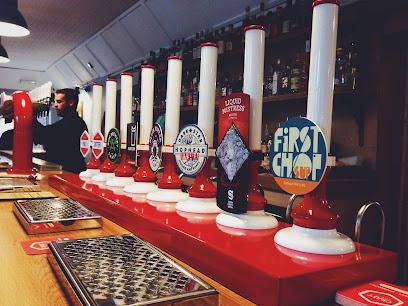
The Old Bank of England
1.1 km
Historic Victorian pub on Fleet Street housed in a former Bank of England branch with grand interiors and legendary London tales.
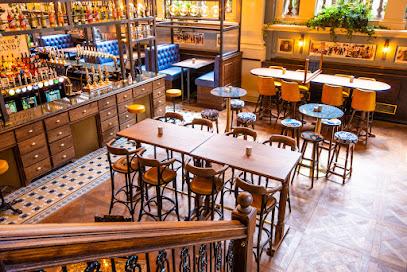
Demon, Wise & Partners
1.2 km
Classic basement cocktail bar blending historic City charm with expert mixology in London’s financial district.
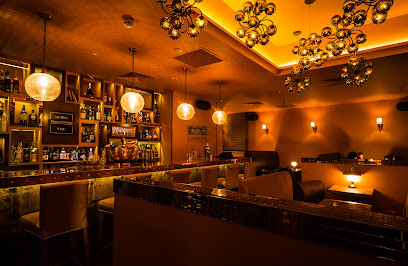
The Duke
1.2 km
A classic Bloomsbury pub offering warm hospitality, traditional drinks, and hearty British fare in a cozy setting.
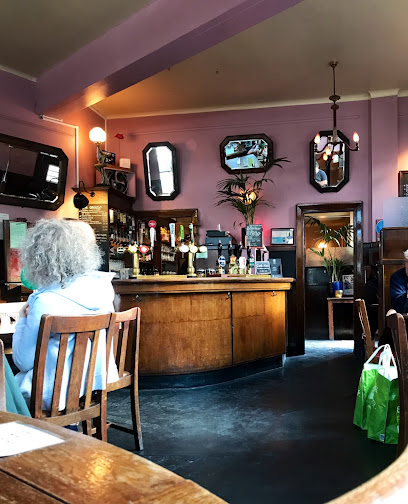
Floripa
1.2 km
Experience the vibrant Brazilian spirit and tropical party vibes of Floripa, Shoreditch’s premier cocktail bar and nightclub.
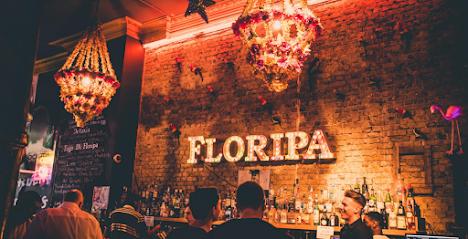
The Old Blue Last
1.4 km
Historic Shoreditch pub and iconic live music venue where London’s grassroots artists rise amid a raw, vibrant atmosphere.
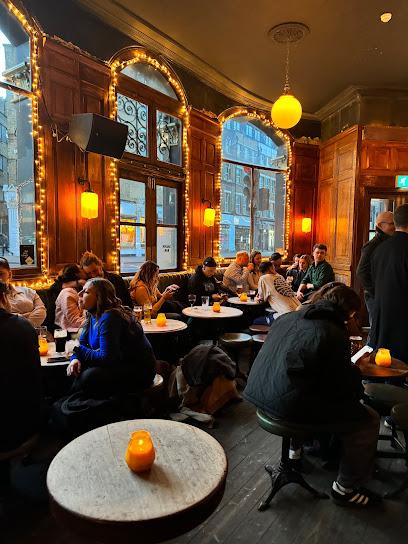
Ballie Ballerson London
1.4 km
Dive into London's most playful cocktail bar with glowing ball pits, inventive drinks, and unforgettable nights in Shoreditch.
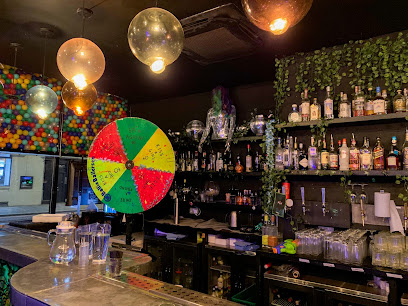
Nightclubs & after hour spots

London Best Night Clubs
0.3 km
Experience London’s legendary Ministry of Sound, where cutting-edge sound meets dynamic club culture in a multi-room dance haven.
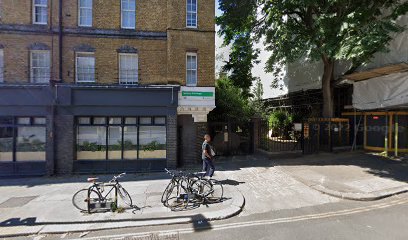
XOYO LONDON
1.1 km
Experience Shoreditch’s iconic XOYO, where cutting-edge DJs and vibrant nightlife create an unforgettable London clubbing atmosphere.

The Steel Yard
1.4 km
Experience London’s premier industrial-chic nightclub set in historic Victorian railway arches, with world-class sound and late-night energy until 6am.
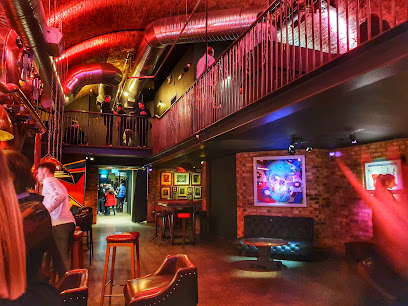
The Hoxton Pony
1.4 km
Edgy Shoreditch cocktail bar and nightclub blending vintage style with vibrant nightlife energy in East London.

Trafik
1.5 km
Shoreditch’s dynamic nightclub with underground beats, two floors of dancing, and a late licence for unforgettable nights.

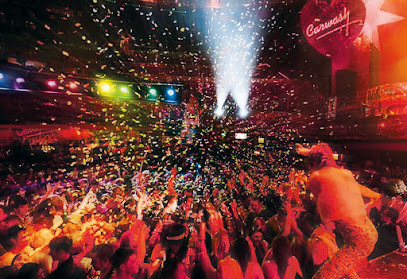
Carwash Nightclub
1.6 km
Experience Europe’s longest-running disco club in London’s West End, where retro beats, vibrant crowds, and themed parties create unforgettable nights.
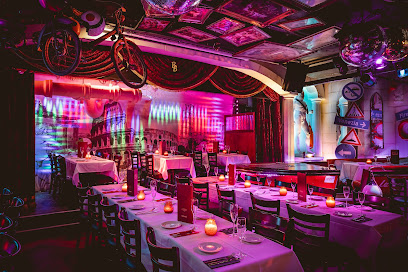
Bunga Bunga Covent Garden
1.7 km
A neon-soaked, pizza-and-karaoke supper club under Drury Lane — 90s nostalgia, stage shows and shareable Italian feasts.
Basing House - Shoreditch
1.7 km
An intimate Shoreditch nightclub with top electronic beats, a Funktion One sound system, and a lively rooftop bar under the London skyline.

Proud Late
1.8 km
Dive into two-storey glamour under Waterloo Bridge: cabaret acrobatics, burlesque dazzle, supper feasts, and non-stop clubbing till 5am in London's West End nightlife epicenter.
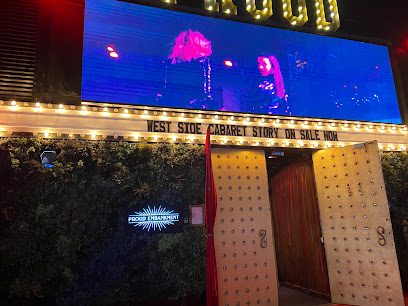
The Roxy
2.0 km
Soho's unbeatable happy hour cocktail bar by day, pulsing nightclub with live music and DJ nights till 3am—affordable vibes in London's nightlife heart.
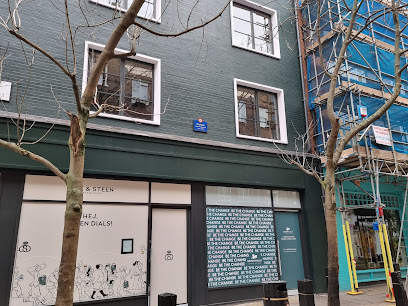
Comedy Carnival Covent Garden
2.0 km
London's premier stand-up comedy venue showcasing bold, award-winning international comedians in vibrant Covent Garden.

The Ivy Club
2.2 km
Art-Deco‑tinged members’ club above The Ivy — piano bars, discreet private dining and polished West End glamour.
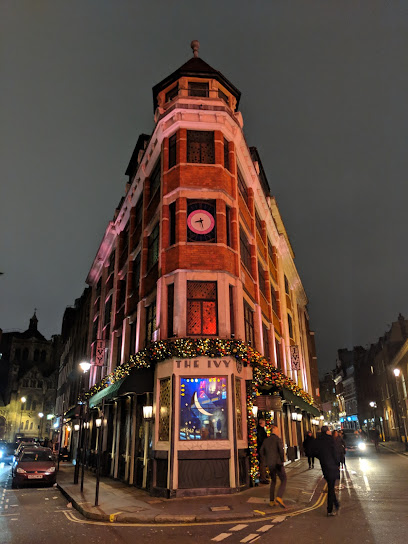
Whatdafunk Presents West End Urban Disco
2.2 km
Dive into London's grooviest urban disco beats at Whatdafunk, where Covent Garden's streets pulse with funk, soul, and non-stop dance energy in the heart of the West End.
Covent Garden Social Club
2.2 km
Discover Covent Garden Social Club: a lively cocktail bar blending exquisite drinks, comedy, and live music for an unforgettable night out in London.
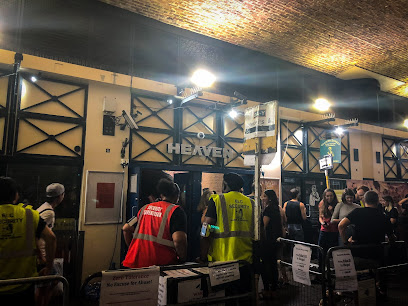
Heaven
2.2 km
London’s iconic gay superclub under the railway arches — big nights, loud music, drag, and late finishes in the heart of the West End.
For the vibe & atmosphere seeker
- Historic
- Tranquil
- Scenic
- Unique
For the design and aesthetic lover
- Vintage Styles
- Rustic Designs
For the architecture buff
- Historic
- Sacred Sites
- Heritage Neighborhoods
For the view chaser and sunset hunter
- Iconic Views
For the social media creator & influencer
- Instagrammable
- Photo Spots
- Architectural Shots
For the eco-conscious traveler
- Protected Area
- Public-Transport Accessible
- Locally Managed
For the kind of experience you’re after
- Cultural Heritage
- Myth & Legends
- Day Trip
- Weekend Getaway
- Photowalk
For how adventurous you want the journey to be
- Easy Access
Location Audience
- Family Friendly
- Senior Friendly
- Child Friendly
- Teen Friendly
- Wheelchair Access
- Solo Friendly
- Couple Friendly
- Vegetarian Friendly
- Vegan Friendly


