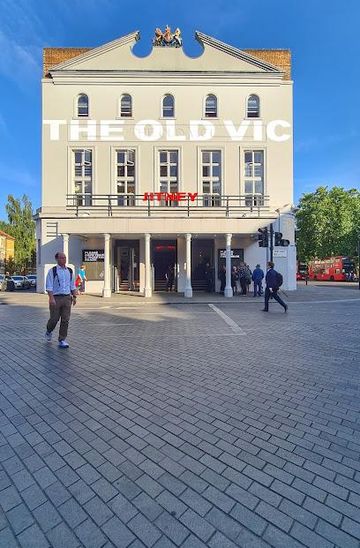
The Old Vic, London Travel Guide
Historic London theatre famed for pioneering Shakespearean productions and nurturing British performing arts since 1818.
The Old Vic Theatre, located at 103 The Cut in London, is a historic venue renowned for its pivotal role in British theatre, especially Shakespearean drama. Established in 1818 as the Royal Coburg Theatre, it evolved through various identities before becoming the permanent home of Shakespeare productions under Lilian Baylis in the early 20th century. Today, it remains a vibrant cultural hub, blending rich history with contemporary performances in a Grade II* listed building.
A brief summary to The Old Vic
- 103 The Cut, London, SE1 8NB, GB
- Click to display
- Click to display
- Duration: 1 to 4 hours
- Mid ranged
-
 Indoor
- Mobile reception: 5 out of 5

Know before you go
Hi, I'm Eve. Here are a few practical things to know before exploring The Old Vic.
- Book tickets in advance for popular productions to secure the best seats and avoid disappointment.
- Explore the theatre’s rich history through occasional backstage tours and exhibitions.
- Check the schedule for special events celebrating Shakespeare and British theatre heritage.
- Visit nearby South Bank attractions to complement your theatre experience.
Do you manage this location?
Take control to get all the benefits, like improved information, better appearance, and stronger visibility across AI-powered discovery. Learn more
Activate your presenceExplore The Old Vic on the Map
A handpicked selection of must-see spots near The Old Vic, mapped for you.
Getting There
-
Public Transport
Take the London Underground to Waterloo Station, approximately 10-15 minutes walk from The Old Vic. Waterloo is served by the Jubilee, Northern, Bakerloo, and Waterloo & City lines. Expect frequent service with fares starting from £2.50 using contactless or Oyster card.
-
Bus
Multiple London bus routes stop near The Old Vic, including routes 45, 63, 100, and 344. Bus travel times vary from 20 to 40 minutes depending on starting point and traffic. Single fares cost £1.75 with Oyster or contactless payment.
-
Taxi or Ride-share
Licensed London taxis and ride-share services provide direct access to The Old Vic, with journey times from central London ranging from 10 to 25 minutes depending on traffic. Typical fares range from £8 to £20.
For the on-the-go comforts that matter to you
-
 Restrooms
-
 Drink Options
-
 Food Options
-
 Seating Areas
-
 Information Boards
The Old Vic location weather suitability
-
 Any Weather
Discover more about The Old Vic
Origins and Early Transformations
The Old Vic Theatre opened its doors in 1818 as the Royal Coburg Theatre, named after its patron, Prince Leopold of Saxe-Coburg. Initially, it featured a diverse program including melodramas, ballets, and spectacles, reflecting popular entertainment of the era. In 1833, the theatre was renamed the Royal Victoria Theatre under the patronage of Victoria, Duchess of Kent, mother to the future Queen Victoria. This era saw the venue solidify its reputation amidst London's vibrant theatrical scene, despite occasional financial struggles and tragic incidents such as the 1858 fire.The Temperance Era and Cultural Reform
In 1880, social reformer Emma Cons transformed the theatre into the Royal Victoria Hall and Coffee Tavern, operating it on strict temperance principles. This shift marked a departure from traditional theatre productions to a focus on musical concerts, lectures, and moral entertainment aimed at the working classes. The venue became a hub for education and culture, hosting penny lectures and ballad recitals, and fostering the foundation of Morley College. Emma Cons's legacy laid the groundwork for the theatre’s later artistic renaissance.Lilian Baylis and the Shakespearean Revival
Lilian Baylis, niece of Emma Cons, took over management in 1912 and reintroduced theatre productions with a strong emphasis on Shakespeare. Between 1914 and 1923, she ambitiously staged the entire First Folio of Shakespeare’s plays, a pioneering achievement that established The Old Vic as London’s premier Shakespearean venue. Baylis also championed English opera and ballet, nurturing companies that would evolve into the Royal Ballet and English National Opera, thereby cementing the theatre’s role in the broader performing arts landscape.War, Reconstruction, and National Theatre Legacy
The Old Vic suffered significant damage during World War II bombings, forcing the company to tour extensively. After reopening in 1950, it became the temporary home of the National Theatre Company from 1963 until 1976, under the artistic leadership of luminaries such as Laurence Olivier. This period was marked by innovative productions and the theatre’s emergence as a national cultural institution. Subsequent refurbishments in the 1980s and beyond have preserved its historic character while modernizing facilities.Contemporary Role and Cultural Impact
Today, The Old Vic continues to be a cornerstone of London’s theatrical life, offering a diverse program of drama, including contemporary works alongside classical repertoire. It operates as an independent charity with a mission to make theatre accessible to a broad audience. The building’s Grade II* listed status reflects its architectural and historical significance, while its location in the vibrant South Bank area situates it at the heart of London’s cultural district.Architectural and Social Significance
The theatre’s architecture, rebuilt in 1871 in the style of a grand music hall, retains elements from its early 19th-century origins. Its intimate auditorium and stage have hosted some of the most influential figures in British theatre history. Beyond its physical structure, The Old Vic symbolizes a legacy of social reform, artistic innovation, and cultural education that continues to inspire performers and audiences alike.












Your all‑in‑one travel companion app
Explore expert travel guides, compare and book tours, experiences, hotels, and more—all from the palm of your hand. Download now for seamless trip planning wherever your wanderlust takes you.


Explore More of London
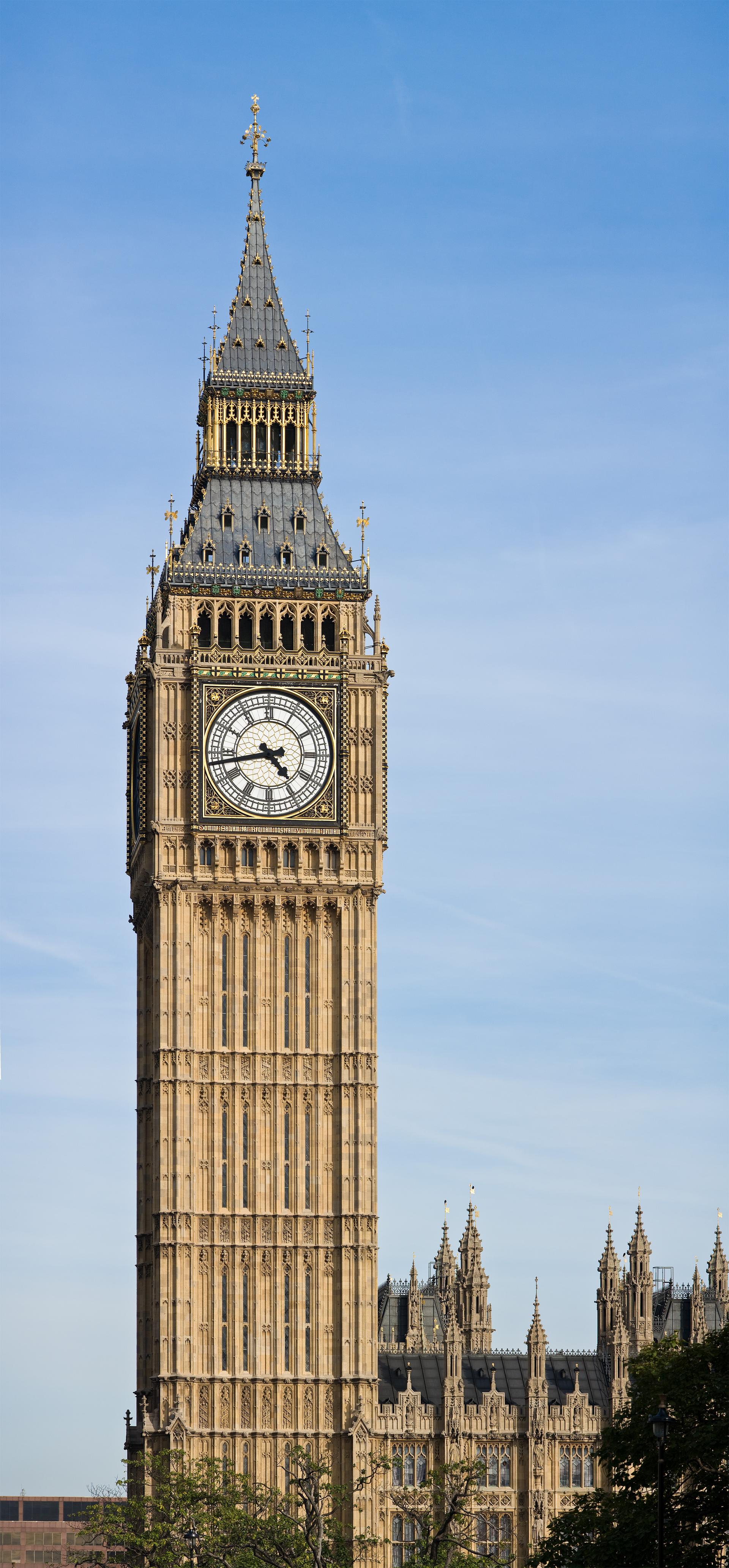
Looking beyond The Old Vic? Discover London for broader travel guides, local hot-spots, and regional highlights.
Explore London