

Grosvenor Chapel: A Historic Mayfair Sanctuary with Anglo-Catholic Heritage
Historic 18th-century Mayfair chapel blending Georgian elegance with Anglo-Catholic tradition and wartime American ties.
Nestled in the heart of Mayfair on South Audley Street, Grosvenor Chapel is an elegant 18th-century Anglican chapel known for its classical Georgian architecture and rich Anglo-Catholic tradition. Founded in 1730 by Sir Richard Grosvenor, it features a luminous interior redesigned by architect John Ninian Comper in 1912-13. The chapel has historic ties to notable figures and served American forces during World War II, continuing today as a welcoming spiritual home in central London.
A brief summary to Grosvenor Chapel
- 24 S Audley St, London, W1K 2PA, GB
- +442074991684
- Visit website
- Duration: 0.5 to 1.5 hours
- Free
-
 Indoor
- Mobile reception: 5 out of 5
- Monday 8:30 am-2:30 pm
- Tuesday 8:30 am-2:30 pm
- Wednesday 8:30 am-2:30 pm
- Thursday 8:30 am-2:30 pm
- Friday 8:30 am-2:30 pm
- Sunday 10:30 am-1 pm
Local tips
- Visit on weekdays to enjoy the chapel’s peaceful interior and avoid crowds.
- Look for the distinctive rood and stained glass windows by John Ninian Comper inside.
- Explore the chapel’s connection to WWII American forces commemorated by a tablet on the west wall.
- If interested in film, note the chapel’s role in the wedding scene of the movie Love Actually.
- Use the step-free access ramp and auditory loop system if you require accessibility features.

For the on-the-go comforts that matter to you
- Restrooms
- Seating Areas
- Information Boards
Getting There
-
London Underground
Take the London Underground to Green Park station, which is approximately 1.2 km from Grosvenor Chapel. From there, a 15-20 minute walk on mostly flat, paved streets leads to the chapel. Green Park station is served by the Jubilee, Piccadilly, and Victoria lines. No direct parking is available nearby.
-
Bus
Several London bus routes, including numbers 22, 36, and 137, stop within a 5-10 minute walk of the chapel along South Audley Street or nearby streets. Bus travel times vary but typically range from 20 to 40 minutes depending on traffic. Buses are accessible and run frequently during the day.
-
Taxi or Rideshare
A taxi or rideshare from central London locations such as Piccadilly Circus or Oxford Circus to Grosvenor Chapel generally takes 10-20 minutes depending on traffic. Expect fares in the range of £8-£15. Drop-off is possible directly outside the chapel.
-
Walking
For visitors staying in Mayfair or nearby neighborhoods, walking to Grosvenor Chapel is convenient. The terrain is flat and suitable for wheelchairs and strollers. Walking times vary from 5 to 20 minutes depending on starting point.
Grosvenor Chapel location weather suitability
-
 Any Weather
-
 Rain / Wet Weather
-
 Clear Skies
-
 Mild Temperatures
Discover more about Grosvenor Chapel
Origins and Architectural Roots
The Grosvenor Chapel's foundation stone was laid on April 7, 1730, by Sir Richard Grosvenor, a key figure in the development of Mayfair. Built by Benjamin Timbrell, a local builder, the chapel was completed and opened in April 1731 on land leased under a 99-year peppercorn rent. Its exterior presents a modest yet refined classical Georgian style, characterized by a simple rectangular brick structure with two tiers of arched windows, a shallow projection at the east end for the communion table, and a portico with a short spire and clock at the west. This design was influenced by prominent London churches such as St Martin-in-the-Fields and St George's Hanover Square, serving as a model for many New England churches.[1][6][7]Interior Transformation and Anglo-Catholic Influence
Originally a plain Georgian auditorium centered on the pulpit, the chapel’s interior was transformed in 1912-1913 by architect John Ninian Comper, who introduced Anglo-Catholic elements that emphasize the mystery of the altar. Comper’s work includes a screen of Ionic columns supporting a beam with a rood depicting the Crucifixion, flanked by the Virgin Mary and Saint John the Evangelist, with angels below holding chalices. The south wall features three delicate stained glass windows with Comper’s signature strawberry motif. This refurbishment created a prayerful atmosphere that reflects the chapel’s liberal Catholic tradition within Anglicanism, a movement advanced by clergy such as the Revd H.R.L. Sheppard and Bishop Charles Gore.[1][2][3]Historical Significance and Notable Associations
The chapel has been a spiritual home to prominent historical figures including John Wilkes, Lady Mary Wortley Montagu, Florence Nightingale, and US General Dwight D. Eisenhower. During World War II, it served as the place of worship for American armed forces stationed in London, a legacy commemorated by a tablet on the west wall. Post-war, the chapel’s congregation included literary figures like Rose Macaulay and poet Sir John Betjeman. Though never a parish church, it became a chapel of ease to St George’s Hanover Square after the 1831 Grosvenor Chapel Act, integrating it into the parochial system.[1][5][6][9][10]Location and Contemporary Role
Situated on South Audley Street between Harry’s Bar and Thomas Goode, opposite Mayfair Public Library, the chapel offers a serene spiritual refuge amid the bustling West End. It remains open to visitors Monday to Friday, with services on Sundays and occasional offices on Saturdays. The chapel embraces an international and inclusive congregation, welcoming worshippers from various Christian traditions and those exploring faith. Its liberal catholic worship style combines reverence, beauty, and intellectual engagement. Accessibility is supported by step-free access and an auditory loop system beneath the south gallery.[9][7]Cultural Footprint and Media Presence
Grosvenor Chapel gained popular recognition as the filming location for the wedding scene in the film "Love Actually," where a surprise choir performance of The Beatles’ "All You Need Is Love" takes place. This connection adds a contemporary cultural layer to the chapel’s historic and religious significance, making it a point of interest for film enthusiasts and tourists alike.[3][7]Architectural and Spiritual Atmosphere
The chapel’s modest brick exterior belies the luminous and richly adorned interior, where natural light floods through clear-glazed windows onto white-painted walls and a plaster barrel vault ceiling. The Lady Chapel, formed from the original sanctuary behind Comper’s screen, retains its pedimented reredos and evokes a sense of contemplative calm. The blend of Georgian simplicity with Anglo-Catholic ornamentation creates a unique spiritual environment that invites reflection and reverence, distinguishing Grosvenor Chapel as a cherished historic and living place of worship in London.[2][4][6]Iconic landmarks you can’t miss

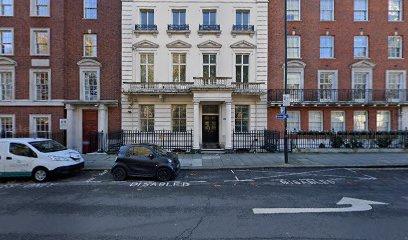
38 Grosvenor Sq
0.2 km
Historic mid-19th-century Italianate residence in London’s prestigious Grosvenor Square, a symbol of aristocratic and diplomatic heritage.
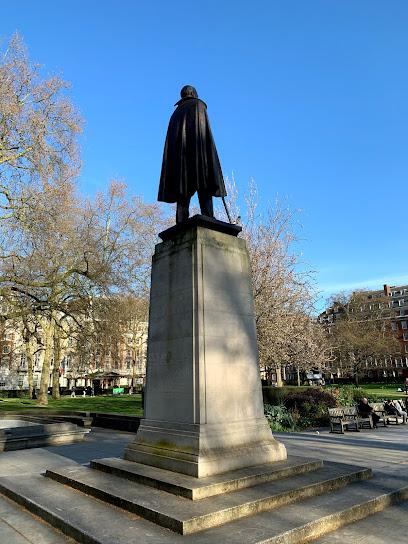
Roosevelt Memorial
0.3 km
A dignified tribute to Franklin D. Roosevelt in the historic heart of London’s Grosvenor Square, symbolizing enduring Anglo-American friendship.
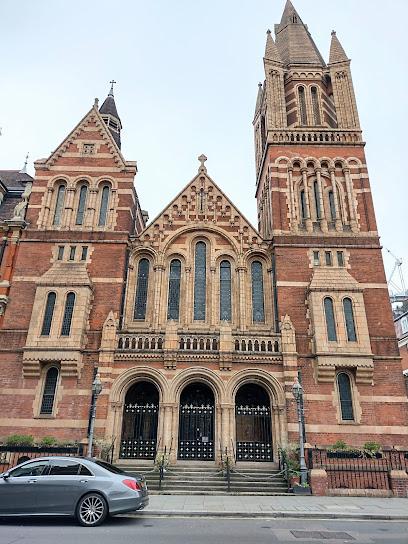
Ukrainian Catholic Cathedral
0.5 km
A historic London landmark blending Alfred Waterhouse’s architecture with vibrant Ukrainian Catholic tradition in the heart of Mayfair.
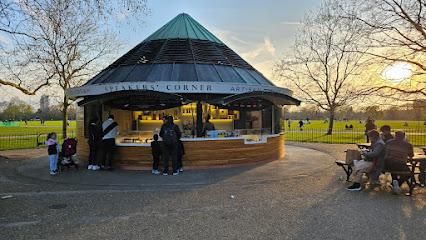
Speakers' Corner
0.6 km
Historic Speakers' Corner in Hyde Park: London's iconic open-air forum for free speech and public debate since the 19th century.
Machine Gun Corps Memorial
0.6 km
A striking WWI memorial at Hyde Park Corner, blending classical art and the harsh realities of mechanized warfare to honor the Machine Gun Corps’ sacrifice.
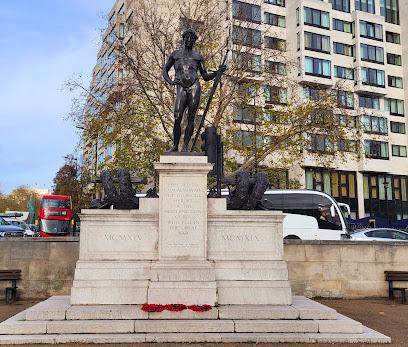
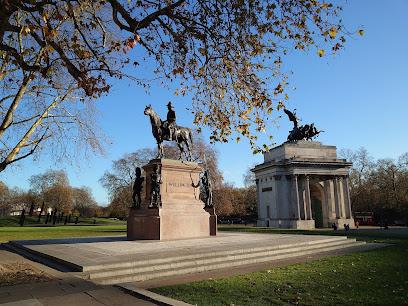
Equestrian Statue of the Duke of Wellington
0.7 km
Historic bronze statue honoring the Duke of Wellington’s military triumphs and contributions to London’s cityscape, unveiled in 1844.
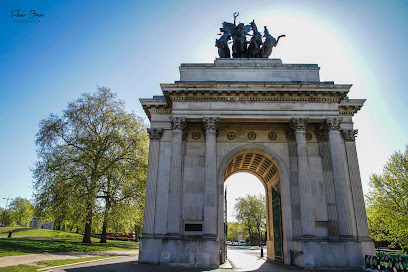
Wellington Arch
0.7 km
Discover Wellington Arch, London's majestic neoclassical triumphal arch with rich history, stunning views, and iconic Quadriga sculpture.
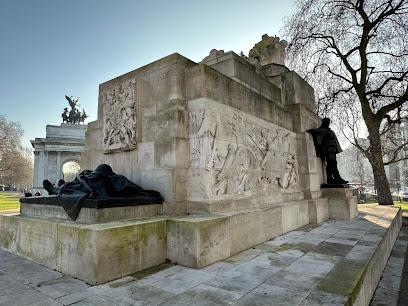
Royal Artillery Memorial
0.7 km
A powerful and realistic tribute to the Royal Artillery’s sacrifice, featuring a monumental stone howitzer and evocative bronze figures at Hyde Park Corner.
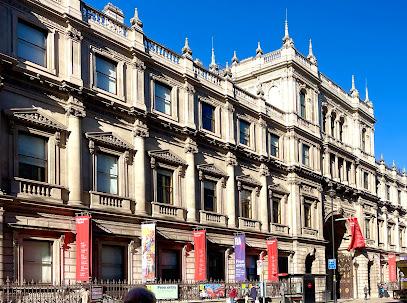
Burlington House
0.8 km
A grand 17th-century mansion on Piccadilly, now home to the Royal Academy of Arts and Britain’s leading learned societies, blending Palladian elegance with centuries of art and science.
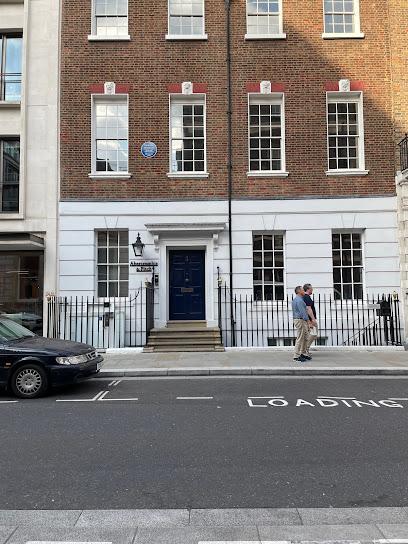
3 Savile Row
0.8 km
Historic Georgian townhouse in London, famed as The Beatles’ Apple Corps HQ and site of their legendary 1969 rooftop concert.
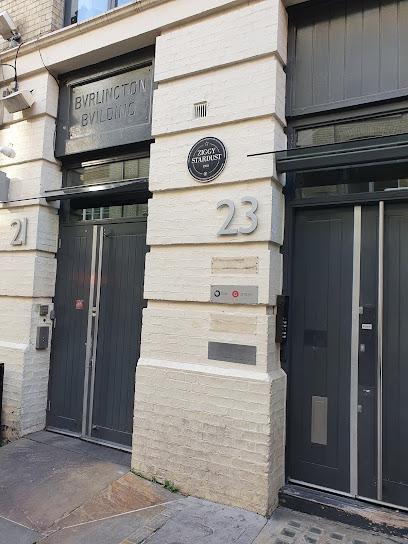
Ziggy Stardust album cover
0.8 km
Step into the legendary London street where David Bowie’s Ziggy Stardust persona was born on an iconic 1972 album cover.
Former EMI House (Beatles album cover photo)
0.9 km
Where The Beatles' iconic Please Please Me album cover was photographed in 1963.
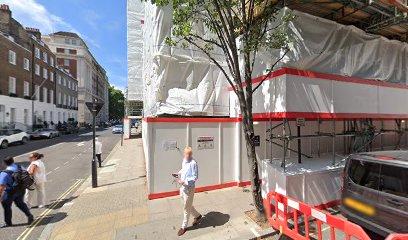
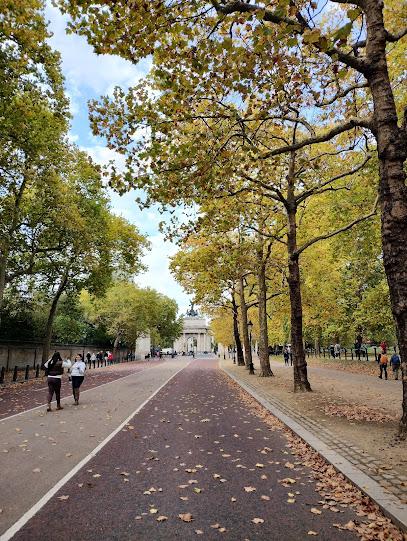
Constitution Hill
0.9 km
A ceremonial royal route honouring centuries of monarchy and Commonwealth sacrifice in the heart of Westminster.
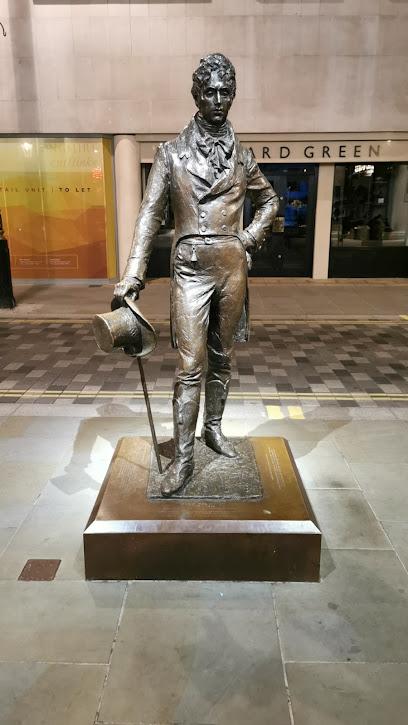
Beau Brummell Statue
0.9 km
The dandy who revolutionised menswear and defined Regency elegance in bronze.
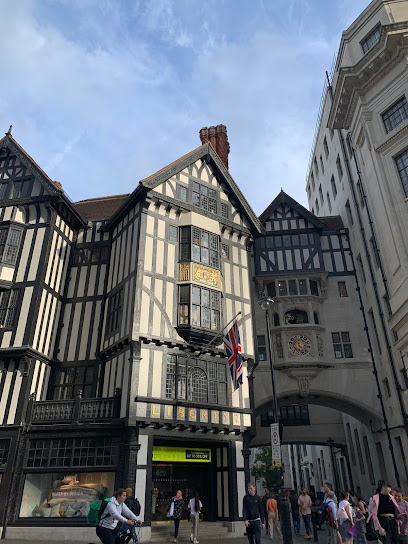
Liberty’s clock
0.9 km
Discover the charm of Liberty's Clock, an iconic landmark in Carnaby, London, embodying the city’s rich heritage and architectural beauty.
Unmissable attractions to see

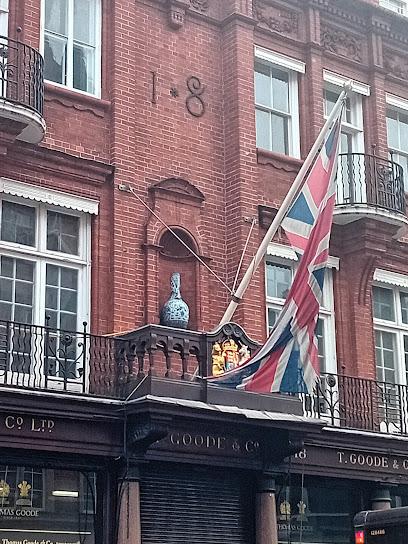
Thomas Goode & Co
0.0 km
Discover nearly two centuries of exquisite craftsmanship and royal heritage at Thomas Goode & Co, London's premier luxury tableware emporium in Mayfair.
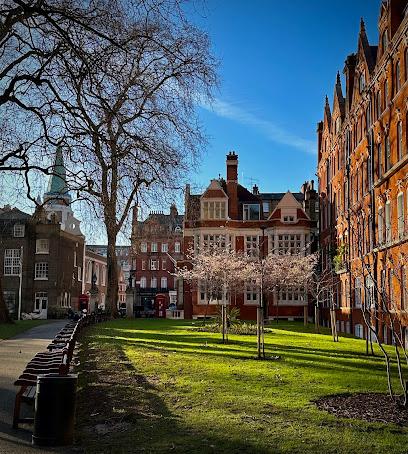
Mount Street Gardens
0.0 km
A historic and tranquil garden oasis in Mayfair, blending Victorian charm with seasonal beauty and rich London heritage.
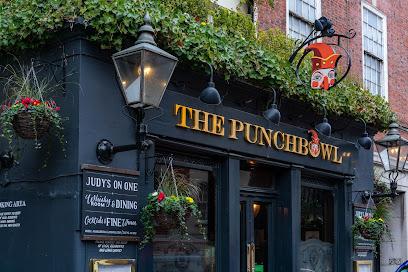
The Punch Bowl
0.1 km
Experience the warmth and charm of The Punch Bowl, a quintessential British pub in Mayfair, London, offering delectable cuisine and a vibrant atmosphere.
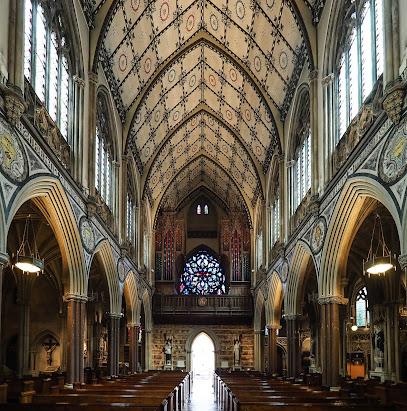
Catholic Church of the Immaculate Conception, Mayfair
0.2 km
Historic Jesuit Catholic church in Mayfair, London, renowned for its Gothic Revival architecture and vibrant spiritual community.
Park Ln
0.2 km
Prestigious Park Lane in London blends historic grandeur with luxury hotels, upscale shops, and serene Hyde Park views along its iconic 1.1 km stretch.
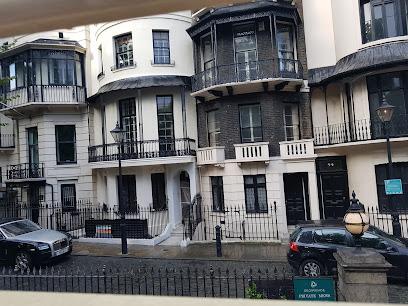
Clermont Club
0.3 km
London's most exclusive private members' club, where Mayfair's elite gather in historic elegance.
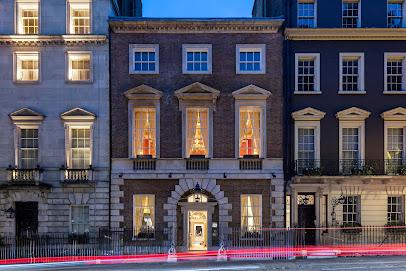
Grosvenor Sq
0.3 km
Grosvenor Square: London's historic garden square blending aristocratic heritage, American diplomacy, and modern urban renewal in Mayfair.
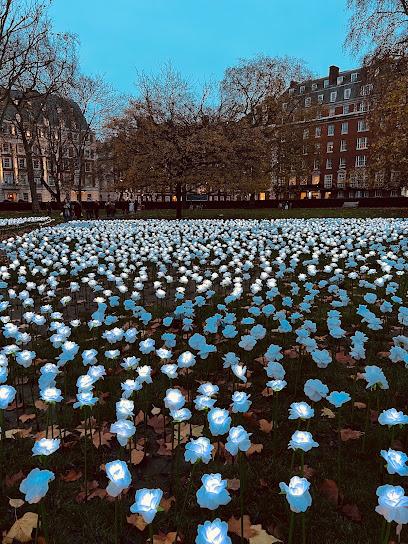
Curzon Mayfair
0.4 km
Experience London’s premier art-house cinema in a stunning Grade II listed 1960s building, blending cinematic heritage with modern luxury.
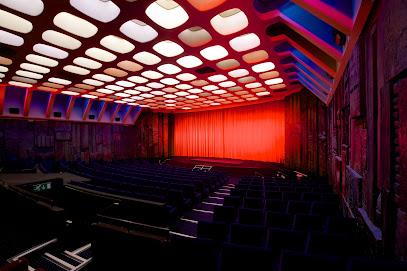
Berkeley Square
0.4 km
A timeless Georgian garden square in Mayfair, blending historic grandeur, iconic plane trees, and cultural elegance in central London.
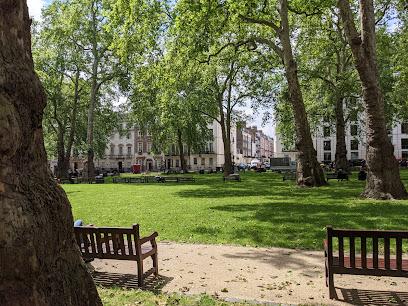
Shepherd Market
0.4 km
Discover Shepherd Market, a charming historic village in Mayfair blending boutique shops, cozy pubs, and rich London heritage.
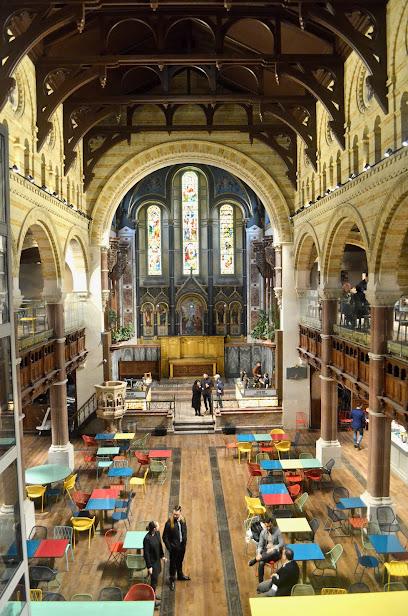
Mercato Mayfair
0.5 km
Discover a vibrant, sustainable food hall set within the historic St. Mark's Church, blending global flavors with Gothic grandeur in Mayfair.
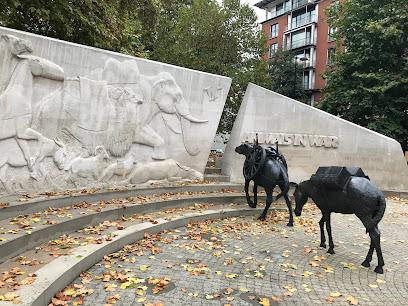
Animals In War Memorial
0.5 km
Explore the Animals In War Memorial in London, a moving tribute honoring the bravery of animals in military service throughout history.
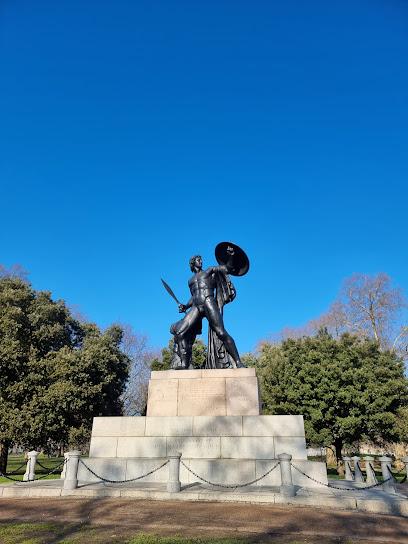
Statue of Achilles
0.5 km
A towering bronze tribute to the Duke of Wellington’s victories, blending classical myth and British history near his famed London home.
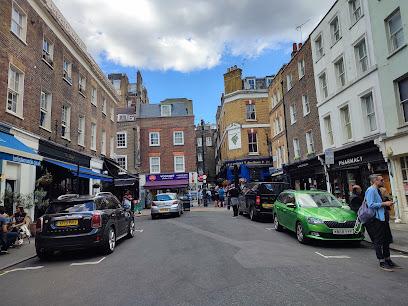
Sprueth Magers Gallery
0.5 km
A leading contemporary art gallery in London’s West End showcasing innovative exhibitions by international artists.
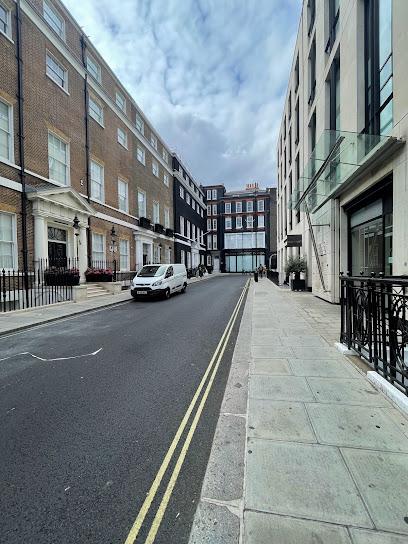
Queen Elizabeth Gate
0.5 km
Explore the grandeur of Queen Elizabeth Gate, a historic entryway to Hyde Park, blending rich heritage with natural beauty in the heart of London.
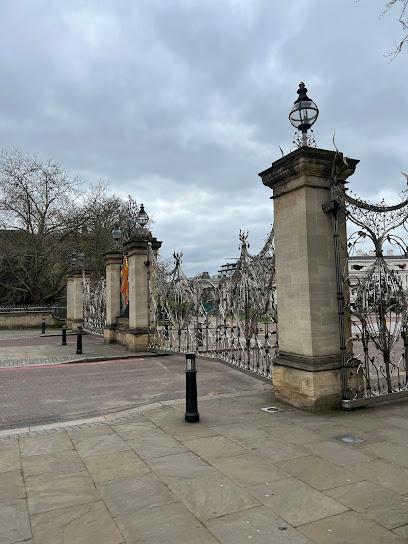
Essential places to dine

Apricity Restaurant
0.5 km
Sustainable fine dining in Mayfair blending seasonal British produce with innovative, low-waste culinary artistry.
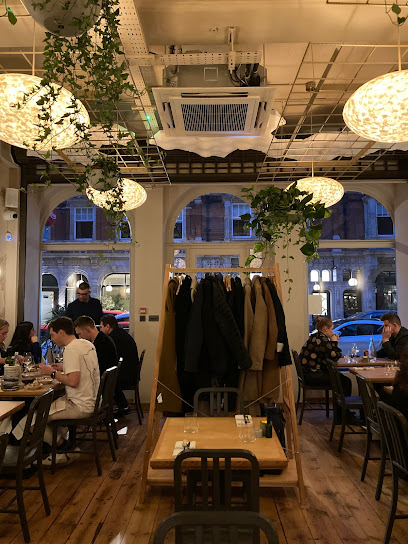
Ormer Mayfair Restaurant
0.5 km
Michelin-starred modern British dining in an elegant 1930s-style Mayfair setting, offering inventive tasting menus and impeccable service.
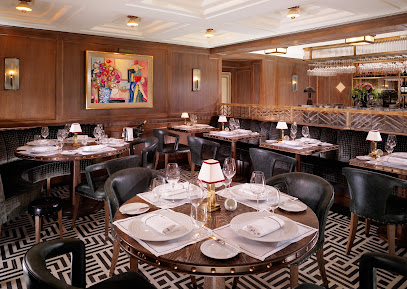
HIDE
0.6 km
Discover refined Modern European cuisine with panoramic Green Park views at HIDE, a Michelin-starred gem blending innovation and elegance in Mayfair.
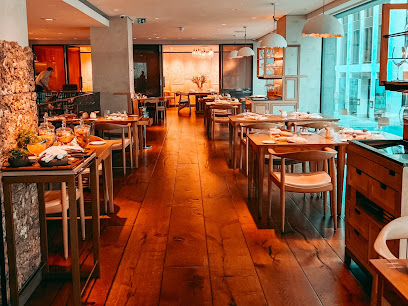
sketch
0.8 km
An iconic Mayfair venue blending avant-garde art, Michelin-starred dining, and whimsical design for an unforgettable London experience.
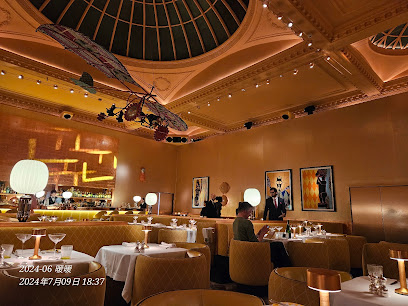
Little Social
0.8 km
Stylish Mayfair bistro offering refined modern British small plates with an intimate atmosphere and excellent wine selection.
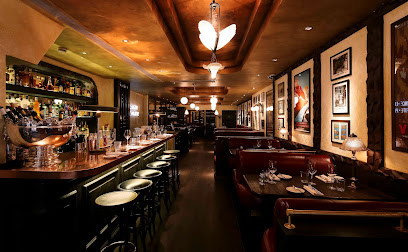
Seven Park Place by William Drabble
0.8 km
An intimate Michelin-starred restaurant in Mayfair offering refined British-French cuisine by Chef William Drabble in an elegant Art Deco setting.
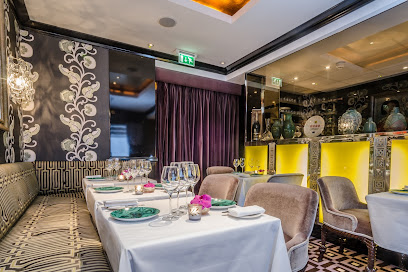
The Grenadier
0.9 km
Discover The Grenadier, a historic and haunted London pub steeped in military legacy and timeless charm in the heart of Belgravia.
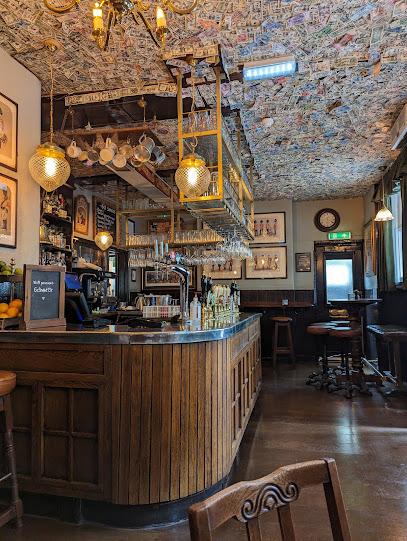
Quaglino's
0.9 km
Glamorous basement brasserie with live music, cocktails, and theatrical dining in St. James's.
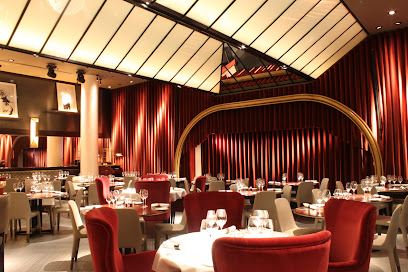
Great British Restaurant
0.9 km
Elegant British dining in the heart of St James’s, blending traditional flavors with modern sophistication in a tranquil hotel setting.
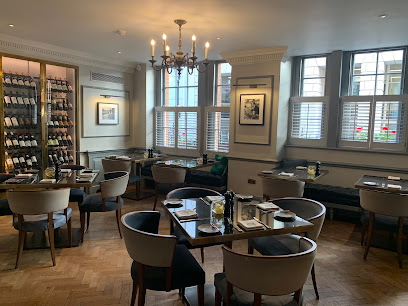
NOPI
0.9 km
Experience vibrant Mediterranean and Middle Eastern flavors in Soho at NOPI, Ottolenghi’s innovative restaurant known for shareable, seasonal dishes.
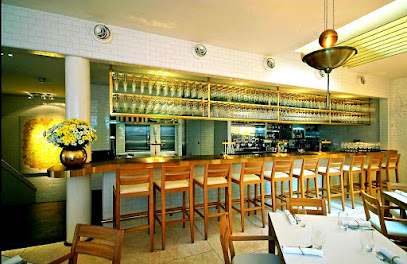
Kingly Court
1.0 km
Discover a world of flavors in London’s vibrant Kingly Court, where global cuisine meets Soho’s lively spirit.
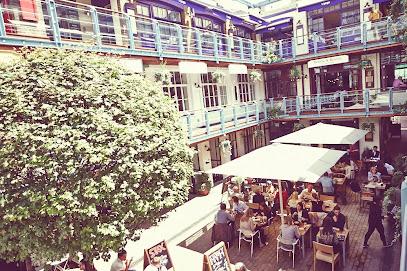
Dinner by Heston Blumenthal
1.0 km
Experience two Michelin-starred historic British cuisine reimagined with modern artistry at Dinner by Heston Blumenthal in the heart of Knightsbridge.
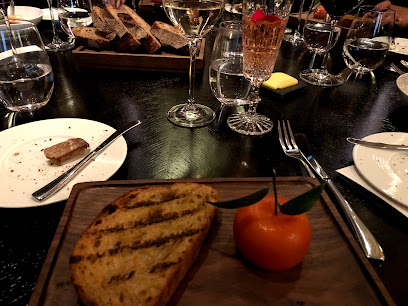
Starbucks Coffee
1.0 km
A vibrant Starbucks café in Carnaby offering expertly crafted coffee, fresh food, and a lively urban atmosphere in central London.
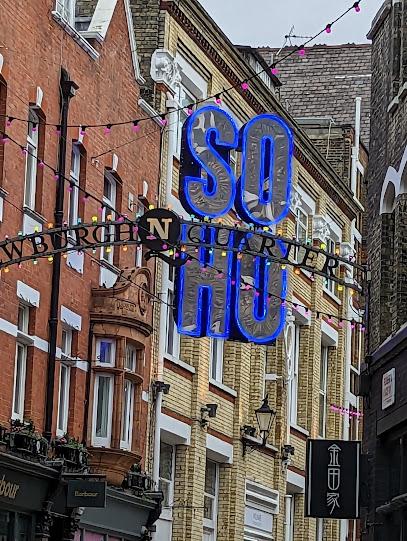
Golden Lion
1.0 km
Historic 1690s pub in St James's offering classic British fare, rich heritage, and a warm, family-friendly atmosphere near Buckingham Palace.
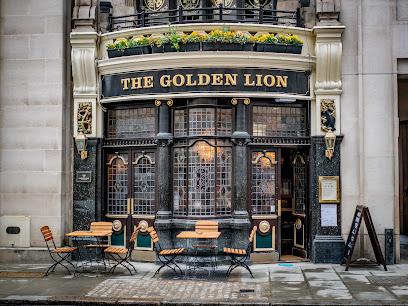
Bob Bob Ricard Soho
1.0 km
Experience glamorous British & French dining in Soho with iconic booths and a unique ‘Press for Champagne’ button at every table.
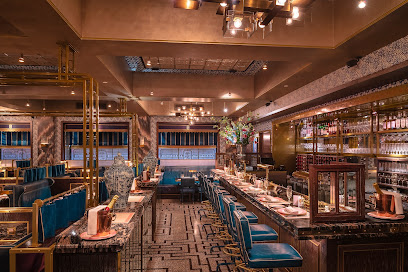
Markets, malls and hidden boutiques

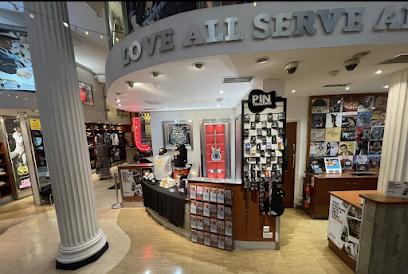
Hard Rock London Rock Shop
0.6 km
Discover exclusive rock ’n’ roll merchandise and iconic memorabilia at London’s legendary Hard Rock Rock Shop on Old Park Lane.
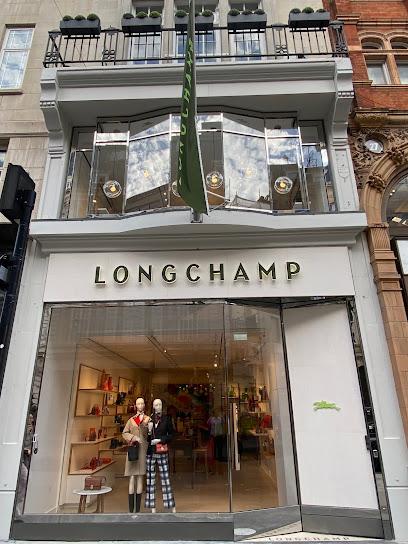
LONGCHAMP
0.6 km
Discover French luxury and craftsmanship at Longchamp’s elegant Bond Street boutique in London’s exclusive Mayfair district.
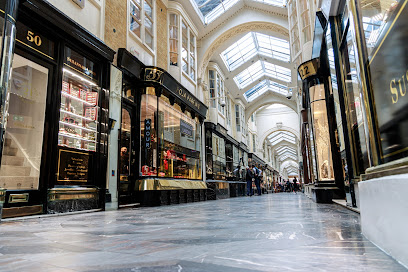
Burlington Arcade
0.8 km
Discover a luxurious shopping experience at Burlington Arcade, where timeless elegance meets exquisite craftsmanship in the heart of London.
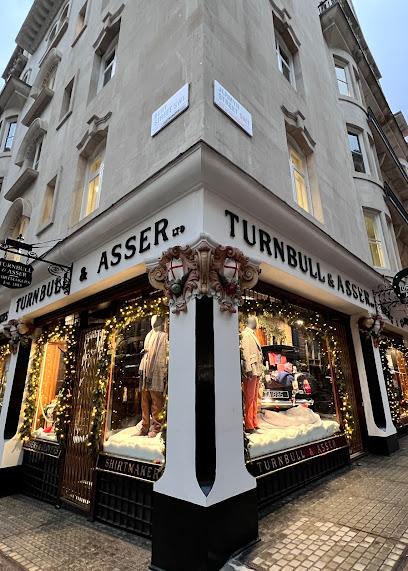
Turnbull & Asser Jermyn Street
0.9 km
Discover Turnbull & Asser on Jermyn Street, the quintessential British shirtmaker blending heritage craftsmanship with timeless elegance since 1885.
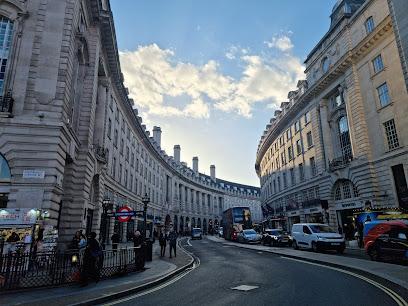
Regent St.
0.9 km
London's elegant mile of style, where Regency architecture meets world-class flagship stores and timeless shopping heritage.
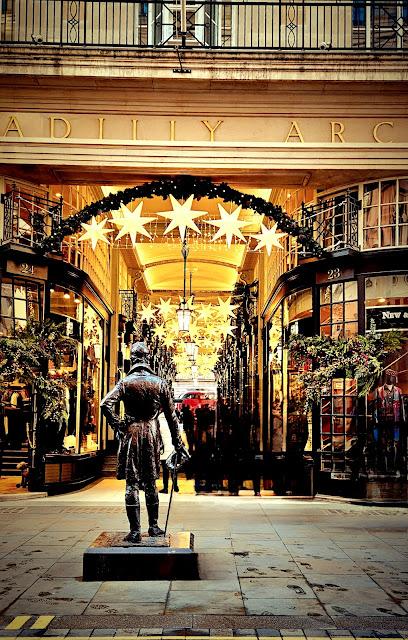
Piccadilly Arcade
0.9 km
Discover Edwardian elegance and bespoke luxury in Piccadilly Arcade, a historic shopping gem linking Piccadilly and Jermyn Street in London.
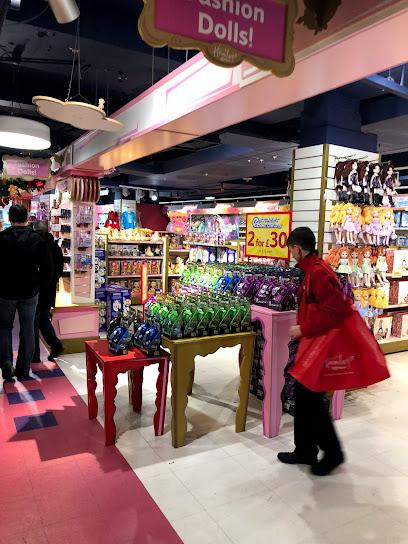
Hamleys
0.9 km
Seven floors of toy wonder in London's most iconic toy shop since 1760.
Fortnum & Mason
0.9 km
Historic luxury food hall and iconic London emporium offering gourmet delights, royal hampers, and timeless British tradition since 1707.
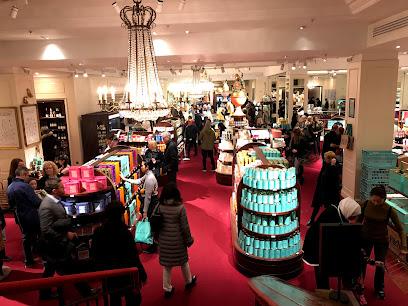
Princes Arcade
0.9 km
A refined covered arcade where London's bespoke traditions meet curated luxury shopping.
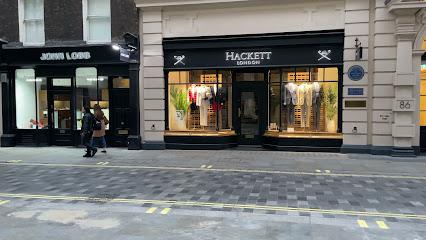
Kingly Ct
0.9 km
A vibrant three-storey courtyard in Soho offering eclectic global dining and unique shops in a lively, relaxed atmosphere.
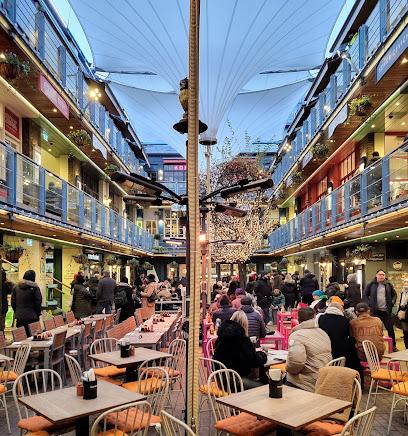
Oxford St
0.9 km
Europe’s busiest shopping street, Oxford Street offers iconic department stores, high-street fashion, and vibrant retail energy in central London.
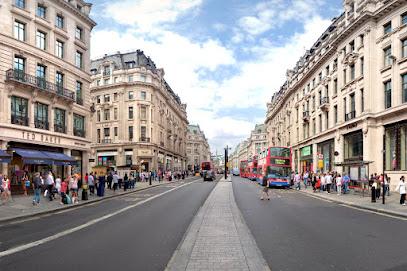
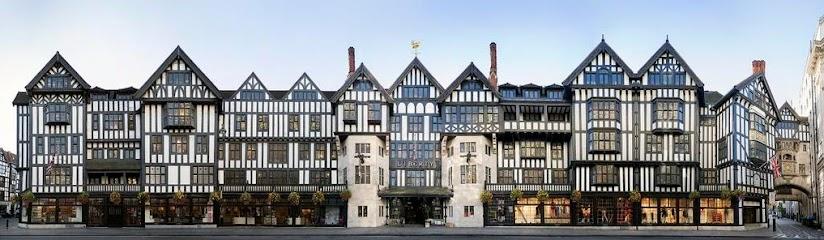
Liberty
1.0 km
Discover Liberty London, a Tudor revival icon blending heritage craftsmanship, luxurious fabrics, and timeless design in the heart of London’s West End.
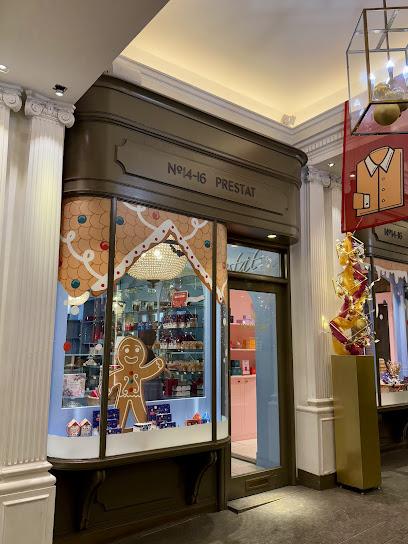
Prestat Chocolates
1.0 km
Royal warrant chocolatier crafting sophisticated truffles in Piccadilly's elegant Princes Arcade since 1902.
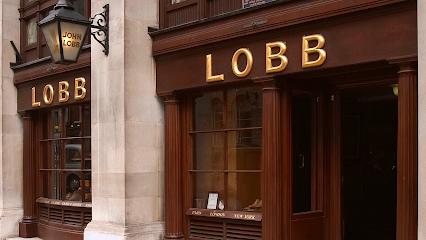
John Lobb St. James
1.0 km
Where 170 years of royal patronage meets handcrafted perfection in every stitch.
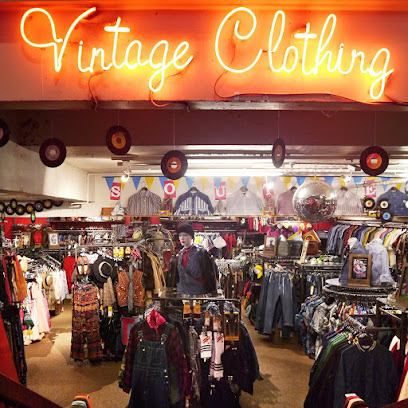
Beyond Retro Soho
1.0 km
Dive into Soho's ultimate vintage vault: two floors of era-spanning fashion, weekly drops, and pop-up vibes for the preloved obsessed.
Essential bars & hidden hideouts

Below
0.6 km
Discover Below at HIDE, a hidden Mayfair cocktail bar offering expertly crafted seasonal drinks and rare spirits beneath a Michelin-starred restaurant.
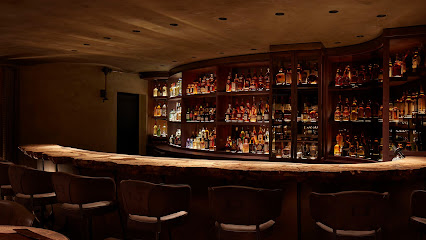
The Churchill Bar & Terrace
0.8 km
Sophisticated cocktail bar and terrace in central London, blending classic British charm with modern elegance and a vibrant social scene.
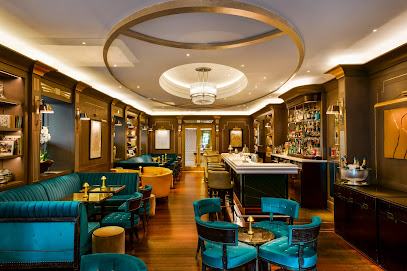
Cahoots London
1.0 km
Step into a 1940s London underground tube station and enjoy creative cocktails in a vibrant, theatrical vintage setting.
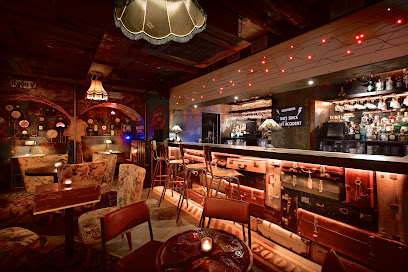
The Argyll Arms
1.0 km
Step into The Argyll Arms, a Victorian-era pub gem in Soho blending historic charm, real ales, and hearty British fare near Oxford Circus.
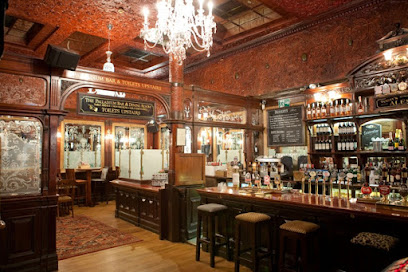
Disrepute - Soho
1.0 km
Descend into Soho's glamorous underworld at Disrepute, where 1960s scandal meets masterful cocktails in velvet-clad vaults—Soho's seductive late-night escape.
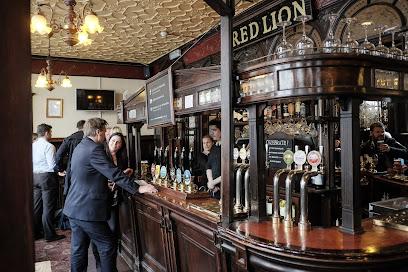
The Red Lion, Mayfair
1.0 km
Historic Victorian pub in Mayfair famed for its political heritage and classic London charm, steps from Downing Street.
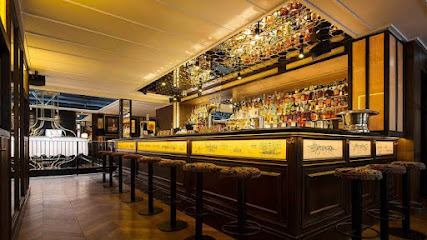
Purl London
1.1 km
Discover Purl London, a speakeasy-style cocktail bar in Marylebone offering expertly crafted drinks in a cozy vintage setting.
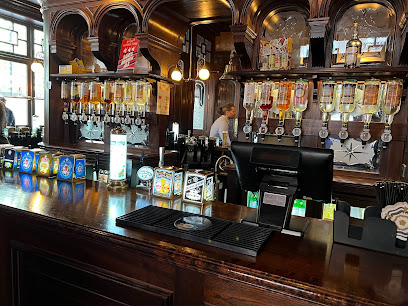
Duke of Argyll
1.2 km
Step into the Duke of Argyll for authentic Victorian pub charm, affordable ales, and a warm Soho atmosphere in central London.
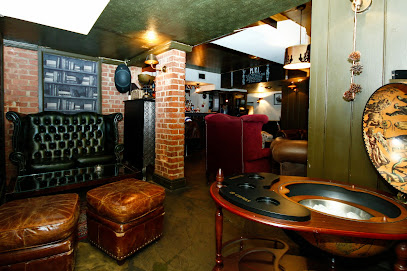
The Thin White Duke
1.2 km
Discover Soho’s intimate cocktail bar inspired by David Bowie, blending bespoke drinks, award-winning dim sum, and creative recording studios.
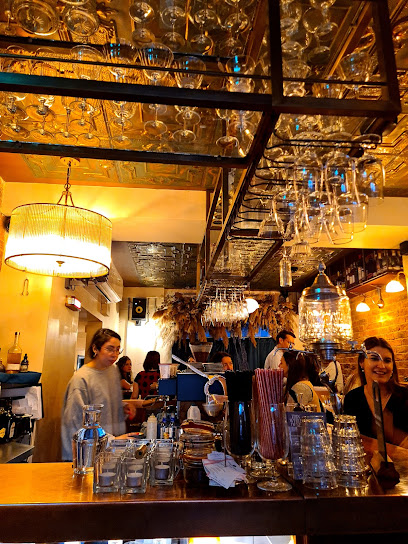
NQ64 Soho
1.3 km
Dive into a neon-lit world of retro arcade games and themed cocktails in the heart of Soho’s vibrant nightlife scene.
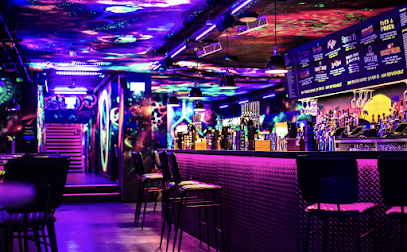
Basement Sate
1.3 km
Discover Soho’s chic basement bar where decadent desserts meet expertly crafted cocktails in an intimate, stylish setting.
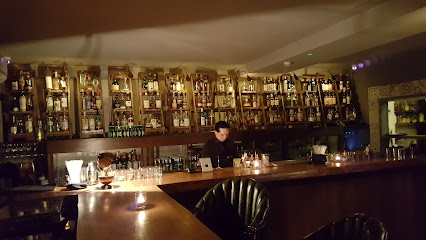
Village Soho
1.3 km
A lively, inclusive gay bar in Soho with energetic dance floors, go-go dancers, karaoke nights, and a vibrant LGBTQ+ atmosphere.
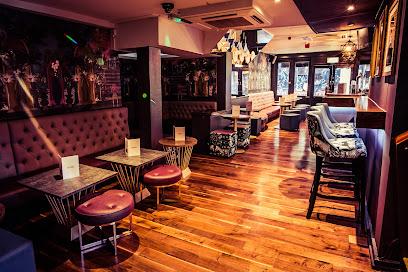
The New York Bar
1.3 km
A polished hotel lounge opposite Buckingham Palace — handcrafted cocktails, tasting events and piano-accompanied afternoons in plush, traditional surroundings.
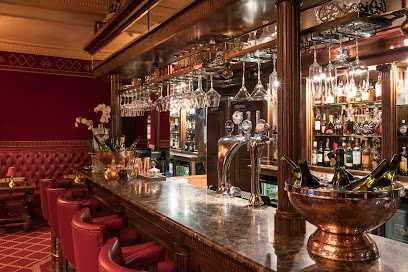
Duke Of Wellington
1.3 km
A lively Soho pub blending traditional British charm with modern nightlife energy on Wardour Street.
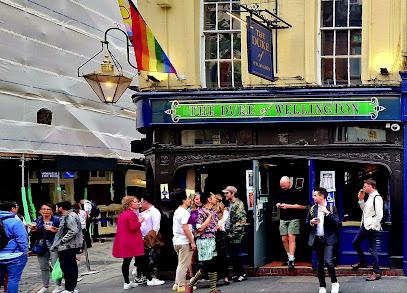
Bbar
1.3 km
Chic Victoria cocktail bar beneath a living wall, blending South African zest with inventive drinks, hearty bites, and unforgettable afternoon teas near Buckingham Palace.
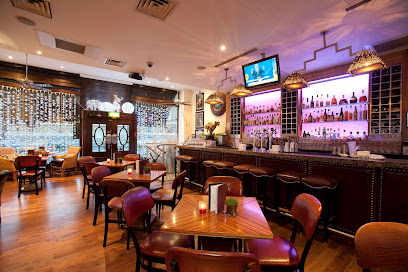
Nightclubs & after hour spots

LUXX CLUB LONDON
0.6 km
Experience Mayfair’s premier luxury nightclub with dazzling lights, top DJs, and exclusive VIP vibes at LUXX CLUB LONDON.
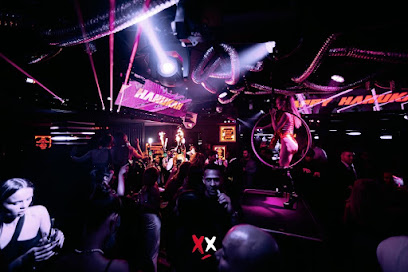
Carwash Nightclub
0.7 km
Europe's longest-running disco since 1989: sequins, funk beats, and joyful dancing in Mayfair's retro heart. Join the glitter-fueled party!
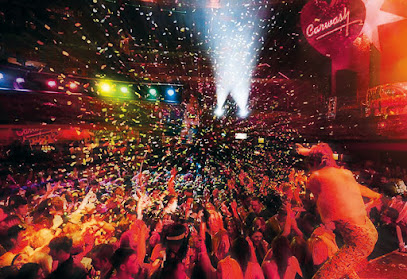
Tabu London
0.7 km
Escape Mayfair's polish for Tokyo's neon-lit Shinjuku alleys at Tabu London—retro gaming vibes, caged dancers, hip-hop beats, and upscale bites fuel epic nights.
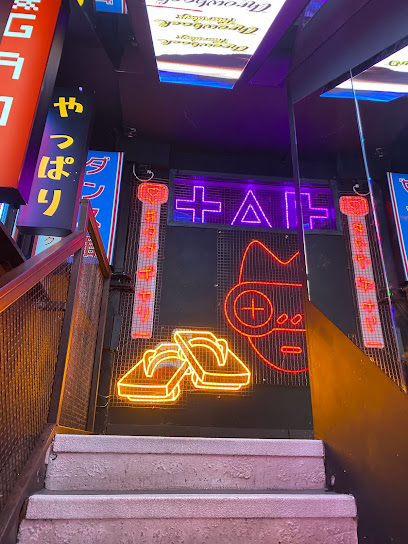
The Cuckoo Club
0.9 km
Exclusive Mayfair nightclub and restaurant blending glamorous design, contemporary cuisine, and vibrant nightlife in London’s upscale scene.
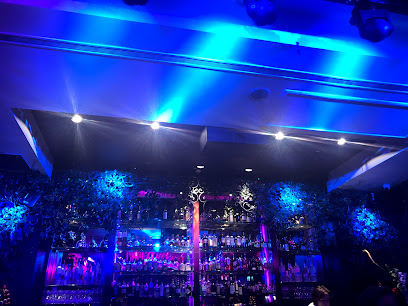
The Scotch of St James
1.0 km
Legendary Mayfair speakeasy where 60s rock stars jammed and today's elite dance till dawn in velvet-clad intimacy.
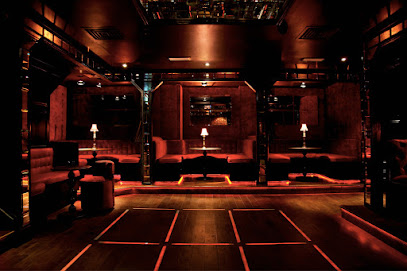
Sunset night club
1.1 km
Dive into Soho's electric nightlife at Sunset Night Club, where thumping beats, craft cocktails, and dawn-chasing energy define unforgettable nights in London's vibrant core.
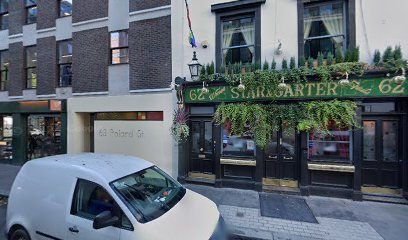
The Windmill Soho | Restaurant, Cabaret & Nightclub in Soho, London
1.2 km
Soho's legendary cabaret den revived: burlesque bites, theatrical feasts, and all-night beats in a historic hotspot of hedonism.
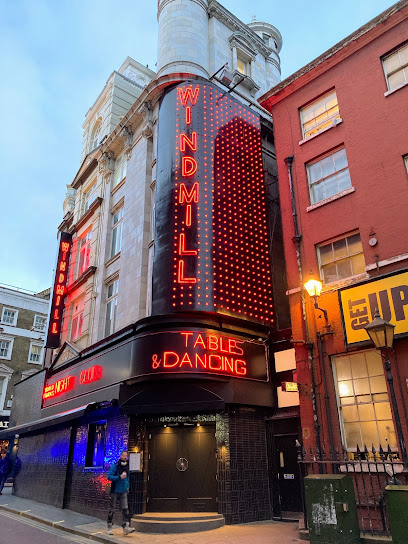
The Box Soho
1.3 km
A clandestine Soho cabaret where decadent staging, provocative shows and high‑end cocktails collide in an intense late‑night theatre.
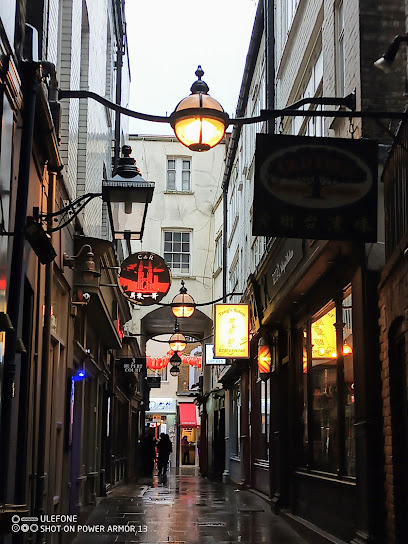
Versity Camp Nightclub
1.3 km
Dive into Soho's beating heart at Versity Camp Nightclub, where thumping bass, inventive cocktails, and an electric crowd fuel unforgettable nights until dawn.
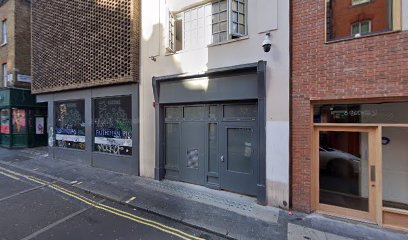
Sophisticats Soho
1.3 km
An intimate, late‑night Soho gentlemen’s club on Brewer Street offering staged performances, VIP seating and an upmarket, discreet atmosphere.
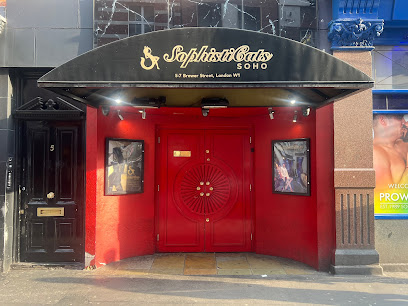
Bordello London
1.3 km
Dive into Soho's seductive basement beats at Bordello London, where Wardour Street's nightlife legacy ignites late-night frenzy on weekends.
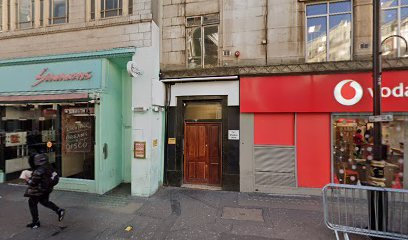
101 Nightclub London
1.3 km
Soho's raw Saturday night pulse: intimate beats, crowded floors, and unfiltered London club energy on Wardour Street.
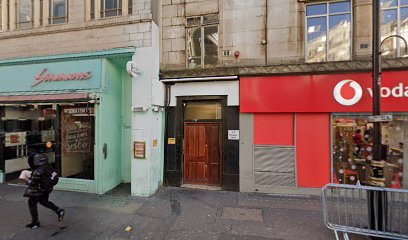
St Moritz Club
1.3 km
Soho's retro basement nightclub: 1960s vibes meet modern beats in an intimate, wood-paneled haven beneath a Swiss chalet restaurant.
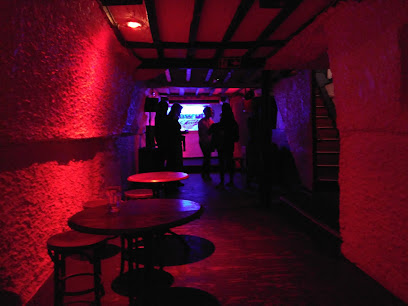
Tiger Tiger London
1.3 km
Experience London’s iconic Haymarket nightclub with six vibrant rooms, lively DJs, and a dynamic party atmosphere just moments from Piccadilly Circus.
Luxe Club
1.3 km
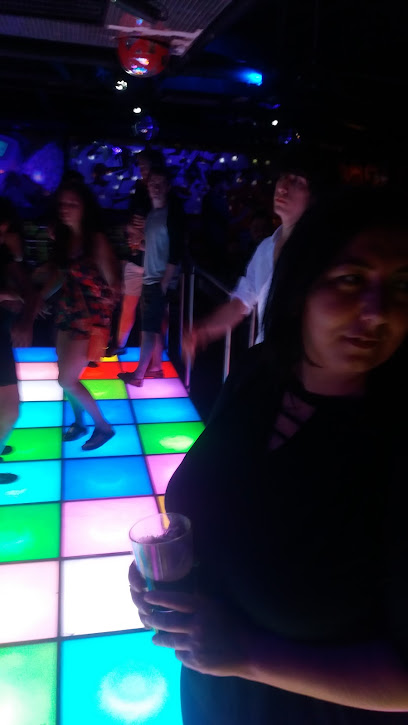
Experience London's vibrant nightlife at Luxe Club, a central hotspot for music, dancing, and late-night entertainment.
For the vibe & atmosphere seeker
- Tranquil
- Scenic
- Unique
- Relaxing
For the design and aesthetic lover
- Minimalist Designs
- Vintage Styles
For the architecture buff
- Historic
- Landmarks
- Sacred Sites
For the view chaser and sunset hunter
- Iconic Views
For the social media creator & influencer
- Instagrammable
- Photo Spots
- Architectural Shots
For the eco-conscious traveler
- Public-Transport Accessible
For the kind of experience you’re after
- Cultural Heritage
- Spiritual / Energy Spot
- Day Trip
For how adventurous you want the journey to be
- Easy Access
Location Audience
- Family Friendly
- Senior Friendly
- Child Friendly
- Wheelchair Access
- Solo Friendly
- Couple Friendly
- Vegetarian Friendly
- Vegan Friendly


