Eleanor Cross, London Travel Guide
Free Guide: A striking Victorian Gothic monument in London commemorating Queen Eleanor of Castile’s final journey and enduring royal love.


A brief summary of Eleanor Cross
A striking Victorian Gothic monument in London commemorating Queen Eleanor of Castile’s final journey and enduring royal love.
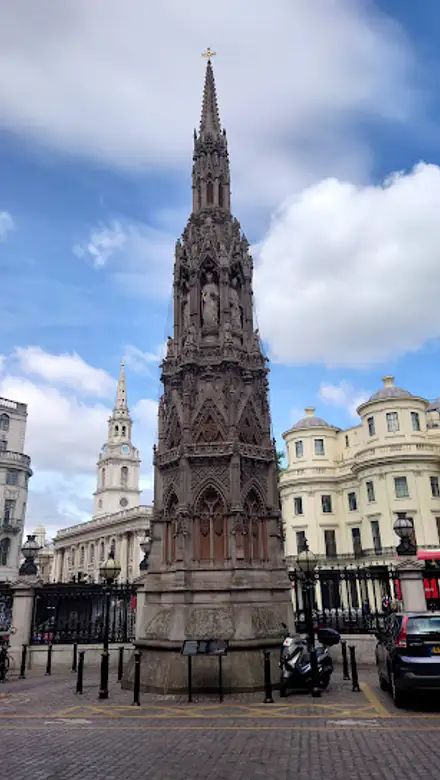
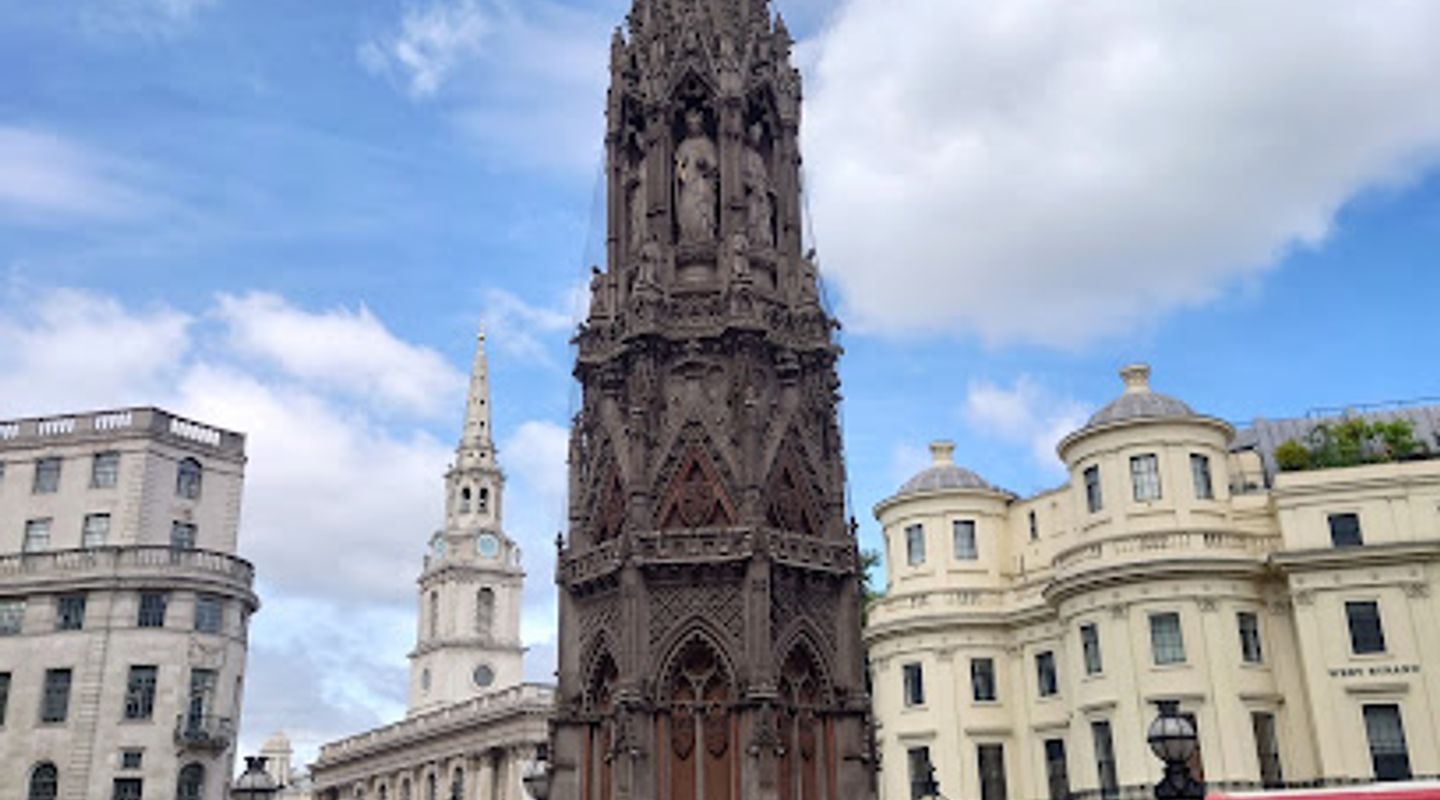
The Eleanor Cross at Charing Cross is a Victorian Gothic revival monument in London, erected in 1865 as a faithful reproduction of the original 13th-century cross that once marked the final resting place of Queen Eleanor of Castile’s funeral procession. Located prominently in front of Charing Cross railway station, this striking stone cross commemorates the deep love of King Edward I for his queen and stands near the site where the original cross was demolished in the 17th century.
On-site amenities
 Restrooms
 Drink options
 Food options
 Seating areas
 Information boards
Opening hours
- Every dayOpen 24 hours
Opening hours as listed on the venue’s Google Business Profile. Hours can change for services and special events, so check with the venue before you go.
- Address
- 40 Strand, London WC2N 5PH
- Phone
- Website
Getting there
London Underground
Bus
Walking
Discover more about Eleanor Cross
A Royal Memorial Born of Devotion
The Eleanor Crosses were a series of twelve grand stone monuments commissioned by King Edward I in memory of his beloved wife, Queen Eleanor of Castile, who died in 1290. Following her death, her body was transported from Lincoln to Westminster Abbey in London, with the funeral procession stopping overnight at various towns. At each stop, Edward ordered an ornate cross to be erected. The final and most magnificent of these was located at Charing, then a village just outside Westminster. This cross marked the end of the procession and was a symbol of enduring love and mourning.
The Original Cross and Its Historical Significance
The original Eleanor Cross at Charing Cross was renowned for its impressive scale and intricate Gothic design, costing around £600 at the time—a considerable sum. Positioned at a key crossroads near Whitehall, it served not only as a memorial but also as a prominent public landmark. Over centuries, it witnessed royal pageantry, including coronation processions and celebrations such as Henry V’s return from Agincourt. However, the cross also became a focal point of religious and political tensions, leading to its destruction in 1647 during the English Civil War. The stones were repurposed, and the site later became home to the statue of King Charles I, London’s oldest bronze statue.
Victorian Revival and Artistic Legacy
In 1865, the Eleanor Cross was reborn as a Victorian Gothic revival monument designed by architect Edward Middleton Barry and carved by master stonemason Thomas Earp. This reproduction stands in front of the Charing Cross railway station, directly referencing the original’s location and grandeur. Barry, also responsible for the nearby Charing Cross Hotel, created a monument that honors medieval craftsmanship and the romantic legacy of the crosses. The monument features detailed stonework and statues reminiscent of the original, capturing the spirit of Edward I’s tribute to Eleanor.
The Cross’s Role in London’s Urban Fabric
Today, the Eleanor Cross at Charing Cross is more than a historical marker; it is a symbolic heart from which distances to London are measured. Its location at a major junction connects the City of London, Westminster, and the north, making it a central point in the capital’s geography. The nearby Charing Cross Station and the surrounding area blend Victorian architecture with the city’s medieval past, offering visitors a tangible link to London’s layered history.
Commemorating Love Through Time
The story of the Eleanor Cross is one of love, loss, and remembrance that has endured for over seven centuries. Edward I’s gesture of erecting twelve crosses along his queen’s funeral route was unprecedented in scale and emotional depth. The Charing Cross monument, both original and replica, stands as a testament to this devotion, embodying the cultural and historical significance of the medieval monarchy and its lasting impact on London’s identity.
Modern-Day Significance and Visitor Experience
Visitors today can admire the finely detailed stonework of the Victorian cross and reflect on the rich history it represents. The monument’s prominent placement in a bustling urban environment juxtaposes the solemnity of medieval memorial with the vibrancy of contemporary London life. Nearby, artistic tributes such as the mural on the Northern Line platform recount the original cross’s construction, further enriching the visitor’s connection to this historic landmark.
Evendo Review Centre
 Google
Guest reviews
Best time to go
Quietest: Jan, Feb & Mar · before 3am
Busy times are Evendo estimates for a typical year, to help you plan. Actual crowds vary with events, school holidays and the weather.
Explore Eleanor Cross on the map
A handpicked selection of must-see spots near Eleanor Cross, mapped for you.
Get your free copy of our complete guide to Eleanor Cross, delivered straight to you.
Everything on this page, from opening hours and how to get there to Eve’s tips and the best time to go, in one PDF you can read offline, print or share.
Already have an account? Sign in
Your Eleanor Cross guide is ready.
We'll send it to · Not you? Sign out

Getting your guide ready…
We are putting together a fresh copy of the Eleanor Cross guide. This can take up to a minute.
This can take a few moments. If your browser asks, choose Allow so the download can start. You'll find the guide in your Downloads folder.
Nothing happened? Download it again
Sorry, the guide is taking longer than usual. Please try again in a minute, or get it by email instead.
Unlock the best of Eleanor Cross
Skip-the-line tickets, guided tours with entry, and walking tours of the area, booked in a few clicks.

Other nearby places you may find interesting
The closest places of the same kind, if this one is not quite what you had in mind.
-

-
-
-
-


Swipe for more places
More to explore near Eleanor Cross

 Best experiences near Eleanor Cross
 Best hotels near Eleanor Cross
 Best landmarks near Eleanor Cross
 Best attractions near Eleanor Cross
 Best shops near Eleanor Cross
 Best restaurants near Eleanor Cross
 Best bars near Eleanor Cross
Do you manage this location?
Take control to get all the benefits, like improved information, better appearance, and stronger visibility across AI-powered discovery.
Explore more

Explore more of London
Explore London: A city of iconic landmarks, rich history, vibrant culture, and endless attractions that cater to every taste, making it a must-visit destination.
Explore London
Explore more of United Kingdom
Discover the United Kingdom: A blend of rich history, stunning landscapes, and vibrant cities, offering a unique travel experience for every visitor.
Explore United Kingdom