

Shaftesbury Avenue
London's vibrant theatre heart where Victorian grandeur meets contemporary culture and creativity thrives.
Shaftesbury Avenue is London's iconic West End thoroughfare, stretching over a mile from Piccadilly Circus to New Oxford Street. This vibrant cultural artery pulses with world-class theatres, eclectic dining, and distinctive character. Built between 1877 and 1886 as a Victorian urban renewal project, the avenue cuts through Soho, Chinatown, and Theatreland, serving as the beating heart of London's entertainment district. Whether catching a West End show, exploring street art, or simply soaking in the electric atmosphere, Shaftesbury Avenue embodies the creative spirit and cosmopolitan energy that defines modern London.
A brief summary to Shaftesbury Ave
- London, GB
- Duration: 1 to 3 hours
- Free
-
 Outdoor
- Mobile reception: 5 out of 5
Local tips
- Visit in the evening to experience the full theatrical atmosphere with illuminated marquees and pre-show crowds gathering outside venues.
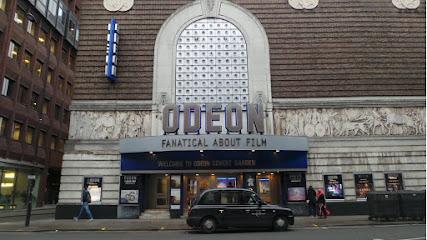
- Look upward to appreciate the architectural details, particularly the Gilbert Bayes sculptural frieze on the Covent Garden Odeon facade depicting theatre through the ages.
- Explore the side streets branching from Shaftesbury Avenue—Charing Cross Road, Greek Street, and Wardour Street—to discover independent shops, galleries, and authentic restaurants.
- Time your visit to catch street artists at work near Piccadilly Circus end in the early evening, when portrait artists set up along the pavement.
- Combine a stroll down Shaftesbury Avenue with visits to nearby attractions like Covent Garden, Leicester Square, and Piccadilly Circus for a comprehensive West End experience.

For the on-the-go comforts that matter to you
- Restrooms
- Drink Options
- Food Options
- Seating Areas
- Information Boards
Getting There
-
London Underground
Multiple Underground lines serve Shaftesbury Avenue. From Leicester Square station (Northern, Piccadilly, or District lines), the avenue is a 5–8 minute walk. Exit the station and head north toward Charing Cross Road, then navigate to Shaftesbury Avenue. Alternatively, from Tottenham Court Road station (Northern or Central lines), walk south along Tottenham Court Road for approximately 10 minutes, then turn right onto Shaftesbury Avenue. Single journey fares range from £1.75 to £2.80 depending on zones travelled.
-
Bus
Multiple bus routes serve Shaftesbury Avenue, including routes 14, 19, 38, and 73, which run along or near the street. Journey times from central London vary from 10–25 minutes depending on traffic and starting point. Single fares are £1.75 for journeys within central London zones. Buses offer a scenic alternative to the Underground and allow observation of the street's architecture during approach.
-
Walking
Shaftesbury Avenue is highly accessible on foot from surrounding attractions. From Piccadilly Circus (southern terminus), the walk takes 2–3 minutes. From Covent Garden, head southeast via Long Acre and Bow Street for approximately 10–12 minutes. From Leicester Square, walk north along Charing Cross Road for 8–10 minutes. The street is flat and well-paved throughout, making it suitable for all walking abilities.
-
Taxi or Rideshare
Black cabs and rideshare services (Uber, Bolt) operate throughout central London. Journey times to Shaftesbury Avenue from major transport hubs range from 10–20 minutes depending on traffic conditions. Fares typically range from £8 to £20 for journeys within central London. Note that vehicle access along Shaftesbury Avenue itself is restricted during certain hours, particularly in the evening theatre district section.
Shaftesbury Ave location weather suitability
-
 Any Weather
Discover more about Shaftesbury Ave
Theatre's Grand Stage Through the Ages
Shaftesbury Avenue stands as the undisputed heart of London's West End theatre district, a distinction earned through more than a century of world-class performances. The avenue's southern section, between Piccadilly Circus and Charing Cross Road, clusters some of London's most prestigious theatres: the Lyric, Apollo, Gielgud, and Sondheim theatres line the western side, while the grand Palace Theatre anchors the intersection with Charing Cross Road. Further north, the Shaftesbury Theatre commands attention at the avenue's northeastern terminus. This concentration of theatrical venues transforms the street into an open-air celebration of dramatic arts, where marquees glow with the names of current productions and crowds gather before curtain call. The energy intensifies as evening approaches, with theatre-goers mingling alongside tourists and locals drawn to the palpable sense of cultural occasion. The architectural legacy of these theatres reflects the avenue's Victorian origins. Built between 1877 and 1886 by architect George Vulliamy and engineer Sir Joseph Bazalgette, Shaftesbury Avenue was conceived as both a traffic solution and urban renewal initiative, cutting through the densely populated districts of St. Giles and Soho. The avenue's creation displaced many working-class residents, though legislation required the relocation of some displaced inhabitants—a historical complexity that shaped modern London's social geography. Today, the street's grand Victorian and Edwardian facades stand as monuments to this transformative era.Artistic Treasures and Architectural Splendour
Among the avenue's architectural highlights stands the Covent Garden Odeon, originally the Saville Theatre when it opened in 1931. This Art Deco masterpiece features a remarkable sculptural frieze by Gilbert Bayes that stretches across its facade, depicting theatre through the ages. The frieze presents a visual journey from ancient Greek and Roman spectacles—complete with gladiators, Bacchantes, and mythological creatures—through Romantic-era performers to twentieth-century entertainment. Bayes' work captures the playful exuberance of the Art Deco period, with stylised figures and dynamic compositions that celebrate human performance in all its forms. A section depicts the famous Punch and Judy booth, a nod to the puppet theatre's historic roots mere yards away in Covent Garden. This sculptural narrative, often overlooked by hurried passers-by, rewards careful observation with layers of artistic detail and historical commentary. The avenue's visual character extends beyond individual buildings to encompass the street's role as a cultural crossroads. Soho Curzon cinema occupies a midpoint position, while street-level retail and dining establishments create an ever-changing streetscape. The intersection of Shaftesbury Avenue with Charing Cross Road at Cambridge Circus creates a natural gathering point where multiple districts converge—a spatial configuration that has made it a focal point for both commerce and culture.Where Cultures Converge and Communities Thrive
Shaftesbury Avenue marks the boundary between London's most distinctive neighbourhoods, serving as a living interface between Soho's bohemian character, the LGBTQ+ village, and London's vibrant Chinatown. The street's composition has transformed dramatically over recent decades, with Chinese businesses increasingly establishing themselves along the avenue. This cultural evolution reflects London's dynamic nature, where historic streets continuously absorb new communities while retaining their essential character. The presence of traditional Chinese medicine practices, restaurants, supermarkets, travel agents, and financial services demonstrates how Shaftesbury Avenue functions as a commercial and cultural hub for multiple communities simultaneously. The avenue's role as a boundary marker carries historical significance beyond mere geography. Between 1899 and 1902, number 67 Shaftesbury Avenue housed the Bartitsu School of Arms and Physical Culture, the first commercial Asian martial arts training school in the Western world—a pioneering institution that prefigured the cultural exchanges now evident throughout the street. This historical precedent underscores how Shaftesbury Avenue has long served as a space where different traditions meet and influence one another.Street Life and Spontaneous Performance
As evening descends, Shaftesbury Avenue transforms into an open-air gallery of spontaneous creativity. Street artists gather on the pavements near the former NatWest building at the Piccadilly Circus end, producing portrait sketches for tourists and locals alike. This informal artistic activity adds layers of human interaction to the street's already vibrant atmosphere, creating moments of connection between artist and subject. The street's role as a stage extends beyond formal theatre venues to encompass these everyday performances and encounters that characterise urban life. The avenue's pedestrian experience varies considerably along its length. The southern section between Piccadilly Circus and Cambridge Circus pulses with constant activity—theatre crowds, tourists navigating between attractions, and locals moving through this high-traffic zone. The northern section, extending toward Covent Garden and New Oxford Street, offers a slightly more relaxed pace while maintaining the street's essential character. Throughout its length, Shaftesbury Avenue functions as both destination and thoroughfare, drawing visitors specifically to experience its theatrical energy while simultaneously serving as a major pedestrian and vehicular artery connecting different parts of central London.Iconic landmarks you can’t miss

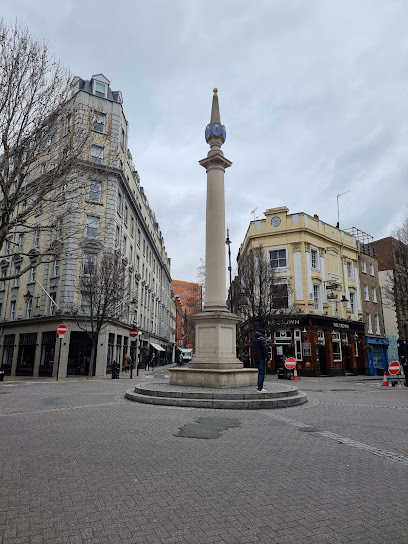
Historic Seven Dials
0.2 km
Discover Seven Dials, a historic London quarter where seven streets meet at a unique sundial pillar, blending rich heritage with vibrant culture.
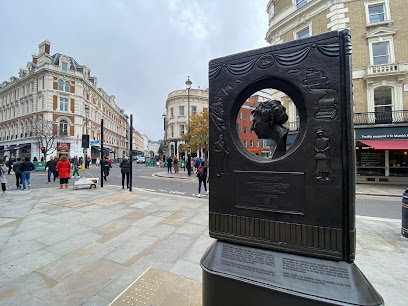
Agatha Christie memorial
0.2 km
A captivating bronze tribute to Agatha Christie, celebrating her literary genius and theatrical legacy in London's vibrant theatre district.
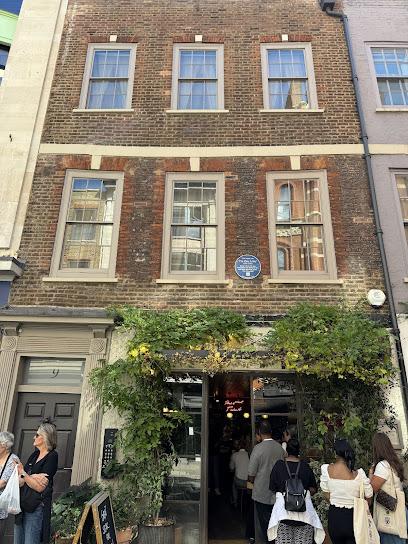
Plaque: Tin Pan Alley & La Giaconda cafe
0.2 km
Discover the legendary Tin Pan Alley and La Giaconda Cafe at 9 Denmark Street, the historic heart of London’s music scene and creative spirit.
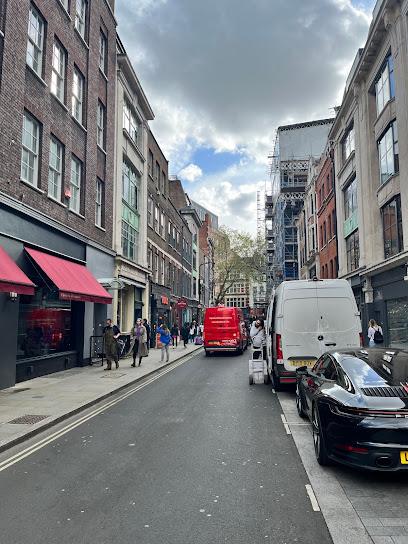
Denmark St
0.2 km
Britain's legendary Tin Pan Alley where rock and roll history was written in every studio, café, and guitar shop.
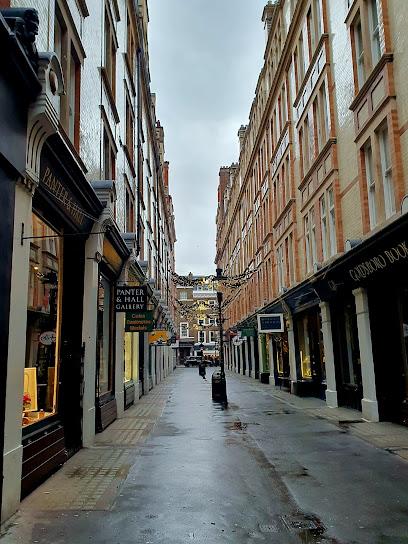
Cecil Court
0.3 km
Step into a cobbled alley where books, history, and magic converge in the heart of London.
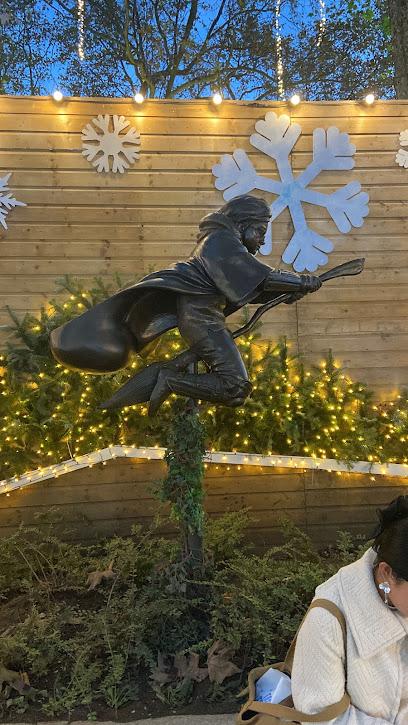
Harry Potter Statue
0.3 km
Where the boy wizard takes flight in London's cinematic heart—a bronze tribute to magic and movie history.
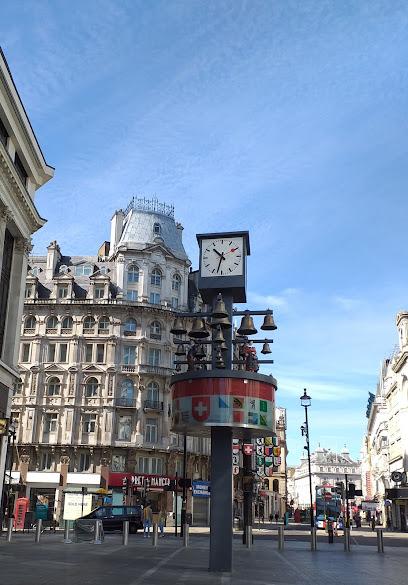
Leicester Square
0.3 km
London's glittering entertainment epicentre where cinema, theatre, and street culture converge in the heart of the West End.
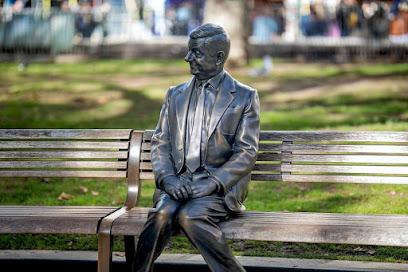
Mr Bean Statue
0.3 km
Explore the whimsical Mr. Bean Statue in Leicester Square, a must-see landmark that captures the charm and humor of British culture in the heart of London.
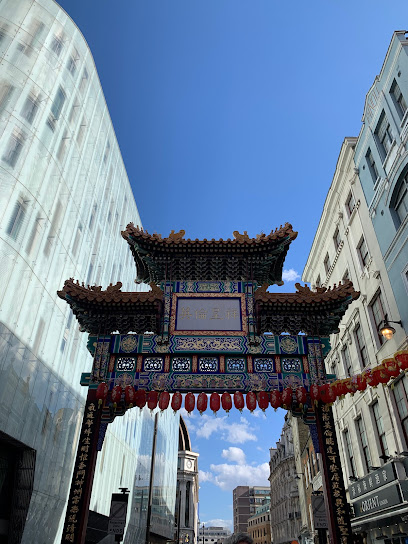
Chinatown Gate
0.3 km
Experience the vibrant spirit of London's Chinatown at the iconic Chinatown Gate, a cultural gem filled with culinary delights and rich heritage.
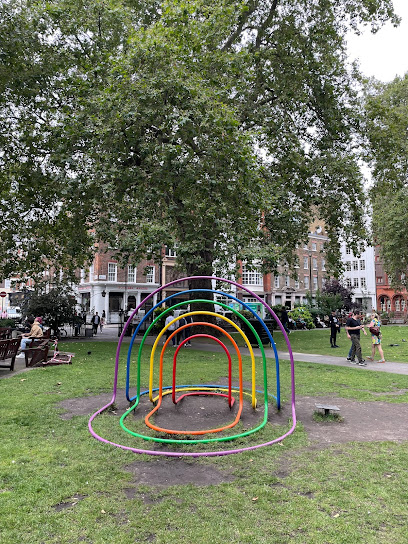
#O hello sunshine Public Art Sculpture
0.3 km
Discover the vibrant O Hello Sunshine sculpture in London, a historical landmark that embodies creativity and community spirit amidst the city's artistic landscape.
Soho Square Gardens
0.3 km
Explore the calming beauty of Soho Square Gardens, a lush park in the heart of London, perfect for relaxation and socializing.
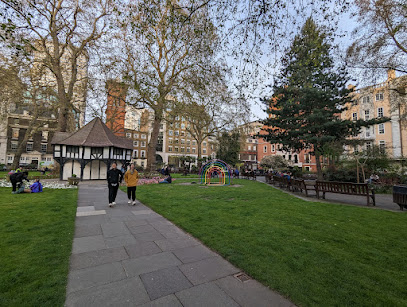
Soho Square
0.3 km
Historic Georgian square where aristocrats, scientists, and artists shaped London's cultural legacy
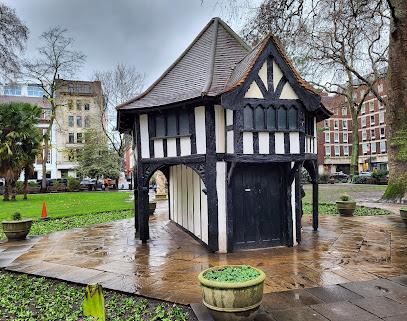
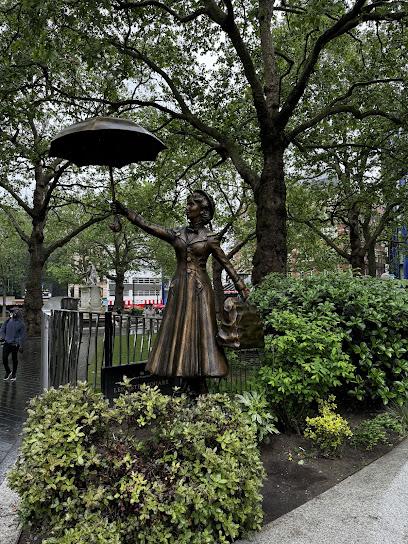
Mary Poppins Statue
0.3 km
Where cinema's most elegant nanny takes flight in the heart of London's film district.
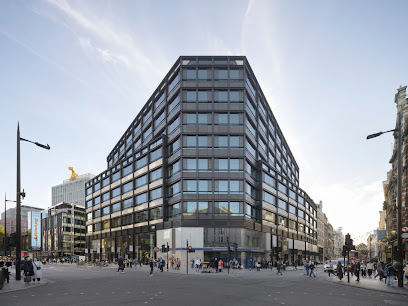
1 Soho Place
0.3 km
Explore 1 Soho Place: A vibrant business park in London's Soho, surrounded by eclectic eateries, shops, and cultural landmarks.
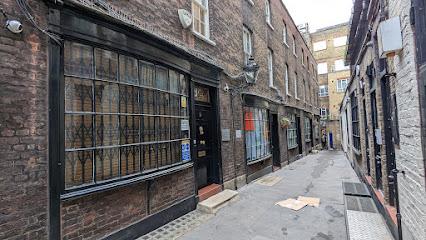
Goodwin’s Court
0.3 km
Experience the serene charm of Goodwin's Court, a historic landmark in London, perfect for leisurely strolls and captivating photography.
Unmissable attractions to see

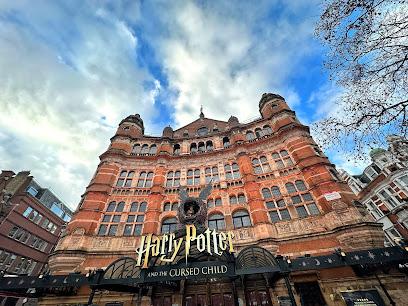
Palace Theatre
0.0 km
A grand West End theatre since 1891, now home to the magical Harry Potter and the Cursed Child in the heart of London’s theatreland.
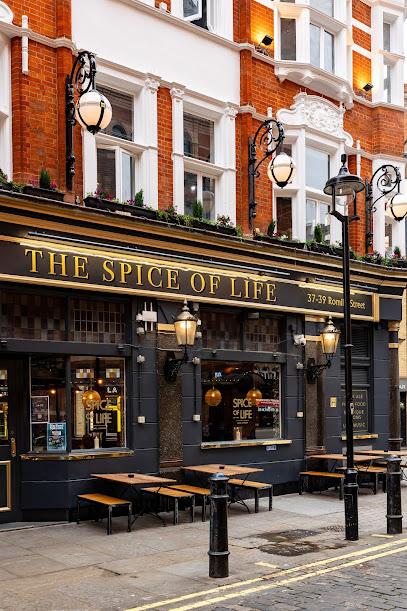
The Spice Of Life
0.0 km
Historic Soho pub and live music venue blending tradition, vibrant culture, and boutique lodging in the heart of London.
The Coach & Horses, Soho
0.1 km
Discover the historic charm and vibrant atmosphere of The Coach & Horses, a celebrated pub in the heart of Soho, London.
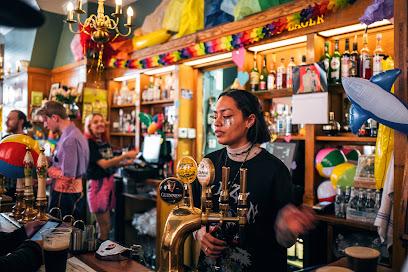
Charing Cross Rd
0.1 km
Explore Charing Cross Road, London’s iconic street famed for legendary bookshops, theatres, and a vibrant cultural pulse in the West End.
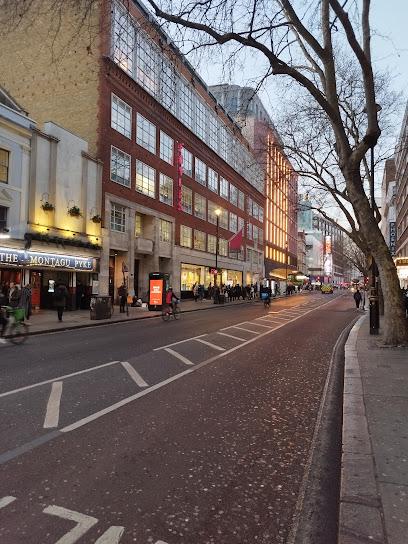
Henry Pordes Books Ltd
0.1 km
Discover rare literary treasures and timeless classics at Henry Pordes Books, a cherished second-hand bookshop on historic Charing Cross Road.
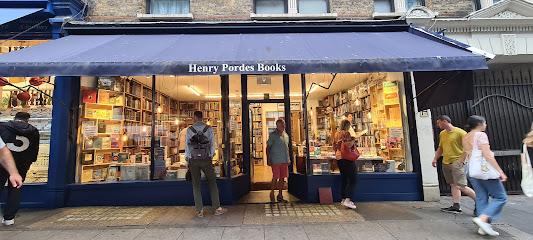
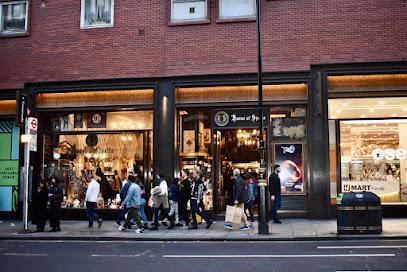
House of Spells
0.1 km
Step into House of Spells, London’s enchanting two-floor shop offering authentic Harry Potter and fantasy collectibles in a magical, immersive setting.
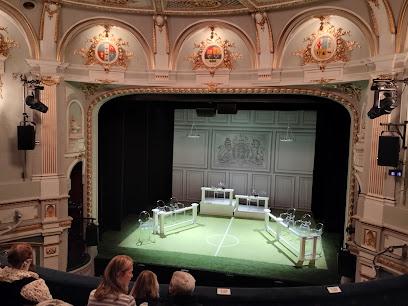
The Ambassadors Theatre
0.1 km
Experience intimate West End theatre history and timeless performances at the charming Ambassadors Theatre in London’s vibrant Seven Dials.
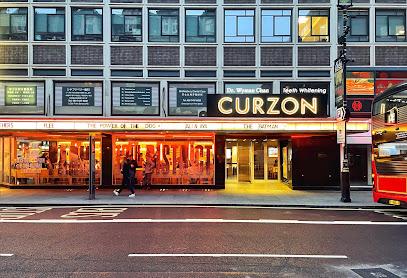
Curzon Soho
0.1 km
Discover independent cinema culture in the heart of Soho with stylish screenings, cozy cafés, and a vibrant social scene at Curzon Soho.
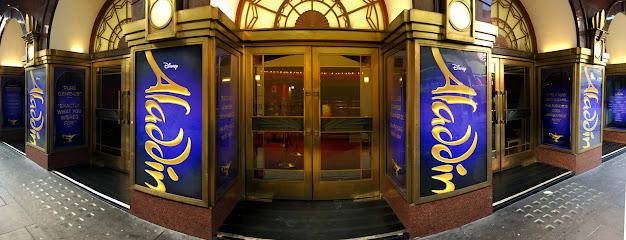
Prince Edward Theatre
0.1 km
Experience the magic of live theatre at Prince Edward Theatre, a historic venue in London’s vibrant West End, showcasing spectacular performances.
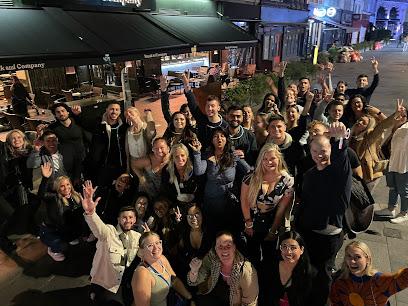
London Pub Crawl
0.1 km
Unleash your night in London with the ultimate pub crawl, exploring iconic bars, great deals, and a vibrant social scene.
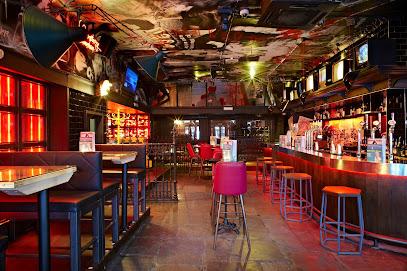
Bar Soho
0.1 km
Discover the vibrant atmosphere and innovative cocktails at Bar Soho, a quintessential cocktail bar in London’s lively Soho district.
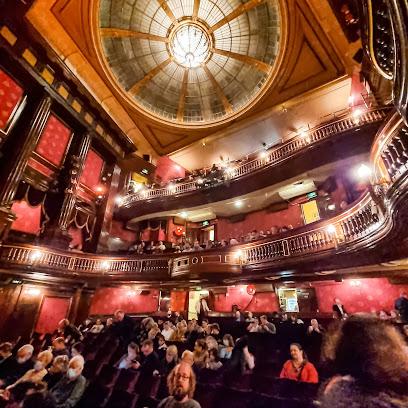
St. Martin's Theatre
0.1 km
Historic West End theatre famed for hosting The Mousetrap, offering intimate performances in a charming Georgian setting near Seven Dials.
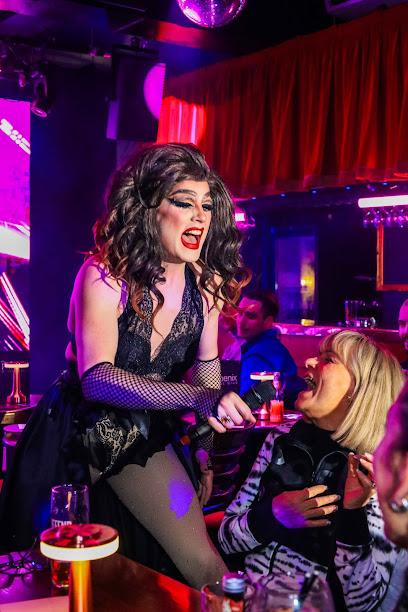
Phoenix Arts Club
0.1 km
West End's best-kept secret: intimate cabaret, burlesque, and theatre in a deliberately seductive speakeasy.
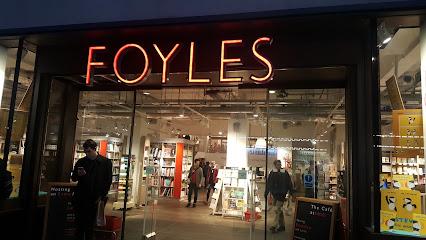
Foyles
0.1 km
Explore Foyles, London's legendary bookshop, where literature, coffee, and culture blend seamlessly in a vibrant atmosphere.
ODEON Covent Garden
0.1 km
Historic West End theatre turned iconic cinema, now poised for a vibrant new chapter in live arts and hospitality on Shaftesbury Avenue.
Essential places to dine

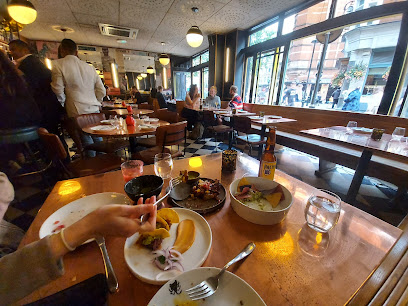
La Bodega Negra Restaurant
0.1 km
Experience daring Mexican cuisine and vibrant nightlife in Soho’s provocative La Bodega Negra, where edgy ambiance meets inventive flavors.
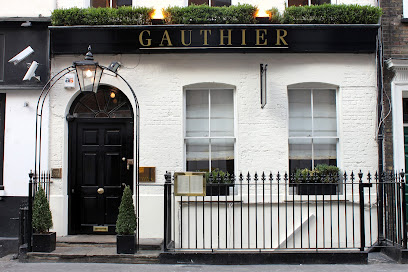
Gauthier Soho
0.2 km
Innovative vegan French fine dining in a stylish Soho townhouse, blending tradition with plant-based creativity.
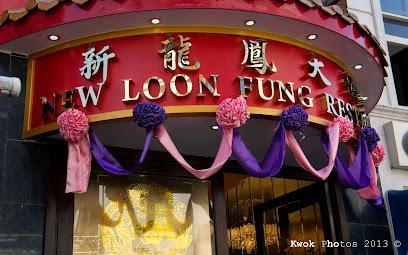
New Loon Fung Restaurant
0.2 km
Experience authentic Cantonese dim sum and classic Chinese dishes in one of Chinatown’s largest, long-standing restaurants on bustling Gerrard Street.
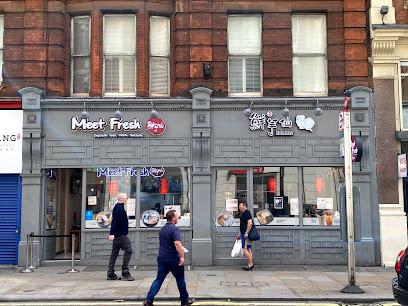
Meet Fresh
0.2 km
Authentic Taiwanese desserts in lively Soho, offering generous portions of mochi, taro balls, and refreshing fruit teas in a bustling urban setting.
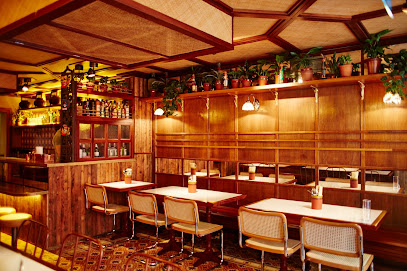
Hoppers Soho
0.2 km
Experience vibrant Sri Lankan street food and signature hoppers in a lively, intimate Soho setting bursting with authentic flavors and culture.
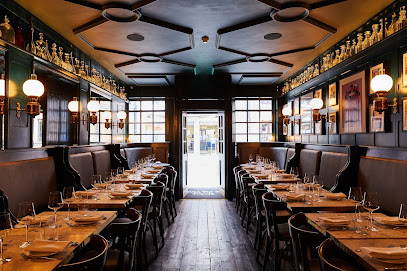
Noble Rot Soho
0.2 km
A Soho gem blending historic charm with modern European cuisine and an exceptional, accessible wine list in a cozy, clubby setting.
Sussex Bar & Restaurant
0.2 km
A vibrant Soho bistro blending Sussex countryside flavors with London’s energy, featuring seasonal British dishes and curated wines.
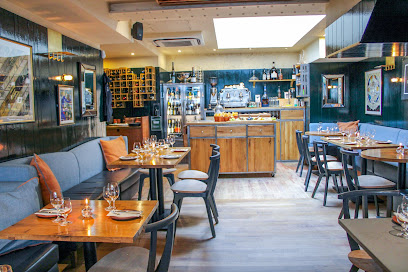
Hawksmoor Seven Dials
0.2 km
Savor expertly grilled British steaks and vibrant seafood in a historic Covent Garden brewery setting with atmospheric charm and refined cocktails.
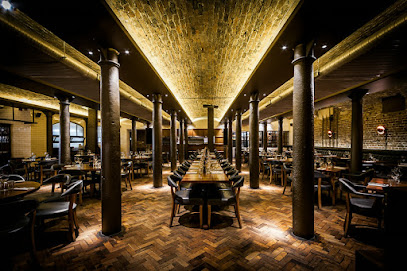
Quo Vadis
0.3 km
An iconic Soho dining destination blending refined modern British cuisine with elegant historical charm and a lively, convivial atmosphere.
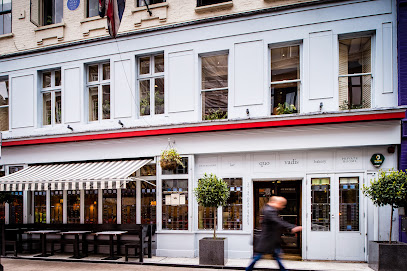
Flesh & Buns Covent Garden
0.3 km
Lively Japanese izakaya in Covent Garden famed for its signature bao buns, vibrant atmosphere, and innovative pan-Asian small plates.
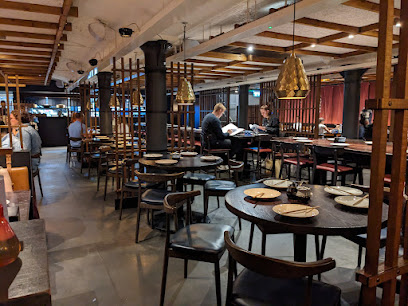
J Sheekey
0.3 km
Classic British seafood excellence in Covent Garden’s elegant, theatre-adjacent dining gem.
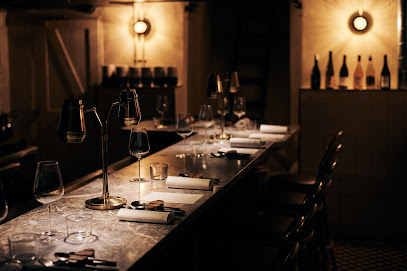
Evelyn's Table
0.3 km
Discover Evelyn's Table, a Michelin-starred, intimate dining counter in Soho offering inventive British cuisine with French and Japanese flair.
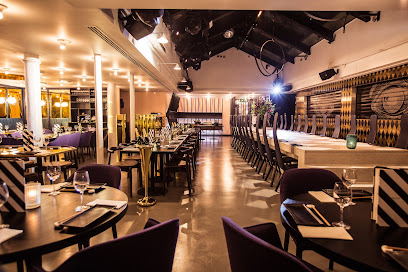
Circus
0.4 km
Experience Covent Garden’s vibrant Asian fusion dinner theatre where culinary artistry meets captivating live performances.
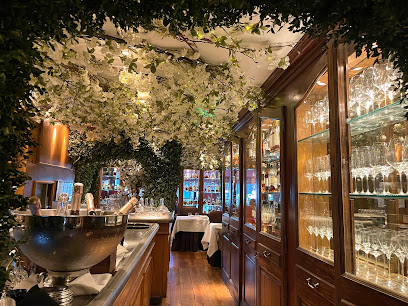
Clos Maggiore
0.4 km
Experience London’s most romantic French restaurant with enchanting blossom-filled conservatory and an award-winning wine cellar in Covent Garden.
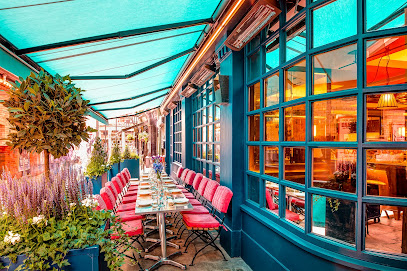
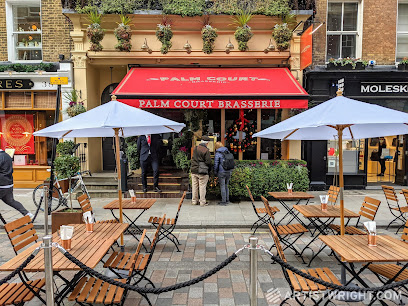
Palm Court Brasserie
0.4 km
Experience authentic Parisian charm and classic French cuisine in the vibrant heart of Covent Garden at Palm Court Brasserie.
Markets, malls and hidden boutiques

La Boutik
0.2 km
Soho's chic haven for European designer imports on buzzing Dean Street—unique fashion finds in London's creative epicenter.
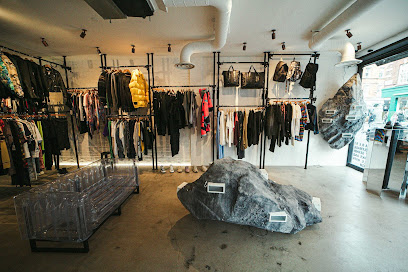
Goldsmith Vintage
0.2 km
Iconic Soho vintage shop since 1990: two floors of handpicked retro dresses, blazers, bags & accessories from decades past, with sales from £10.95.
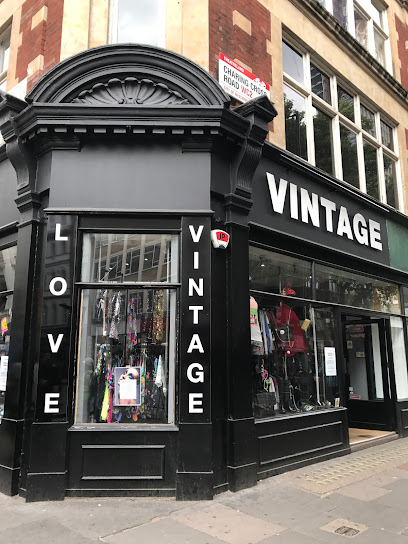
Unique Britain
0.2 km
Discover authentic British souvenirs and artistic keepsakes in the heart of London’s lively West End on historic Cranbourn Street.
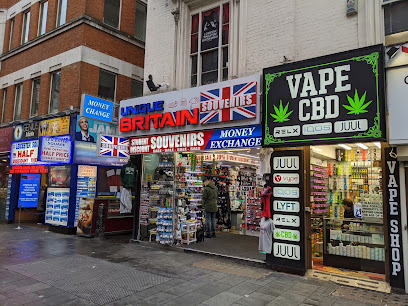
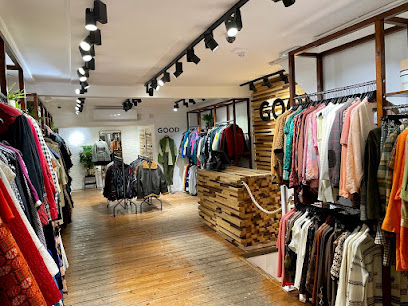
Good
0.3 km
Discover sustainable style with curated preloved vintage and designer fashion at Good London’s Seven Dials shop.
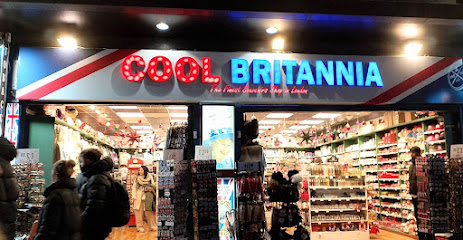
Cool Britania
0.3 km
Discover authentic British souvenirs and capture timeless memories at Cool Britannia, Leicester Square’s premier gift and photography shop.
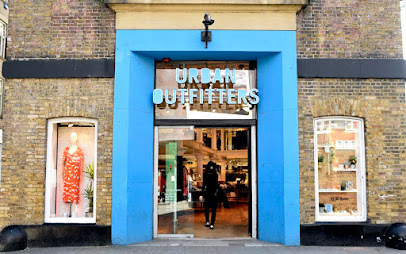
Urban Outfitters
0.3 km
Dive into Urban Outfitters' warehouse wonderland in Seven Dials, where eclectic fashion, cult beauty, and quirky homewares fuel London's youth culture vibe.
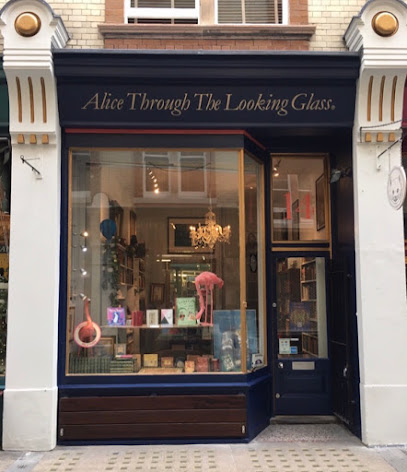
Alice Through The Looking Glass
0.3 km
Step into a whimsical world of antiques, art, and literary treasures inspired by Alice in Wonderland in the heart of London’s Cecil Court.
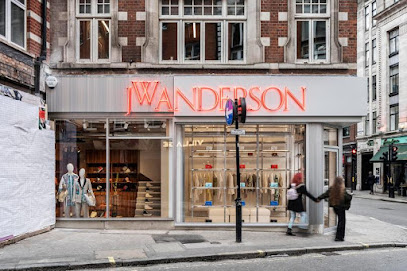
JW Anderson London Soho
0.3 km
Soho's avant-garde flagship: minimalist Shaker-inspired space brimming with gender-fluid luxury fashion, artisanal homewares, and exclusive collaborations.
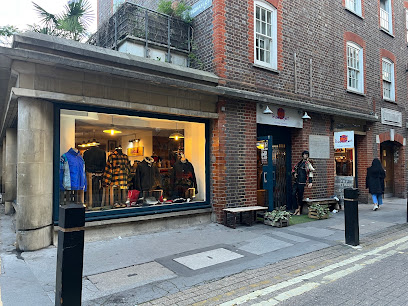
Pop Boutique
0.3 km
Discover authentic vintage fashion treasures from the 50s to 90s in a colorful, retro boutique at London’s vibrant Seven Dials.
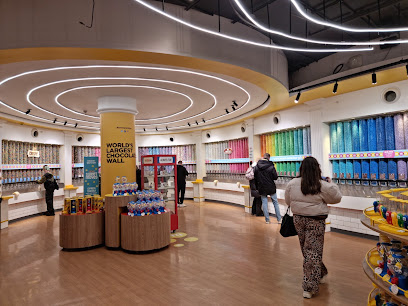
M&M'S London
0.3 km
Experience the colorful world of M&M'S London, where candy dreams come true with personalized treats and vibrant merchandise.
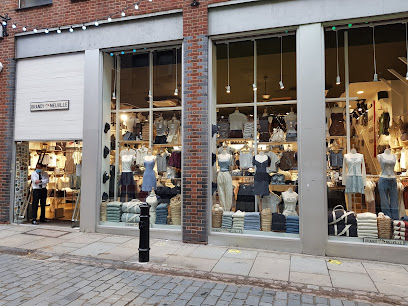
Brandy Melville - Covent Garden
0.3 km
Trendy Italian-LA fusion on Neal Street: one-size-fits-most chic for the effortless Covent Garden style seeker.
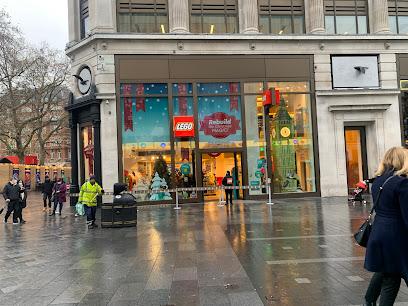
The LEGO® Store Leicester Square
0.3 km
Explore the world’s largest LEGO® Store in Leicester Square, London—two floors of interactive fun, iconic models, and endless creativity.
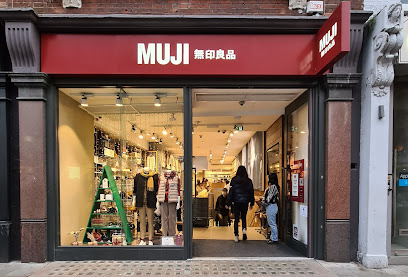
MUJI Covent Garden Store
0.3 km
Discover Japanese minimalism in Covent Garden: timeless clothing, sustainable homewares, and functional stationery for clutter-free, mindful living.
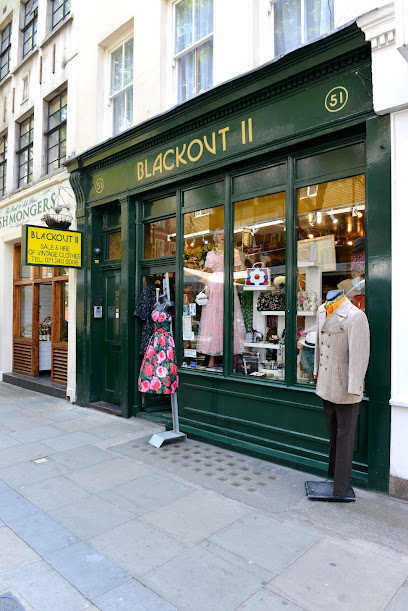
Blackout II - Vintage Clothing London
0.3 km
Discover timeless vintage fashion treasures from the 1920s to the 1980s in Covent Garden’s iconic Blackout II boutique.
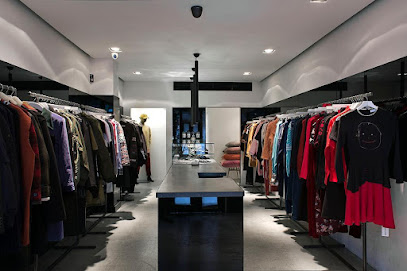
Machine-A
0.3 km
Small but influential Soho boutique showcasing curated avant‑garde and emerging fashion with gallery‑like presentation.
Essential bars & hidden hideouts

Bar Termini
0.1 km
An intimate Soho gem blending Italian cocktail artistry with a cozy, elegant atmosphere in London’s vibrant West End.
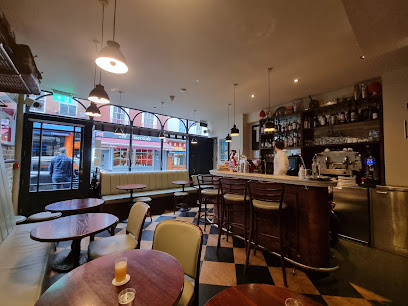
Swift Soho
0.1 km
Soho's split-level cocktail gem: aperitivo elegance upstairs, whisky-laced intimacy below, with live jazz and legendary mixes drawing night owls to Old Compton Street.
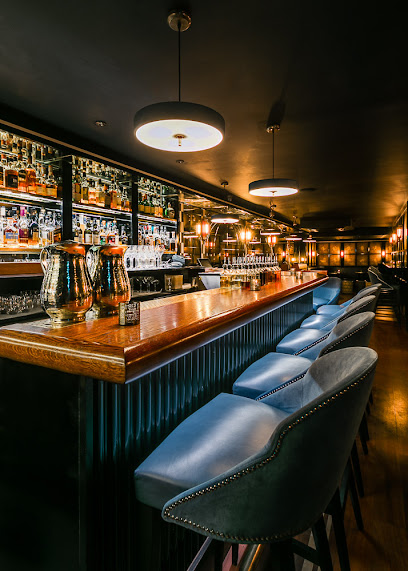
The Black Book
0.1 km
Soho's clandestine basement wine bar, pouring rare vintages by the glass alongside Mediterranean bites in a former members' club hideout—perfect for late-night indulgence.
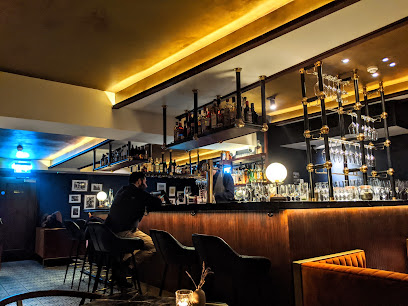
Ku Bar
0.2 km
Soho's legendary gay bar icon: three levels of inclusive vibes, cocktails, and basement beats in Chinatown's electric heart.
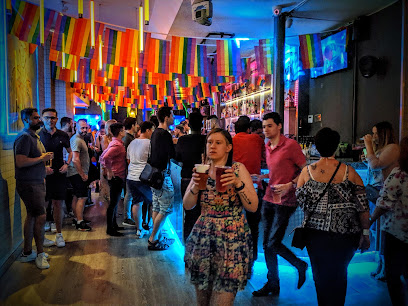
The Little Scarlet Door
0.2 km
Step through the scarlet door to a playful Soho loft bar alive with inventive cocktails, secret rooms, and a lively house party vibe.
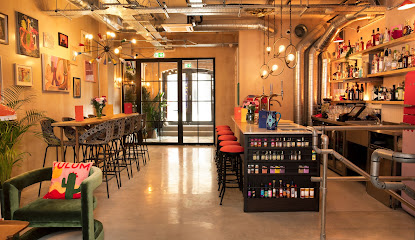
Simmons Bar | Soho
0.2 km
Soho's kitsch cocktail den with epic happy hours, retro karaoke vibes, and two floors of nostalgic nightlife fun.
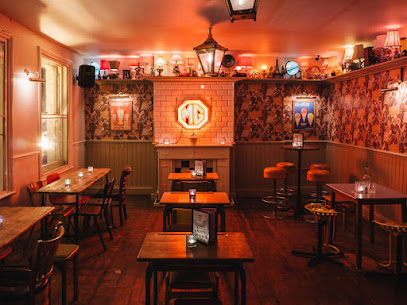
Covent Garden Social Club
0.2 km
Dive into Covent Garden's dual-world party den: prohibition cocktails below, live piano magic above—West End's ultimate nightlife hideaway for cocktails, cabaret, and endless sing-alongs. (162 characters)
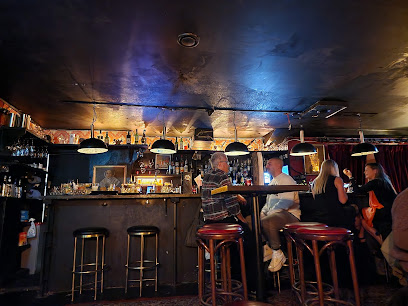
Thirst Bar Soho
0.2 km
Compact Soho cocktail bar by day, pulsing DJ‑led club by night—cheap cocktails, leather booths and a lively basement scene.
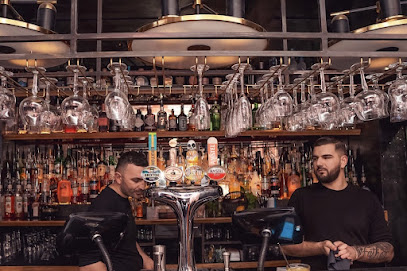
Prelude by Oriole
0.2 km
A refined Covent Garden cocktail bar blending innovative drinks, Latin American fusion cuisine, and live music in a stylish Asian-inspired setting.
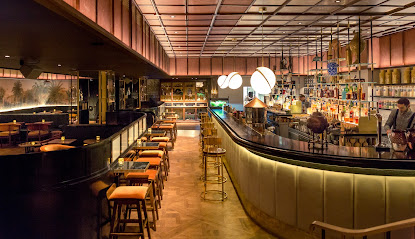
The Escapologist Bar
0.2 km
Step into a Victorian-inspired underground bar in Covent Garden where theatrical cocktails and lively entertainment create unforgettable nights.
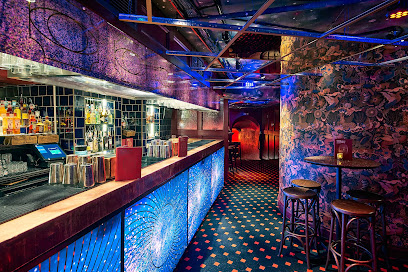
Opium Cocktail Bar - Soho
0.2 km
Discover a hidden Soho speakeasy blending 1920s Shanghai charm with inventive cocktails and exquisite dim sum in London’s Chinatown.
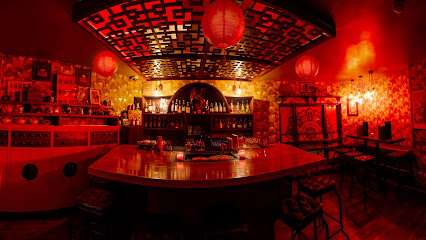
Henson's Bar and Social
0.2 km
Soho's oak-panelled cocktail sanctuary: precise classics, inventive signatures, and fireside intimacy amid Frith Street's electric vibe.
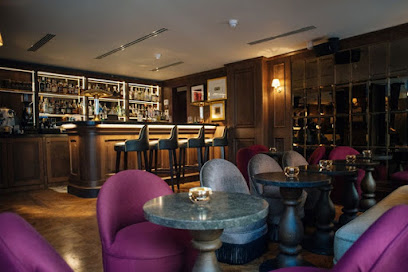
The Alchemist St Martin's Lane
0.3 km
Experience theatrical cocktails and vibrant dining in the heart of Covent Garden’s iconic theatre district.
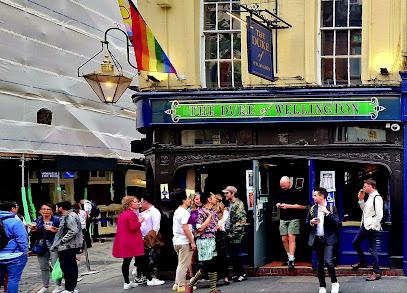
Duke Of Wellington
0.3 km
A lively Soho pub blending traditional British charm with modern nightlife energy on Wardour Street.
Village Soho
0.3 km
A lively, inclusive gay bar in Soho with energetic dance floors, go-go dancers, karaoke nights, and a vibrant LGBTQ+ atmosphere.
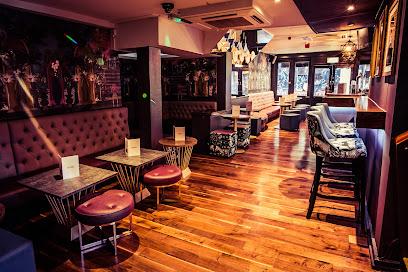
Nightclubs & after hour spots

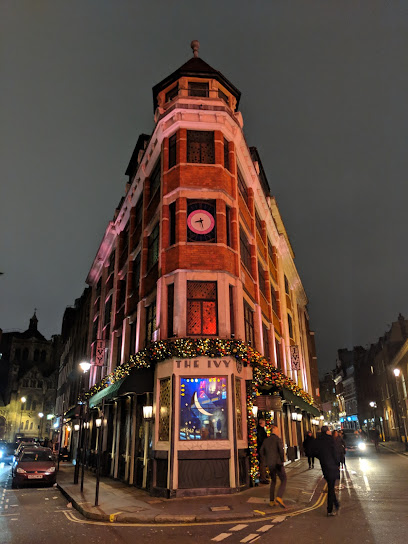
The Ivy Club
0.1 km
Art-Deco‑tinged members’ club above The Ivy — piano bars, discreet private dining and polished West End glamour.
Whatdafunk Presents West End Urban Disco
0.2 km
Dive into London's grooviest urban disco beats at Whatdafunk, where Covent Garden's streets pulse with funk, soul, and non-stop dance energy in the heart of the West End.
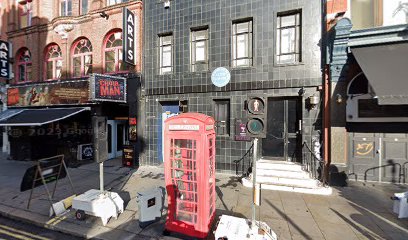
La Capannina Club
0.2 km
Discover Soho's discreet gentlemen's club: seductive stage shows, cosy vibes, and late-night allure in London's nightlife heart.
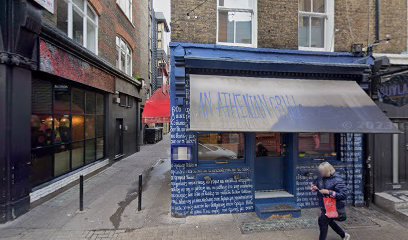
The Roxy
0.3 km
Soho's unbeatable happy hour cocktail bar by day, pulsing nightclub with live music and DJ nights till 3am—affordable vibes in London's nightlife heart.
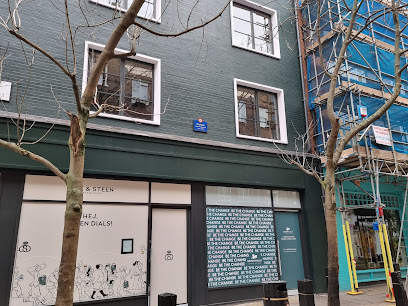
The Penthouse London
0.3 km
A compact, rooftop nightclub above Leicester Square — reached by a side lift, built for late‑night private parties and skyline glimpses.
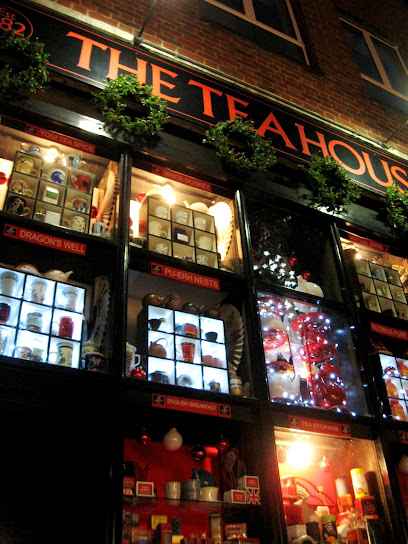
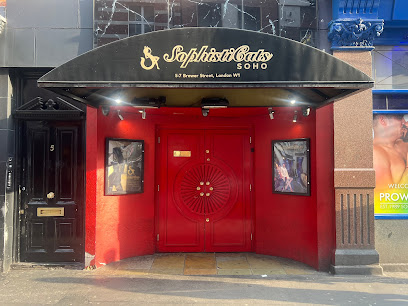
Sophisticats Soho
0.3 km
An intimate, late‑night Soho gentlemen’s club on Brewer Street offering staged performances, VIP seating and an upmarket, discreet atmosphere.
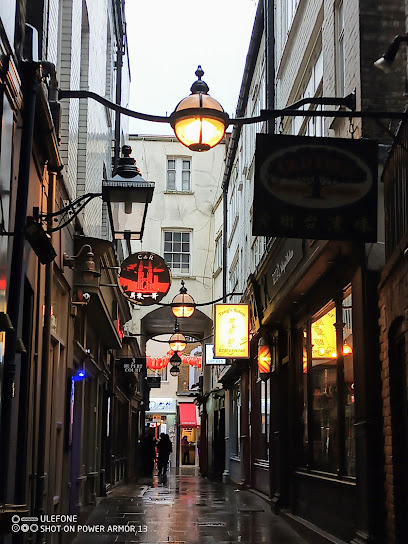
Versity Camp Nightclub
0.3 km
Dive into Soho's beating heart at Versity Camp Nightclub, where thumping bass, inventive cocktails, and an electric crowd fuel unforgettable nights until dawn.
The Box Soho
0.3 km
A clandestine Soho cabaret where decadent staging, provocative shows and high‑end cocktails collide in an intense late‑night theatre.
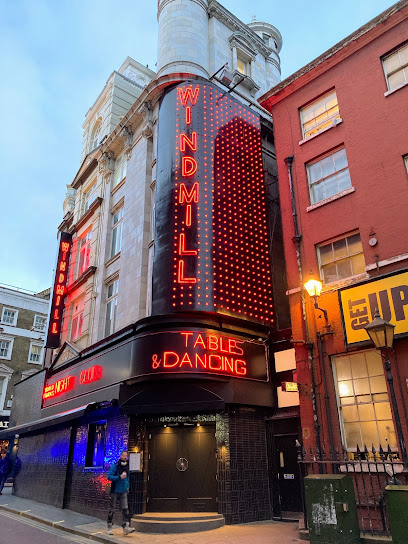
The Windmill Soho | Restaurant, Cabaret & Nightclub in Soho, London
0.4 km
Soho's legendary cabaret den revived: burlesque bites, theatrical feasts, and all-night beats in a historic hotspot of hedonism.
St Moritz Club
0.4 km
Soho's retro basement nightclub: 1960s vibes meet modern beats in an intimate, wood-paneled haven beneath a Swiss chalet restaurant.
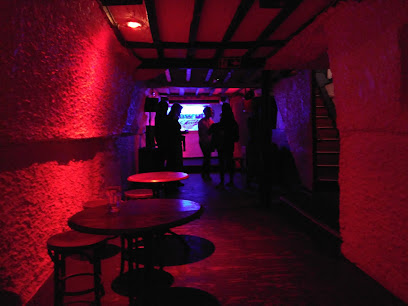
Luxe Club
0.4 km
Experience London's vibrant nightlife at Luxe Club, a central hotspot for music, dancing, and late-night entertainment.
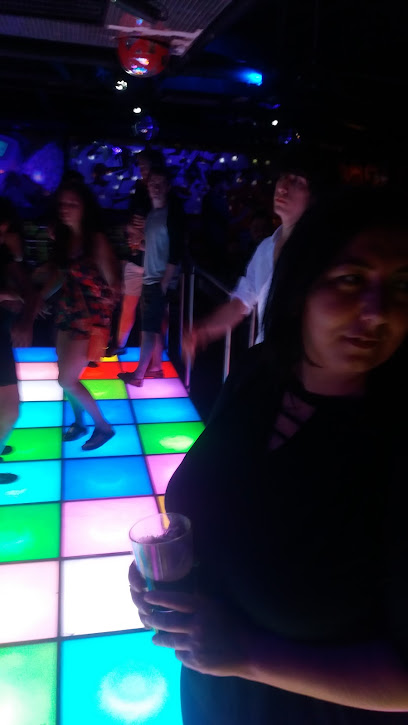
Tiger Tiger London
0.4 km
Experience London’s iconic Haymarket nightclub with six vibrant rooms, lively DJs, and a dynamic party atmosphere just moments from Piccadilly Circus.
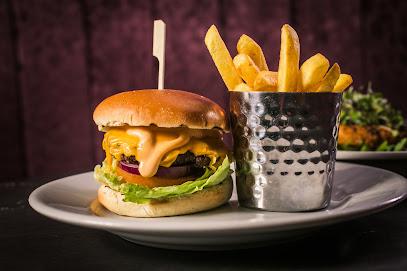
Sunset night club
0.5 km
Dive into Soho's electric nightlife at Sunset Night Club, where thumping beats, craft cocktails, and dawn-chasing energy define unforgettable nights in London's vibrant core.
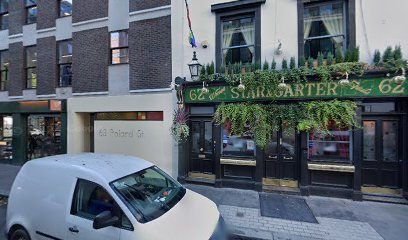
Bunga Bunga Covent Garden
0.5 km
A neon-soaked, pizza-and-karaoke supper club under Drury Lane — 90s nostalgia, stage shows and shareable Italian feasts.
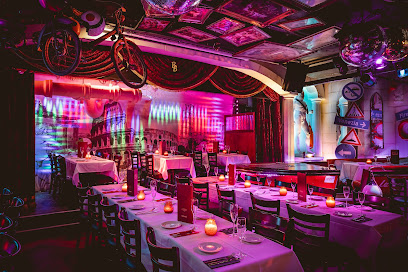
Bordello London
0.5 km
Dive into Soho's seductive basement beats at Bordello London, where Wardour Street's nightlife legacy ignites late-night frenzy on weekends.
For the vibe & atmosphere seeker
- Lively
- Entertaining
- Unique
- Scenic
- Romantic
For the design and aesthetic lover
- Victorian Styles
- Art Deco Styles
- Colorful Aesthetics
For the architecture buff
- Historic
- Landmarks
- Art & Design
- Street Art
- Heritage Neighborhoods
For the view chaser and sunset hunter
- Iconic Views
- Skyline
For the social media creator & influencer
- Instagrammable
- Photo Spots
- Architectural Shots
- Aesthetic Corners
For the eco-conscious traveler
- Public-Transport Accessible
- Car-Free Access
For the kind of experience you’re after
- Cultural Heritage
- Photowalk
- Day Trip
- Festival / Event Nearby
For how adventurous you want the journey to be
- Easy Access
Location Audience
- Family Friendly
- LGBT Friendly
- Senior Friendly
- Child Friendly
- Teen Friendly
- Solo Friendly
- Couple Friendly
- Solo Female Friendly


