
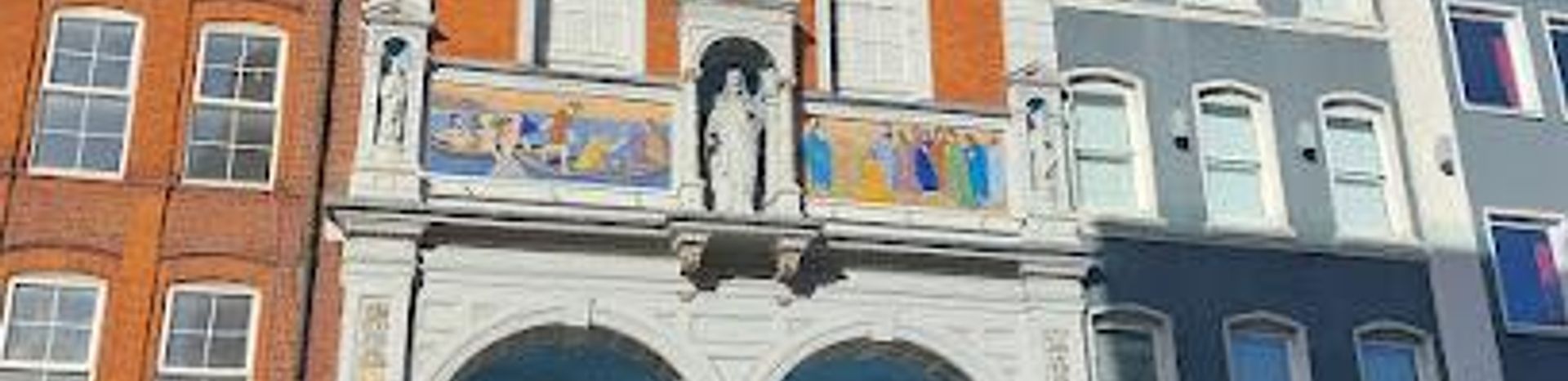
St. Peter's Italian Church
A basilica-style sanctuary where Italian faith, architectural brilliance, and community memory converge in historic Clerkenwell.
A striking Roman Catholic basilica nestled on Clerkenwell Road, St. Peter's Italian Church stands as a remarkable architectural gem and spiritual heart of London's Italian community. Built in 1862–63 and modelled on Rome's Basilica of San Crisogono, this Grade II listed building was the first and only basilica-style church constructed in Britain at the time of its consecration. With its distinctive loggia, twin arches, ornate mosaics, and soaring bell tower, the church remains a powerful symbol of Italian heritage and Catholic faith in the heart of historic Clerkenwell.
A brief summary to St. Peter's Italian Catholic Church
- 136 Clerkenwell Rd, London, EC1R 5DL, GB
- +442078371528
- Visit website
- Duration: 0.75 to 2 hours
- Free
-
 Indoor
- Mobile reception: 5 out of 5
Local tips
- Visit during the annual *processione* in mid-July to experience the church as the vibrant heart of London's Italian community celebration, complete with traditional processions and cultural festivities.
- Arrive early in the morning or on a weekday to explore the interior at a leisurely pace and appreciate the painted decoration, furnishings, and the magnificent 1886 Anneesens organ without crowds.
- Take time to study the two wall memorials in the loggia—they offer profound insights into the church's role during both World Wars and the Italian community's resilience and sacrifice.
- Combine your visit with exploration of nearby Clerkenwell attractions, including St John's Gate, Exmouth Market, and the historic streets of Little Italy to gain fuller context of the neighbourhood's character.
- Check the church's website or contact ahead for information about concerts, services, and special events, as the church hosts regular musical performances that showcase its exceptional acoustics.

For the on-the-go comforts that matter to you
- Restrooms
- Seating Areas
- Information Boards
Getting There
-
London Underground (Tube)
Farringdon Station (Circle, Hammersmith & City, Metropolitan lines) is the nearest tube station, approximately 300 metres away via Clerkenwell Road. Journey time from central London varies by starting point but typically ranges from 5–15 minutes depending on your origin. The station is well-signposted; exit and follow Clerkenwell Road eastward. This is the most reliable option during peak hours and operates from approximately 05:30 to 00:30 daily.
-
London Bus
Bus routes 55, 243, and night route N55 serve Clerkenwell Road directly. Buses stop near the church on Clerkenwell Road between Gray's Inn Road and Goswell Road. Journey times from central London typically range from 15–30 minutes depending on traffic and your starting point. Buses run frequently throughout the day and evening, with night services available on route N55. Single fares cost approximately £1.75 (contactless payment) or £2.80 (cash, if available).
-
Walking from King's Cross or St Pancras
From King's Cross or St Pancras stations, the walk to St. Peter's Italian Church takes approximately 20–25 minutes. Head south from the stations toward Gray's Inn Road, then continue east along Clerkenwell Road. The route is relatively flat and well-lit, passing through historic Clerkenwell. This option is pleasant for those comfortable with urban walking and allows you to experience the neighbourhood's character.
-
Taxi or Ride-Share
Taxis and ride-share services (Uber, Bolt, etc.) can deliver you directly to 136 Clerkenwell Road. Journey times from central London typically range from 10–20 minutes depending on traffic conditions. Fares vary by starting point but generally range from £8–20 for journeys within central London. This option is most convenient during off-peak hours or if you have mobility considerations.
St. Peter's Italian Catholic Church location weather suitability
-
 Any Weather
Discover more about St. Peter's Italian Catholic Church
A Church Born from Community Vision
St. Peter's Italian Church emerged from the aspirations of Saint Vincent Pallotti, an Italian Catholic priest who recognised the spiritual needs of London's growing Italian population in the mid-19th century. By 1850, approximately 2,000 Italian immigrants had settled in the Clerkenwell and Saffron Hill area, working as itinerant musicians, artisans, frame-makers, and craftspeople. Initially, these Italian Catholics gathered for worship at the Capella Reale Sarda in Lincoln's Inn Fields, but Pallotti envisioned a dedicated space where they could celebrate their faith and cultural identity. With support from the politician and activist Giuseppe Mazzini, who was living in London at the time, the vision took concrete form. Irish architect Sir John Miller-Bryson was commissioned to design the structure, drawing inspiration directly from the Basilica of San Crisogono in Trastevere, Rome—a choice that would make the church architecturally unprecedented in Britain.Architectural Triumph and Historic Significance
When St. Peter's Italian Church was consecrated on 16 April 1863 as "The Church of St Peter of All Nations," it represented a watershed moment in British religious architecture. Despite being substantially reduced in scale from its original ambitious designs due to financial constraints, the completed structure was still the largest Catholic church built in Great Britain since the Reformation. The church's nineteen-metre-high interior could accommodate 2,000 worshippers—a remarkable capacity for its time. More significantly, it was the only church in the entire United Kingdom constructed in the authentic Roman basilica style, a distinction that underscored both its architectural boldness and the determination of the Italian community to create something truly distinctive. The builder, Mr Fish, completed the crypt by Christmas 1862, with the main church following just months later.Facade, Furnishings, and Symbolic Details
The church's exterior presents a carefully composed frontage that belies its substantial interior volume. A covered loggia with twin arches forms the entrance, crowned by three alcoves containing statues: Christ at the centre, flanked by the English saints Bede and George. Between these alcoves are two large mosaics of profound religious significance—one depicting the biblical miracle of the fishes, the other showing Jesus bestowing the keys of the Kingdom of Heaven upon Saint Peter. Above the facade rises a 33-metre-high bell tower, added in 1891 and crowned with a great bell cast in 1862 by Naylor Vickers of Sheffield, famously known as "The Steel Monster." The interior is enriched with painted decoration and furnishings that create an atmosphere of reverent splendour. The magnificent organ, built by the Belgian company Anneesens in 1886, was considered among the finest in the country at the time and remains a centrepiece of the church's acoustic and visual character.Memorials to Sacrifice and Resilience
Within the loggia stand two solemn wall memorials that speak to the church's role as witness to history. The first, installed in 1927, honours the Italian-British and other soldiers who fell during the First World War. The second, added in 1960, commemorates the 446 Italian lives lost when the SS Arandora Star sank in 1940 during the Second World War—a tragedy that devastated the Italian community in Britain. During the war itself, when Italian immigrants were interned, Irish Pallottine priests maintained the church, ensuring its spiritual continuity. The church was returned to Italian control in 1953, marking a symbolic restoration of community agency and beginning a period of substantial remodelling that has continued to the present day, most notably in 1996.The Living Heart of Little Italy
Today, St. Peter's Italian Church remains far more than a historical monument; it is the vibrant spiritual and cultural centre of Clerkenwell's Italian community. The church serves as the focal point of the annual *processione* held each mid-July, a celebration that draws the community together in a spectacular display of faith, tradition, and cultural pride. The crypt houses a Polish chapel, reflecting the church's historic role as a gathering place for diverse Catholic communities. The church's excellent choir has long attracted music lovers of all faiths, with regular concerts featuring renowned soloists and orchestras. Despite being hemmed in by surrounding buildings on Clerkenwell Road, the church's distinctive narrow frontage and campanile make a striking contribution to the Hatton Garden Conservation Area. Its Grade II listed status recognises both its architectural importance and its irreplaceable place in London's religious and social heritage.Iconic landmarks you can’t miss

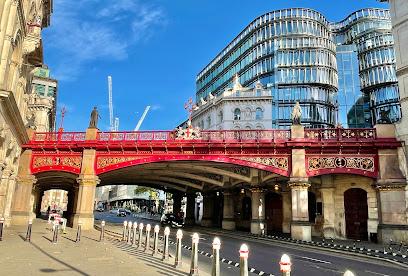
Holborn Viaduct
0.6 km
A grand Victorian bridge spanning London's hidden Fleet valley, blending engineering innovation with ornate artistry and rich history.
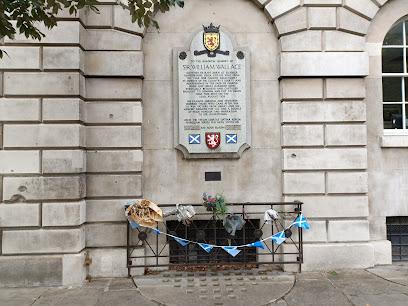
Sir William Wallace Memorial
0.7 km
A solemn 1956 memorial to Scotland's greatest patriot, executed here in 1305 for resisting English rule.
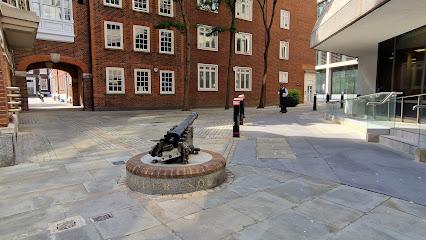
3 Gunpowder Square
0.8 km
A modern square in London’s financial district commemorating the dramatic history of the 1605 Gunpowder Plot and Guy Fawkes’ daring conspiracy.
things to do in london
0.9 km
Discover the incredible history, culture, and culinary delights of London, a must-visit destination for every traveler seeking adventure and inspiration.

Trip Turkey
0.9 km
Discover Turkey's rich history and breathtaking landscapes with expertly guided tours from Trip Turkey, your gateway to unforgettable adventures.

Hare Pl
0.9 km
Discover Hare Place in Temple, London—a serene historic enclave steeped in centuries of legal tradition and architectural charm.
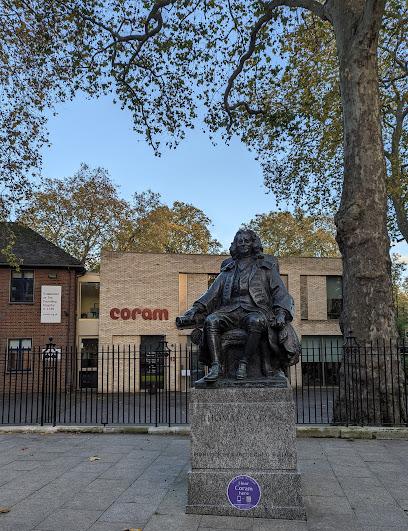
Statue of Thomas Coram
0.9 km
A seated bronze tribute to the philanthropist who saved thousands of abandoned children from London's streets.
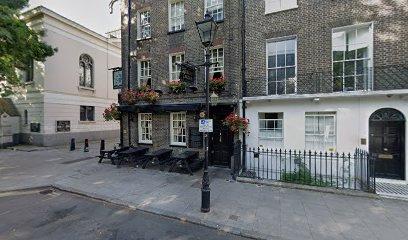
1 Queen Square
0.9 km
A historic London garden square, blending Georgian elegance, medical legacy, and tranquil green space in the heart of Bloomsbury.
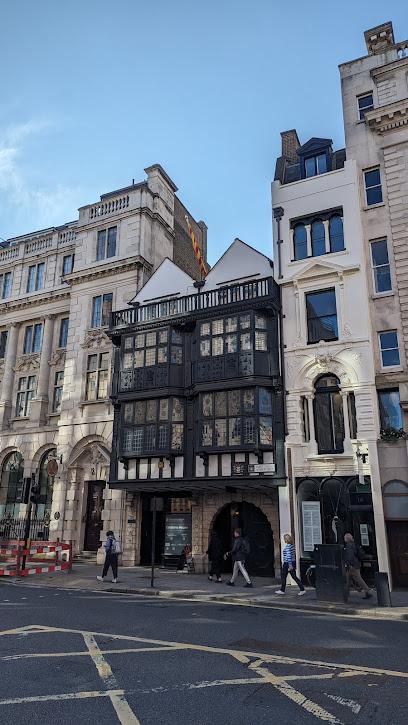
Prince Henry's Room
0.9 km
Discover a rare Jacobean timber-framed treasure on Fleet Street, rich with history, ornate plasterwork, and tales from London's past.
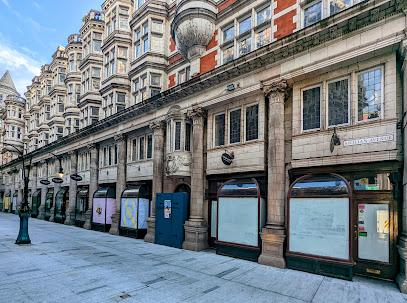
Sicilian Avenue
0.9 km
Discover Sicilian Avenue, a serene Edwardian pedestrian street in London blending Italianate architecture with charming shops and tranquil ambiance.
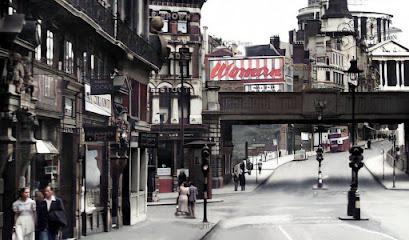
Ludgate Circus
0.9 km
Historic Victorian junction where London's ancient Ludgate once stood, blending rich legend, architecture, and urban vitality.
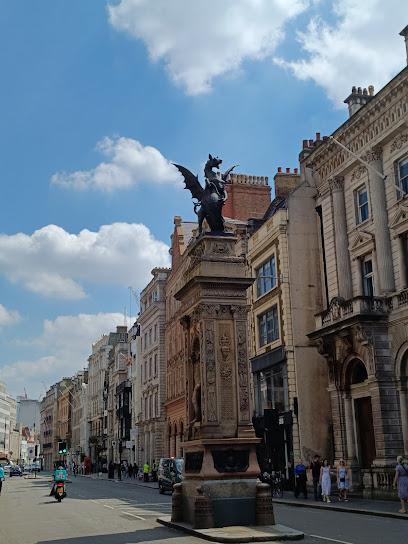
Temple Bar Memorial
1.0 km
Historic gateway marking the City of London's boundary, crowned by a fierce dragon and rich with royal and civic heritage.
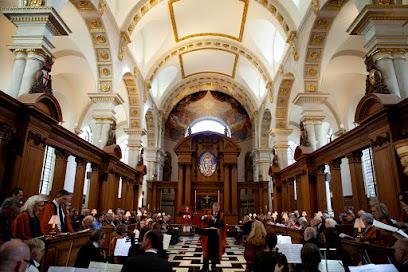
St Bride's Church, Fleet Street
1.0 km
Historic St Bride's Church on Fleet Street, London, famed for its wedding cake spire and deep ties to printing and journalism heritage.
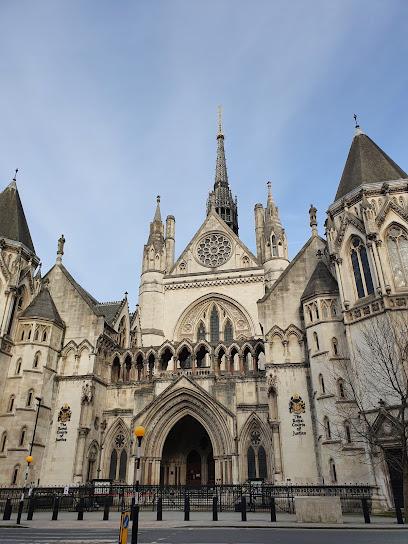
Royal Courts of Justice
1.0 km
Victorian Gothic masterpiece where British justice convenes beneath soaring pinnacles and intricate stone carvings.
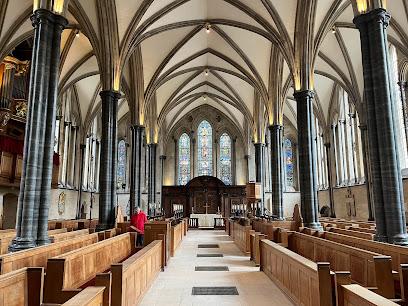
Temple Church
1.0 km
Medieval fortress of faith where crusading knights shaped English law and history.
Unmissable attractions to see

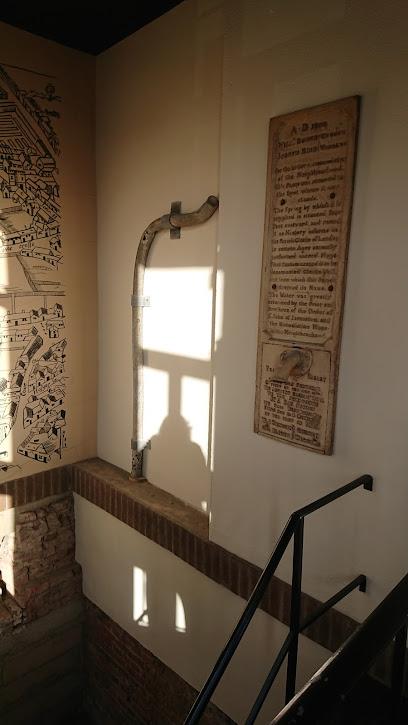
Well Court
0.2 km
Discover Well Court, a captivating Victorian alley blending historic charm and modern life in the heart of London’s City.
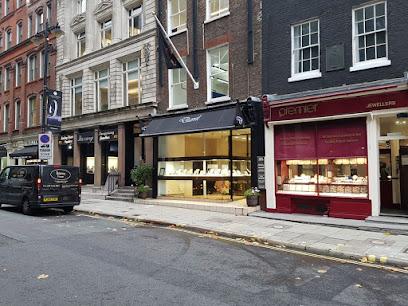
Hatton Garden
0.2 km
Discover Hatton Garden, London’s historic jewellery quarter where royal gardens gave way to a world-renowned hub of craftsmanship, commerce, and captivating stories.
Marx Memorial Library & Workers School
0.2 km
A historic hub of Marxist scholarship and working-class education housed in a beautifully restored 18th-century building in the heart of Clerkenwell Green.
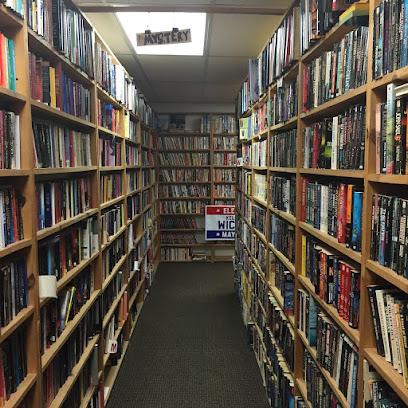
The Crown Tavern
0.3 km
Step into The Crown Tavern, a historic Victorian pub where revolutionary history meets classic London charm on Clerkenwell Green.
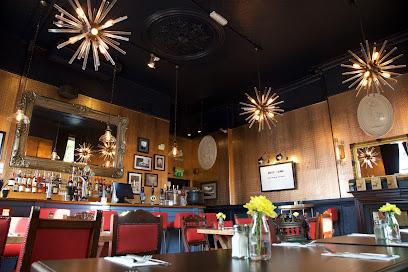
Bleeding Heart Yard
0.4 km
Explore Bleeding Heart Yard, a hidden gem in London filled with historic charm, delightful dining, and a tranquil atmosphere amidst the bustling city.
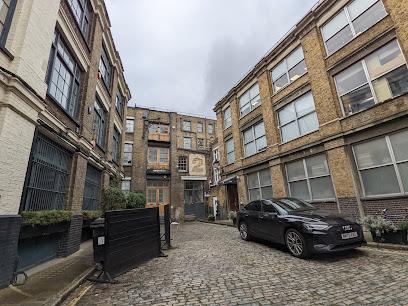
Black Cab Heritage Tours
0.4 km
Uncover London's rich history and vibrant culture aboard a classic black cab with personalized tours from Black Cab Heritage Tours.
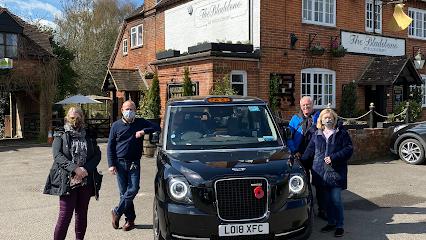
St. Etheldreda's RC Church, Farringdon
0.4 km
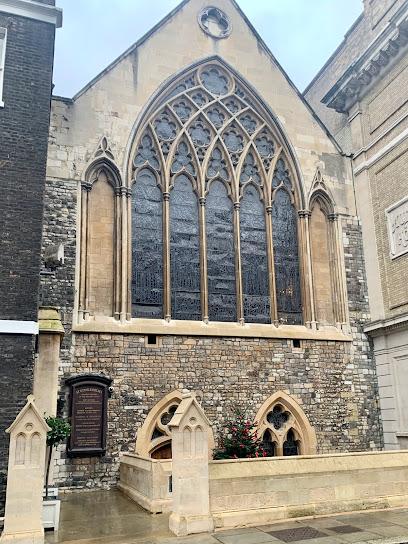
Discover London's oldest Catholic church, St. Etheldreda's, a medieval gem steeped in history, sacred relics, and stunning stained glass artistry.
Exmouth Market
0.4 km
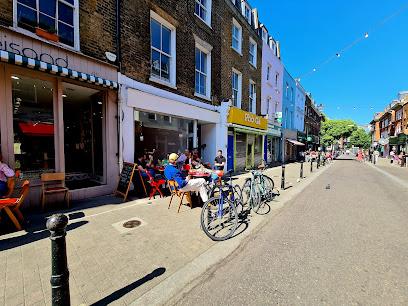
Discover Exmouth Market, London’s vibrant street of diverse cuisines, historic charm, and lively cultural spirit in the heart of Clerkenwell.
Ye Olde Mitre, Holborn
0.4 km
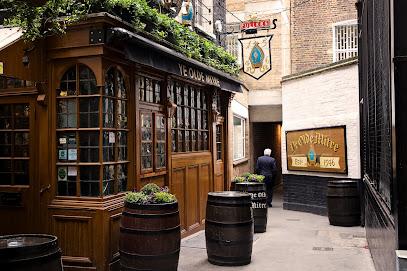
Discover the historic Ye Olde Mitre pub in London, where centuries of stories and traditional British charm await you.
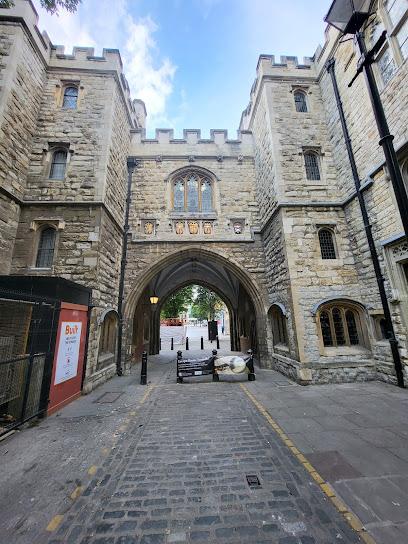
St John's Gate
0.4 km
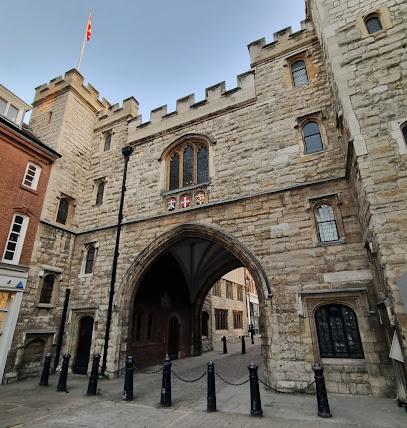
Discover the medieval gateway of St John's Gate, home to the Knights Hospitaller and the origins of St John Ambulance in historic Clerkenwell.
Museum of the Order of Saint John
0.4 km
Discover the rich history of the Order of St John at its historic London Gatehouse, blending medieval heritage with modern humanitarian legacy.
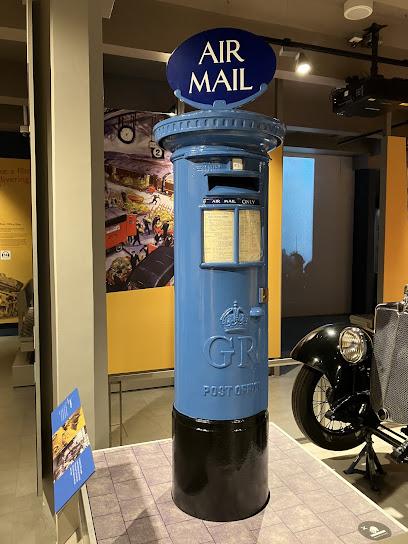
The Postal Museum
0.4 km
Discover five centuries of postal history and ride London’s secret underground Mail Rail at The Postal Museum in Clerkenwell.
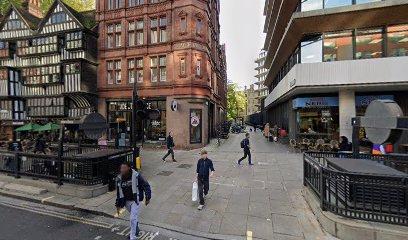
Staple Inn
0.5 km
Discover Staple Inn, London’s last Tudor timber-framed Inn of Chancery, a historic legal and wool trading hub that survived fire, war, and centuries of change.
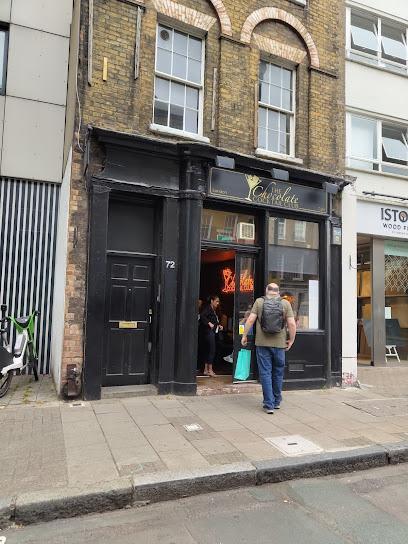
The Chocolate Cocktail Club
0.5 km
Discover the sweet side of London at The Chocolate Cocktail Club, where chocolate meets cocktail artistry in a delightful atmosphere.
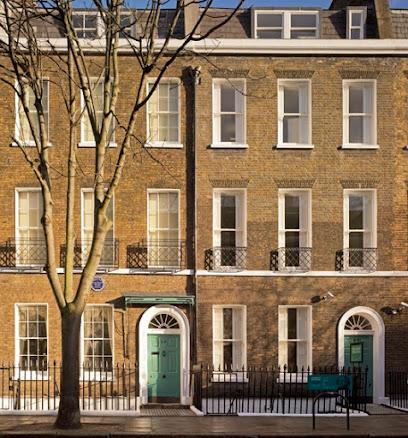
Charles Dickens Museum
0.5 km
Step into the Victorian world of Charles Dickens at his only surviving London home, where literary history and personal stories come alive.
Essential places to dine

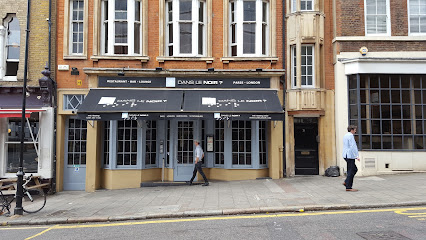
Dans le Noir ? London Restaurant
0.5 km
Experience dining like never before in total darkness, guided by visually impaired waitstaff in a sensory adventure at Dans le Noir ? London.
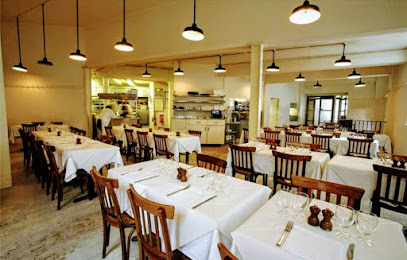
St. John
0.6 km
Experience authentic British nose-to-tail dining in the heart of London’s Barbican at St. John, where tradition meets modern culinary artistry.
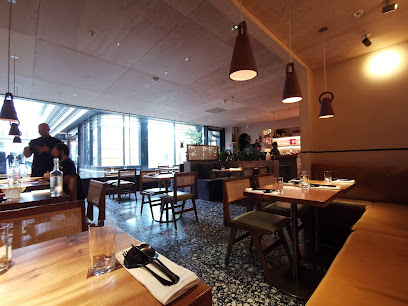
Ikoyi Restaurant
1.2 km
Discover Ikoyi, London’s two-Michelin-starred restaurant blending bold West African spices with British ingredients in an elegant, sensory tasting journey.
Sarastro
1.2 km
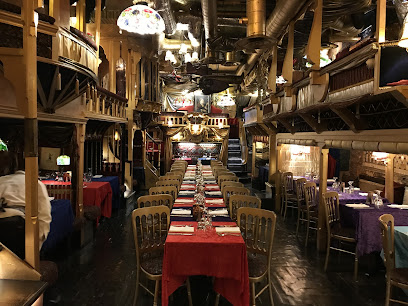
Experience vibrant Mediterranean flavors and live musical theatre in the heart of Covent Garden’s most theatrical restaurant.
Margot
1.2 km
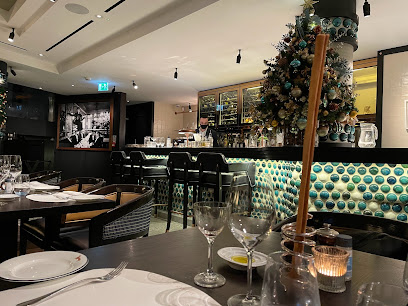
Sophisticated Italian dining with classic charm and an extensive wine list in the heart of Covent Garden, London.
Hoa Sen Vietnamese Street Food Restaurant
1.2 km
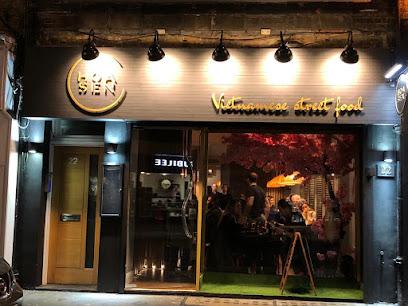
Authentic Vietnamese street food in the heart of Covent Garden, blending vibrant flavors with a lively, cozy atmosphere.
Madison
1.3 km
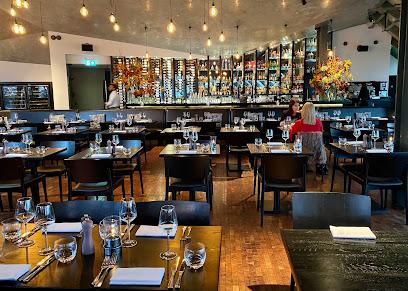
Stylish rooftop dining and cocktails with breathtaking views of St Paul’s Cathedral and London’s skyline.
Cicchetti by San Carlo - London Covent Garden
1.4 km
Experience authentic Venetian small plates and seasonal Italian flavors in a stylish, lively Covent Garden setting.
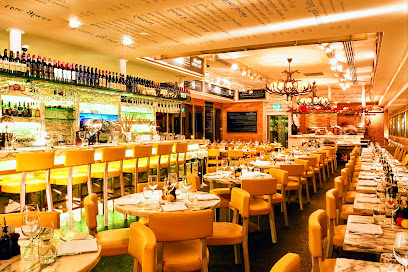
Inamo Covent Garden
1.4 km
A futuristic Pan-Asian restaurant in Covent Garden where interactive tables meet bold Asian flavours in a sleek, tech-forward space.
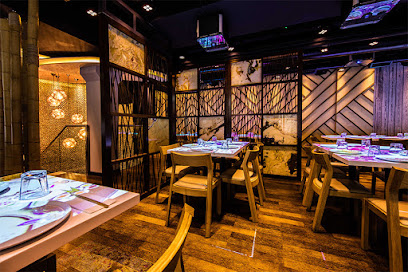
Circus
1.4 km
Experience Covent Garden’s vibrant Asian fusion dinner theatre where culinary artistry meets captivating live performances.
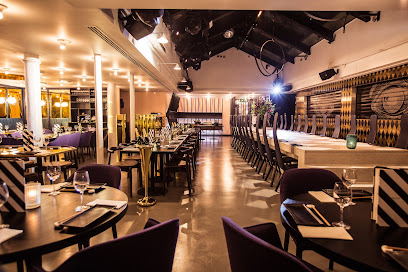
Balthazar
1.4 km
Experience the lively charm of a Parisian brasserie with classic French cuisine in the heart of Covent Garden, London.
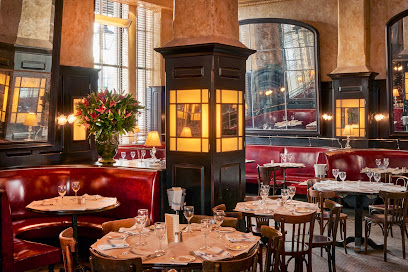
Flesh & Buns Covent Garden
1.5 km
Lively Japanese izakaya in Covent Garden famed for its signature bao buns, vibrant atmosphere, and innovative pan-Asian small plates.
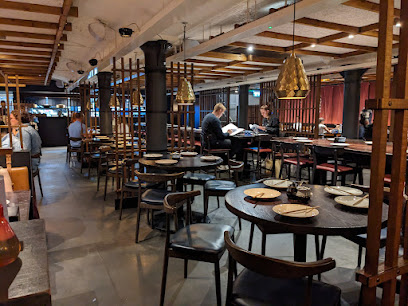
Chez Antoinette
1.5 km
Authentic Lyon-inspired French bistro serving classic tartines and cozy café fare in the heart of Covent Garden, London.
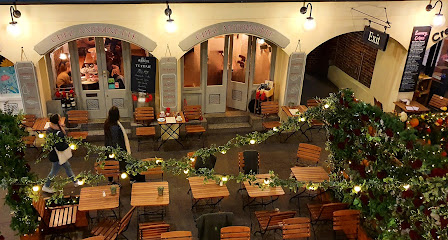
Punch & Judy
1.5 km
Historic Covent Garden pub blending classic British fare, lively balcony views, and family-friendly charm in the heart of London.
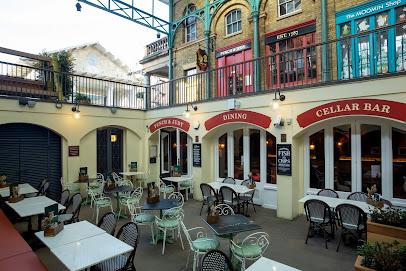
Hawksmoor Seven Dials
1.5 km
Savor expertly grilled British steaks and vibrant seafood in a historic Covent Garden brewery setting with atmospheric charm and refined cocktails.
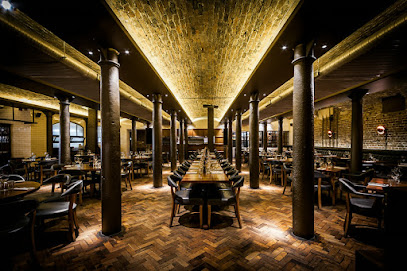
Markets, malls and hidden boutiques

not just a shop
0.7 km
Discover unique, handcrafted art and design by UAL’s students and alumni at this creative retail hub in central London.
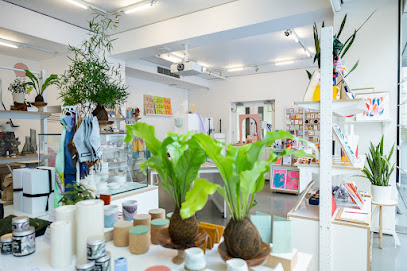
Unique Gifts
0.9 km
A compact London gift shop filled with original, handpicked presents and quirky souvenirs for those who love something different.
Pop Up Luxury Shop
0.9 km
Exclusive, curated luxury shopping in a stylish London pop-up setting blending fashion innovation with boutique charm.

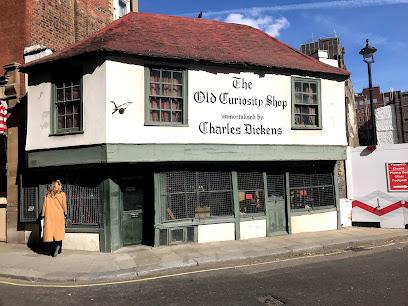
The Old Curiosity Shop
1.0 km
Step into a Tudor-era timbered cottage steeped in Dickensian lore, nestled amidst the vibrant heart of modern London.
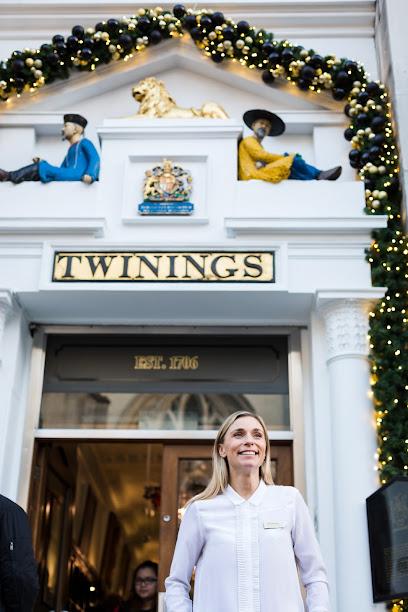
Twinings - The Strand
1.0 km
Discover over 300 years of tea heritage at London’s oldest tea shop, featuring historic charm, premium tastings, and a unique museum experience.
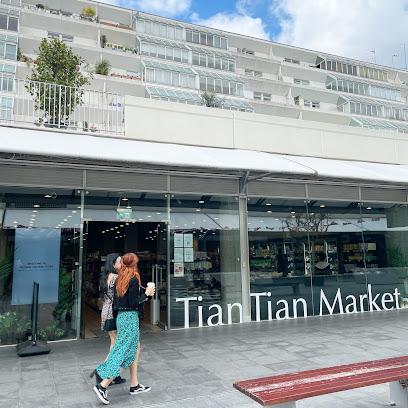
The Brunswick Centre
1.1 km
Iconic brutalist shopping and cultural hub where modernist architecture meets vibrant urban life in Bloomsbury.
Barbican Shop
1.1 km
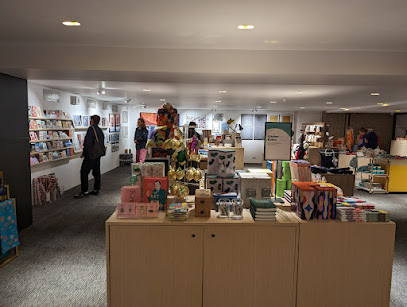
Discover curated art, design, music, and unique gifts at the Barbican Shop, a creative retail haven within London’s iconic Barbican Centre.
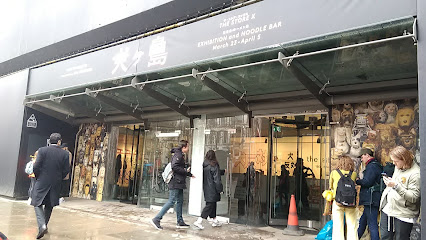
The Store X
1.2 km
A visionary space where London’s fashion, art, and culture converge in an immersive, innovative experience.
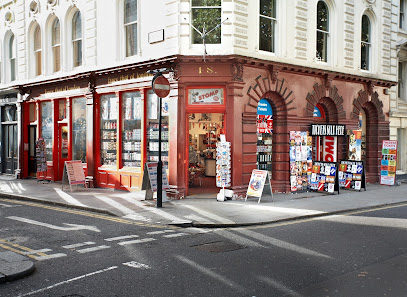
Fancy That of London
1.3 km
Discover unique London souvenirs and charming keepsakes in a warm, inviting shop just opposite the British Museum on Great Russell Street.
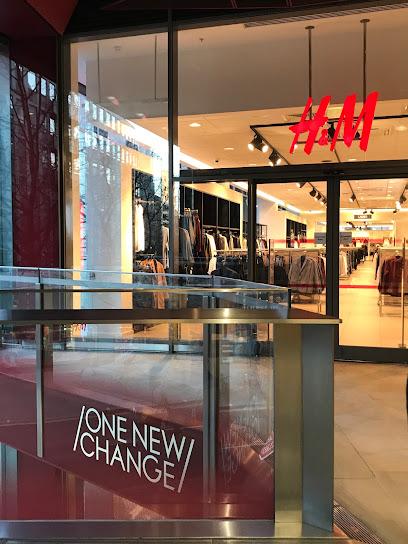
One New Change
1.3 km
Modern glass landmark with free rooftop views of St Paul's Cathedral and London skyline.
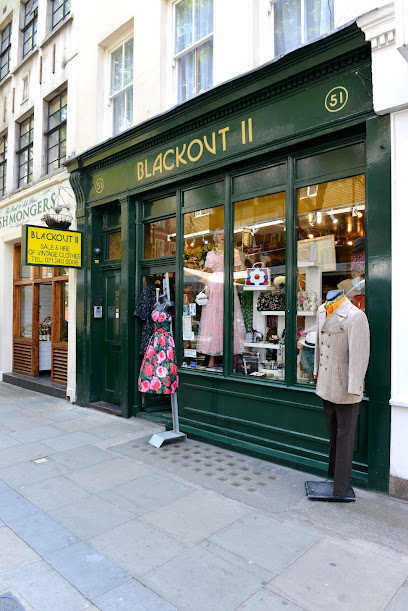
Blackout II - Vintage Clothing London
1.4 km
Discover timeless vintage fashion treasures from the 1920s to the 1980s in Covent Garden’s iconic Blackout II boutique.
Rokit Covent Garden
1.4 km
Dive into retro treasures at Rokit Covent Garden, where sustainable vintage fashion meets London's vibrant street style heritage on Shelton Street.

Pop Boutique
1.4 km
Discover authentic vintage fashion treasures from the 50s to 90s in a colorful, retro boutique at London’s vibrant Seven Dials.
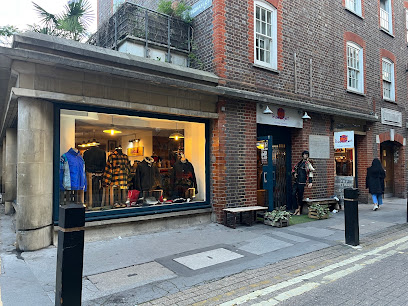
Camden Passage, Islington
1.4 km
Explore Camden Passage in Islington: A Vintage Market Paradise with Unique Shops, Cafes, and Artisanal Food Delights.
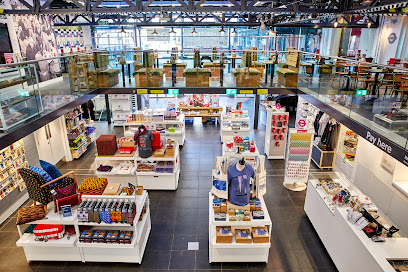
London Transport Museum - Shop
1.4 km
Discover unique transport-themed gifts and iconic London memorabilia at the London Transport Museum Shop in Covent Garden.
Essential bars & hidden hideouts

The Duke
0.5 km
A classic Bloomsbury pub offering warm hospitality, traditional drinks, and hearty British fare in a cozy setting.
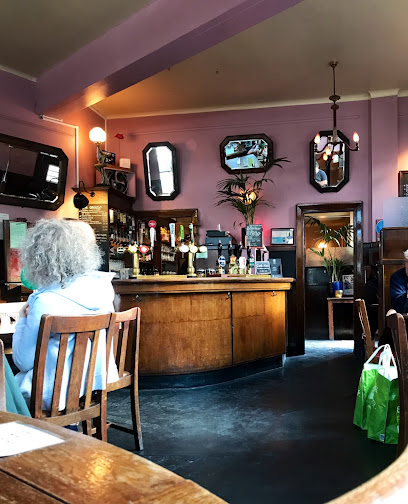
The Old Bank of England
0.9 km
Historic Victorian pub on Fleet Street housed in a former Bank of England branch with grand interiors and legendary London tales.
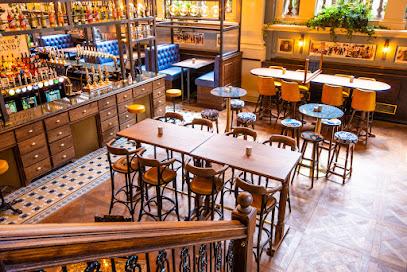
Punch Tavern
0.9 km
Historic Victorian Gin Palace on Fleet Street, famed for its Punch magazine heritage and vast gin selection in the heart of London.
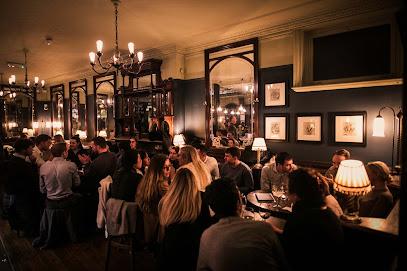
Black Parrot
1.0 km
Discover London’s top rum bar with expertly crafted cocktails, immersive masterclasses, and a lively yet intimate atmosphere in Bride Court.
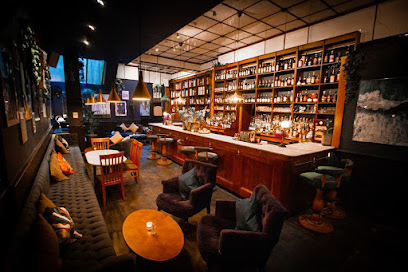
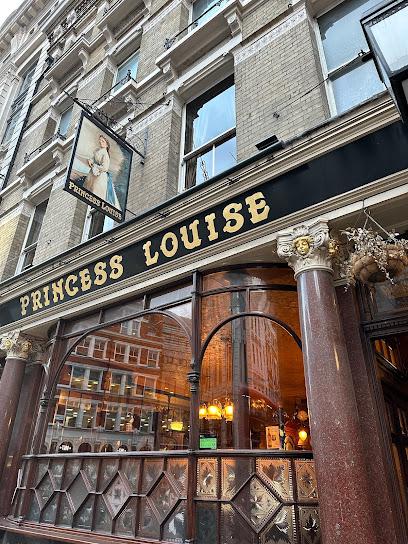
Princess Louise
1.0 km
Step into the Princess Louise, a stunning Victorian gin palace in Holborn, where opulent interiors and rich history blend in a timeless London pub experience.
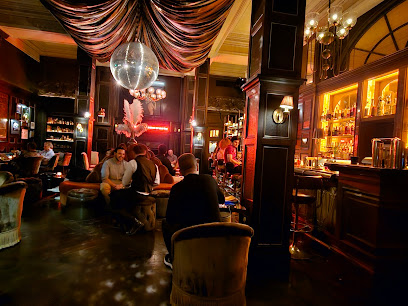
Fitz's Russell Sq.
1.1 km
Discover Fitz's Russell Square, a glamorous cocktail bar blending Victorian elegance with modern British cuisine in the heart of Bloomsbury.
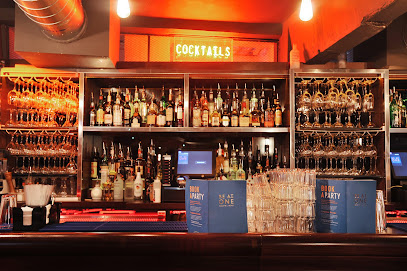
Be At One - Russell Street
1.3 km
Covent Garden’s vibrant cocktail bar with 100+ drinks, late-night parties, and unbeatable 2-for-1 happy hours in a stylish basement setting.
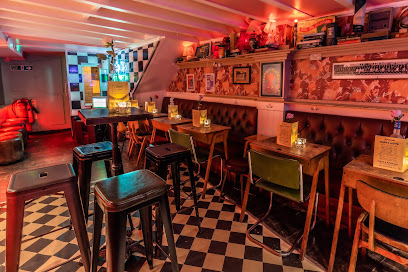
Simmons Bar | Kings Cross
1.3 km
A quirky, retro-inspired cocktail bar in Kings Cross with lively music, creative drinks, and unbeatable happy hour deals.
Plume Wine Bar
1.4 km
Covent Garden speakeasy in Dickens' old offices: sparkling wines from afar, cheesy sharing plates, and note-passing to strangers in candlelit luxury.
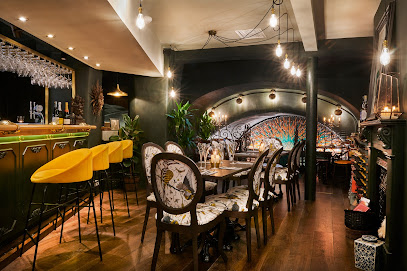
Be At One - Covent Garden Lyceum
1.4 km
Shake up your night in Covent Garden with 100+ cocktails, 2-for-1 happy hours, and masterclasses in a historic spot pulsing with theater-district energy.
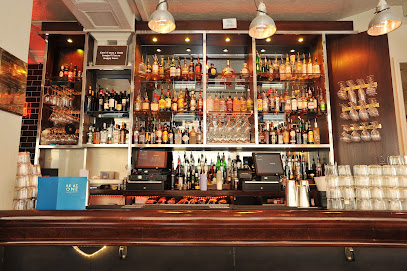
Dirty Martini - Covent Garden
1.4 km
Glamorous Covent Garden cocktail haven pulsing with martini magic, bottomless brunches, and late-night DJ vibes under sparkling chandeliers.
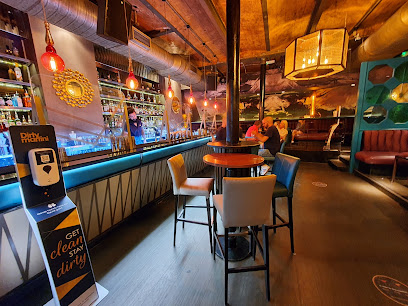
Crusting Pipe
1.4 km
Covent Garden wine bar pouring Davy’s finest ports amid live music, British classics and cosy nooks—perfect for pre-theatre indulgence or market rendezvous.
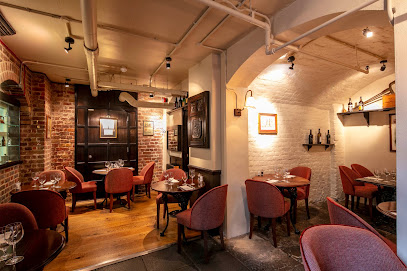
The Coral Room
1.5 km
Experience 1920s-inspired glamour and expertly crafted cocktails in the vibrant coral-hued heart of Bloomsbury Hotel.
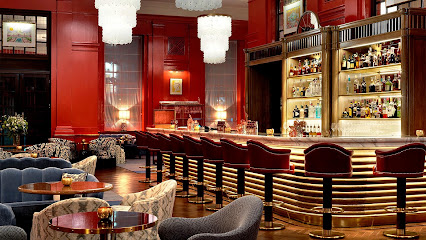
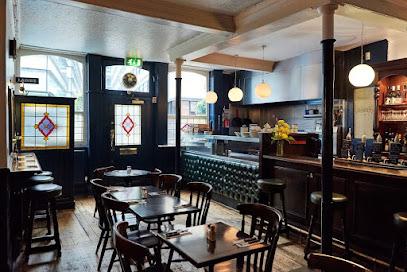
Old Fountain
1.5 km
Historic family-run freehouse in Old Street, London, famed for award-winning ales, hearty British food, and a stylish rooftop terrace.
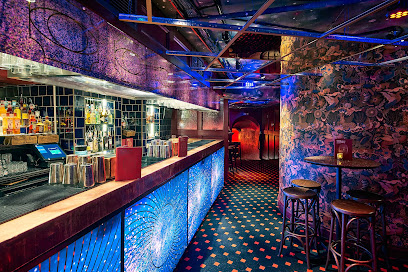
The Escapologist Bar
1.5 km
Step into a Victorian-inspired underground bar in Covent Garden where theatrical cocktails and lively entertainment create unforgettable nights.
Nightclubs & after hour spots

London Best Night Clubs
0.5 km
Experience London’s legendary Ministry of Sound, where cutting-edge sound meets dynamic club culture in a multi-room dance haven.
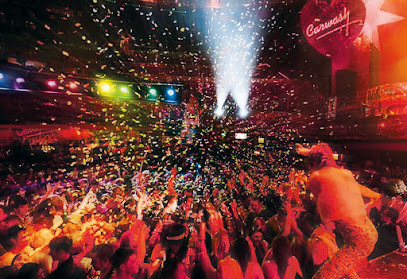
Carwash Nightclub
1.1 km
Experience Europe’s longest-running disco club in London’s West End, where retro beats, vibrant crowds, and themed parties create unforgettable nights.
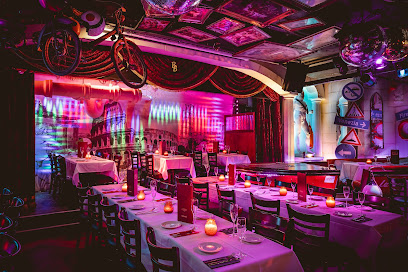
Bunga Bunga Covent Garden
1.2 km
A neon-soaked, pizza-and-karaoke supper club under Drury Lane — 90s nostalgia, stage shows and shareable Italian feasts.
The Roxy
1.4 km
Soho's unbeatable happy hour cocktail bar by day, pulsing nightclub with live music and DJ nights till 3am—affordable vibes in London's nightlife heart.
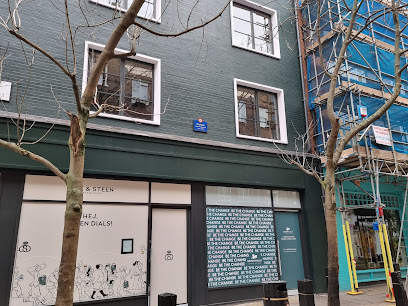
Comedy Carnival Covent Garden
1.5 km
London's premier stand-up comedy venue showcasing bold, award-winning international comedians in vibrant Covent Garden.

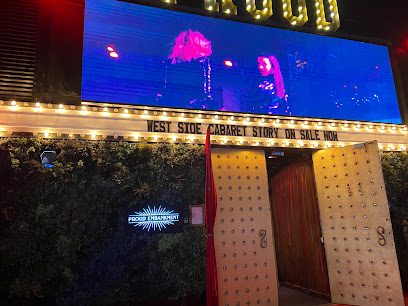
Proud Late
1.5 km
Dive into two-storey glamour under Waterloo Bridge: cabaret acrobatics, burlesque dazzle, supper feasts, and non-stop clubbing till 5am in London's West End nightlife epicenter.
XOYO LONDON
1.7 km
Experience Shoreditch’s iconic XOYO, where cutting-edge DJs and vibrant nightlife create an unforgettable London clubbing atmosphere.

The Ivy Club
1.7 km
Art-Deco‑tinged members’ club above The Ivy — piano bars, discreet private dining and polished West End glamour.
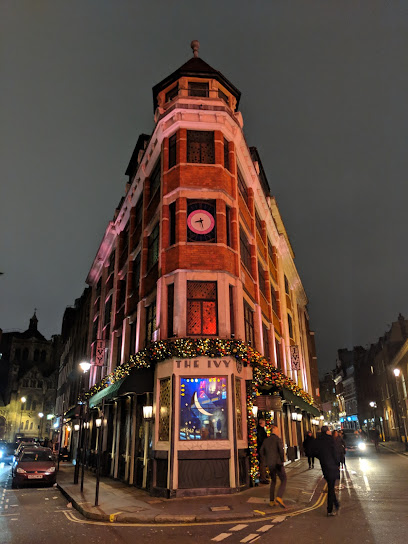
Whatdafunk Presents West End Urban Disco
1.7 km
Dive into London's grooviest urban disco beats at Whatdafunk, where Covent Garden's streets pulse with funk, soul, and non-stop dance energy in the heart of the West End.
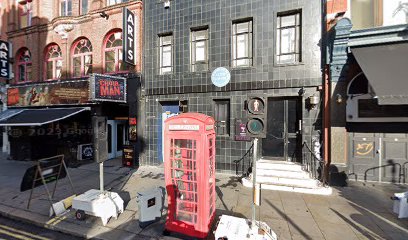
Club49Soho
1.8 km
Soho's stylish cocktail haven with DJ-fueled dancefloor energy, blending upscale drinks and classy nightlife vibes until 3am.
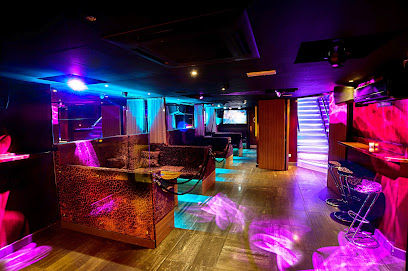
La Capannina Club
1.8 km
Discover Soho's discreet gentlemen's club: seductive stage shows, cosy vibes, and late-night allure in London's nightlife heart.
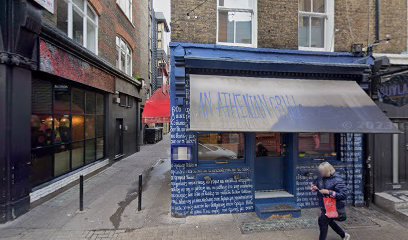
The Steel Yard
1.9 km
Experience London’s premier industrial-chic nightclub set in historic Victorian railway arches, with world-class sound and late-night energy until 6am.
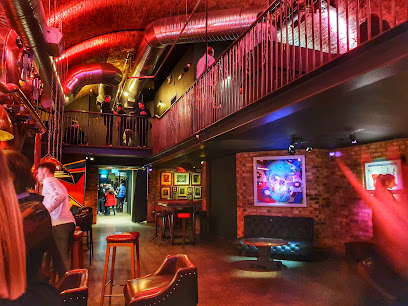
Zoo Bar & Club
1.9 km
Dive into Leicester Square's edgy nightlife hub: two floors of R&B beats, sports screens, and wild energy until 3am at Zoo Bar & Club.
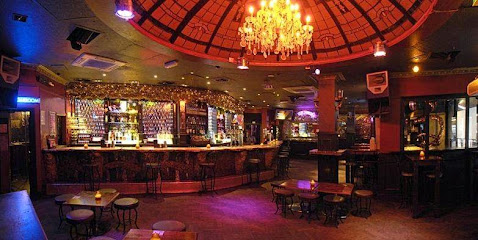
Heaven
1.9 km
London’s iconic gay superclub under the railway arches — big nights, loud music, drag, and late finishes in the heart of the West End.
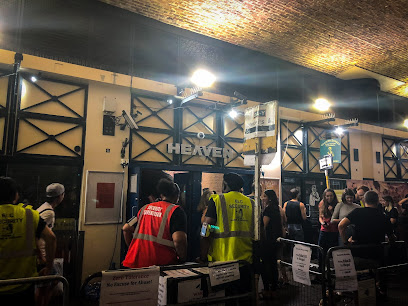
The Penthouse London
2.0 km
A compact, rooftop nightclub above Leicester Square — reached by a side lift, built for late‑night private parties and skyline glimpses.
For the vibe & atmosphere seeker
- Romantic
- Spiritual / Energy Spot
- Tranquil
- Unique
- Scenic
For the design and aesthetic lover
- Vintage Styles
- Art Deco Styles
For the architecture buff
- Historic
- Landmarks
- Art & Design
- Sacred Sites
- Heritage Neighborhoods
For the view chaser and sunset hunter
- Iconic Views
- Architectural Shots
For the social media creator & influencer
- Instagrammable
- Photo Spots
- Architectural Shots
- Aesthetic Corners
For the eco-conscious traveler
- Protected Area
- Locally Managed
For the kind of experience you’re after
- Spiritual / Energy Spot
- Myth & Legends
- Cultural Heritage
- Photowalk
- Day Trip
For how adventurous you want the journey to be
- Easy Access
Location Audience
- Family Friendly
- Senior Friendly
- Wheelchair Access
- Solo Friendly
- Couple Friendly
- Solo Female Friendly


