

Holyrood Abbey Travel Guide
Free Guide: Explore the evocative ruins of Holyrood Abbey, a medieval royal sanctuary steeped in Scotland’s dramatic history and Gothic splendor.


A brief summary of Holyrood Abbey
Explore the evocative ruins of Holyrood Abbey, a medieval royal sanctuary steeped in Scotland’s dramatic history and Gothic splendor.
Holyrood Abbey, founded in 1128 by King David I, stands as a majestic ruin beside the Palace of Holyroodhouse in Edinburgh. Once a thriving Augustinian monastery and royal chapel, the abbey witnessed centuries of Scotland’s turbulent history, including royal ceremonies and dramatic reformation events. Visitors can explore its evocative Gothic architecture, the surviving nave, and the royal vault, all set within tranquil gardens framed by Arthur’s Seat.
On-site amenities
 Restrooms
 Drink options
 Food options
 Seating areas
 Trash bins
 Information boards
 Visitor centre
Opening hours
- Mon9:30 am–6 pm
- TueClosed
- WedClosed
- Thu9:30 am–6 pm
- Fri9:30 am–6 pm
- Sat9:30 am–6 pm
- Sun9:30 am–6 pm
Opening hours as listed on the venue’s Google Business Profile. Hours can change for services and special events, so check with the venue before you go.
- Address
- Canongate, Edinburgh EH8 8DX
- Phone
- Website
Getting there
Bus
Tram
Taxi
Walking
Discover more about Holyrood Abbey
Origins and Royal Foundations
Holyrood Abbey was established in 1128 by King David I as a monastery of Augustinian canons. Its name, meaning ‘Holy Cross,’ derives from a legendary relic of the True Cross that inspired the king’s founding of the abbey. Originally, it served as a spiritual center and royal chapel, hosting coronations, royal weddings, and funerals. The abbey’s early medieval architecture included a grand nave, choir, and transepts, parts of which remain today, offering a glimpse into Scotland’s ecclesiastical past.
Architectural Grandeur and Gothic Legacy
The abbey’s most striking surviving feature is its west front, an impressive example of Scottish Gothic design. The east processional doorway is the only remaining part of the original 12th-century monastery, a rare architectural relic. Although the choir and transepts were lost after the Protestant Reformation, the nave remained in use as a parish church until the late 17th century. Visitors can admire the intricate stonework and soaring arches that evoke the abbey’s former grandeur.
Royal Connections and Historical Drama
Holyrood Abbey’s close ties to Scotland’s monarchy are profound. It was the spiritual heart of the royal palace precinct that evolved into the Palace of Holyroodhouse. The abbey houses the royal vault, the final resting place for Scottish kings and queens, as well as Augustinian canons. The site witnessed pivotal moments, including the turbulent reign of Mary, Queen of Scots, and the religious upheavals of the Reformation, which led to the abbey’s decline.
Visiting Experience and Surroundings
Today, Holyrood Abbey is accessible through the Palace of Holyroodhouse, allowing visitors to wander its evocative ruins and peaceful gardens. The abbey’s setting at the foot of Arthur’s Seat offers spectacular natural backdrops, blending history with scenic beauty. Guided tours and audio guides enrich the visit, sharing stories of royal intrigue, architectural details, and legends. The surrounding palace gardens, including a physic garden inspired by historic medicinal plants, provide a tranquil space for reflection.
Conservation and Cultural Significance
Managed by the Royal Collection Trust, Holyrood Abbey is preserved as a vital cultural landmark. Its ruins stand as a testament to Scotland’s religious and royal heritage, drawing visitors interested in history, architecture, and monarchy. Conservation efforts ensure the site remains accessible and informative, with facilities accommodating visitors with disabilities. The abbey’s enduring presence continues to inspire awe and contemplation within Edinburgh’s historic Royal Mile.
Practical Information for Visitors
Access to Holyrood Abbey is included in the Palace of Holyroodhouse ticket, which grants entry to the palace, gardens, and abbey ruins. The site is open seasonally with varying hours, generally from 9:30 AM to 6:00 PM in summer and shorter hours in winter. Audio guides are available in multiple languages, and guided tours run regularly. Visitors are advised to book tickets in advance due to limited capacity and occasional royal closures. Amenities include restrooms, a café, and a gift shop nearby.
Evendo Review Centre
 Google
Guest reviews
Best time to go
Quietest: Jan, Feb & Dec · before 8am or from 9pm
Busy times are Evendo estimates for a typical year, to help you plan. Actual crowds vary with events, school holidays and the weather.
Explore Holyrood Abbey on the map
A handpicked selection of must-see spots near Holyrood Abbey, mapped for you.
Get your free copy of our complete guide to Holyrood Abbey, delivered straight to you.
Everything on this page, from opening hours and how to get there to Eve’s tips and the best time to go, in one PDF you can read offline, print or share.
Already have an account? Sign in
Your Holyrood Abbey guide is ready.
We'll send it to · Not you? Sign out

Getting your guide ready…
We are putting together a fresh copy of the Holyrood Abbey guide. This can take up to a minute.
This can take a few moments. If your browser asks, choose Allow so the download can start. You'll find the guide in your Downloads folder.
Nothing happened? Download it again
Sorry, the guide is taking longer than usual. Please try again in a minute, or get it by email instead.
Unlock the best of Holyrood Abbey
Skip-the-line tickets, guided tours with entry, and walking tours of the area, booked in a few clicks.


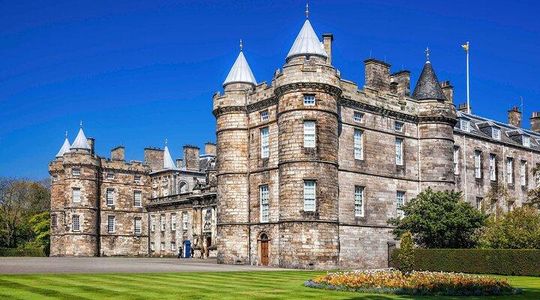

Other nearby places you may find interesting
The closest places of the same kind, if this one is not quite what you had in mind.
-
-
-
-
-


Swipe for more places
More to explore near Holyrood Abbey

 Best experiences near Holyrood Abbey
 Best hotels near Holyrood Abbey
 Best landmarks near Holyrood Abbey
 Best attractions near Holyrood Abbey
 Best shops near Holyrood Abbey
 Best restaurants near Holyrood Abbey
 Best bars near Holyrood Abbey
Do you manage this location?
Take control to get all the benefits, like improved information, better appearance, and stronger visibility across AI-powered discovery.
Explore more
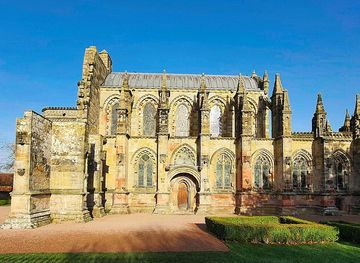
Explore more of Midlothian
Discover Midlothian, Scotland's hidden gem, where history, nature, and culture blend seamlessly to offer a unique travel experience.
Explore Midlothian
Explore more of United Kingdom
Discover the United Kingdom: A blend of rich history, stunning landscapes, and vibrant cities, offering a unique travel experience for every visitor.
Explore United Kingdom
