

Wollaton Park (Nottingham) Travel Guide - Free
Explore Wollaton Park in Nottingham with Evendo's free guide. Find the best shops, historic streets, restaurants, and gems on web or mobile.


Wollaton Park in Nottingham combines Wollaton Hall, deer-studded grounds, the Industrial Museum and broad walking routes near the city’s western edge.
Parkland and Place
Wollaton Park occupies a broad sweep of historic parkland on Nottingham’s western side, where open grassland, mature woodland and gently rising ground surround the distinctive silhouette of Wollaton Hall. Although commonly treated as both a park and a neighbourhood, it is less a compact urban quarter than a large green estate woven into the city’s residential western districts. Its paths, avenues and viewpoints create a markedly different experience from central Nottingham, with space for long walks, quiet observation and unhurried exploration.Read more about Wollaton Park
Wollaton Hall and Local History
Wildlife and Everyday Visits
Best attractions in Wollaton Park
Wollaton Park’s principal attractions are concentrated around Wollaton Hall and the surrounding estate landscape. Inside the hall, Nottingham Natural History Museum presents collections ranging from zoology and geology to taxidermy and natural specimens, making the building an engaging setting for understanding the natural world as well as a historic house. The adjoining former stable buildings contain Nottingham Industrial Museum, whose machinery, transport and manufacturing displays connect the estate to the city’s industrial heritage. Outside, visitors can walk beside the lake, explore wooded paths and watch red and fallow deer across the open parkland. The hall’s elevated position provides memorable views across the grounds, while the changing landscape offers seasonal interest without requiring a long excursion from the city. Occasional public events bring music, exhibitions or community activity to the estate, although access arrangements can vary on event days.
-
Park and Garden
Wollaton Hall, Gardens and Deer Park
Explore the majestic Elizabethan Wollaton Hall set in 500 acres of scenic parkland, home to museums, gardens, and a lively deer park.
3 min walk · 0.2 km from neighbourhood centre
-
Museum
Wollaton Hall.
Explore Nottingham’s stunning Elizabethan mansion and deer park, where history, nature, and culture unite in 500 acres of heritage and beauty.
5 min walk · 0.4 km from neighbourhood centre
-
Park and Garden
Wollaton Park Lake
A tranquil 25-acre lake set within Nottingham’s historic Wollaton Park, offering scenic walks, rich wildlife, and Georgian landscape charm.
12 min walk · 1.0 km from neighbourhood centre
-
Technology museum
Nottingham Industrial Museum
Explore Nottingham’s industrial heritage through working engines, historic machinery, and captivating exhibits in a charming 17th-century setting.
6 min walk · 0.5 km from neighbourhood centre


Best landmarks in Wollaton Park
Wollaton Hall is the defining architectural landmark of the area, a late-sixteenth-century country house built in local stone for Sir Francis Willoughby and recognised for its dramatic Elizabethan profile, elevated setting and formal relationship with the park. Its surrounding lake, terraces and historic approaches reinforce the hall’s role as the centre of the former estate. The former stable complex is also significant, both as part of the original working country-house arrangement and as the home of Nottingham Industrial Museum. Beyond the buildings, the deer park, mature woodland, avenues and open ridges form a historic landscape rather than a collection of isolated monuments. Together these features show how a private aristocratic estate was adapted into a public civic park while retaining much of its architectural and environmental character.
-
Museum
Nottingham Natural History Museum
Explore Nottingham’s natural wonders and Elizabethan grandeur at Wollaton Hall’s captivating Natural History Museum.
5 min walk · 0.4 km from neighbourhood centre
-
Historical landmark
Gazebo
A serene early 19th-century stone pavilion nestled in Wollaton Park, blending heritage charm with tranquil garden beauty.
5 min walk · 0.4 km from neighbourhood centre


Explore Wollaton Park on the map
A handpicked selection of must-see spots in Wollaton Park, mapped for you.
Best hotels in Wollaton Park
Best restaurants in Wollaton Park
Dining within Wollaton Park is centred on visitor facilities around Wollaton Hall rather than on a broad restaurant district. The hall café provides a convenient stop during museum visits and walks, while the surrounding park is well suited to a picnic when local conditions and event arrangements permit. For a wider choice, visitors can continue towards Wollaton village and neighbouring western streets, where cafés, pubs and everyday restaurants serve the local residential community; these areas should be regarded as nearby rather than part of the historic park itself. The food experience here is therefore closely linked to a day outdoors, a museum visit or a walk around the lake, rather than to a concentrated culinary scene. Visitors planning a longer outing should check current café and museum arrangements before relying on refreshments inside the estate.
-
Bar
Miller & Carter Wollaton
Savor 30-day aged steaks from British farms in a warm, intimate steakhouse near Wollaton Park—where butchery expertise meets grilled perfection daily.
18 min walk · 1.4 km from neighbourhood centre
-
Restaurant
Wheelhouse
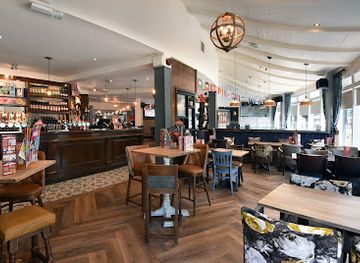
Cosy family-friendly pub in Wollaton, Nottingham, serving classic British fare with welcoming service and a lively, casual atmosphere.
8 min walk · 0.7 km from neighbourhood centre
-
Restaurant
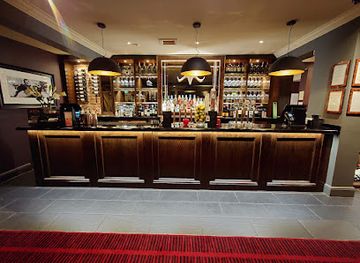
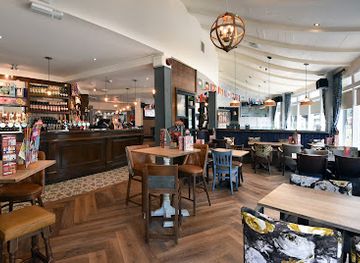
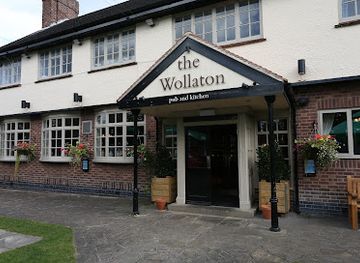
Wollaton Pub & Kitchen
A vibrant pub and kitchen in Wollaton blending traditional charm with modern British cuisine and community spirit.
7 min walk · 0.6 km from neighbourhood centre
-
Chinese
Mr Man's Restaurant
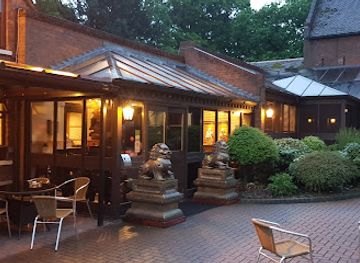
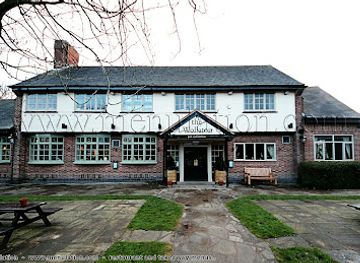
Spacious Cantonese dining in Wollaton Park offering authentic Chinese flavors and generous portions in a relaxed suburban setting.
7 min walk · 0.6 km from neighbourhood centre
Best bars in Wollaton Park
Wollaton Park is primarily a daytime landscape and museum destination, not a nightlife quarter. After the main visitor facilities close, the character becomes residential and quiet, with the park’s woodland and open ground offering little dedicated evening entertainment. Pubs and casual places to drink are found in Wollaton village and along nearby roads, providing a local neighbourhood atmosphere rather than a cluster of late-night clubs or cocktail bars. Nottingham city centre remains the more suitable destination for theatres, live music, clubs and a broad choice of evening venues, reached by bus, taxi or other city transport. Anyone walking near the park after dark should remember that paths across the estate are not an illuminated nightlife route and should plan around well-lit streets and current access arrangements.
-
Pub
Wheelhouse
Cosy Wollaton pub serving classic British dishes, ice-cold beers, and live sports in a family-friendly setting near Wollaton Park.
8 min walk · 0.7 km from neighbourhood centre
-
Pub
Wollaton Pub & Kitchen
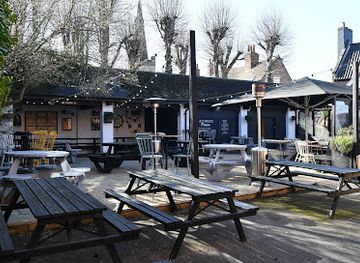
Cozy Nottingham gastropub fusing hearty British fare, quality ales, and pet-friendly vibes in expansive, welcoming spaces.
7 min walk · 0.6 km from neighbourhood centre
-
Pub
Admiral Rodney
Cozy Greene King pub pouring classic ales and pub grub in Nottingham's Wollaton area – perfect for relaxed meals, sports viewing, and local vibes.
14 min walk · 1.1 km from neighbourhood centre
Wollaton Park essentials
Getting There
Getting Around
Safety
Emergency Situations
Do's and Don'ts
Local Tips

From Eve
Local phrases worth knowing
You don't need to get them perfect. A few words go a long way, and locals appreciate the effort.
Basics
| English | Local | Say it |
|---|---|---|
| Hello | Alright | [al-rite] |
| Goodbye | Ta-ra | [ta-ra] |
| Yes | Aye | [aye] |
| No | Nah | [nah] |
| Please/You're welcome | Ta | [ta] |
| Thank you | Cheers | [cheers] |
| Excuse me/Sorry | Sorry | [sor-ree] |
| How are you? | Ow do? | [ow-doo] |
| Fine. And you? | Sound. Yerself? | [sownd. yer-self] |
| Do you speak English? | D'ya speak English? | [d-ya speak ing-glish] |
| I don't understand | I ain't got a scooby | [I aint got a scooby] |
Eating & Drinking
| English | Local | Say it |
|---|---|---|
| I'd like to see the menu, please | Can I see the menu, duck? | [can I see the menu, duck] |
| I don't eat meat | I don't eat flesh | [I don't eat flesh] |
| Cheers! | Cheers! | [cheers] |
| I would like to pay, please | Can I settle up, please? | [can I settle up, please] |
Emergencies
| English | Local | Say it |
|---|---|---|
| Help! | Ay-up! | [ay-up] |
| Go away! | Clear off! | [clear off] |
| Call the Police! | Ring the bobbies! | [ring the bobbies] |
| Call a doctor! | Get the quack! | [get the quack] |
| I'm lost | I'm all over the shop | [I'm all over the shop] |
| I'm ill | I'm poorly | [I'm poorly] |
Shopping
| English | Local | Say it |
|---|---|---|
| I'd like to buy... | I'm after... | [I'm after] |
| I'm just looking | I'm just browsing | [I'm just browsing] |
| How much is it? | How much does that go for? | [how much does that go for] |
| That's too expensive | That's a bit steep | [that's a bit steep] |
| Can you lower the price? | Can you do it cheaper? | [can you do it cheaper] |
Time & Numbers
| English | Local | Say it |
|---|---|---|
| What time is it? | What's the time? | [whats the time] |
| It's one o'clock | It's one of the clock | [It's one of the clock] |
| Half past (10) | Half ten | [Half ten] |
| Morning | Mornin' | [mornin] |
| Afternoon | Arvo | [arvo] |
| Evening | Twilight | [twilight] |
| Yesterday | Yest'day | [yest'day] |
| Today | Today | [today] |
| Tomorrow | Tomorrow | [tomorrow] |
| 1 | One | [One] |
| 2 | Two | [Two] |
| 3 | Three | [Three] |
| 4 | Four | [Four] |
| 5 | Five | [Five] |
| 6 | Six | [Six] |
| 7 | Seven | [Seven] |
| 8 | Eight | [Eight] |
| 9 | Nine | [Nine] |
| 10 | Ten | [Ten] |
Transport & Directions
| English | Local | Say it |
|---|---|---|
| Where's a/the...? | Wher's...? | [wher's] |
| What's the address? | Wot's the addy? | [wot's the addy] |
| Can you show me (on the map)? | Can you point me in the right direction? | [Can you point me in the right direction] |
| When's the next (bus)? | When's the next (bus)? | [when's the next (bus)] |
| A ticket (to ....) | A return (to ....) | [A return (to ....)] |
History of Wollaton Park
An Estate Before the City
Wollaton developed as a rural estate west of Nottingham, centred on the manor and village of Wollaton rather than on urban industry. The area’s identity was shaped by its agricultural land, woodland and later enclosed parkland, while the city remained concentrated farther east. The estate’s position on Nottingham’s western approach eventually made it an important surviving landscape as the city expanded around it, preserving a substantial area of open ground within the modern urban fabric.
The Elizabethan Wollaton Hall
Wollaton Hall was built in the 1580s for Sir Francis Willoughby, replacing the earlier manor house and expressing the ambition of a wealthy landowning family during the Elizabethan period. Designed in the distinctive late-Tudor tradition associated with architect Robert Smythson, the house was constructed in local stone and set within an ornamental estate landscape. Its elevated position and elaborate exterior made it a landmark for the surrounding countryside, while the hall and estate remained closely tied to the Willoughby family and their successors.
From Private Estate to Public Park
The twentieth century brought a decisive change in Wollaton’s role as Nottingham expanded towards the west. Nottingham Corporation acquired the estate in 1924, opening the grounds as a public park and helping preserve its landscape for civic use. Wollaton Hall became a museum in 1926, giving the building a new educational purpose while the deer park, lake and woodland became part of the city’s public open-space network. This transition changed Wollaton from a private country estate into a major local recreational and cultural resource.
Museums and a Living Landscape
The estate’s later history has combined conservation, public events and interpretation of Nottingham’s industrial past. Nottingham Industrial Museum opened in the former stable buildings in 1978, complementing the natural-history collections in Wollaton Hall with displays of machinery, transport and local manufacturing. The park itself remains historically legible through its avenues, lake, woodland and managed deer herds, although it now functions within a dense city rather than an isolated rural estate. Wollaton’s contemporary identity therefore rests on the meeting of heritage, public recreation and urban nature.
Wollaton Park in Photos
Browse through our photo collection highlighting the charm and character of the destination.
Neighbourhoods near Wollaton Park
The closest neighbourhoods to Wollaton Park, if you have time for more than one stop.
-

-

-
-

-


Swipe for more neighbourhoods
Explore more

Explore more of Nottingham
Nottingham blends Robin Hood legend, medieval streets, grand civic architecture, museums, lively culture and leafy escapes in the English Midlands.
Explore Nottingham