Staircase House
Medieval marvel with England's rarest staircase, five centuries of domestic life preserved in timber and time.
Staircase House is Stockport's oldest surviving townhouse, dating from 1460, and now operates as a museum showcasing five centuries of domestic life. The building is renowned for its rare Jacobean cage-newel staircase, one of only three surviving examples in England, featuring intricate carved woodwork installed in 1618. Visitors explore period rooms recreated from the 15th to 20th centuries using a state-of-the-art multilingual audio guide, discovering how ancestors lived through medieval times, the Victorian era, and beyond. The Grade II* listed building underwent meticulous restoration following a devastating fire in 1995, employing traditional materials and techniques to preserve its historic timber-framed structure.
A brief summary to Staircase House
- 30/31 Market Pl, Stockport, SK1 1ES, GB
- Click to display
- Click to display
- Duration: 1 to 2.5 hours
- Free
-
 Indoor
- Mobile reception: 4 out of 5
- Wednesday 10 am-5 pm
- Thursday 10 am-5 pm
- Friday 12 pm-5 pm
- Saturday 10 am-5 pm
- Sunday 11 am-4 pm

Know before you go
Hi, I'm Eve. Here are a few practical things to know before exploring Staircase House.
- Use the free audio guide—it is essential for understanding the house's layered history and brings the period rooms to life with engaging narratives and contextual details.
- Wear comfortable shoes as you will navigate multiple floors and staircases, including the famous Jacobean staircase with its intricate carved woodwork.
- Allow at least 1.5 to 2 hours for your visit to fully explore the period rooms, handle interactive objects, and absorb the detailed audio commentary without rushing.
- Visit on a weekday morning to experience the house with fewer crowds, allowing for a more contemplative exploration of the medieval timber-frame structure and its historical significance.
- Combine your visit with nearby attractions on Market Place, including St Mary's Church and the Arden Arms pub, which shares Stockport's medieval heritage.
Do you manage this location?
Take control to get all the benefits, like improved information, better appearance, and stronger visibility across AI-powered discovery. Learn more
Activate your presence

Getting There
-
Train from Manchester Piccadilly
Direct trains run from Manchester Piccadilly to Stockport railway station approximately every 10–15 minutes throughout the day. Journey time is 8–12 minutes. From Stockport station, Market Place is a 5–10 minute walk downhill through the town center. Single fares typically range from £2.50 to £5.50 depending on time of travel and advance booking.
-
Bus from Manchester City Centre
Multiple bus services connect Manchester city center to Stockport town center, with journey times of 25–40 minutes depending on traffic and route. Buses arrive at Stockport Bus Station, from which Market Place is a 3–5 minute walk. Day tickets cost approximately £3.50–£5.00 for city-wide travel.
-
Car with Town Center Parking
Stockport town center has several car parks within 2–5 minutes' walk of Market Place, including the multi-story Merseyway Car Park and surface car parks near the market. Parking typically costs £1.50–£3.00 per hour or £4.00–£6.00 for a full day. Market Place itself has limited on-street parking with time restrictions.
-
Walking from Stockport Town Center
If arriving by train or bus, Staircase House is easily reached on foot from Stockport station or bus station via the town center streets. The walk is straightforward and takes 5–10 minutes on level or gently sloping terrain, with clear signage to Market Place in the historic core.
For the on-the-go comforts that matter to you
-
 Restrooms
-
 Drink Options
-
 Food Options
-
 Seating Areas
-
 Information Boards
-
 Visitor Center
Discover more about Staircase House
A Merchant's Legacy Spanning Five Centuries
Staircase House stands as Stockport's oldest surviving townhouse, its origins rooted in 1460 when it was constructed as a cruck timber-framed dwelling, likely serving as the residence of a prosperous merchant. Dendrochronological analysis of the building's timbers confirms its age, establishing it among the most significant medieval structures in Greater Manchester. The house witnessed the transformation of Stockport from a medieval market town through the industrial revolution and into the modern era, its walls absorbing the stories of countless inhabitants across five centuries.The property's most celebrated residents were the Shallcross family, members of the landed gentry who owned the house from 1605 to 1730. It was during their tenure, in 1618, that the distinctive Jacobean cage-newel staircase was installed—the architectural feature that would define the building's identity and secure its place in England's architectural heritage. This remarkable staircase represents one of only three surviving examples of its kind in the entire country, making it an object of genuine historical significance and artistic merit.The Iconic Jacobean Staircase and Architectural Distinction
The Jacobean cage-newel staircase is the undisputed centerpiece of Staircase House, a masterwork of 17th-century joinery and design. The staircase features elaborate carved woodwork that covers much of its surface, demonstrating the exceptional craftsmanship and artistic ambition of its makers. The cage-newel design—where the central newel post is enclosed within a decorative wooden cage—represents a sophisticated understanding of both structural engineering and aesthetic composition. This staircase has become the visual anchor of the entire building, drawing visitors' attention and imagination as they ascend through the house's multiple floors.Beyond the staircase, the building itself exemplifies medieval timber-frame construction techniques. The exposed cruck frame—curved timbers that form the structural skeleton of the walls—remains visible in places, offering a tangible connection to 15th-century building practices. The house's Grade II* listed status reflects its exceptional architectural and historical importance, a designation upgraded from Grade II in 1992 following advocacy by the Stockport Heritage Trust.Preservation Through Fire and Restoration
Staircase House endured a dramatic chapter in its history when it suffered two arson attacks, the second of which caused a devastating fire in 1995. The building had fallen into semi-derelict condition, and demolition seemed inevitable until the Stockport Heritage Trust launched a determined campaign to save it, arguing persuasively that its unique survival warranted preservation. Following compulsory purchase by Stockport Metropolitan Borough Council, the building underwent painstaking restoration using traditional materials, tools, and techniques that honored its historical authenticity. This meticulous work restored the staircase and structural elements to their former glory, allowing the house to reopen as a museum in 2005.Living History Through Period Rooms and Interactive Displays
The interior of Staircase House has been thoughtfully arranged to showcase different historical periods, with rooms recreated to reflect how people lived from medieval times through the 20th century. Each room presents authentic furnishings, domestic objects, and architectural details appropriate to its era, creating immersive environments that transport visitors across centuries. The displays are not static exhibitions but interactive spaces where visitors can handle many of the objects on display, engaging directly with the material culture of the past. This hands-on approach transforms the experience from passive observation into active discovery.The museum collection extends beyond the house itself, encompassing artifacts from the Palaeolithic period, the Iron Age Mellor settlement, medieval times, the Victorian textile industry, World War I, and local cultural achievements including Strawberry Studios. This broader context enriches understanding of how Staircase House fits within Stockport's larger historical narrative.The Audio Guide Experience
A state-of-the-art audio guide serves as the essential companion to exploring Staircase House, available in English, French, German, Cantonese, and Urdu. The multilingual narration provides detailed historical context, engaging stories, and explanations that bring the building's past to life. The audio guide recounts the full history of the house from 1460 onwards, connecting individual rooms and objects to broader historical events and social changes. This technology ensures that visitors of all backgrounds and language preferences can access the rich historical narrative embedded within the building's walls.Accessibility and Contemporary Visitor Experience
Staircase House offers barrier-free access throughout the building, with lift access ensuring that visitors with mobility challenges can explore all floors. Tactile elements and accessible displays accommodate diverse visitor needs, reflecting a commitment to inclusive heritage interpretation. The combination of physical accessibility, interactive displays, and multilingual audio guidance makes the house welcoming to families, school groups, history enthusiasts, and international visitors seeking to understand English domestic history and architectural heritage.Explore the best of what Staircase House has to offer













More about Cheshire
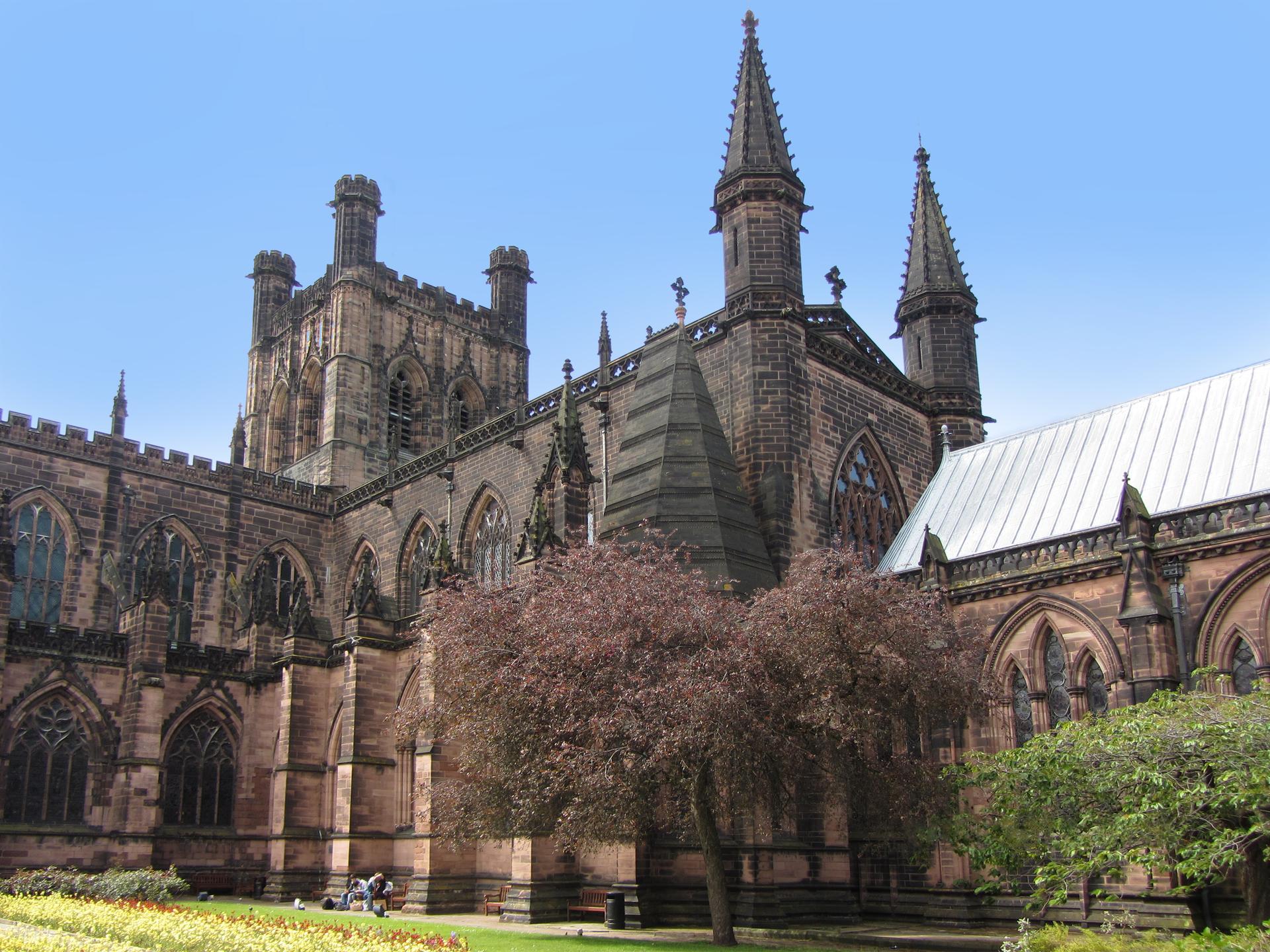
Discover Cheshire, where history meets natural beauty. Explore charming villages, historic Chester, and scenic countryside for a quintessential English experience.
Tell me more about Cheshire