

Lady Stair's House
A fairytale 17th-century townhouse celebrating Scotland's literary giants in a hidden Old Town courtyard.
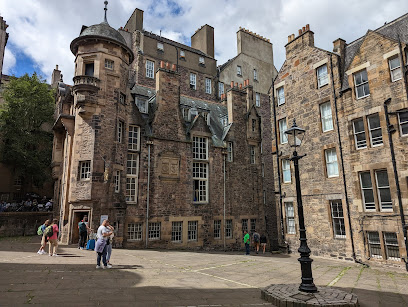
A striking 17th-century townhouse nestled in Lady Stair's Close, off Edinburgh's historic Lawnmarket, now home to the Writers' Museum. Built in 1622 for Sir William Gray of Pittendrum, this fairytale-like building features distinctive Scottish Baronial architecture with ornate stonework, a romantic turret, and a carved lintel bearing the original date. The intimate courtyard setting offers a peaceful literary escape celebrating Scotland's greatest writers—Robert Burns, Sir Walter Scott, and Robert Louis Stevenson—with personal manuscripts, portraits, and belongings on display inside.
A brief summary to Lady Stair's House
- Lawnmarket, Lady Stair's Cl, Edinburgh, EH1 2PA, GB
- Duration: 0.75 to 2 hours
- Free
-
 Outdoor
- Mobile reception: 4 out of 5
Local tips
- Enter through the vaulted passageway of Lady Stair's Close to fully experience the atmospheric transition from the busy Royal Mile into the peaceful courtyard—the tunnel entrance is essential to the immersive historical experience.
- Spend time in Makars' Court examining the inscribed paving stones celebrating Scottish writers before entering the museum, as they provide important context for the literary figures commemorated inside.
- Visit early morning or late afternoon to avoid the peak crowds from the Royal Mile and enjoy the courtyard's peaceful atmosphere for photography and reflection.
- Explore the building's exterior details carefully, including the carved lintel above the entrance bearing the date 1622 and the initials WG and GS of the original owners.
- Combine your visit with nearby attractions including Gladstone's Land and James' Court, which are accessible from the same close or adjacent staircases.

For the on-the-go comforts that matter to you
- Seating Areas
- Information Boards
- Visitor Center
Getting There
-
On Foot from Royal Mile
Lady Stair's Close is accessed directly from the Lawnmarket section of the Royal Mile, approximately 100 metres from the Castle Esplanade. The vaulted entrance to the close is on the north side of Lawnmarket, clearly marked and easy to identify. Walking time from the Castle is approximately 5–8 minutes depending on crowds. The close itself is pedestrian-only with a slight downward slope. No parking is available within the close; the nearest public car parks are on the Mound (approximately 150 metres away) or in the surrounding Old Town, with typical rates of £1.50–£2.50 per hour.
-
Bus from City Centre
Multiple bus routes serve the Lawnmarket area, including services 23, 27, 41, and 42, which stop on the Royal Mile near the close entrance. Journey times from Waverley Station are approximately 5–10 minutes depending on traffic. Single fares cost approximately £1.80–£2.00. Buses run frequently throughout the day, typically every 10–15 minutes during peak hours. The bus stop is directly adjacent to the close entrance, making this an accessible option for those with mobility concerns.
-
Staircase Access from North Bank Street
An alternative pedestrian route exists via a staircase from North Bank Street, which connects to the courtyard and provides access to Lady Stair's House from a different direction. This route is useful if approaching from the Mound area or the New Town. The staircase is approximately 80 metres from the Mound and takes 2–3 minutes to walk. This approach offers a quieter alternative to the main close entrance and provides a different perspective on the building's architecture.
-
Taxi or Ride-Share
Taxis and ride-share services can drop passengers at the Lawnmarket, with typical fares from Waverley Station approximately £6–£10 depending on traffic conditions. The closest drop-off point is on the Lawnmarket itself, from which the close entrance is a 30-second walk. This option is convenient for those with limited mobility or heavy luggage, though parking restrictions mean vehicles cannot wait within the close itself.
Lady Stair's House location weather suitability
-
 Any Weather
Discover more about Lady Stair's House
A Fairytale Building Frozen in Time
Lady Stair's House stands as one of Edinburgh's most enchanting architectural treasures, a 17th-century townhouse that appears to have stepped directly from the pages of a Gothic novel. Built in 1622 for Sir William Gray of Pittendrum, a wealthy Scottish baronet and merchant, the building originally bore the name Lady Gray's House in honour of his widow, Giles, who resided there for many years after her husband's death. The carved stone lintel above the entrance still displays the initials WG and GS alongside the date of construction and the motto "feare the Lord and depart from evill"—a tangible link to the building's original occupants. The house acquired its present name in 1719 when Elizabeth Dalrymple, the Dowager Countess of Stair and widow of the 1st Earl of Stair, purchased the property. By the late 19th century, the building had fallen into severe disrepair, threatened with demolition like much of Edinburgh's ancient Old Town. It was saved through the intervention of town planner Patrick Geddes, who persuaded Archibald Primrose, the 5th Earl of Rosebery and a descendant of the original builders, to fund a comprehensive restoration. Rosebery commissioned architect George Shaw Aitken to undertake the work, which resulted in the addition of distinctive Scottish Baronial elements including turrets and a Romeo and Juliet-style balcony that define its appearance today. In 1907, Rosebery gifted the restored building to Edinburgh, establishing it as a municipal museum.The Literary Heart of Edinburgh's Old Town
Today, Lady Stair's House functions as the Writers' Museum, a treasure trove dedicated to Scotland's most celebrated literary figures. The museum houses an intimate collection of manuscripts, personal belongings, portraits, and artefacts belonging to Robert Burns, Sir Walter Scott, and Robert Louis Stevenson. These three giants of Scottish literature are commemorated throughout the building, allowing visitors to connect with their lives and creative legacies. The interior spaces retain period features including ornate plasterwork and a beautifully carved wooden staircase that evoke the elegant living standards of the 17th century, providing context for understanding how these literary luminaries shaped Scottish culture.A Hidden Courtyard Sanctuary
Access to Lady Stair's House is gained through Lady Stair's Close, a narrow vaulted passageway on the north side of the Lawnmarket that opens into the atmospheric Makars' Court. Despite its proximity to the bustling Royal Mile, the close and courtyard form a remarkably peaceful sanctuary, separated from the endless crowds by the tunnel-like entrance. The courtyard itself features ancient stone buildings and traditional oil lamps that create an authentically medieval atmosphere, virtually untouched by modern development. Makars' Court is distinguished by inscribed paving stones celebrating Scottish writers, adding another layer of literary significance to the space. The setting invites visitors to pause on benches and absorb the architectural grandeur surrounding them, making it an ideal spot for quiet reflection or photography.Architectural Significance and Historical Layers
While the building's external appearance is predominantly the result of the 1892 restoration, with much of the original 17th-century fabric replaced or heavily modified, Lady Stair's House remains architecturally significant as a Category A listed building. The restoration work, though radical by modern conservation standards, preserved the building's essential character and prevented its loss entirely. The initials SR—for Stair and Rosebery—remain prominently displayed in the building's decoration, serving as a reminder of both its ancient origins and its 19th-century salvation. The striking stone facade with classical detailing, the romantic spire, and the ornate carved stonework combine to create one of Edinburgh's most visually distinctive structures, instantly recognizable to visitors exploring the Old Town.Legends and Literary Connections
Beyond its role as a museum, Lady Stair's House is steeped in intriguing historical narratives. The building is associated with Eleanor Campbell, the first Lady Stair, whose dramatic life story—involving a perilous escape from a violent marriage and a remarkable premonition witnessed in a fortune teller's mirror—has become part of Edinburgh's folklore. These historical layers, combined with the museum's celebration of Burns, Scott, and Stevenson, create a space where Scotland's literary and social history converge, offering visitors multiple entry points into understanding the nation's cultural heritage.A Portal to Edinburgh's Past
The experience of descending into Lady Stair's Close is often described as stepping through a portal into another era. The vaulted entrance, ancient stonework, and gas-lit courtyard create an immersive historical atmosphere that contrasts sharply with modern Edinburgh. For literary enthusiasts, history buffs, and those seeking respite from the Royal Mile's commercial bustle, the close and its central building offer an authentic encounter with 17th-century Edinburgh life and the creative legacy of Scotland's greatest writers.Iconic landmarks you can’t miss

Lady Stair's Close
0.0 km
Discover Lady Stair's Close, a serene historic courtyard in Edinburgh's Old Town, home to the Writers' Museum and Scotland’s literary heritage.
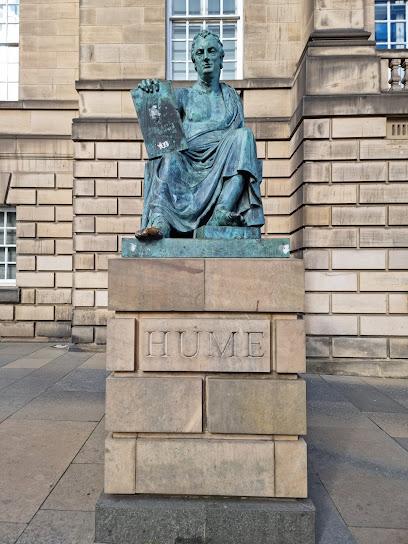
David Hume Statue
0.1 km
A striking bronze tribute to philosopher David Hume, blending classical imagery with Edinburgh’s Enlightenment heritage and a toe-rubbing tradition for luck.
The Mound & Mound Place
0.1 km
Historic artificial slope linking Edinburgh’s Old and New Towns, home to iconic galleries, grand architecture, and vibrant cultural life.
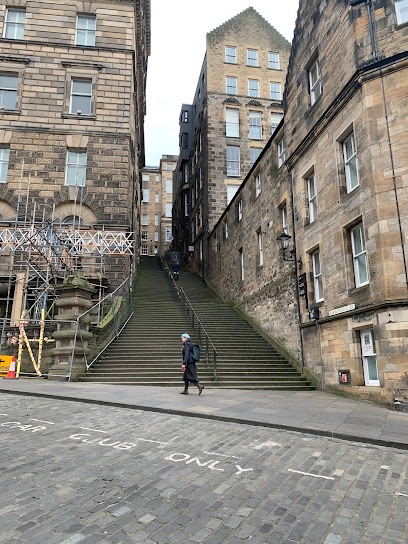
Warriston's Close Stairs
0.2 km
A widening staircase through medieval Edinburgh, where 120 steps transform from narrow lane to grand passage.
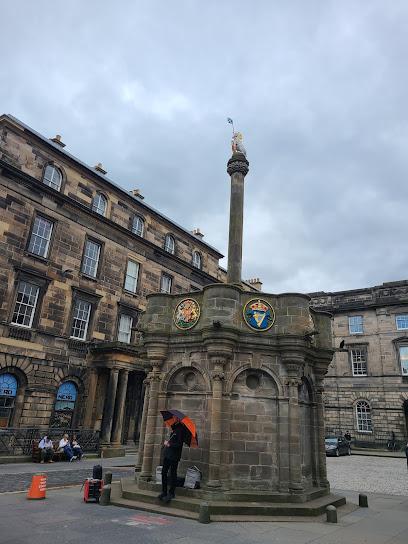
Mercat Cross
0.2 km
Edinburgh’s Mercat Cross: centuries-old market hub and ceremonial heart of the city’s royal proclamations and civic life.
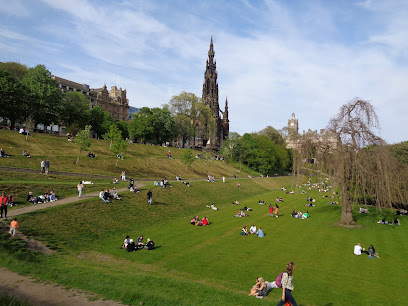
East Princes Street Gardens
0.2 km
Explore the beauty and tranquility of East Princes Street Gardens in Edinburgh, a hidden gem offering stunning views and a peaceful retreat.
Adam Smith Statue
0.2 km
Bronze tribute to the father of modern economics on Edinburgh's historic Royal Mile.

Uncovered Edinburgh
0.2 km
Discover the untold stories of Edinburgh's rich history and vibrant culture at Uncovered Edinburgh, a must-visit tourist attraction in Scotland's capital.
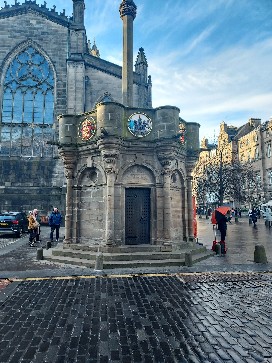
1 Parliament Sqr
0.2 km
Explore Edinburgh’s Parliament Square, a historic nexus of Scottish law, politics, and culture nestled beside the iconic St Giles’ Cathedral.
The Edinburgh Dungeon
0.2 km
Dive into the dark and thrilling history of Scotland at The Edinburgh Dungeon, where spooky tales and immersive experiences await every visitor.
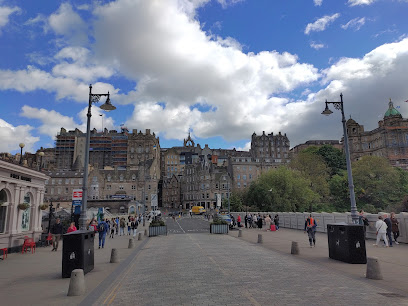
George IV Bridge
0.2 km
Historic elevated street connecting Old Town to the South Side, lined with Victorian architecture and cultural institutions.
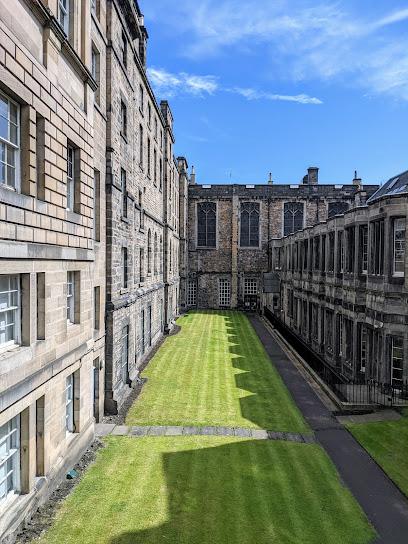
Pont George Ⅳ
0.2 km
Historic elevated street and bridge connecting Edinburgh’s South Side to Old and New Towns, rich in architecture, culture, and city views.
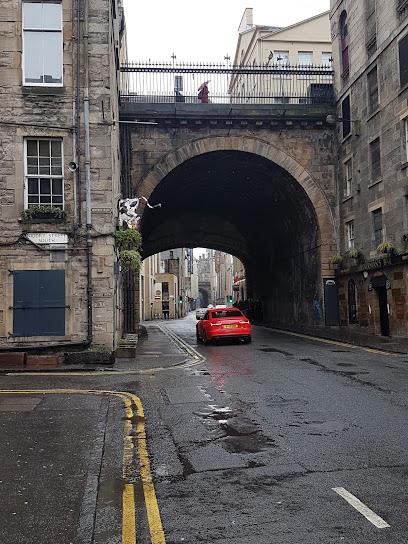
Old and New Towns of Edinburgh UNESCO
0.2 km
Discover Edinburgh’s UNESCO World Heritage Site where medieval charm meets Georgian elegance in a stunning urban landscape.

Barrie's Close
0.3 km
Explore Barrie's Close, a historical landmark in Edinburgh that reveals the city's rich heritage through its captivating architecture and stories.
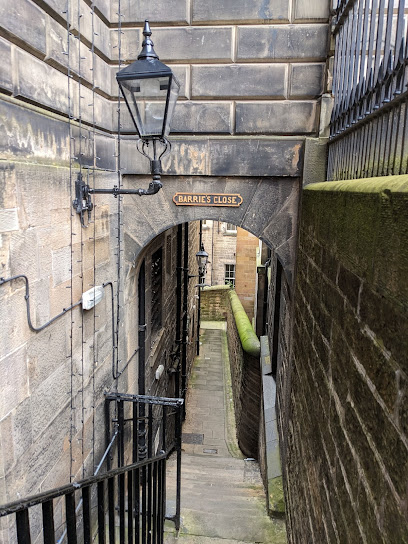
Cockburn St
0.3 km
Explore Cockburn Street, a vibrant and historic thoroughfare in Edinburgh, where culture meets charm in the heart of Scotland's capital.
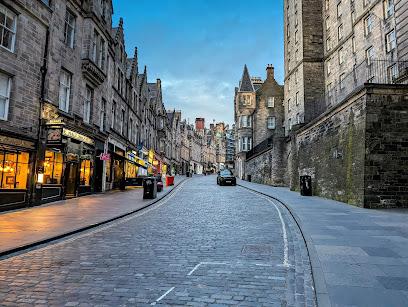
Unmissable attractions to see

The Writers' Museum
0.0 km
Explore Scotland’s literary heritage in a charming 17th-century house dedicated to Burns, Scott, and Stevenson on Edinburgh’s Royal Mile.
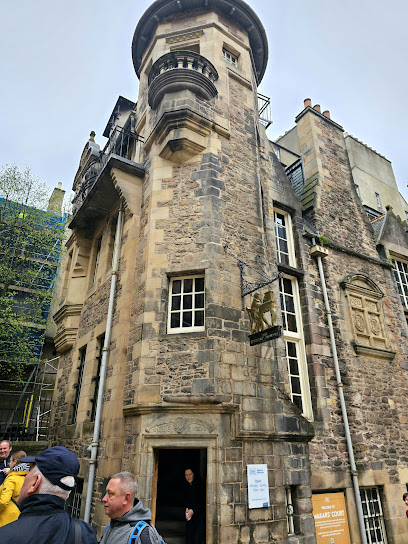
Gladstone's Land
0.0 km
Step into 17th-century Edinburgh at Gladstone's Land, a towering tenement rich with history, art, and stories from the Royal Mile.
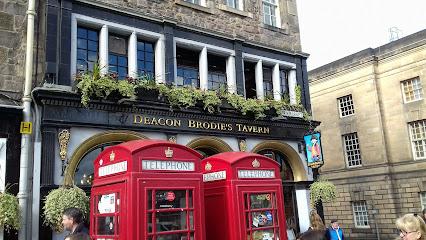
Whiski Rooms
0.0 km
Discover Edinburgh’s award-winning whisky bar and restaurant offering over 300 whiskies, fresh Scottish cuisine, and daily tastings in a cosy historic setting.
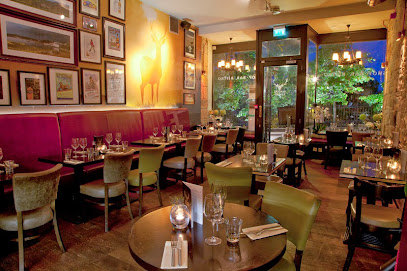
The Jolly Judge
0.0 km
Discover the charm of The Jolly Judge, a cozy pub in Edinburgh offering local ales, traditional Scottish dishes, and a welcoming atmosphere.

Lawnmarket
0.0 km
Stroll the cobbled Lawnmarket, where Edinburgh’s Royal Mile meets centuries of linen traders, philosophers, and hidden closes in the shadow of the Castle.
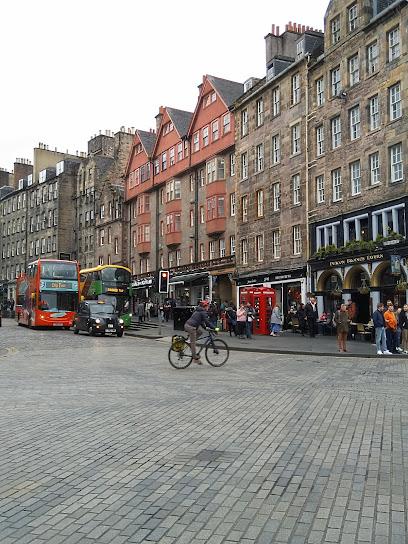
Deacon Brodies Tavern
0.1 km
Experience the history and charm of Edinburgh at Deacon Brodie's Tavern, a traditional pub offering local ales and hearty Scottish cuisine.
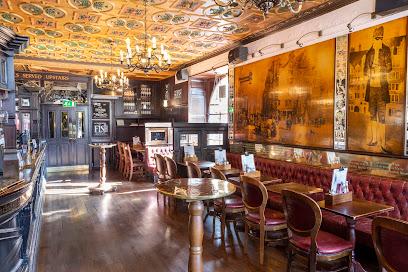
House of Scotland
0.1 km
Discover authentic Scottish heritage and crafts at House of Scotland, a vibrant gift shop nestled on Edinburgh’s historic Royal Mile.
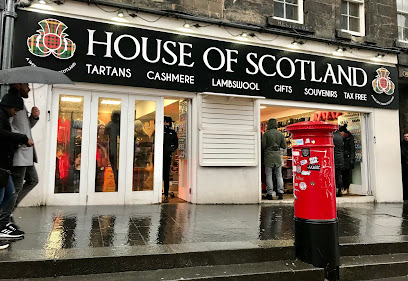
Scottish Experience
0.1 km
Discover authentic Scottish gifts and magical Harry Potter memorabilia in the heart of Edinburgh’s historic Lawnmarket.
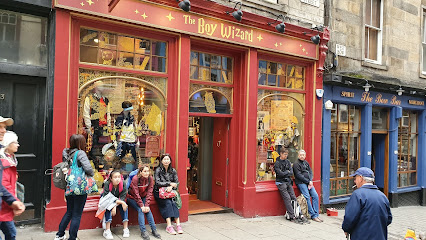
Milne's Court
0.1 km
Discover Milne's Court, Edinburgh’s pioneering open courtyard from 1692, nestled on the historic Royal Mile near the Castle.

Museum on the Mound
0.1 km
Discover Edinburgh’s iconic banking history and the fascinating evolution of money in a free, interactive museum atop The Mound.
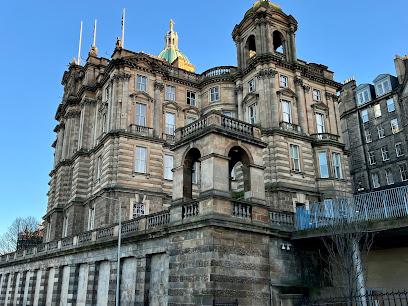
Patrick Geddes Centre at Riddle's Court
0.1 km
Historic 16th-century merchant’s tenement transformed by Patrick Geddes into a vibrant learning and cultural centre in Edinburgh’s Old Town.
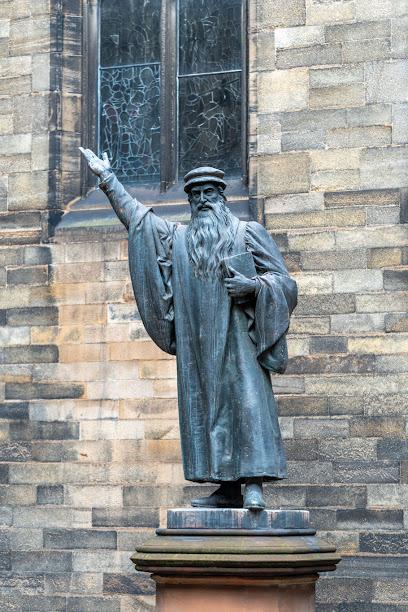
John Knox Monument
0.1 km
A powerful tribute in Edinburgh to John Knox, the fearless leader of Scotland’s Reformation and founder of Presbyterianism.
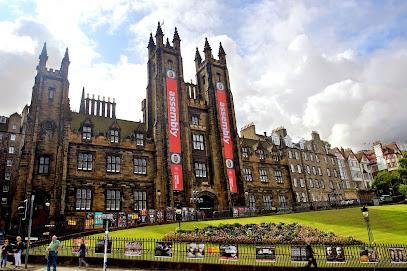
Assembly Hall
0.1 km
Historic Assembly Hall in Edinburgh’s Old Town, a stunning venue blending ecclesiastical heritage with vibrant festival culture.
Victoria St
0.1 km
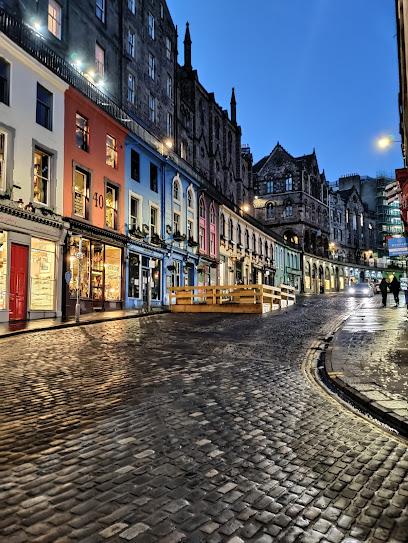
Discover Victoria Street, Edinburgh’s colorful, curved historic street famed for its magical charm, boutique shops, and captivating atmosphere.
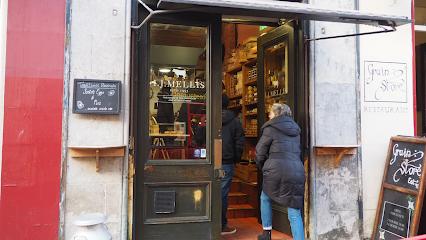
I.J. Mellis Cheesemonger Victoria Street
0.1 km
Artisan cheese haven on Edinburgh’s historic Victoria Street, offering expertly matured farmhouse cheeses and personalized service for over 30 years.
Essential places to dine

Makars Mash Bar
0.0 km
Scotland's beloved mash bar where premium Scottish meats meet nine distinctive potato creations.
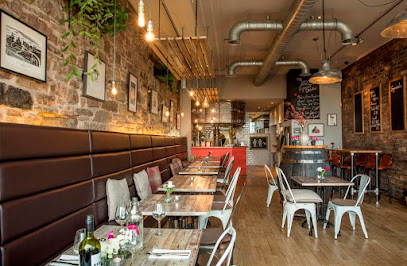
Howies Restaurant
0.1 km
Historic charm meets fresh Scottish flavors on Edinburgh’s iconic Victoria Street, offering seasonal dishes in a warm, relaxed setting.
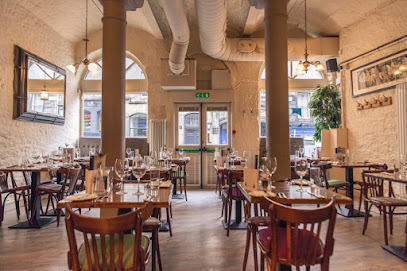
Ondine Restaurant
0.1 km
Edinburgh’s stylish seafood haven offering sustainable shellfish, fresh oysters, and elegant dining in a vibrant Old Town setting.
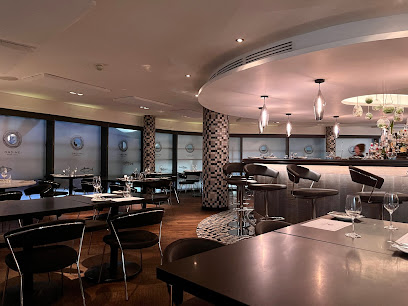
Maison Bleue
0.1 km
French-Moroccan dining in a historic Old Town setting with striking design and exceptional value.
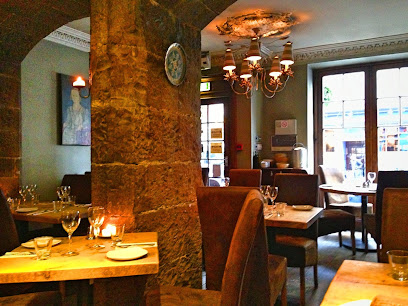
The Devil's Advocate
0.1 km
Discover the culinary delights at The Devil's Advocate – Edinburgh’s premier gastropub offering locally sourced dishes and an extensive drinks menu.
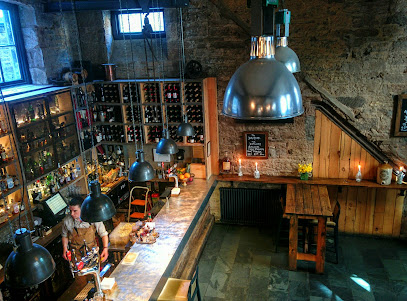
The Witchery by the Castle
0.2 km
A sumptuous gothic retreat on Edinburgh’s Royal Mile, blending historic grandeur with romantic luxury and award-winning Scottish cuisine.
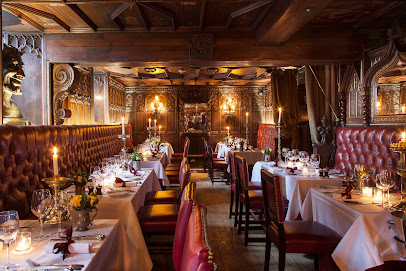
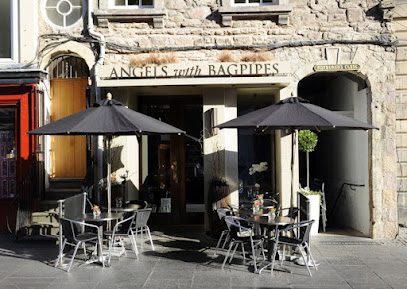
Angels with Bagpipes
0.2 km
Innovative Scottish small plates and seasonal delights in a cozy Old Town setting on Edinburgh’s historic Royal Mile.
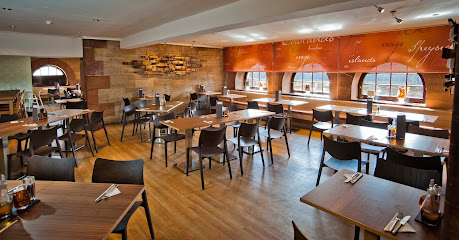
Amber Restaurant
0.2 km
Experience Scotland’s finest seasonal cuisine expertly paired with over 550 whiskies in the warm, amber-lit heart of Edinburgh’s Royal Mile.
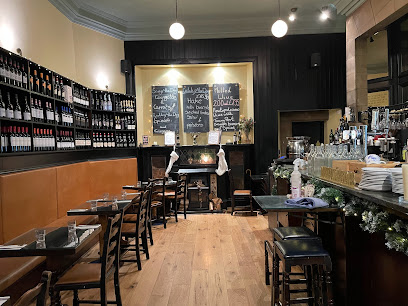
Ecco Vino
0.2 km
Intimate Italian wine bar serving exceptional fresh seafood and handmade pasta in Edinburgh's historic Old Town.
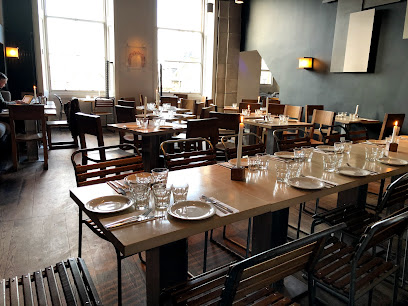
The Outsider Restaurant
0.2 km
Savor creative European cuisine with unbeatable Edinburgh Castle views in a lively, modern setting on George IV Bridge.
Under The Stairs
0.2 km
Discover Edinburgh’s cozy underground gem blending rustic charm, creative plates, and vibrant cocktails beneath George IV Bridge.
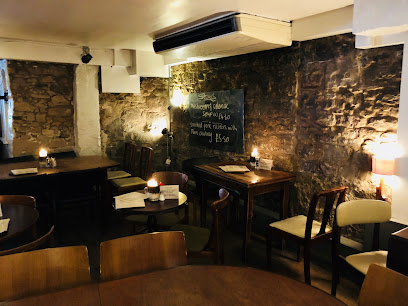
Divino Enoteca Italian Restaurant & Wine Bar
0.2 km
Elegant Italian dining and wine bar in Edinburgh’s Old Town, blending authentic flavors with a cozy, romantic ambiance.
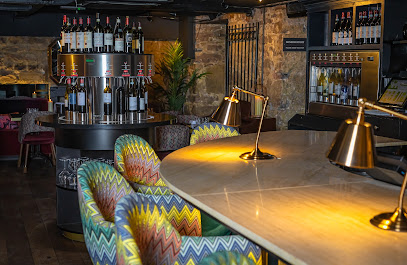
The Cellar Door
0.2 km
Discover modern Scottish cuisine in a cozy, historic underground setting beneath George IV Bridge in Edinburgh’s Old Town.
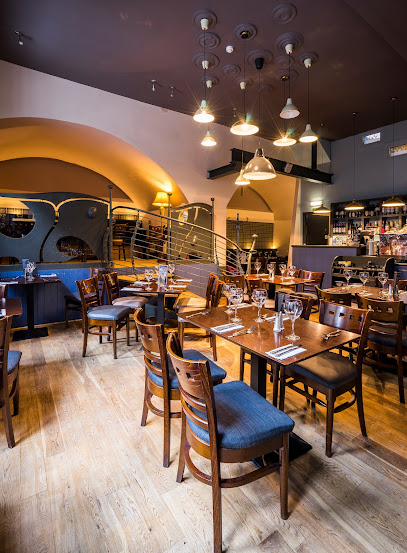
Beehive Inn
0.3 km
Historic pub and vibrant entertainment venue in Edinburgh’s Grassmarket, blending traditional Scottish charm with lively dining and comedy events.
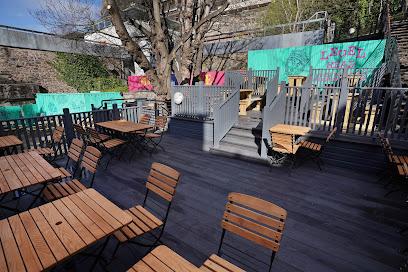
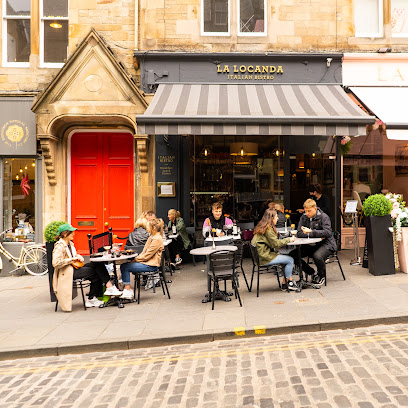
La Locanda Edinburgh
0.3 km
A cozy Italian bistro in Edinburgh’s Old Town, serving authentic, homemade pasta and wine in a warm, intimate setting.
Markets, malls and hidden boutiques

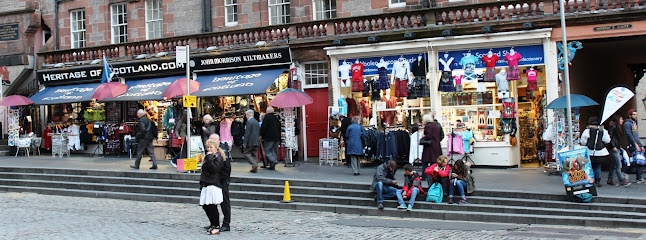
Heritage of Scotland
0.0 km
Discover authentic Scottish kilts, tartans, and treasures on Edinburgh's Lawnmarket, where Highland heritage meets Royal Mile magic in a shopper's delight.
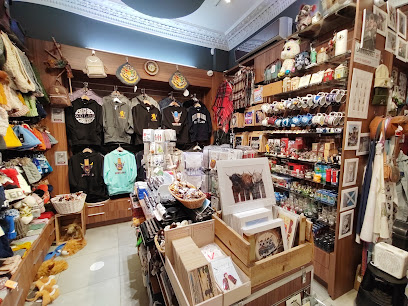
Olde Edinburgh
0.0 km
Independent Scottish gift shop on historic Lawnmarket, specializing in authentic local crafts and traditional shortbread.
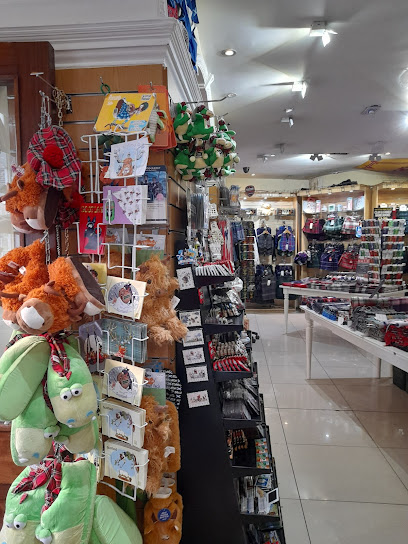
I Love Scotland
0.0 km
Discover affordable, authentic Scottish souvenirs and gifts in the heart of Edinburgh at I Love Scotland on Bank Street.
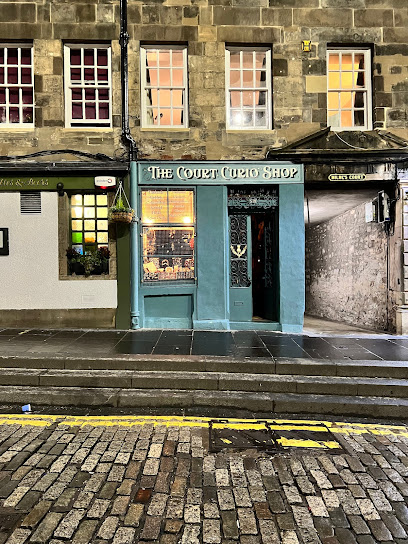
The Court Curio Shop
0.1 km
Discover unique Scottish gifts and artisan jewellery in the heart of Edinburgh’s historic Royal Mile at The Court Curio Shop.
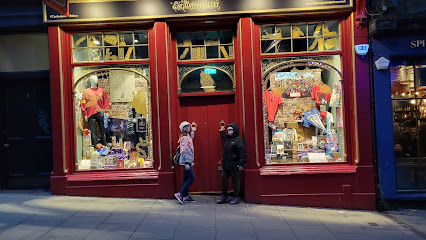
The Enchanted Galaxy
0.1 km
Dive into a wizarding wonderland on Victoria Street, where Harry Potter treasures and fantasy fandoms burst from every shelf in Edinburgh's most enchanting gift shop.
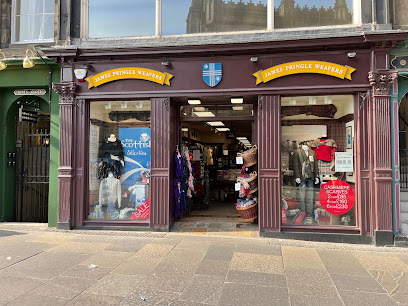
James Pringle Weavers of Inverness
0.1 km
Discover authentic Scottish textiles and menswear steeped in heritage on Edinburgh’s iconic Royal Mile.
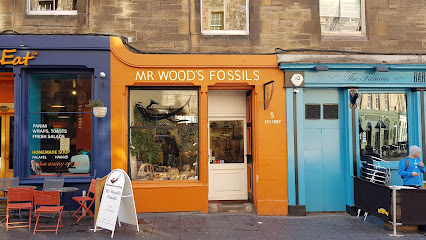
Mr Wood's Fossils
0.2 km
Discover rare fossils, minerals, and meteorites in Edinburgh’s iconic shop founded by legendary fossil hunter Stan Wood.
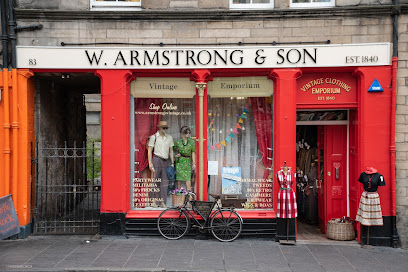
Armstrongs Vintage
0.2 km
Edinburgh's iconic vintage emporium in Grassmarket, brimming with bohemian dresses, chunky knits, and timeless treasures from decades past.
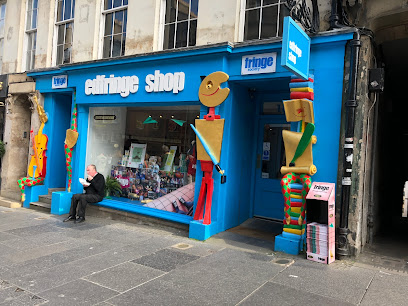
Fringe Shop
0.3 km
Official Edinburgh Festival Fringe Shop on the Royal Mile offering unique festival merchandise and cultural connection year-round.
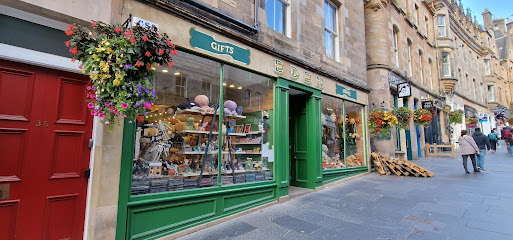
Eden
0.3 km
Discover authentic Scottish crafts and unique gifts in the heart of Edinburgh’s historic Cockburn Street at Eden.
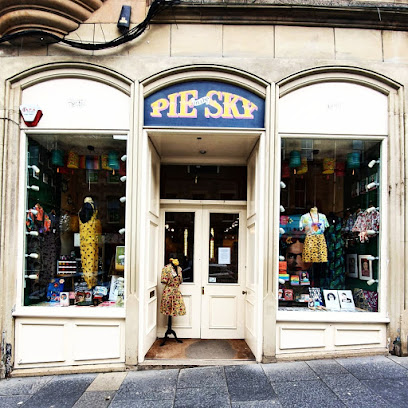
Pie In The Sky Ltd
0.3 km
Discover unique, creative clothing inspired by Scottish culture in the heart of Edinburgh’s historic Old Town.
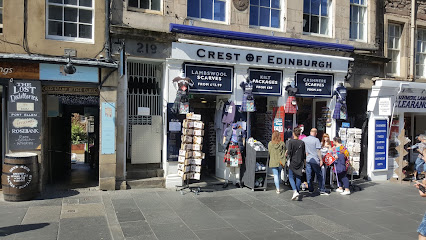
Crest Of Edinburgh
0.3 km
Discover authentic Scottish gifts, kilts, and fashion accessories in the heart of Edinburgh’s historic Royal Mile.
Great Scot
0.3 km
Discover authentic Scottish heritage and craftsmanship at Great Scot, a vibrant gift shop on Edinburgh’s iconic Princes Street.

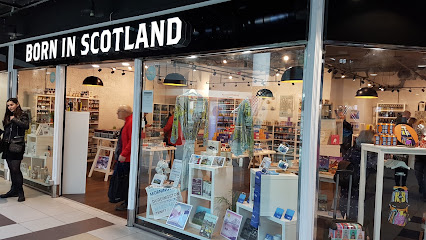
Born In Scotland - Edinburgh Waverly Mall
0.4 km
Authentic Scottish gifts blending tradition and playful modernity in Edinburgh’s Waverly Mall, perfect for meaningful keepsakes and souvenirs.
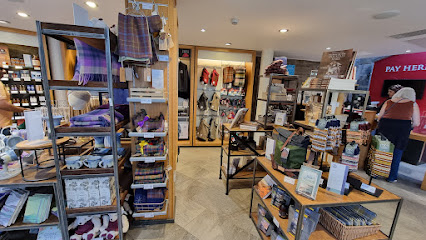
Portcullis Gift Shop
0.4 km
Edinburgh Castle’s largest gift shop, offering exclusive Scottish crafts, clan gifts, and souvenirs in a historic setting.
Essential bars & hidden hideouts

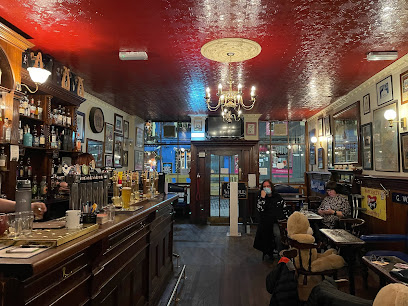
The Bow Bar
0.1 km
A historic Old Town pub famed for its vast whisky selection, traditional ales, and authentic Scottish atmosphere.
The Wee Pub - The Smallest Pub in Scotland
0.2 km
Discover Scotland’s smallest pub in Edinburgh’s Grassmarket—a cosy, whisky-rich haven perfect for intimate gatherings and private celebrations.
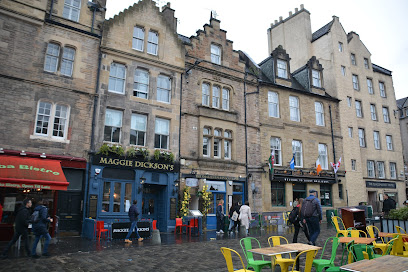
The Oz Bar
0.3 km
A lively, affordable pub in Edinburgh’s city center with friendly staff, Australian flair, pool tables, and a relaxed, welcoming atmosphere.
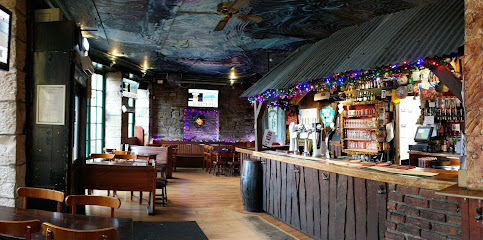
The Three Sisters
0.3 km
A legendary Edinburgh bar and live venue famed for its vibrant atmosphere, historic roots, and nonstop entertainment on Cowgate.
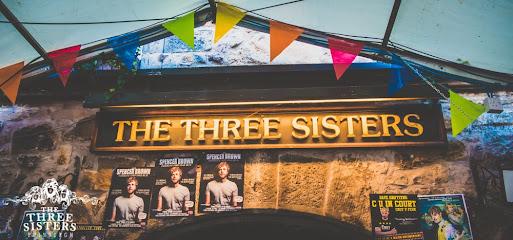
Frankenstein
0.3 km
Step into the gothic world of Mary Shelley’s Frankenstein in a unique bar set within a historic church on Edinburgh’s iconic George IV Bridge.
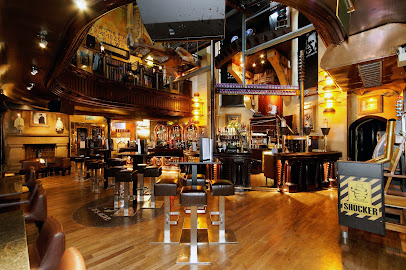
Copper Still
0.3 km
Cozy Royal Mile retreat dishing fresh Scottish eats and drams amid buskers and historic vibes – from breakfast brekkie to late-night cocktails.
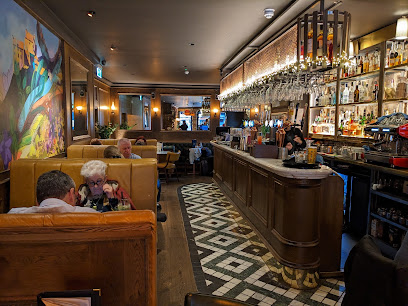
Arcade Bar Haggis & Whisky House, celebrating 20 years of serving The Best Haggis in Town!
0.3 km
Cozy Edinburgh bar serving renowned haggis and over 100 whiskies in a warm, traditional Scottish setting with hearty portions and friendly vibes.
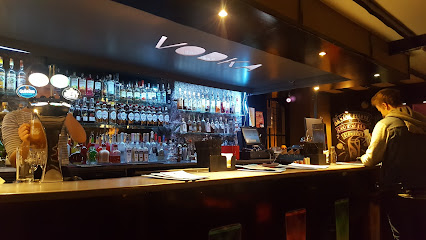
Hoot The Redeemer
0.4 km
A quirky, tarot-themed cocktail bar in Edinburgh offering inventive drinks, playful games, and a lively, intimate atmosphere.
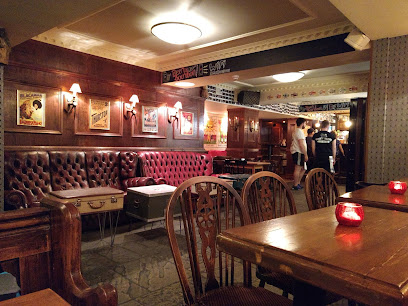
Whistlebinkies
0.4 km
Edinburgh’s legendary underground live music bar offering free entry, vibrant bands, and a cozy vaults atmosphere every night until the early hours.
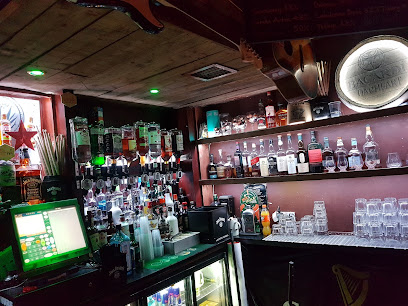
Cask
0.4 km
Discover Cask: Edinburgh's rooftop cocktail bar offering stunning views, innovative drinks, and delectable small plates in a vibrant atmosphere.
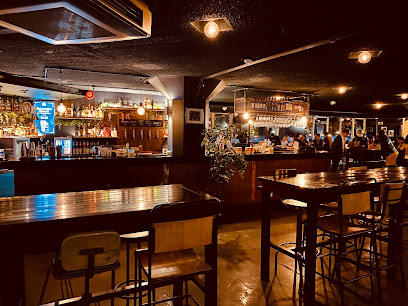
The Banshee Labyrinth
0.4 km
Discover Scotland’s most haunted pub, a labyrinth of eerie vaults and lively entertainment beneath Edinburgh’s Old Town.
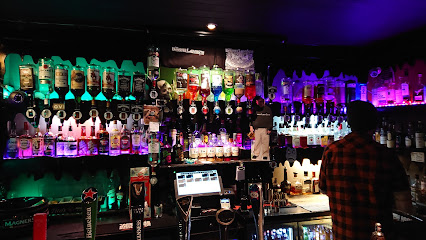
Royal Mile Tavern
0.4 km
Traditional Scottish pub on Edinburgh’s historic Royal Mile with over 100 whiskies, hearty fare, and nightly live music until 1am.
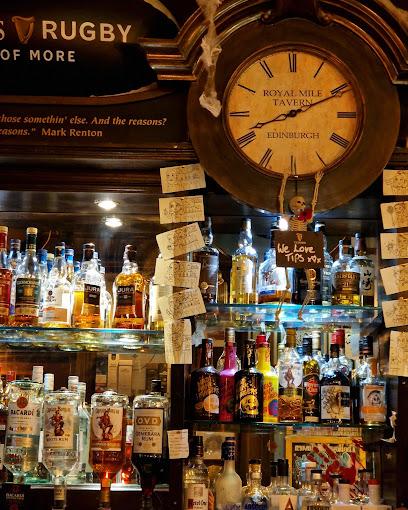
Ballie Ballerson
0.5 km
Edinburgh’s iconic ball pit cocktail bar blending playful fun, creative drinks, and vibrant nightlife in a historic setting.
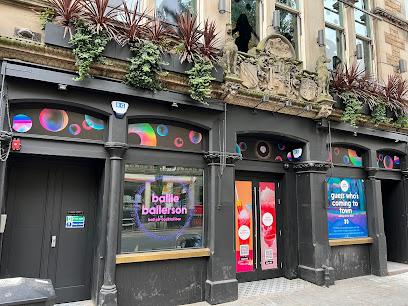
Whiski Bar & Restaurant
0.5 km
A cosy Royal Mile whisky bar with 300+ Scotch malts, hearty Scottish food and nightly live music in Edinburgh’s Old Town.
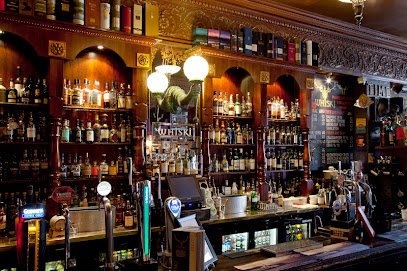
The Voodoo Rooms
0.5 km
Edinburgh's clandestine Victorian lair of cocktails, cabaret, and live tunes in opulent, hidden chambers.
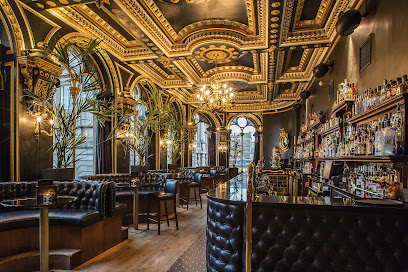
Nightclubs & after hour spots

The Liquid Room
0.1 km
Edinburgh's multi-level nightlife gem: techno thumps, live gigs, and warehouse vibes on historic Victoria Street.
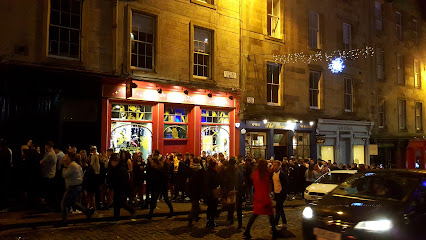
The Bongo Club
0.2 km
Edinburgh’s underground hotspot blending eclectic music, live art, and a vibrant late-night scene in the historic Old Town.

Legends
0.2 km
Edinburgh’s only 24/7 rock nightclub, Legends pulses with raw energy and live alternative music in the heart of Cowgate.
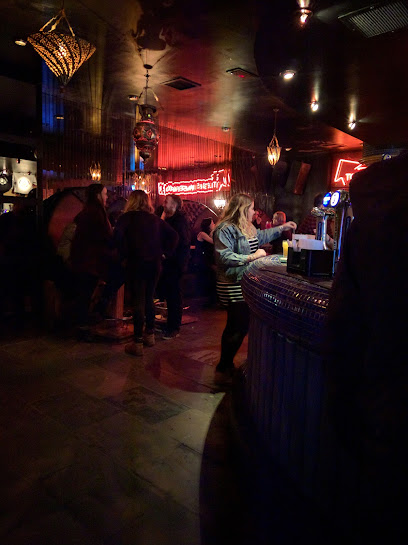
Sneaky Pete's
0.2 km
Intimate live music and club nights in Edinburgh’s Old Town, where emerging talent meets vibrant nightlife.
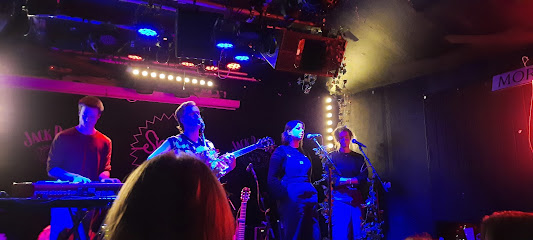
The Mash House
0.4 km
A vibrant Edinburgh nightclub and live music venue blending folk, electronic, and techno in a lively, casual setting.

La Belle Angele
0.4 km
Edinburgh’s intimate nightclub and live music venue blending historic charm with vibrant themed nights and diverse performances.
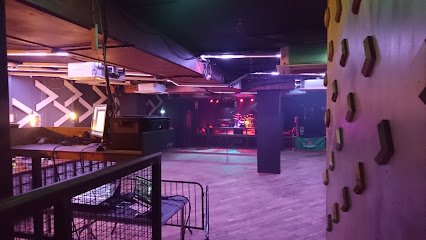
Cabaret Voltaire
0.4 km
Vaulted live-music rooms and a relaxed upstairs bar—Cabaret Voltaire is Edinburgh’s atmospheric hub for alternative gigs and late-night clubbing.
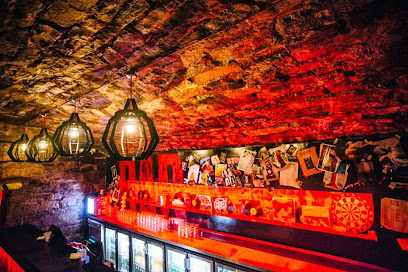
The Hive Nightclub & Venue
0.4 km
Edinburgh's gritty Cowgate nightclub: cheap drinks, multi-room beats, and non-stop energy until 3am in the heart of Old Town.

El Barrio Latino
0.4 km
Edinburgh's sizzling Latin nightclub where salsa beats pulse through New Town nights, drawing dancers to its vibrant Hanover Street heart until the early hours.
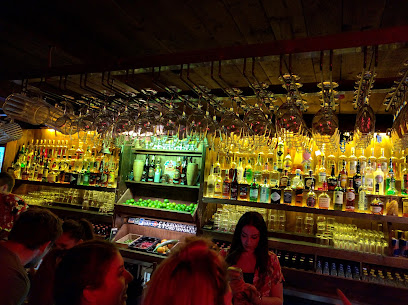
Shanghai Nightclub
0.4 km
Edinburgh's Oriental nightlife den: Asian decor, themed beats, VIP vibes, and non-stop energy on George Street.
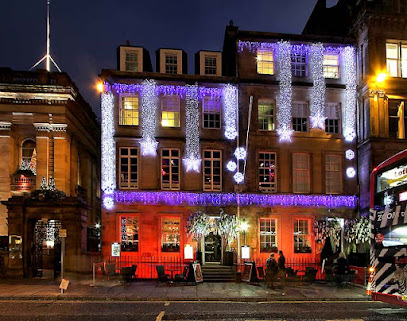
Why Not Nightclub
0.5 km
Edinburgh's multi-award-winning late-night haven with LED immersion, garden vibes, and non-stop beats on George Street.

Opal Lounge
0.5 km
A stylish live music bar and nightclub in Edinburgh’s New Town, perfect for celebrations and vibrant nightlife.
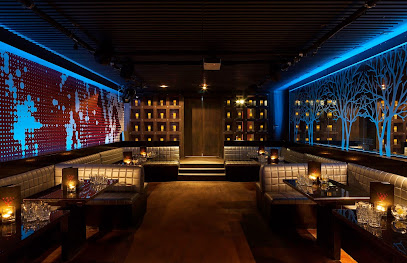
The Shack Retro Bar & Club
0.6 km
Edinburgh's retro dance den blasting 60s-90s hits amid quirky decor and sweaty dance floors—pure nostalgic escapism on Rose Street.

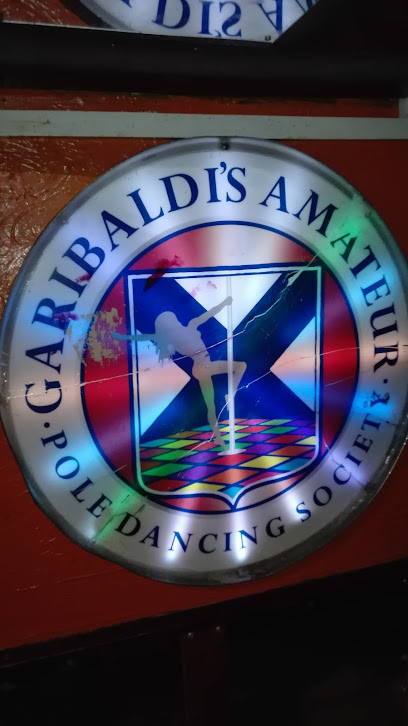
Garibaldi's
0.6 km
Edinburgh's tiniest nightclub packs the biggest late-night punch on Hanover Street, with killer margaritas and a dance floor that never quits till 3am.
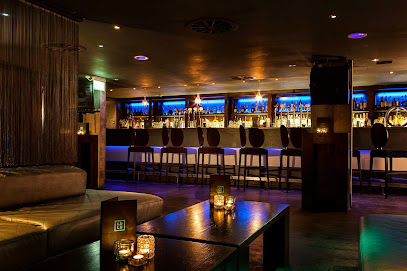
Lulu Bar and Nightclub
0.8 km
Edinburgh's George Street gem: chic cocktails, thumping beats, and dance floors that ignite the night in upscale style.
For the vibe & atmosphere seeker
- Romantic
- Tranquil
- Scenic
- Unique
- Quirky
For the design and aesthetic lover
- Vintage Styles
- Rustic Designs
- Art Deco Styles
For the architecture buff
- Historic
- Landmarks
- Heritage Neighborhoods
For the view chaser and sunset hunter
- Iconic Views
- Panoramas
For the social media creator & influencer
- Instagrammable
- Photo Spots
- Aesthetic Corners
- Architectural Shots
For the eco-conscious traveler
- Protected Area
- Locally Managed
For the kind of experience you’re after
- Cultural Heritage
- Photowalk
- Day Trip
For how adventurous you want the journey to be
- Easy Access
Location Audience
- Family Friendly
- Senior Friendly
- Solo Friendly
- Couple Friendly


