

Chastleton House: A Timeless Jacobean Treasure in the Cotswolds
Step back in time at Chastleton House, a Jacobean gem where history lives on in its timeless interiors and peaceful, historic gardens.
Chastleton House is a remarkably well-preserved Jacobean manor near Moreton-in-Marsh, Oxfordshire, embodying over 400 years of history with its original interiors and collections largely intact. Surrounded by intimate, walled gardens where the rules of croquet were codified, this National Trust property offers visitors a rare glimpse into England’s past with its atmospheric rooms, historic textiles, and tranquil outdoor spaces.
A brief summary to National Trust - Chastleton House
- Moreton-in-Marsh, Chastleton, GL56 0SU, GB
- +441608674981
- Visit website
- Duration: 1.5 to 3 hours
- Mid ranged
-
 Outdoor
- Mobile reception: 4 out of 5
- Wednesday 1 pm-5 pm
- Thursday 1 pm-5 pm
- Friday 1 pm-5 pm
- Saturday 1 pm-5 pm
- Sunday 1 pm-5 pm
Local tips
- Visit between March and October, Wednesday to Sunday afternoons, as the house is closed in winter and on Mondays and Tuesdays.
- Try a game of croquet on the historic lawns where the modern rules of the sport were codified.
- Explore the intimate garden ‘rooms’ including the Best Garden and Kitchen Garden, where seasonal produce is sometimes available for purchase.
- Check for refreshments offered nearby in the local church on open days, as there is no official café on site.
- Wear comfortable shoes and be prepared for a walk from the car park; accessible parking is available closer to the house for those with mobility needs.

For the on-the-go comforts that matter to you
- Restrooms
- Seating Areas
- Information Boards
- Visitor Center
Getting There
-
Car
Driving from Moreton-in-Marsh takes approximately 15-20 minutes via local roads. Accessible parking is available near the house for visitors with mobility needs. Parking is free but limited, so plan accordingly.
-
Bus
Local bus services connect Moreton-in-Marsh to nearby villages; from Moreton-in-Marsh station, a taxi or a 30-minute walk across countryside paths leads to Chastleton House. Bus frequency is limited, so check schedules in advance.
-
Train and Taxi
The nearest train station is Moreton-in-Marsh on the Cotswold Line. From there, a taxi ride of about 10 minutes will bring you to Chastleton House. Taxi fares typically range from £10 to £15.
National Trust - Chastleton House location weather suitability
-
 Any Weather
-
 Clear Skies
-
 Mild Temperatures
-
 Rain / Wet Weather
Discover more about National Trust - Chastleton House
Architectural Grandeur Frozen in Time
Chastleton House, built between 1607 and 1612 by Walter Jones, stands as a magnificent example of Jacobean architecture, showcasing the social aspirations of its original owners. Its Cotswold stone exterior, complete with towers, turrets, and chimneys, presents a striking silhouette against the Oxfordshire countryside. Inside, the house remains largely unchanged for over four centuries, preserving original features such as the longest-surviving barrel-vaulted ceiling in England, ornate woodwork, and grand chimneypieces. The interiors reveal a fascinating contrast between opulent rooms like the Great Chamber and more intimate spaces such as the White Parlour, reflecting the varied uses and moods of the house throughout history.A Living Time Capsule of Family and History
The house stayed in the same family for nearly 300 years, enabling it to retain an authentic atmosphere of romantic neglect. Visitors encounter a unique blend of Jacobean grandeur and 20th-century bohemian touches introduced by Barbara and Alan Clutton-Brock, who moved in during the 1950s. Their influence is evident in the presence of contemporary books, records, and paintings by Alan, enriching the narrative of the house’s continuous habitation. The collection includes nationally significant textiles, rare Jacobite glassware, and family portraits, all contributing to the house’s role as a treasure trove of English heritage.Gardens of Intimacy and Recreation
Encased within high protective walls, the gardens at Chastleton are divided into distinct ‘rooms’ that offer a peaceful retreat. The Best Garden, Kitchen Garden, Wilderness Walk, and croquet lawns each provide different experiences, from tranquil strolls to active play. Notably, the croquet lawns hold historical significance as the place where the modern rules of croquet were codified. Visitors can often play a game here during the open season. The Kitchen Garden produces seasonal fruits and flowers, some of which are available for purchase, enhancing the connection between the estate’s past and present.Preservation Philosophy and Visitor Experience
The National Trust’s approach at Chastleton emphasizes conservation over restoration, maintaining the house’s condition as it was found, including signs of wear and aging. This philosophy allows visitors to experience the authentic atmosphere of a lived-in historic home rather than a museum. Conservation tours offer insights into the delicate balance of preserving the house and its collections. The nearby parish church and occasional refreshments sold there by local charities add to the community feel of the site.Seasonal Access and Practical Details
Chastleton House and its gardens are open from Wednesday to Sunday, 1pm to 5pm, between March and October, with last entry at 4pm. The property closes for the winter months to protect its delicate interiors and gardens. Accessibility is thoughtfully addressed with parking closer to the house for those with mobility issues, a wheelchair available for ground floor access, and accessible toilets. While there is no official National Trust café, refreshments are offered nearby on certain days, supporting local charities.Legacy and Cultural Significance
Chastleton House stands as a rare and evocative example of Jacobean architecture and English country life, preserved with a unique spirit of authenticity. Its intimate gardens, historic interiors, and the story of its long-resident families provide a rich cultural heritage experience. The house not only tells the story of wealth and status but also of endurance, change, and the passage of time, making it a compelling destination for history enthusiasts and those seeking a tranquil escape in the Cotswolds.Iconic landmarks you can’t miss

Bliss Tweed Mill
6.1 km
A striking Victorian tweed mill in Chipping Norton, blending industrial heritage with elegant architecture and scenic Cotswold views.

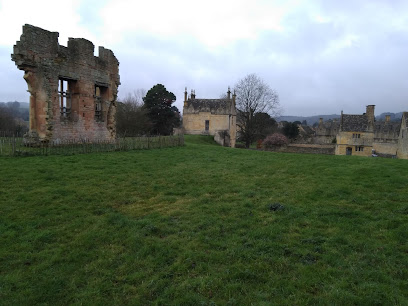
Old Campden House
13.8 km
Explore the evocative ruins and Jacobean heritage of Old Campden House, a grand 17th-century mansion touched by history and time.
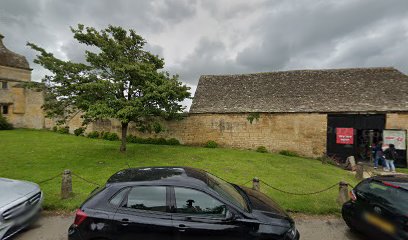
West Banqueting House
13.9 km
Experience the grandeur of Jacobean England in West Banqueting House, a beautifully preserved historic retreat in the heart of Chipping Campden.
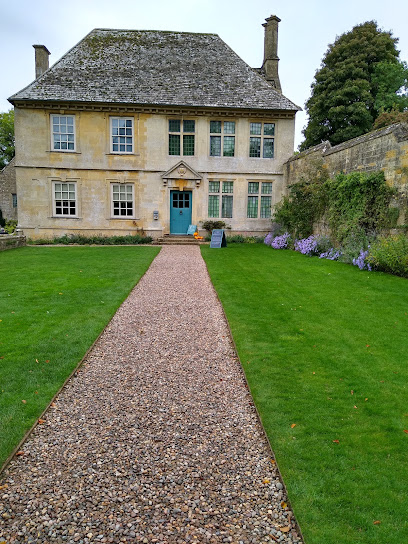
National Trust - Snowshill Manor and Garden
16.1 km
Explore the historical charm and natural beauty of Snowshill Manor and Garden, a hidden gem in the Cotswolds inviting travelers to experience English heritage.
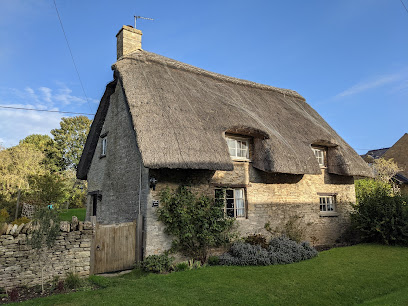
Undiscovered Cotswolds
19.2 km
Discover the natural beauty and rich history of the Undiscovered Cotswolds, a unique tourist destination perfect for your next adventure.
Minster Lovell Hall and Dovecote
19.3 km
Explore the enchanting ruins of Minster Lovell Hall and Dovecote, a historical gem in the Cotswolds offering picturesque views and rich heritage.
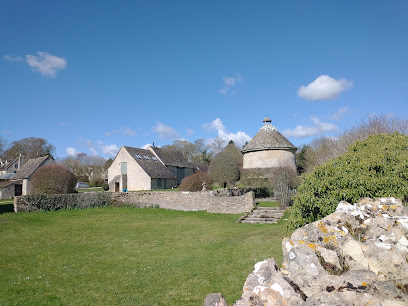
National Trust - Lodge Park and Sherborne Park Estate
19.7 km
Experience the beauty and history of Lodge Park and Sherborne Park Estate, a stunning historical landmark in the heart of Gloucestershire's countryside.

Hailes Abbey
19.7 km
Discover the serene beauty and rich history of Hailes Abbey, a stunning Cotswolds gem that transports visitors back to medieval times.
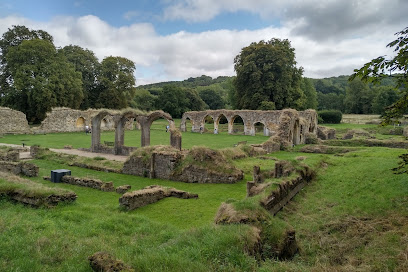
Hailes Church
19.8 km
Explore the medieval Hailes Church and evocative ruins of Hailes Abbey, a royal-founded pilgrimage site famed for the Holy Blood relic.
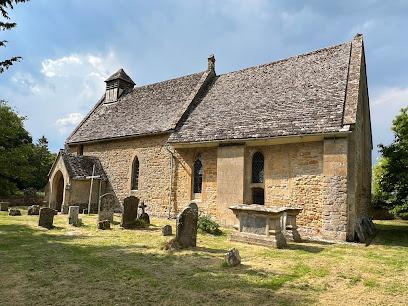
Church of St Peter and St Paul, Northleach
19.9 km
The 'Cathedral of the Cotswolds'—a 15th-century masterpiece built by wool merchants at the height of medieval prosperity.
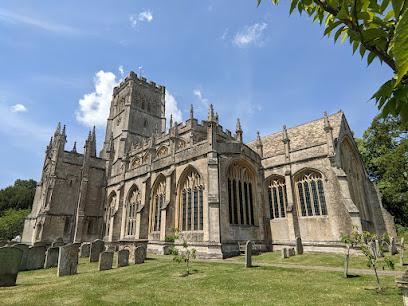
North Leigh Roman Villa
20.1 km
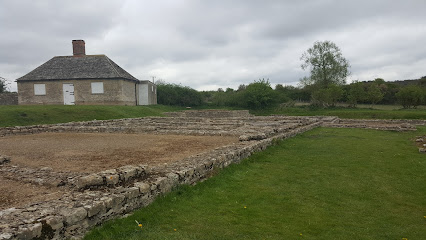
Explore North Leigh Roman Villa, a remarkable site showcasing the grandeur of ancient Roman life in the heart of England.
Cotswold Wildlife Park & Gardens
20.8 km
Discover Cotswold Wildlife Park & Gardens, a beautiful sanctuary for wildlife enthusiasts, families, and nature lovers in the heart of the Cotswolds.

Sudeley Castle Gardens
21.6 km
Discover the breathtaking beauty and rich history of Sudeley Castle Gardens, a must-visit gem in the heart of the Cotswolds.

Sudeley Castle
21.7 km
Explore Sudeley Castle, a historical landmark in the Cotswolds, rich in royal history, stunning gardens, and family-friendly activities.

Belas Knap Long Barrow
22.9 km
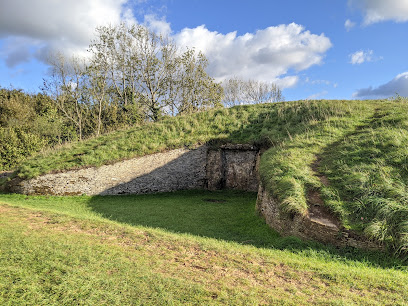
A 5,000-year-old Neolithic mystery carved in stone, where ancient rituals and timeless Cotswolds views converge.
Unmissable attractions to see

Daylesford Organic
3.4 km
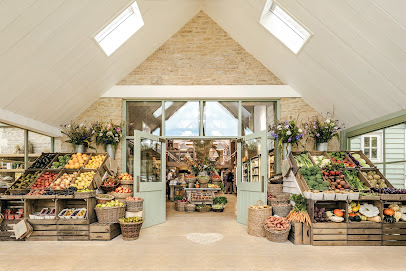
Experience sustainable farming, organic dining, and wellness in the idyllic Cotswolds at Daylesford Organic Farm.
The Rollright Stones
5.1 km
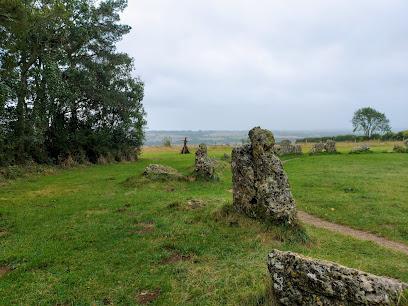
Explore the enigmatic Rollright Stones, a trio of ancient megaliths steeped in legend and prehistoric ritual on the Oxfordshire-Warwickshire border.
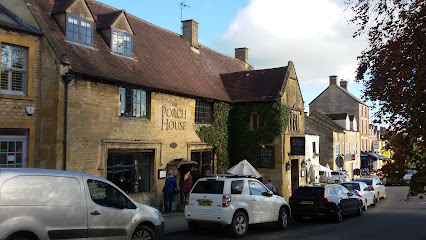
The Porch House
6.5 km
Experience England’s oldest inn, The Porch House, where medieval history meets modern comfort in the heart of the Cotswolds.
Market Square
6.6 km
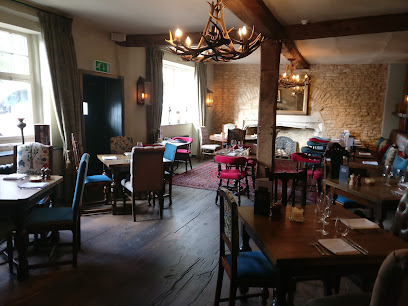
Historic Market Square at the heart of Stow-on-the-Wold, where centuries of trade, architecture, and English rural charm converge.

Cotswolds AONB
6.6 km
Explore the Cotswolds AONB: rolling hills, honey-hued villages, and timeless English countryside charm across nearly 800 square miles.
St Edward's Church
6.6 km
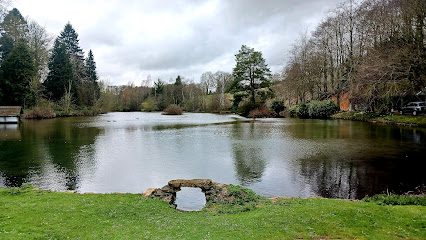
Discover the medieval charm and legendary Tolkien Door of St Edward's Church, a historic gem in the heart of Stow-on-the-Wold.
Cotswold Falconry Centre
7.7 km
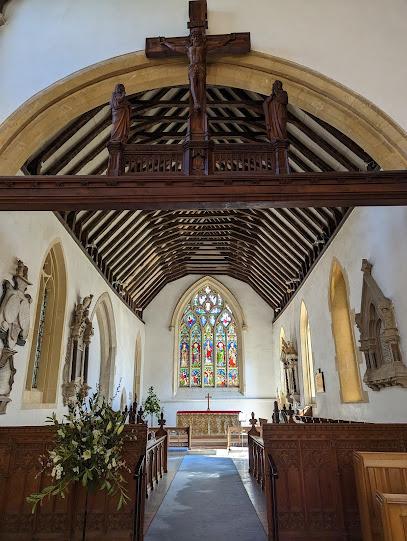
Discover the majesty of birds of prey through thrilling displays and close encounters at the Cotswold Falconry Centre in scenic Batsford.
Bourton House Garden
7.8 km
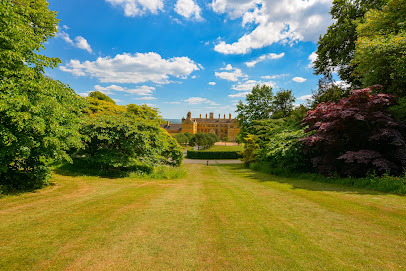
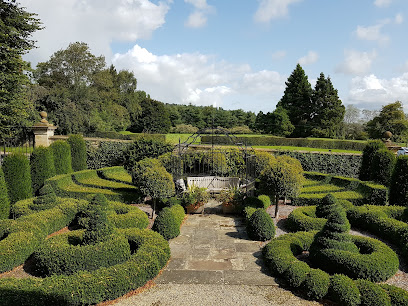
Explore the tranquil elegance of Bourton House Garden, a historic Cotswold gem with exquisite topiary, a White Garden, and stunning countryside views.
Lady’s Well
7.9 km
Discover the tranquil Lady’s Well in Lower Swell, a historic holy spring famed for its healing waters and timeless spiritual traditions.

Cotswold Barn
7.9 km
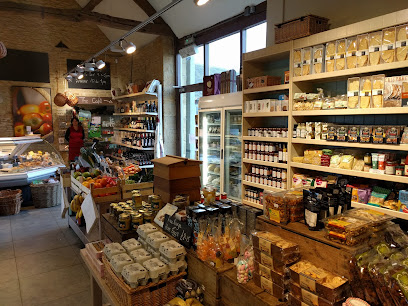
Charming family-run café and gift shop in a rustic barn with scenic countryside views and lively motor events in the North Cotswolds.
Sezincote House & Garden
7.9 km
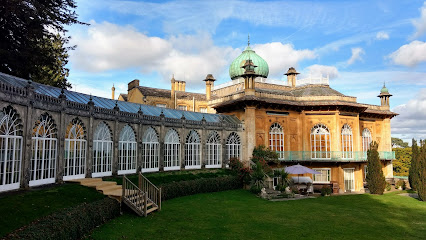
Discover Sezincote, a breathtaking Mughal-style Indian palace and romantic garden nestled in the heart of the Cotswolds.
Foxholes
8.3 km
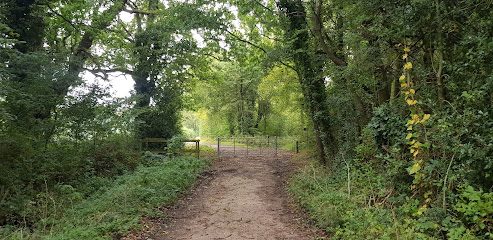
Ancient woodland sanctuary famed for spring bluebells, diverse fungi, abundant wildlife, and tranquil riverside meadows in Oxfordshire.
Cotswolds Distillery Visitor Centre
8.9 km
Discover the art of whisky and gin crafting at the scenic Cotswolds Distillery, where tradition meets innovation in the heart of Warwickshire.
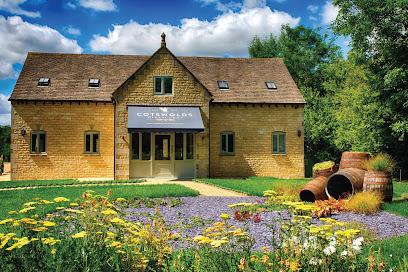
The Feathered Nest Country Inn
9.0 km
A charming country inn in Nether Westcote offering refined dining, cozy accommodations, and breathtaking Cotswold views.
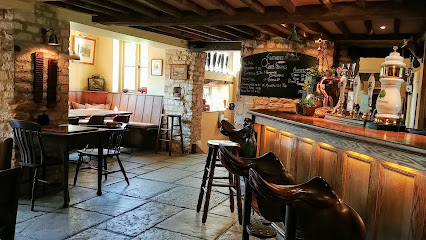
Fairytale Farm
9.1 km
Discover a magical farm adventure with fairy tale play areas, friendly animals, and enchanting events for the whole family near Chipping Norton.
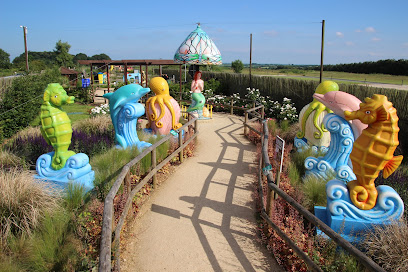
Essential places to dine

The Kingham Plough
5.1 km
A charming Cotswold village inn blending traditional character with modern British cuisine and stylish comfort in the heart of Kingham.

The Wild Rabbit
5.3 km
Charming Georgian inn in Kingham offering refined British cuisine, eco-conscious hospitality, and stylish countryside retreats in the heart of the Cotswolds.
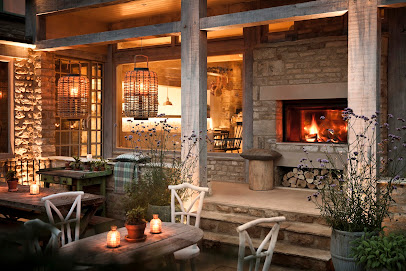
The Chequers, Cotswolds
6.0 km
A stylish Cotswold gastropub in Churchill, serving elevated pub classics in a warm, lively atmosphere with a lovely garden and a strong local following.

The Old Butchers
6.5 km
A family-run gem in Stow-on-the-Wold offering exquisite European cuisine in a warm, historic setting with exceptional seafood and steaks.
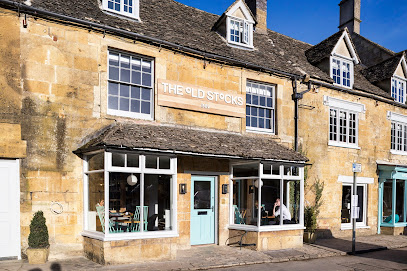
The Old Stocks Inn
6.5 km
Charming 17th-century boutique inn with refined British dining, cozy bar, and elegant rooms in the heart of Stow-on-the-Wold’s historic market square.
Whistlers Restaurant
6.8 km
Whistlers Restaurant offers vibrant modern British dining with fresh ingredients, lively atmosphere, and a welcoming bar in Chipping Norton.

the scenic supper
7.7 km
Experience farm-to-table dining in a stunning Cotswold glasshouse with seasonal menus and panoramic countryside views.
Horse and Groom
8.2 km
Quintessential Cotswolds pub with hearty British fare, cozy rooms, and stunning countryside views in Bourton-on-the-Hill.
The Rose Tree Restaurant
11.7 km
Charming riverside British dining in a historic Cotswold cottage with cozy interiors and scenic garden views.

The Croft Restaurant
11.7 km
A charming riverside restaurant in Bourton-on-the-Water serving fresh, locally sourced English cuisine in a welcoming and scenic setting.

The Ebrington Arms
12.6 km
A timeless Cotswold village pub offering rustic charm, gourmet dining, and cozy country accommodation in idyllic Ebrington.
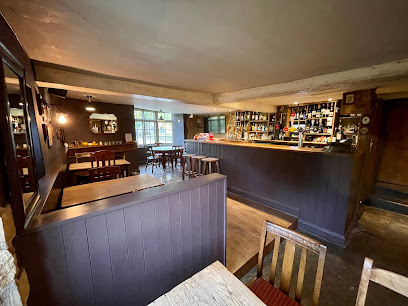
Fig Restaurant, Campden
14.0 km
A stylish modern European restaurant in Chipping Campden, serving seasonal dishes and elegant afternoon tea within the Cotswold House Hotel & Spa.
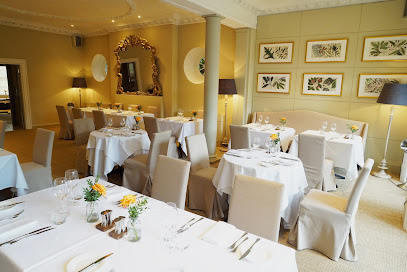
The Halfway at Kineton
15.3 km
A charming 17th-century Cotswold pub blending rustic ambiance with refined seasonal British cuisine and warm hospitality.
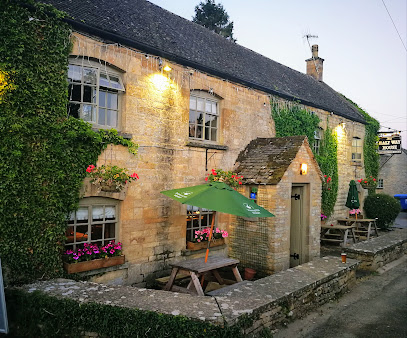
The Shed
15.7 km
A relaxed Cotswold bar and restaurant with roaring fires, local food, and a convivial atmosphere, perfect for drinks, light meals, and easygoing evenings.
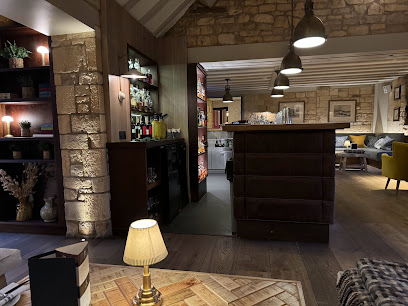
The Back Garden
15.7 km
Elegant garden-inspired dining at Dormy House, blending Cotswold produce with Mediterranean flair in a sunlit, serene setting.
Markets, malls and hidden boutiques

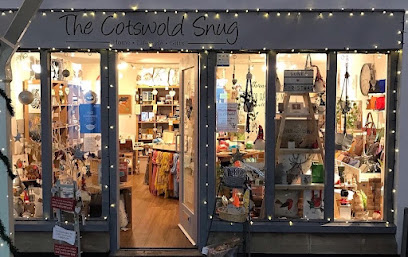
The Cotswold Snug
5.5 km
Discover authentic Cotswold crafts and gifts in a cozy, welcoming shop nestled in the heart of Moreton-in-Marsh’s historic High Street.
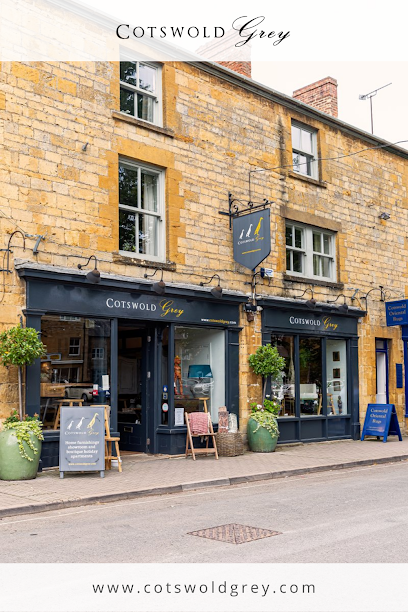
Cotswold Grey
5.6 km
Discover rustic elegance and expert interior design at Cotswold Grey, Moreton-in-Marsh’s premier home furniture and décor destination.
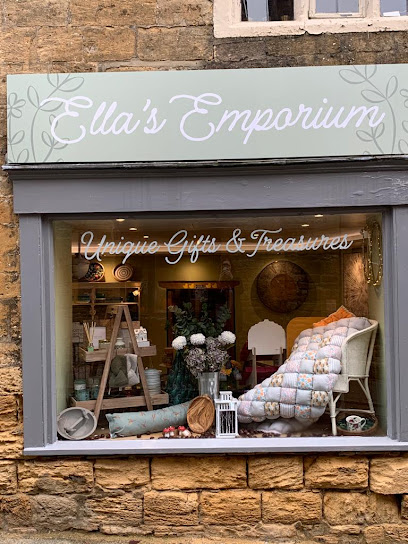
Ella's Emporium
6.5 km
A charming Cotswold gift shop with handmade fudge, unique homewares, and a warm, welcoming atmosphere in the heart of Stow-on-the-Wold.
The Curated Store
6.6 km
Discover unique vintage fashion, artisan homewares, and timeless treasures in the heart of Stow-on-the-Wold’s charming market square.
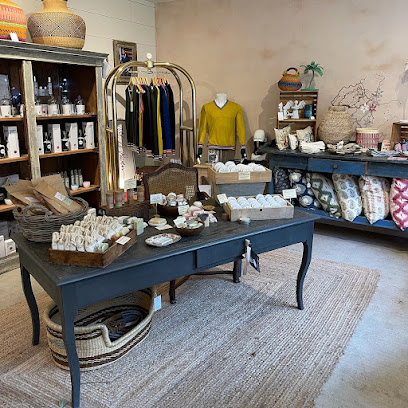
The Cotswold Company (Flagship Store)
6.7 km
Step into a beautifully styled Cotswold home at The Cotswold Company’s flagship store in Stow-on-the-Wold, where timeless furniture and homewares come to life.
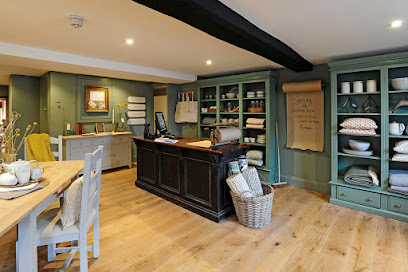
Cotswold Hipster
9.7 km
Handcrafted artisan leather bags and stylish dog accessories blending vintage charm with modern functionality in Chipping Norton.
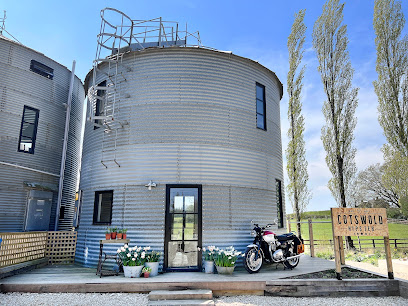
Cotswold Picture Shop
11.3 km
Discover authentic Cotswold art and unique gifts in a charming Bourton-on-the-Water boutique open daily until midnight.

Chestnuts Fashion Fix
11.6 km
Discover unique vintage-inspired fashion and accessories in the heart of Bourton-on-the-Water’s charming High Street.

Cotswold China & Cookware
11.6 km
Discover exquisite British chinaware and cookware in a charming boutique nestled in the heart of Bourton-on-the-Water.

The Cotswold Shop
11.6 km
Charming boutique offering handcrafted gifts and traditional sweets in one of Bourton-on-the-Water’s oldest buildings.
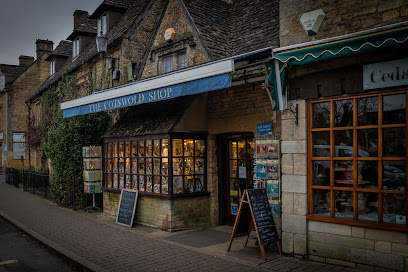
Quirky
11.6 km
Discover unique gifts and local artisan treasures in the heart of Bourton-on-the-Water’s charming High Street.
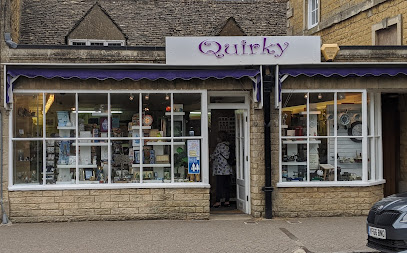
The Lodestone
11.7 km
Discover dazzling crystals and minerals with expert guidance in the heart of charming Bourton-on-the-Water.

Cotswold Perfumery
11.7 km
Experience bespoke English fragrances, immersive perfume courses, and luxury riverside stays in the historic heart of Bourton-on-the-Water.

Caboodle
11.8 km
Handcrafted treasures and local artisan finds in the heart of picturesque Bourton-on-the-Water.
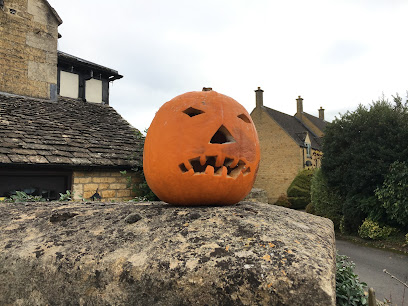
Cotswold Food Hampers
14.0 km
Discover premium handcrafted gourmet hampers celebrating the rich flavors and traditions of the Cotswolds in historic Chipping Campden.
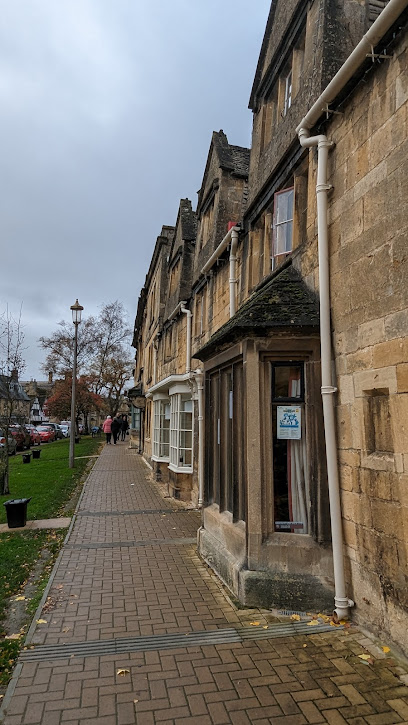
Essential bars & hidden hideouts

The Fox at Oddington
3.5 km
Historic 16th-century Cotswold pub blending rustic charm with organic cuisine and cozy countryside stays in Lower Oddington.
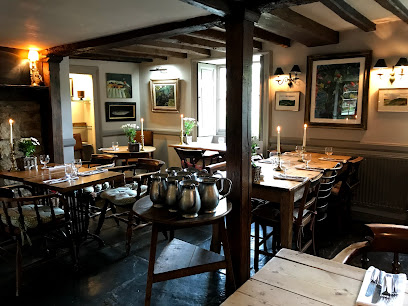
Sheep on Sheep Street
6.5 km
Historic charm meets modern comfort at The Sheep on Sheep Street, a vibrant inn and pub in the heart of Stow-on-the-Wold.
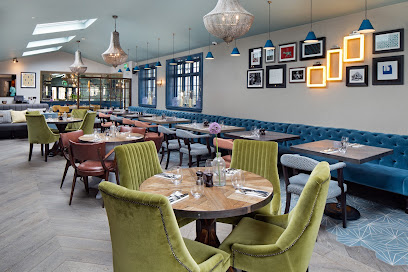
The Coach & Horses
7.0 km
A cosy, traditional Cotswold pub in Longborough serving hearty fare, local ales, and welcoming guests with charming B&B rooms.
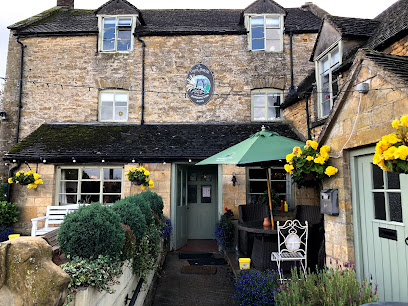
Kingsbridge
11.7 km
A classic riverside pub in Bourton-on-the-Water offering hearty British fare, cask ales, and warm hospitality in a scenic Cotswold village setting.

The Lamb Inn
12.1 km
Historic 17th-century coaching inn in Oxfordshire’s Cotswolds, blending rustic charm, hearty British cuisine, and cozy guest rooms.

The Bakers Arms
12.6 km
A timeless Cotswold pub offering hearty fare and warm hospitality in the heart of Broad Campden’s historic village.
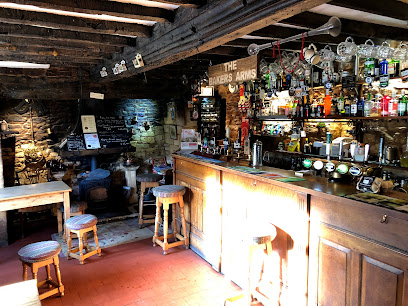
Eight Bells Inn
13.9 km
Historic 14th-century inn with cozy rooms, classic pub fare, and a warm, dog-friendly atmosphere in the heart of Chipping Campden.
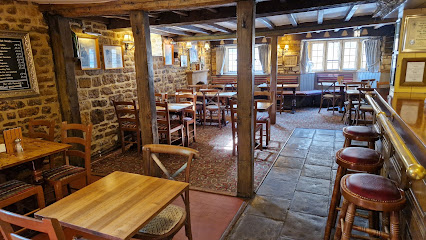
The Howard Arms Ilmington
15.0 km
A charming 400-year-old Cotswold inn blending historic warmth, fine dining, and stylish comfort in the heart of Ilmington village.
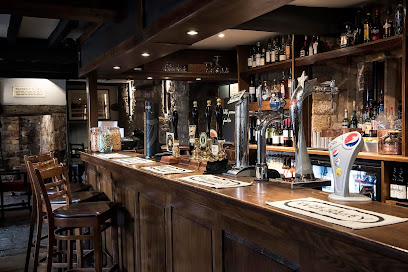
Snowshill Arms
15.8 km
Authentic Cotswold pub offering hearty fare, friendly service, and a welcoming atmosphere in the picturesque village of Snowshill.
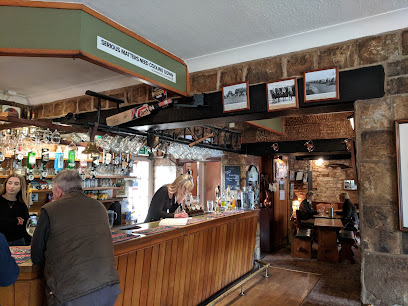
Hollow Bottom
16.2 km
A historic Cotswold pub blending hearty local fare, warm hospitality, and scenic countryside charm in the heart of Guiting Power.
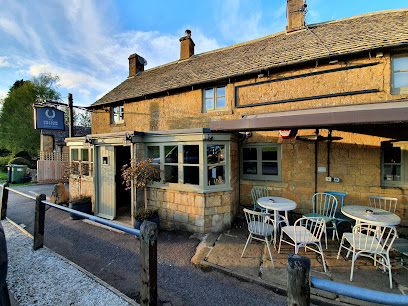
The Cotswold Arms
16.8 km
Historic 15th-century pub in Burford blending local ales, homemade food, live music, and a cozy beer garden for all ages.
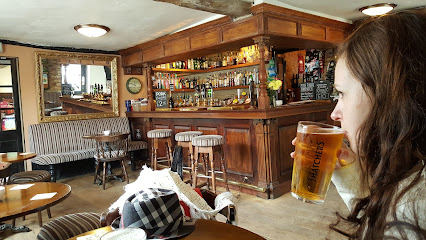
Broadway
16.9 km
A welcoming Bournemouth pub serving classic fare, live sports, and a vibrant community atmosphere with inclusive dining options.
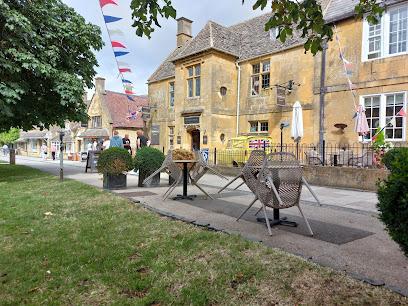
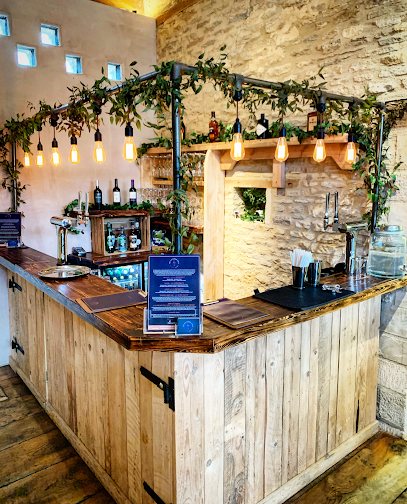
The Watering Hole - Event Bars
17.5 km
Discover The Watering Hole, where exceptional cocktails and event planning unite in the stunning Cotswolds, perfect for weddings and gatherings.
The Lion Inn
22.3 km
Historic 15th-century coaching inn in Winchcombe offering cozy rooms, hearty British fare, and a warm, inviting atmosphere in the heart of the Cotswolds.

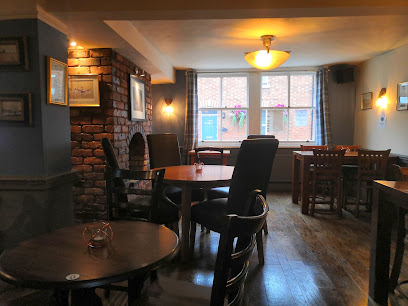
The Bull - El Toro | Stratford-Upon-Avon
25.8 km
A lively fusion of Spanish tapas and English pub charm in Stratford-upon-Avon, serving exceptional food and drink in a warm, inviting atmosphere.
Nightclubs & after hour spots

The Stratford Upon Avon Bridge Club
25.7 km
Explore the vibrant community of The Stratford Upon Avon Bridge Club, where bridge enthusiasts gather for games, camaraderie, and local culture in a picturesque setting.
Fat Cat Comedy Club
26.2 km
Discover the joy of laughter at Fat Cat Comedy Club in Stratford-upon-Avon, where each show promises an unforgettable night of entertainment.
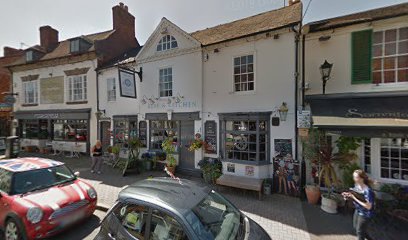
Stratford Play House
26.3 km
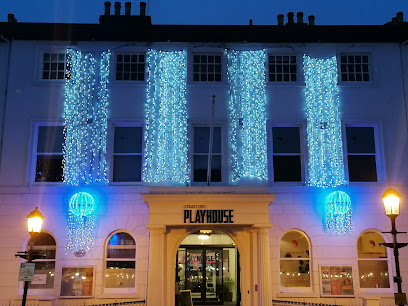
Discover the vibrant world of performing arts at Stratford Play House, where drama, comedy, and culinary delights come together in Stratford-upon-Avon.
Caz Bar Nightclub
26.4 km
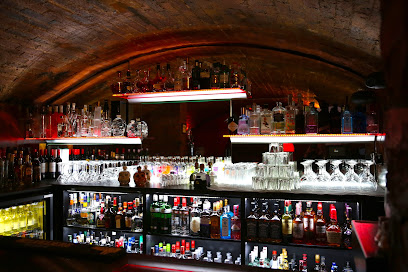
Experience Stratford-upon-Avon's glamorous late-night vibe at Caz Bar, a vintage cellar nightclub with live DJs, dancers, and premium drinks until dawn.
2 PIGS
30.6 km
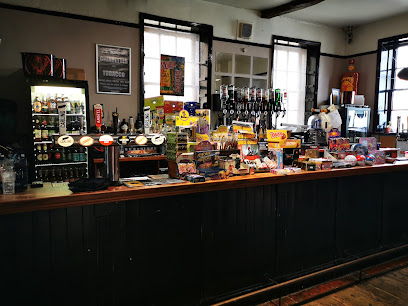
A lively Cheltenham nightclub with dual rooms spinning rock, punk, indie, and classic hits, known for affordable drinks and an alternative vibe.
Coco
30.6 km
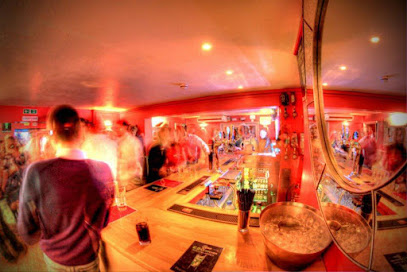
Cheltenham’s underground hotspot for vibrant nightlife, top DJs, and creative cocktails in a lively basement setting.

The 21 Club
30.6 km
Experience Cheltenham’s vibrant nightlife at The 21 Club, where music, dancing, and great drinks create unforgettable nights.
MooMoo Clubrooms Cheltenham
30.7 km
Experience Cheltenham’s vibrant nightlife with dynamic music, VIP vibes, and late-night energy at MooMoo Clubrooms.

Popworld - Cheltenham
30.7 km
Cheltenham’s lively late-night hotspot where cheesy pop tunes and creative cocktails fuel unforgettable party nights.
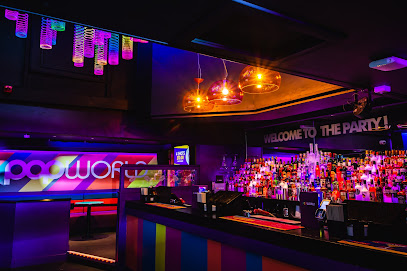
Home and Botanic Nightclub
30.9 km
Historic charm meets vibrant nightlife at Cheltenham’s Home and Botanic, a multi-room club offering cocktails, live piano, DJs, and unforgettable nights.

Thirteen Degrees
30.9 km
Cheltenham’s late-night hotspot for dancing, cocktails, and private events in a central urban setting.
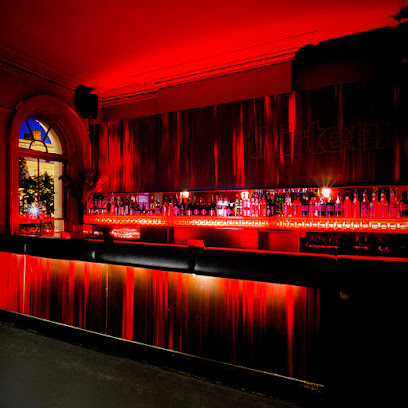
Under the Prom
30.9 km
Experience Cheltenham’s vibrant nightlife with premium drinks, three unique bars, and VIP service at Under The Prom nightclub.

The Bridge Nightclub
34.5 km
Oxford’s lively student-focused nightclub with diverse music, multiple dance floors, and a spacious pub garden for late-night socializing.
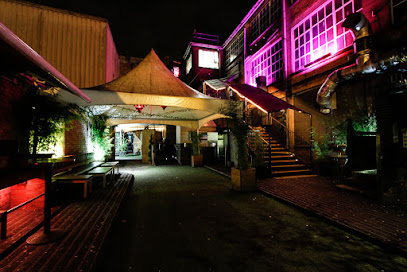
Oxford Leisure Ltd
34.5 km
Experience Oxford’s vibrant nightlife with dynamic music, themed events, and a lively dance floor at Oxford Leisure Ltd.

Kiss Bar
34.5 km
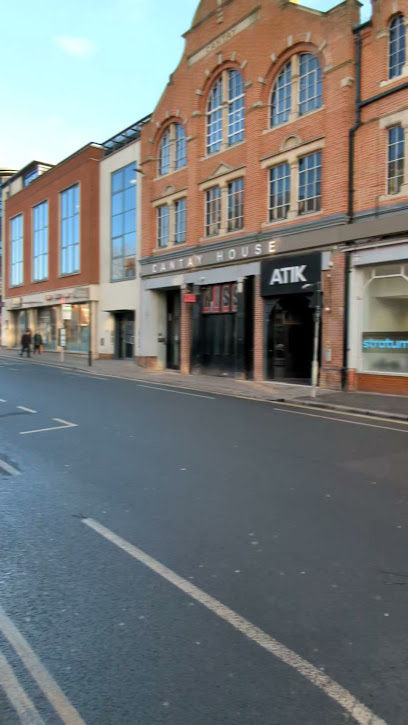
An intimate late-night club in Oxford known for its vibrant atmosphere and close-knit party scene until its recent closure.
For the vibe & atmosphere seeker
- Tranquil
- Scenic
- Unique
- Relaxing
For the design and aesthetic lover
- Vintage Styles
- Rustic Designs
For the architecture buff
- Historic
- Landmarks
- Parks & Gardens
- Heritage Neighborhoods
For the view chaser and sunset hunter
- Iconic Views
- Panoramas
- Sunset Spots
For the social media creator & influencer
- Instagrammable
- Photo Spots
- Aesthetic Corners
For the eco-conscious traveler
- Sustainable
- Locally Managed
- Public-Transport Accessible
- Leave-No-Trace Critical
For the kind of experience you’re after
- Cultural Heritage
- Photowalk
- Nature Escape
- Day Trip
- Weekend Getaway
For how adventurous you want the journey to be
- Easy Access
Location Audience
- Family Friendly
- Senior Friendly
- Child Friendly
- Couple Friendly
- Solo Friendly


