

Brick Lane Jamme Masjid: A Living Testament to East London's Immigrant Heritage
A historic sanctuary embodying centuries of immigrant faiths and cultures in the heart of London’s East End.
Situated at 59 Brick Lane in London’s East End, Brick Lane Jamme Masjid is a mosque housed in a building with a rich history spanning nearly 300 years. Originally constructed as a French Huguenot chapel in 1743, it later served as a Methodist chapel, then a Jewish synagogue, before becoming a mosque in 1976. This layered history reflects the successive waves of immigrant communities that have shaped the area, making it a unique symbol of cultural continuity and change.
A brief summary to Brick Lane Mosque
- 59 Brick Ln, London, E1 6QL, GB
- +442072476052
- Visit website
- Duration: 0.5 to 1.5 hours
- Free
-
 Outdoor
- Mobile reception: 4 out of 5
- Monday 12 pm-9 pm
- Tuesday 12 pm-9 pm
- Wednesday 12 pm-9 pm
- Thursday 12 pm-9 pm
- Friday 11 am-9 pm
- Saturday 11 am-9 pm
- Sunday 12 pm-9 pm
Local tips
- Visit during prayer times to experience the mosque’s vibrant community atmosphere, but be respectful of worshippers.
- Explore nearby Brick Lane markets and cultural sites to appreciate the area's rich immigrant heritage.
- Note the Latin sundial inscription 'Umbra Sumus' on the building’s exterior, a reminder of its layered history.
- Check the mosque’s opening hours as they vary, typically open from late morning to evening.

For the on-the-go comforts that matter to you
- Restrooms
- Seating Areas
- Information Boards
Getting There
-
London Underground
Take the London Underground to Aldgate East station, approximately 10-15 minutes walk to Brick Lane Jamme Masjid. The station is served by the District and Hammersmith & City lines. Note that the area can be busy, so allow extra time during peak hours. No additional fare beyond the standard zone 1 fare applies.
-
Bus
Several London bus routes serve Brick Lane, including routes 8, 26, 35, 47, and 78. Bus stops are within a 5-minute walk of the mosque. Buses run frequently throughout the day, with fares payable via Oyster card or contactless payment. Expect travel times from central London of 20-35 minutes depending on traffic.
-
Walking
If you are in nearby Shoreditch or Liverpool Street, walking to Brick Lane Jamme Masjid takes about 15-25 minutes on mostly flat, paved streets. The route is accessible but can be crowded during market days and weekends.
Brick Lane Mosque location weather suitability
-
 Any Weather
-
 Rain / Wet Weather
-
 Clear Skies
-
 Mild Temperatures
Discover more about Brick Lane Mosque
Origins as a Huguenot Chapel
The building that now serves as Brick Lane Jamme Masjid was originally constructed in 1743 as the Neuve Eglise, a French Protestant chapel built by Huguenot refugees who fled religious persecution in France. These skilled silk weavers settled in Spitalfields, establishing a vibrant textile industry. The chapel’s architecture features a stone sundial bearing the Latin inscription "Umbra Sumus" ("We are but shadows"), a poignant metaphor for the transient yet enduring presence of the diverse communities that have worshipped here.Transition through Christian Denominations
After its initial use as a Huguenot chapel, the building became a Wesleyan Methodist chapel in the early 19th century. For a brief period, it was also used by a mission aiming to convert the local Jewish population. This phase highlights the fluid religious landscape of East London during a time of significant demographic change.Era as the Spitalfields Great Synagogue
In 1897, the building was acquired by the Machzike Hadath, an orthodox Lithuanian Jewish congregation fleeing pogroms in Eastern Europe. Renamed the Spitalfields Great Synagogue, it became a central place of worship and community life for the large Jewish immigrant population. The synagogue was led by notable figures such as Abraham Isaac Kook, who later became the first chief rabbi of Ashkenazi Jews in British Mandatory Palestine. By the mid-20th century, as Jewish residents moved to other parts of London, the synagogue’s congregation dwindled.Transformation into a Mosque for the Bangladeshi Community
Following the decline of the Jewish population, the building was purchased in 1976 by the growing Bangladeshi Muslim community, many of whom had settled in the area after Bangladesh’s independence. The mosque, known as Brick Lane Jamme Masjid, serves as a religious and cultural hub, offering prayer services, madrasas (Islamic religious schools), and mother tongue Bengali classes. The mosque’s distinctive minaret-like addition, designed by DGA Architects and added in 2009, symbolizes the building’s current Islamic identity while respecting its layered past.A Symbol of East London's Immigrant Legacy
Brick Lane Jamme Masjid stands as a physical testament to the waves of migration that have continuously reshaped East London. From Huguenots to Jews to Bangladeshis, each community has left an indelible mark on the building and the neighborhood. The mosque encapsulates themes of resilience, adaptation, and cultural integration, reflecting the broader story of London as a city of immigrants.Architectural and Cultural Significance Today
The building’s architecture preserves elements from its original 18th-century design, including the sundial and pediment, while accommodating the needs of its current congregation. It is part of the Brick Lane Cultural Trail and remains a vibrant place of worship and community gathering. The mosque’s location in the heart of Spitalfields, surrounded by markets, galleries, and historic streets, makes it a unique cultural landmark that bridges centuries of religious and social history.Iconic landmarks you can’t miss

St Mary’s, Whitechapel (The White Chapel)
0.4 km
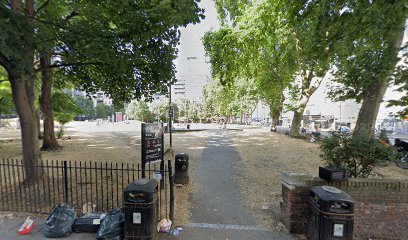
Historic site of St Mary’s Whitechapel, the iconic White Chapel that shaped East London’s identity and now commemorated as Altab Ali Park.
Northumbria University - London
0.5 km
Explore Northumbria University in London, where vibrant culture meets innovative education in the heart of the city.
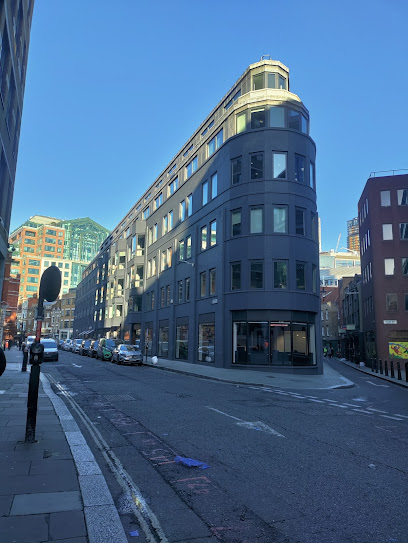
Travelodge London Central Liverpool Street
0.6 km
Affordable comfort in the heart of East London, steps from Liverpool Street station and vibrant city attractions.

182 Bishopsgate
0.6 km
Discover 182 Bishopsgate, where London’s ancient gateway history meets the vibrant pulse of the modern financial district.
Arnold Circus
0.7 km
Arnold Circus: The historic heart of London's first council estate, born from slum clearance and social reform, now a vibrant community landmark.
30 St Mary Axe (The Gherkin)
0.8 km
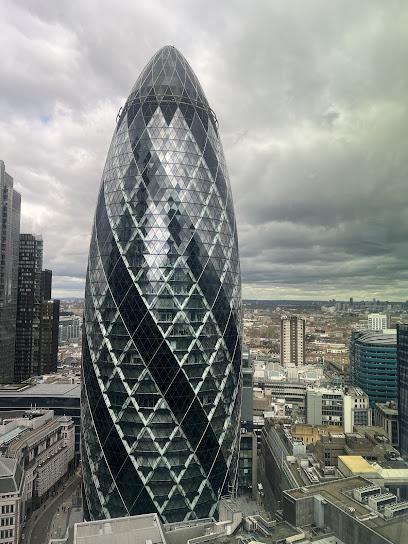
A striking, sustainable skyscraper in London’s financial heart, blending innovative design with panoramic city views and historic roots.
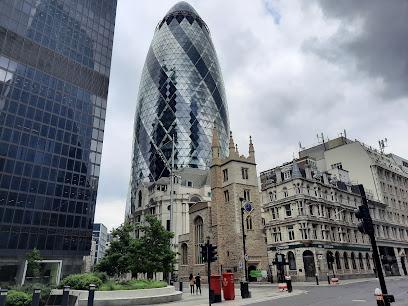
30 Saint Mary Axe - Swiss Re
0.8 km
Discover The Gherkin, London’s pioneering eco-friendly skyscraper with its iconic spiraling glass façade and panoramic city views.
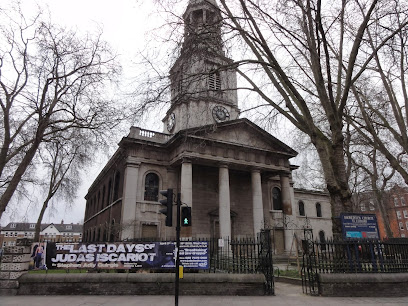
Shoreditch Church
0.9 km
Explore Shoreditch’s historic Palladian church, a sanctuary of Shakespearean theatre heritage and architectural grandeur in vibrant East London.
St Christopher's Inn Liverpool Street
0.9 km
Budget-friendly hostel with a lively pub below, central to London’s financial district and Shoreditch’s creative energy.
Lloyd's of London
1.0 km
A high-tech architectural masterpiece blending tradition and innovation in the heart of London’s financial district.
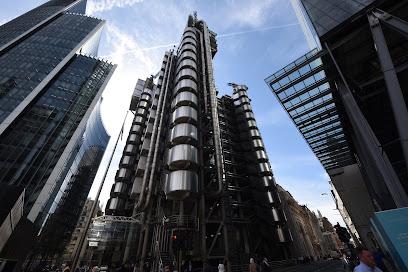
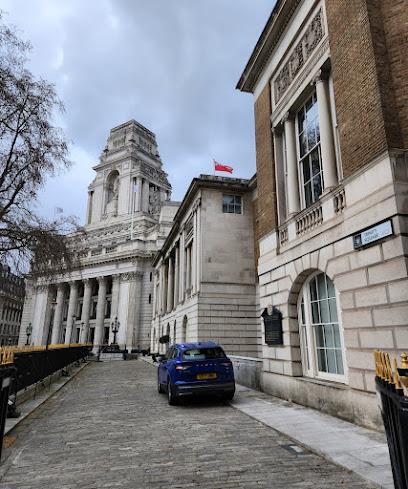
Trinity House
1.1 km
Five centuries of maritime heritage and seafarer welfare in a restored Georgian masterpiece.
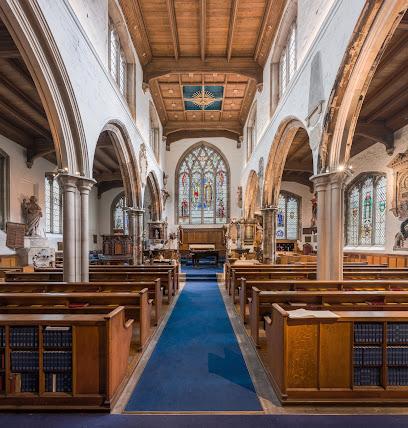
St Olave's Church, Hart Street
1.1 km
Medieval survivor where Viking legend, plague history, and literary fame converge in a Gothic gem.
London Wall
1.1 km
Explore London Wall, an ancient Roman landmark revealing the rich history of Londinium amidst the modern cityscape of London.
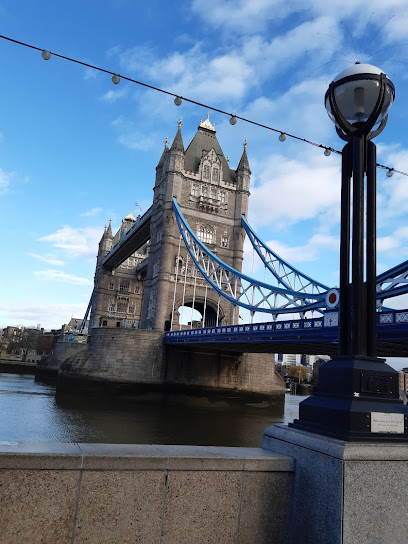
Trinity Square
1.1 km
Historic formal gardens honouring maritime sacrifice amid London's ancient heart and architectural grandeur.
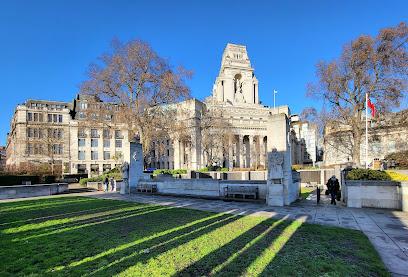
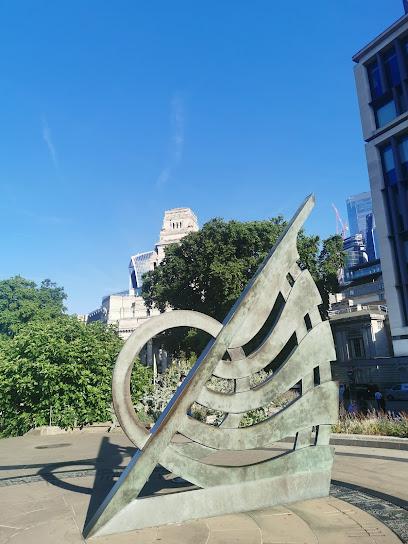
Sundial at the Tower Hill
1.1 km
Discover the Sundial at Tower Hill, a picturesque spot in London where history and beauty meet, perfect for relaxation and photography.
Unmissable attractions to see

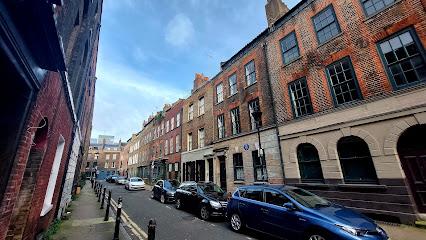
Princelet St
0.0 km
Step back into London’s rich immigrant past on Princelet Street, where Georgian heritage meets vibrant cultural history in Spitalfields.
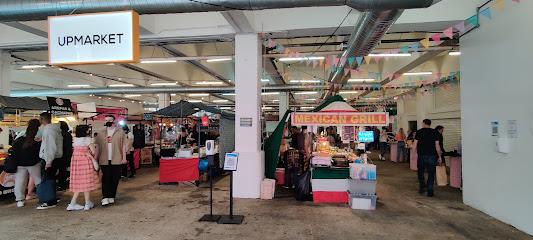
Upmarket Brick Lane Food Hall
0.1 km
Discover a lively indoor market in East London offering diverse global street food and a vibrant cultural atmosphere at Brick Lane.
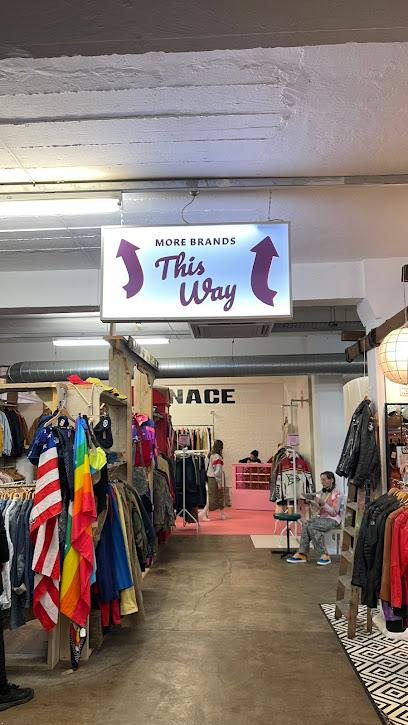
The Brick Lane Vintage Market
0.1 km
Explore the UK's largest vintage market in East London, a vibrant hub for retro fashion, unique collectibles, and cultural energy seven days a week.
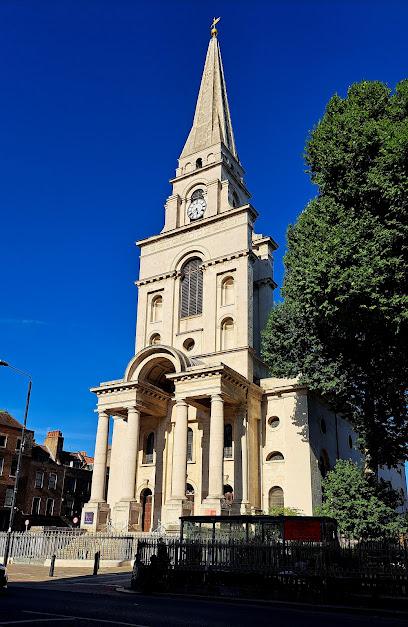
Christ Church Spitalfields
0.1 km
Discover the architectural marvel and vibrant history of Christ Church Spitalfields, a must-visit Anglican church in the heart of London.
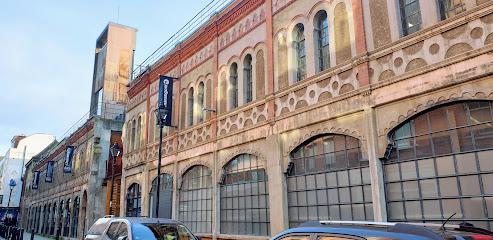
Fashion St
0.1 km
Historic Fashion Street in Spitalfields blends East London’s rich past with contemporary creative life and urban renewal.
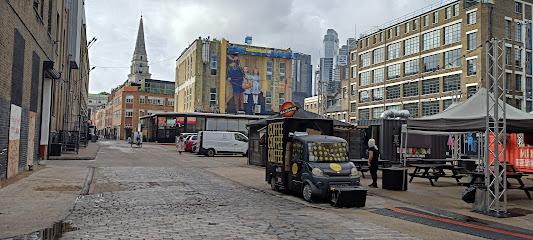
Dray Walk
0.2 km
Discover East London’s vibrant art scene at Dray Walk Gallery, a dynamic creative space within the iconic Old Truman Brewery on Brick Lane.
The Truman Brewery Markets
0.2 km
A vibrant East London cultural and culinary hotspot blending vintage markets, global street food, and creative community spirit in a historic brewery setting.
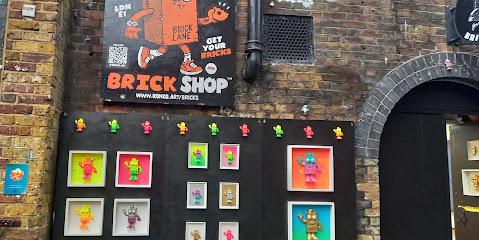
Commercial St
0.2 km
A vibrant East London artery blending historic industry, lively markets, and evolving urban culture between Shoreditch and Whitechapel.
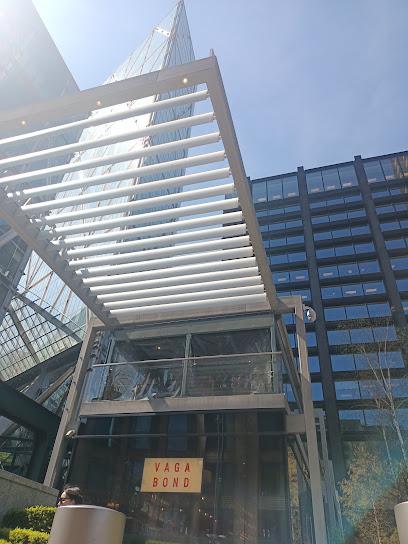
Backyard Market
0.2 km
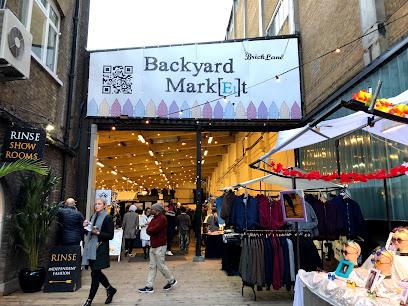
Discover East London's vibrant creative scene at Backyard Market, a weekend hotspot for unique art, fashion, and artisanal treasures in the historic Old Truman Brewery.
The Truman Brewery
0.2 km
Historic East London brewery turned vibrant creative hub, blending rich heritage with markets, art, and culture on iconic Brick Lane.
Sclater Street Market
0.2 km
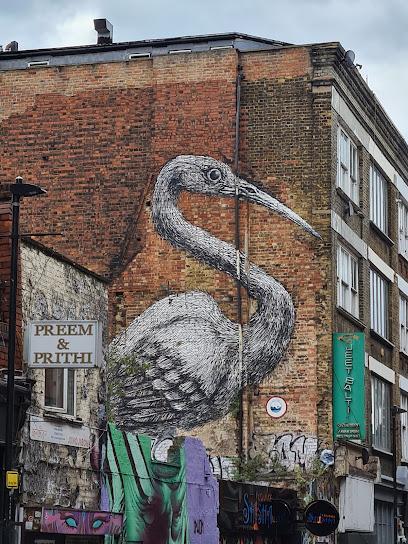
Discover eclectic vintage finds, street food delights, and creative energy at Sclater Street Market in London’s dynamic East End.
Old Spitalfields Market
0.2 km
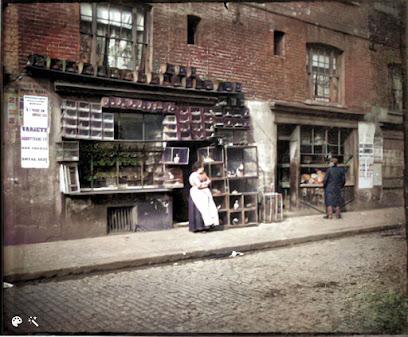
Discover East London's vibrant blend of history, artisan crafts, and global street food beneath a stunning Victorian glass roof.
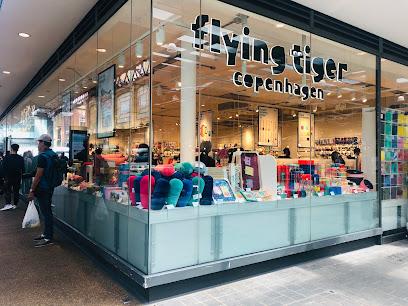
Brick Ln
0.3 km
Discover Brick Lane: London's vibrant street filled with rich history, eclectic shops, and tantalizing food from around the world.
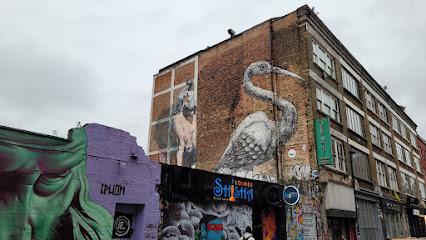
Spitalfields Market
0.3 km
Discover the vibrant fusion of history, art, and global flavors at Spitalfields Market, East London's iconic cultural and culinary hotspot.
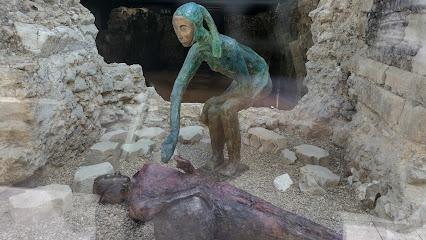
Spitalfields Charnel House
0.4 km
Discover the haunting medieval charnel house beneath Bishop’s Square, a rare glimpse into London’s past where thousands of souls rest beneath the modern city.
Essential places to dine

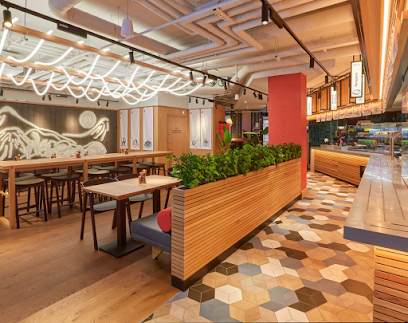
Marugame Udon Middlesex Street
0.5 km
Experience freshly handcrafted Japanese udon and crispy tempura in a lively open kitchen setting at Marugame Udon Middlesex Street, London’s authentic udon destination.
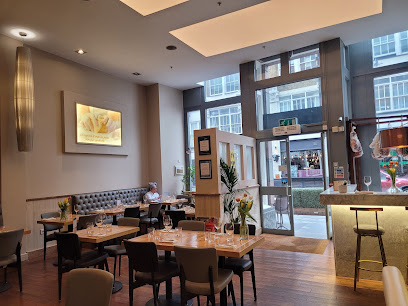
Mattarello Chiodo Bolognese Restaurant
0.5 km
Authentic Bolognese pasta and gluten-free Italian delights in the heart of London’s Middlesex Street.
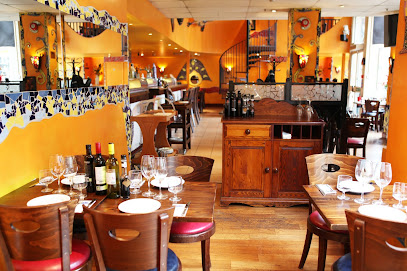
Barcelona Tapas Bar & Restaurant
0.5 km
Authentic Spanish tapas and warm hospitality in the heart of London’s City since 1991.
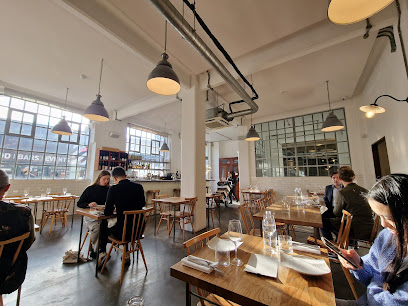
Lyle's
0.6 km
Michelin-starred Lyle's serves innovative, seasonal British cuisine in a minimalist Shoreditch setting with a relaxed, refined atmosphere.
The Clove Club
1.0 km
Two Michelin stars meet innovative modern British cuisine in a historic Shoreditch Town Hall setting with a unique urban garden.
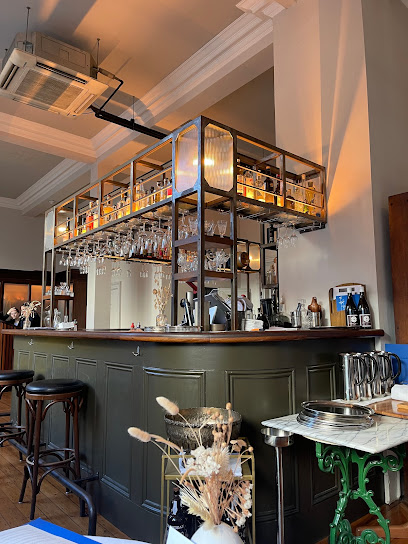
Nest Restaurant Old Street
1.0 km
Intimate Shoreditch gem offering creative British seasonal tasting menus in a cozy, historic setting with a sustainable ethos.
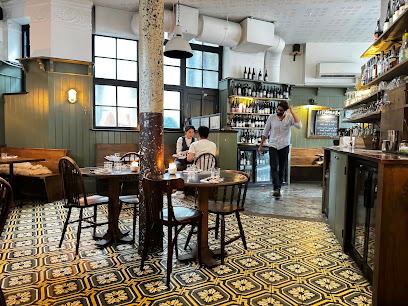
14 Hills
1.0 km
Experience modern British cuisine in a lush, sky-high garden with breathtaking panoramic views over London’s iconic skyline.
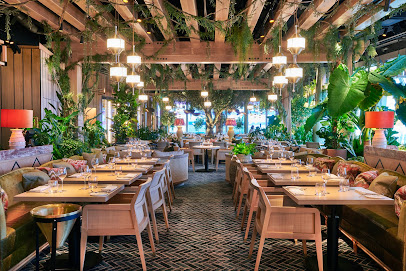
Brawn
1.1 km
Seasonal Mediterranean small plates and natural wines in a lively, vintage-inspired Shoreditch setting on Columbia Road.
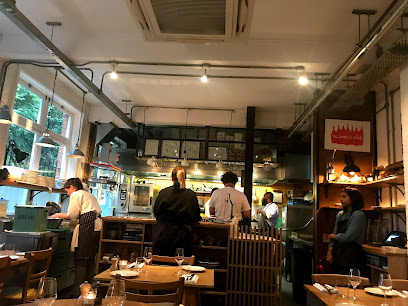
La Dame de Pic London
1.1 km
Discover refined French gastronomy and elegant dining in a historic London landmark with two Michelin stars and innovative cuisine.
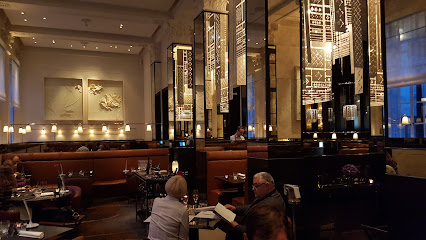
Da Terra Restaurant
1.6 km
Experience innovative two-Michelin-star Modern European cuisine with vibrant Brazilian influences in the heart of East London’s historic Bethnal Green.
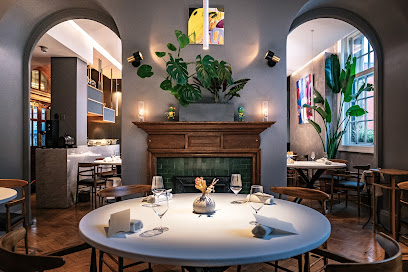
Madison
1.8 km
Stylish rooftop dining and cocktails with breathtaking views of St Paul’s Cathedral and London’s skyline.
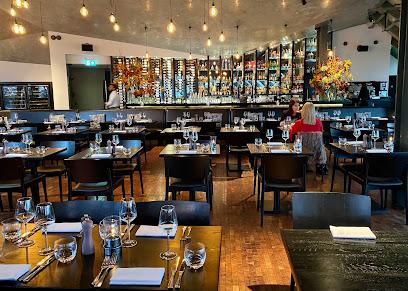
Restaurant Story
1.9 km
Experience a two Michelin-starred culinary journey where storytelling meets British fine dining in the heart of London Bridge.
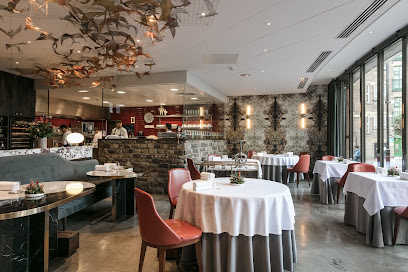
St. John
2.0 km
Experience authentic British nose-to-tail dining in the heart of London’s Barbican at St. John, where tradition meets modern culinary artistry.
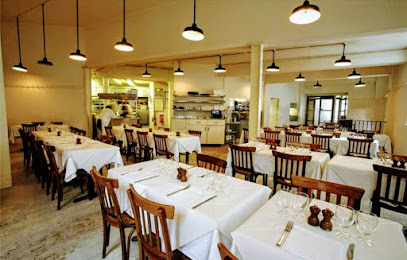
Dans le Noir ? London Restaurant
2.1 km
Experience dining like never before in total darkness, guided by visually impaired waitstaff in a sensory adventure at Dans le Noir ? London.
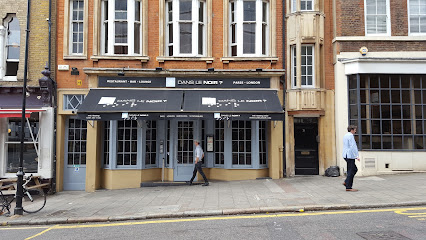
George
2.1 km
Step into London’s last galleried coaching inn, where history, hearty ales, and a lively courtyard blend in a timeless pub experience.
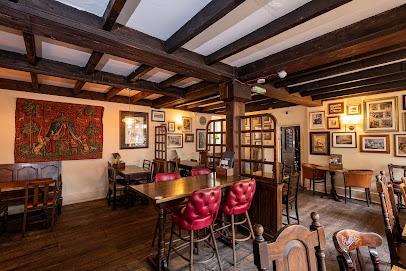
Markets, malls and hidden boutiques

DPUS Designer Outlet
0.1 km
Authentic designer fashion outlet in Shoreditch’s historic Old Truman Brewery, blending luxury style with urban culture and unbeatable prices.
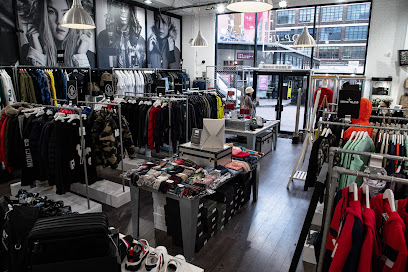
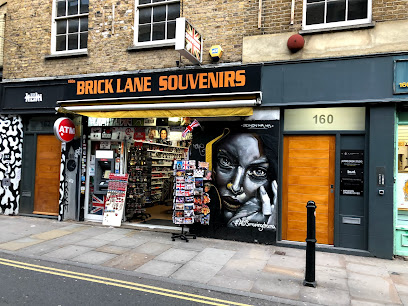
Brick Lane Souvenirs
0.3 km
Discover affordable, stylish London souvenirs and gifts in the heart of Brick Lane’s vibrant cultural scene.
Middlesex Textiles
0.5 km
Discover London’s premier West African fabric store offering vibrant, high-quality textiles with unmatched variety and service since 1969.
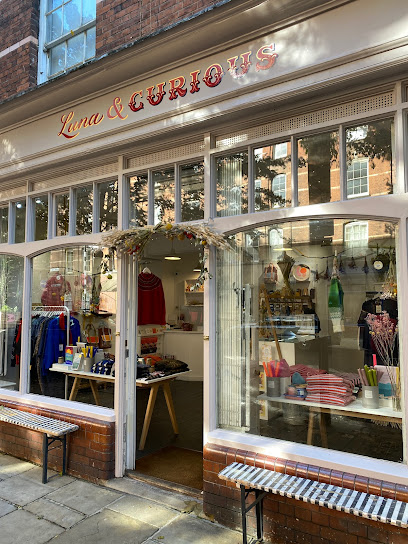
Luna & Curious
0.8 km
Discover Shoreditch’s curated boutique of British craftsmanship, quirky design, and independent retail at Luna & Curious.
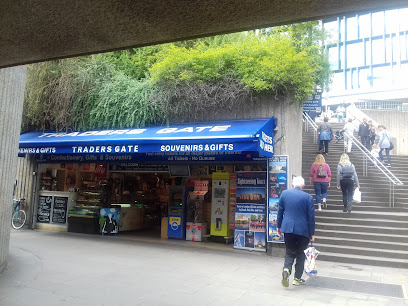
Traders Gate
1.2 km
A long-standing family-run gift shop on Tower Hill, offering classic London souvenirs and local charm just steps from the Tower of London.
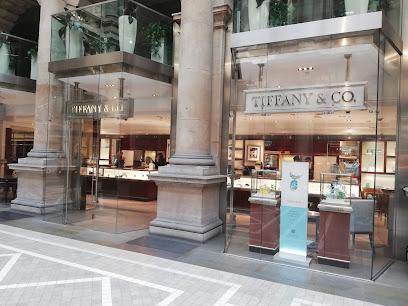
The Royal Exchange
1.3 km
A majestic neoclassical landmark blending 450 years of London’s trading history with luxury shopping in the City’s financial heart.
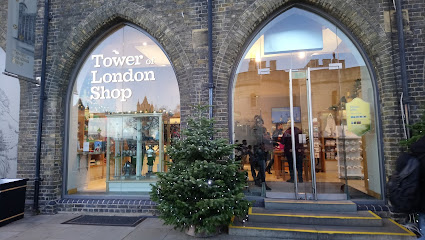
Tower of London Shop
1.4 km
Explore the Tower of London Shop for unique souvenirs that celebrate British heritage and history in the heart of London.
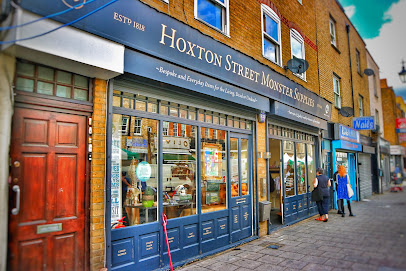
Hoxton Street Monster Supplies
1.4 km
Explore the enchanting Hoxton Street Monster Supplies, a whimsical gift shop in London filled with unique monster-themed treasures and delightful surprises.
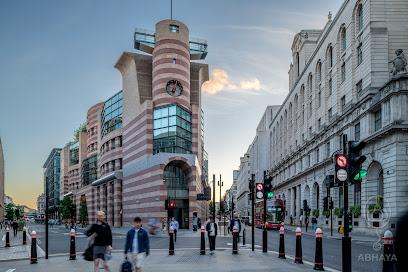
1 Poultry
1.5 km
Iconic postmodern office and retail building with vibrant limestone stripes, a colorful atrium, and a rooftop garden overlooking London’s financial district.
Barbican Shop
1.5 km
Discover curated art, design, music, and unique gifts at the Barbican Shop, a creative retail haven within London’s iconic Barbican Centre.
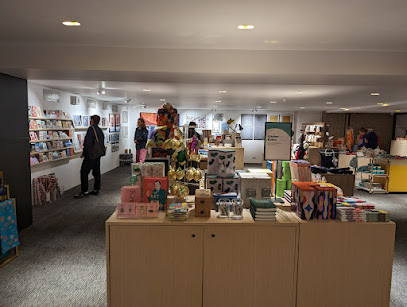
Tower Bridge - Engine Rooms and Official Gift Shop
1.7 km
Explore the fascinating history of Tower Bridge at the Engine Rooms and shop for unique gifts at the Official Gift Shop.
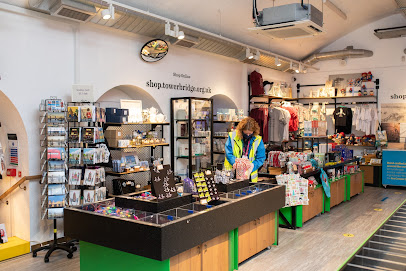
Hay's Galleria
1.7 km
Historic riverside warehouse transformed into a vibrant shopping and dining destination beneath a stunning glass roof.
One New Change
1.7 km
Modern glass landmark with free rooftop views of St Paul's Cathedral and London skyline.
Broadway Market
2.0 km
A lively Victorian street market in East London offering global street food, unique crafts, and a vibrant community atmosphere every weekend.
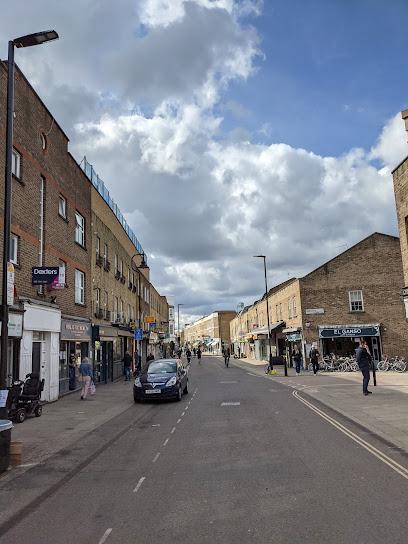
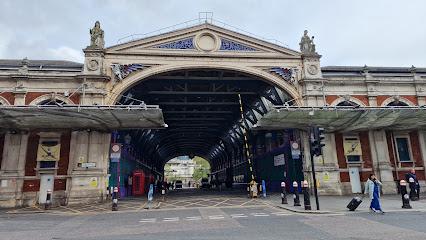
Smithfield Market
2.0 km
London’s oldest wholesale meat market, where history and commerce meet in the heart of the city.
Essential bars & hidden hideouts

Apples & Pears Cocktail Bar
0.3 km
A vibrant East London cocktail bar blending creative drinks, lively DJs, and a welcoming atmosphere in the heart of Brick Lane.
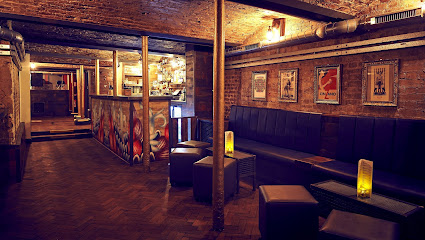
Discount Suit Company
0.4 km
Discover a hidden vintage cocktail bar beneath Spitalfields, blending bespoke drinks with a cozy speakeasy atmosphere in London’s historic tailoring district.
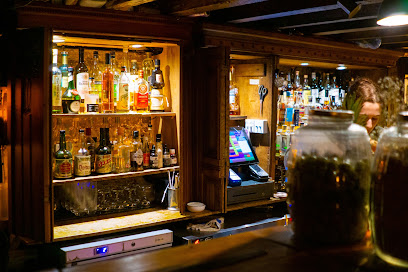
The Bell
0.5 km
A historic East End pub blending traditional charm and local spirit near Petticoat Lane Market.
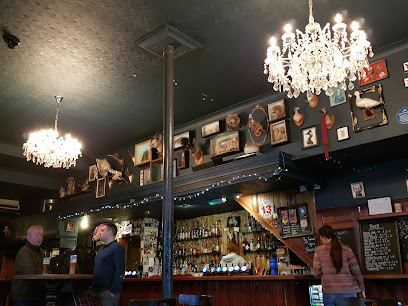
The Mayor of Scaredy Cat Town
0.5 km
Discover Shoreditch’s secret speakeasy behind a fridge door, where quirky vintage charm meets expertly crafted cocktails and lively 80s beats.
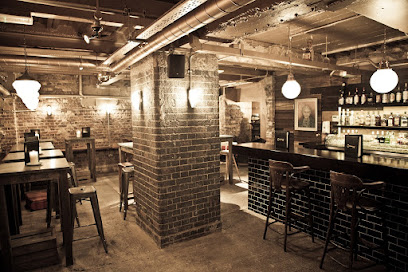
The Astronomer, EC1
0.5 km
A traditional London pub with a cosmic twist, offering hearty pies, craft ales, and a welcoming atmosphere near Liverpool Street.
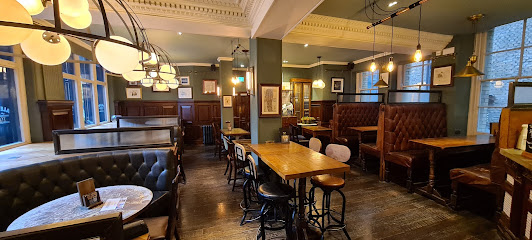
The Cocktail Trading Co. Shoreditch
0.5 km
Inventive cocktails and retro charm blend seamlessly in Shoreditch’s cozy and quirky Cocktail Trading Co.
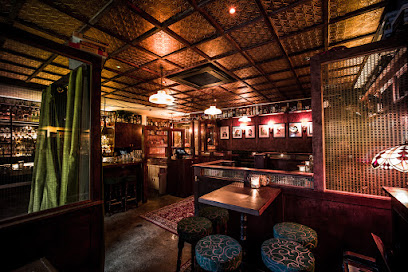
Dirty Dicks
0.5 km
Historic London pub with quirky charm, classic ales, and lively atmosphere near Liverpool Street Station.
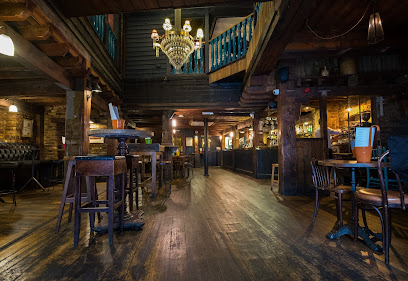
The Alchemist Bevis Marks
0.7 km
Experience London’s theatrical cocktail haven blending molecular mixology with Victorian charm and all-day dining in Aldgate.
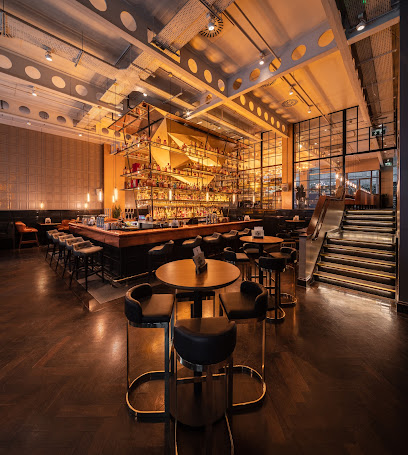
Ballie Ballerson London
0.9 km
Dive into London's most playful cocktail bar with glowing ball pits, inventive drinks, and unforgettable nights in Shoreditch.
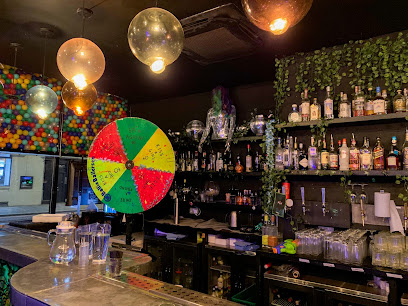
Aviary
1.0 km
Elegant rooftop dining with botanical cocktails and panoramic London skyline views in the heart of Finsbury Square.
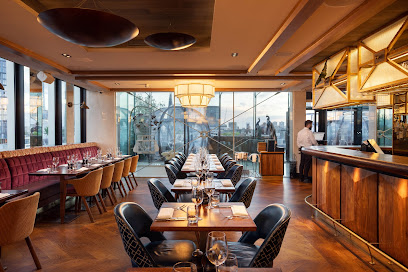
Shoreditch Balls
1.0 km
Indoor crazy golf, cocktails, and live entertainment combine for a fun-filled night out in Shoreditch’s vibrant heart.
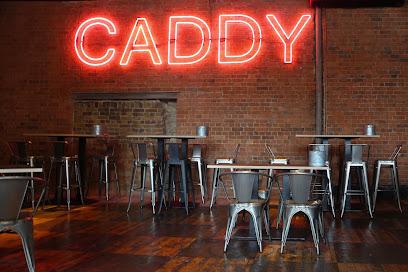
Flight Club Shoreditch
1.0 km
Experience the vibrant social darts scene with great food, cocktails, and fun at Flight Club Shoreditch in East London.
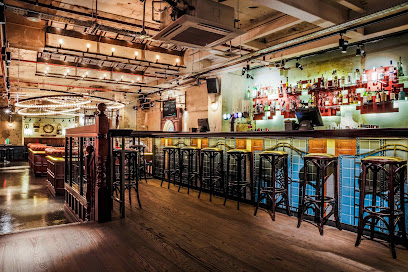
Nikkis Bar - Shoreditch
1.0 km
Lively Shoreditch cocktail bar famed for its bottomless brunch, drag shows, and nostalgic party vibes in a colorful, tropical-inspired setting.
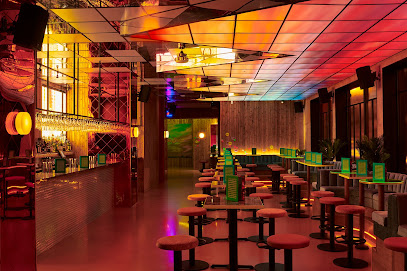
Tonight Josephine - Shoreditch
1.0 km
Lively Shoreditch cocktail bar famed for pink neon vibes, creative drinks, and unforgettable themed brunches.
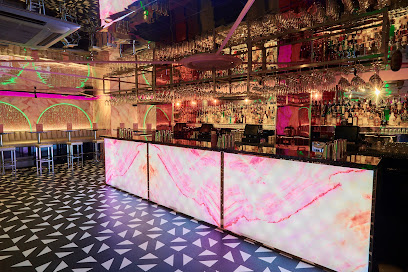
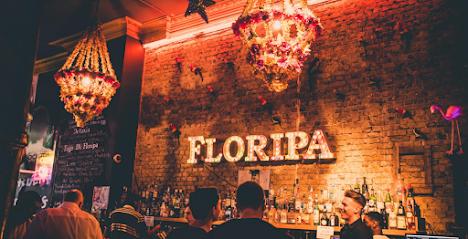
Floripa
1.1 km
Experience the vibrant Brazilian spirit and tropical party vibes of Floripa, Shoreditch’s premier cocktail bar and nightclub.
Nightclubs & after hour spots

Basing House - Shoreditch
1.1 km
An intimate Shoreditch nightclub with top electronic beats, a Funktion One sound system, and a lively rooftop bar under the London skyline.
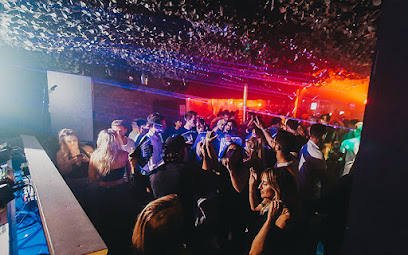
XOYO LONDON
1.2 km
Experience Shoreditch’s iconic XOYO, where cutting-edge DJs and vibrant nightlife create an unforgettable London clubbing atmosphere.

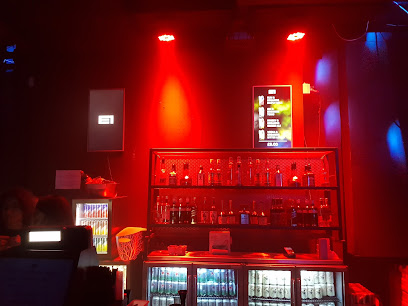
E1
1.4 km
Experience East London’s underground pulse with E1’s cutting-edge sound, immersive visuals, and vibrant club nights.
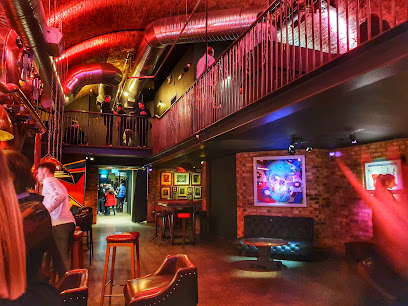
The Steel Yard
1.7 km
Experience London’s premier industrial-chic nightclub set in historic Victorian railway arches, with world-class sound and late-night energy until 6am.
London Best Night Clubs
2.1 km
Experience London’s legendary Ministry of Sound, where cutting-edge sound meets dynamic club culture in a multi-room dance haven.
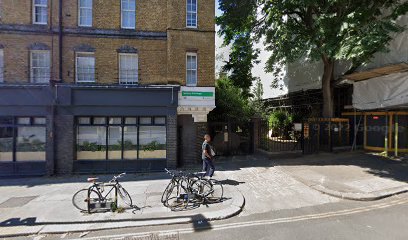
Ministry of Sound
3.1 km
London's legendary dance music cathedral since 1991, where world-class sound systems and global DJs fuel euphoric nights across four pulsing rooms.
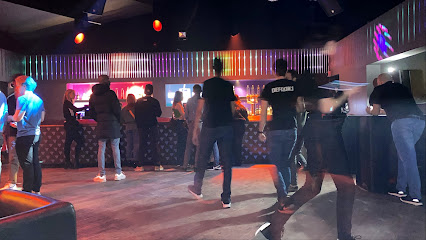
Proud Late
3.4 km
Dive into two-storey glamour under Waterloo Bridge: cabaret acrobatics, burlesque dazzle, supper feasts, and non-stop clubbing till 5am in London's West End nightlife epicenter.
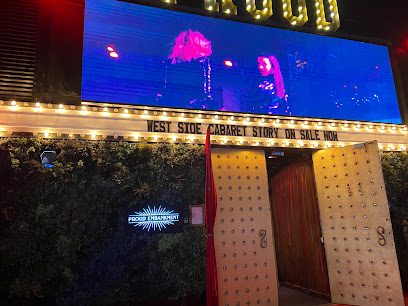
Carwash Nightclub
3.4 km
Experience Europe’s longest-running disco club in London’s West End, where retro beats, vibrant crowds, and themed parties create unforgettable nights.
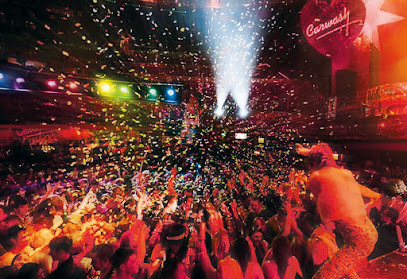
Corsica Studios
3.4 km
Experience London’s underground music pulse at Corsica Studios, where intimate vibes meet exceptional sound beneath historic railway arches.
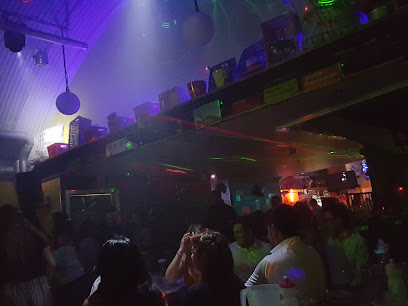
Bunga Bunga Covent Garden
3.5 km
A neon-soaked, pizza-and-karaoke supper club under Drury Lane — 90s nostalgia, stage shows and shareable Italian feasts.
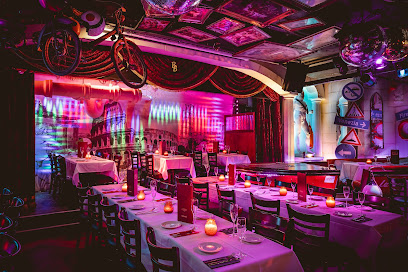
STRAWBERRY SUNDAE
3.6 km
Retro rave haven in Waterloo Arches: Daytime hardcore beats, 90s DJ legends, and industrial euphoria from midday to midnight.
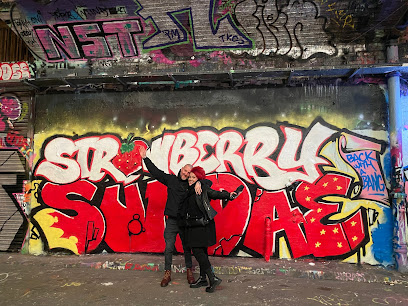
Cirque Du Soul
3.6 km
Dive into Leake Street's graffiti tunnel for soul-stirring electronic nights at this underground nightclub haven.
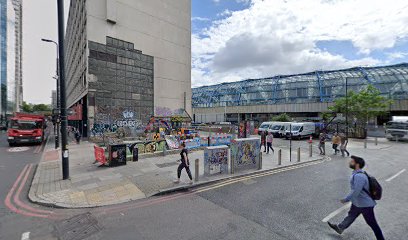
We Are Waterloo
3.6 km
Dive into Leake Street's graffiti heart where street art meets thumping beats in London's ultimate underground nightclub haven.
The Roxy
3.8 km
Soho's unbeatable happy hour cocktail bar by day, pulsing nightclub with live music and DJ nights till 3am—affordable vibes in London's nightlife heart.
Comedy Carnival Covent Garden
3.8 km
London's premier stand-up comedy venue showcasing bold, award-winning international comedians in vibrant Covent Garden.

For the vibe & atmosphere seeker
- Tranquil
- Cultural Heritage
- Unique
- Scenic
For the design and aesthetic lover
- Historic
- Vintage Styles
For the architecture buff
- Historic
- Sacred Sites
- Heritage Neighborhoods
For the view chaser and sunset hunter
- Iconic Views
For the social media creator & influencer
- Instagrammable
- Architectural Shots
For the eco-conscious traveler
- Locally Managed
- Public-Transport Accessible
For the kind of experience you’re after
- Cultural Heritage
- Photowalk
- Day Trip
- Weekend Getaway
For how adventurous you want the journey to be
- Easy Access
Location Audience
- Family Friendly
- LGBT Friendly
- Senior Friendly
- Child Friendly
- Teen Friendly
- Wheelchair Access
- Pet Friendly
- Solo Friendly
- Couple Friendly
- Solo Female Friendly
- Vegetarian Friendly
- Vegan Friendly


