
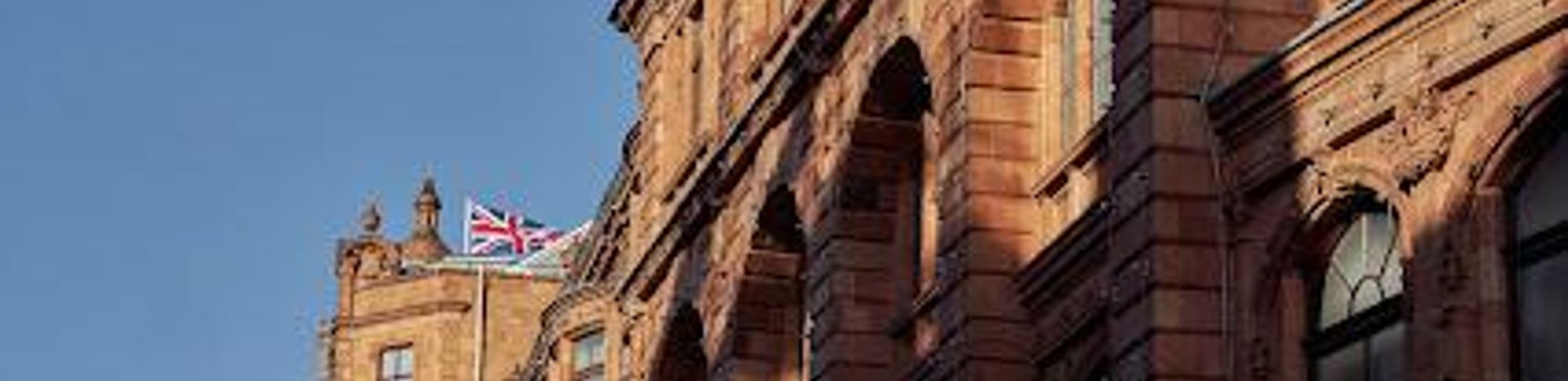
Harrods: London's Iconic Luxury Department Store
Europe’s largest luxury department store, Harrods dazzles with historic grandeur, pioneering retail innovations, and an unparalleled shopping experience.
Harrods, located on Brompton Road in London, is Europe's largest and most famous luxury department store. Founded in 1824 by Charles Henry Harrod, it evolved from a small grocer's shop into a sprawling emporium with over 330 departments across eight floors. Known for its exquisite product range, historic architecture, and pioneering innovations like the first escalator in England, Harrods remains a symbol of opulence and British retail heritage.
A brief summary to Harrods
- 87-135 Brompton Rd, London, SW1X 7XL, GB
- +442077301234
- Visit website
- Duration: 1 to 4 hours
- Luxury
-
 Indoor
- Mobile reception: 5 out of 5
- Monday 10 am-9 pm
- Tuesday 10 am-9 pm
- Wednesday 10 am-9 pm
- Thursday 10 am-9 pm
- Friday 10 am-9 pm
- Saturday 10 am-9 pm
- Sunday 11:30 am-6 pm
Local tips
- Visit the Food Hall near closing time for discounted gourmet sandwiches and fresh delicacies.
- Look up to admire the stunning Art Nouveau tiles by Royal Doulton in the store’s interior.
- Don’t miss the Egyptian escalator, a unique blend of design and functionality.
- Explore the wide range of departments, from designer fashion to home furnishings, spread across eight floors.

For the on-the-go comforts that matter to you
- Restrooms
- Drink Options
- Food Options
- Seating Areas
- Information Boards
- Visitor Center
Getting There
-
London Underground
Take the Piccadilly Line to Knightsbridge station, approximately a 5–10 minute walk to Harrods. The station is well-serviced with frequent trains and is fully accessible. Tickets cost between £2.50 and £6.00 depending on the time and ticket type.
-
Bus
Several London bus routes stop near Harrods, including routes 9, 14, 19, 22, and 52. Buses run frequently, with journey times varying from 15 to 30 minutes depending on starting point. Contactless payment or Oyster cards are accepted, with fares around £1.65 per ride.
-
Taxi or Rideshare
Black cabs and rideshare services like Uber provide direct access to Harrods. Travel times vary by traffic but typically range from 10 to 25 minutes from central London. Expect fares starting at £8, increasing with distance and time.
-
Walking
If you are staying in nearby areas such as South Kensington or Knightsbridge, walking to Harrods is pleasant and takes about 15 to 25 minutes over mostly flat terrain with well-maintained sidewalks.
Harrods location weather suitability
-
 Any Weather
-
 Rain / Wet Weather
-
 Clear Skies
-
 Mild Temperatures
Discover more about Harrods
Origins and Evolution of a Retail Giant
Harrods began in 1824 as a modest draper's shop founded by Charles Henry Harrod in Southwark, London. Initially dealing in textiles and linens, the business shifted focus over the decades, moving to Brompton Road in Knightsbridge in 1849 to capitalize on the growing westward expansion of London. Under the stewardship of Harrod's son, Charles Digby Harrod, the store expanded rapidly, diversifying its offerings to include groceries, medicines, perfumes, stationery, and fresh produce. By the early 1880s, Harrods employed around 100 staff and had acquired adjacent buildings, setting the foundation for its future as a retail landmark.Resilience and Architectural Grandeur
A pivotal moment in Harrods’ history occurred in December 1883 when a devastating fire destroyed the original building. Demonstrating remarkable resilience, the store fulfilled all Christmas orders that year from temporary premises across the street. The new, grander building was constructed and opened in 1884, designed by architect C. W. Stephens. This structure, with its distinctive green awnings and ornate gold facade, remains the heart of Harrods today. The store’s interior features exquisite Art Nouveau tiles crafted by Royal Doulton in 1902, adding to its luxurious ambiance.Pioneering Innovations and Cultural Impact
Harrods was a pioneer in retail technology, introducing England’s first escalator in 1898. This moving staircase was initially met with trepidation by customers, who were humorously offered brandy to calm their nerves after their first ride. Over time, Harrods continued to innovate with features like the Egyptian escalator, a stylistic masterpiece blending ergonomics and design. The store has influenced fashion and culture, hosting in-house boutiques and adapting to changing retail trends while maintaining its reputation for luxury.Ownership and Legacy
Originally family-owned, Harrods was floated on the London Stock Exchange in 1889 after Charles Digby Harrod sold his controlling shares. The store changed hands multiple times, including acquisition by the House of Fraser in 1959 and later by the Fayed brothers in 1985. In 2010, ownership transferred to Qatar Holdings, the sovereign wealth fund of Qatar, which continues to manage the store. Despite these changes, Harrods has preserved its brand identity and remains a premier destination for luxury shopping.Shopping Experience and Offerings
Harrods spans over 1.1 million square feet with more than 330 departments, including designer fashion, fine jewelry, gourmet food halls, home furnishings, and technology. Its Food Hall is renowned for fresh, high-quality produce and delicacies, often attracting bargain hunters near closing time when items are discounted. The store’s opulent environment and extensive range cater to a diverse clientele, from everyday shoppers to royalty and celebrities.Harrods Today: A Symbol of Luxury and Heritage
Today, Harrods stands as a global icon of luxury retail, blending historic charm with modern sophistication. Its location in Knightsbridge places it amidst London’s wealthiest neighborhoods, and it continues to attract millions of visitors annually. Beyond shopping, Harrods offers a glimpse into British retail history and culture, making it a must-see destination for those seeking an immersive luxury experience.Iconic landmarks you can’t miss

Empire House
0.5 km
Historic Edwardian landmark in South Kensington offering luxurious apartments near London’s premier cultural and shopping districts.
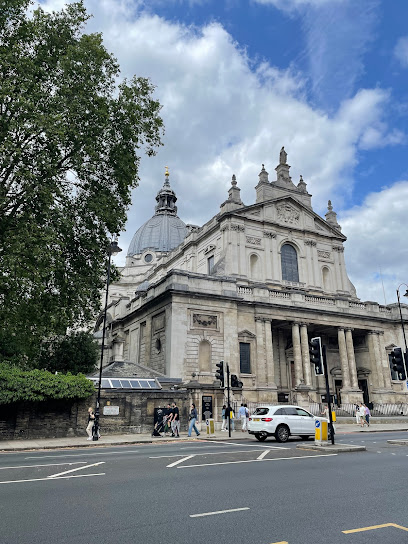
Norwegian War Memorial
0.8 km
A solemn granite tribute in Hyde Park honoring British-Norwegian friendship and support during World War II.

Royal Artillery Memorial
0.9 km
A powerful and realistic tribute to the Royal Artillery’s sacrifice, featuring a monumental stone howitzer and evocative bronze figures at Hyde Park Corner.
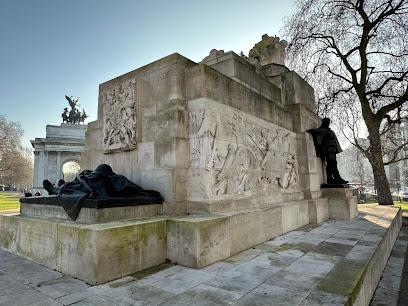
Equestrian Statue of the Duke of Wellington
0.9 km
Historic bronze statue honoring the Duke of Wellington’s military triumphs and contributions to London’s cityscape, unveiled in 1844.
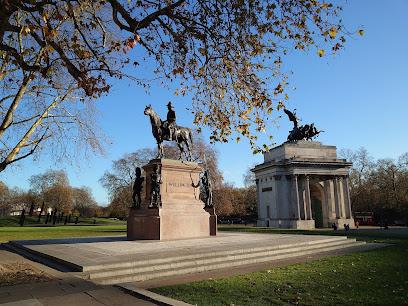
Wellington Arch
0.9 km
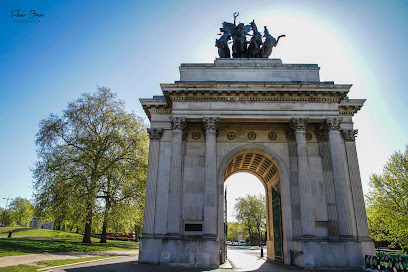
Discover Wellington Arch, London's majestic neoclassical triumphal arch with rich history, stunning views, and iconic Quadriga sculpture.
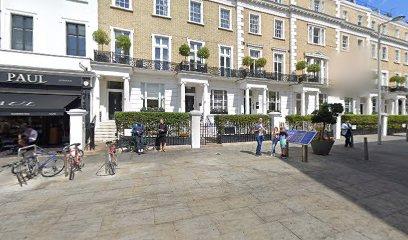
37 Thurloe St
0.9 km
Historic Victorian townhouse in South Kensington's cultural heart, steps from world-class museums and the Underground.
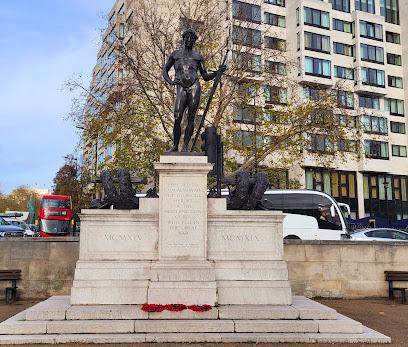
Machine Gun Corps Memorial
1.0 km
A striking WWI memorial at Hyde Park Corner, blending classical art and the harsh realities of mechanized warfare to honor the Machine Gun Corps’ sacrifice.
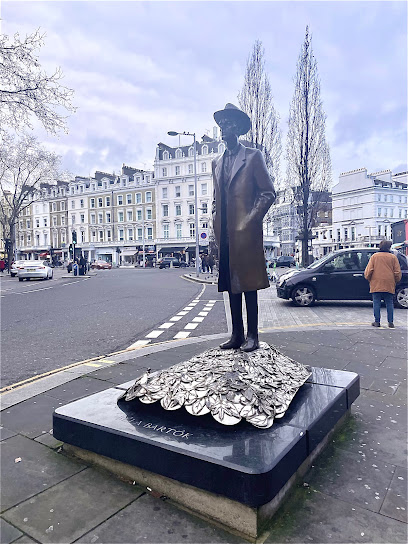
Béla Bartók Memorial
1.0 km
Celebrate the legacy of Béla Bartók, the Hungarian composer and ethnomusicologist, through this evocative bronze memorial in London’s South Kensington.
The Old Police House
1.0 km
Historic police station and visitor hub nestled in the heart of Hyde Park, blending heritage with the tranquility of London’s iconic green space.
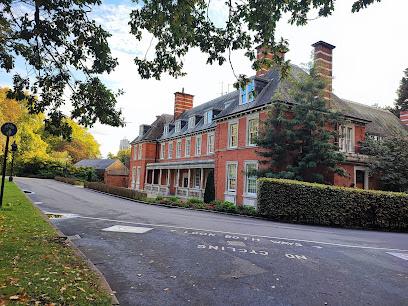
Speakers' Corner
1.3 km
Historic Speakers' Corner in Hyde Park: London's iconic open-air forum for free speech and public debate since the 19th century.
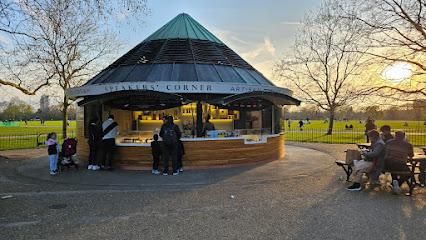
Animals In War Memorial
1.4 km
A poignant tribute in central London to the animals that served and died in wars alongside British and Allied forces, from horses and mules to dogs and pigeons.
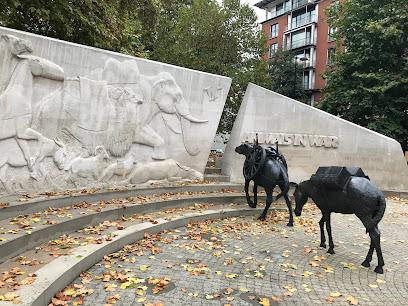
Royal Hospital Chelsea
1.4 km
Explore the Royal Hospital Chelsea, a historic home for veterans, where architecture meets rich British military heritage in the heart of London.
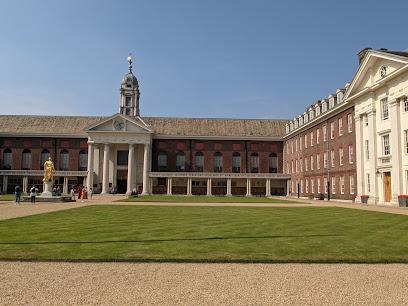
Historic Houses
1.4 km
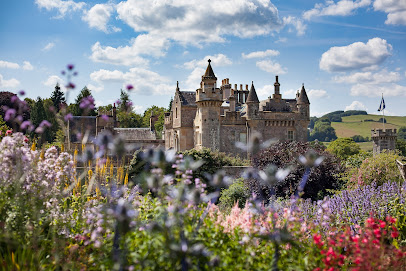
Explore the heart of Britain's heritage through Historic Houses, a gateway to centuries-old castles, gardens, and stately homes across the UK.
Kensington Gardens
1.4 km
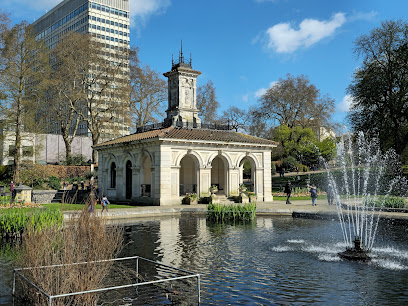
Explore Kensington Gardens, a tranquil park in London featuring lush landscapes, historical sites, and vibrant attractions perfect for a peaceful retreat.
Chelsea Old Town Hall
1.4 km
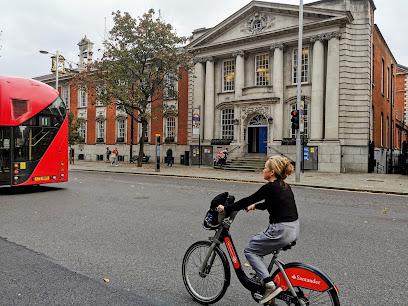
A stunning late Victorian neoclassical landmark on King's Road, blending rich history with vibrant cultural and civic life in Chelsea.
Unmissable attractions to see

Knightsbridge
0.1 km
Experience the epitome of London luxury in Knightsbridge, where iconic shopping, elegant architecture, and serene green spaces converge.

The Hole in the Wall
0.3 km
A timeless, authentic London pub near Waterloo station, famed for its hearty ales, no-frills charm, and welcoming local atmosphere.
Harvey Nichols
0.3 km
Discover Harvey Nichols Knightsbridge, a historic luxury department store blending cutting-edge fashion, gourmet dining, and iconic London style.
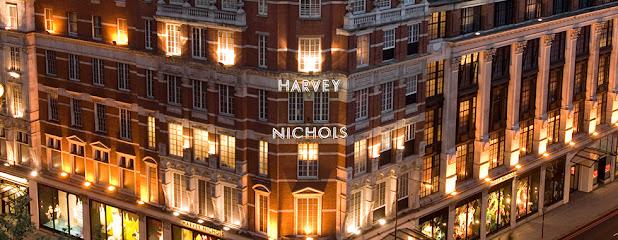
Sloane St
0.4 km
Sloane Street: London’s iconic luxury shopping street blending designer boutiques, fine dining, and elegant urban living in Chelsea and Belgravia.
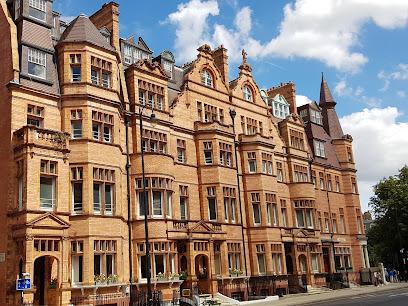
St Simon Zelotes
0.5 km
Discover the serene blend of evangelical faith and historic Anglican tradition at St Simon Zelotes in the heart of Chelsea, London.
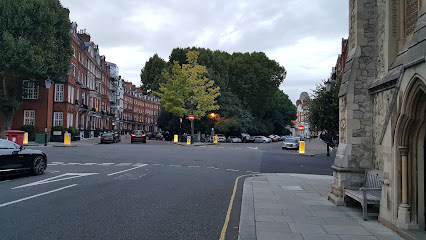
Victoria and Albert Museum
0.7 km
Explore centuries of art, design, and fashion at London’s iconic Victoria and Albert Museum, where creativity meets history in a stunning Victorian setting.
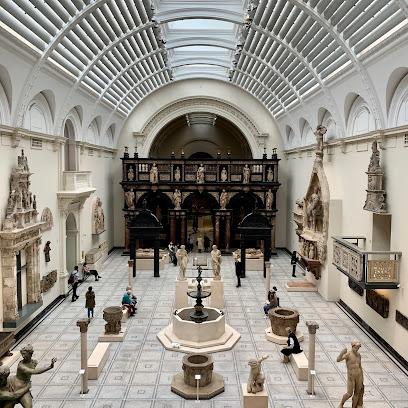
Belgrave Square
0.7 km
Belgrave Square: A stately garden square in Belgravia, blending 19th-century elegance with exclusive private gardens and rich diplomatic history.
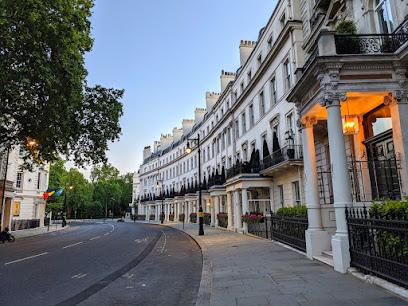
Barts
0.8 km
Discover Barts, Chelsea's chic cocktail bar where vintage charm meets innovative mixology for an unforgettable night out in London.
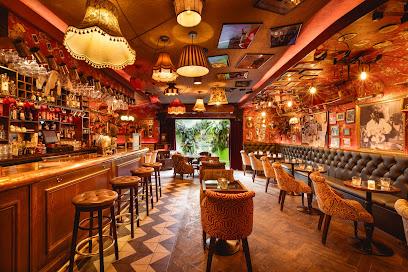
Thin House
0.8 km
Discover London’s iconic Victorian-era Thin House, a wedge-shaped architectural marvel in South Kensington, famed for its extraordinary narrowness and artistic heritage.
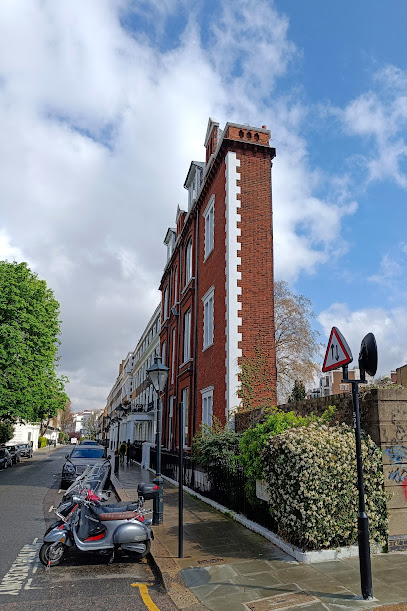
Innofinity Worldwide
0.8 km
Discover Innofinity Worldwide at Sloane Square, London’s trusted destination for quality used iPhones and innovative e-commerce experiences.
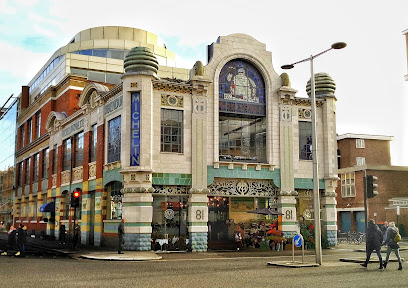
Horse & Groom
0.8 km
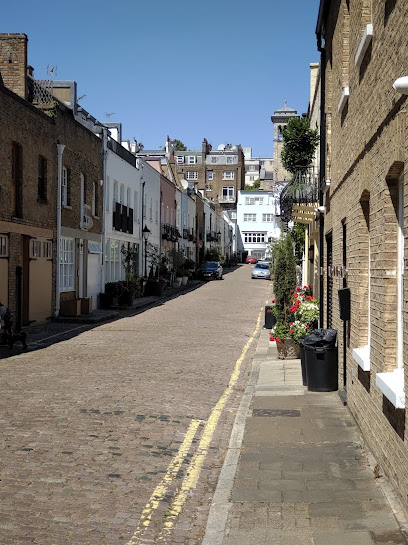
A charming historic pub tucked away in Belgravia’s cobbled mews, blending traditional hospitality with rich celebrity and cultural heritage.
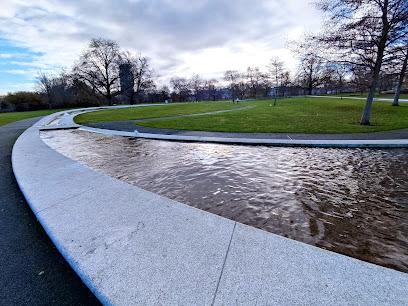
Diana, Princess of Wales Memorial Fountain
0.9 km
A serene, interactive water memorial in Hyde Park honoring Princess Diana’s life and legacy through innovative design and tranquil reflection.
Sloane Square
0.9 km
An elegant London square where Chelsea’s luxury shopping, culture and high society meet, centred on the Venus Fountain and framed by Peter Jones and the Royal Court Theatre.
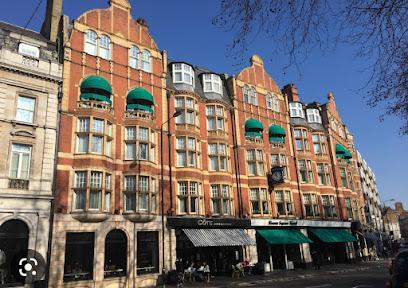
King's Rd
0.9 km
Explore King’s Road, Chelsea’s legendary street blending iconic fashion history with vibrant modern shopping and culture.
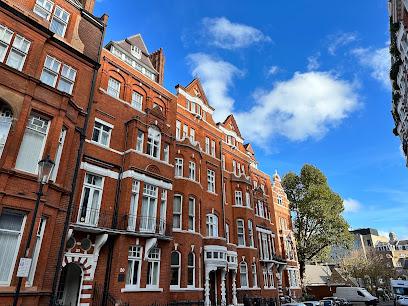
Hyde Park
0.9 km
Explore Hyde Park, London's vast historic Royal Park and vibrant green sanctuary in the heart of the city.
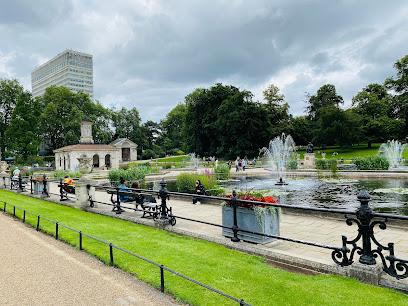
Essential places to dine

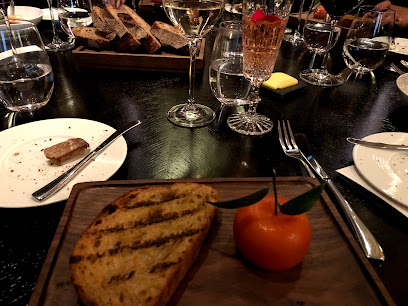
Dinner by Heston Blumenthal
0.4 km
Experience two Michelin-starred historic British cuisine reimagined with modern artistry at Dinner by Heston Blumenthal in the heart of Knightsbridge.
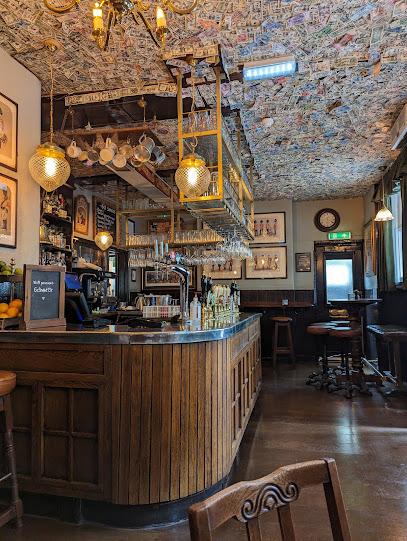
The Grenadier
0.6 km
Discover The Grenadier, a historic and haunted London pub steeped in military legacy and timeless charm in the heart of Belgravia.
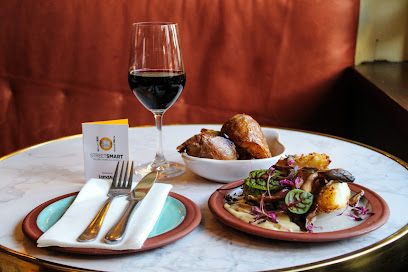
Rabbit
1.2 km
A rustic yet refined modern British bistro on King's Road, celebrating sustainable farm-to-fork dining in the heart of Chelsea.
Town House Kensington
1.3 km
Elegant modern British dining with global influences in the heart of South Kensington, offering all-day meals and refined ambiance.
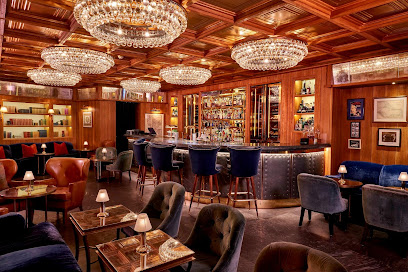
The English Grill
1.4 km
Classic British dining perfected with expertly grilled steaks and seasonal delights in a refined, elegant setting near London’s iconic theatres.
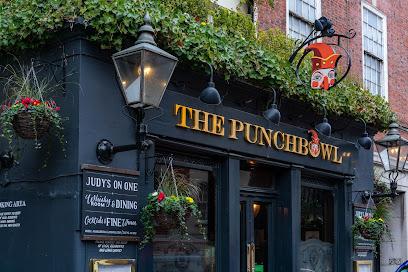
The Punch Bowl
1.4 km
Historic Mayfair gastropub where three centuries of character meet contemporary British cuisine and award-winning hospitality.
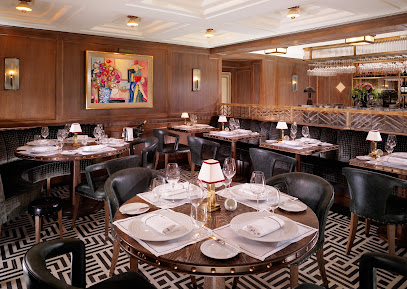
Ormer Mayfair Restaurant
1.5 km
Michelin-starred modern British dining in an elegant 1930s-style Mayfair setting, offering inventive tasting menus and impeccable service.
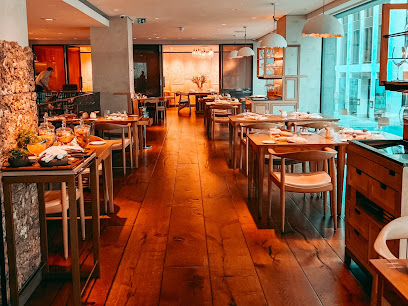
HIDE
1.5 km
Discover refined Modern European cuisine with panoramic Green Park views at HIDE, a Michelin-starred gem blending innovation and elegance in Mayfair.
Bill's Victoria Restaurant
1.6 km
A vibrant British eatery near Victoria Station offering hearty classics, sharing plates, and plant-based dishes in a cozy, casual setting.
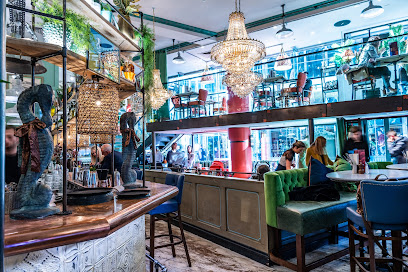
Mercato Mayfair
1.7 km
Experience diverse global street food in a stunning restored church at the heart of London’s Mayfair district.
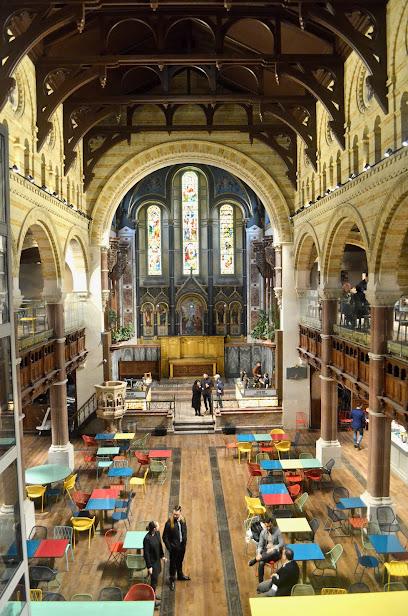
The Jam
1.7 km
Discover Chelsea’s iconic Italian eatery with quirky treehouse seating and authentic cuisine on King’s Road.
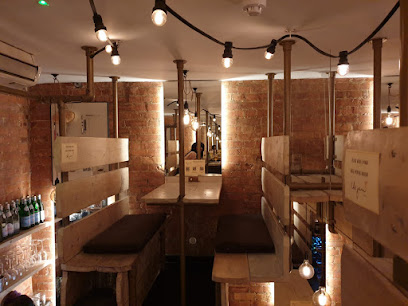
Spaghetti House Italian Restaurant Kensington High Street
1.7 km
Authentic Italian flavors and cozy charm await at Spaghetti House on Kensington High Street, perfect for casual dining in central London.
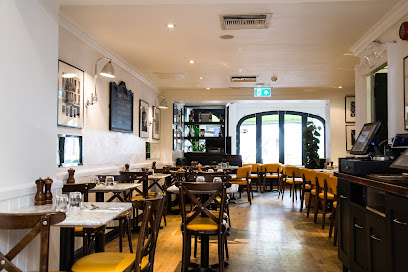
Seven Park Place by William Drabble
1.8 km
An intimate Michelin-starred restaurant in Mayfair offering refined British-French cuisine by Chef William Drabble in an elegant Art Deco setting.
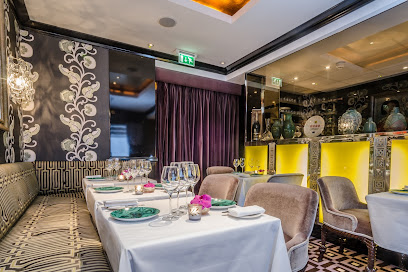
Great British Restaurant
1.8 km
Elegant British dining in the heart of St James’s, blending traditional flavors with modern sophistication in a tranquil hotel setting.
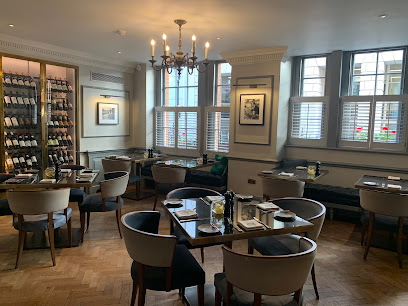
Apricity Restaurant
1.8 km
Sustainable fine dining in Mayfair blending seasonal British produce with innovative, low-waste culinary artistry.
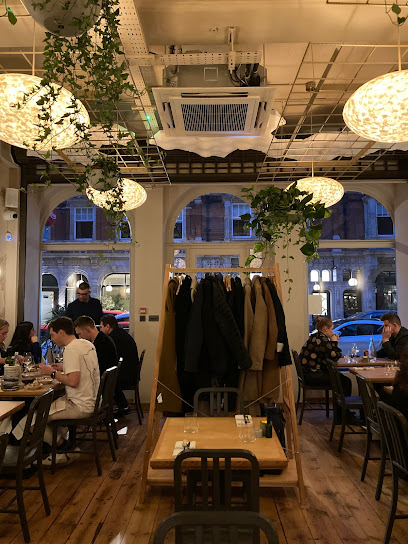
Markets, malls and hidden boutiques

V&A Shop
0.7 km
Discover art-inspired gifts and unique keepsakes at the V&A Shop, nestled within London’s renowned Victoria and Albert Museum.
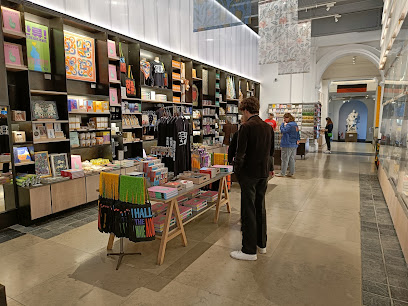
Science Museum Shop
0.8 km
Ignite curiosity with science-inspired gifts, gadgets, and toys at this inventive shop inside London's Science Museum – perfect for all ages.
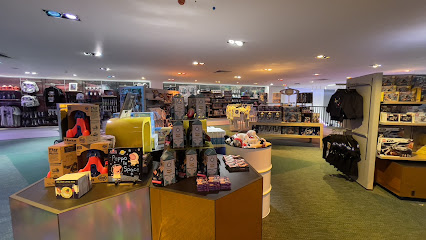
The Natural History Museum Shop
0.9 km
Discover nature’s wonders through unique gifts and souvenirs at the Natural History Museum Shop in London’s iconic museum.
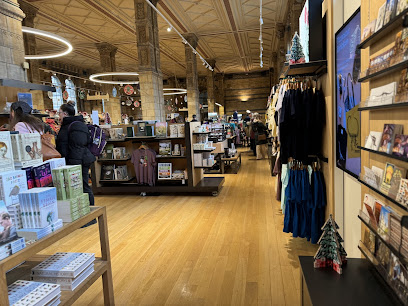
Hard Rock London Rock Shop
1.1 km
Discover exclusive rock ’n’ roll merchandise and iconic memorabilia at London’s legendary Hard Rock Rock Shop on Old Park Lane.
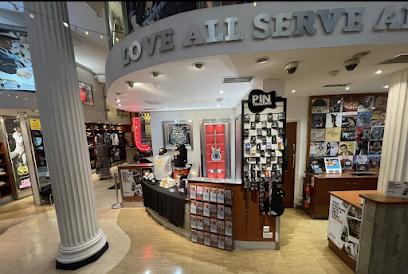
Thomas Goode & Co
1.3 km
Two centuries of royal patronage and uncompromising luxury in London's most prestigious chinaware emporium.
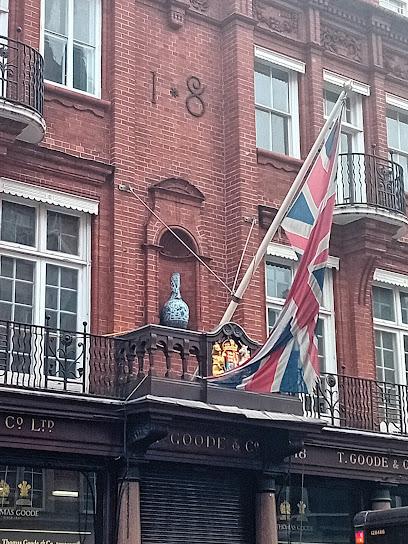
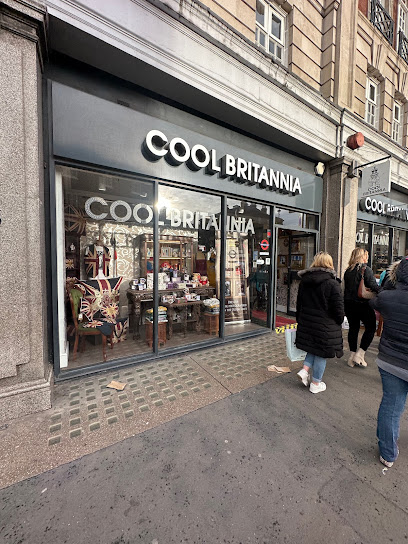
Cool Britannia
1.4 km
Discover authentic British souvenirs and vintage photography moments just steps from Buckingham Palace in a lively and welcoming shop.
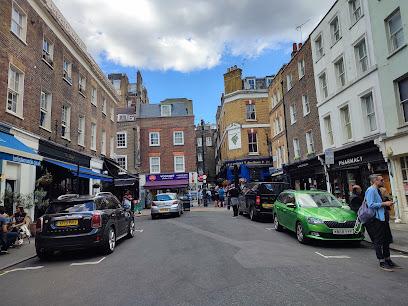
Shepherd Market
1.4 km
A Georgian village hidden in Mayfair's heart, where independent shops, art galleries and historic pubs preserve timeless London charm.
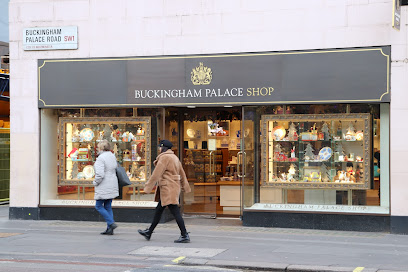
Buckingham Palace Shop
1.4 km
Official royal souvenirs at the palace gates: chinaware, gifts, and memorabilia that bring Buckingham Palace's grandeur home with you. (162 characters)
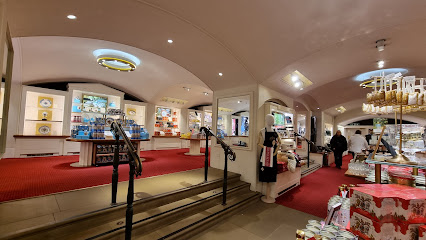
The Queen's Shop
1.4 km
Exclusive royal gifts and British heritage souvenirs steps from Buckingham Palace, blending luxury, tradition, and timeless elegance in a charming London boutique.
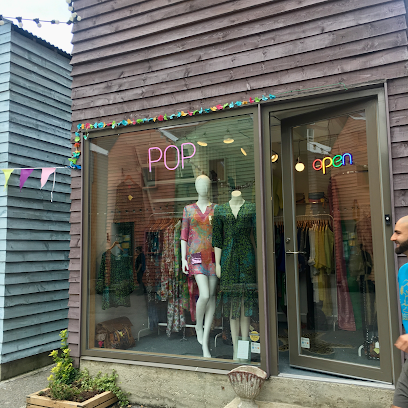
Pop London - Sustainable Fashion Boutique
1.5 km
Discover stylish, affordable sustainable fashion at Pop London, a boutique blending ethical design with community spirit in the heart of London.
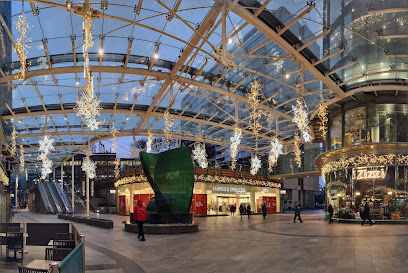
Cardinal Place
1.6 km
Experience the ultimate shopping and dining destination at Cardinal Place, London’s vibrant commercial hub near Victoria Station.
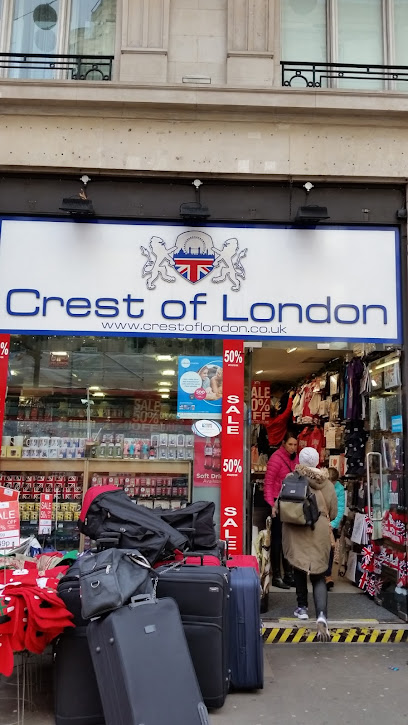
Crest Of London
1.6 km
Discover unique London-themed gifts and souvenirs in the vibrant heart of Oxford Street’s shopping district.
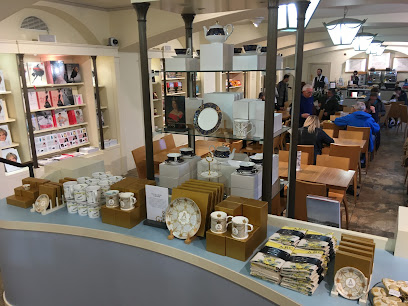
Kensington Palace Shop
1.8 km
Discover regal treasures at Kensington Palace Shop: fine china, jewellery, and exclusive souvenirs inspired by centuries of royal elegance in London's premier palace grounds.
Selfridges
1.8 km
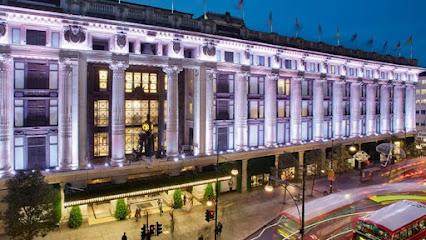
Experience luxury, innovation, and culture at London’s iconic Selfridges department store on Oxford Street.
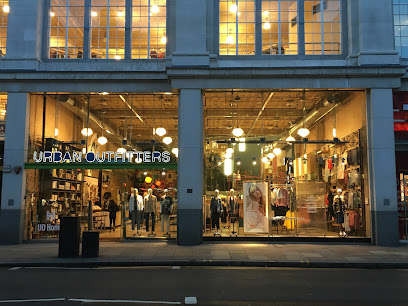
Urban Outfitters
1.8 km
Trendy threads and eclectic home vibes on London's iconic Kensington High Street – Urban Outfitters delivers boho-chic shopping with a creative edge.
Essential bars & hidden hideouts

Bar 190
1.1 km
Experience London’s legendary rock ’n’ roll cocktail bar with classic Victorian charm and expertly crafted drinks at Bar 190.
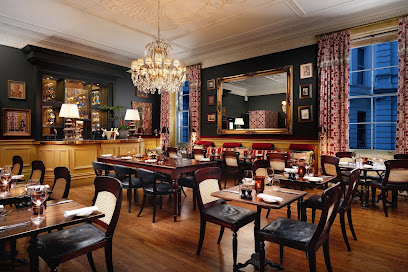
K Bar
1.3 km
Sophisticated South Kensington cocktail haven blending innovative mixology, gem-inspired elixirs, and plush club-like elegance for unforgettable evenings.
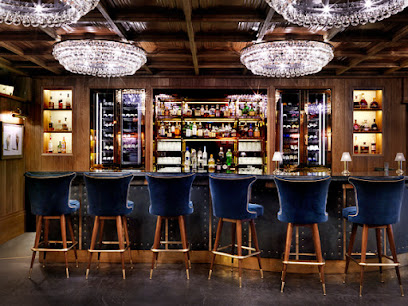
The New York Bar
1.4 km
A polished hotel lounge opposite Buckingham Palace — handcrafted cocktails, tasting events and piano-accompanied afternoons in plush, traditional surroundings.
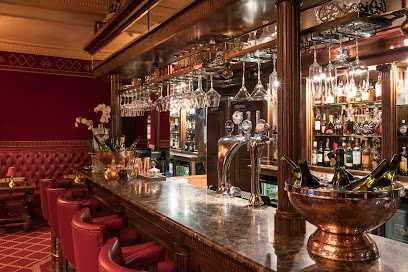
Bbar
1.4 km
Chic Victoria cocktail bar beneath a living wall, blending South African zest with inventive drinks, hearty bites, and unforgettable afternoon teas near Buckingham Palace.
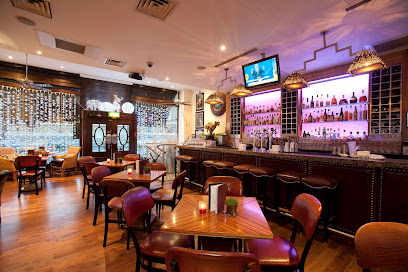
The Hereford Arms, South Kensington
1.4 km
Victorian South Kensington pub pouring Fuller's ales, serving refined classics like cod and cottage pie amid Hitchcock charm and Ripper lore.
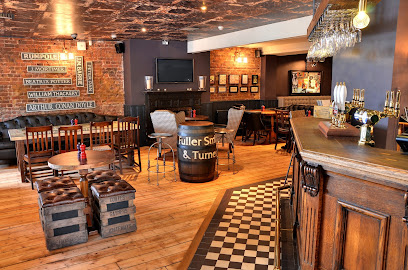
Below
1.5 km
Discover Below at HIDE, a hidden Mayfair cocktail bar offering expertly crafted seasonal drinks and rare spirits beneath a Michelin-starred restaurant.
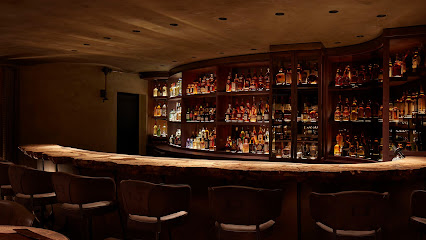
The Owl and Monkey Cocktail Bar
1.5 km
A stylish South Kensington cocktail bar blending tropical design, sustainable mixology, and warm hospitality for memorable nights.
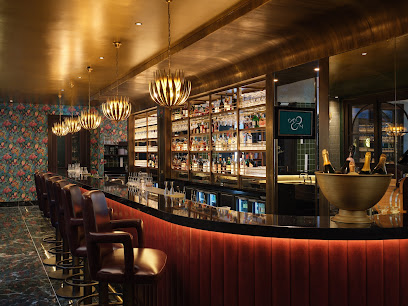
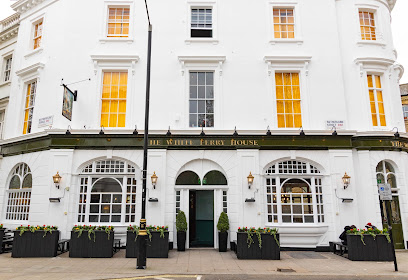
The White Ferry, Victoria (PUBLOVE)
1.6 km
Affordable hostel living meets classic British pub culture in the heart of Pimlico, steps from Victoria Station and London’s iconic sights.
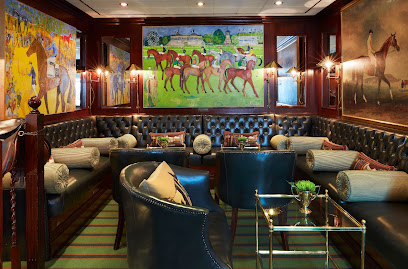
Stables Bar
1.6 km
Elegant Kensington cocktail haven in a former stable, blending equestrian heritage with inventive mixology and cosy conservatory vibes opposite lush gardens.
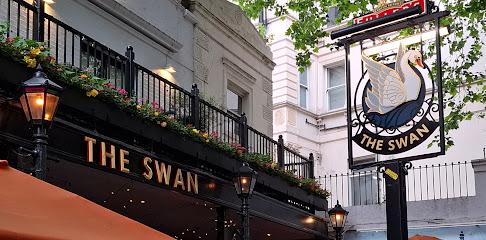
The Swan, Hyde Park
1.7 km
Historic coaching inn turned vibrant pub overlooking Hyde Park, blending rich London heritage with classic British dining and lively social scenes.
The Victoria, Paddington
1.7 km
Step into The Victoria, Paddington, a historic Victorian pub blending timeless charm, rich heritage, and refined British dining in a warm, inviting setting.
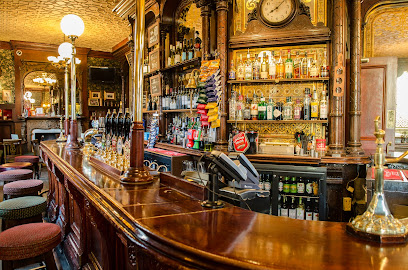
The Builders Arms
1.7 km
A classic Kensington pub with cosy period character, modern British comfort food and a lively, neighbourhood atmosphere.
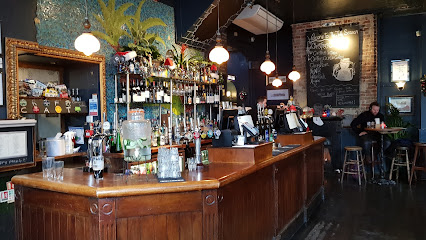
AMARO BAR - London
1.8 km
Elegant Kensington cocktail bar blending Savoy mastery with inventive twists, vintage rarities, and intimate speakeasy charm on High Street.
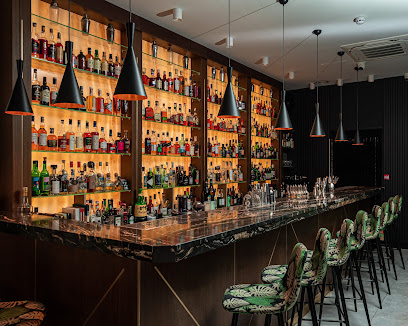
Piano Kensington
1.8 km
Live piano requests, cocktails and casual late-night bites in the Royal Garden Hotel — a music-led, relaxed Kensington night out.
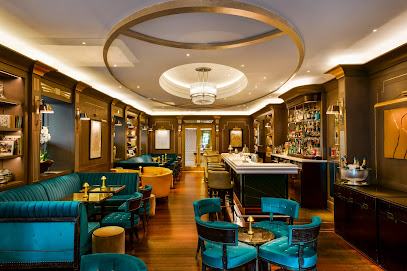
The Churchill Bar & Terrace
1.8 km
Sophisticated cocktail bar and terrace in central London, blending classic British charm with modern elegance and a vibrant social scene.
Nightclubs & after hour spots

Metric
1.0 km
A compact, collegiate nightclub beneath Imperial College’s Beit Quadrangle — lively student nights, intimate dancefloor and a campus-centred party vibe.
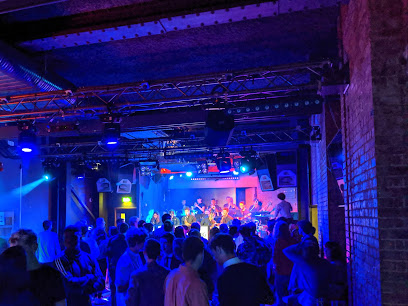
Dolce Night Club , London
1.1 km
Elite VIP nightclub in South Kensington blending luxurious design, R&B beats, and high-end cocktails for unforgettable weekend revelry.
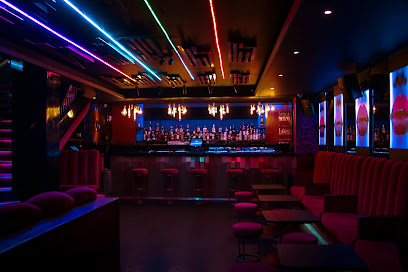
B London
1.3 km
Dive into South Kensington's electric nightlife at B London, where sophisticated beats and stylish crowds fuel unforgettable nights from 9pm till dawn.
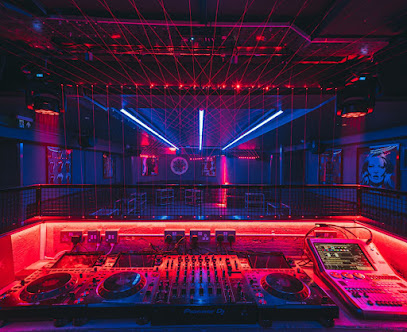
Privilege Entertainment Ltd
1.7 km
Discover the pulsating nightlife at Privilege Entertainment Ltd, London's premier entertainment agency and nightclub, where unforgettable experiences await.

LUXX CLUB LONDON
1.7 km
Experience Mayfair’s premier luxury nightclub with dazzling lights, top DJs, and exclusive VIP vibes at LUXX CLUB LONDON.
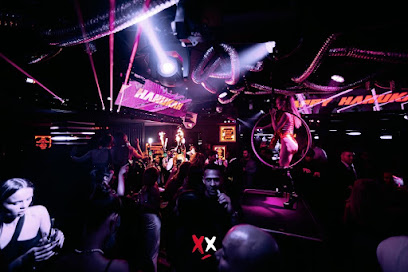
Tabu London
1.8 km
Escape Mayfair's polish for Tokyo's neon-lit Shinjuku alleys at Tabu London—retro gaming vibes, caged dancers, hip-hop beats, and upscale bites fuel epic nights.
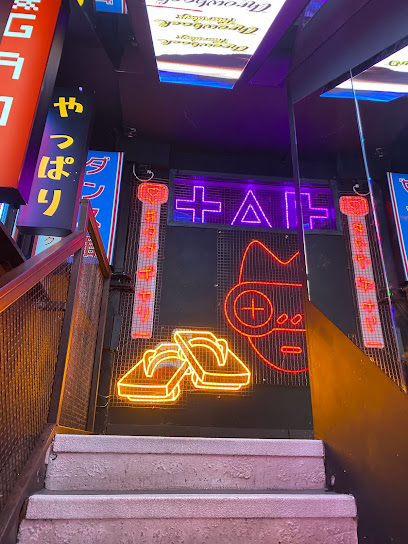
The Scotch of St James
2.0 km
Legendary Mayfair speakeasy where 60s rock stars jammed and today's elite dance till dawn in velvet-clad intimacy.
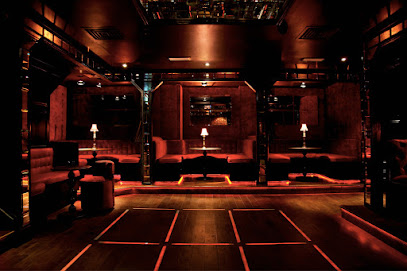
Carwash Nightclub
2.0 km
Europe's longest-running disco since 1989: sequins, funk beats, and joyful dancing in Mayfair's retro heart. Join the glitter-fueled party!
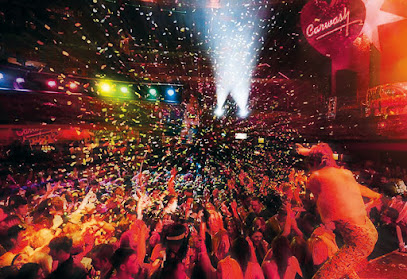
The Cuckoo Club
2.1 km
Exclusive Mayfair nightclub and restaurant blending glamorous design, contemporary cuisine, and vibrant nightlife in London’s upscale scene.
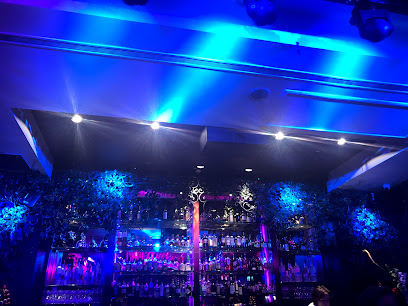
Tiger Tiger London
2.4 km
Experience London’s iconic Haymarket nightclub with six vibrant rooms, lively DJs, and a dynamic party atmosphere just moments from Piccadilly Circus.
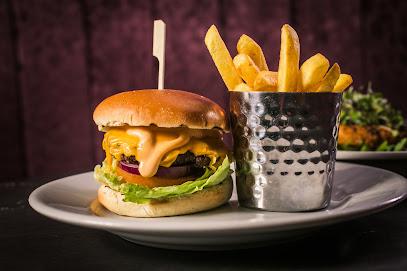
The Windmill Soho | Restaurant, Cabaret & Nightclub in Soho, London
2.4 km
Soho's legendary cabaret den revived: burlesque bites, theatrical feasts, and all-night beats in a historic hotspot of hedonism.
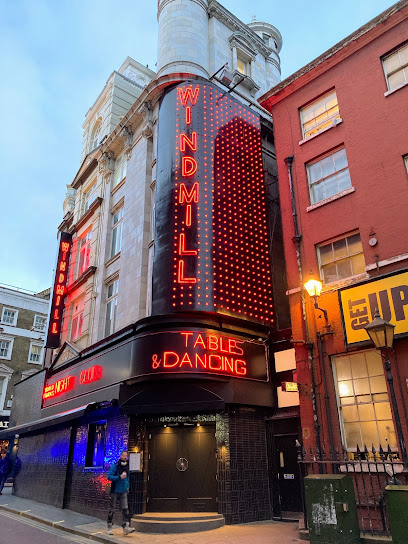
Notting Hill Arts Club
2.4 km
West London's sweaty basement cradle of music legends since '97—coffee by day, live gigs and club nights till 2am in an intimate den of funk, jazz, and raw talent.
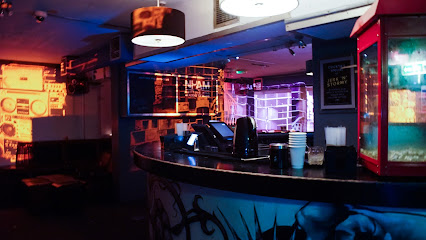
Sunset night club
2.4 km
Dive into Soho's electric nightlife at Sunset Night Club, where thumping beats, craft cocktails, and dawn-chasing energy define unforgettable nights in London's vibrant core.
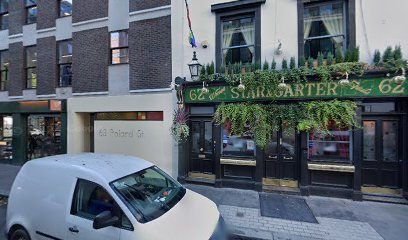
Luxe Club
2.4 km
Experience London's vibrant nightlife at Luxe Club, a central hotspot for music, dancing, and late-night entertainment.
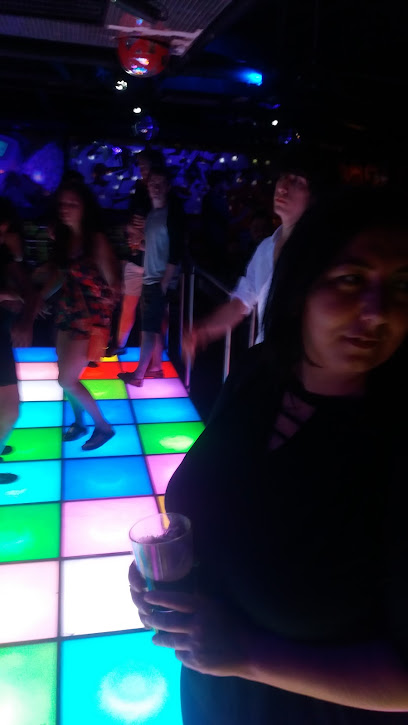
TSQ Club
2.5 km
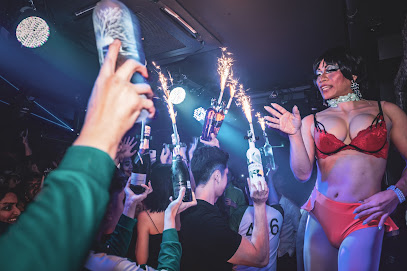
Dive into Trafalgar Square's nightlife pulse at TSQ Club, where eclectic beats, dazzling lights, and craft cocktails fuel unforgettable weekend nights in London's heart.
For the vibe & atmosphere seeker
- Lively
- Unique
- Boutique
- Scenic
- Entertaining
For the design and aesthetic lover
- Vintage Styles
- Art Deco Styles
- Colorful Aesthetics
For the architecture buff
- Historic
- Landmarks
- Art & Design
For the view chaser and sunset hunter
- Iconic Views
For the social media creator & influencer
- Instagrammable
- Photo Spots
- Architectural Shots
For the eco-conscious traveler
- Public-Transport Accessible
For the kind of experience you’re after
- Cultural Heritage
- Photowalk
- Day Trip
- Weekend Getaway
For how adventurous you want the journey to be
- Easy Access
Location Audience
- Family Friendly
- LGBT Friendly
- Senior Friendly
- Child Friendly
- Teen Friendly
- Wheelchair Access
- Pet Friendly
- Solo Friendly
- Couple Friendly
- Solo Female Friendly
- Vegetarian Friendly
- Vegan Friendly


