
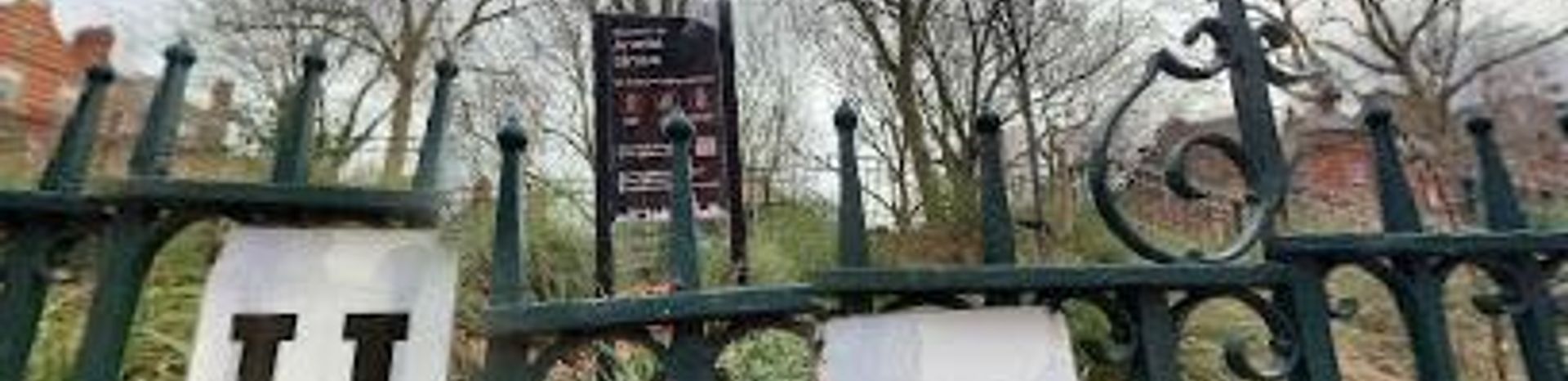
Arnold Circus
Britain's first council estate, born from Victorian slum clearance and still thriving as a multicultural landmark.
Arnold Circus is the heart of the Boundary Estate, Britain's first council housing development built in the 1890s on the site of London's most notorious Victorian slum, the Old Nichol. This circular garden features a historic bandstand at its centre, surrounded by distinctive red-brick Arts and Crafts buildings radiating outward in seven wide, tree-lined streets. Today, this Grade II listed landmark stands as a testament to Victorian social reform and community regeneration, hosting a vibrant multicultural neighbourhood in East London's Shoreditch.
A brief summary to Arnold Circus
- London, GB
- Duration: 0.5 to 2 hours
- Free
-
 Outdoor
- Mobile reception: 5 out of 5
Local tips
- Visit the bandstand at the centre of Arnold Circus, which sits atop a mound made from rubble of the demolished Old Nichol slum—a poignant physical reminder of the area's transformation.
- Walk the seven radiating streets to appreciate Owen Fleming's revolutionary Arts and Crafts design, which brought sophisticated urban planning to working-class housing for the first time in Britain.
- Explore the multicultural character of the neighbourhood by noting Bengali signage on buildings and visiting nearby Brick Lane, which reflects the successive waves of migration that have shaped the area since the 1890s.
- Visit during weekday afternoons when local residents gather on benches around the circus—a genuine community space where you can observe the living heritage of the estate.
- Read Arthur Morrison's novel 'A Child of the Jago' before visiting to understand the desperate conditions that once existed here and appreciate the scale of the transformation.

For the on-the-go comforts that matter to you
- Seating Areas
- Sheltered Areas
- Information Boards
- Trash Bins
Getting There
-
London Underground
Take the Circle, Hammersmith & City, or Metropolitan line to Aldgate East station, approximately 8 minutes' walk south-west of Arnold Circus. From the station, head north-west through Brick Lane and turn right onto Shoreditch High Street, then left into the quieter residential streets leading to Arnold Circus. Service runs frequently throughout the day.
-
Bus
Multiple bus routes serve the area, including routes 8, 26, 35, 47, 48, 78, 135, and 149, which stop on or near Shoreditch High Street. Journey times from central London typically range from 20–40 minutes depending on traffic. Buses run regularly from early morning until late evening, with reduced frequency after midnight.
-
Walking from Brick Lane
If approaching from Brick Lane (approximately 5 minutes' walk away), head north along Brick Lane and turn left onto Club Row or Sclater Street, then navigate into the quieter streets that feed into Arnold Circus. The walk is straightforward on flat terrain with good pavements.
-
Cycling
Arnold Circus is accessible by bicycle via London's cycle superhighway network. Bike parking is available in the surrounding area. The location is situated on relatively flat terrain with good access from nearby Brick Lane and Shoreditch High Street.
Arnold Circus location weather suitability
-
 Any Weather
-
 Mild Temperatures
Discover more about Arnold Circus
From Slum to Social Reform: The Old Nichol and Reverend Jay's Vision
In the mid-1800s, the area now occupied by Arnold Circus was known as the Old Nichol—a byword for poverty, disease, and crime that shocked even hardened observers. By 1886, approximately 5,700 people were crammed into a tiny area bounded by Virginia Road, Mount Street, Boundary Street, and Old Nichol Street. The death rate stood at 40 per 1,000 inhabitants, four times higher than London as a whole, and one child in four died before reaching their first birthday. Street fights between rival gangs were routine, and the conditions were so appalling that the Illustrated London News described them as "a painful and monotonous round of vice, filth and poverty, huddled in dark cellars, ruined garrets, bare and blackened rooms, reeking with disease and death." When Reverend Osborne Jay arrived as the parish vicar in December 1886, he found a community so disconnected from conventional institutions that 92 percent of residents attended no religious service. Rather than preach from his pulpit, Jay took to the streets as a cheerful and charismatic presence, gradually earning trust and raising £25,000 to build a new church, social club, gymnasium, and lodging house. Yet Jay understood that incremental improvements would never transform such desperate conditions. He became convinced that the entire slum had to be demolished and rebuilt from scratch.Revolutionary Design and the Birth of Council Housing
In 1890, Jay persuaded the newly formed London County Council to compulsorily purchase every property in the Old Nichol and clear the site entirely. The demolition took place between 1890 and 1894, and in its place rose the Boundary Estate—Britain's first council housing development. The architect was Owen Fleming, then just 23 years old, who designed the estate in the Arts and Crafts style with revolutionary principles for the time. Seven wide, tree-lined streets, each 50 feet across and carefully drained, radiated outward from a central circular space called Arnold Circus, named after Sir Arthur Arnold, the LCC chairman responsible for ensuring the estate's high construction standards. The design was inspired by fashionable West End developments such as Seven Dials, bringing sophisticated urban planning to working-class housing. Twenty blocks of five-storey red-brick buildings were arranged to maximise light and air, with common areas between them. Small workshops were incorporated to promote local business and employment. The centrepiece—Arnold Circus itself—featured a raised garden with a bandstand at its heart, deliberately elevated so that residents could see greenery from their windows. The mound supporting this garden was constructed from rubble salvaged from the demolished slum buildings, making the new estate literally rise from the archaeology of the old.The Paradox of Progress: Who Really Benefited
When the Prince of Wales officially opened the Boundary Estate in March 1900, he acknowledged both Arthur Morrison's novel "A Child of the Jago" and Reverend Jay's philanthropic efforts. Yet the outcome revealed a troubling contradiction. The new flats, though far superior to anything the Old Nichol had offered, came with rents that the original slum dwellers could not afford. The estate was designated for the "industrious poor"—the respectable working class—rather than the "idle poor" who had inhabited the slum. Consequently, the original residents were displaced further east to Bethnal Green and Dalston, creating new overcrowding and new slums elsewhere. Charles Booth, the social researcher who had documented the area's poverty, noted that although the council managed the estate efficiently, it "failed to assist those who needed decent housing the most."A Multicultural Haven: Waves of Migration and Community
Over the following decades, Arnold Circus and the Boundary Estate became home to successive waves of migrants seeking better lives. By 1900, the estate housed a substantial Jewish population; the brothers Lew Grade and Bernard Delfont, who would become famous impresarios, moved to the estate in 1914 and attended Rochelle Street School, where 90 percent of children spoke Yiddish. After the Second World War, as the Jewish community moved outward and the estate's population declined, poor Bangladeshi families arrived in search of opportunity, much as the Irish and Huguenots had before them. In the 1970s, during the height of the squatter movement, local activist Terry Fitzpatrick encouraged Bangladeshi families to occupy empty flats. Remarkably, George Tremlett, the right-wing Tory chairman of the Greater London Council's housing committee, allowed them to stay, declaring he would not be remembered as the man who threw 60 desperately poor families into the street.Modern Stewardship and Regeneration
Today, Arnold Circus remains a Grade II listed landmark, with the bandstand and surrounding gardens carefully preserved. The Friends of Arnold Circus, established in 2004, have transformed the circular garden from a neglected space into a well-tended oasis, undertaking restoration work and organising community art projects. One notable initiative was the creation of the Bagaan (Garden) Textile, a wall hanging made by 16 women from the Boundary Women's Project at St Hilda's East Community Centre, inspired by the bandstand, the garden's plants and animals, and local architecture. The estate remains a living monument to social housing principles, with Tower Hamlets Council still controlling approximately two-thirds of the original flats built in the 1890s, while others have entered private ownership. Bengali signage adorns many buildings, reflecting the continuing presence of Bangladeshi residents who make up roughly 40 percent of the neighbourhood's population. Despite gentrification pressures, Arnold Circus retains its character as a multicultural community space where 120-year-old buildings continue to evolve with the lives of those who inhabit them.Iconic landmarks you can’t miss

Arnold Circus
0.0 km
Arnold Circus: The historic heart of London's first council estate, born from slum clearance and social reform, now a vibrant community landmark.
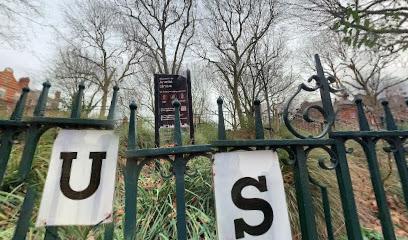
Shoreditch Church
0.2 km
Explore Shoreditch’s historic Palladian church, a sanctuary of Shakespearean theatre heritage and architectural grandeur in vibrant East London.
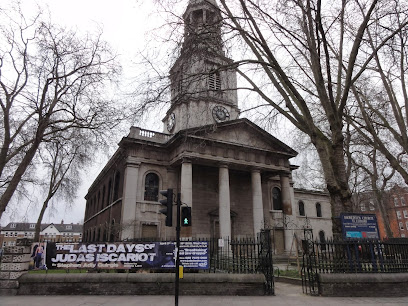
Northumbria University - London
0.9 km
Explore Northumbria University in London, where vibrant culture meets innovative education in the heart of the city.
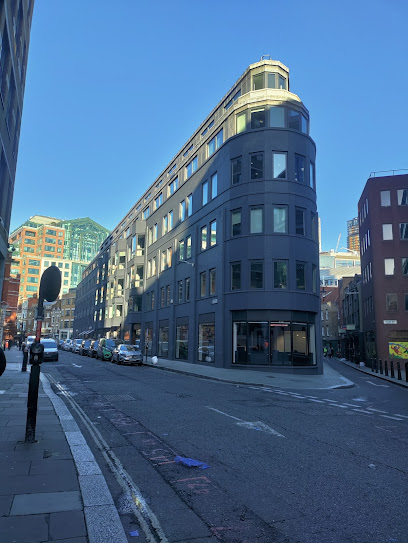
St Christopher's Inn Liverpool Street
0.9 km
Budget-friendly hostel with a lively pub below, central to London’s financial district and Shoreditch’s creative energy.

182 Bishopsgate
1.0 km
Discover 182 Bishopsgate, where London’s ancient gateway history meets the vibrant pulse of the modern financial district.
Liverpool Street
1.1 km
Explore the vibrant heart of London at Liverpool Street Station, a historic transport hub with modern amenities and access to iconic attractions.
Devonshire Square
1.1 km
A vibrant historic campus blending heritage, modern workspaces, and lively lifestyle spaces in central London’s City.
Travelodge London Central Liverpool Street
1.1 km
Affordable comfort in the heart of East London, steps from Liverpool Street station and vibrant city attractions.
St Mary’s, Whitechapel (The White Chapel)
1.1 km
Historic site of St Mary’s Whitechapel, the iconic White Chapel that shaped East London’s identity and now commemorated as Altab Ali Park.
Shoreditch Park
1.2 km
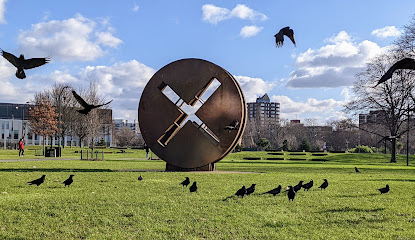
Experience the lush greenery and vibrant culture at Shoreditch Park, an urban oasis in the heart of London.
Bevis Marks Synagogue
1.3 km
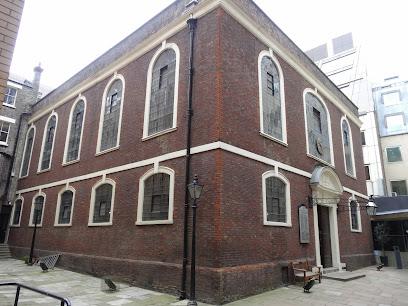
Discover Bevis Marks Synagogue, the oldest synagogue in the UK, where rich history and stunning architecture meet in the heart of London.
St Helen's Church, Bishopsgate
1.3 km
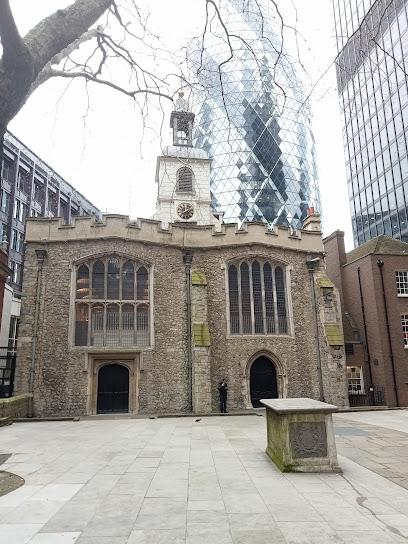
Medieval dual-nave church with 800+ years of history, royal relics, and remarkable resilience.
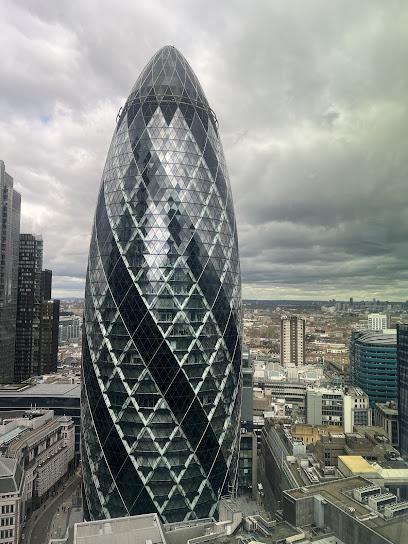
30 St Mary Axe (The Gherkin)
1.3 km
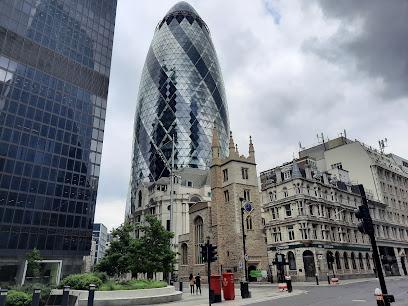
A striking, sustainable skyscraper in London’s financial heart, blending innovative design with panoramic city views and historic roots.
30 Saint Mary Axe - Swiss Re
1.3 km
Discover The Gherkin, London’s pioneering eco-friendly skyscraper with its iconic spiraling glass façade and panoramic city views.
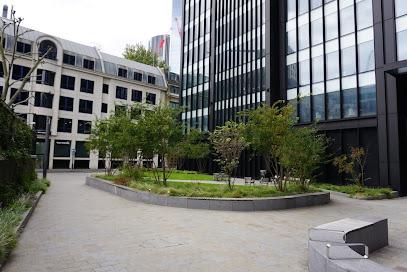
Mitre Square
1.3 km
Mitre Square: A serene retreat in London’s financial district, blending rich history with beautiful landscapes for an unforgettable city experience.
Unmissable attractions to see

The Cocktail Club - Cocktail Bar in Shoreditch
0.2 km
Discover The Cocktail Club in Shoreditch, a trendy cocktail bar offering innovative drinks and a vibrant atmosphere for an unforgettable night in London.
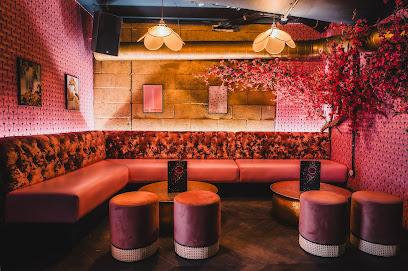
Callooh Callay
0.3 km
Discover Callooh Callay, an enchanting cocktail bar in London, where innovative drinks meet a whimsical atmosphere.
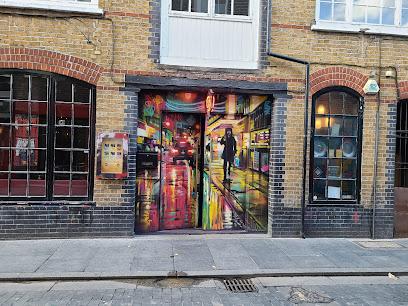
Village Underground
0.3 km
A vibrant East London cultural hotspot blending live music, street art, and creative community in a historic warehouse setting.
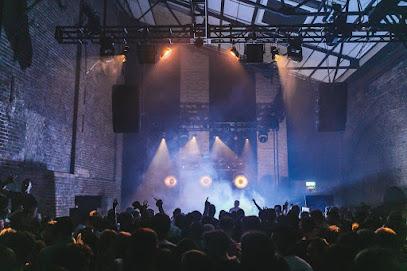
The Hoxton Pony
0.3 km
Discover the vibrant nightlife at The Hoxton Pony in Shoreditch, where creative cocktails and a lively atmosphere make for an unforgettable evening.

Shoreditch
0.4 km
East London's creative playground where street art, markets, and nightlife collide in authentic, ever-evolving style.
The Old Blue Last
0.4 km
Discover London's lively music scene at The Old Blue Last, a vibrant bar and live music venue perfect for an unforgettable night out.
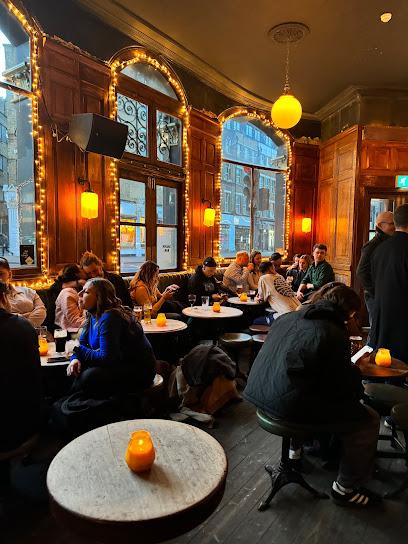
Sunset Bar
0.4 km
Experience the vibrant nightlife of London at Sunset Bar, where expertly crafted cocktails meet a lively atmosphere in a stylish setting.
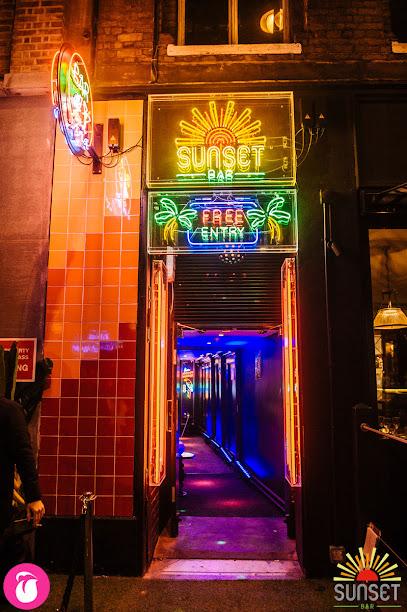
Shoreditch Balls
0.4 km
Discover the perfect blend of cocktails and miniature golf at Shoreditch Balls, a vibrant hotspot in London's eclectic Shoreditch district.
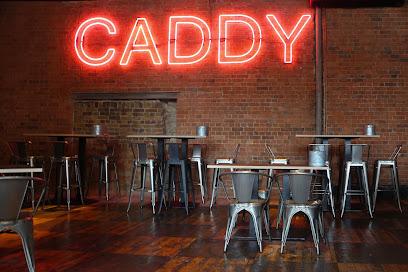
Trafik
0.4 km
Discover Trafik, a lively club and bar in London's Old Street, offering a vibrant nightlife experience with eclectic music and delicious cocktails.

Hoxton Square
0.5 km
Historic Hoxton Square is a vibrant garden oasis at the core of East London's creative and nightlife scene.
Brick Ln
0.5 km
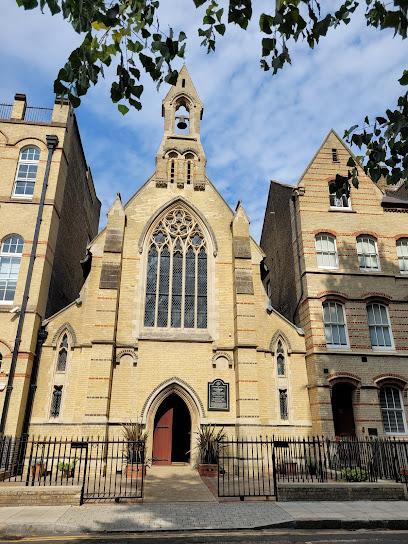
Discover Brick Lane: London's vibrant street filled with rich history, eclectic shops, and tantalizing food from around the world.
Columbia Road Flower Market
0.5 km
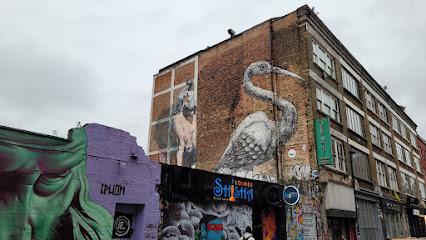
Discover a vibrant Sunday floral haven in East London, where history, community, and colorful blooms create an unforgettable market experience.
Nomadic community
0.5 km
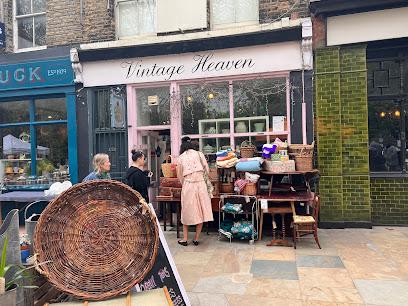
A hidden creative sanctuary off Brick Lane, blending street art, community spirit, and sustainable urban gardening in East London.
The Truman Brewery Markets
0.5 km
A vibrant East London cultural and culinary hotspot blending vintage markets, global street food, and creative community spirit in a historic brewery setting.
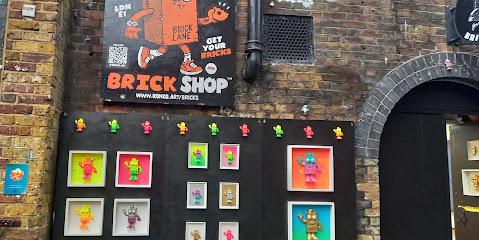
The Truman Brewery
0.5 km
Historic East London brewery turned vibrant creative hub, blending rich heritage with markets, art, and culture on iconic Brick Lane.
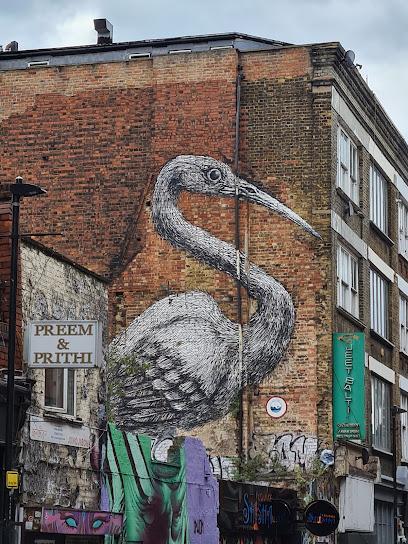
Essential places to dine

Lyle's
0.2 km
Michelin-starred Lyle's serves innovative, seasonal British cuisine in a minimalist Shoreditch setting with a relaxed, refined atmosphere.
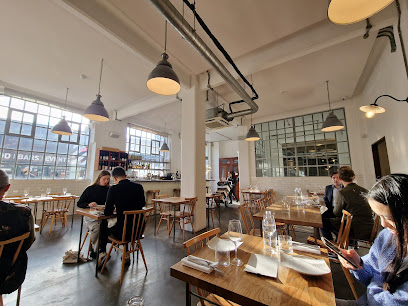
The Clove Club
0.3 km
Two Michelin stars meet innovative modern British cuisine in a historic Shoreditch Town Hall setting with a unique urban garden.
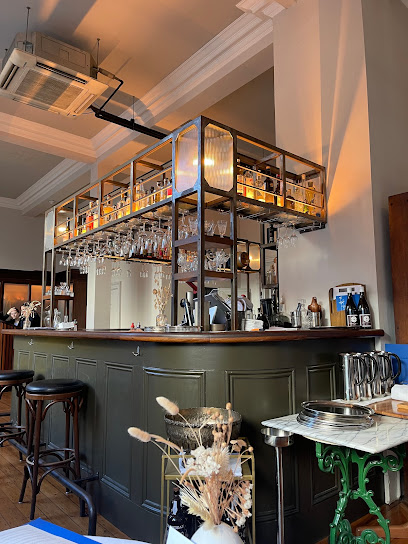
Nest Restaurant Old Street
0.3 km
Intimate Shoreditch gem offering creative British seasonal tasting menus in a cozy, historic setting with a sustainable ethos.
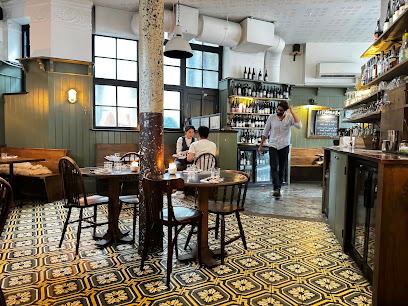
Brawn
0.5 km
Seasonal Mediterranean small plates and natural wines in a lively, vintage-inspired Shoreditch setting on Columbia Road.
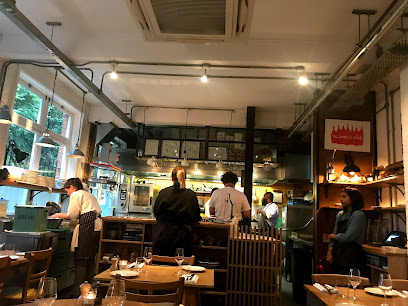
Marugame Udon Middlesex Street
0.9 km
Experience freshly handcrafted Japanese udon and crispy tempura in a lively open kitchen setting at Marugame Udon Middlesex Street, London’s authentic udon destination.
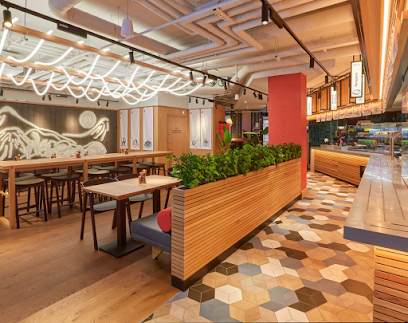
Mattarello Chiodo Bolognese Restaurant
1.1 km
Authentic Bolognese pasta and gluten-free Italian delights in the heart of London’s Middlesex Street.
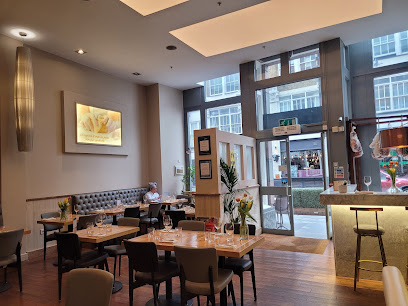
Barcelona Tapas Bar & Restaurant
1.2 km
Authentic Spanish tapas and warm hospitality in the heart of London’s City since 1991.
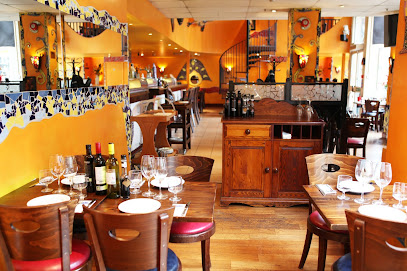
Da Terra Restaurant
1.4 km
Experience innovative two-Michelin-star Modern European cuisine with vibrant Brazilian influences in the heart of East London’s historic Bethnal Green.
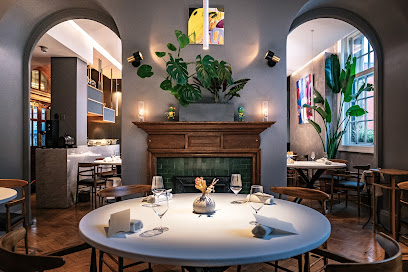
14 Hills
1.6 km
Experience modern British cuisine in a lush, sky-high garden with breathtaking panoramic views over London’s iconic skyline.
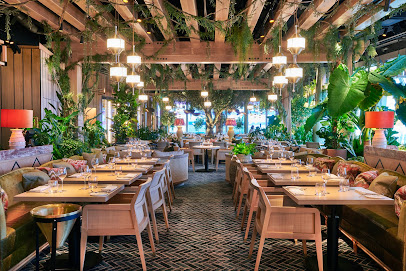
La Dame de Pic London
1.8 km
Discover refined French gastronomy and elegant dining in a historic London landmark with two Michelin stars and innovative cuisine.
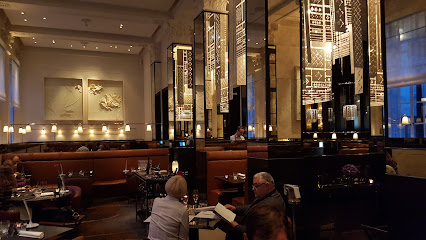
St. John
1.9 km
Experience authentic British nose-to-tail dining in the heart of London’s Barbican at St. John, where tradition meets modern culinary artistry.
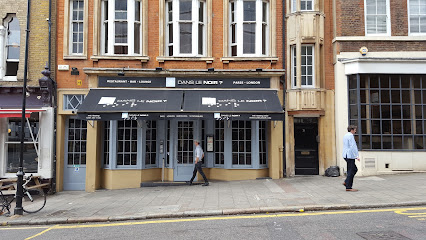
Dans le Noir ? London Restaurant
1.9 km
Experience dining like never before in total darkness, guided by visually impaired waitstaff in a sensory adventure at Dans le Noir ? London.
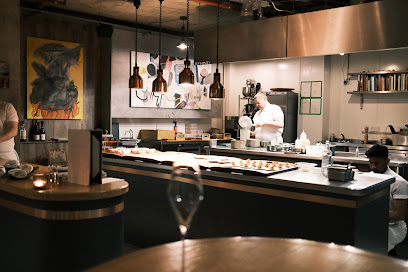
Behind Restaurant
1.9 km
An intimate Michelin-starred fish tasting restaurant in London Fields offering immersive chef-served seasonal menus in an open kitchen setting.
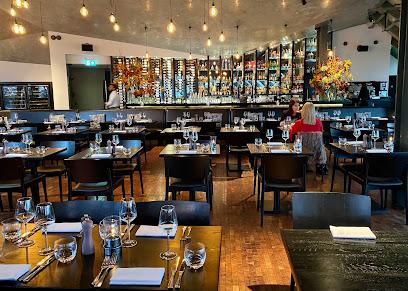
Madison
1.9 km
Stylish rooftop dining and cocktails with breathtaking views of St Paul’s Cathedral and London’s skyline.
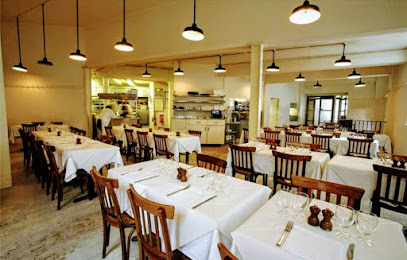
Restaurant Story
2.6 km
Experience a two Michelin-starred culinary journey where storytelling meets British fine dining in the heart of London Bridge.
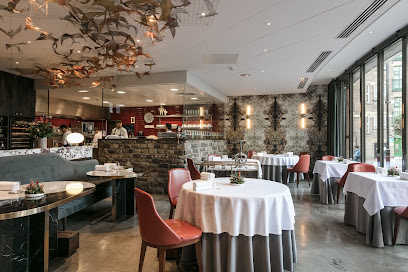
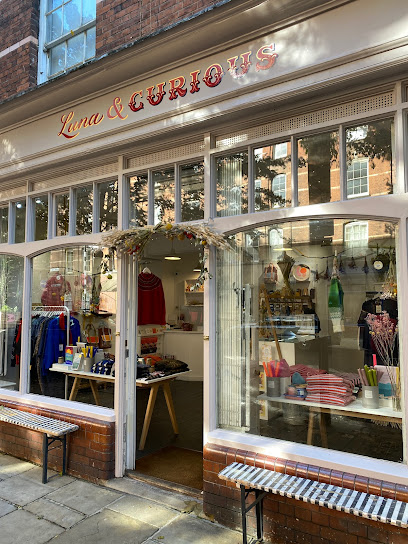
Markets, malls and hidden boutiques

Luna & Curious
0.1 km
Discover Shoreditch’s curated boutique of British craftsmanship, quirky design, and independent retail at Luna & Curious.
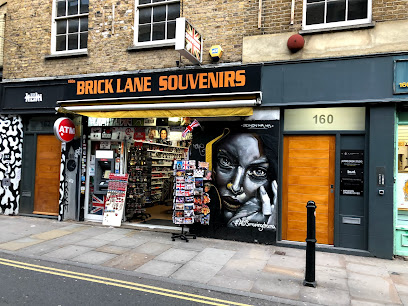
Brick Lane Souvenirs
0.5 km
Discover affordable, stylish London souvenirs and gifts in the heart of Brick Lane’s vibrant cultural scene.
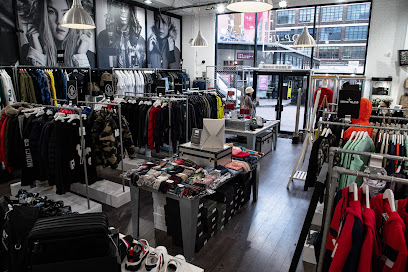
DPUS Designer Outlet
0.6 km
Authentic designer fashion outlet in Shoreditch’s historic Old Truman Brewery, blending luxury style with urban culture and unbeatable prices.
Middlesex Textiles
1.1 km
Discover London’s premier West African fabric store offering vibrant, high-quality textiles with unmatched variety and service since 1969.
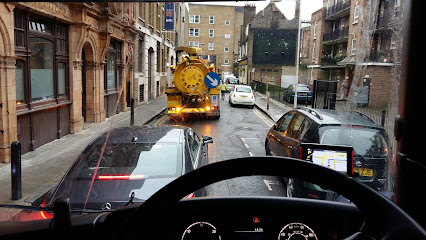
Barbican Shop
1.4 km
Discover curated art, design, music, and unique gifts at the Barbican Shop, a creative retail haven within London’s iconic Barbican Centre.
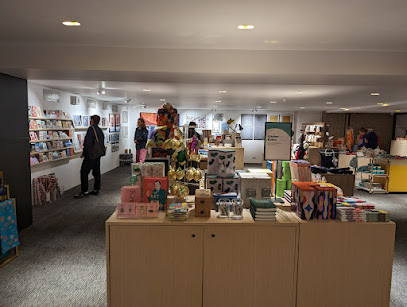
Broadway Market
1.5 km
A lively Victorian street market in East London offering global street food, unique crafts, and a vibrant community atmosphere every weekend.
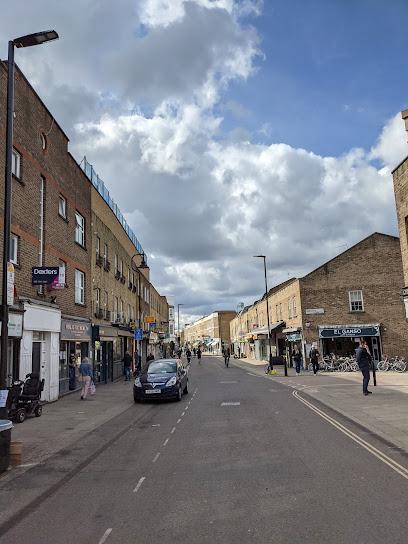
The Royal Exchange
1.6 km
A majestic neoclassical landmark blending 450 years of London’s trading history with luxury shopping in the City’s financial heart.
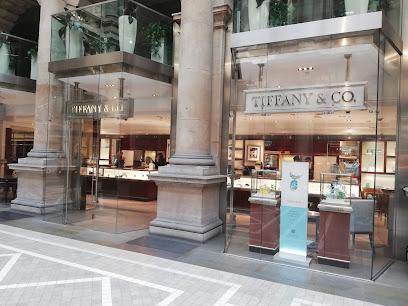
69b Boutique Sustainable Style
1.6 km
London’s first boutique dedicated to stylish, sustainable fashion with a focus on ethical brands and eco-friendly materials.

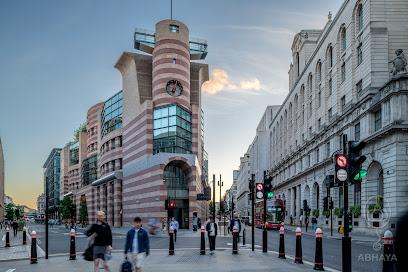
1 Poultry
1.7 km
Iconic postmodern office and retail building with vibrant limestone stripes, a colorful atrium, and a rooftop garden overlooking London’s financial district.
Unique Gifts
1.9 km
A compact London gift shop filled with original, handpicked presents and quirky souvenirs for those who love something different.
Pop Up Luxury Shop
1.9 km
Exclusive, curated luxury shopping in a stylish London pop-up setting blending fashion innovation with boutique charm.

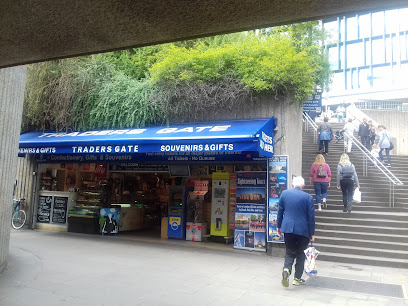
Traders Gate
1.9 km
A long-standing family-run gift shop on Tower Hill, offering classic London souvenirs and local charm just steps from the Tower of London.
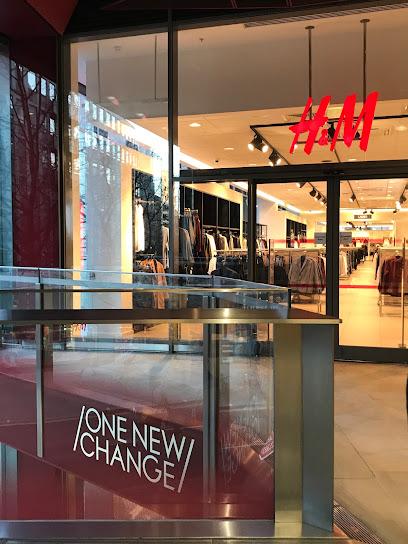
One New Change
1.9 km
Modern glass landmark with free rooftop views of St Paul's Cathedral and London skyline.
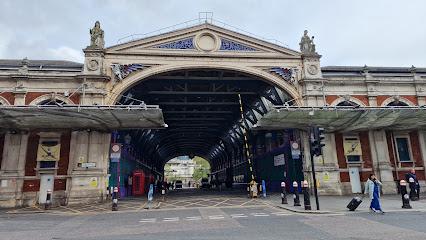
Smithfield Market
2.0 km
London’s oldest wholesale meat market, where history and commerce meet in the heart of the city.
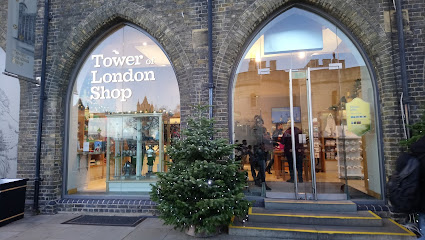
Tower of London Shop
2.0 km
Explore the Tower of London Shop for unique souvenirs that celebrate British heritage and history in the heart of London.
Essential bars & hidden hideouts

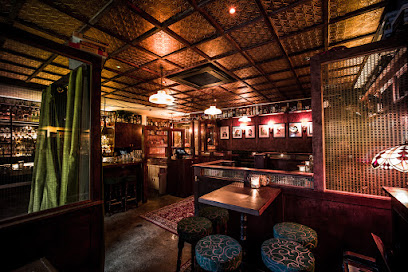
The Cocktail Trading Co. Shoreditch
0.2 km
Inventive cocktails and retro charm blend seamlessly in Shoreditch’s cozy and quirky Cocktail Trading Co.
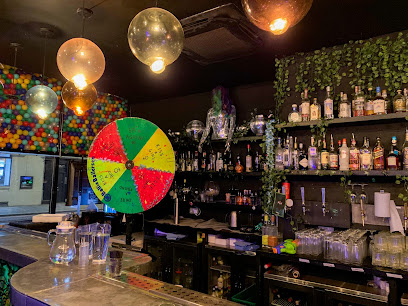
Ballie Ballerson London
0.4 km
Dive into London's most playful cocktail bar with glowing ball pits, inventive drinks, and unforgettable nights in Shoreditch.
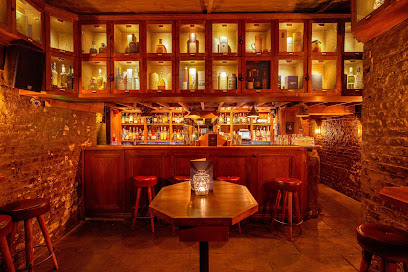
TT
0.4 km
Innovative wood-fired Mediterranean small plates and cocktails in a stylish Shoreditch venue with a vibrant rooftop terrace.
Nikkis Bar - Shoreditch
0.4 km
Lively Shoreditch cocktail bar famed for its bottomless brunch, drag shows, and nostalgic party vibes in a colorful, tropical-inspired setting.
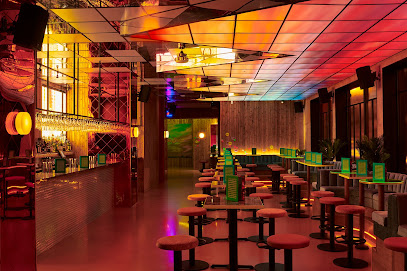
Tonight Josephine - Shoreditch
0.4 km
Lively Shoreditch cocktail bar famed for pink neon vibes, creative drinks, and unforgettable themed brunches.
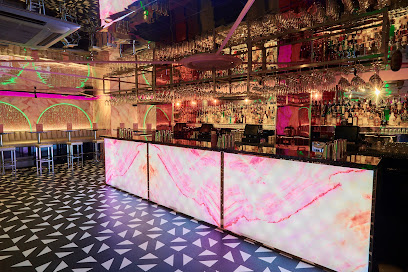
Alcotraz London: Cell Block Two-One-Two
0.5 km
Step inside Alcotraz London for a one-of-a-kind immersive prison cocktail bar adventure with live actors and bespoke drinks.
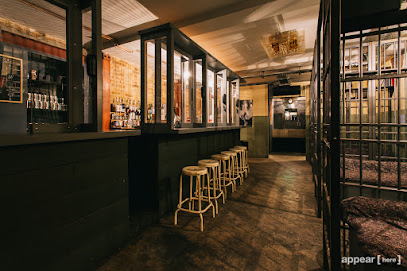
Happiness Forgets
0.5 km
Discover expertly crafted cocktails in a cozy, candlelit basement bar with a welcoming no-standing policy in the heart of Hoxton Square.
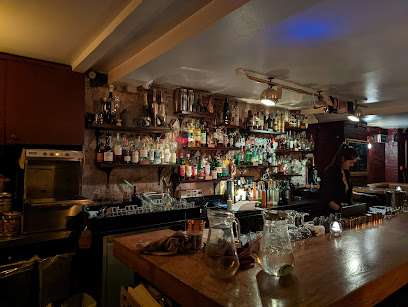
Simmons Bar | Old Street
0.8 km
A retro-inspired cocktail bar in Shoreditch offering creative drinks and a lively, youthful nightlife atmosphere.
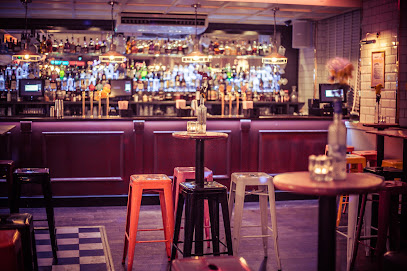
Aviary
0.8 km
Elegant rooftop dining with botanical cocktails and panoramic London skyline views in the heart of Finsbury Square.
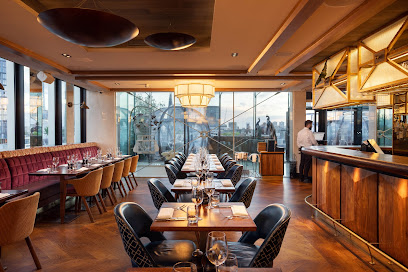
The Mayor of Scaredy Cat Town
0.9 km
Discover Shoreditch’s secret speakeasy behind a fridge door, where quirky vintage charm meets expertly crafted cocktails and lively 80s beats.
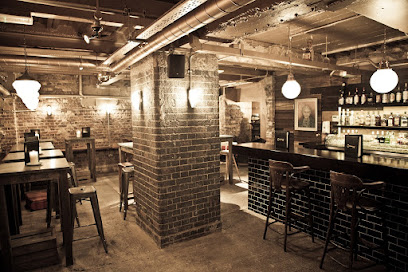
Nightjar Shoreditch
0.9 km
Step into Nightjar Shoreditch, a hidden gem where Prohibition-era cocktails meet live jazz in an intimate, vintage-inspired setting.
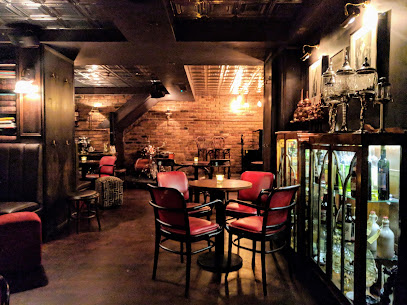
Flight Club Shoreditch
0.9 km
Experience the vibrant social darts scene with great food, cocktails, and fun at Flight Club Shoreditch in East London.
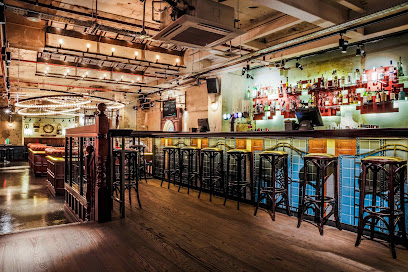
The Astronomer, EC1
0.9 km
A traditional London pub with a cosmic twist, offering hearty pies, craft ales, and a welcoming atmosphere near Liverpool Street.
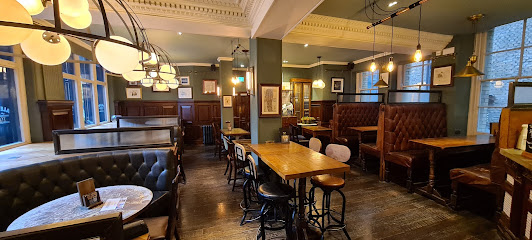
Dirty Dicks
0.9 km
Historic London pub with quirky charm, classic ales, and lively atmosphere near Liverpool Street Station.
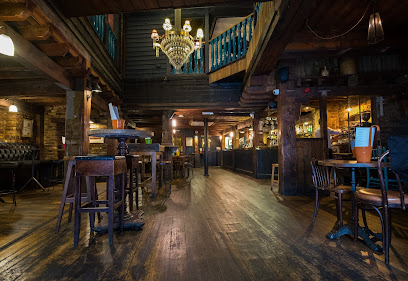
Discount Suit Company
1.0 km
Discover a hidden vintage cocktail bar beneath Spitalfields, blending bespoke drinks with a cozy speakeasy atmosphere in London’s historic tailoring district.
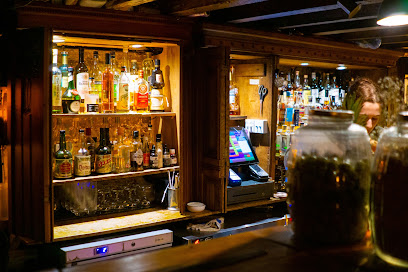
Nightclubs & after hour spots

Basing House - Shoreditch
0.4 km
An intimate Shoreditch nightclub with top electronic beats, a Funktion One sound system, and a lively rooftop bar under the London skyline.
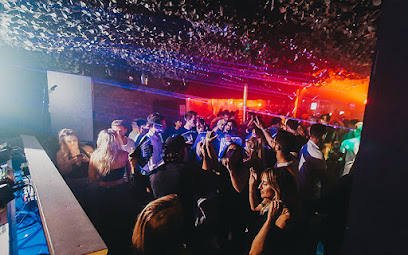
London Best Night Clubs
1.9 km
Experience London’s legendary Ministry of Sound, where cutting-edge sound meets dynamic club culture in a multi-room dance haven.
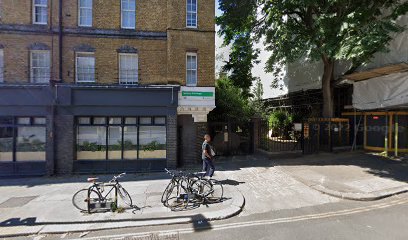
The Steel Yard
2.0 km
Experience London’s premier industrial-chic nightclub set in historic Victorian railway arches, with world-class sound and late-night energy until 6am.
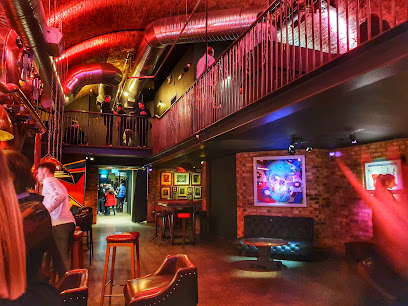
E1
2.1 km
Experience East London’s underground pulse with E1’s cutting-edge sound, immersive visuals, and vibrant club nights.
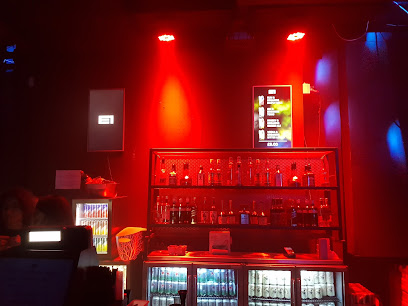
Carwash Nightclub
3.3 km
Experience Europe’s longest-running disco club in London’s West End, where retro beats, vibrant crowds, and themed parties create unforgettable nights.
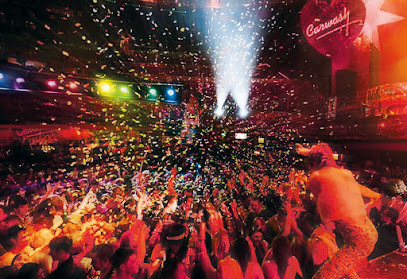
Proud Late
3.5 km
Dive into two-storey glamour under Waterloo Bridge: cabaret acrobatics, burlesque dazzle, supper feasts, and non-stop clubbing till 5am in London's West End nightlife epicenter.
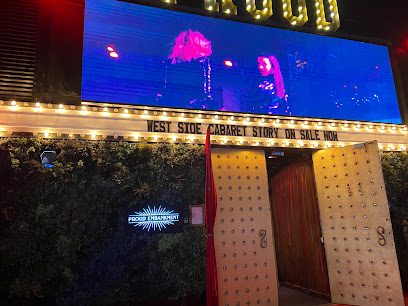
Bunga Bunga Covent Garden
3.5 km
A neon-soaked, pizza-and-karaoke supper club under Drury Lane — 90s nostalgia, stage shows and shareable Italian feasts.
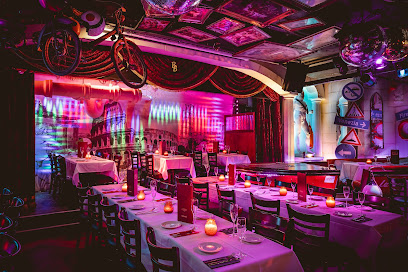
Ministry of Sound
3.6 km
London's legendary dance music cathedral since 1991, where world-class sound systems and global DJs fuel euphoric nights across four pulsing rooms.
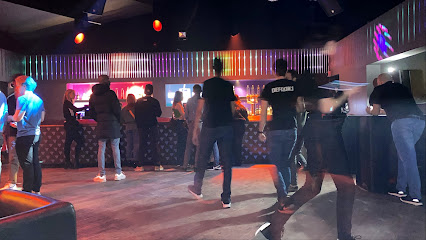
The Roxy
3.7 km
Soho's unbeatable happy hour cocktail bar by day, pulsing nightclub with live music and DJ nights till 3am—affordable vibes in London's nightlife heart.
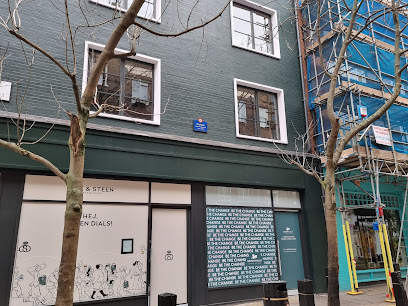
Comedy Carnival Covent Garden
3.8 km
London's premier stand-up comedy venue showcasing bold, award-winning international comedians in vibrant Covent Garden.

Cirque Du Soul
3.9 km
Dive into Leake Street's graffiti tunnel for soul-stirring electronic nights at this underground nightclub haven.
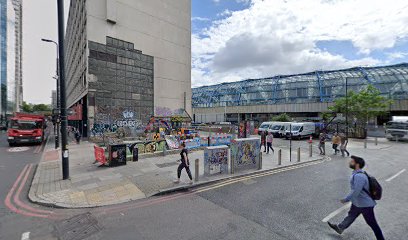
We Are Waterloo
3.9 km
Dive into Leake Street's graffiti heart where street art meets thumping beats in London's ultimate underground nightclub haven.
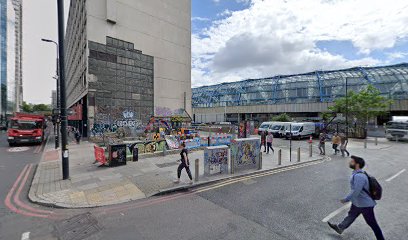
Egg London Nightclub
3.9 km
Experience marathon electronic music sessions in a converted Victorian warehouse with vibrant terraces and world-class DJs at Egg London Nightclub.

STRAWBERRY SUNDAE
3.9 km
Retro rave haven in Waterloo Arches: Daytime hardcore beats, 90s DJ legends, and industrial euphoria from midday to midnight.
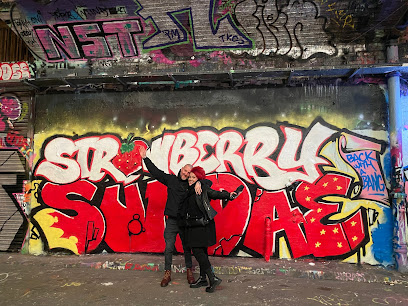
Whatdafunk Presents West End Urban Disco
3.9 km
Dive into London's grooviest urban disco beats at Whatdafunk, where Covent Garden's streets pulse with funk, soul, and non-stop dance energy in the heart of the West End.
For the vibe & atmosphere seeker
- Tranquil
- Scenic
- Unique
- Cultural Heritage
For the design and aesthetic lover
- Vintage Styles
- Industrial Designs
- Rustic Designs
For the architecture buff
- Historic
- Landmarks
- Heritage Neighborhoods
- Parks & Gardens
For the view chaser and sunset hunter
- Iconic Views
- Panoramas
For the social media creator & influencer
- Instagrammable
- Photo Spots
- Architectural Shots
For the eco-conscious traveler
- Protected Area
- Public-Transport Accessible
- Locally Managed
For the kind of experience you’re after
- Cultural Heritage
- Photowalk
- Day Trip
- Myth & Legends
For how adventurous you want the journey to be
- Easy Access
Location Audience
- Family Friendly
- Senior Friendly
- Child Friendly
- Solo Friendly
- Couple Friendly
- Wheelchair Access


