
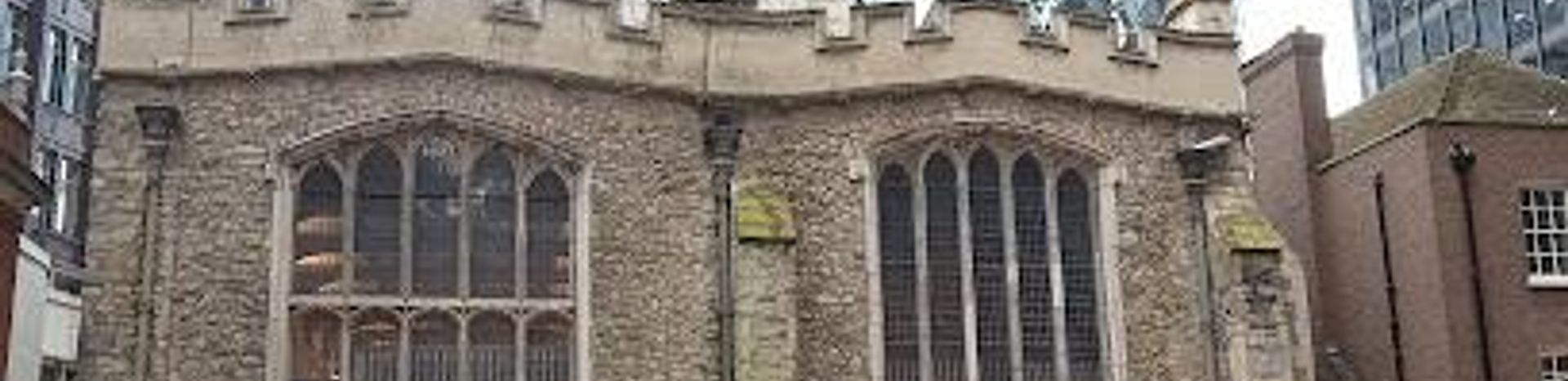
St Helen's Church, Bishopsgate
Medieval dual-nave church with 800+ years of history, royal relics, and remarkable resilience.
One of London's finest surviving medieval churches, St Helen's Bishopsgate stands as a testament to over 800 years of history in the heart of the City. Its distinctive dual-nave architecture reflects its unique past as both a parish church and adjacent Benedictine nunnery. Beautifully restored after IRA bomb damage in the 1990s, the church now welcomes visitors to explore its remarkable collection of funerary monuments and experience its vibrant evangelical ministry.
A brief summary to St Helen's Church, Bishopsgate
- Great St Helen's, London, EC3A 6AT, GB
- +442072832231
- Visit website
- Duration: 0.75 to 2 hours
- Free
-
 Indoor
- Mobile reception: 5 out of 5
Local tips
- Request a visit by ringing the doorbell at reception; the church does not have regular visiting hours but accommodates visitors between 9am–5pm on weekdays where possible.
- Study the six great arches from around 1480 that separate the two naves—they represent the architectural heart of the church's unique dual design.
- Explore the funerary monuments and tombs of Tudor and medieval figures; the collection rivals Westminster Abbey in historical significance and artistic quality.
- Attend a public service or Bible study to experience the church's vibrant evangelical community and witness the space in active spiritual use.
- Notice the restored medieval floor level and modern gallery added during the 1993–1995 restoration, which blend contemporary function with historical authenticity.

For the on-the-go comforts that matter to you
- Restrooms
- Seating Areas
- Information Boards
Getting There
-
London Underground
Take the Circle, District, or Hammersmith & City line to Aldgate station. Exit and follow signs toward Bishopsgate Street; St Helen's Church is located on Great St Helen's, approximately 5–7 minutes' walk northeast from the station. The route is straightforward through the City's street network.
-
London Bus
Multiple bus routes serve the Bishopsgate area, including routes 8, 15, 35, 47, and 48. Alight at stops near Bishopsgate or Aldgate and walk to Great St Helen's. Journey times vary depending on traffic, typically 15–30 minutes from central London locations. Buses run frequently throughout the day.
-
Walking from Liverpool Street
From Liverpool Street Station, walk south along Bishopsgate Street for approximately 8–10 minutes. The church is located on Great St Helen's, a small street just off Bishopsgate. The walk is flat and passes through the historic City of London, with clear street signage.
-
Taxi or Ride-Share
Request a taxi or ride-share service to Great St Helen's, London EC3A 6AT. Journey times from central London typically range from 10–25 minutes depending on traffic conditions. Parking in the immediate area is limited; ride-share drop-off is the most practical option.
St Helen's Church, Bishopsgate location weather suitability
-
 Any Weather
Discover more about St Helen's Church, Bishopsgate
A Medieval Gem with Dual Origins
St Helen's Church possesses one of the most unusual architectural configurations in London, a direct result of its extraordinary history. First recorded around 1140, the church originally served as a parish church in Bishopsgate Ward. In 1210, the Dean and Chapter of St Paul's granted permission for a Benedictine nunnery to be established on adjacent land. Rather than build a separate chapel, the nuns' church was constructed immediately alongside the existing parish church, creating a remarkable double structure. The nuns' church was built four feet wider and longer than the original parish church, prompting the parishioners to extend their own nave to match. This explains the church's distinctive appearance today: two parallel naves of nearly equal size, separated by a magnificent arcade of six great arches that date from around 1480. A wooden screen once divided the two spaces, allowing the nuns to worship separately from the parishioners while sharing the same building.Royal Patronage and Medieval Significance
During the medieval period, St Helen's gained considerable prominence. In 1285, King Edward I visited the church to present it with a piece of the True Cross, reportedly discovered in Wales. This relic built upon the church's dedication to St Helen, the legendary fourth-century saint who, according to tradition, discovered the original crosses in Jerusalem. The gift elevated St Helen's status considerably, and wealthy London residents contributed generously to the nunnery's upkeep. The church became a centre of spiritual importance and accumulated an extraordinary collection of funerary monuments belonging to prominent Tudor and medieval figures, rivalling even Westminster Abbey in the richness of its tombs and memorials.Dissolution and Transformation
The nunnery's fate changed dramatically during the Reformation. In the 1530s, Henry VIII's Dissolution of the Monasteries claimed the religious house, and the nunnery buildings were surrendered to the Crown. Thomas Cromwell subsequently obtained the convent buildings and land, which he sold to the Leathersellers' Company. The company used the refectory of the old nunnery as their hall and occupied the surrounding buildings until 1799, when the remaining convent structures were demolished to make way for a new Leathersellers' Hall. The church itself, however, was permitted to remain and continue its parish functions. Once the wooden screen separating the two naves was removed, the building took on the unified form it retains today, though its dual origins remain evident in its distinctive architectural character.Survival Through Fire and Conflict
St Helen's proved remarkably resilient through London's turbulent history. It was one of only a few City churches to survive the Great Fire of London in 1666, and it also endured the bombing campaigns of World War II. However, the church faced its greatest modern challenge in the 1990s. On 10 April 1992, an IRA bomb exploded outside the nearby Baltic Exchange, approximately 55 metres from the church's east end. The blast shattered all of the church's glass windows, lifted the roof, and completely destroyed the east window of the nuns' choir. The organ was severely damaged, along with several important monuments. A second bomb on 20 April caused further destruction. Rather than diminish the building, the extensive damage prompted a comprehensive restoration that would ultimately enhance the church's future.Contemporary Restoration and Renewed Purpose
Architect Quinlan Terry oversaw the restoration between 1993 and 1995, seizing the opportunity to undertake significant improvements. The floor was restored to its original medieval level, allowing for the installation of modern underfloor heating while maintaining historical authenticity. A new gallery was installed along the full width of the west end, and modern lighting and public address systems were added. The organ was returned to its original position, and a new east window was created to replace the destroyed one. The restoration also reflected the church's evolving liturgical needs, as it had developed a strong tradition of Anglican Evangelical worship focused on biblical preaching. The result is a church that honours its medieval grandeur while serving contemporary spiritual needs, creating a flexible, luminous space that retains all the majesty of its ancient architecture.A Living Monument to London's Past
Today, St Helen's stands as one of the City of London's most significant ecclesiastical treasures. Its Grade I listed status reflects its architectural and historical importance. The church's remarkable collection of funerary monuments tells the stories of prominent Londoners from the fifteenth and sixteenth centuries, including Sir John Crosby, Sir Thomas Gresham, and Sir Julius Caesar Adelmare. These monuments provide windows into the lives of the merchants, nobles, and civic leaders who shaped medieval and Tudor London. The church's evangelical ministry continues to draw worshippers and visitors alike, creating a vibrant community within this ancient space. St Helen's represents a remarkable continuity of purpose across more than eight centuries, from its origins as a parish church and nunnery through its transformation into a modern evangelical centre, all while preserving the architectural and spiritual essence that has defined it since the Middle Ages.Iconic landmarks you can’t miss

30 St Mary Axe (The Gherkin)
0.1 km
A striking, sustainable skyscraper in London’s financial heart, blending innovative design with panoramic city views and historic roots.
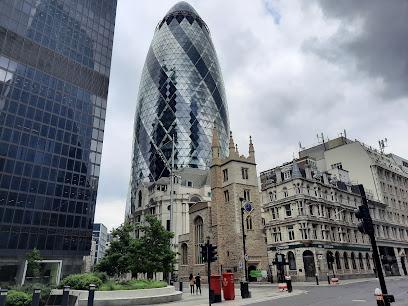
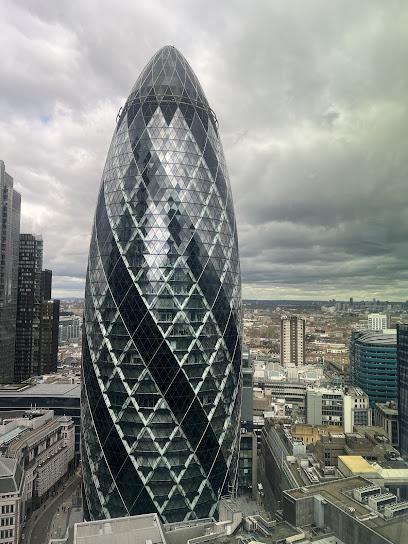
30 Saint Mary Axe - Swiss Re
0.1 km
Discover The Gherkin, London’s pioneering eco-friendly skyscraper with its iconic spiraling glass façade and panoramic city views.
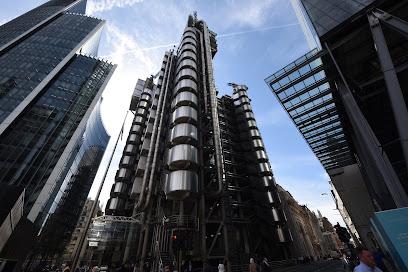
Lloyd's of London
0.2 km
A high-tech architectural masterpiece blending tradition and innovation in the heart of London’s financial district.
Travelodge London Central Liverpool Street
0.3 km
Affordable comfort in the heart of East London, steps from Liverpool Street station and vibrant city attractions.

182 Bishopsgate
0.4 km
Discover 182 Bishopsgate, where London’s ancient gateway history meets the vibrant pulse of the modern financial district.
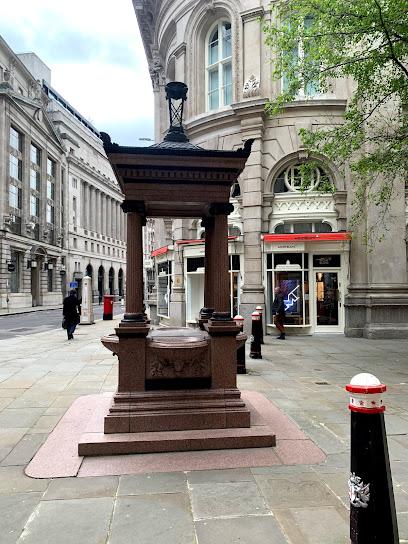
Cornhill Fountain
0.4 km
A historic cast-iron water pump outside the Royal Exchange, symbolizing centuries of London's civic pride and public health innovation.
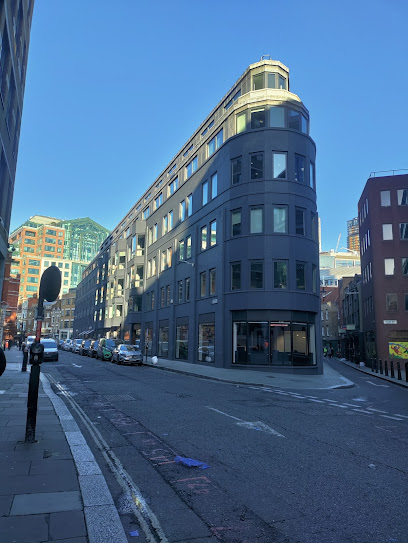
Northumbria University - London
0.4 km
Explore Northumbria University in London, where vibrant culture meets innovative education in the heart of the city.
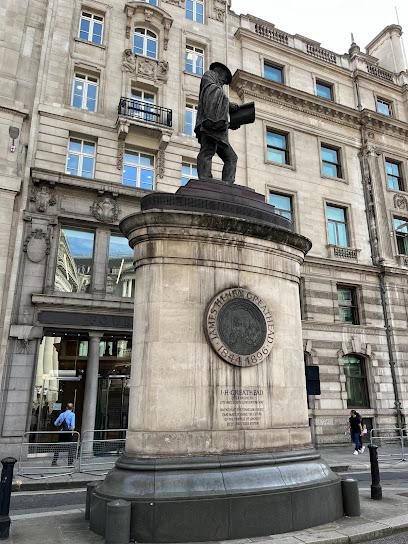
Statue of James Henry Greathead
0.5 km
Discover the statue honoring James Henry Greathead, the engineer whose invention shaped London's iconic Underground tunnels.
Monument to the Great Fire of London
0.6 km
An iconic Doric column commemorating the Great Fire of London, offering panoramic city views from its historic 311-step climb.
Custom House
0.6 km
Historic Custom House on London’s Thames waterfront, a grand 19th-century customs hub echoing centuries of maritime trade and empire.
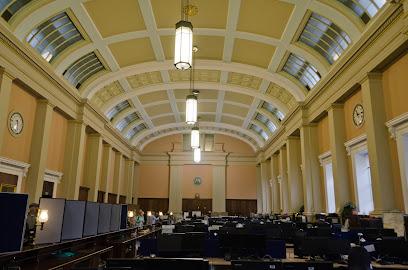
113 Cannon St
0.6 km
A distinguished Grade II listed classical building in London’s financial district, showcasing early 20th-century architectural elegance.
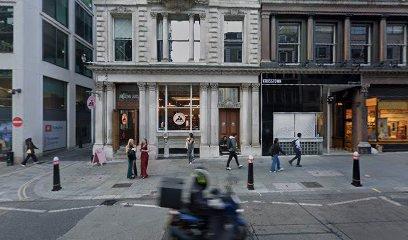
Tower Hill Memorial
0.6 km
Honouring 35,000 merchant seafarers with no grave but the sea—a dual memorial to two world wars.
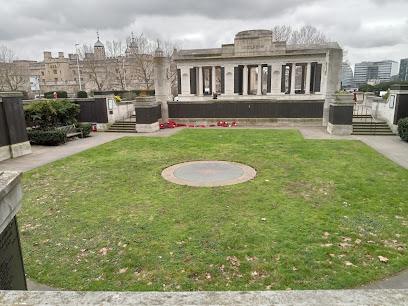
London Stone (remaining part)
0.6 km
Discover London Stone, the ancient and mysterious limestone relic at 111 Cannon Street, a symbol of London's enduring history and legend.

1 Tower Hl Ter
0.7 km
Historic urban landmark near Tower of London, blending centuries of British heritage with maritime memorials and modern city life.
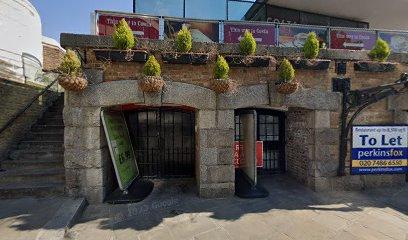
St Christopher's Inn Liverpool Street
0.7 km
Budget-friendly hostel with a lively pub below, central to London’s financial district and Shoreditch’s creative energy.
Unmissable attractions to see

Swingers Crazy Golf - City
0.1 km
Underground mini golf meets lively bars and street food in London’s City district for a unique social night out.

Bevis Marks Synagogue
0.2 km
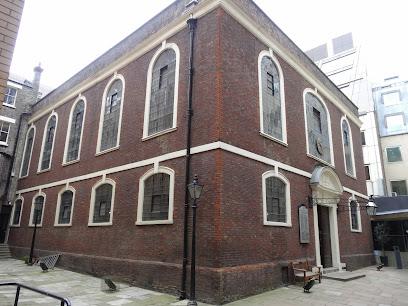
Discover the oldest continuously used synagogue in the UK, a serene Sephardic sanctuary nestled in London's historic heart since 1701.
Devonshire Square
0.2 km
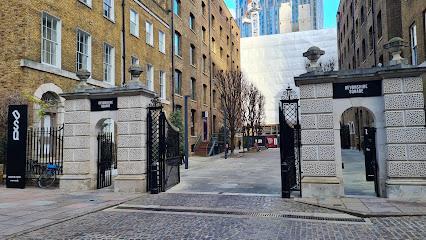
A tranquil blend of Victorian heritage and modern elegance in London’s bustling financial heart.
Moonshine Saloon
0.3 km
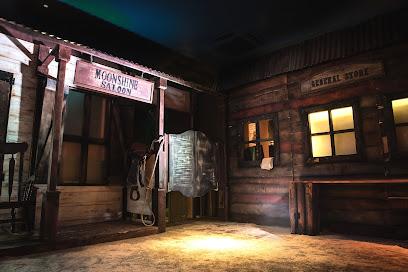
Experience the Wild West at Moonshine Saloon, London's premier cocktail bar offering unique drinks in a captivating atmosphere.
Leadenhall Market
0.3 km
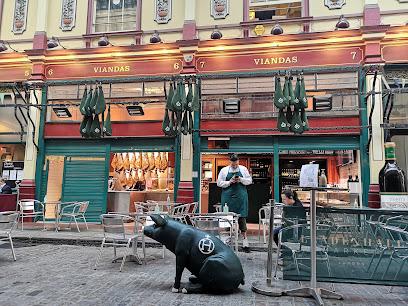
Discover Leadenhall Market’s stunning Victorian architecture and vibrant heritage in the heart of London’s financial district.
Mitre Square
0.3 km
Mitre Square blends medieval heritage and Victorian crime history, marking the chilling site of Jack the Ripper’s fourth victim in London’s historic core.
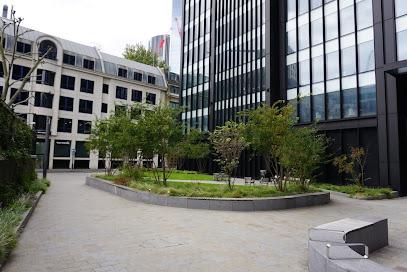
The Garden at 120
0.3 km
Discover London’s largest free rooftop garden with serene greenery and iconic 360° city views atop 120 Fenchurch Street.
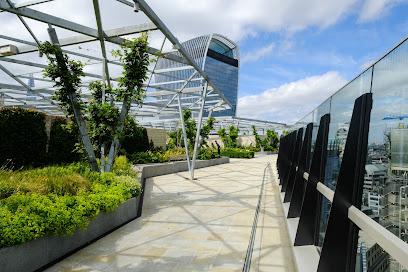
Liverpool Street
0.3 km
A historic and bustling transport hub linking London’s financial heart with vibrant East End culture and beyond.
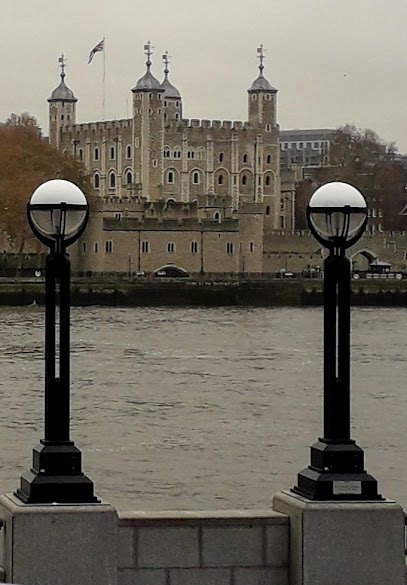
St Michael Cornhill
0.3 km
Discover centuries of history, architecture, and music at St Michael Cornhill, a serene medieval church standing atop Roman London’s ancient basilica.
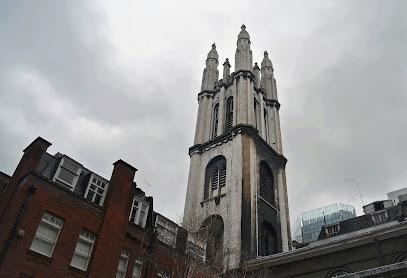
Threadneedle St
0.3 km
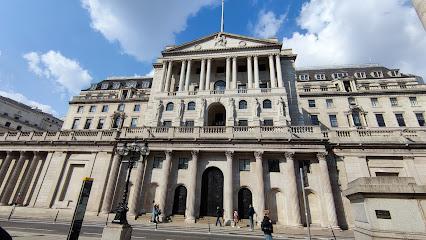
Discover Threadneedle Street, the historic financial artery of London, home to the Bank of England and centuries of economic heritage.
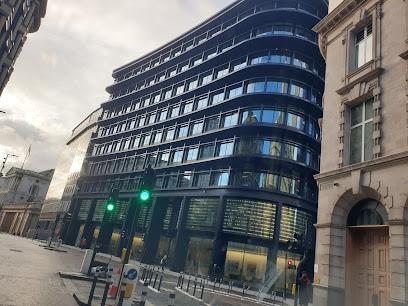
Threadneedle St & Royal Exchange
0.4 km
Historic crossroads where London’s financial legacy meets neoclassical grandeur and luxury shopping in the heart of the City.
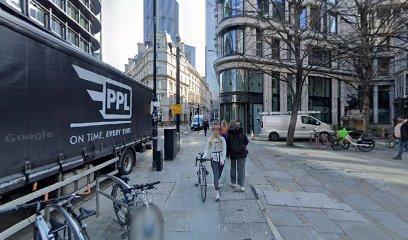
Royal Exchange
0.4 km
London’s historic Royal Exchange: a grand neoclassical hub where centuries of commerce and culture converge in the heart of the financial district.
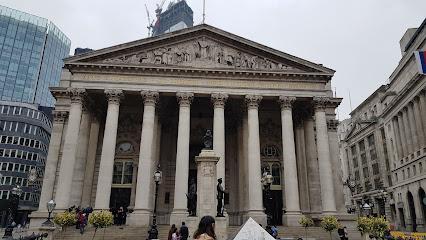
St Botolph without Aldgate
0.4 km
Historic Anglican church at London’s ancient eastern gate, blending centuries of architecture, community stories, and the oldest working organ in the UK.

Petticoat Lane Market
0.4 km
Experience the vibrant history and diverse culture of Petticoat Lane Market, East London's iconic hub for textiles, fashion, and street food.
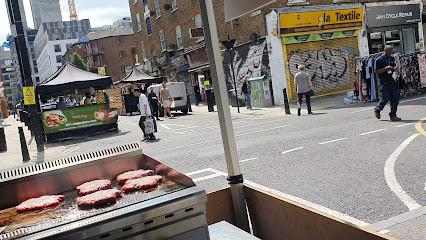
Bank of England Museum
0.4 km
Explore over 300 years of British financial history and try lifting a real gold bar at this free, interactive museum in the heart of London’s financial district.
Essential places to dine

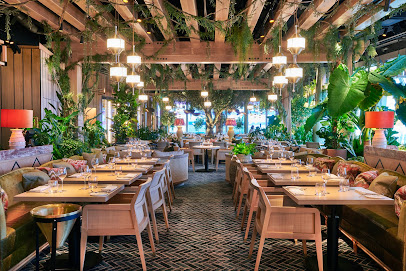
14 Hills
0.3 km
Experience modern British cuisine in a lush, sky-high garden with breathtaking panoramic views over London’s iconic skyline.
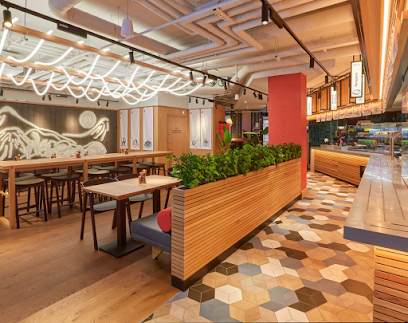
Marugame Udon Middlesex Street
0.4 km
Experience freshly handcrafted Japanese udon and crispy tempura in a lively open kitchen setting at Marugame Udon Middlesex Street, London’s authentic udon destination.
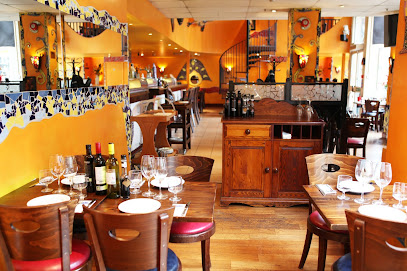
Barcelona Tapas Bar & Restaurant
0.4 km
Authentic Spanish tapas and warm hospitality in the heart of London’s City since 1991.
Mattarello Chiodo Bolognese Restaurant
0.4 km
Authentic Bolognese pasta and gluten-free Italian delights in the heart of London’s Middlesex Street.
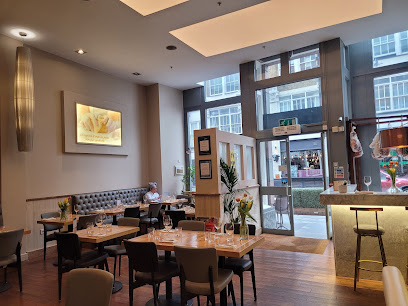
La Dame de Pic London
0.6 km
Discover refined French gastronomy and elegant dining in a historic London landmark with two Michelin stars and innovative cuisine.
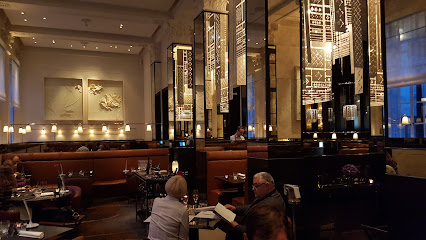
Madison
1.0 km
Stylish rooftop dining and cocktails with breathtaking views of St Paul’s Cathedral and London’s skyline.
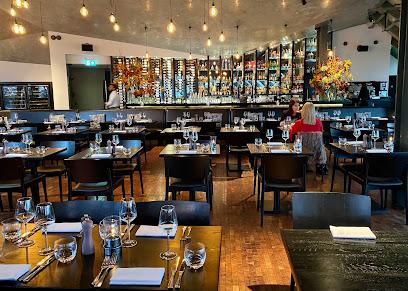
Lyle's
1.1 km
Michelin-starred Lyle's serves innovative, seasonal British cuisine in a minimalist Shoreditch setting with a relaxed, refined atmosphere.
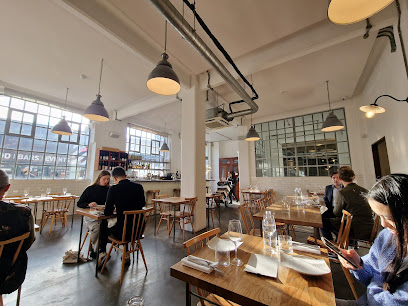
Nomadic community
1.3 km
A colorful, community-driven urban garden near Brick Lane, blending street art, creativity, and green space in East London’s vibrant cultural scene.

George
1.3 km
Step into London’s last galleried coaching inn, where history, hearty ales, and a lively courtyard blend in a timeless pub experience.
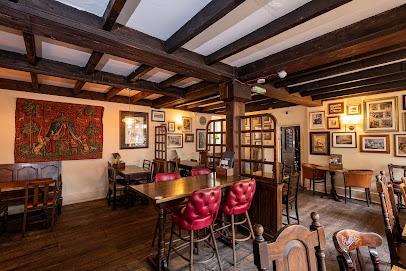
Restaurant Story
1.4 km
Experience a two Michelin-starred culinary journey where storytelling meets British fine dining in the heart of London Bridge.
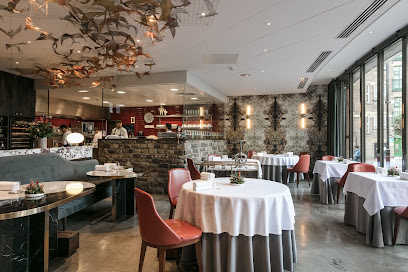
Nest Restaurant Old Street
1.4 km
Intimate Shoreditch gem offering creative British seasonal tasting menus in a cozy, historic setting with a sustainable ethos.
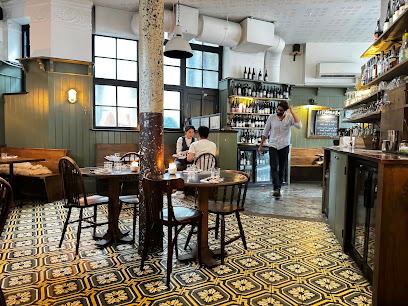
The Clove Club
1.4 km
Two Michelin stars meet innovative modern British cuisine in a historic Shoreditch Town Hall setting with a unique urban garden.
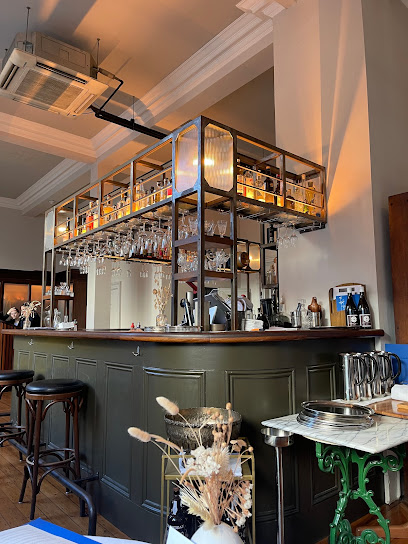
St. John
1.5 km
Experience authentic British nose-to-tail dining in the heart of London’s Barbican at St. John, where tradition meets modern culinary artistry.
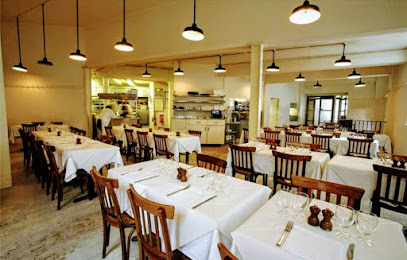
Dans le Noir ? London Restaurant
1.6 km
Experience dining like never before in total darkness, guided by visually impaired waitstaff in a sensory adventure at Dans le Noir ? London.
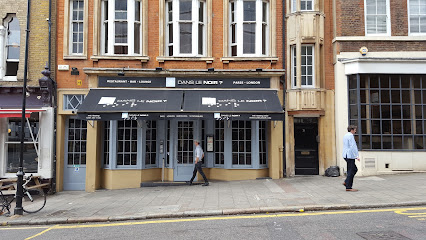
Brawn
1.8 km
Seasonal Mediterranean small plates and natural wines in a lively, vintage-inspired Shoreditch setting on Columbia Road.
Markets, malls and hidden boutiques

Middlesex Textiles
0.4 km
Discover London’s premier West African fabric store offering vibrant, high-quality textiles with unmatched variety and service since 1969.
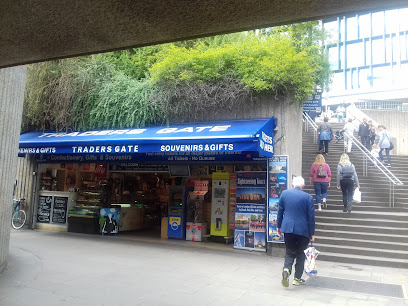
Traders Gate
0.7 km
A long-standing family-run gift shop on Tower Hill, offering classic London souvenirs and local charm just steps from the Tower of London.
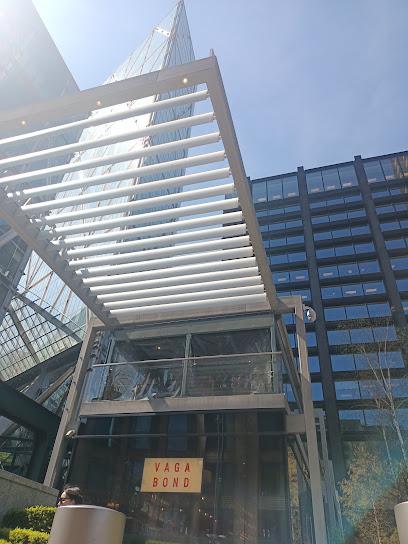
Commercial St
0.7 km
Historic East London artery blending industrial heritage, vibrant markets, and cultural landmarks in the heart of Spitalfields.
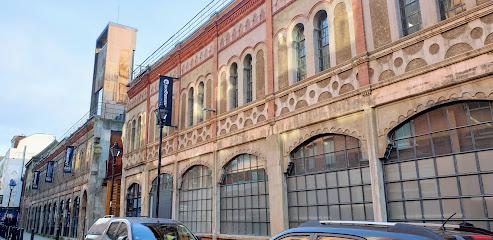
Fashion St
0.7 km
A historic East London street where Victorian architecture meets modern creativity, surrounded by boutiques, cafés, and vibrant community life.
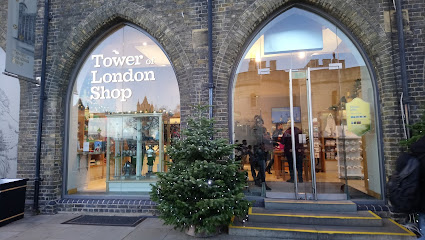
Tower of London Shop
0.8 km
Explore the Tower of London Shop for unique souvenirs that celebrate British heritage and history in the heart of London.
Sclater Street Market
0.8 km
Vintage treasures and eclectic finds in the heart of Shoreditch's bohemian marketplace.
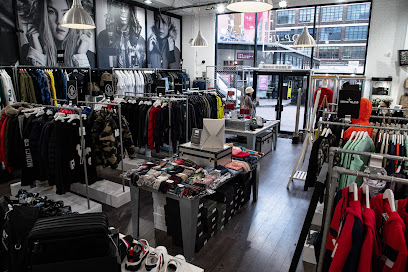
DPUS Designer Outlet
0.9 km
Authentic designer fashion outlet in Shoreditch’s historic Old Truman Brewery, blending luxury style with urban culture and unbeatable prices.
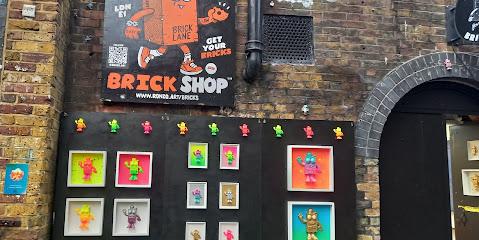
The Truman Brewery Markets
0.9 km
Historic brewery turned vibrant markets on Brick Lane, offering vintage treasures, global street food, and creative culture in East London.
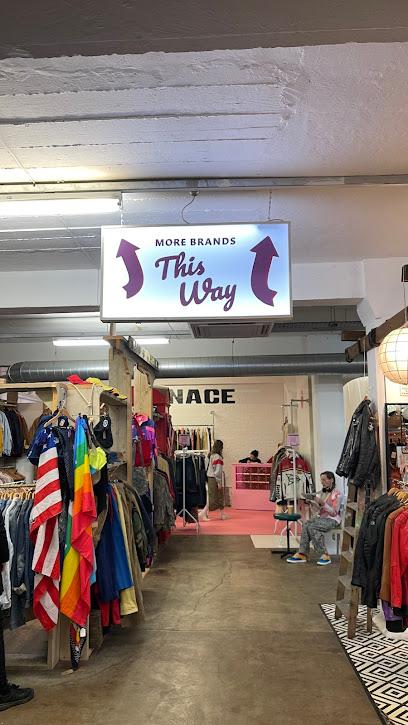
The Brick Lane Vintage Market
0.9 km
Explore the UK’s largest underground vintage market, where fashion history meets East London creativity and every visit promises a unique find.
One New Change
1.0 km
Modern glass landmark with free rooftop views of St Paul's Cathedral and London skyline.
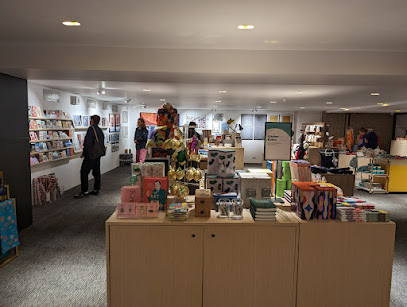
Barbican Shop
1.0 km
Discover curated art, design, music, and unique gifts at the Barbican Shop, a creative retail haven within London’s iconic Barbican Centre.
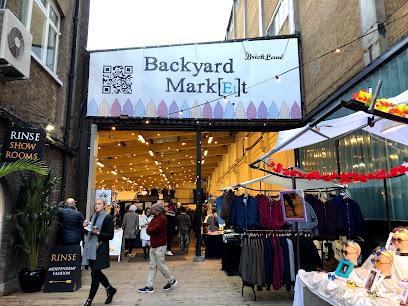
Backyard Market
1.0 km
Discover handmade treasures and vibrant street culture at Backyard Market, Brick Lane’s creative heart.
Hay's Galleria
1.0 km
Historic riverside warehouse transformed into a vibrant shopping and dining destination beneath a stunning glass roof.
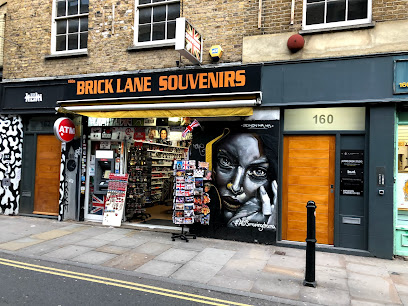
Brick Lane Souvenirs
1.1 km
Discover affordable, stylish London souvenirs and gifts in the heart of Brick Lane’s vibrant cultural scene.
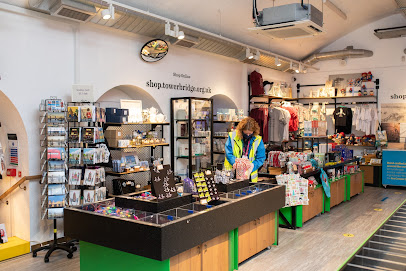
Tower Bridge - Engine Rooms and Official Gift Shop
1.2 km
Explore the fascinating history of Tower Bridge at the Engine Rooms and shop for unique gifts at the Official Gift Shop.
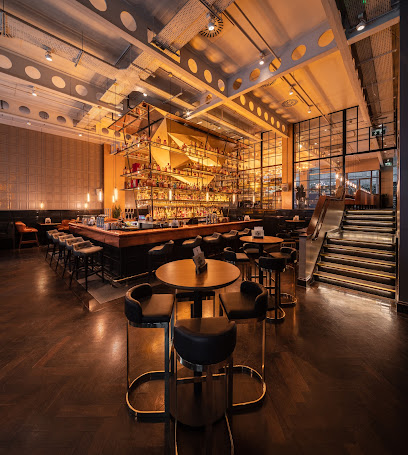
Essential bars & hidden hideouts

The Alchemist Bevis Marks
0.2 km
Experience London’s theatrical cocktail haven blending molecular mixology with Victorian charm and all-day dining in Aldgate.
Demon, Wise & Partners
0.3 km
Classic basement cocktail bar blending historic City charm with expert mixology in London’s financial district.
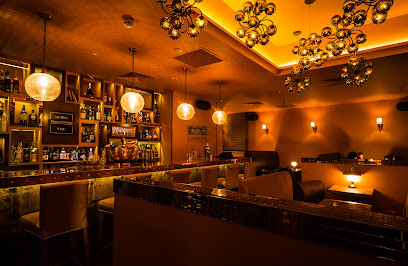
The Bootlegger
0.3 km
Step into The Bootlegger’s hidden Lime Street basement for expertly crafted cocktails, live jazz, and a true 1920s speakeasy vibe in the heart of London.
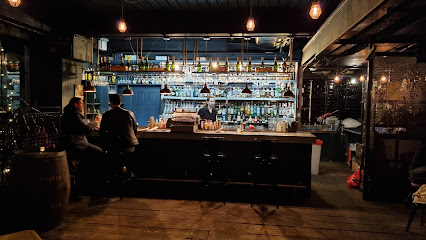
Dirty Dicks
0.4 km
Historic London pub with quirky charm, classic ales, and lively atmosphere near Liverpool Street Station.
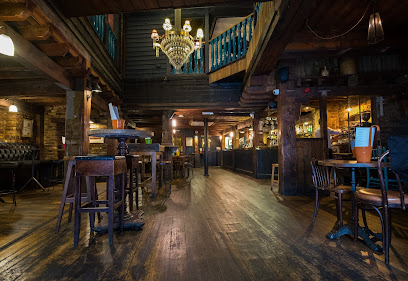
The Astronomer, EC1
0.4 km
A traditional London pub with a cosmic twist, offering hearty pies, craft ales, and a welcoming atmosphere near Liverpool Street.
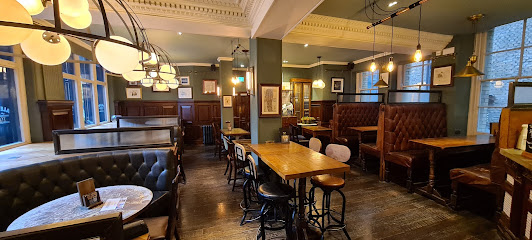
The Bell
0.4 km
A historic East End pub blending traditional charm and local spirit near Petticoat Lane Market.
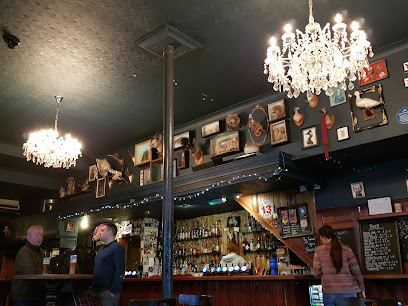
The Mayor of Scaredy Cat Town
0.4 km
Discover Shoreditch’s secret speakeasy behind a fridge door, where quirky vintage charm meets expertly crafted cocktails and lively 80s beats.
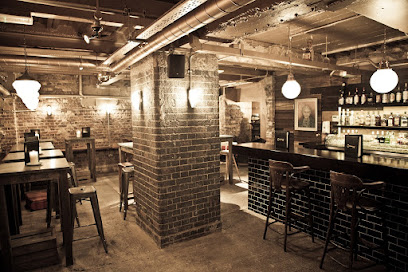
Discount Suit Company
0.5 km
Discover a hidden vintage cocktail bar beneath Spitalfields, blending bespoke drinks with a cozy speakeasy atmosphere in London’s historic tailoring district.
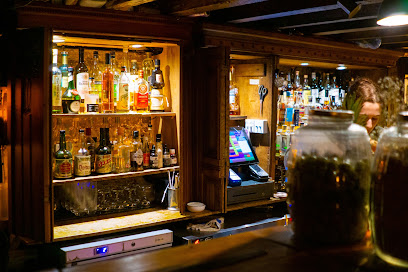
The Cocktail Club - Cocktail Bar near Monument
0.5 km
Vibrant underground cocktail bar near Monument, blending creative drinks with a lively, speakeasy-style party atmosphere.
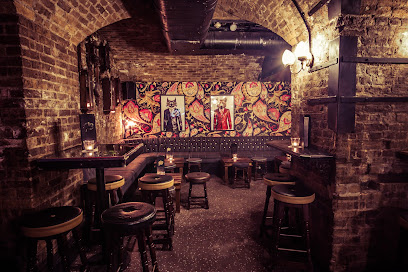
Aviary
0.8 km
Elegant rooftop dining with botanical cocktails and panoramic London skyline views in the heart of Finsbury Square.
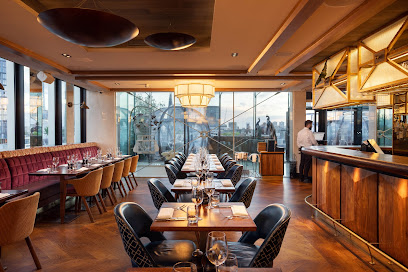
Apples & Pears Cocktail Bar
0.8 km
A vibrant East London cocktail bar blending creative drinks, lively DJs, and a welcoming atmosphere in the heart of Brick Lane.
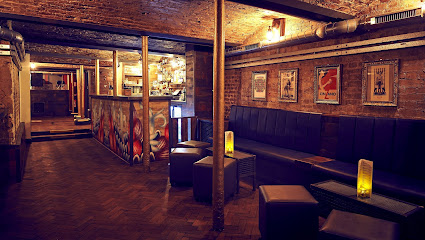
The Cocktail Club - Cocktail Bar near Old Street
0.8 km
A vibrant and stylish cocktail bar in London’s Old Street area, known for creative drinks and a lively urban atmosphere.
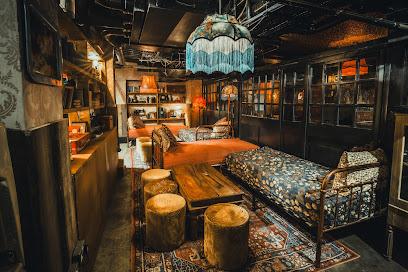
Flight Club Shoreditch
0.9 km
Experience the vibrant social darts scene with great food, cocktails, and fun at Flight Club Shoreditch in East London.
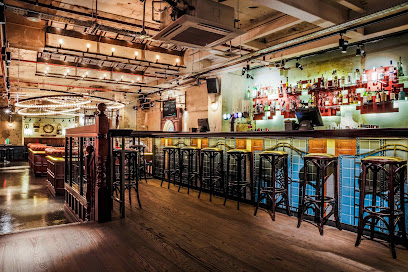
The Old Blue Last
1.1 km
Historic Shoreditch pub and iconic live music venue where London’s grassroots artists rise amid a raw, vibrant atmosphere.
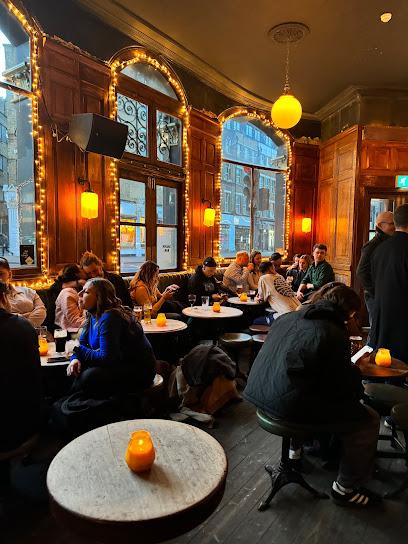
The Cocktail Club - Cocktail Bar in Shoreditch
1.1 km
Experience East London's vibrant nightlife with inventive cocktails and bold Japanese-inspired art at The Cocktail Club Shoreditch.
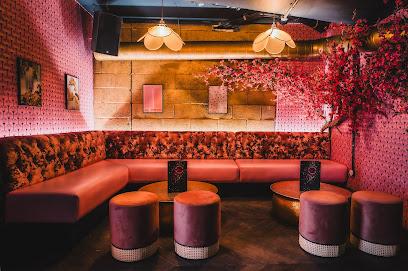
Nightclubs & after hour spots

The Steel Yard
0.8 km
Experience London’s premier industrial-chic nightclub set in historic Victorian railway arches, with world-class sound and late-night energy until 6am.
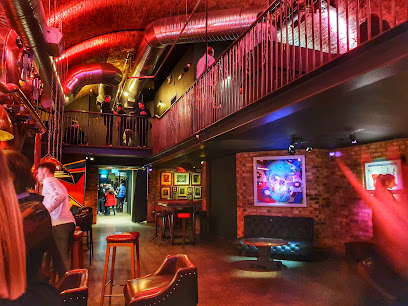
The Hoxton Pony
1.2 km
Edgy Shoreditch cocktail bar and nightclub blending vintage style with vibrant nightlife energy in East London.

XOYO LONDON
1.2 km
Experience Shoreditch’s iconic XOYO, where cutting-edge DJs and vibrant nightlife create an unforgettable London clubbing atmosphere.

Trafik
1.4 km
Shoreditch’s dynamic nightclub with underground beats, two floors of dancing, and a late licence for unforgettable nights.

E1
1.5 km
Experience East London’s underground pulse with E1’s cutting-edge sound, immersive visuals, and vibrant club nights.
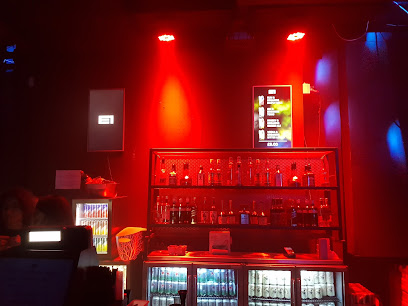
Basing House - Shoreditch
1.6 km
An intimate Shoreditch nightclub with top electronic beats, a Funktion One sound system, and a lively rooftop bar under the London skyline.

London Best Night Clubs
1.7 km
Experience London’s legendary Ministry of Sound, where cutting-edge sound meets dynamic club culture in a multi-room dance haven.
Ministry of Sound
2.3 km
London's legendary dance music cathedral since 1991, where world-class sound systems and global DJs fuel euphoric nights across four pulsing rooms.

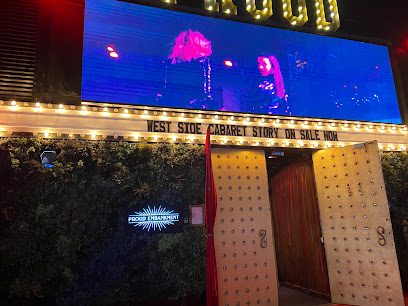
Proud Late
2.6 km
Dive into two-storey glamour under Waterloo Bridge: cabaret acrobatics, burlesque dazzle, supper feasts, and non-stop clubbing till 5am in London's West End nightlife epicenter.
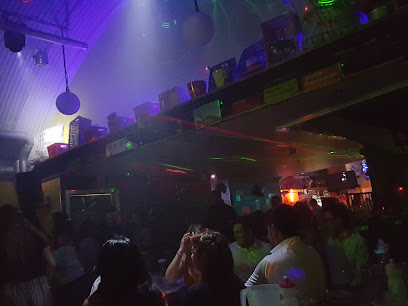
Corsica Studios
2.6 km
Experience London’s underground music pulse at Corsica Studios, where intimate vibes meet exceptional sound beneath historic railway arches.
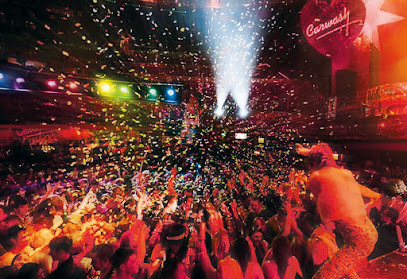
Carwash Nightclub
2.7 km
Experience Europe’s longest-running disco club in London’s West End, where retro beats, vibrant crowds, and themed parties create unforgettable nights.
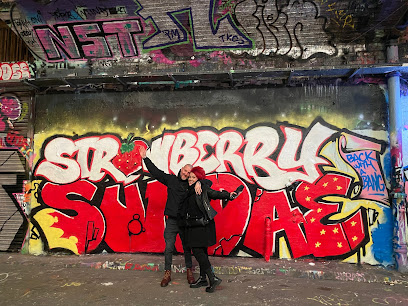
STRAWBERRY SUNDAE
2.8 km
Retro rave haven in Waterloo Arches: Daytime hardcore beats, 90s DJ legends, and industrial euphoria from midday to midnight.
Cirque Du Soul
2.8 km
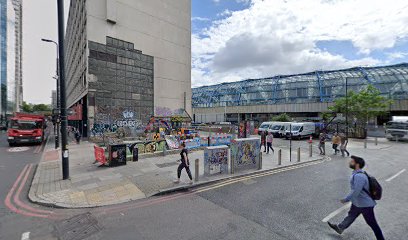
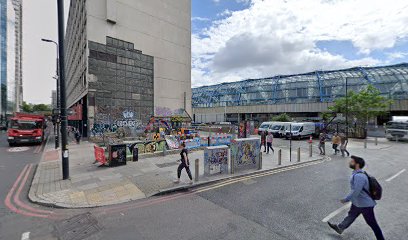
Dive into Leake Street's graffiti tunnel for soul-stirring electronic nights at this underground nightclub haven.
We Are Waterloo
2.8 km
Dive into Leake Street's graffiti heart where street art meets thumping beats in London's ultimate underground nightclub haven.
Bunga Bunga Covent Garden
2.8 km
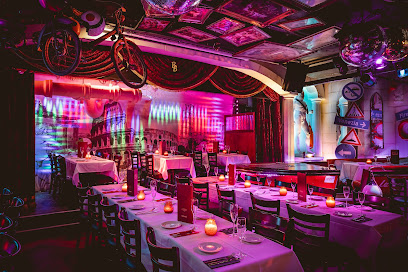
A neon-soaked, pizza-and-karaoke supper club under Drury Lane — 90s nostalgia, stage shows and shareable Italian feasts.
For the vibe & atmosphere seeker
- Tranquil
- Scenic
- Unique
- Cultural Heritage
For the design and aesthetic lover
- Minimalist Designs
- Vintage Styles
For the architecture buff
- Historic
- Landmarks
- Sacred Sites
- Heritage Neighborhoods
For the view chaser and sunset hunter
- Iconic Views
- Architectural Shots
For the social media creator & influencer
- Instagrammable
- Photo Spots
- Architectural Shots
For the eco-conscious traveler
- Protected Area
- Locally Managed
For the kind of experience you’re after
- Spiritual / Energy Spot
- Myth & Legends
- Cultural Heritage
- Photowalk
- Day Trip
For how adventurous you want the journey to be
- Easy Access
Location Audience
- Family Friendly
- Senior Friendly
- Wheelchair Access
- Solo Friendly
- Couple Friendly


