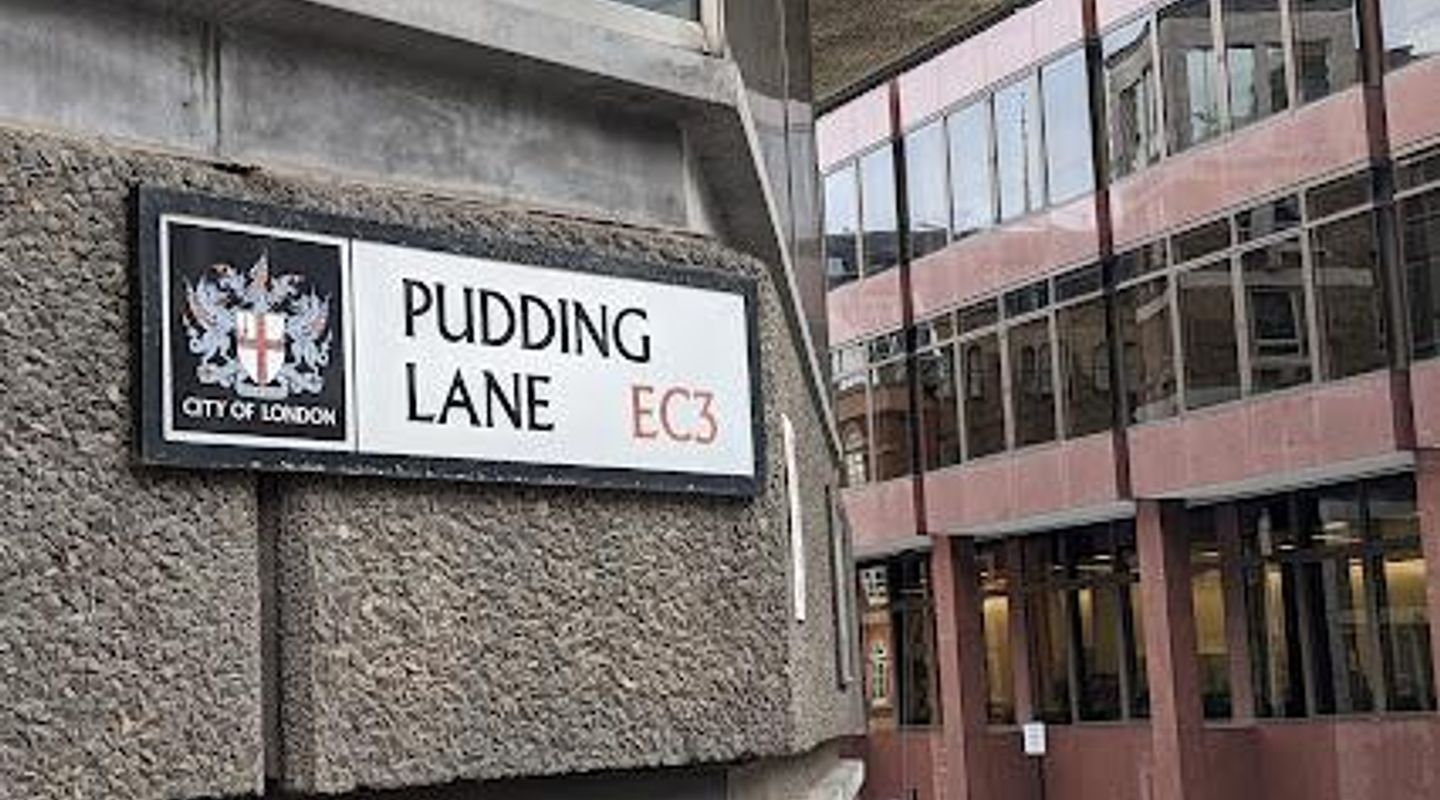
Pudding Ln, Hertfordshire Travel Guide
Pudding Lane: Where the Great Fire of London began, shaping the city’s history and resilience forever.
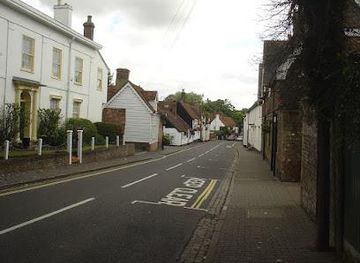
Pudding Lane, a small street in London’s historic City district, is famously known as the site where the Great Fire of London began in 1666. Once lined with butchers’ stalls and named after the offal ('puddings') carried down to the Thames, it was the bakery of Thomas Farriner here that ignited a blaze which devastated much of medieval London. Today, the lane stands as a symbol of resilience, marked by nearby monuments commemorating the fire’s impact and London’s subsequent rebuilding.
A brief summary to Pudding Ln
- London, GB
- Duration: 0.5 to 1.5 hours
- Free
-
 Outdoor
- Mobile reception: 5 out of 5

Know before you go
Hi, I'm Eve. Here are a few practical things to know before exploring Pudding Ln.
- Visit the nearby Monument to the Great Fire for panoramic views and historical insights.
- Explore Eastcheap market area to understand the medieval trade context of Pudding Lane.
- Learn about London’s early fire insurance innovations inspired by the Great Fire.
- Consider a walking tour of the Great Fire trail to see key sites linked to the 1666 disaster.
Do you manage this location?
Take control to get all the benefits, like improved information, better appearance, and stronger visibility across AI-powered discovery. Learn more about listing your business on Evendo
Activate your presenceOther nearby places you may find interesting
The closest places of the same kind, if this one is not quite what you had in mind.

Explore Pudding Ln on the Map
A handpicked selection of must-see spots near Pudding Ln, mapped for you.
Unlock the Best of Pudding Ln
Buy tickets
-
No tickets available
Book tours with entry
-
No tours available
Book tours without entry

Getting There
-
Public Transport
Take the London Underground to Monument Station, served by the Circle and District lines, with a 5-10 minute walk to Pudding Lane. Trains run frequently with fares starting at £2.50 using contactless payment.
-
Bus
Bus routes 15 and 17 stop near Eastcheap, about a 7-minute walk from Pudding Lane. Buses operate every 10-15 minutes during the day, with single fares around £1.75 using an Oyster card.
-
Walking
From London Bridge, a 15-minute walk along the Thames Path leads to Pudding Lane, offering scenic river views. The terrain is flat and accessible, suitable for most travelers.
For the on-the-go comforts that matter to you
-
 Restrooms
-
 Drink Options
-
 Food Options
-
 Information Boards
Discover more about Pudding Ln
Origins and Name of Pudding Lane
Pudding Lane’s name is rooted not in desserts but in medieval butchery practices. The term 'pudding' referred to animal entrails and offal, which were transported down this lane from the bustling Eastcheap meat market to the River Thames for disposal. Historically, the lane was lined with butchers’ stalls and inhabited by tradespeople such as basketmakers and turners. It also had earlier names like Rother Lane and Red Rose Lane, reflecting its evolving character over centuries.The Great Fire of London Ignites
In the early hours of September 2, 1666, Thomas Farriner’s bakery on Pudding Lane caught fire, reportedly due to sparks from an oven igniting stored flour and fuel. The fire quickly spread, fanned by strong winds, engulfing warehouses along the Thames and then sweeping through the city’s tightly packed wooden buildings. Despite efforts to create firebreaks, the blaze raged for four days, destroying approximately 85% of medieval London, including iconic structures like St Paul’s Cathedral, the Guildhall, and London Bridge.Aftermath and Urban Transformation
The devastation prompted King Charles II to enact the 1667 Rebuilding Act, introducing London’s first building regulations aimed at fire prevention. Pudding Lane also holds the distinction of being one of the world’s earliest designated one-way streets, a traffic order dating back to 1617. The fire’s aftermath spurred innovations such as the establishment of the first fire insurance company in 1680, which issued metal 'fire marks' to insured buildings.Commemoration and Legacy
Near Pudding Lane stands the Monument to the Great Fire, designed by Sir Christopher Wren and Dr Robert Hooke, rising 202 feet—the exact distance from the bakery where the fire started. This monument, topped with a gilded urn symbolizing the flames, offers panoramic views of London and serves as a lasting reminder of the city’s resilience. The fire’s legacy also influenced urban planning, architecture, and emergency response practices in London and beyond.Pudding Lane Today
Today, Pudding Lane is a quiet historic street nestled between Eastcheap and Lower Thames Street in the City of London. While much changed after the fire, the lane’s name and its association with the Great Fire remain vivid in London’s cultural memory. It attracts history enthusiasts eager to connect with the origins of one of the most significant events in the city’s past.Cultural Impact and Historical Significance
Pudding Lane has inspired literary works and historical inquiry, symbolizing both catastrophe and renewal. The fire’s narrative includes tales of suspicion, survival, and transformation, reflecting the social and political tensions of 17th-century London. The lane’s story is integral to understanding the city’s evolution from medieval chaos to a modern metropolis shaped by lessons learned from disaster.












Your all‑in‑one travel companion app
Explore expert travel guides, compare and book tours, experiences, hotels, and more—all from the palm of your hand. Download now for seamless trip planning wherever your wanderlust takes you.


Explore More of Hertfordshire
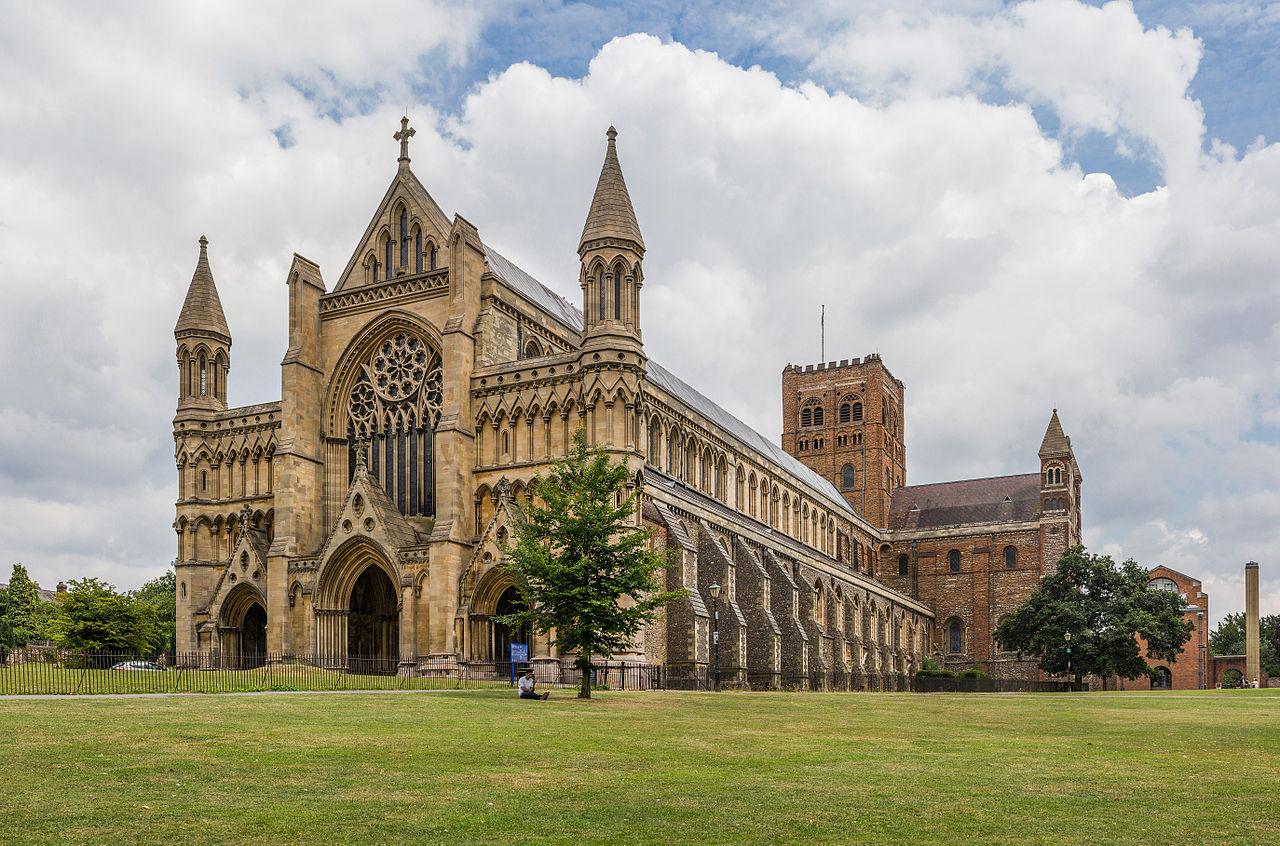
Looking beyond Pudding Ln? Discover Hertfordshire for broader travel guides, local hot-spots, and regional highlights.
Explore Hertfordshire
London's cultural riverside gem where world-class art, historic theatres, and Thames views converge in a vibrant South Bank neighbourhood.
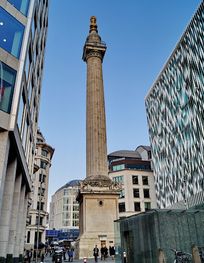
Historic Doric column commemorating the Great Fire of London with panoramic city views from its 311-step spiral staircase.