

City of London
Where a thousand years of history meets cutting-edge modernity in Britain's most iconic square mile.
The City of London is the historic heart of Britain's capital, a compact square mile of ancient streets and world-renowned landmarks that has shaped global commerce, culture, and politics for nearly two millennia. Home to iconic sights like Tower Bridge, the Tower of London, and St. Paul's Cathedral, alongside cutting-edge modern architecture, this district seamlessly blends medieval heritage with contemporary innovation. Whether exploring royal palaces, world-class museums, or atmospheric historic churches, visitors discover layers of history at every turn.
A brief summary to City of London
- London, GB
- Duration: 2 to 5 hours
- Mid ranged
-
 Mixed
Mixed
- Mobile reception: 5 out of 5
Local tips
- Book timed tickets in advance for major attractions like the Tower of London, Westminster Abbey, and London Eye—these sites are extremely popular and advance booking is often required or highly recommended to avoid long queues.
- Take advantage of free admission to world-class museums including the British Museum, Natural History Museum, Tate Modern, and Victoria and Albert Museum; no booking is required for general admission to these institutions.
- Use the extensive London Underground (Tube) network for efficient movement between attractions; Waterloo station serves the London Eye, while multiple stations provide access to other major sites throughout the City.
- Explore historic markets like Borough Market, Covent Garden, and Leadenhall Market for authentic London atmosphere, local food, and unique shopping; these areas are best visited during daytime hours when vendors are active.
- Plan at least two to three full days to experience the City's major highlights; attempting to see everything in one day results in exhaustion and diminished enjoyment of these world-class attractions.

For the on-the-go comforts that matter to you
- Restrooms
- Drink Options
- Drinking Water
- Food Options
- Seating Areas
- Sheltered Areas
- Picnic Areas
- Trash Bins
- Information Boards
- Visitor Center
Getting There
-
London Underground (Tube)
The London Underground provides rapid access to all major City of London attractions. Multiple stations serve the district: Tower Hill station (for Tower of London and Tower Bridge), St. Paul's station (for St. Paul's Cathedral), Westminster station (for Houses of Parliament and Westminster Abbey), and Waterloo station (for London Eye). Journey times between stations typically range from 5 to 15 minutes depending on origin. A Visitor Oyster Card or contactless payment card offers the most economical fares, with single journeys costing £1.75 to £2.80 depending on zones traveled. The Underground operates from approximately 5:30 AM to midnight daily, with Night Tube services on select lines on weekends.
-
Double-Decker Bus
London's iconic red double-decker buses provide scenic routes through the City with excellent views of landmarks. Routes such as the Number 15 (historic route passing Tower of London, St. Paul's Cathedral, and Trafalgar Square) and the Number 11 (connecting Westminster Abbey, Houses of Parliament, and Tower of London) are particularly useful for sightseeing. Journey times vary from 20 to 45 minutes depending on traffic and destination. Fares are capped at £1.75 per journey with an Oyster Card or contactless payment. Buses operate frequently throughout the day, typically every 5 to 15 minutes on major routes. The Hop-on Hop-off tourist bus service offers flexible sightseeing with recorded commentary, though at premium pricing.
-
Walking and Thames River Transport
Many City attractions are within walking distance of each other, particularly the Tower of London, Tower Bridge, St. Paul's Cathedral, and the South Bank museums. Walking between major sites typically takes 15 to 30 minutes and allows discovery of historic streets and hidden courtyards. The Thames River provides an alternative transport option via regular boat services connecting Westminster Pier, Tower Pier, and South Bank Pier. River boat journeys offer unique perspectives of landmarks and typically cost £9 to £15 per journey. Boats operate year-round with increased frequency during peak tourist season (April to September).
-
Taxi and Ride-Sharing Services
Licensed black cabs and ride-sharing apps (Uber, Bolt) operate throughout the City of London. Typical journey times between major attractions range from 10 to 25 minutes depending on traffic conditions. Black cab fares are metered and typically range from £15 to £35 for journeys between major sites; ride-sharing fares vary but generally cost £8 to £20 for similar distances. Both services operate 24 hours daily. During peak hours (8–10 AM and 5–7 PM on weekdays), journey times may extend significantly due to congestion.
City of London location weather suitability
-
 Any Weather
-
 Mild Temperatures
Discover more about City of London
A Thousand Years of Power and Prestige
The City of London stands as one of the world's most historically significant urban districts, with roots stretching back to Roman times and continuous importance through the medieval period to the present day. This compact area has served as the political, cultural, and commercial nucleus of Britain for nearly two millennia. The Tower of London, originally conceived in 1066 and built by William the Conqueror in 1078, remains the most potent symbol of this enduring power, having functioned as a royal residence, fortress, and infamous prison. Westminster Abbey, designated a UNESCO World Heritage site, has witnessed the coronation of monarchs since 1066 and continues to serve as a sacred repository of British royal history and national memory.Iconic Landmarks That Define a Skyline
The City's skyline tells the story of architectural ambition across centuries. Tower Bridge, constructed between 1886 and 1894, stands as an engineering marvel and one of the world's most recognizable structures, with approximately 40,000 people crossing it daily. St. Paul's Cathedral, an active place of worship since 1697, showcases baroque architecture at its finest, crowned by an iconic dome that has dominated the London skyline for over three centuries. The London Eye, formally known as the Millennium Wheel, revolutionized observation wheel design globally and offers unparalleled 360-degree views from its 135-meter height. These monuments exist alongside newer additions like the Shard, the city's tallest skyscraper, which provides jaw-dropping panoramic vistas and represents London's continued architectural evolution.Museums and Collections of Global Significance
The City houses some of the world's most important cultural institutions. The British Museum contains treasures spanning human civilization, while the Natural History Museum presents over 300 years of scientific discovery. The Tate Modern, housed in a converted power station on the South Bank, showcases contemporary and modern art from across the globe and features a rooftop terrace offering some of London's finest skyline views. The Victoria and Albert Museum stands as one of the largest applied art and design museums worldwide, displaying everything from haute couture to historic furniture. Many of these institutions offer free general admission, making world-class culture accessible to all visitors.Royal Residences and Palaces
Buckingham Palace represents the grandeur of the British monarchy as the official residence of His Majesty the King and one of the few working royal palaces in the world. Kensington Palace and Hampton Court Palace offer glimpses into royal life across different eras, with Hampton Court featuring the famous maze and extensive gardens. During summer months, select dates allow visitors to explore the lavish state rooms of Buckingham Palace, providing rare access to one of the world's most famous residences. These palaces collectively tell the story of British royal heritage and architectural ambition.Markets, Streets, and Authentic London Character
Beyond grand monuments, the City pulses with authentic character through historic markets and vibrant neighborhoods. Covent Garden Market, Borough Market, and Leadenhall Market offer sensory experiences of London's commercial heritage, with shops, restaurants, and street performers creating lively atmospheres. Trafalgar Square, featuring majestic fountains designed by Sir Edwin Lutyens and flanked by the National Gallery and St Martin-in-the-Fields, serves as the setting for political demonstrations and cultural celebrations. Portobello Road and the East End's street art scene reveal London's creative spirit, while traditional pubs offer windows into centuries-old British social culture.Modern Innovation Meets Medieval Streets
The City of London uniquely juxtaposes cutting-edge contemporary architecture with medieval street patterns and ancient buildings. Modern skyscrapers like the Gherkin and Canary Wharf stand in striking contrast to centuries-old churches and narrow lanes that follow Roman-era routes. This architectural dialogue creates an environment where visitors can experience a centuries-old church one moment, then enter a brand-new skyscraper the next, embodying London's continuous evolution while honoring its past.Iconic landmarks you can’t miss

City of London
0.0 km
Experience the captivating blend of history and modernity in the City of London, where iconic landmarks meet vibrant culture and culinary delights.
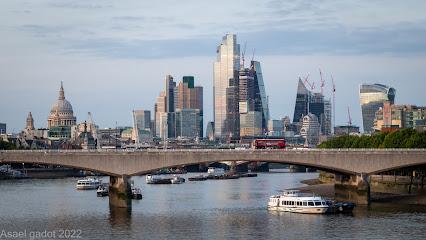
London Stone (remaining part)
0.1 km
Explore the captivating London Stone, a historical landmark that offers a glimpse into the rich tapestry of London's ancient past.

113 Cannon St
0.2 km
Explore the architectural beauty of 113 Cannon Street, where history meets modernity in the heart of London's financial district.
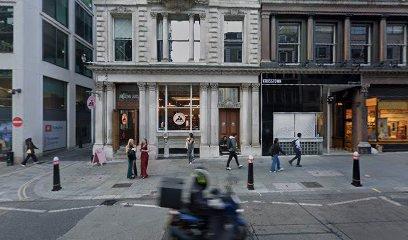
St Michael's Church : Paternoster Royal
0.2 km
Discover the serene charm of St Michael's Church, a historic Anglican church in London, where architectural beauty meets spiritual tranquility.

Historic England
0.2 km
Discover the rich tapestry of England's history at Historic England, a key organization dedicated to preserving the nation’s architectural treasures.
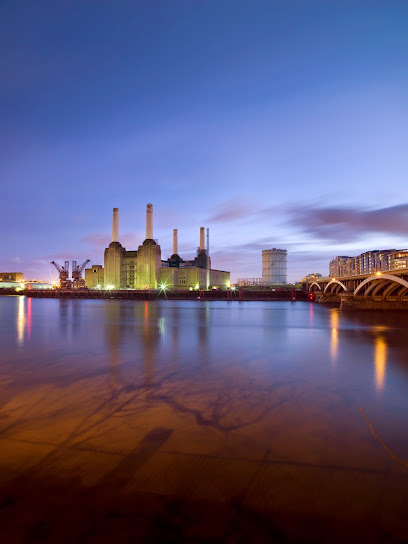
IMPRINT Church London: St Mary Woolnoth
0.2 km
Explore the historic IMPRINT Church London: St Mary Woolnoth, a stunning Anglican church offering a blend of spirituality, architecture, and community in the heart of London.
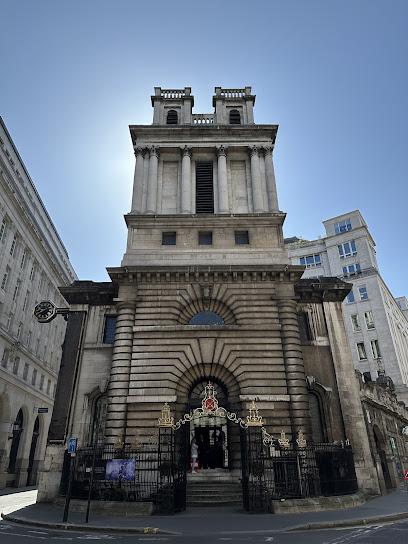
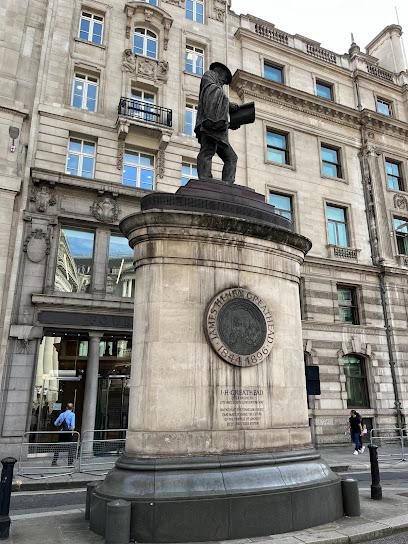
Statue of James Henry Greathead
0.2 km
Explore the Statue of James Henry Greathead, a historical landmark honoring the visionary behind London's Underground railway system.
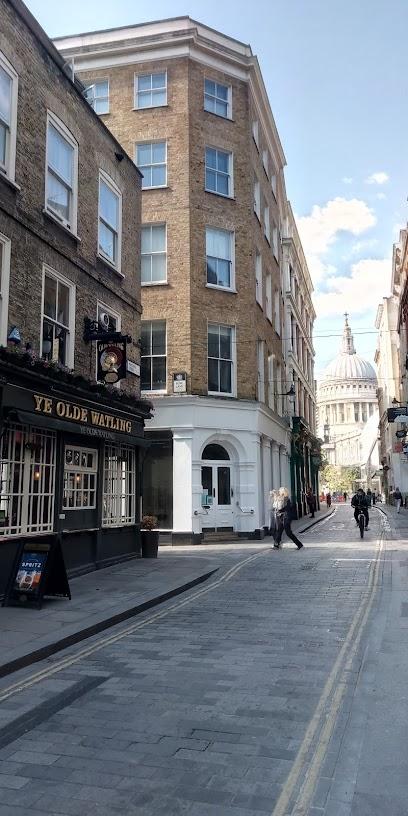
Watling St
0.3 km
Discover the rich history and vibrant culture of Watling Street in London, a historic thoroughfare that connects the past with the present.
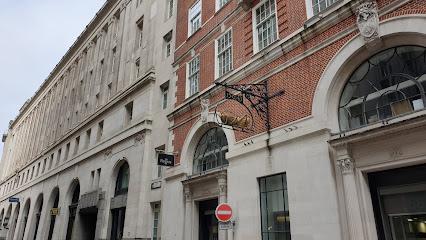
Lombard St
0.3 km
Discover Lombard Street, London's crookedest street, adorned with stunning flowerbeds and rich history, perfect for a memorable stroll in the heart of the city.
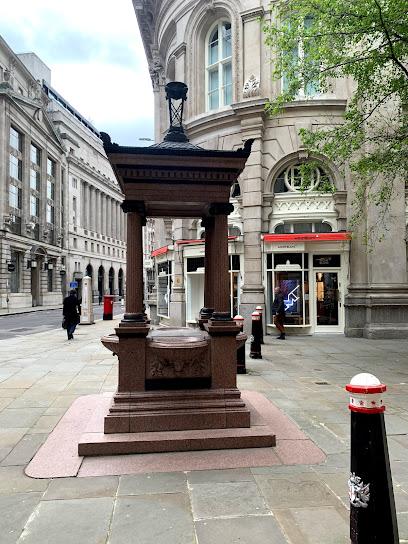
Cornhill Fountain
0.3 km
Explore the charm of Cornhill Fountain, a historical landmark in London that embodies the city's rich heritage and vibrant atmosphere.
Threadneedle St & Royal Exchange
0.4 km
Explore the vibrant intersection of commerce and culture at Threadneedle St & Royal Exchange in London's financial district.
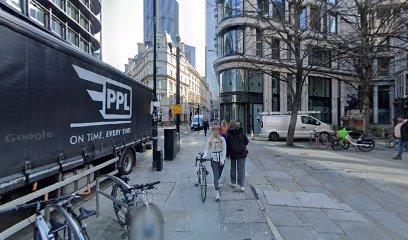
Threadneedle St
0.4 km
Explore Threadneedle Street in London: a vibrant blend of history, modern architecture, and lively atmosphere, perfect for tourists seeking urban adventure.
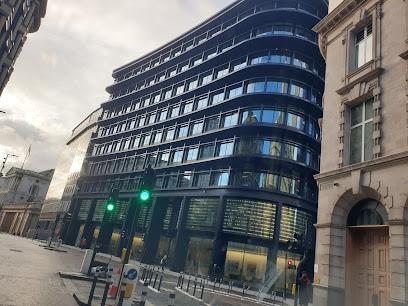
Queen Victoria St
0.4 km
Discover the vibrant charm of Queen Victoria Street, a historic thoroughfare in London, blending modern attractions with rich history.
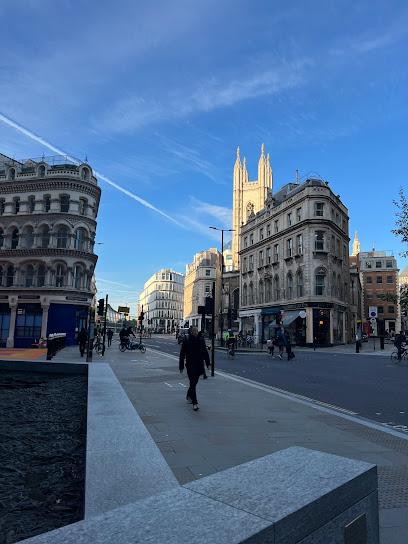
Fish St Hill
0.4 km
Discover the historic charm and vibrant culture of Fish St Hill in London, a must-visit destination for tourists exploring the capital's rich heritage.
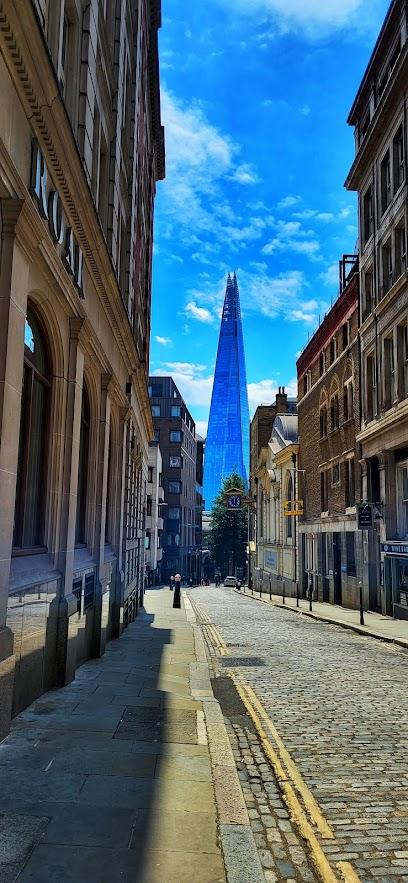
Monument to the Great Fire of London
0.4 km
Explore the Monument to the Great Fire of London, a stunning landmark that offers a glimpse into the city's resilient past and breathtaking views of the skyline.

Unmissable attractions to see

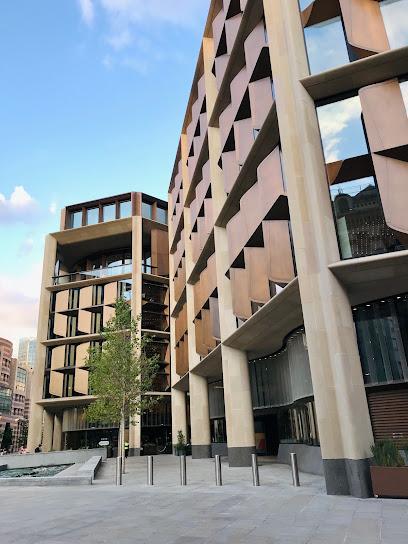
Bloomberg Arcade
0.1 km
Explore Bloomberg Arcade: A vibrant blend of dining, shopping, and culture in the heart of London, perfect for a unique urban experience.
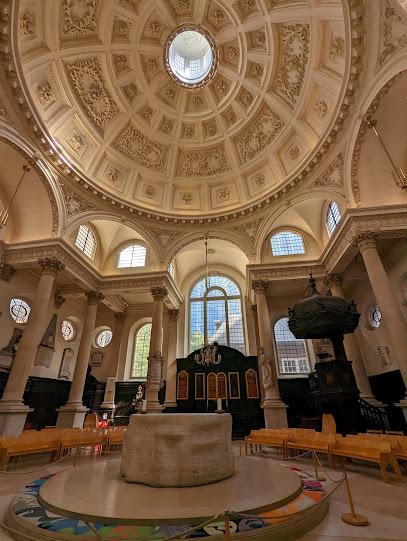
St Stephen Walbrook
0.1 km
Explore the serene beauty and architectural brilliance of St Stephen Walbrook, a historic Anglican church in the heart of London.
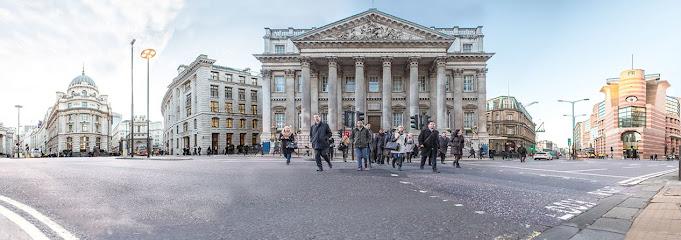
Mansion House
0.1 km
Discover the grandeur of Mansion House, the official residence of the Lord Mayor of London, rich in history and stunning architecture.
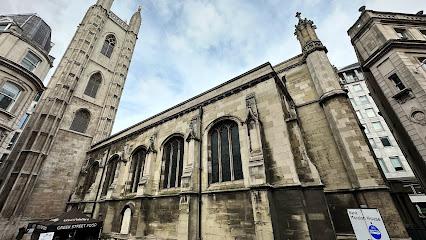
St Mary Aldermary
0.2 km
Explore the architectural beauty and historical significance of St Mary Aldermary, a serene Anglican church in the heart of London.
St Mary Abchurch
0.2 km
Discover the tranquility of St Mary Abchurch, a historic church designed by Sir Christopher Wren in London's financial district, perfect for a peaceful retreat.
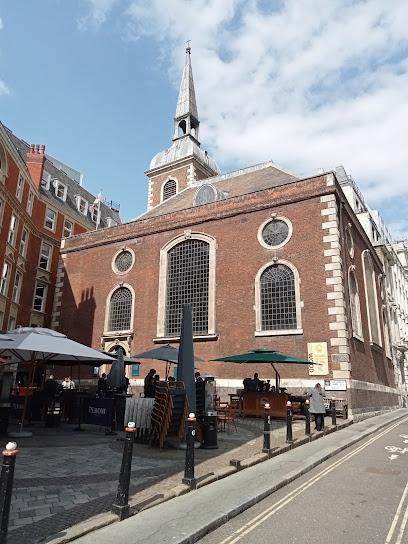
St James Garlickhythe
0.2 km
Discover the historical significance and architectural beauty of St James Garlickhythe, a serene Anglican church in the heart of London.

St Mary-le-Bow Church
0.2 km
Iconic Norman-founded church with Wren’s soaring spire and legendary Bow Bells defining true Cockney heritage in the heart of London’s historic Cheapside.

Change Alley
0.3 km
Explore Change Alley in London, a charming passageway filled with history, unique shops, and a tranquil atmosphere amidst the city's hustle.
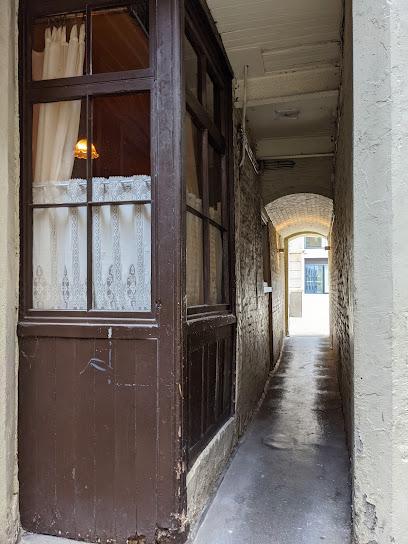
Bank of England Museum
0.3 km
Discover the fascinating history of banking at the Bank of England Museum, a free attraction in London showcasing the evolution of British finance.
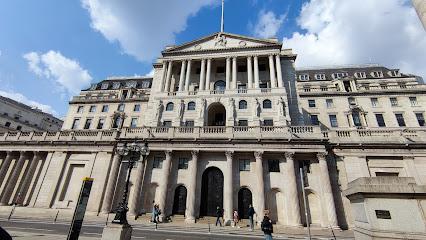
St Margaret Lothbury
0.3 km
Discover the serene beauty and rich history of St Margaret Lothbury, a hidden gem in London's financial district, perfect for reflection and exploration.
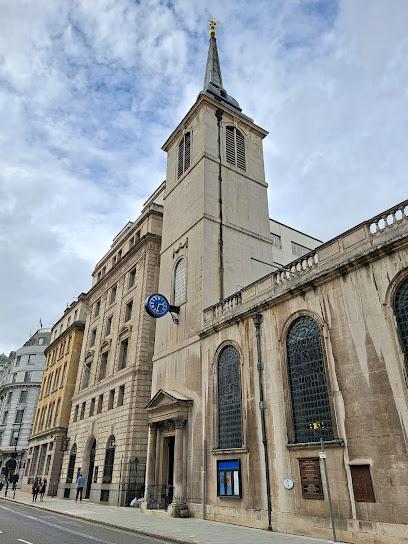
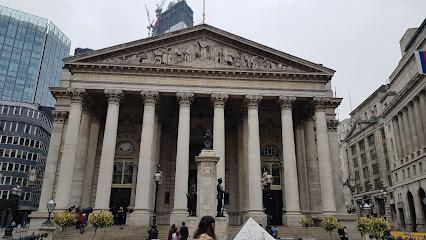
Royal Exchange
0.3 km
Experience the grandeur of London's Royal Exchange, where history meets luxury in shopping and dining.
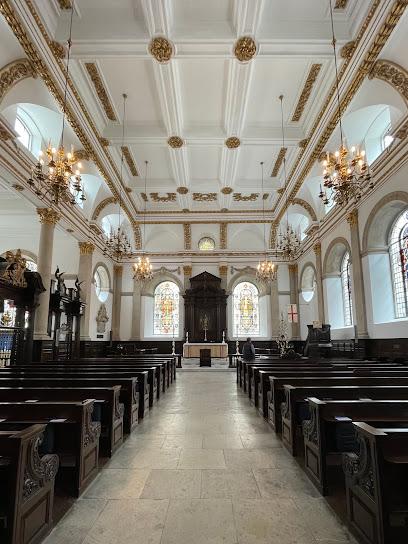
St Lawrence Jewry
0.3 km
Discover the serenity and historical significance of St. Lawrence Jewry, a captivating Anglican church nestled in London's vibrant Guildhall Yard.
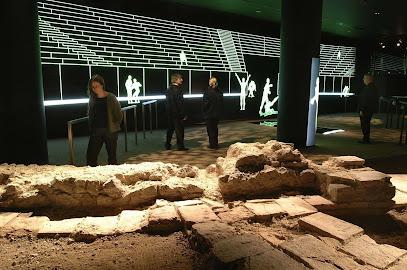
London's Roman Amphitheatre
0.4 km
Explore London's Roman Amphitheatre – a remarkable journey into the city's ancient heritage beneath the vibrant Guildhall.
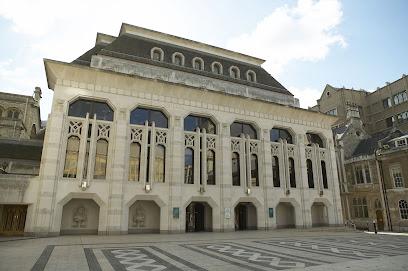
Guildhall Art Gallery
0.4 km
Explore the Guildhall Art Gallery, a treasure trove of British art and history nestled in the heart of London, offering a unique cultural experience.
Guildhall Library
0.4 km
Explore the Guildhall Library in London, a historic gem filled with thousands of books, manuscripts, and engaging cultural events.
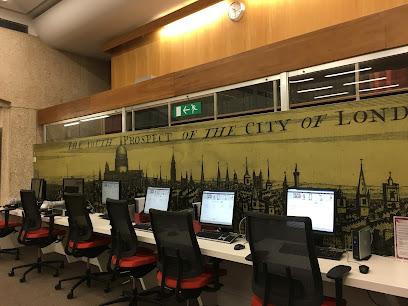
Essential places to dine

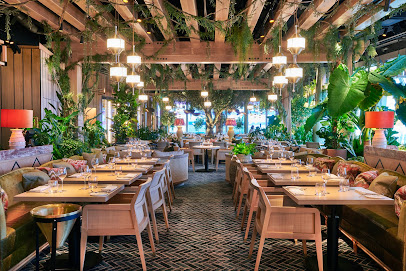
14 Hills
0.7 km
A lush, sky-high forest with panoramic views and creative cuisine in the heart of London.
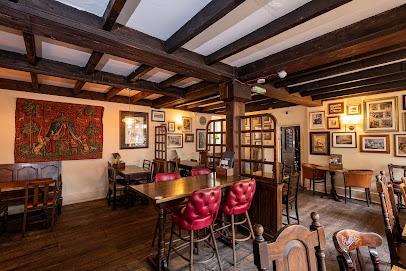
George
0.9 km
Step into centuries of history at The George, a vibrant pub and restaurant in the heart of Southwark, London.
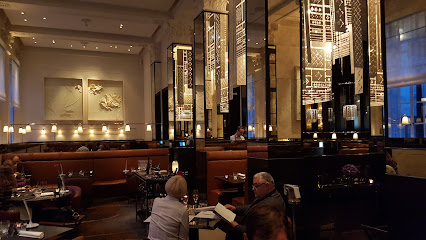
La Dame de Pic London
0.9 km
Experience Anne-Sophie Pic’s masterful French cuisine in a historic London landmark, blending tradition with modern artistry for an unforgettable fine dining journey.
Marugame Udon Middlesex Street
1.1 km
Experience authentic Japanese udon noodles at Marugame Udon Middlesex Street – where tradition meets modern taste in London's vibrant culinary scene.
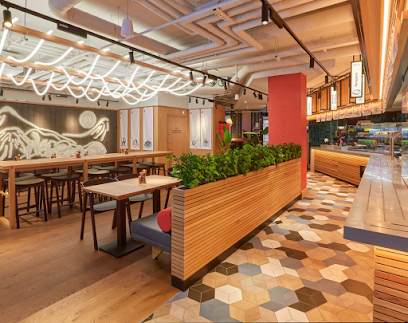
Barcelona Tapas Bar & Restaurant
1.1 km
Experience authentic Spanish cuisine at Barcelona Tapas Bar & Restaurant in London - a vibrant spot for tapas lovers!
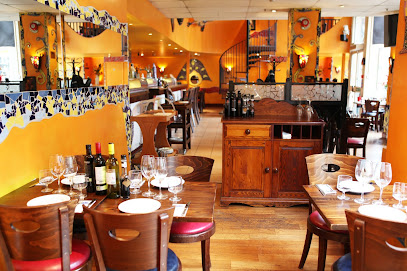
Mattarello Chiodo Bolognese Restaurant
1.1 km
Savor authentic Italian cuisine at Mattarello Chiodo Bolognese in London – where every dish tells a story.
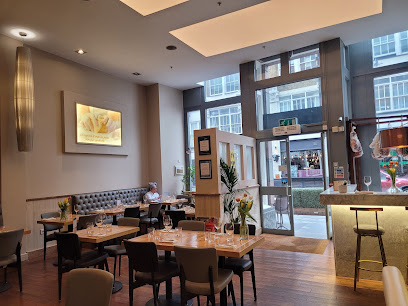
St. John
1.2 km
Discover the essence of modern British cuisine at St. John - where tradition meets innovation in every delicious bite.
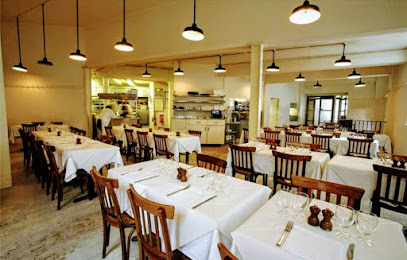
Sea Containers Restaurant
1.2 km
Discover exquisite modern British cuisine at Sea Containers Restaurant along the Thames River—an unforgettable dining experience in London.
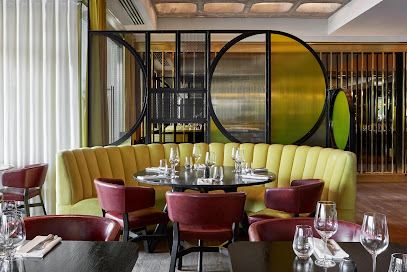
Dans le Noir ? London Restaurant
1.3 km
Experience dining like never before at Dans le Noir ? London - where taste meets adventure in complete darkness.
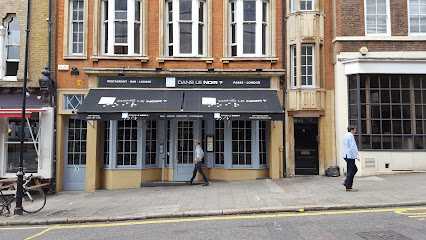
Restaurant Story
1.4 km
Experience the pinnacle of fine dining at Restaurant Story in London, where each dish narrates a unique tale of British culinary heritage.
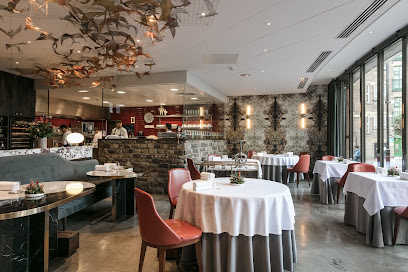
Paradiso Burger & Cocktail Bar Southbank
1.4 km
Savor gourmet burgers and crafted cocktails at Paradiso Burger & Cocktail Bar on London's vibrant Southbank.
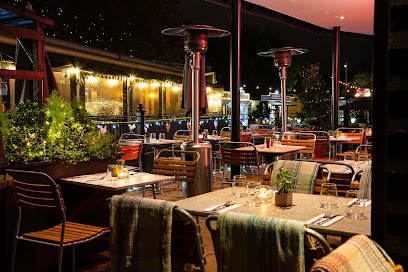
Lyle's
1.6 km
Experience contemporary British fine dining at Lyle's in Shoreditch, where seasonal ingredients meet innovative culinary artistry.
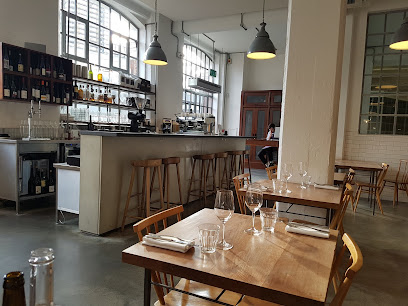
Mercato Metropolitano
1.6 km
A vibrant, sustainable community food market in Elephant & Castle offering global flavors, local sourcing, and a lively social atmosphere.
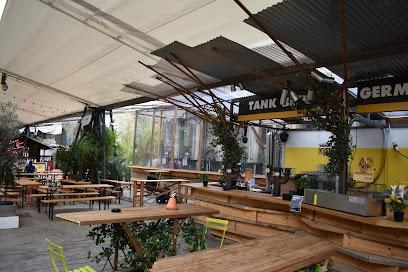
Ikoyi Restaurant
1.7 km
Two Michelin stars meet West African spice in London's most innovative fine dining experience.
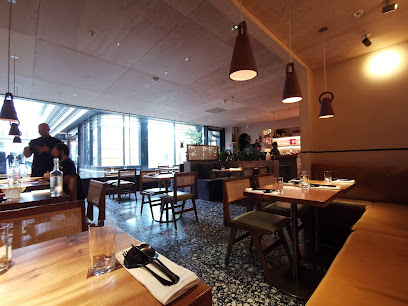
Brasserie Blanc - Southbank
1.8 km
Experience authentic French cuisine at Brasserie Blanc - Southbank, where delightful flavors meet stunning riverside views in London.
Markets, malls and hidden boutiques

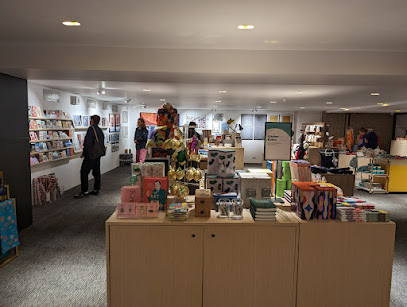
Barbican Shop
0.9 km
Explore the Barbican Shop for unique gifts, art books, and handmade treasures reflecting London's vibrant culture.
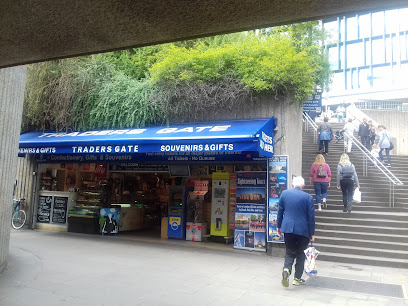
Traders Gate
0.9 km
Explore Traders Gate, a family-run gift shop in London offering unique souvenirs and local crafts, perfect for every tourist's memento.
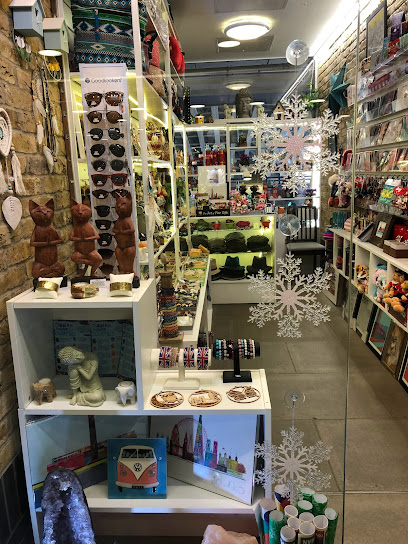
Bankside Arches Boutique
0.9 km
Explore Bankside Arches Boutique for unique gifts, aromatherapy products, and handcrafted jewelry in the heart of London's Blackfriars Station.
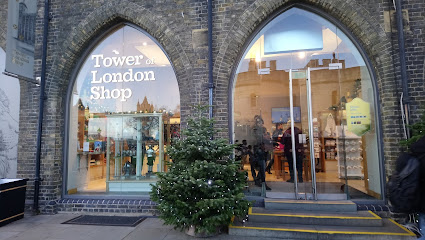
Tower of London Shop
1.0 km
Discover unique gifts and royal memorabilia at the enchanting Tower of London Shop, an essential stop for every visitor to this historic site.
Middlesex Textiles
1.1 km
Explore the vibrant world of African textiles at Middlesex Textiles, London’s premier destination for unique fabrics and cultural heritage.
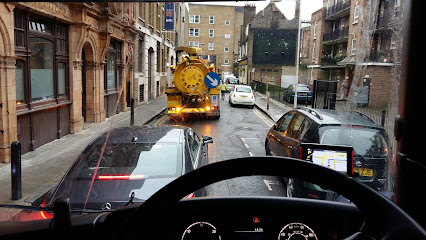
SUCK UK Alternative Gifts (OXO Tower)
1.3 km
Explore SUCK UK Alternative Gifts in the iconic Oxo Tower, a treasure trove of quirky homewares and innovative gifts perfect for every occasion.
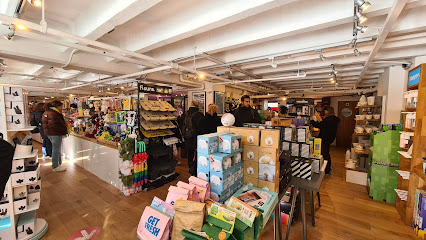
Brand Academy Independent Gift Shop
1.3 km
Explore the Brand Academy Independent Gift Shop for unique London souvenirs and local artisanal products in the iconic Oxo Tower Wharf.
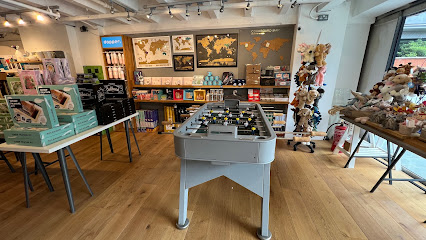
j-me original design ltd
1.3 km
Explore j-me original design ltd, a unique gift shop in London offering innovative and stylish products perfect for souvenirs and thoughtful presents.

Tower Bridge - Engine Rooms and Official Gift Shop
1.4 km
Explore the fascinating history of Tower Bridge at the Engine Rooms and shop for unique gifts at the Official Gift Shop.
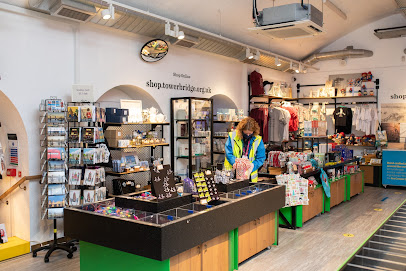
Sugar And Style
1.4 km
Explore Sugar And Style, a charming fashion accessories shop in London's Gabriel's Wharf, offering unique pieces to complement your style.

DPUS Designer Outlet
1.5 km
Explore unbeatable designer fashion deals at DPUS Designer Outlet in London, where style meets affordability for the ultimate shopping experience.

The Store X
1.7 km
Discover luxury fashion at The Store X in London, where elegance meets contemporary style in a chic shopping environment.

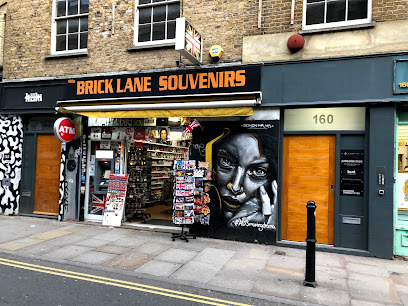
Brick Lane Souvenirs
1.7 km
Explore Brick Lane Souvenirs for unique gifts and clothing that capture the essence of London, perfect for tourists and locals alike.
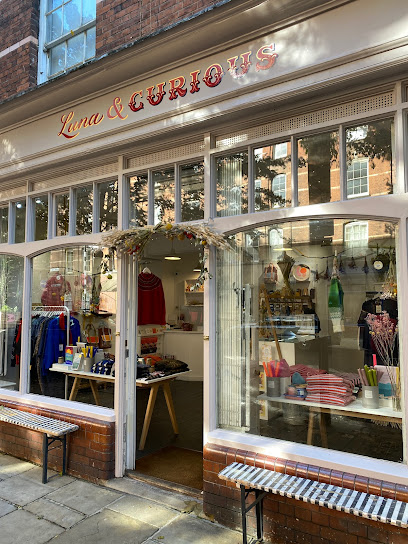
Luna & Curious
1.9 km
Discover unique gifts, books, and children's clothing at Luna & Curious, a charming independent shop in the heart of London.
not just a shop
1.9 km
Discover unique gifts and artistic creations at Not Just a Shop, a charming gift store in central London that celebrates local artistry.

Essential bars & hidden hideouts

The Cocktail Club - Cocktail Bar near Monument
0.4 km
Discover a cocktail lover's paradise at The Cocktail Club near Monument, featuring innovative drinks and a lively atmosphere in the heart of London.
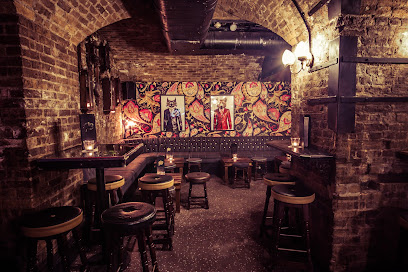
Demon, Wise & Partners
0.5 km
Experience the best of London's cocktail culture at Demon, Wise & Partners, where innovative drinks meet a vibrant atmosphere.
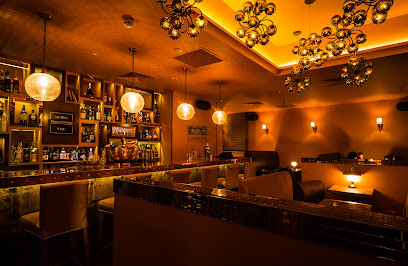
The Bootlegger
0.5 km
Experience the vibrant nightlife of London at The Bootlegger, a live music bar with exceptional cocktails and unforgettable performances.
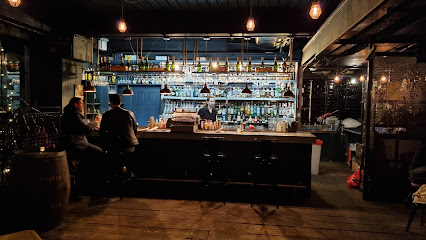
The Alchemist Bevis Marks
0.9 km
Experience the magic of innovative cocktails and a vibrant atmosphere at The Alchemist Bevis Marks, London's premier cocktail bar.
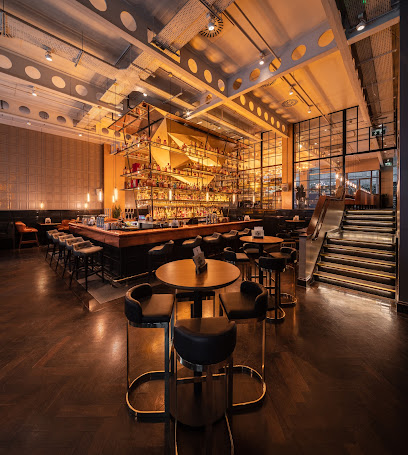
Black Parrot
1.0 km
Experience the art of cocktail crafting at the Black Parrot, London's premier cocktail bar known for its exquisite drinks and vibrant atmosphere.
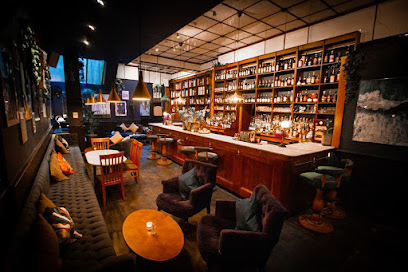
Dirty Dicks
1.0 km
Experience the vibrant ambiance of Dirty Dicks Pub in London, where classic British hospitality meets a lively atmosphere and delicious cuisine.
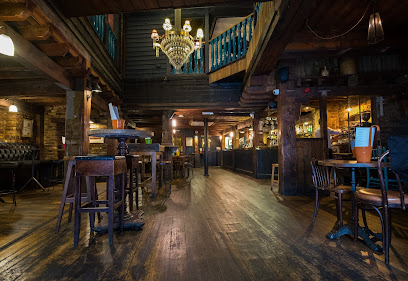
The Astronomer, EC1
1.0 km
Discover the inviting charm of The Astronomer Pub, a delightful blend of tradition and modernity in the heart of London.
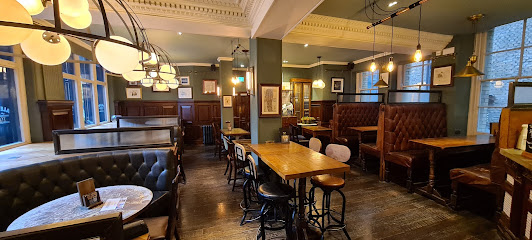
Doggett's Coat and Badge
1.0 km
Discover the charm of Doggett's Coat and Badge, a historic pub on London's South Bank offering delicious cuisine and stunning river views.
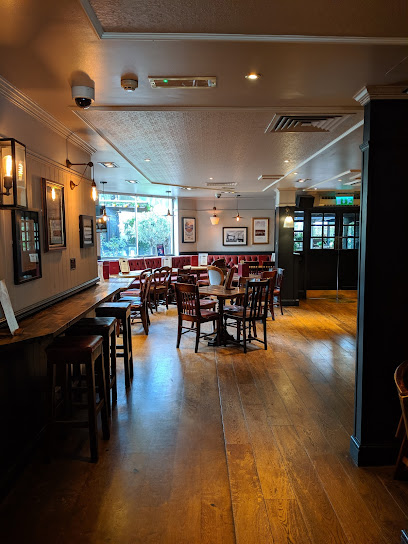
The Mayor of Scaredy Cat Town
1.1 km
Immerse yourself in the whimsical world of The Mayor of Scaredy Cat Town, a cocktail bar in London known for its quirky decor and creative drinks.
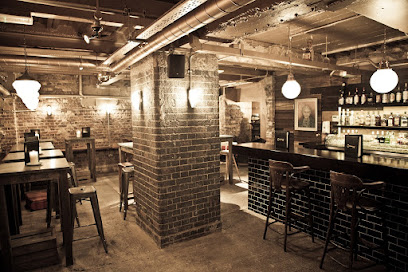
Flight Club Shoreditch
1.1 km
Discover the perfect blend of darts, cocktails, and delicious food at Flight Club Shoreditch, London's premier social gaming venue.
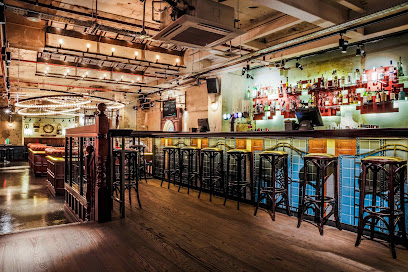
Aviary
1.1 km
Experience breathtaking views and exquisite cocktails at Aviary, London's ultimate sky-high bar.
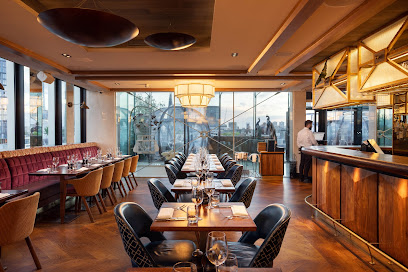
The Bell
1.1 km
Experience authentic British hospitality at The Bell, a traditional pub in the heart of London, serving delightful food and local ales.
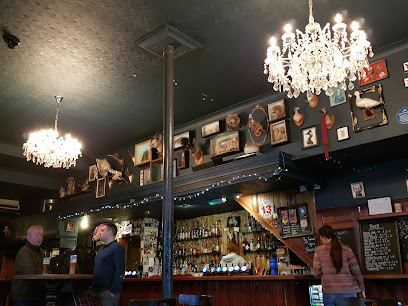
Nine Lives
1.2 km
Experience the vibrant mix of handcrafted cocktails and authentic tacos at Nine Lives near London Bridge, the perfect spot for nightlife enthusiasts.
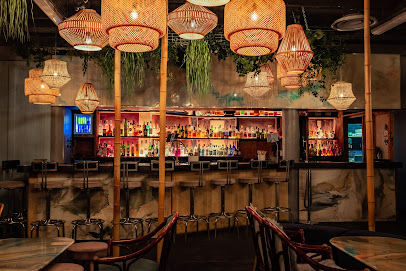
Lyaness
1.2 km
Experience innovative cocktails and a stylish atmosphere at Lyaness, a premier cocktail bar in London along the scenic Thames.
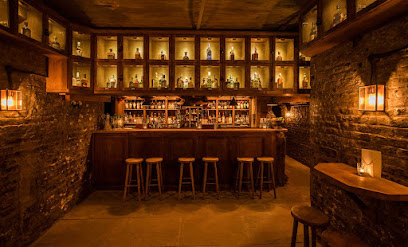
Discount Suit Company
1.2 km
Discover the hidden charm of Discount Suit Company, a unique cocktail bar in London offering exquisite drinks and an unforgettable ambiance.
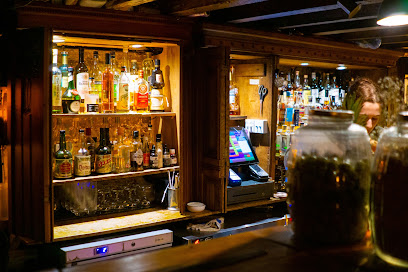
For the vibe & atmosphere seeker
- Scenic
- Unique
- Lively
- Entertaining
- Romantic
For the design and aesthetic lover
- Historic
- Vintage Styles
- Modern Designs
- Art Deco Styles
For the architecture buff
- Historic
- Modern
- Landmarks
- Art & Design
- Street Art
- Viewpoints
- Parks & Gardens
- Sacred Sites
- Heritage Neighborhoods
For the view chaser and sunset hunter
- Iconic Views
- Panoramas
- Waterfront
- Skyline
- Sunrise Spots
- Sunset Spots
For the social media creator & influencer
- Instagrammable
- Photo Spots
- Architectural Shots
- Iconic Views
For the eco-conscious traveler
- Public-Transport Accessible
- Car-Free Access
For the kind of experience you’re after
- Cultural Heritage
- Myth & Legends
- Photowalk
- Day Trip
- Weekend Getaway
For how adventurous you want the journey to be
- Easy Access
Location Audience
- Family Friendly
- LGBT Friendly
- Senior Friendly
- Child Friendly
- Teen Friendly
- Wheelchair Access
- Pet Friendly
- Solo Friendly
- Couple Friendly
- Solo Female Friendly
- Vegetarian Friendly
- Vegan Friendly
- Business Friendly


