Constantine the Great, York Travel Guide
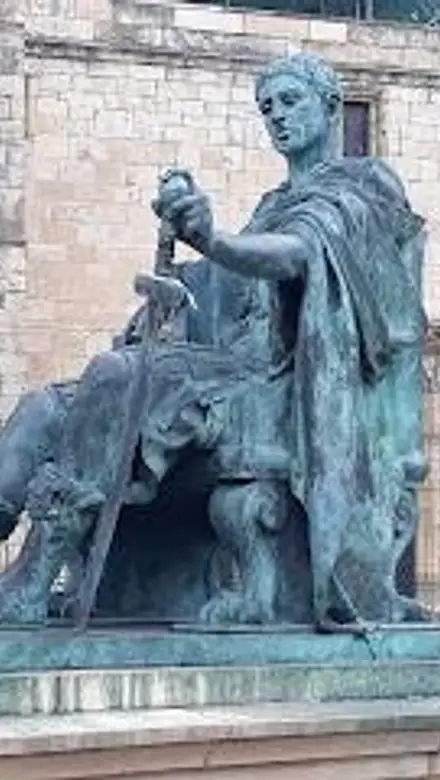
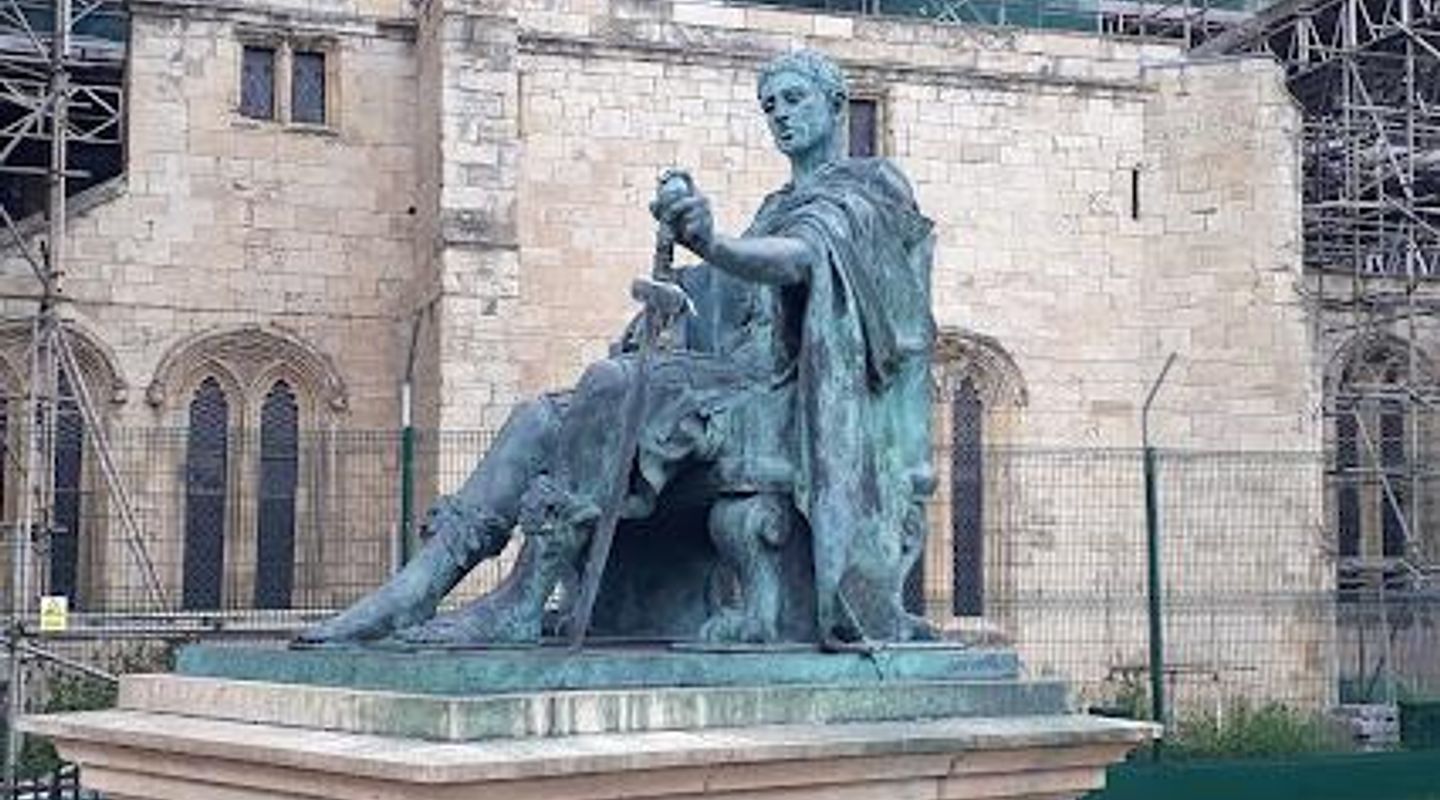
Bronze statue of Roman Emperor Constantine the Great at York Minster, marking his historic proclamation as emperor in AD 306.
The Statue of Constantine the Great in York is a striking bronze monument unveiled in 1998, located on Minster Yard outside York Minster. It commemorates the proclamation of Constantine as Roman Emperor in AD 306 at this historic site. Designed by sculptor Philip Jackson, the statue depicts Constantine seated in military dress with a broken sword and an outstretched arm, symbolizing his legendary vision and victory under the Christian sign.
A brief summary to Constantine the Great
- 4 Minster Yard, York, YO1 7JB, GB
- Click to display
- Duration: 0.25 to 1 hours
- Free
-
 Outdoor
- Mobile reception: 4 out of 5

Know before you go
Hi, I'm Eve. Here are a few practical things to know before exploring Constantine the Great.
- Visit during daylight hours to fully appreciate the statue's details and the surrounding historic Minster Yard.
- Combine your visit with a tour of York Minster and the nearby Roman column to deepen your understanding of York’s Roman heritage.
- Look for the inscription at the statue’s base to connect with the legend of Constantine’s vision before battle.
- Photograph the statue from different angles to capture its imposing presence against the backdrop of York Minster.
Do you manage this location?
Take control to get all the benefits, like improved information, better appearance, and stronger visibility across AI-powered discovery. Learn more about listing your business on Evendo
Activate your presenceOther nearby places you may find interesting
The closest places of the same kind, if this one is not quite what you had in mind.



Explore Constantine the Great on the Map
A handpicked selection of must-see spots near Constantine the Great, mapped for you.
Unlock the Best of Constantine the Great
Buy tickets
-
No tickets available
Book tours with entry


Getting There
-
Bus
Take the York Park & Ride bus service to the York Minster stop, located about 5 to 10 minutes from the statue on foot. Buses run frequently every 10-15 minutes, costing around £3-£5 for a single ticket.
-
Taxi
A taxi ride from York city center to Minster Yard takes approximately 5 minutes. Taxis are readily available with fares typically ranging from £5 to £8. Note that parking near Minster Yard is limited.
-
Walking
From York city center, the statue is a 10 to 15-minute walk along mostly flat, paved pedestrian streets. The route is accessible and suitable for wheelchairs and strollers.
For the on-the-go comforts that matter to you
-
 Restrooms
-
 Drink Options
-
 Food Options
-
 Seating Areas
-
 Information Boards
Discover more about Constantine the Great
A Monument to a Roman Emperor's Proclamation in York
The Statue of Constantine the Great stands prominently in Minster Yard, just outside the majestic York Minster. Unveiled in 1998 and crafted by the renowned sculptor Philip Jackson, this bronze statue commemorates the momentous occasion in AD 306 when Constantine was proclaimed Roman Emperor in the Roman city of Eboracum, now modern-day York. This event marked a pivotal turning point in Roman and Christian history, as Constantine would later become the first Roman emperor to convert to Christianity.Artistic Design and Symbolism
The statue portrays Constantine seated on a throne, clad in military attire that reflects his role as a victorious leader. His right arm is outstretched behind him, while his left hand grips the pommel of a sword, the tip of which is deliberately shown broken. This broken sword symbolizes both the end of conflict and the beginning of a new era. Inscribed on the statue’s base is the Latin phrase "Constantine by this sign conquer," a translation of "in hoc signo vinces," referencing Constantine’s legendary vision of a cross of light in the sky before battle, which inspired his army to victory.Historical Context and Legacy
Constantine’s rise to power in York followed the death of his father, Constantius Chlorus, during a campaign in Britain. His reign, which lasted until 337 AD, was notable for uniting the Roman Empire and establishing Constantinople as a new imperial capital. He introduced significant reforms including the legalization of Christianity, which shaped the religious and political landscape of Europe for centuries. The statue’s location near York Minster connects this legacy to the city’s rich Roman and Christian heritage.Recent History and Cultural Significance
The statue has experienced events reflecting its cultural resonance. In 2016, its sword was stolen and later restored by the York Civic Trust. It has also been the focus of public debate in recent years, particularly regarding Constantine’s historical associations. Despite controversies, the statue remains a powerful symbol of York’s Roman past and its role in shaping Western civilization. Nearby, a Roman column dating from the first century complements the statue, emphasizing York’s long-standing historical importance.Setting and Visitor Experience
Situated in a bustling pedestrian area, the statue offers visitors a contemplative encounter with history amidst the backdrop of York Minster’s gothic grandeur. The glowing star on the Minster’s scaffolding above the statue enhances its spiritual symbolism, linking the monument to the Christian narrative of Constantine’s vision. The statue’s commanding presence invites reflection on empire, faith, and the enduring impact of this Roman emperor.York’s Emblem of Western Heritage
Beyond commemorating a historical figure, the statue serves as a cultural landmark that anchors York’s identity within the broader story of Western Christendom. It reflects the city’s layered history from Roman military stronghold to medieval religious center, bridging millennia through art and memory. The statue is a testament to Constantine’s complex legacy and York’s role as a foundational city in European history.












Your all‑in‑one travel companion app
Explore expert travel guides, compare and book tours, experiences, hotels, and more—all from the palm of your hand. Download now for seamless trip planning wherever your wanderlust takes you.


Explore More of York
Looking beyond Constantine the Great? Discover York for broader travel guides, local hot-spots, and regional highlights.
Explore York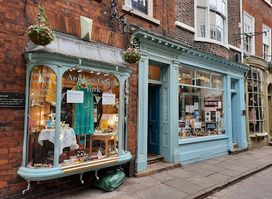
York’s largest antiques emporium on historic Stonegate, offering diverse treasures across three floors in a vibrant community setting.

Historic 16th-century Anglican church in York, famed for Guy Fawkes’ baptism and rich medieval stained glass collection.