

Chapter House, Leeds Travel Guide
Medieval masterpiece where timber vaults defy gravity and Parliament once convened in octagonal splendor.
A masterpiece of medieval Gothic architecture, York Minster's Chapter House is an octagonal chamber completed in the 1290s that defies structural convention. Built without a central supporting column—a revolutionary engineering feat for its time—the space is spanned by an ingenious timber-vaulted ceiling that creates an unobstructed interior of remarkable openness. Originally a meeting place for cathedral clergy and occasionally Parliament, this ornate room features intricate stone carvings, decorative tracery windows, and a tracing loft above where master masons designed architectural templates. The Chapter House remains one of England's finest examples of late Gothic ecclesiastical design.
A brief summary to Chapter House
- The Cathedral and Metropolitical Church of St Peter in York, Deangate, Minster Yard, York, YO1 7HH, GB
- Duration: 0.75 to 2 hours
- Mid ranged
-
 Indoor
- Mobile reception: 4 out of 5

Know before you go
Hi, I'm Eve. Here are a few practical things to know before exploring Chapter House.
- Climb the 87 steps to the Mason's Loft to see the original tracing floor with centuries-old design etchings and understand how medieval masons created architectural templates.
- Study the carved stone heads and figures around the walls, noting the drilled irises—a detail of remarkable precision that appears in only a few contemporary buildings.
- Look upward to appreciate the star-shaped ribbed vaulting; despite appearing to be stone, it is primarily timber construction, a revolutionary engineering solution for its era.
- Visit during quieter morning hours to fully appreciate the acoustics and sense of openness created by the absence of a central supporting column.
- Examine the recessed sedilia with decorated rib-vaulted canopies on Purbeck marble piers, which provided dignified seating for senior clergy during chapter meetings.
Do you manage this location?
Take control to get all the benefits, like improved information, better appearance, and stronger visibility across AI-powered discovery. Learn more about listing your business on Evendo
Activate your presenceOther nearby places you may find interesting
The closest places of the same kind, if this one is not quite what you had in mind.

Explore Chapter House on the Map
A handpicked selection of must-see spots near Chapter House, mapped for you.
Getting There
-
Walking from York City Centre
From York's city centre, the Chapter House is accessible via a 10–15 minute walk. Head toward Minster Yard, following signs for York Minster. The Chapter House is located within the cathedral complex at Deangate, Minster Yard, York YO1 7HH. The approach passes through the cathedral's north transept, creating an impressive architectural introduction to the space.
-
Public Transport from York Railway Station
From York Railway Station, take a local bus service (routes 1, 2, or 3) toward the city centre, approximately 5–10 minutes travel time. Buses cost around £1.50–£2.50 per journey. Alternatively, a taxi from the station takes approximately 5–7 minutes and costs £8–£12. From the bus station or taxi drop-off, walk 5–10 minutes to Minster Yard following city centre signage.
-
Driving and Parking
If driving, several car parks are located near York Minster, including Monk Bar Car Park (approximately 150 metres away) and Deangate Car Park (approximately 200 metres away). Parking costs typically range from £1.50–£3.00 per hour, with daily rates around £8–£15. From the car park, follow pedestrian signs to Minster Yard. Note that Minster Yard itself is pedestrian-only; vehicles cannot access the immediate cathedral precinct.
-
Accessibility by Wheelchair
York Minster provides wheelchair access to the Chapter House via accessible routes through the cathedral. Access to the Mason's Loft requires climbing 87 steps and is not wheelchair accessible. Accessible parking is available near the cathedral entrance. Contact York Minster in advance for specific accessibility information and assistance.
For the on-the-go comforts that matter to you
-
 Restrooms
-
 Drink Options
-
 Food Options
-
 Seating Areas
-
 Information Boards
-
 Visitor Center
Discover more about Chapter House
A Revolutionary Architectural Achievement
York Minster's Chapter House stands as one of the most audacious architectural accomplishments of medieval England. Completed by the 1290s under the vision of Archbishop John le Romeyn, this octagonal chamber represents a bold departure from conventional chapter house design. Measuring approximately 59 feet in diameter, the space is enclosed by eight walls adorned with tracery windows and ornamental stonework, yet what truly distinguishes it is the complete absence of a central supporting column. This innovation was extraordinary for the period and remains a testament to the ambition and skill of the medieval craftsmen who conceived and executed the design.The engineering solution that made this feat possible involved replacing traditional stone vaulting with a lighter timber framework. The star-shaped ribbed vaulting, constructed primarily of wood rather than stone, distributes weight more efficiently across the walls and their supporting buttresses. This approach not only solved the structural challenge but also created an economical alternative to stone construction, allowing the builders to achieve a grander, more unified interior space than would have been possible with conventional methods. The timber vaults, though appearing to be stone at first glance, were originally painted and gilded, creating a sumptuous visual effect that has been partially reconstructed following fires in the 19th century.Function and Ceremonial Significance
The Chapter House served as the primary meeting chamber for the cathedral's canons and clergy, who gathered here to conduct the administrative and spiritual business of running York Minster. The room's design reflects its ceremonial importance: the octagonal plan ensured that voices carried clearly throughout the space, allowing all assembled members to hear proceedings from any position. Recessed sedilia with decorated rib-vaulted canopies on piers of Purbeck marble project into the chamber, providing dignified seating for senior clergy. A wall arcade with benches ran around the perimeter, accommodating the full chapter during formal meetings.Beyond its regular ecclesiastical function, the Chapter House occasionally hosted secular gatherings of considerable importance. In 1296, just years after its completion, Parliament convened within these walls, underscoring the room's status as one of the most prestigious assembly spaces in the realm. This dual purpose—both sacred and civic—reflects the Chapter House's central role in the life of medieval York and the cathedral's position as a seat of both religious and temporal authority.Sculptural Decoration and Artistic Splendor
The interior walls of the Chapter House are enriched with an extensive programme of carved stone decoration that originally carried profound theological and symbolic meaning. Narrative relief sculpture panels occupy the spandrels between the wall arcades, depicting biblical scenes and religious narratives. The carved heads and figures that adorn the chamber showcase remarkable craftsmanship, with some featuring eyes where the center was drilled to represent the iris—a detail of such precision that it appears in only a handful of other contemporary ecclesiastical buildings. The tracery windows, occupying much of the available wall space, flood the chamber with natural light while their intricate stone patterns contribute to the overall visual richness.Much of the original painted decoration and gilding that once enhanced these carvings has been lost over the centuries, yet sufficient records remain to suggest the Chapter House was originally a far more colorful and ornate space than it appears today. The iconographic programme, concentrating on religious instruction and the authority of the Church, would have been immediately apparent to medieval viewers. Some of the sculptural elements, particularly those depicting Jewish figures, reflect the complex religious and social context of 13th-century York, including the presence of a significant Jewish community in the city.The Mason's Loft and Medieval Craftsmanship
Above the Chapter House lies the Mason's Loft, a space of equal architectural and historical importance. Reached by a circular staircase of 87 steps built into the west wall, the loft served as the tracing room where the master mason created designs for architectural elements throughout the cathedral. The floor was covered with thin layers of plaster of Paris, providing a surface upon which the mason could sketch and refine designs. These drawings were then transferred to thin templates of wood or metal, which were sent to the stone yard for use by working masons. The tracing floor still bears the etched designs of centuries past, some of which can be identified in the Minster and nearby churches, offering a tangible connection to the medieval building process.The loft includes a garderobe—an early toilet flushed by rainwater running off the roof—and some of the original roof timbers date to before the 1290s. Victorian examples of templates hang on racks, providing insight into the practical methods employed by medieval craftsmen. This space represents a rare surviving example of a medieval mason's workshop and offers invaluable evidence of how cathedral construction was planned and executed during the Gothic period.Architectural Innovation Within a Greater Vision
The Chapter House must be understood as part of the broader architectural ambition that shaped York Minster itself. Construction of the current Gothic Minster began around 1225 under Archbishop Walter de Gray, who envisioned York as one of the greatest churches in the kingdom. The Chapter House, completed roughly 70 years into this vast project, embodied the accumulated knowledge and confidence of the cathedral's masons. By the time work began on this chamber, the transepts had been rebuilt and expanded, and the construction techniques pioneered in earlier phases of the cathedral informed the innovative solutions employed here.The decision to eliminate the central column was likely made during the design phase, though some art historians believe a central pier may have been originally planned before being abandoned in favor of the more dramatic open design. This choice prioritized visual grandeur and functional openness over conventional structural solutions, reflecting the cathedral's overall commitment to creating spaces of extraordinary scale and beauty. The Chapter House thus represents not merely a functional meeting room but a statement of architectural ambition and ecclesiastical authority.












Your all‑in‑one travel companion app
Explore expert travel guides, compare and book tours, experiences, hotels, and more—all from the palm of your hand. Download now for seamless trip planning wherever your wanderlust takes you.


Explore More of Leeds
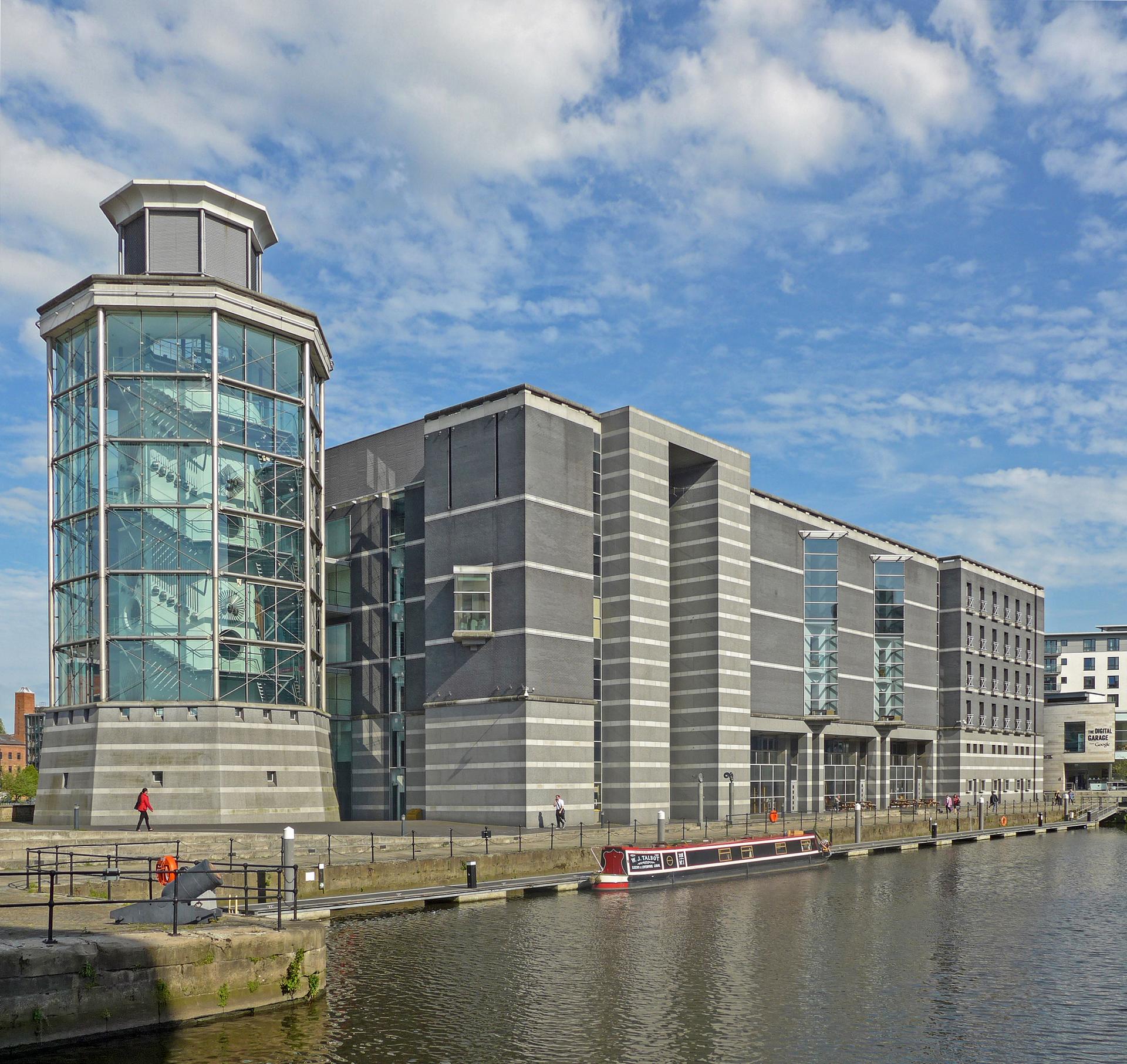
Looking beyond Chapter House? Discover Leeds for broader travel guides, local hot-spots, and regional highlights.
Explore Leeds
Explore York’s eerie streets on a captivating ghost walk blending history, hauntings, and theatrical storytelling for all ages.

Explore the stunning 13th-century octagonal Chapter House at York Minster, famed for its unique timber vaulted ceiling and medieval craftsmanship.
