
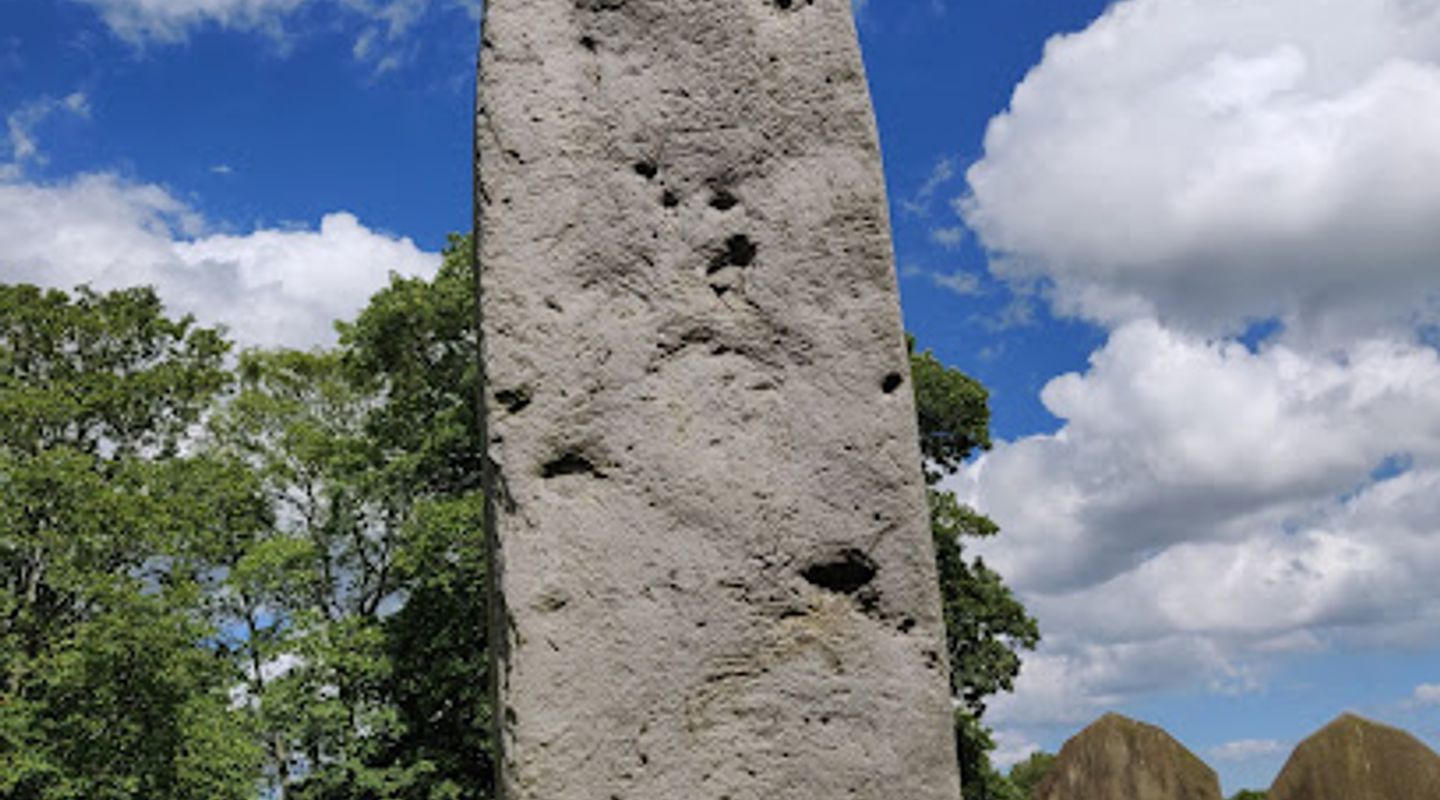
Rudston Monolith, Yorkshire Travel Guide
Discover the towering Rudston Monolith, Britain's tallest prehistoric standing stone set in a sacred landscape rich with ancient history and mystery.
The Rudston Monolith, located in the churchyard of All Saints in Rudston, East Riding of Yorkshire, is the tallest prehistoric standing stone in Britain. Towering nearly 8 metres high and weighing around 26 to 40 tonnes, this Neolithic or Early Bronze Age megalith is carved from gritstone and likely transported over 10 miles from the Cayton Bay area. Its mysterious origins and imposing presence mark it as a site of ancient ceremonial importance, now juxtaposed with the Norman church built centuries later.
A brief summary to Rudston Monolith
- Driffield, Rudston, GB
- Duration: 0.5 to 2 hours
- Free
-
 Outdoor
- Mobile reception: 4 out of 5

Know before you go
Hi, I'm Eve. Here are a few practical things to know before exploring Rudston Monolith.
- Visit during daylight to fully appreciate the monolith’s imposing height and the tranquil churchyard setting.
- Explore the nearby All Saints Church to see historic architecture and learn about the site’s Christian heritage.
- Bring a camera or sketchbook to capture the striking contrast between the ancient stone and the Norman church.
- Wear sturdy footwear if you plan to explore the surrounding Wolds landscape, which contains other prehistoric sites.
Do you manage this location?
Take control to get all the benefits, like improved information, better appearance, and stronger visibility across AI-powered discovery. Learn more about listing your business on Evendo
Activate your presenceOther nearby places you may find interesting
The closest places of the same kind, if this one is not quite what you had in mind.

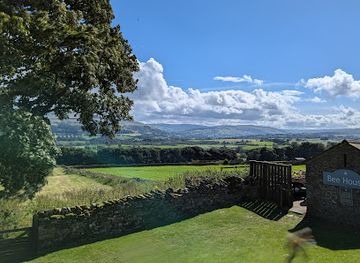
Explore Rudston Monolith on the Map
A handpicked selection of must-see spots near Rudston Monolith, mapped for you.
Getting There
-
Car
Driving from Driffield town center to Rudston Monolith takes approximately 20 to 30 minutes. Parking is limited near the churchyard, so arrive early to secure a spot. No parking fees apply.
-
Bus
Local bus services connect Driffield to Rudston village with a travel time of around 30 to 40 minutes. Service frequency is limited, so check schedules in advance. The stop is a short walk from the monolith.
-
Walking
For walkers exploring the Yorkshire Wolds, Rudston Monolith is accessible via rural footpaths from nearby villages. Expect uneven terrain and moderate walking times of 1 to 2 hours depending on starting point.
For the on-the-go comforts that matter to you
-
 Restrooms
-
 Seating Areas
-
 Information Boards
Discover more about Rudston Monolith
Monumental Scale and Geological Origins
The Rudston Monolith stands as the tallest prehistoric standing stone in Britain, reaching nearly 8 metres (about 26 feet) in height, with a width of nearly 2 metres and a thickness of approximately 1 metre. Its estimated weight ranges from 26 to 40 tonnes. Hewn from glomerate Moorstone gritstone, the stone was likely quarried from outcrops around Cayton Bay or the Cleveland Hills near Scarborough, roughly 10 miles away. Some theories suggest it may have been transported by glacial activity, but the prevailing view is that prehistoric people moved this massive stone over considerable distance, possibly using sledges or river transport.Ancient Significance and Landscape Context
Dating to the late Neolithic or Early Bronze Age (circa 1600 BC or earlier), the monolith is situated within a landscape rich in prehistoric monuments, including multiple cursuses, barrows, and henges. It stands close to the Gypsey Race, an intermittent stream flowing through the Great Wold Valley, which was a significant ceremonial landscape in prehistoric times. The monolith likely marked a site of assembly or ritual importance, positioned at the convergence of three cursus monuments, emphasizing its central role in ancient ceremonial geography.Christian Adaptation and Historical Continuity
The Norman All Saints Church, dating from around 1100 AD, was deliberately constructed on this sacred site, reflecting a common practice of Christianizing earlier pagan places of worship. The name "Rudston" derives from Old English "Rood-stane," meaning "cross-stone," hinting that a cross may once have topped the monolith as part of its Christian adaptation. The stone was capped with lead in the 18th century to protect it from weathering and lightning, a practice that continues today. Nearby, a smaller standing stone and remains of ancient burial cists further attest to the site's long-standing ritual significance.Architectural and Archaeological Features
The monolith’s two large flat faces and fluted peak resemble other regional megaliths such as the Devil's Arrows. Archaeological excavations have revealed that the stone may extend as deeply underground as it stands above, emphasizing its monumental nature. The surrounding churchyard contains memorials and historic features, including a 12th-century cylindrical font with distinctive ornamentation and Victorian-era renovations to the church building itself.Visitor Experience and Cultural Resonance
Visitors to Rudston encounter a striking juxtaposition of the imposing prehistoric monolith rising beside the Norman church, creating a powerful sense of continuity across millennia. The tranquil rural setting in the Yorkshire Wolds enhances the monument’s enigmatic presence. The site draws interest not only from archaeologists and historians but also artists and photographers captivated by its scale and mystery.Preservation and Ongoing Mysteries
Despite centuries of exposure, the Rudston Monolith remains remarkably well preserved, thanks in part to protective measures like the lead capping. While no definitive inscriptions or carvings have been confirmed, the stone’s exact purpose and the methods used to transport it remain subjects of scholarly debate, adding to its allure as a symbol of Britain’s ancient heritage.












Your all‑in‑one travel companion app
Explore expert travel guides, compare and book tours, experiences, hotels, and more—all from the palm of your hand. Download now for seamless trip planning wherever your wanderlust takes you.


Explore More of Yorkshire
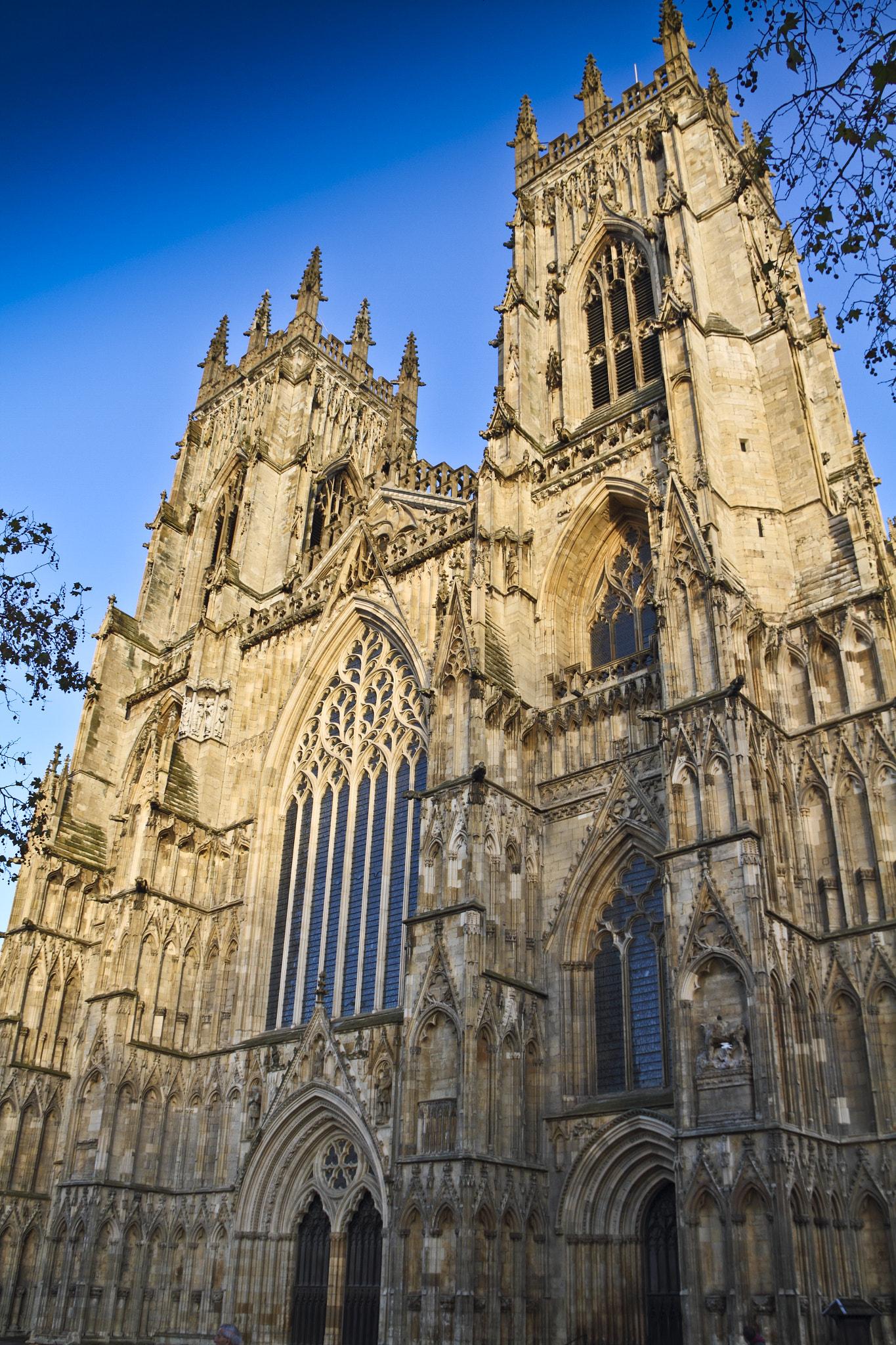
Looking beyond Rudston Monolith? Discover Yorkshire for broader travel guides, local hot-spots, and regional highlights.
Explore Yorkshire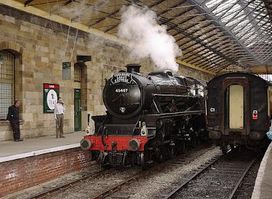
Step back in time at Pickering Station, the charming 1930s terminus of the North Yorkshire Moors Railway, and journey through Yorkshire’s breathtaking moorland.
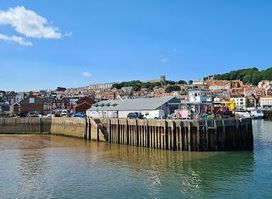
Historic castle, twin sandy bays, and vibrant culture combine in Scarborough, Yorkshire’s premier seaside destination.
