

Downtown Madison (Madison) Travel Guide - Free
Explore Downtown Madison in Madison with Evendo's free guide. Find the best shops, historic streets, restaurants, and gems on web or mobile.


Downtown Madison pairs Wisconsin’s Capitol, State Street dining, farmers’ markets, museums, theatres and lakeside walks in a compact urban centre.
The Isthmus in the City
Downtown Madison occupies the narrow isthmus between Lake Mendota and Lake Monona, a compact urban centre shaped by water, government, university life and public gathering. The Wisconsin State Capitol rises at its eastern end, while State Street runs west towards the University of Wisconsin–Madison campus, linking civic Madison with student culture, independent shops and an extensive dining scene. The neighbourhood is commonly understood through these central streets and squares rather than through sharply defined administrative boundaries.Read more about Downtown Madison
Squares, Streets and Public Life
Water, Culture and Everyday Madison
Best attractions in Downtown Madison
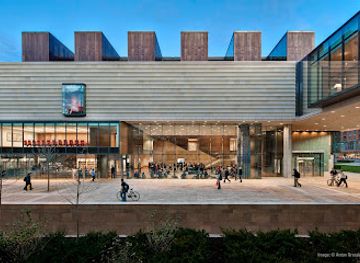
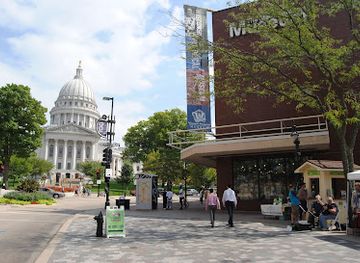
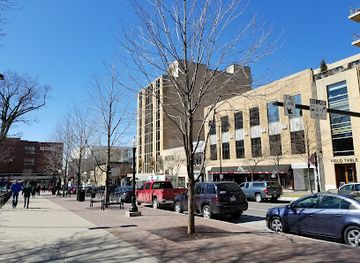
Downtown Madison’s principal attractions are concentrated around Capitol Square and the State Street corridor. The Wisconsin State Capitol offers public interior spaces and a monumental setting for understanding the state’s political history, while the Dane County Farmers’ Market brings seasonal produce, bakery goods and prepared food around the square. West along State Street, the Wisconsin Historical Museum and Madison Museum of Contemporary Art provide contrasting perspectives on regional history and contemporary culture, and Overture Center for the Arts presents theatre, dance, music and touring productions. Monona Terrace, on the Lake Monona waterfront, is an important civic and architectural destination with public terraces and lake views. The street itself is an attraction, linking independent shops, cafés, buskers and university influences in a walkable sequence. Capitol Square’s surrounding commercial blocks also reward slower exploration for their varying façades and public activity.
-
Art museum
Chazen Museum of Art
Discover the Chazen Museum of Art in Madison, Wisconsin—a cultural gem showcasing diverse art collections, a cozy café, and enriching experiences for all.
18 min walk · 1.5 km from neighbourhood centre
-
History museum
Wisconsin Historical Museum
Explore Wisconsin's history through engaging exhibits and artifacts at the Wisconsin Historical Museum in downtown Madison.
5 min walk · 0.4 km from neighbourhood centre
Best landmarks in Downtown Madison
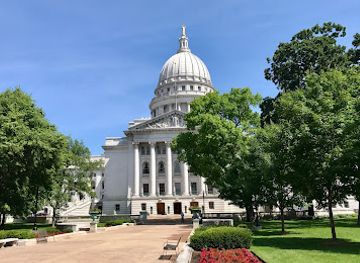
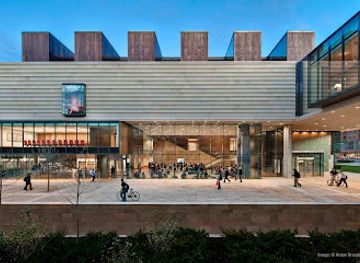
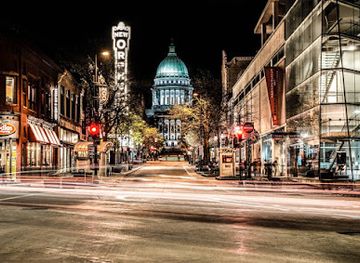
The Wisconsin State Capitol is downtown Madison’s defining landmark, its dome and surrounding Beaux-Arts civic composition dominating views across the isthmus and providing the setting for public ceremonies, protests and everyday gatherings. Capitol Square’s historic commercial buildings form a contrasting ring of offices, restaurants and shops, while State Street preserves the central connection between the Capitol and the university district. Monona Terrace is a major twentieth-century civic landmark on Lake Monona, recognised for its terraces, broad public spaces and relationship to Frank Lloyd Wright’s architectural ideas. Overture Center and the Orpheum Theatre represent different stages of downtown’s performing-arts history, while the Madison Museum of Contemporary Art contributes a modern cultural presence on State Street. Together these buildings show how government, commerce, education, entertainment and lakefront planning have shaped the neighbourhood.
-
State government office
Wisconsin State Capitol
Explore the Wisconsin State Capitol, a stunning architectural gem in Madison, showcasing the state's rich history and vibrant culture.
3 min walk · 0.2 km from neighbourhood centre
-
Art museum
Chazen Museum of Art
Explore the Chazen Museum of Art in Madison, home to a diverse collection of artworks and a vibrant cultural scene that enchants every visitor.
18 min walk · 1.5 km from neighbourhood centre
-
History museum
Wisconsin Veterans Museum
Explore the courageous stories of Wisconsin's veterans at the Wisconsin Veterans Museum, where history and honor come alive in Madison.
5 min walk · 0.4 km from neighbourhood centre
-
Art museum
Madison Museum of Contemporary Art
Explore the vibrant world of contemporary art at the Madison Museum of Contemporary Art, a cultural gem in the heart of Wisconsin's capital.
8 min walk · 0.6 km from neighbourhood centre
Explore Downtown Madison on the map
A handpicked selection of must-see spots in Downtown Madison, mapped for you.
Best hotels in Downtown Madison
Best restaurants in Downtown Madison
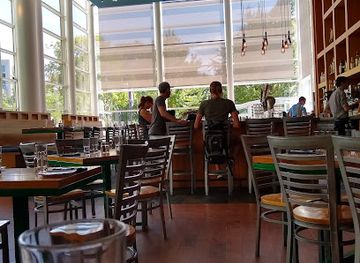
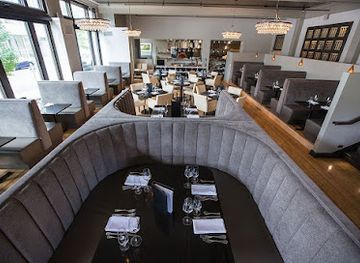
Downtown Madison has one of the city’s broadest concentrations of places to eat, ranging from quick meals and cafés on State Street to dining rooms and bars around Capitol Square. The area reflects Madison’s university population and its role as a state capital, so menus span casual American cooking, vegetarian and plant-based food, international cuisines, bakery fare and contemporary Midwestern dining. The farmers’ market adds a seasonal food dimension, with local producers and prepared foods becoming part of the weekend rhythm rather than a permanent food hall. State Street is useful for informal meals and coffee between cultural visits, while the square and nearby blocks offer more occasion-oriented choices. Dining patterns can change as businesses open and close, so checking current listings is sensible, particularly before theatre performances or during large Capitol events.
-
Tapas
Eno Vino Downtown
Discover Eno Vino Downtown: A premier tapas restaurant in Madison offering exquisite small plates and an exceptional wine selection.
3 min walk · 0.2 km from neighbourhood centre
-
American
Graze Restaurant
Experience the best of American cuisine with local flavors at Graze Restaurant in Madison - a perfect blend of taste and ambiance.
1 min walk · 0.1 km from neighbourhood centre
-
Dumpling
Paul's Pel'meni
Discover authentic Eastern European flavors at Paul's Pel'meni – Madison's beloved dumpling destination known for delicious bites and affordable prices.
13 min walk · 1.0 km from neighbourhood centre
-
Italian
Cento
Experience authentic Italian cuisine at Cento in Madison - where tradition meets modern culinary artistry.
6 min walk · 0.5 km from neighbourhood centre
Best bars in Downtown Madison
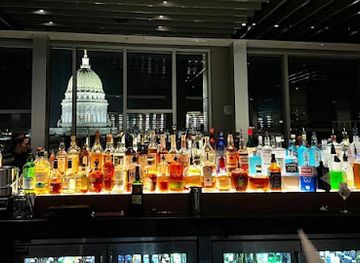
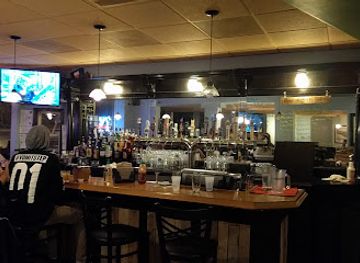
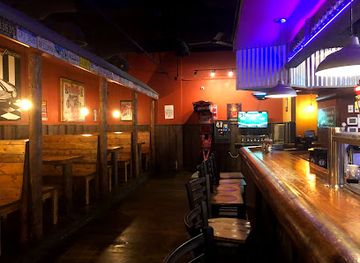
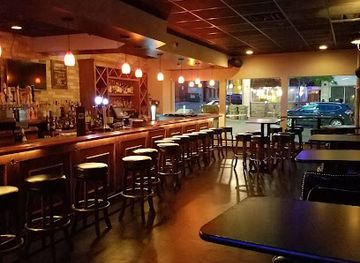
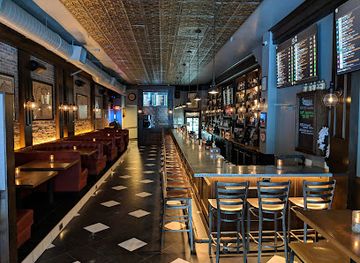
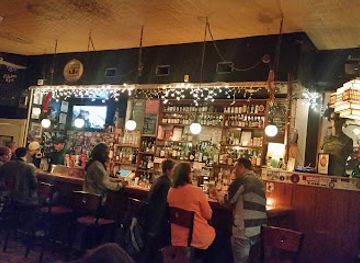
Downtown’s evening life is centred mainly on State Street, Capitol Square and the adjoining blocks, where long-established bars, student-oriented venues, cocktail spots and late-night food share the same compact streets. The character is more varied than a single club district: some places are casual and social, while others attract audiences for live music, comedy or sports. The Orpheum Theatre and Majestic Theatre host concerts and other performances, giving the area a substantial event-night audience, and Overture Center adds theatre, dance and music to the cultural calendar. Nights can become particularly busy when university events, festivals or performances coincide, although individual venues and schedules change. Visitors should distinguish the lively central corridor from quieter residential streets nearby and keep voices low when leaving bars or returning to accommodation.
-
Bar
Red Rock Saloon
Discover Madison's nightlife at Red Rock Saloon, a lively bar and grill offering delicious food, drinks, and live entertainment in a vibrant atmosphere.
11 min walk · 0.8 km from neighbourhood centre
-
Piano bar
The Ivory Room Piano Bar
Experience the enchantment of live music at The Ivory Room Piano Bar in Madison, where every evening feels like a celebration of melody and camaraderie.
6 min walk · 0.5 km from neighbourhood centre
-
Bar
Cask & Ale
Experience the vibrant nightlife at Cask & Ale, Madison's premier bar for craft drinks, delicious bites, and a lively atmosphere.
7 min walk · 0.6 km from neighbourhood centre
-
Bar
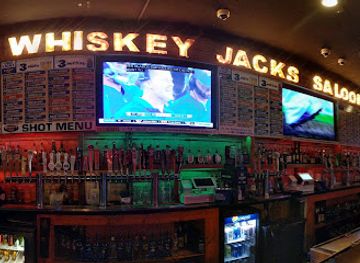
Whiskey Jack's Saloon
Discover the vibrant nightlife at Whiskey Jack's Saloon, a bar and live music venue in Madison, perfect for dancing, karaoke, and unforgettable experiences.
14 min walk · 1.1 km from neighbourhood centre
Best nightclubs in Downtown Madison
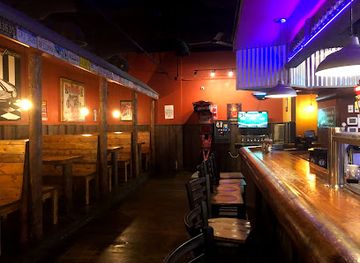
Downtown’s evening life is centred mainly on State Street, Capitol Square and the adjoining blocks, where long-established bars, student-oriented venues, cocktail spots and late-night food share the same compact streets. The character is more varied than a single club district: some places are casual and social, while others attract audiences for live music, comedy or sports. The Orpheum Theatre and Majestic Theatre host concerts and other performances, giving the area a substantial event-night audience, and Overture Center adds theatre, dance and music to the cultural calendar. Nights can become particularly busy when university events, festivals or performances coincide, although individual venues and schedules change. Visitors should distinguish the lively central corridor from quieter residential streets nearby and keep voices low when leaving bars or returning to accommodation.
-
Lounge
Genna's Lounge
Experience the eclectic vibe and creative cocktails at Genna's Lounge, Madison's favorite spot for relaxation and socializing.
4 min walk · 0.3 km from neighbourhood centre
-
Bar
Red Rock Saloon
Experience the lively nightlife of Madison at Red Rock Saloon, a bar and grill known for its great music, fun events, and delicious food.
11 min walk · 0.8 km from neighbourhood centre
-
Piano bar
The Ivory Room Piano Bar
Experience the enchanting atmosphere and live music at The Ivory Room Piano Bar in Madison, where every night is a musical celebration.
6 min walk · 0.5 km from neighbourhood centre
-
Bar
Whiskey Jack's Saloon
Experience the vibrant nightlife of Madison at Whiskey Jack's Saloon, your go-to spot for live music, karaoke, and unforgettable fun.
14 min walk · 1.1 km from neighbourhood centre


Best shops in Downtown Madison
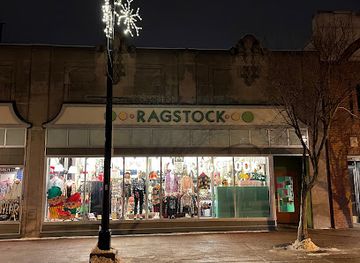
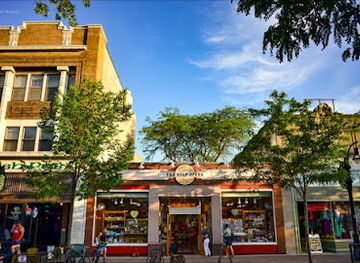
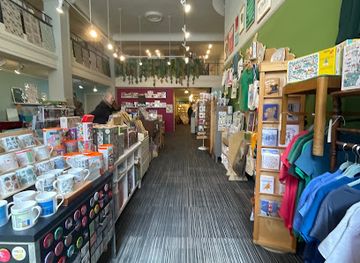
Shopping downtown is concentrated along State Street and around Capitol Square, where independent retailers, bookshops, cafés, galleries, specialist stores and university-oriented businesses occupy a walkable urban corridor. The selection is less about a single enclosed shopping centre than about browsing between small premises and combining retail with museums, food and performances. The Dane County Farmers’ Market is the most distinctive seasonal shopping experience, bringing Wisconsin producers, flowers, baked goods, preserves and prepared foods to the square, particularly during its main outdoor season. State Street’s businesses change over time, but its long association with books, music, clothing, gifts and student life remains central to the district’s identity. Around the Capitol, visitors will also find locally produced food and Wisconsin-themed goods, while the streets immediately off State Street provide quieter independent retail and gallery visits.
-
Vintage clothing store
Ragstock
Discover unique fashion finds at Ragstock, Madison's premier vintage clothing store, filled with eclectic apparel and accessories for everyone.
10 min walk · 0.8 km from neighbourhood centre
-
Gift shop
The Soap Opera ®
Discover unique gifts and artisanal beauty products at The Soap Opera, Madison's charming gift shop nestled in the heart of Wisconsin.
10 min walk · 0.8 km from neighbourhood centre
-
Gift shop
Anthology
Explore Anthology in Madison for unique gifts and local artisan creations that capture the essence of Wisconsin's vibrant culture.
8 min walk · 0.6 km from neighbourhood centre
-
Gift shop
Mimosa Books & Gifts
Explore the magical world of gifts and spirituality at Mimosa Books & Gifts in Madison, Wisconsin - a haven for unique treasures and thoughtful finds.
11 min walk · 0.9 km from neighbourhood centre
Downtown Madison essentials
Getting There
Getting Around
Safety
Emergency Situations
Do's and Don'ts
Local Tips

From Eve
Local phrases worth knowing
You don't need to get them perfect. A few words go a long way, and locals appreciate the effort.
Basics
| English | Local | Say it |
|---|---|---|
| Hello | Hey | [hey] |
| Goodbye | See ya | [see yuh] |
| Yes | Yeah | [yeh] |
| No | Nah | [nah] |
| Please/You're welcome | Sure thing | [shur thang] |
| Thank you | Thanks | [thanks] |
| Excuse me/Sorry | Pardon me | [pahr-dn mee] |
| How are you? | Howdy | [hao-dee] |
| Fine. And you? | Good. You? | [gud yuh] |
| Do you speak English? | Ya speak English? | [yuh speek ing-glish] |
| I don't understand | I don't get it | [ai dohnt get it] |
Eating & Drinking
| English | Local | Say it |
|---|---|---|
| I'd like to see the menu, please | Can I check the menu? | [kan ai chek thee men-yoo] |
| I don't eat meat | I don't do meat | [ai dohnt doh meet] |
| Cheers! | Cheers! | [cheers] |
| I would like to pay, please | I need the bill | [ai need thee bil] |
Emergencies
| English | Local | Say it |
|---|---|---|
| Help! | Help! | [help] |
| Go away! | Get lost! | [get lost] |
| Call the Police! | Call the cops! | [kahl thee cops] |
| Call a doctor! | Get a doc! | [get uh dahk] |
| I'm lost | I'm lost | [aim lost] |
| I'm ill | I'm sick | [aim sik] |
Shopping
| English | Local | Say it |
|---|---|---|
| I'd like to buy... | I wanna get... | [ai wanna get] |
| I'm just looking | Just browsing | [just brah-zing] |
| How much is it? | How much? | [hao much] |
| That's too expensive | That's pricey | [thats prahy-see] |
| Can you lower the price? | Can you do a deal? | [kan yuh doh uh deel] |
Time & Numbers
| English | Local | Say it |
|---|---|---|
| What time is it? | What's the time? | [whats thee time] |
| It's one o'clock | It's one | [its wun] |
| Half past (10) | 10-thirty | [ten-thur-tee] |
| Morning | Mornin' | [mornin] |
| Afternoon | Afternoon | [afternoon] |
| Evening | Evenin' | [evenin] |
| Yesterday | Yest'day | [yest-duh] |
| Today | Today | [today] |
| Tomorrow | Tomorrow | [tomorrow] |
| 1 | One | [wun] |
| 2 | Two | [too] |
| 3 | Three | [three] |
| 4 | Four | [for] |
| 5 | Five | [five] |
| 6 | Six | [siks] |
| 7 | Seven | [sev-un] |
| 8 | Eight | [ate] |
| 9 | Nine | [nine] |
| 10 | Ten | [ten] |
Transport & Directions
| English | Local | Say it |
|---|---|---|
| Where's a/the...? | Where's the...? | [wheres thee] |
| What's the address? | What's the addy? | [whats thee add-ee] |
| Can you show me (on the map)? | Show me (on the map)? | [show mee] |
| When's the next (bus)? | When's the next (bus)? | [whens thee next] |
| A ticket (to ....) | A ticket (to ....) | [uh tik-it] |
History of Downtown Madison
The Four Lakes and Early Settlement
The isthmus on which downtown Madison stands lies within the ancestral homeland of Indigenous peoples, including the Ho-Chunk, whose long relationship with the Four Lakes region predates the city. Madison was founded in the 1830s on the isthmus between Lakes Mendota and Monona, a location selected for a new capital because it offered a central setting within the developing Wisconsin Territory. The area that became downtown was initially a small settlement of roads, modest buildings and open ground, but its position between the lakes and its designation as the territorial capital quickly gave it importance beyond its size.
A Planned State Capital
Madison’s early growth centred on the Capitol and the streets laid out around it. As Wisconsin achieved statehood in 1848, government became the principal force shaping the downtown district, drawing officials, lawyers, printers, merchants and visitors to the square. The first State Capitol was replaced by a larger building in the nineteenth century, and that structure was itself destroyed by fire in 1904. The present Wisconsin State Capitol, completed in 1917, established the monumental architectural focus that still defines downtown’s eastern end and helped preserve the square as Madison’s most important civic gathering place.
Commerce, Streetcars and State Street
During the late nineteenth and early twentieth centuries, commercial Madison expanded around Capitol Square and along State Street. Shops, banks, hotels, offices, theatres and restaurants served both the state government and the growing university community to the west. Streetcar-era development strengthened State Street’s role as a connection between the Capitol and the University of Wisconsin, while nearby lakefront areas acquired civic, recreational and institutional uses. Much of downtown’s historic character comes from this period of dense blocks and mixed-use buildings, rather than from a single preserved quarter.
University Influence and Civic Change
The University of Wisconsin increasingly shaped the western side of downtown during the twentieth century, bringing students, faculty, bookstores, cafés, political activity and cultural organisations into close contact with the state’s governmental centre. State Street became associated with public demonstrations and countercultural activity during the 1960s and 1970s, reflecting national debates that were especially visible in a university capital. Later redevelopment added major cultural and civic facilities, including Overture Center and Monona Terrace, while the Capitol Square and State Street continued to function as public stages for festivals, protests and everyday commerce.
A Contemporary Civic and Cultural Centre
Recent downtown development has combined historic preservation with new housing, hospitality, arts and public-realm projects. The area remains a place where state administration, university life, independent business and lakefront recreation overlap rather than a purely commercial centre. Seasonal farmers’ markets, outdoor events and performances reinforce the district’s civic role, while changing retail patterns and residential construction continue to reshape the blocks around State Street and Capitol Square. Downtown Madison’s current identity is therefore both historic and active: a working capital district that also serves as the city’s most concentrated cultural and social meeting place.
Downtown Madison in Photos
Browse through our photo collection highlighting the charm and character of the destination.
Neighbourhoods near Downtown Madison
The closest neighbourhoods to Downtown Madison, if you have time for more than one stop.
-

-

-


Swipe for more neighbourhoods
Explore more

Explore more of Madison
Madison, Wisconsin blends lakeside scenery, the State Capitol, university culture, farmers’ markets, museums, cycling and distinctive Midwestern food.
Explore Madison