

Free Bellingham Travel Guide & Mobile App
Plan your Bellingham trip with Evendo. Get free guides to top attractions, restaurants, hotels, and bars. Web access or download the mobile app.


Bellingham, Washington blends Salish Sea views, historic districts, arts, craft breweries and easy access to forests, islands and Mount Baker.
A Waterfront City in Northwest Washington
Bellingham occupies the eastern shore of Bellingham Bay, where the Salish Sea meets the foothills of the North Cascades. Its setting is a defining part of the city: wooded hills rise behind neighbourhoods of older houses, while the waterfront opens towards Lummi Island, the San Juan Islands and, on clear days, distant mountain ranges. The city lies between Seattle and Vancouver, British Columbia, but has a character of its own, shaped by a university population, maritime connections and a strong relationship with the surrounding landscape.Read more about Bellingham
Historic Districts and Cultural Life
Forests, Parks and the Bay
When is the best time to visit Bellingham?
Best: June–August · 20–23°C| Month | High (°C) | Rainfall (mm) |
|---|---|---|
| January | 8 | 150 |
| February | 8 | 120 |
| March | 12 | 120 |
| April | 14 | 90 |
| May | 18 | 70 |
| June (best) | 20 | 50 |
| July (best) | 23 | 30 |
| August (best) | 23 | 30 |
| September | 20 | 60 |
| October | 15 | 100 |
| November | 10 | 150 |
| December | 8 | 150 |
Getting to and around Bellingham
How to get there
Transportation
Best attractions in Bellingham
Bellingham's attractions range from waterfront paths to museums and historic neighbourhoods. The Whatcom Museum occupies several buildings, including the former City Hall, and presents regional art, history and culture. The SPARK Museum of Electrical Invention offers an engaging collection of scientific and electrical artefacts, while the Mount Baker Theatre provides a richly detailed setting for performances and tours when available. Fairhaven's preserved commercial streets invite slow exploration among brick buildings, bookshops, cafés and independent retailers. Along the bay, Boulevard Park and the South Bay Trail connect downtown with Fairhaven and offer views across Bellingham Bay. Whatcom Falls Park brings shaded woodland, bridges and waterfalls into the city, while the nearby Sehome Hill Arboretum provides trails and elevated perspectives. The Bellingham Farmers Market adds a seasonal community dimension, with regional produce, prepared food and craft stalls.
-
Tourist attraction
Whatcom Falls Park
Explore the stunning landscapes and vibrant wildlife of Whatcom Falls Park in Bellingham, Washington, a perfect retreat for nature lovers and outdoor enthusiasts.
12 min drive · 3.8 km from city centre
-
Tourist attraction
Lake Padden Park
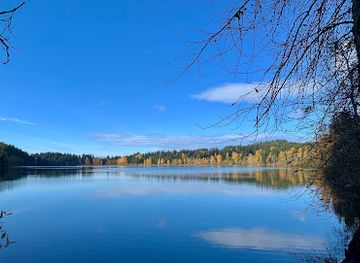
Explore the natural beauty and outdoor adventures awaiting you at Lake Padden Park, Bellingham's picturesque haven for nature lovers.
17 min drive · 5.7 km from city centre
-
Tourist attraction
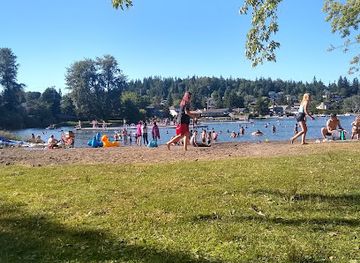
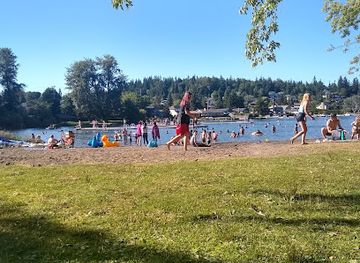
Bloedel Donovan Park
Discover tranquility at Bloedel Donovan Park, a picturesque park in Bellingham, Washington, offering stunning views, family-friendly activities, and outdoor adventures.
13 min drive · 4.3 km from city centre
-
Tourist attraction
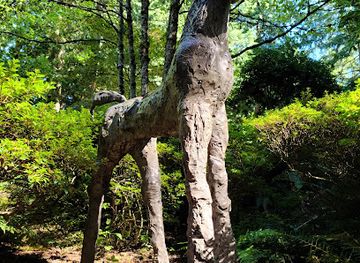
Big Rock Garden Park
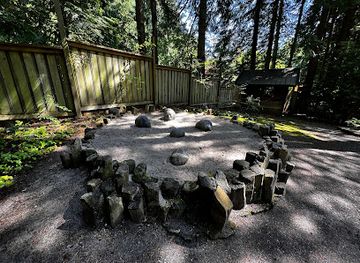
Explore the enchanting Big Rock Garden Park in Bellingham, WA, where art meets nature in a serene and picturesque setting.
13 min drive · 4.4 km from city centre


Best landmarks in Bellingham
Bellingham's landmarks reveal its evolution from bay-side industrial settlements to a contemporary regional city. The Old City Hall, now part of the Whatcom Museum, is a prominent civic building associated with the city's early twentieth-century consolidation and public life. The Mount Baker Theatre is noted for its ornate historic interior and continues to anchor the downtown cultural district. In Fairhaven, the historic district's brick commercial buildings and turn-of-the-century streetscape preserve the ambitions of the former independent settlement and railway town. The Bellingham Railway Museum recalls the importance of rail connections to regional development, while the waterfront and former industrial areas mark the economic role of shipping, timber and manufacturing. The ornate architecture of the historic buildings contrasts with the natural landmarks of Bellingham Bay, Whatcom Creek and the wooded slopes surrounding the city.
-
Park
Whatcom Falls Park
Discover the breathtaking beauty of Whatcom Falls Park in Bellingham, a perfect destination for nature enthusiasts and adventure seekers.
12 min drive · 3.8 km from city centre
-
Park
Lake Padden Park
Discover the natural beauty and recreational opportunities at Lake Padden Park in Bellingham, Washington, a must-visit destination for outdoor enthusiasts.
17 min drive · 5.7 km from city centre
-
Park
Bloedel Donovan Park
Discover the serene beauty of Bloedel Donovan Park, a perfect blend of nature and recreational fun in Bellingham, Washington.
13 min drive · 4.3 km from city centre
-
Park
Big Rock Garden Park
Experience the tranquility and artistic charm of Big Rock Garden Park, a must-visit destination in Bellingham, Washington, for nature lovers and art enthusiasts alike.
13 min drive · 4.4 km from city centre
Explore Bellingham on the map
Plan your Bellingham trip on one map. See where the top attractions, landmarks, restaurants, bars and hotels are, find what's near where you're staying, and book hotels and experiences in a few clicks.
Best hotels in Bellingham
Best restaurants in Bellingham
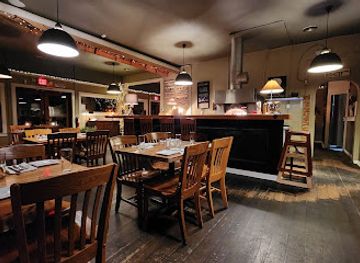
Bellingham's dining scene reflects the Pacific Northwest through seafood, locally grown produce, seasonal cooking and strong links with regional farms and fisheries. Menus commonly draw on salmon, shellfish and other ingredients from the Salish Sea, alongside berries, apples, craft grains and vegetables from north-west Washington. Downtown and Fairhaven contain the broadest mix of independent restaurants, cafés, bakeries and casual eateries, while the waterfront area adds a maritime setting. The Bellingham Farmers Market is an important source of prepared food and local produce when operating, and the city's breweries often provide relaxed food-led settings without needing to be treated as formal restaurants. Coffee culture, vegetarian cooking and contemporary Pacific Northwest menus sit alongside familiar American casual dining, while cross-border proximity contributes to a broader regional awareness rather than a single narrowly defined cuisine.
-
Mexican
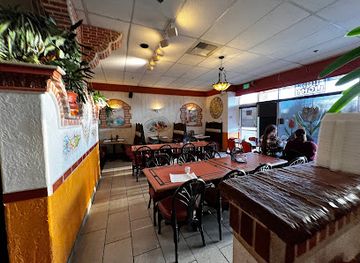
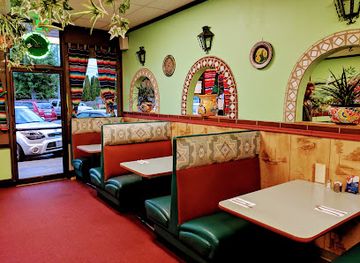
El Gitano
Discover the vibrant flavors of Mexico at El Gitano in Bellingham – where every dish tells a story.
7 min drive · 2.4 km from city centre
-
Restaurant
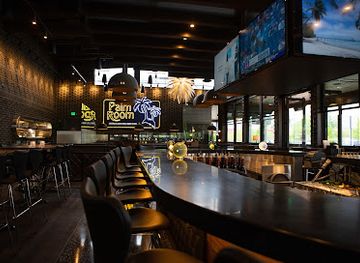
Scotty Browns Barkley Village
Discover Scotty Browns Barkley Village: A premier American restaurant offering delicious cuisine and vibrant sports bar experiences in Bellingham.
9 min drive · 2.9 km from city centre
-
Fine Dining
The Fork At Agate Bay
Discover exceptional cuisine at The Fork At Agate Bay, where fine dining meets coastal charm in Bellingham.
27 min drive · 9.1 km from city centre
-
Mexican
El Rinconcito Mexican Restaurant
Experience authentic Mexican cuisine at El Rinconcito in Bellingham – where every meal feels like a celebration.
8 min drive · 2.8 km from city centre
Best bars in Bellingham
Bellingham's evening life is concentrated around downtown, Fairhaven and the university area, with a social scene shaped more by breweries, bars, live music and performances than by large nightclubs. Established brewing names such as Boundary Bay Brewery, Aslan Brewing Company and Kulshan Brewing Company are part of the city's craft-beer identity, while downtown venues provide spaces for music, conversation and late-evening gatherings. The Mount Baker Theatre brings touring productions, concerts and other performances to a historic setting, and Western Washington University's student community supports additional cultural activity. Fairhaven is generally more measured after dark, with restaurants, bars and occasional events rather than a single concentrated club strip. Visitors should check individual venues for current programmes, age requirements and transport arrangements, particularly when returning from areas outside the central districts.
-
Mexican
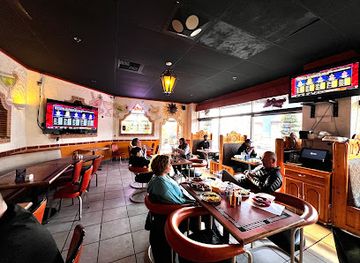
El Gitano
Experience the vibrant flavors of Mexico at El Gitano in Bellingham, where authentic cuisine meets a warm atmosphere.
7 min drive · 2.4 km from city centre
-
Restaurant
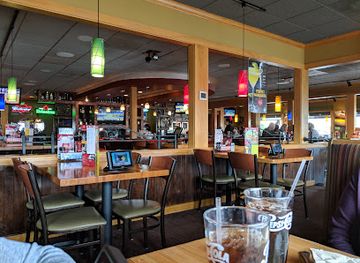
Applebee's Grill + Bar
Discover a cozy dining experience at Applebee's Grill + Bar, where American classics meet a welcoming atmosphere in Bellingham, WA.
7 min drive · 2.3 km from city centre
-
Restaurant
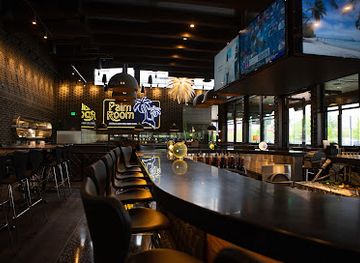
Scotty Browns Barkley Village
Experience the vibrant atmosphere and delicious American cuisine at Scotty Browns Barkley Village, the perfect spot for food and sports lovers in Bellingham.
9 min drive · 2.9 km from city centre
-
Sushi
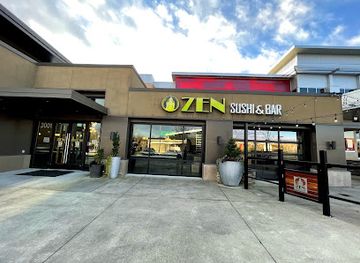
Zen Sushi & Bar
Experience the art of sushi at Zen Sushi & Bar, where fresh ingredients and exceptional flavors come together in Bellingham's vibrant dining scene.
8 min drive · 2.8 km from city centre
Best nightclubs in Bellingham
Bellingham's evening life is concentrated around downtown, Fairhaven and the university area, with a social scene shaped more by breweries, bars, live music and performances than by large nightclubs. Established brewing names such as Boundary Bay Brewery, Aslan Brewing Company and Kulshan Brewing Company are part of the city's craft-beer identity, while downtown venues provide spaces for music, conversation and late-evening gatherings. The Mount Baker Theatre brings touring productions, concerts and other performances to a historic setting, and Western Washington University's student community supports additional cultural activity. Fairhaven is generally more measured after dark, with restaurants, bars and occasional events rather than a single concentrated club strip. Visitors should check individual venues for current programmes, age requirements and transport arrangements, particularly when returning from areas outside the central districts.
-
Restaurant
Applebee's Grill + Bar
Experience the best of American dining at Applebee's Grill + Bar in Bellingham, offering a diverse menu and a welcoming atmosphere for all.
7 min drive · 2.3 km from city centre
-
Restaurant
Scotty Browns Barkley Village
Discover the vibrant flavors of Scotty Browns Barkley Village, where American cuisine meets a lively lounge atmosphere in Bellingham, WA.
9 min drive · 2.9 km from city centre
-
Mexican
Jalapeños Barkley Village
Experience the vibrant tastes of Mexico at Jalapeños Barkley Village in Bellingham, WA - a feast for your senses awaits!
9 min drive · 3.1 km from city centre
-
Pub
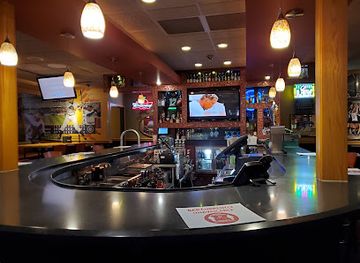
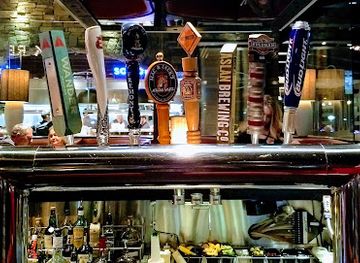
Overflow Taps
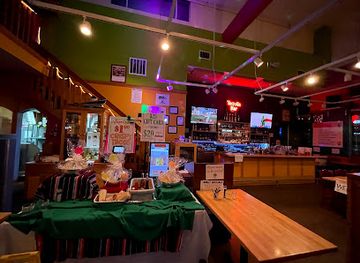
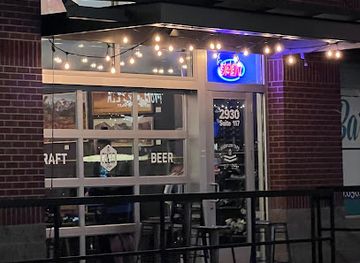
Discover the charm of Bellingham at Overflow Taps, a lively pub offering craft beers and a welcoming atmosphere perfect for socializing.
9 min drive · 3.1 km from city centre
Best shops in Bellingham
Shopping in Bellingham combines independent downtown businesses, Fairhaven boutiques, practical retail and seasonal local markets. Fairhaven is the most atmospheric district for bookshops, galleries, speciality stores, gifts and small businesses set among historic brick buildings, while downtown offers a wider mixture of independent retailers, cafés and services. The Bellingham Farmers Market is the place to look for regional produce, prepared foods, flowers and handmade goods when it is in season. Visitors may also find Northwest-inspired clothing, crafts, artwork and food products that reflect the surrounding coast, forests and farms, though genuine local provenance varies by seller. Bellis Fair provides a conventional enclosed shopping-centre experience outside the central historic districts. The city's retail character is strongest where shopping is combined with walking, coffee and local cultural browsing rather than treated as a single dedicated shopping quarter.
-
Shopping mall
Sunset Square
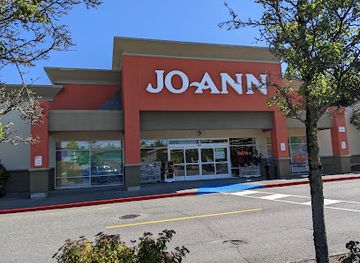
Discover the vibrant shopping experience at Sunset Square, a hub of retail and dining in Bellingham, WA.
7 min drive · 2.4 km from city centre
-
Business center
Barkley Village
Explore the lively Barkley Village in Bellingham, WA, where shopping, dining, and community spirit come together for an unforgettable experience.
9 min drive · 3.0 km from city centre
-
Sandwich
Port of Subs
Experience the taste of fresh, delicious sandwiches at Port of Subs in Bellingham, your go-to spot for breakfast, lunch, and catering in Washington.
5 min drive · 1.8 km from city centre
-
Tour operator
Dig Deep Tours
Experience the beauty of Bellingham, WA with Dig Deep Tours – your go-to for bike rentals and unforgettable guided adventures.
5 min drive · 1.7 km from city centre

Get your free copy of our complete guide to Bellingham, delivered straight to you.
Everything on this page, from attractions and restaurants to essentials and local phrases, in one PDF you can read offline, print or share.
Already have an account? Sign in
Your Bellingham guide is ready.
We'll send it to · Not you? Sign out

Getting your guide ready…
We are putting together a fresh copy of the Bellingham guide. This can take up to a minute.
This can take a few moments. If your browser asks, choose Allow so the download can start. You'll find the guide in your Downloads folder.
Nothing happened? Download it again
Sorry, the guide is taking longer than usual. Please try again in a minute, or get it by email instead.
Bellingham essentials
Currency and Payment
Safety
Emergency Situations
Do's and Don'ts
Local Tips
From Eve
Local phrases worth knowing
You don't need to get them perfect. A few words go a long way, and locals appreciate the effort.
Basics
| English | Local | Say it |
|---|---|---|
| Hello | Hey there | [hey th-air] |
| Goodbye | See ya later | [see ya lay-tur] |
| Yes | Yep | [yep] |
| No | Nah | [nah] |
| Please/You're welcome | Please/thank you | [please/thank yoo] |
| Thank you | Thanks a bunch | [thanks uh bunch] |
| Excuse me/Sorry | Pardon me | [par-dun me] |
| How are you? | How's it going? | [hows it go-in?] |
| Fine. And you? | Good. You? | [good. yoo?] |
| Do you speak English? | You speak English? | [yoo speak ing-lish?] |
| I don't understand | I don't get it | [I don't get it] |
Eating & Drinking
| English | Local | Say it |
|---|---|---|
| I'd like to see the menu, please | Can I see the menu? | [can I see the menu?] |
| I don't eat meat | I'm vegetarian | [I'm veg-eh-tare-ee-un] |
| Cheers! | Cheers! | [cheers!] |
| I would like to pay, please | I'll pay now, please | [I'll pay now, please] |
Emergencies
| English | Local | Say it |
|---|---|---|
| Help! | Help! | [help!] |
| Go away! | Leave me alone! | [leave me uh-lone!] |
| Call the Police! | Call the cops! | [call the cops!] |
| Call a doctor! | Get me a doctor! | [get me uh doc-tur!] |
| I'm lost | I'm lost | [I'm lost] |
| I'm ill | I'm sick | [I'm sick] |
Shopping
| English | Local | Say it |
|---|---|---|
| I'd like to buy... | I'm interested in... | [I'm inn-ter-ess-ted in...] |
| I'm just looking | Just browsing | [just brow-zing] |
| How much is it? | What's the price? | [whats the price?] |
| That's too expensive | That's too much | [that's too much] |
| Can you lower the price? | Can you give me a discount? | [can yoo give me a dis-count?] |
Time & Numbers
| English | Local | Say it |
|---|---|---|
| What time is it? | What's the time? | [whats the time?] |
| It's one o'clock | It's one | [its one] |
| Half past (10) | Ten thirty | [ten thur-tee] |
| Morning | Morning | [mor-ning] |
| Afternoon | Afternoon | [af-ter-noon] |
| Evening | Evening | [eve-ning] |
| Yesterday | Yesterday | [yes-ter-day] |
| Today | Today | [to-day] |
| Tomorrow | Tomorrow | [to-mor-row] |
| 1 | One | [wun] |
| 2 | Two | [too] |
| 3 | Three | [three] |
| 4 | Four | [four] |
| 5 | Five | [five] |
| 6 | Six | [six] |
| 7 | Seven | [sev-un] |
| 8 | Eight | [ate] |
| 9 | Nine | [nine] |
| 10 | Ten | [ten] |
Transport & Directions
| English | Local | Say it |
|---|---|---|
| Where's a/the...? | Where can I find...? | [where can I find...?] |
| What's the address? | What's the location? | [whats the loh-cay-shun?] |
| Can you show me (on the map)? | Can you point it out (on the map)? | [can yoo point it out (on the map)?] |
| When's the next (bus)? | When's the next (bus)? | [whens the next (bus)?] |
| A ticket (to ....) | One ticket (to ....) | [wun ticket (to ....)] |
History of Bellingham
Coast Salish Homelands
The Bellingham area lies within the traditional homelands of Coast Salish peoples, including the Lummi Nation and Nooksack Indian Tribe. Communities used the bay, rivers, forests and shorelines for fishing, gathering, travel and trade long before Euro-American settlement. Place names and cultural connections in the region reflect this continuing Indigenous presence, although the history of the area cannot be reduced to the later town founded on the waterfront. The Lummi and Nooksack peoples remain important communities in Whatcom County, and visitors encounter their living presence through regional cultural institutions, tribal government and contemporary artistic and economic life.
Early Settlements on the Bay
Euro-American settlement expanded around Bellingham Bay in the 1850s, as coal mining, timber and maritime trade attracted prospectors, workers and merchants. Several separate settlements developed around the bay, including Whatcom, Sehome, Bellingham and Fairhaven. Coal extraction near Whatcom Creek helped stimulate early growth, while sawmills and shipping connected the area to wider markets. Fairhaven in particular was promoted as a future commercial centre and became associated with railway ambitions. The surviving historic fabric of Fairhaven and downtown Bellingham reflects this period of rapid, competitive development rather than the influence of a single original town.
Consolidation and the Railway Era
The four principal communities around the bay consolidated as the City of Bellingham in 1903, creating the municipality that exists today. Rail connections and the deep-water harbour strengthened the city's role in regional commerce, while lumber mills, canneries, coal operations and related industries provided employment. The waterfront became both an economic engine and an industrial landscape. Commercial buildings, homes and civic institutions from the late nineteenth and early twentieth centuries remain especially visible in downtown Bellingham and Fairhaven, where their scale reflects a period when rail, shipping and resource industries shaped urban growth.
Education, Industry and Urban Growth
Bellingham's civic identity broadened during the twentieth century. Western Washington University began in 1893 as a state normal school and developed into a major regional university, bringing teacher education, research and a large student community to the city. Industrial activity remained important, particularly around the waterfront, where pulp and paper production became a prominent presence. At the same time, Bellingham grew as a service centre for Whatcom County and developed stronger links with both Seattle and British Columbia. Parks, neighbourhoods and cultural institutions expanded as the city moved beyond its earlier dependence on extractive and manufacturing industries.
A Contemporary Waterfront City
In recent decades, Bellingham has continued to negotiate the relationship between working waterfront, environmental repair and public access. Former industrial areas have undergone change, while trails, parks and civic projects have increased connections between downtown, the bay and Fairhaven. The city now combines university life, maritime activity, outdoor recreation, independent businesses and cultural events. Its proximity to the Canadian border, the San Juan region and the North Cascades also gives it a wider regional role. Contemporary Bellingham remains shaped by the landscapes and industries that first drew settlement, but its public identity increasingly includes arts, conservation and outdoor access.
Bellingham in Photos
Browse through our photo collection highlighting the charm and character of the destination.
Cities near Bellingham
The closest cities to Bellingham, if you have time for more than one stop.
-

-

-

-

-


Swipe for more cities
Explore more

Explore more of Washington
Explore Washington State: From the vibrant streets of Seattle to the tranquil beauty of the Olympic Peninsula, discover the diverse landscapes, culture, and adventures awaiting you.
Explore Washington