Tusayan Museum and Ruins: Echoes of Ancestral Puebloan Life
Step back 800 years to explore an Ancestral Puebloan village and museum showcasing the rich human history of the Grand Canyon.
Explore the Tusayan Museum and Ruins, an 800-year-old Ancestral Puebloan site in Grand Canyon National Park. Discover ancient dwellings, artifacts, and learn about the people who once called this dramatic landscape home.
A brief summary to Tusayan Museum
- Grand Canyon Village, Arizona, 86023, US
- +1928-638-7888
- Visit website
Local tips
- Visit during the summer or fall for ranger-led tours of the ruins.
- Download the Tusayan Ruin Trail Guide for a self-guided tour.
- Combine your visit with a stop at the nearby Desert View Watchtower.

Getting There
-
Driving
From Grand Canyon Village, follow Desert View Drive (Highway 64) east for approximately 22 miles. The Tusayan Museum and Ruins will be on your right, about 3 miles west of Desert View Point. Parking is available at the site.
-
Shuttle Bus
During the summer, take the free Tusayan (Purple) Route shuttle bus from the gateway community of Tusayan to the Grand Canyon Visitor Center. From the Visitor Center, transfer to another shuttle or drive along Desert View Drive to the Tusayan Museum and Ruins. A park entrance pass is required to use the shuttle.
Discover more about Tusayan Museum
Iconic landmarks you can’t miss

Tusayan Museum
0.0 km
Step back 800 years to explore an Ancestral Puebloan village and museum showcasing the rich human history of the Grand Canyon.
Zuni Point
4.2 km
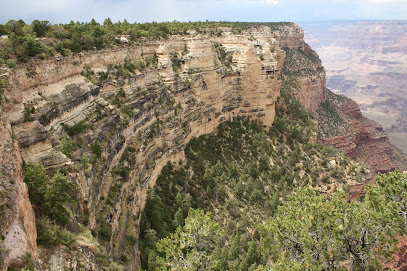
Discover Zuni Point: A secluded South Rim viewpoint offering stunning Red Canyon and Colorado River vistas, away from the crowds.
National Historic Landmark - 1956 TWA-United Airlines Accident Site
5.0 km
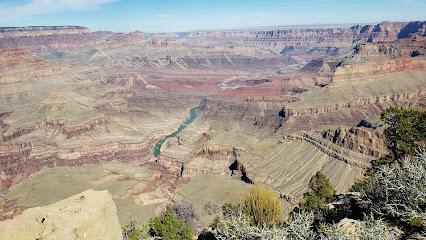
Reflect on aviation history at this Grand Canyon memorial site with panoramic views of the canyon and the Painted Desert.
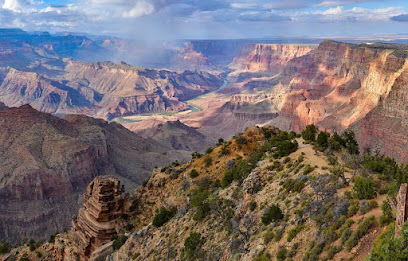
Shoshone Point Trailhead
18.4 km
Discover a hidden gem at the Grand Canyon's South Rim: Shoshone Point, offering easy hiking and panoramic views away from the crowds.
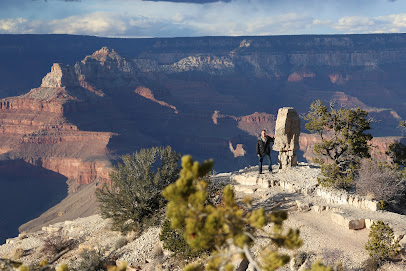
South Kaibab Trailhead
20.1 km
Experience the breathtaking beauty of the Grand Canyon at the South Kaibab Trailhead, a premier hiking destination for nature lovers and adventure seekers.
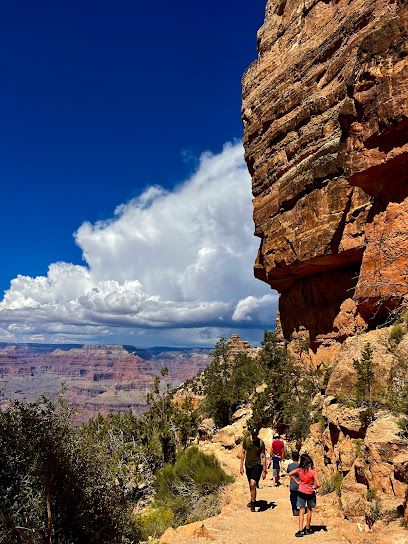
Grand Canyon Visitor Center Westbound - Kaibab Rim (Orange Route)
22.4 km
Your gateway to exploring the South Rim, providing access to stunning views, educational exhibits, and the Grand Canyon's free shuttle system.
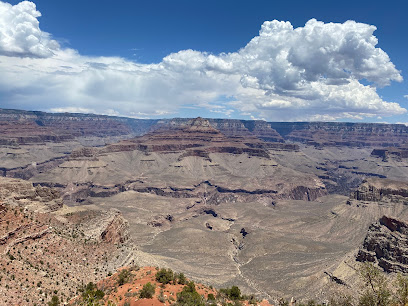
Trail of Time
23.5 km
Walk through billions of years of geological history on this accessible trail along the South Rim of the Grand Canyon.
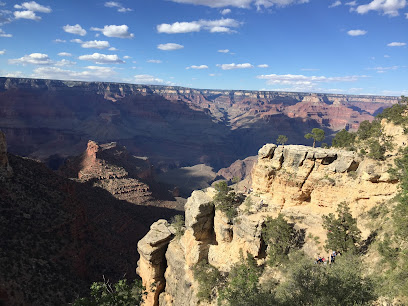
Shrine of the Ages
23.6 km
A multi-faith center at the Grand Canyon's South Rim, hosting events, ranger programs, and religious services in a serene setting.
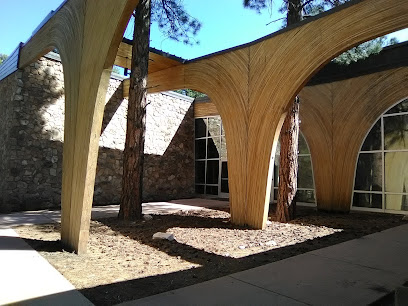
Grandeur Point
23.6 km
Experience breathtaking panoramic views of the Grand Canyon from the easily accessible and less crowded Grandeur Point.
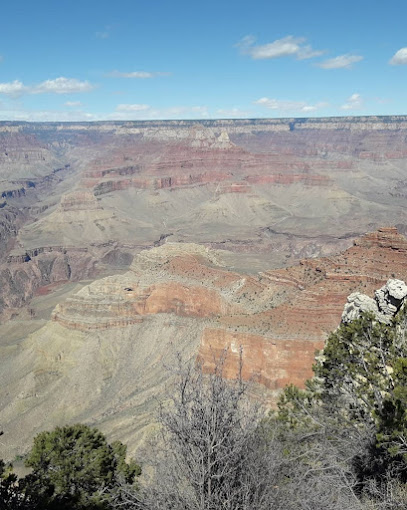
Grand Canyon Pioneer Cemetery
23.7 km
Discover the stories of pioneers and visionaries at the Grand Canyon Pioneer Cemetery, a place of history and remembrance.
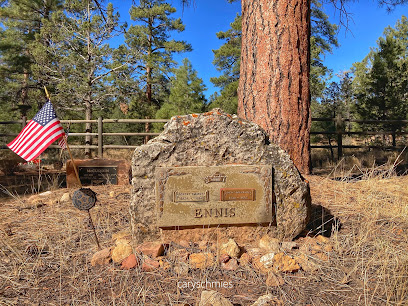
Grand Canyon Chamber & Visitors Bureau
23.7 km
Your hub for Grand Canyon information: maps, guides, events, and expert advice to plan your unforgettable visit.
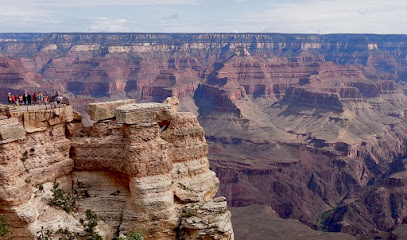
Grand Canyon Visitor Center IMAX
23.8 km
Experience the Grand Canyon's history and beauty on a giant IMAX screen, a perfect introduction to this natural wonder.
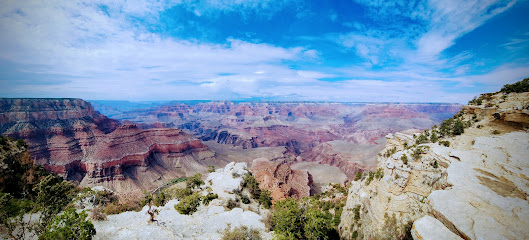
Trail Of Time: Headquarters Portal Parking Lot A
23.9 km
Explore 4.56 billion years of geological history on this accessible trail with breathtaking Grand Canyon views.
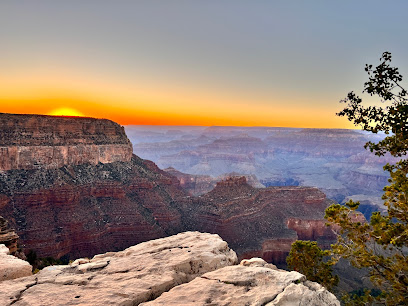
Garden Creek Waterfall
23.9 km
Escape to the tranquil beauty of Garden Creek Waterfall in the Grand Canyon, a serene oasis offering picturesque views and soothing sounds.
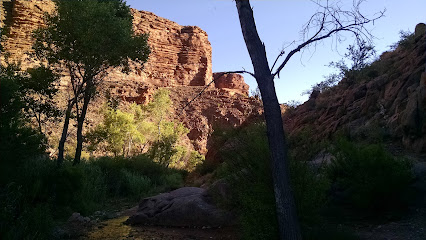
South Rim Trail
24.0 km
Experience the grandeur of the Grand Canyon along this accessible rim trail, offering stunning views and historical insights.
Unmissable attractions to see

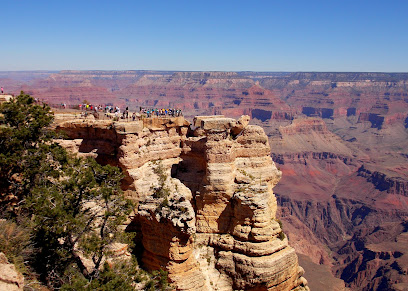
Lipan Point
2.5 km
Discover Lipan Point, a breathtaking viewpoint in Grand Canyon Village, where stunning vistas and vibrant hues of the canyon await every traveler.
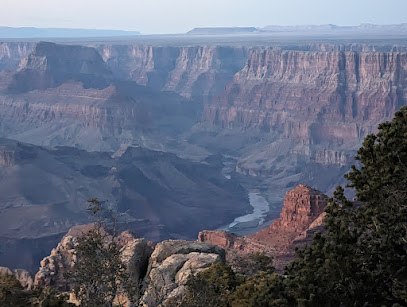
Navajo Point
3.8 km
Discover breathtaking views and rich geological history at Navajo Point, a must-see vista in the Grand Canyon National Park.
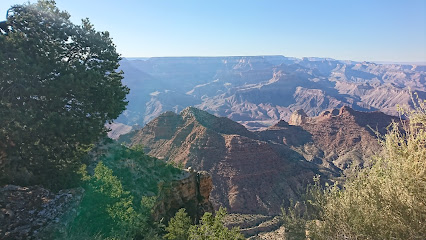
Desert View Watchtower
5.0 km
Discover the Desert View Watchtower: A stunning observation point offering panoramic views of the Grand Canyon's breathtaking landscapes and rich history.
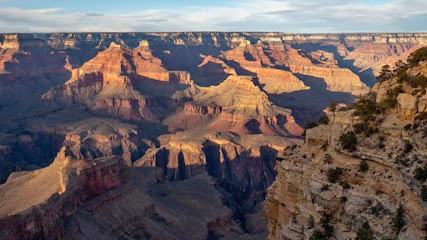
Moran Point
5.3 km
Experience the awe-inspiring vistas at Moran Point, a breathtaking viewpoint in the Grand Canyon that showcases nature's stunning beauty.
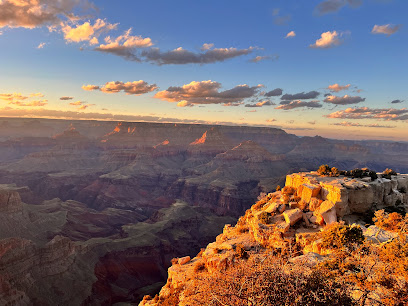
Grand Canyon National Park Sign
5.6 km
Experience the breathtaking beauty of the Grand Canyon National Park, a UNESCO World Heritage site with stunning vistas and endless adventures.
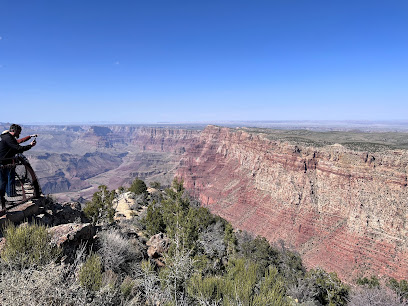
E Rim Dr
6.1 km
Experience the Grand Canyon's majesty along E Rim Drive: stunning vistas, hiking trails, and unforgettable natural beauty.
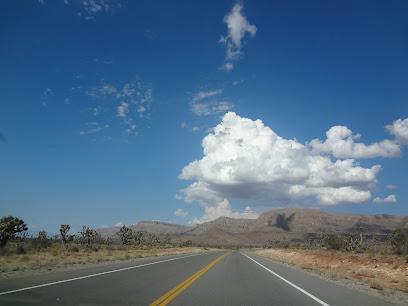
South Rim
9.7 km
Experience the grandeur of the Grand Canyon from the South Rim: breathtaking views, historic landmarks, and endless adventure.
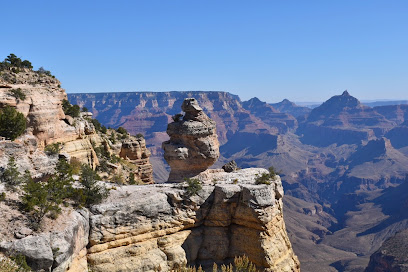
Grandview Trail
10.0 km
Hike the historic Grandview Trail for stunning views and a challenging descent into the Grand Canyon's mining past.
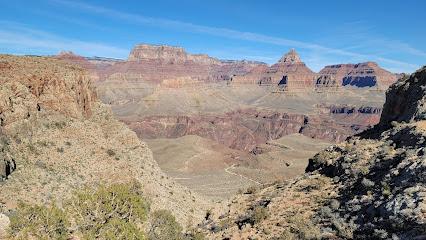
Grandview Lookout Tower
10.1 km
Discover breathtaking views and rich history at Grandview Lookout Tower, a stunning landmark in the Grand Canyon with panoramic vistas and hiking opportunities.
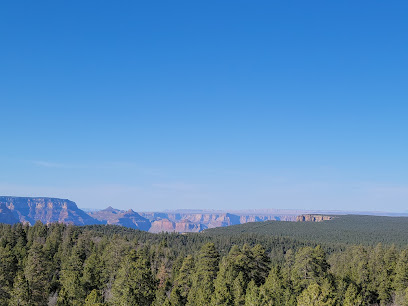
Grandview Point
11.1 km
Discover the breathtaking views at Grandview Point, a premier scenic spot in the Grand Canyon, showcasing the stunning beauty of Arizona's natural landscapes.
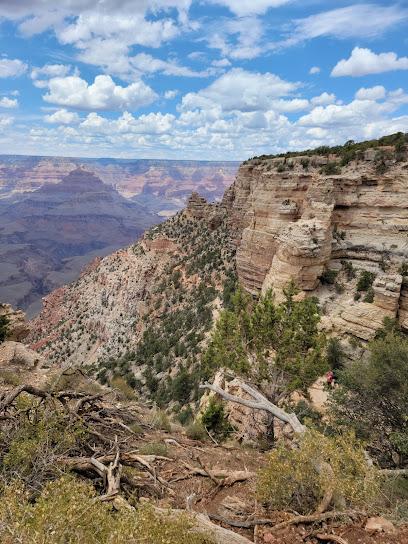
Angels Window
13.9 km
Experience the awe-inspiring Angels Window at the North Rim of the Grand Canyon, a breathtaking natural arch offering stunning views and unforgettable adventures.
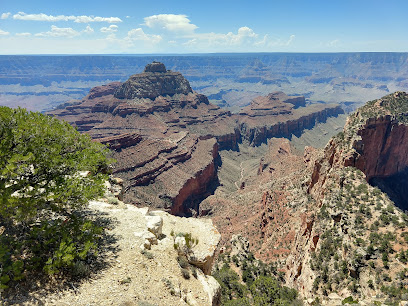
Walhalla Overlook
14.9 km
Experience the stunning vistas of Walhalla Overlook at the North Rim of the Grand Canyon, where breathtaking views and serene landscapes await.
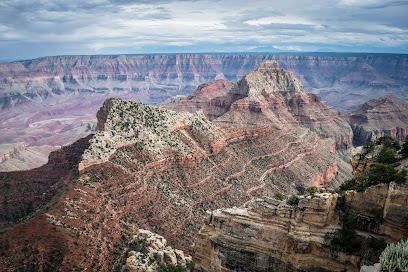
Cape Final Trailhead
16.0 km
Explore Cape Final Trailhead for breathtaking views and serene hiking experiences in Arizona's North Rim of the Grand Canyon.
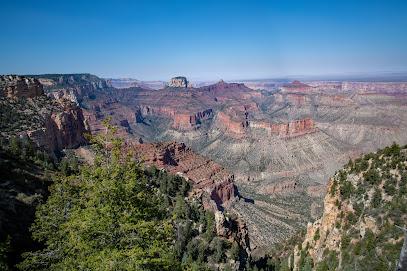
Shoshone Point
17.8 km
Experience the serene beauty of Shoshone Point, a scenic spot in Grand Canyon National Park offering breathtaking views and tranquil surroundings.
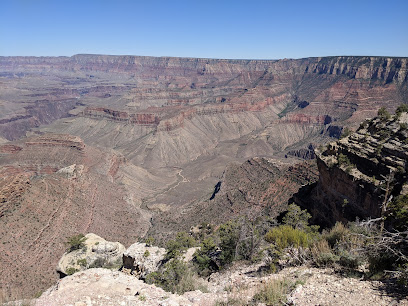
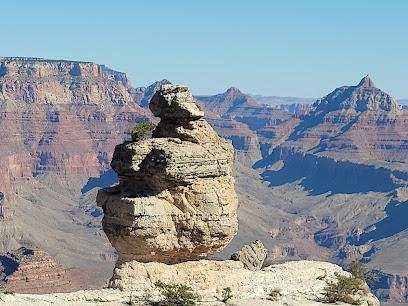
Duck on a Rock Viewpoint
17.9 km
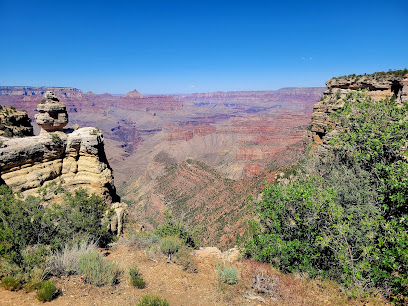
Experience the awe-inspiring beauty of the Grand Canyon at Duck on a Rock Viewpoint, a scenic spot that promises unforgettable views and tranquility.
Essential places to dine

Yavapai Tavern
23.2 km
Discover Yavapai Tavern at Grand Canyon – where delicious food meets breathtaking views in an unforgettable dining experience.
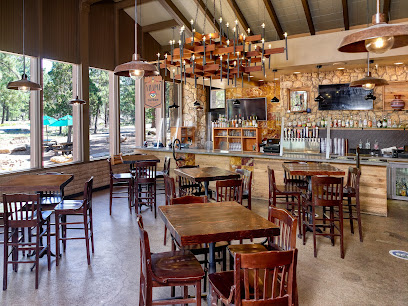
Yavapai Lodge Dining Hall
23.3 km
Experience delicious dining at Yavapai Lodge Dining Hall in Grand Canyon Village - where local flavors meet stunning views.
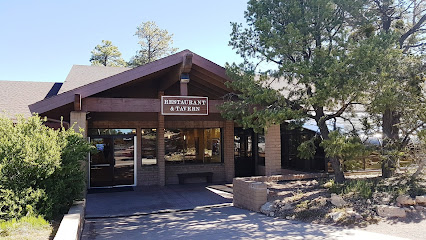
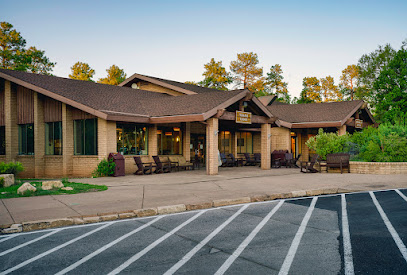
Yavapai Lodge
23.3 km
Experience comfort and adventure at Yavapai Lodge in Grand Canyon Village – your ideal base for exploring stunning landscapes.
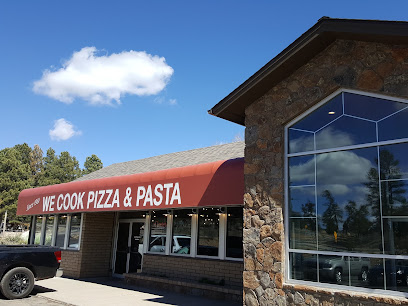
We Cook Pizza and Pasta
23.6 km
Experience delicious pizza and authentic Italian dishes at We Cook Pizza and Pasta in Grand Canyon Village – perfect for adventurers seeking culinary delights.
Yippee-Ei-O! Steakhouse
23.7 km
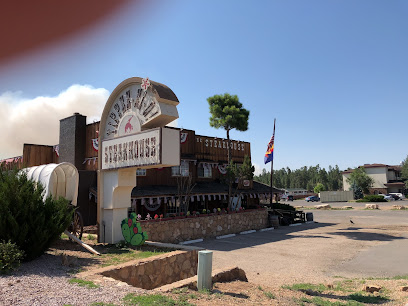
Savor mouthwatering steaks at Yippee-Ei-O! Steakhouse in Grand Canyon Village - where flavor meets adventure amidst stunning natural beauty.
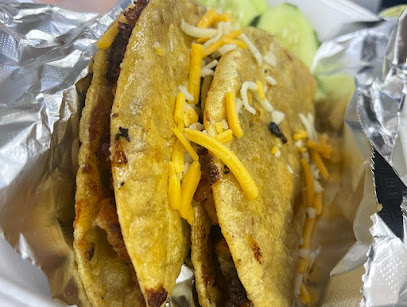
R&J's Mexican Food Truck
23.7 km
Experience authentic Mexican cuisine at R&J's Food Truck near the Grand Canyon – where flavor meets adventure.
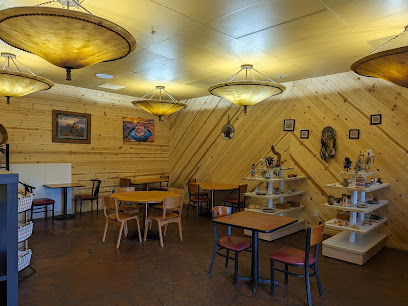
Grand Canyon Coffee Factory
23.7 km
Savor locally roasted coffee at the Grand Canyon Coffee Factory while enjoying breathtaking views and relaxing atmosphere.
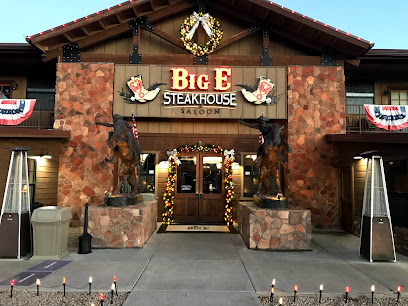
Big E Steakhouse & Saloon
23.8 km
Experience the best steak in Grand Canyon Village at Big E Steakhouse & Saloon – where delicious flavors meet stunning natural beauty.
Explorers Cafe & Pizza Hut Express
23.8 km
Experience delightful dining at Explorers Cafe & Pizza Hut Express in Grand Canyon Village - where delicious pizza meets stunning natural beauty.
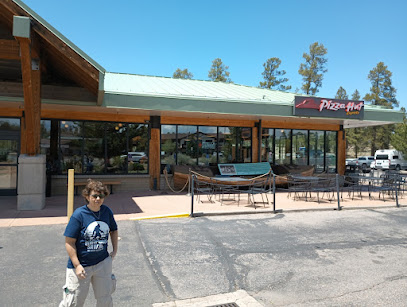
Pizza Hut Express
23.8 km
Savor delicious pizzas at Pizza Hut Express near Grand Canyon; perfect for quick bites after outdoor adventures.
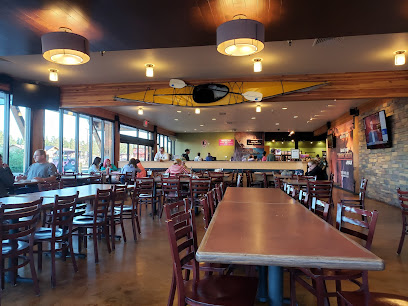
Grand Canyon IMAX Theater
23.8 km
Discover the beauty of the Grand Canyon through immersive films at the Grand Canyon IMAX Theater—where nature meets cinema.
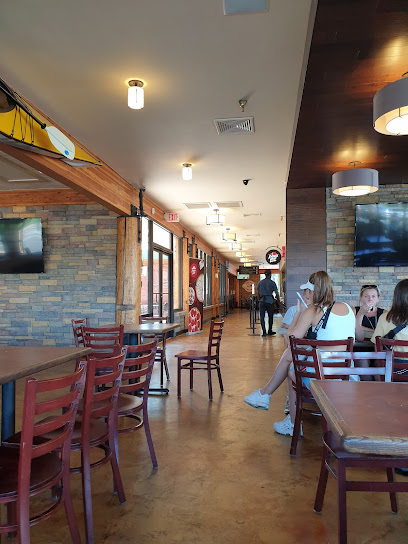
McDonald's
23.9 km
Enjoy affordable fast food near the Grand Canyon at McDonald's—perfect for travelers craving a quick meal.
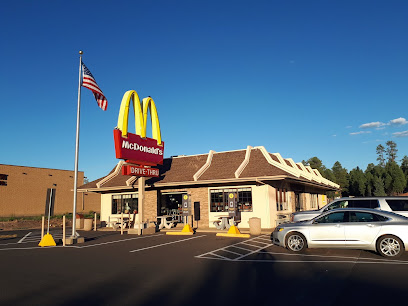
Foodie Club
23.9 km
Experience delightful dining at Foodie Club in Grand Canyon Village - where adventure meets flavor in every bite.
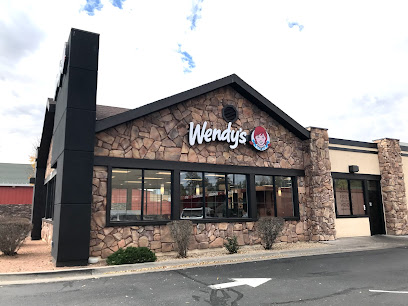
Wendy's
23.9 km
Experience quick and tasty meals at Wendy's in Tusayan—your convenient stop near the Grand Canyon!
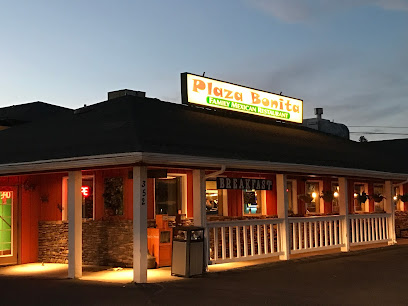
Plaza Bonita Restaurant
23.9 km
Experience authentic Mexican cuisine at Plaza Bonita Restaurant near Grand Canyon - where every meal is a fiesta!
Markets, malls and hidden boutiques

Desert View Market and Deli
4.9 km
Discover the flavors of the Grand Canyon at Desert View Market and Deli, where convenience meets quality in a stunning natural setting.
Desert View Trading Post
4.9 km
Explore Native American artistry and enjoy delicious ice cream at the Desert View Trading Post, a must-visit stop at the Grand Canyon.
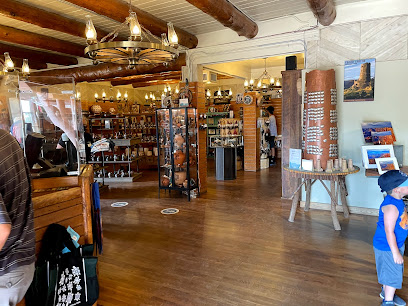
GCC Park Store at Grand Canyon Visitor Center
22.4 km
Explore the GCC Park Store at Grand Canyon Visitor Center for unique gifts, books, and souvenirs that capture the spirit of this natural wonder.
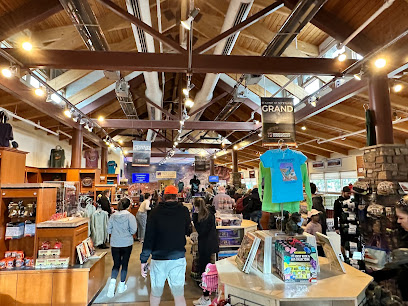
Bright Angel Bikes & Café at Grand Canyon Visitor Center
22.5 km
Discover the Grand Canyon like never before at Bright Angel Bikes & Café, where adventure meets great American cuisine.
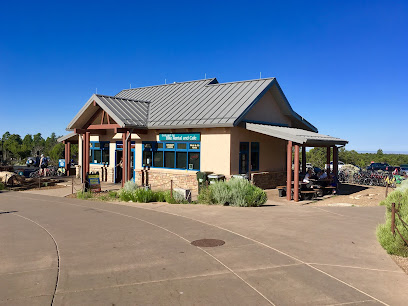
Yavapai Café
23.2 km
Discover the delicious offerings at Yavapai Café, a charming spot within Grand Canyon Village, perfect for tourists seeking a delightful meal.
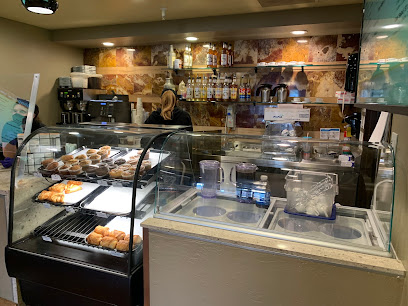
Market Plaza Parking - Lot B
23.3 km
Explore the Grand Canyon with ease at Market Plaza Parking - Lot B, your essential parking spot for adventure and convenience in Grand Canyon Village.
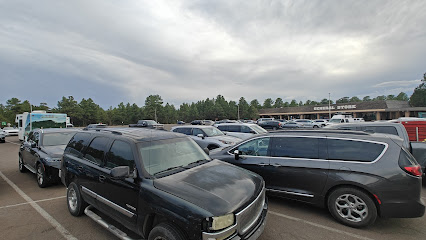
Grand Canyon Village Market & Deli
23.3 km
Discover the Grand Canyon Village Market & Deli, your go-to spot for fresh food, camping supplies, and unforgettable canyon views.
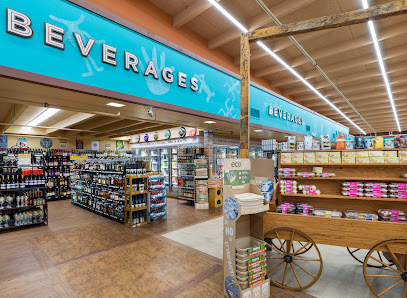
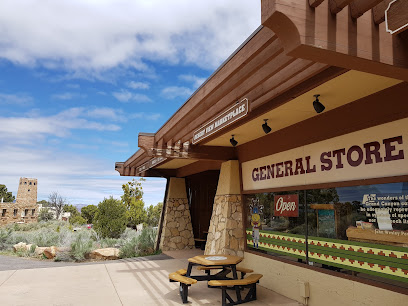
General Store
23.3 km
Explore the General Store in Grand Canyon Village for camping gear, snacks, and unique souvenirs amidst breathtaking landscapes.
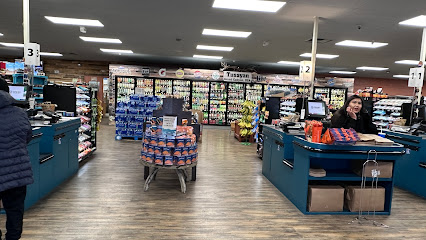
Grand Canyon Outfitters
23.4 km
Your one-stop destination for camping gear and outdoor adventures in the heart of Grand Canyon Village.
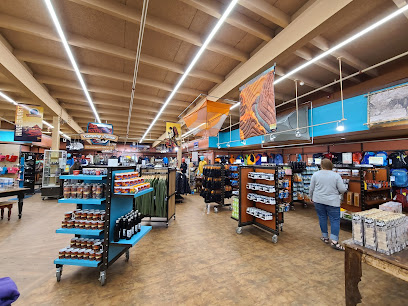
Mather Campground Camp Store
23.4 km
Discover the essentials at Mather Campground Camp Store in Grand Canyon Village, your go-to spot for supplies, snacks, and local advice in this majestic national park.
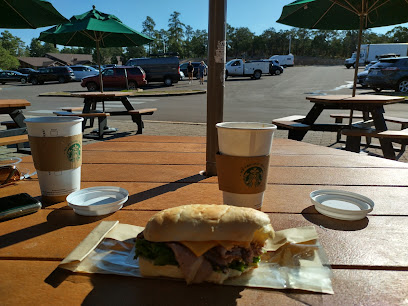
Camper Services And Camp Store
23.4 km
Explore the Grand Canyon with ease at Camper Services and Camp Store - your go-to stop for camping gear, local tips, and great coffee!
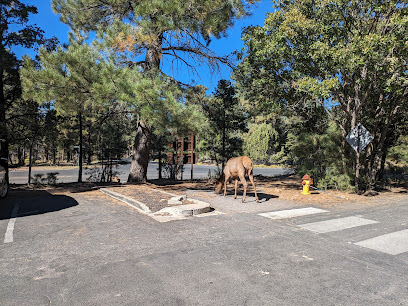
Tusayan General Store
23.6 km
Tusayan General Store offers a perfect blend of convenience and local charm for Grand Canyon visitors, stocking essentials and unique souvenirs.
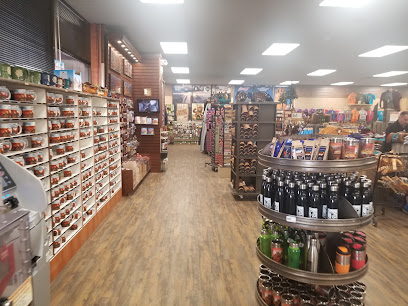
Starbucks
23.6 km
Experience the perfect blend of comfort and adventure at Starbucks near the Grand Canyon, your ideal stop for coffee before exploring nature's wonders.
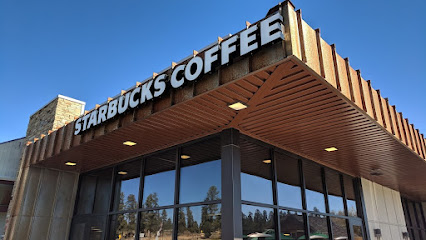
Grand Canyon Chocolate Factory
23.7 km
Savor the exquisite chocolates and pastries at the Grand Canyon Chocolate Factory, a must-visit sweet spot in the breathtaking Grand Canyon Village.
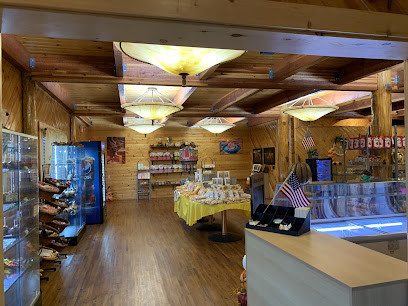
Canyon Creamery
23.8 km
Discover Canyon Creamery in Grand Canyon Village, your go-to spot for delicious ice cream and sweet treats amidst stunning natural beauty.
Essential bars & hidden hideouts

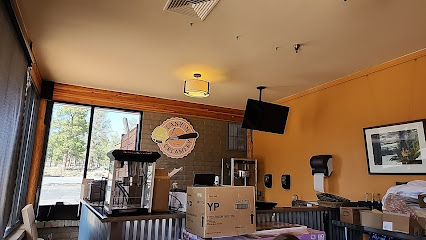
Roughrider Saloon
26.5 km
Discover the rustic charm of Roughrider Saloon, a cozy coffee shop in North Rim, Arizona, offering delightful brews and stunning canyon views.
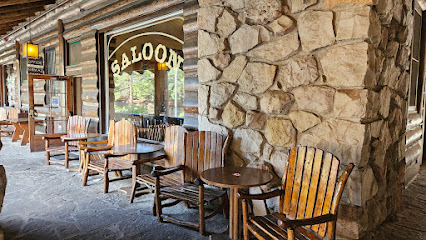
Kaibab Lodge
50.6 km
Experience the rustic charm and natural beauty of Kaibab Lodge, your perfect base for exploring the Grand Canyon.

Kaibab Plateau
68.9 km
Discover the stunning beauty of Kaibab Plateau in Arizona, a natural paradise offering breathtaking views and unforgettable outdoor adventures.
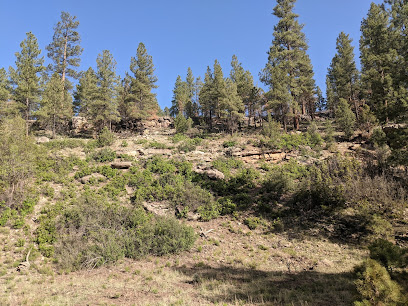
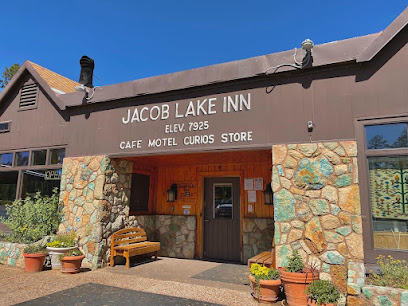
Jacob Lake Inn
84.0 km
Experience the perfect blend of comfort, local culture, and adventure at Jacob Lake Inn, your gateway to Northern Arizona's natural wonders.
Kaibab Camper Village
84.0 km
Discover the tranquility of Kaibab Camper Village, a serene campground in Arizona's national forest, perfect for camping and outdoor adventures.
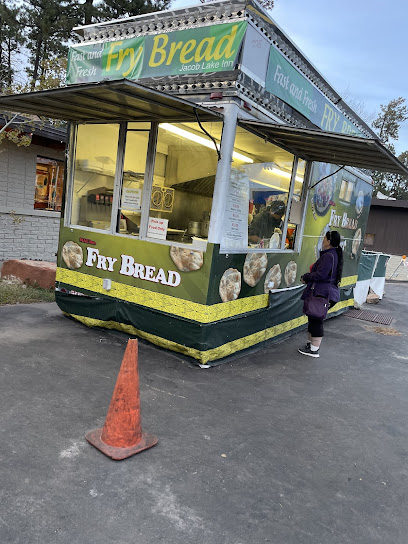
Indian Fry Bread
84.0 km
Savor the authentic taste of Native American fry bread in Fredonia, AZ, where tradition meets flavor in a picturesque setting.
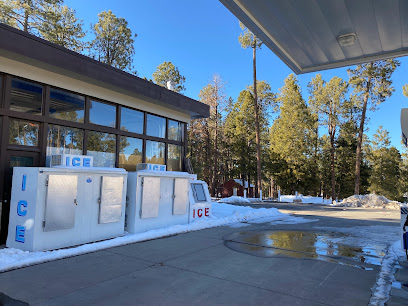
Chevron
84.0 km
Discover Chevron in Fredonia, the essential pit stop for travelers exploring Northern Arizona’s breathtaking landscapes and attractions.
Timberline Tavern
87.6 km
Discover Timberline Tavern in Flagstaff – a welcoming bar with delicious food and drinks nestled in Arizona's breathtaking landscape.
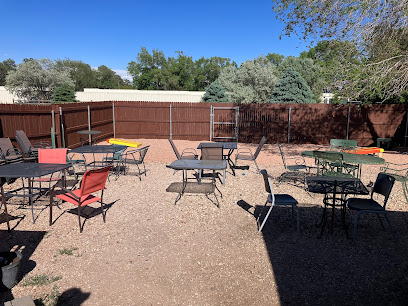
The Long Horn Saloon
89.4 km
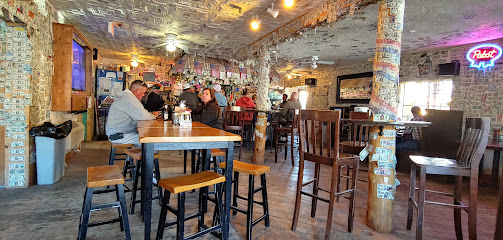
Discover The Long Horn Saloon in Williams, Arizona—a vibrant bar and grill along Route 66, offering delicious meals and a lively atmosphere.
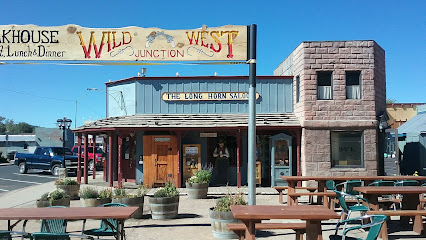
dj's Wild West Junction
89.4 km
Visit DJ's Wild West Junction in Williams, AZ for delicious steak, a vibrant bar atmosphere, and a taste of the Wild West experience.
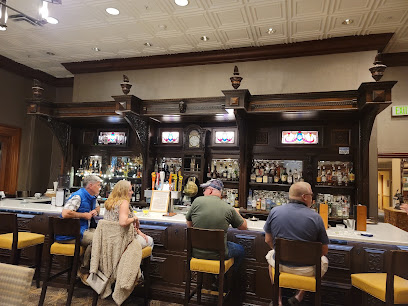
Spenser's Pub
89.6 km
Discover the charming atmosphere of Spenser's Pub in Williams, Arizona, where great drinks and delicious food meet warm hospitality.
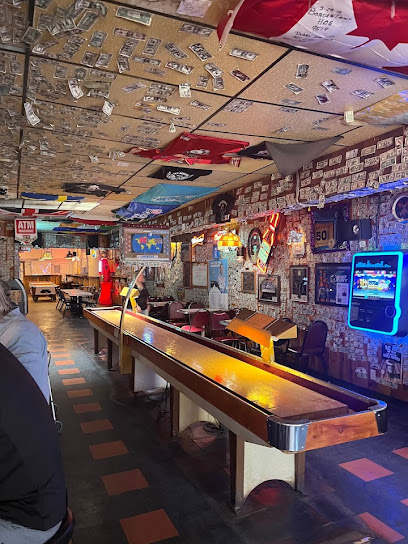
Canyon Club
89.6 km
Explore the Canyon Club in Williams, AZ - where cocktails and karaoke come together for an unforgettable night out!
Williams
89.6 km
Explore the historic charm of Williams, Arizona, the gateway to the Grand Canyon, where Route 66 meets adventure and nostalgia.
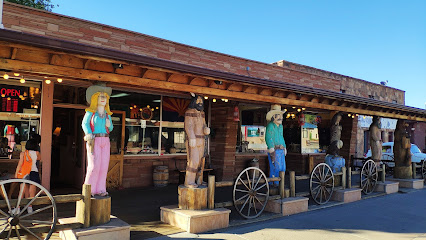
Sultana Bar
89.8 km
Discover the vibrant atmosphere and historic charm of Sultana Bar on Route 66, a perfect stop for travelers seeking local culture and fun.
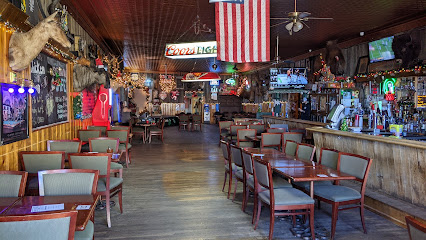
Grand Canyon Brewing + Distillery
89.8 km
Discover the essence of craft brewing at Grand Canyon Brewing + Distillery, a must-visit destination for food and beer lovers alike, in Williams, Arizona.
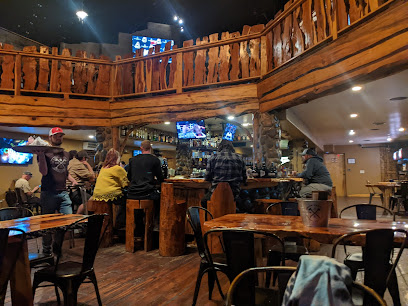
Nightclubs & after hour spots

The Museum Club
92.1 km
Discover the unique charm and lively atmosphere of The Museum Club, Flagstaff's favorite bar along historic Route 66.
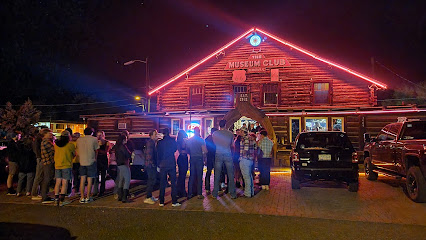
Halloween at Hotel Monte Vista
92.7 km
Experience the hauntingly fun Halloween festivities at Flagstaff's iconic Hotel Monte Vista, where history meets celebration in a lively night club atmosphere.
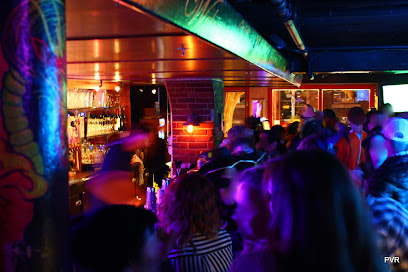
Yucca North
92.8 km
Experience Flagstaff's vibrant nightlife at Yucca North, where live music, delicious American cuisine, and fun arcade games come together for an unforgettable evening.
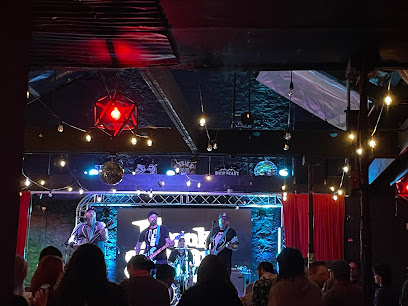
Foram Bar
93.0 km
Experience the vibrant nightlife at Foram Bar in Flagstaff, AZ, a lively night club and bar & grill with great food, drinks, and music.
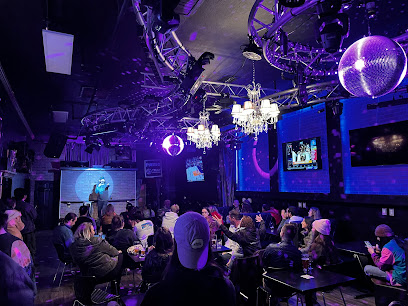
The Annex Cocktail Lounge
93.0 km
Discover The Annex Cocktail Lounge, Flagstaff's premier cocktail bar, offering a unique selection of drinks in a cozy and inviting atmosphere.
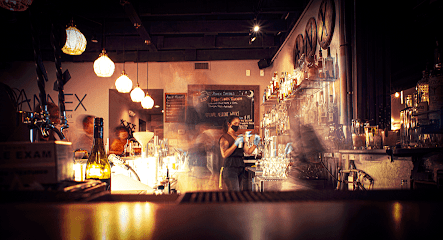
DoubleTree Lounge
93.5 km
Experience the cozy atmosphere of DoubleTree Lounge in Flagstaff, where signature cocktails and light bites await in a welcoming environment.