

Tempe (Phoenix) Travel Guide - Free
Explore Tempe in Phoenix with Evendo's free guide. Find the best shops, historic streets, restaurants, and gems on web or mobile.


Tempe, Phoenix, blends ASU culture, Mill Avenue dining, Tempe Town Lake, desert trails and arts in Arizona’s lively urban core for an easygoing city break.
Urban Tempe and the Salt River
Tempe is a distinct city in the Phoenix metropolitan area rather than a neighbourhood within Phoenix proper, but its compact centre makes it one of the Valley’s most accessible urban districts for visitors. The city gathers around Arizona State University’s Tempe campus, the commercial stretch of Mill Avenue and the broad, landscaped waterfront of Tempe Town Lake. Together, these places create a setting that feels more walkable and concentrated than much of the surrounding desert metropolis.Read more about Tempe
Campus, Culture and Architecture
Mill Avenue and Outdoor Life
Best attractions in Tempe
Tempe’s principal attractions are concentrated around the centre. Arizona State University’s Tempe campus provides a substantial walk through contemporary academic buildings, public art and landscaped courtyards, while the nearby ASU Art Museum presents changing exhibitions alongside its collection. Mill Avenue supplies the street-level experience, with restaurants, cafés, independent shops and public spaces leading towards Tempe Beach Park and Tempe Town Lake. The lakefront supports walking and cycling beside the Salt River corridor, and the Tempe Center for the Arts anchors its western side with exhibitions and performances. Hayden Butte, marked by the large letter A, is the most distinctive natural attraction: its short but rocky paths rise directly behind downtown and reveal views across the urban valley. The Tempe History Museum, south of the central district, adds context on local settlement, civic development and the communities that shaped the city.
-
Park
Papago Park
Experience the breathtaking landscapes and rich biodiversity of Papago Park, a stunning urban oasis in Phoenix, Arizona.
10 min drive · 3.3 km from neighbourhood centre
-
Hiking area
Hole in the Rock
Experience the breathtaking views and rich history of the Hole in the Rock, a natural gem nestled in Phoenix's Papago Park, perfect for hiking and exploration.
11 min drive · 3.6 km from neighbourhood centre


Best landmarks in Tempe
Hayden Butte is Tempe’s defining physical landmark, rising above downtown and carrying the large white “A” associated with Arizona State University. Its summit paths provide a direct reminder that the city’s urban centre developed beside a prominent desert outcrop. Nearby, the historic Hayden Flour Mill preserves one of the most recognisable remnants of Tempe’s nineteenth-century commercial history, when milling, farming and the Salt River crossing supported the settlement. The former Hayden House site and related early civic history are interpreted through local heritage work, while the ASU campus represents the educational institution that has shaped Tempe since the Territorial Normal School opened in 1885. Tempe Town Lake is a newer landmark rather than an ancient landscape: created as a civic and recreational transformation of the Salt River channel, it now defines the northern edge of central Tempe. The Tempe Center for the Arts adds a contemporary cultural marker on the lake’s western side.
-
Park
Rio Salado Park
Escape to Tempe's Rio Salado Park: A scenic urban oasis offering recreation, nature, and community events along the Salt River.
10 min walk · 0.8 km from neighbourhood centre
-
Hiking area
Hayden Butte
Hike Tempe's iconic Hayden Butte ('A' Mountain) for panoramic city views, ancient petroglyphs, and a touch of ASU spirit.
4 min walk · 0.3 km from neighbourhood centre
-
Local history museum
Tempe History Museum
Explore Tempe's rich history and cultural heritage at the Tempe History Museum, a must-visit destination for every tourist.
11 min drive · 3.8 km from neighbourhood centre
-
History museum
Arizona Heritage Center
Discover Arizona's vibrant history through interactive exhibits and captivating stories at the Arizona Heritage Center in Tempe.
6 min drive · 2.0 km from neighbourhood centre


Explore Tempe on the map
A handpicked selection of must-see spots in Tempe, mapped for you.
Best hotels in Tempe
Best restaurants in Tempe
Tempe’s dining scene is shaped by the overlap of Arizona State University, Mill Avenue’s long-established commercial identity and the city’s broad metropolitan setting. Around Mill Avenue and the blocks near campus, visitors find casual restaurants, cafés, bakeries, bars serving food and internationally influenced menus suited to student life as well as evening dining. The area is particularly practical for eating between cultural visits, with options clustered close to light rail and the downtown street grid. Further north, the Town Lake and Rio Salado districts contain contemporary restaurants associated with newer mixed-use development, while Tempe Marketplace offers a larger retail-and-dining environment outside the historic centre. The city’s culinary offer is varied rather than tied to one single traditional dish, reflecting the population of the wider Phoenix area and the university’s international character. Independent businesses and familiar American dining formats sit alongside Mexican, Asian and other global influences.
-
American
Culinary Dropout
Experience the vibrant flavors of American cuisine at Culinary Dropout in Tempe - where great food meets live music.
10 min walk · 0.8 km from neighbourhood centre
-
Breakfast
Snooze, an A.M. Eatery
Discover Snooze, an A.M. Eatery - where creative breakfasts meet vibrant vibes in Tempe's heart.
3 min walk · 0.2 km from neighbourhood centre
-
American
Perfect Pear Bistro
Experience culinary excellence at Perfect Pear Bistro in Tempe, AZ—where fresh ingredients meet creative American cuisine.
15 min walk · 1.2 km from neighbourhood centre
-
Grill
The Lodge Sasquatch Kitchen
Experience the vibrant flavors of American cuisine at The Lodge Sasquatch Kitchen in Tempe - perfect for brunch or lunch with friends.
12 min walk · 0.9 km from neighbourhood centre


Best bars in Tempe
Tempe’s evening life is most closely associated with Mill Avenue, where bars, pubs, casual venues and late-opening restaurants occupy a walkable downtown corridor close to Arizona State University. The atmosphere varies with the academic calendar, concerts and sporting events, and the area can be busiest when campus or city events are taking place. Tempe also has a long connection with live music, with performances historically centred on venues around downtown and the university district, although individual programmes and operators change. The waterfront is more suited to an evening stroll, cultural performance or organised event than to clubbing, with the Tempe Center for the Arts providing a formal arts setting. Visitors seeking a quieter night can find restaurants and hotel bars around Town Lake, while those exploring Mill Avenue should expect a youthful, social environment and should use established transport or rideshare options after drinking.
-
Grill
Bar Louie - Tempe Marketplace
Experience the lively atmosphere and delicious American cuisine at Bar Louie - Tempe Marketplace, your go-to grill and bar for every occasion.
10 min drive · 3.3 km from neighbourhood centre
-
Bar
Yucca Tap Room
Explore Yucca Tap Room in Tempe, Arizona, a lively bar with delicious food, live music, and an exciting arcade for an unforgettable experience.
11 min drive · 3.7 km from neighbourhood centre
-
Bar
Fat Tuesday
Discover the vibrant atmosphere of Fat Tuesday, a must-visit cocktail bar in Tempe, Arizona, known for its signature frozen drinks and lively nightlife.
6 min walk · 0.4 km from neighbourhood centre
-
Grill
Monkey Pants Bar & Grill
Enjoy a fun-filled atmosphere at Monkey Pants Bar & Grill, where American flavors meet sports excitement in the heart of Tempe, Arizona.
11 min drive · 3.6 km from neighbourhood centre


Best nightclubs in Tempe
Tempe’s evening life is most closely associated with Mill Avenue, where bars, pubs, casual venues and late-opening restaurants occupy a walkable downtown corridor close to Arizona State University. The atmosphere varies with the academic calendar, concerts and sporting events, and the area can be busiest when campus or city events are taking place. Tempe also has a long connection with live music, with performances historically centred on venues around downtown and the university district, although individual programmes and operators change. The waterfront is more suited to an evening stroll, cultural performance or organised event than to clubbing, with the Tempe Center for the Arts providing a formal arts setting. Visitors seeking a quieter night can find restaurants and hotel bars around Town Lake, while those exploring Mill Avenue should expect a youthful, social environment and should use established transport or rideshare options after drinking.
-
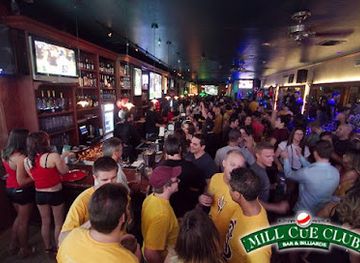
Night club
Mill Cue Club
Experience the vibrant nightlife at Mill Cue Club in Tempe, AZ, where billiards and cocktails create unforgettable memories.
5 min walk · 0.4 km from neighbourhood centre
-
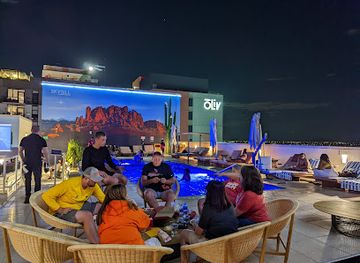
Lounge
Skysill Rooftop Lounge
Experience Tempe's vibrant nightlife at Skysill Rooftop Lounge, where stunning views meet exceptional drinks in a relaxed, stylish atmosphere.
5 min walk · 0.4 km from neighbourhood centre
-
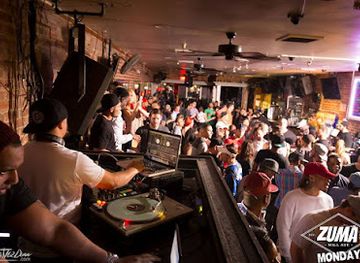
Night club
Zuma
Experience the vibrant nightlife and delicious dining at Zuma, Tempe's premier night club and bar & grill.
5 min walk · 0.4 km from neighbourhood centre
-
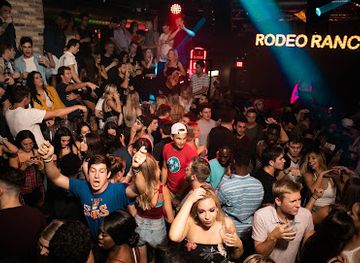
Night club
Rodeo Ranch
Discover the lively Rodeo Ranch in Tempe, Arizona – where delicious dining meets electrifying nightlife for an unforgettable experience.
5 min walk · 0.4 km from neighbourhood centre
Best shops in Tempe
Mill Avenue is Tempe’s most characterful shopping street, with independent clothing shops, gift stores, specialist retailers and businesses serving the university population mixed among cafés and restaurants. Its appeal lies in browsing a compact urban corridor rather than visiting a single enclosed mall, and the selection changes as businesses open and close. For a larger concentration of national brands, restaurants and entertainment, Tempe Marketplace lies in the city’s northern Rio Salado area, away from the historic downtown street grid. The university vicinity also has practical retail aimed at students and everyday needs, while occasional markets and public events may bring makers, artists and food vendors into central spaces. Visitors interested in local history can combine shopping with a walk past the Hayden Flour Mill and the older downtown streets. Tempe is not primarily an antiques or craft-market district, so expectations are best focused on independent urban retail, campus-oriented businesses and contemporary shopping centres.
-
Shopping mall
Broadway Marketplace
Discover the vibrant shopping and dining experience at Broadway Marketplace in Tempe, Arizona - a perfect spot for tourists and locals alike.
7 min drive · 2.4 km from neighbourhood centre
-
Shopping mall
Mill Avenue Shops
Experience the vibrant shopping scene and unique eateries at Mill Avenue Shops in Tempe, Arizona, a must-visit destination for every traveler.
5 min walk · 0.4 km from neighbourhood centre
-
Shopping mall
Courtyard Shops
Explore the vibrant Courtyard Shops in Tempe, Arizona, where unique boutiques meet delightful dining for an unforgettable shopping experience.
5 min walk · 0.4 km from neighbourhood centre
-
Women's clothing store
Rolling Rack Boutique-Tempe Marketplace
Explore the latest women's fashion trends at Rolling Rack Boutique in Tempe Marketplace, your go-to destination for chic and stylish apparel.
10 min drive · 3.2 km from neighbourhood centre


Tempe essentials
Getting There
Getting Around
Safety
Emergency Situations
Do's and Don'ts
Local Tips

From Eve
Local phrases worth knowing
You don't need to get them perfect. A few words go a long way, and locals appreciate the effort.
Basics
| English | Local | Say it |
|---|---|---|
| Hello | Howdy | [haw-dee] |
| Goodbye | See ya | [see yah] |
| Yes | Yep | [yep] |
| No | Nah | [nah] |
| Please/You're welcome | Please/No problem | [pleez/no prob-lem] |
| Thank you | Thanks | [thanks] |
| Excuse me/Sorry | Pardon me/My bad | [par-d'n me/my bad] |
| How are you? | Howdy partner? | [haw-dee par-tner] |
| Fine. And you? | Just fine, thanks. You? | [just fine, thanks. yoo] |
| Do you speak English? | Y'all speak English? | [yawl speak ing-glish] |
| I don't understand | I'm lost | [ahm lost] |
Eating & Drinking
| English | Local | Say it |
|---|---|---|
| I'd like to see the menu, please | Can I check the menu, please | [can eye chek thee men-yoo, please] |
| I don't eat meat | I'm vegetarian | [ahm ve-juh-tear-ee-un] |
| Cheers! | Cheers! | [cheers] |
| I would like to pay, please | I'm ready to settle up, please | [ahm reh-dee to settle up, please] |
Emergencies
| English | Local | Say it |
|---|---|---|
| Help! | SOS! | [ess-oh-ess] |
| Go away! | Beat it! | [beet it] |
| Call the Police! | Get the cops! | [get thee cops] |
| Call a doctor! | Get a doc! | [get uh dock] |
| I'm lost | I'm turned around | [ahm turned uh-round] |
| I'm ill | I'm under the weather | [ahm un-der thee weh-thur] |
Shopping
| English | Local | Say it |
|---|---|---|
| I'd like to buy... | I'm interested in buying... | [ahm in-ter-es-ted in buying] |
| I'm just looking | Just browsing | [just brou-zing] |
| How much is it? | What's the damage? | [whats thee dam-ij] |
| That's too expensive | That's steep | [thats steep] |
| Can you lower the price? | Can you cut me a deal? | [can yoo cut mee a deal] |
Time & Numbers
| English | Local | Say it |
|---|---|---|
| What time is it? | What's the time? | [whats thee time] |
| It's one o'clock | It's one | [its one] |
| Half past (10) | Ten thirty | [ten thur-tee] |
| Morning | Mornin' | [mornin] |
| Afternoon | Afternoon | [after-noon] |
| Evening | Evenin' | [even-in] |
| Yesterday | Yest'day | [yest-day] |
| Today | Today | [to-day] |
| Tomorrow | Tomorrah | [tom-oh-rah] |
| 1 | One | [wun] |
| 2 | Two | [too] |
| 3 | Three | [three] |
| 4 | Four | [for] |
| 5 | Five | [fiv] |
| 6 | Six | [siks] |
| 7 | Seven | [sev-un] |
| 8 | Eight | [ayt] |
| 9 | Nine | [nine] |
| 10 | Ten | [ten] |
Transport & Directions
| English | Local | Say it |
|---|---|---|
| Where's a/the...? | Where's the...? | [wheres thee] |
| What's the address? | What's the addy? | [whats thee addy] |
| Can you show me (on the map)? | Can you show me (on the map)? | [can yoo show mee (on thee map)] |
| When's the next (bus)? | When's the next (bus)? | [whens thee next (bus)] |
| A ticket (to ....) | A ticket (to ....) | [uh ticket (to)] |
History of Tempe
Hohokam Irrigation and the Salt River
The Tempe area has deep Indigenous roots, especially those associated with the Hohokam communities that engineered extensive irrigation canals in the Salt River Valley centuries before modern settlement. The river and its floodplain shaped agriculture, movement and habitation, while Hayden Butte remained a prominent natural landmark. Later O’odham and other Indigenous histories also form part of the region’s continuing story. Modern Tempe developed on land whose possibilities were already defined by water management and desert farming, although much of the earlier canal landscape was altered by subsequent urbanisation.
Hayden’s Ferry and a New Settlement
The modern settlement emerged in the 1870s around Charles Trumbull Hayden’s ferry across the Salt River and the mill and trading operations that followed. Hayden’s activities helped establish a commercial crossing between Phoenix and settlements to the east, while the butte’s resemblance to Greece’s Mount Tempe inspired the town’s name. Irrigated agriculture, transport and milling encouraged a permanent community, and Tempe was incorporated in 1894. The Hayden Flour Mill, whose surviving structures stand near downtown, is a tangible reminder of the area’s early commercial economy.
Railways, Agriculture and Education
Rail connections and improved roads strengthened Tempe’s role as a market and agricultural centre in the late nineteenth and early twentieth centuries. The Territorial Normal School, founded in 1885, evolved into Arizona State University and became the institution most closely associated with the city’s identity. Its campus expanded as Tempe grew, bringing teachers, researchers and students into a community once dominated by farms and small-scale commerce. Downtown streets, civic buildings and commercial premises developed around this combination of transport, education and agricultural trade.
Downtown Renewal and Town Lake
After the post-war expansion of the Phoenix metropolitan area transformed the Salt River Valley, Tempe shifted from a largely agricultural town into a dense suburban city with a strong educational and service economy. Mill Avenue experienced periods of decline before downtown revitalisation and the growth of Arizona State University helped restore its role as a commercial and social corridor. The creation of Tempe Town Lake in the late 1990s transformed a stretch of the Salt River into a major civic landscape, supporting parks, paths, cultural venues and redevelopment along the waterfront. The result is a city centre defined by the coexistence of historic traces, university expansion and newer mixed-use development.
Tempe in Photos
Browse through our photo collection highlighting the charm and character of the destination.
Neighbourhoods near Tempe
The closest neighbourhoods to Tempe, if you have time for more than one stop.
-

-

-


Swipe for more neighbourhoods
Explore more

Explore more of Phoenix
Phoenix combines Sonoran Desert scenery, Frank Lloyd Wright architecture, Native heritage, museums, lively food districts and year-round outdoor adventures.
Explore Phoenix