

Cape York Peninsula, Australia Travel Guide
Discover Cape York Peninsula: A pristine wilderness in Northern Queensland, teeming with natural beauty, adventure, and rich Aboriginal culture.
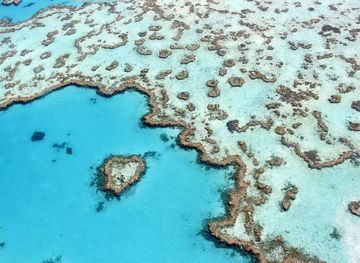
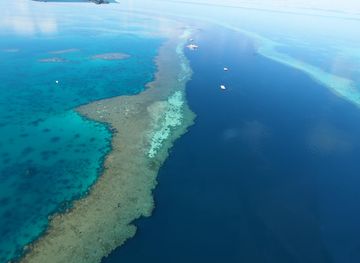
Cape York Peninsula is a remote and wild region located in the far north of Queensland, Australia. It is known for its stunning natural landscapes, diverse wildlife, and rich Aboriginal heritage. The area's rugged terrain, with its rainforests, savannahs, and coastline, offers a unique adventure for those looking to explore one of the last untouched frontiers in the country. The Great Barrier Reef, which lies just off the eastern coast of Cape York, is a major attraction. Visitors can enjoy snorkeling and diving to witness the vibrant marine life and coral formations. Inland, the Peninsula is home to several national parks, including the world-famous Daintree Rainforest. The rainforest, one of the oldest in the world, offers guided walks and opportunities to see exotic animals and plants. Cape York is also rich in Aboriginal culture and history. Many local communities offer cultural tours, where you can learn about traditional practices, art, and the deep connection the indigenous people have with the land. Whether you're interested in fishing, hiking, or simply soaking up the natural beauty, Cape York Peninsula promises an unforgettable experience.

Know before you go
Hi, I'm Eve. Here are a few practical things to know before exploring Cape York Peninsula.
- Travel during the dry season (May to October) to avoid heavy rains and flooding.
- Hire a 4WD vehicle for better access to remote areas and national parks.
- Stock up on supplies in major towns like Cooktown or Weipa, as services can be limited in more remote areas.
- Respect local Aboriginal communities and seek permission before entering their land.
- Carry plenty of water and be prepared for long distances between services.
Top City Travel Guides in Cape York Peninsula
The cities of Cape York Peninsula, and the easiest places to base yourself.


Destinations in Cape York Peninsula
Resorts, valleys and scenic spots worth a trip of their own.

Explore Cape York Peninsula: Things to Do, Places to Eat, Hotels & More
Handpicked recommendations for top attractions, local dining, accommodations, and more

Top Attractions & Sightseeing in Cape York Peninsula
Top-rated picks
Best Attractions
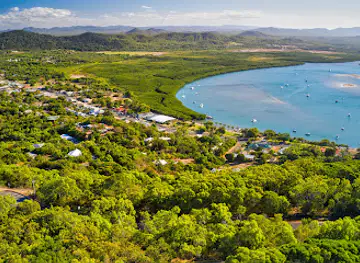
Grassy Hill Lookout
Experience stunning panoramic views at Grassy Hill Lookout in Cooktown, Queensland—an unforgettable destination for nature lovers and photographers.
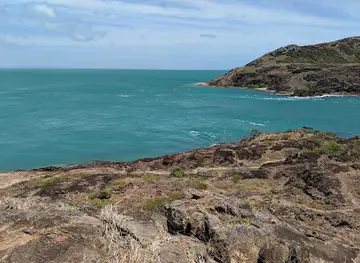
Cape York Tip (Pajinka) - Top of Australia
Discover Cape York Tip, the breathtaking northernmost point of Australia, where stunning views and rich culture await every adventurous traveler.
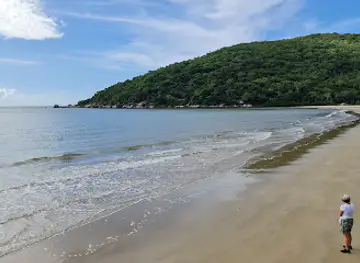
Finch Bay
Experience the tranquil charm of Finch Bay in Cooktown, where stunning views and rich marine life await every visitor.
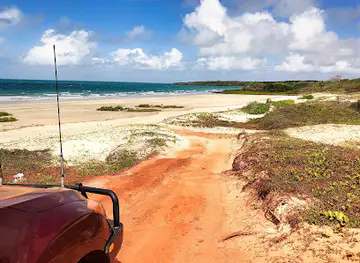
Explore Cape York
Your last stop for fuel, food, and friendly service before reaching the Tip of Cape York, Australia's northernmost point.

Best landmarks in Cape York Peninsula
Top-rated picks
Best Landmarks

Cape York Tip (Pajinka) - Top of Australia
Explore Cape York Tip, the northernmost point of Australia, where breathtaking views and rich cultural heritage await adventurous travelers.

Cape York
Explore the breathtaking landscapes and rich indigenous culture of Cape York, Australia’s last frontier, where adventure awaits at every turn.

Best restaurants in Cape York Peninsula
Top-rated picks
Best Restaurants

Salt House
Experience modern Australian cuisine with stunning waterfront views at Cairns' iconic Salt House restaurant.
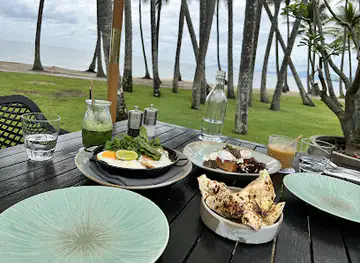
Nu Nu Restaurant
Experience exquisite Australian cuisine at Nu Nu Restaurant in Palm Cove, where stunning beach views meet exceptional dining.

Ochre Restaurant
Experience modern Australian flavors at Ochre Restaurant in Cairns—where fresh local ingredients meet stunning waterfront views.

Nautilus Restaurant
Experience exquisite dining at Nautilus Restaurant in Port Douglas—where fresh local ingredients meet breathtaking ambiance for an unforgettable culinary journey.

Best bars in Cape York Peninsula
Top-rated picks
Best Bars

Salt House
Discover the vibrant atmosphere and modern Australian cuisine at Salt House, a stunning waterfront restaurant and bar in Cairns.

Daly Waters Pub
Experience the charm of Daly Waters Pub, a legendary outback destination known for its rich history, vibrant atmosphere, and delicious local cuisine.

The Pier Bar
Discover The Pier Bar in Cairns: A lively grill and cocktail bar perfect for enjoying fresh flavors and live music by the beautiful waterfront.

Nindigully Pub
Discover the historic Nindigully Pub, a charming blend of food, fun, and culture in the heart of Queensland’s outback.

Best nightclubs in Cape York Peninsula
Top-rated picks
Best Nightclubs

Cocktails Nightclub
Discover the vibrant nightlife at Cocktails Nightclub in Surfers Paradise, where incredible cocktails and energetic music create unforgettable experiences.

Cape York Tip (Pajinka) - Top of Australia
Experience the breathtaking views and rich culture at Cape York Tip, the northernmost point of Australia, a must-visit destination for all adventurers.

elsewhere
Discover the ultimate nightlife experience at Elsewhere, a premier night club in Surfers Paradise, renowned for live music and vibrant atmosphere.

Retro's Surfers Paradise
Dive into the vibrant nightlife at Retro's Surfers Paradise, where cocktails meet dance floors in an unforgettable celebration of fun and excitement.

Best shops in Cape York Peninsula
Top-rated picks
Best Shops

Kuranda Heritage Markets
Explore Kuranda Heritage Markets: A vibrant marketplace of local crafts, fresh produce, and cultural experiences in the heart of Queensland.

Cape York Tip (Pajinka) - Top of Australia
Explore the breathtaking vistas and rich Indigenous culture at Cape York Tip, the northernmost point of Australia.

Loyalty Beach Campground & Fishing Lodge
Experience the breathtaking beauty and adventure at Loyalty Beach Campground & Fishing Lodge, a family-friendly paradise in Cape York.

Cape York Camping Punsand Bay
Experience the natural beauty and adventure of Cape York Camping at Punsand Bay, your gateway to Queensland's breathtaking landscapes.

Explore Cape York Peninsula on the Map
A handpicked selection of must-see spots in Cape York Peninsula, mapped for you.
Cape York Peninsula Essentials
-
Cape York Peninsula is located in the far north of Queensland, Australia. The nearest major airport is Cairns Airport, which is well-connected to major Australian cities. From Cairns, you can either drive or take a charter flight to various locations within the Peninsula. The drive from Cairns to the northern tip of Cape York Peninsula takes approximately 24 hours and requires a 4WD vehicle due to unsealed roads and river crossings. Alternatively, you can book a seat on a scheduled bus service or join an organized tour.
-
Transportation within Cape York Peninsula primarily involves 4WD vehicles due to the rugged terrain. There are also charter flights that connect some of the remote communities. Public transportation is limited, so renting a 4WD vehicle or joining a tour is recommended for exploring the region. Be prepared for long distances and ensure you have adequate supplies, including fuel, water, and food.
-
The official currency in Australia is the Australian Dollar (AUD). Credit cards are widely accepted in larger towns, but it is advisable to carry cash when traveling to remote areas, as ATMs may be scarce. Some remote communities may only accept cash, so plan accordingly. It is recommended to withdraw sufficient cash in Cairns before heading to Cape York Peninsula.
-
Cape York Peninsula is generally safe for tourists, but it is essential to take standard precautions. Be aware of the wildlife, including crocodiles and snakes, and follow local guidelines to stay safe. Avoid traveling alone in remote areas and always inform someone of your travel plans. While crime rates are low, it is best to stay vigilant and secure your belongings. Some remote communities may have higher crime rates, so research your destination and stay informed.
-
In case of an emergency, dial 000 for police, fire, or medical assistance. Remote areas may have limited access to emergency services, so it is crucial to be well-prepared. Carry a satellite phone or an emergency beacon, and have a well-stocked first aid kit. Familiarize yourself with the locations of the nearest medical facilities, which are typically found in larger towns such as Weipa and Cooktown. Travel insurance that covers medical emergencies is highly recommended.
-
Fashion: Do wear lightweight, breathable clothing and sturdy footwear suitable for outdoor activities. Avoid wearing overly revealing clothing. Religion: Do respect local Indigenous customs and traditions. Always seek permission before entering sacred sites. Public Transport: Do be patient and courteous when using limited public transport services. Don't expect frequent or timely services. Greetings: Do greet people with a friendly 'hello' or a nod. Personal space is valued, so avoid overly familiar gestures. Eating & Drinking: Do try local foods and respect local dining customs. Don't litter or leave food scraps in natural areas, as it can attract wildlife.
-
To experience Cape York Peninsula like a local, visit the remote Indigenous communities and engage with the local culture. Attend community events and festivals to learn about traditional practices and history. Try fishing in the local rivers and coastal areas, but be aware of crocodile safety guidelines. Explore the natural beauty of the Peninsula by visiting national parks, waterfalls, and beaches. Always follow local advice on road conditions and travel safety.
When is the best time to visit Cape York Peninsula?
Useful Local Phrases for Cape York Peninsula
You don't need to speak the language perfectly. Even learning a few simple words can make conversations warmer—and locals usually appreciate the effort.
— Eve

Here are the phrases I use most often in Cape York Peninsula. Try a few—you'll be surprised how far they go! 😊
❤️
-
- HelloG'day
[g'day] - GoodbyeSee ya
[see ya] - YesYeah
[yeah] - NoNah
[nah] - Please/You're welcomeNo worries
[no worries] - Thank youCheers
[cheers] - Excuse me/SorrySorry mate
[sorry mate] - How are you?How ya going?
[how ya going] - Fine. And you?Good. And you?
[good. and you] - Do you speak English?You speak English?
[you speak English] - I don't understandI don't get it
[I don't get it]
- HelloG'day
-
- I'd like to see the menu, pleaseCan I see the menu?
[can I see the menu] - I don't eat meatI don't eat meat
[I don't eat meat] - Cheers!Cheers!
[cheers] - I would like to pay, pleaseCan I pay, please?
[can I pay please]
- I'd like to see the menu, pleaseCan I see the menu?
-
- Help!Help!
[help] - Go away!Get lost!
[get lost] - Call the Police!Ring the cops!
[ring the cops] - Call a doctor!Get a doctor!
[get a doctor] - I'm lostI'm lost
[I'm lost] - I'm illI'm crook
[I'm crook]
- Help!Help!
-
- I'd like to buy...I want to buy...
[I want to buy] - I'm just lookingJust looking
[just looking] - How much is it?What's the price?
[what's the price] - That's too expensiveThat's too dear
[that's too dear] - Can you lower the price?Can you drop the price?
[can you drop the price]
- I'd like to buy...I want to buy...
-
- What time is it?What’s the time?
[what's the time] - It's one o'clockIt's one o'clock
[it's one o'clock] - Half past (10)Half past ten
[half past ten] - MorningMorning
[morning] - AfternoonArvo
[arvo] - EveningEvening
[evening] - YesterdayYesterday
[yesterday] - TodayToday
[today] - TomorrowTomorrow
[tomorrow] - 1One
[one] - 2Two
[two] - 3Three
[three] - 4Four
[four] - 5Five
[five] - 6Six
[six] - 7Seven
[seven] - 8Eight
[eight] - 9Nine
[nine] - 10Ten
[ten]
- What time is it?What’s the time?
-
- Where's a/the...?Where's the ...?
[where's the] - What's the address?What’s the address?
[what's the address] - Can you show me (on the map)?Can you show me on the map?
[can you show me on the map] - When's the next (bus)?When's the next bus?
[when's the next bus] - A ticket (to ....)A ticket to ...
[a ticket to ...]
- Where's a/the...?Where's the ...?
History of Cape York Peninsula
-
Cape York Peninsula has been home to Aboriginal Australians for over 40,000 years. The region is rich with Indigenous culture, traditions, and languages. The local tribes such as the Kuku Yalanji, Guugu Yimithirr, and Wik peoples have left behind rock art, oral histories, and cultural practices that continue to thrive today.
-
The first recorded European contact with Cape York Peninsula was by Dutch navigator Willem Janszoon in 1606. He landed near the Pennefather River, making him the first known European to set foot on Australian soil. Later, in 1770, Captain James Cook navigated the eastern coast and claimed the land for Great Britain, naming it New South Wales.
-
The Palmer River Gold Rush in the 1870s brought an influx of miners and settlers to Cape York Peninsula. This period saw the establishment of towns such as Cooktown, which became a bustling port and supply center for the goldfields. The rush also led to significant conflicts between miners and the Indigenous population.
-
During World War II, Cape York Peninsula played a strategic role in the defense of Australia. The area hosted several military airfields, including those at Iron Range and Horn Island. These bases were crucial for operations in the Pacific Theatre and served as staging points for Allied forces.
-
One of the landmark legal battles in Australian history, the Wik case, originated in Cape York Peninsula. In 1996, the High Court of Australia ruled that pastoral leases did not extinguish native title rights. This decision had significant implications for land rights and the recognition of Indigenous Australians' connection to their land.
-
In recent decades, efforts have been made to develop the region sustainably while preserving its unique environment and cultural heritage. Initiatives include the establishment of national parks, World Heritage listings, and programs aimed at empowering Indigenous communities through land management and economic opportunities.
Neighbouring Regions of Cape York Peninsula
The closest regions to Cape York Peninsula, if you have time for more than one.




Your all‑in‑one travel companion app
Explore expert travel guides, compare and book tours, experiences, hotels, and more—all from the palm of your hand. Download now for seamless trip planning wherever your wanderlust takes you.


Explore More of Australia

Looking beyond Cape York Peninsula? Discover Australia for broader travel guides, local hot-spots, and regional highlights.
Explore AustraliaCape York Peninsula in Photos
Browse through our photo collection highlighting the charm and character of the destination.


Cape York Peninsula: Australia's Last Frontier
Cape York Peninsula is a remote and wild region located in the far north of Queensland, Australia. It is known for its stunning natural landscapes, diverse wildlife, and rich Aboriginal heritage. The area's rugged terrain, with its rainforests, savannahs, and coastline, offers a unique adventure for those looking to explore one of the last untouched frontiers in the country. The Great Barrier Reef, which lies just off the eastern coast of Cape York, is a major attraction. Visitors can enjoy snorkeling and diving to witness the vibrant marine life and coral formations. Inland, the Peninsula is home to several national parks, including the world-famous Daintree Rainforest. The rainforest, one of the oldest in the world, offers guided walks and opportunities to see exotic animals and plants. Cape York is also rich in Aboriginal culture and history. Many local communities offer cultural tours, where you can learn about traditional practices, art, and the deep connection the indigenous people have with the land. Whether you're interested in fishing, hiking, or simply soaking up the natural beauty, Cape York Peninsula promises an unforgettable experience.