Klinger-Mausoleum Travel Guide
Free Guide: Discover the Klinger Mausoleum near Raabs an der Thaya: a poignant monument of love, loss, and Austrian funerary architecture in a serene Waldviertel setting.


A brief summary of Klinger-Mausoleum
Discover the Klinger Mausoleum near Raabs an der Thaya: a poignant monument of love, loss, and Austrian funerary architecture in a serene Waldviertel setting.
Nestled near Kollmitz Castle ruins, close to Raabs an der Thaya, the Klinger Mausoleum is a poignant monument to a tumultuous love story and a striking example of early 20th-century Austrian funerary architecture. Built between 1926 and 1928 by Baron Hugo Klinger von Klingerstorff, it serves as the final resting place for his family.
Opening hours
- Every dayOpen 24 hours
Opening hours as listed on the venue’s Google Business Profile. Hours can change for services and special events, so check with the venue before you go.
- Address
- 3820 Raabs an der Thaya
Getting there
Walking
Driving
Taxi/Ride-Share
Discover more about Klinger-Mausoleum
Overview
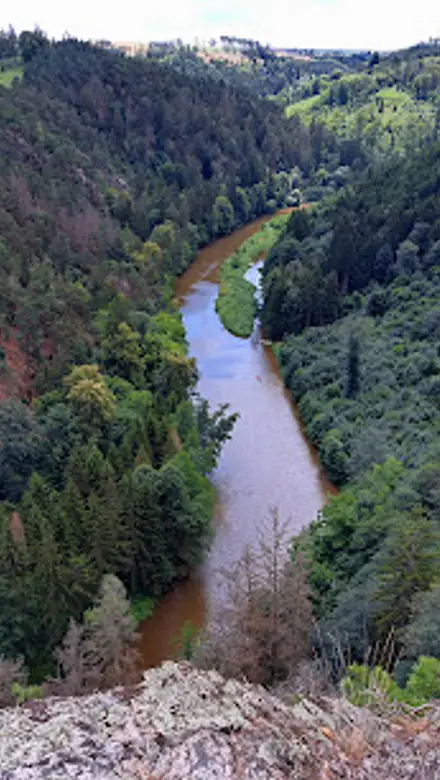
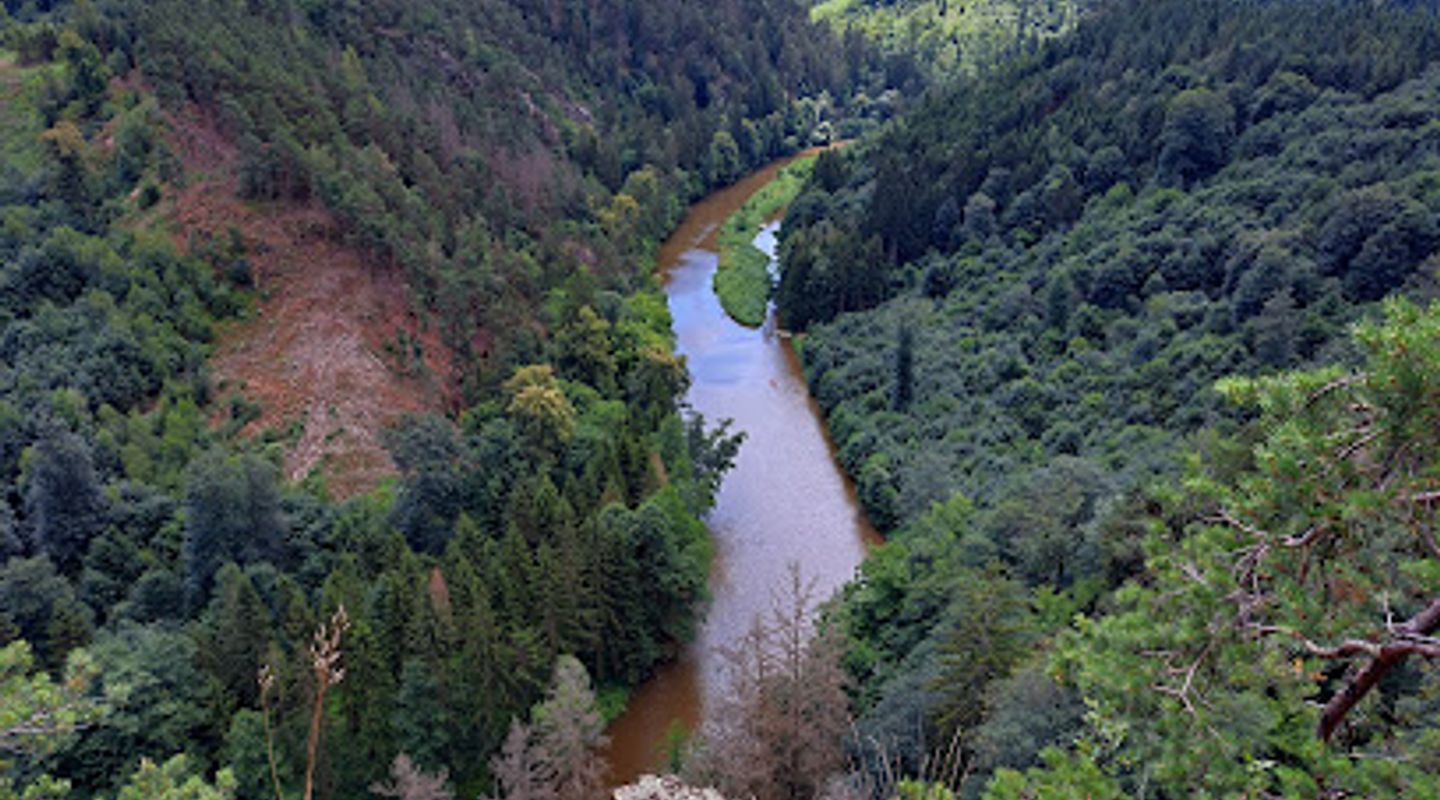
The Klinger Mausoleum stands as a cultural asset and a protected historical monument, encapsulating a blend of architectural style and historical narrative. The mausoleum's creation was spurred by a tragic turn of events involving Hugo Klinger's wife, Sybille, née Countess Spiegelfeld. Sybille fell in love with Cyrill Orlov, a Russian émigré, in 1925. Upon her return to Raabs, she confessed her feelings to her husband, leading to a confrontation between Hugo Klinger and Cyrill Orlov in June 1926. The encounter resulted in a shooting, leaving both men wounded, with Orlov succumbing to his injuries shortly after in the hospital.Overwhelmed by the scandal and its repercussions, Sybille took her own life. In the wake of this tragedy, Baron Klinger commissioned the mausoleum as a final resting place for his family, choosing a site near the Uhufelsen (Eagle Owl Rock), Sybille's favorite spot overlooking the Thaya River. Sybille's remains were moved to the mausoleum on October 28, 1928, after initially being buried in the Raabs cemetery. Her husband, Hugo Klinger, and their three children were later interred there as well, reuniting the family in their final abode. Elfriede Klinger, the widow of Hubert Klinger, was the last family member to be buried there in June 2020.The Klinger Mausoleum itself is a two-story structure built from rough stones, featuring a terrace and a tower. The lower level houses the burial chamber, while the upper level functions as a chapel, offering panoramic views of the surrounding landscape. The architecture blends religious elements with the noble family's traditions, reflecting the era's funerary practices in the Waldviertel region. A bell rope, located to the left of the entrance, is traditionally rung by visitors upon arrival. The site offers a unique blend of history, architecture, and natural beauty, making it a worthwhile stop for travelers exploring the Austrian countryside. Visiting the Klinger Mausoleum provides a unique opportunity to reflect on themes of love, loss, and remembrance.
Evendo Review Centre
 Google
Guest reviews
Explore Klinger-Mausoleum on the map
A handpicked selection of must-see spots near Klinger-Mausoleum, mapped for you.
Get your free copy of our complete guide to Klinger-Mausoleum, delivered straight to you.
Everything on this page, from opening hours and how to get there to Eve’s tips and the best time to go, in one PDF you can read offline, print or share.
Already have an account? Sign in
Your Klinger-Mausoleum guide is ready.
We'll send it to · Not you? Sign out

Getting your guide ready…
We are putting together a fresh copy of the Klinger-Mausoleum guide. This can take up to a minute.
This can take a few moments. If your browser asks, choose Allow so the download can start. You'll find the guide in your Downloads folder.
Nothing happened? Download it again
Sorry, the guide is taking longer than usual. Please try again in a minute, or get it by email instead.
Other nearby places you may find interesting
The closest places of the same kind, if this one is not quite what you had in mind.
-
-
-
-
-


Swipe for more places
More to explore near Klinger-Mausoleum

 Best experiences near Klinger-Mausoleum
 Best hotels near Klinger-Mausoleum
 Best landmarks near Klinger-Mausoleum
 Best attractions near Klinger-Mausoleum
 Best shops near Klinger-Mausoleum
 Best restaurants near Klinger-Mausoleum
 Best bars near Klinger-Mausoleum
Do you manage this location?
Take control to get all the benefits, like improved information, better appearance, and stronger visibility across AI-powered discovery.
Explore more

Explore more of Waldviertel
Discover the natural beauty, rich history, and culinary delights of Waldviertel, Austria's enchanting woodland retreat perfect for nature lovers and cultural enthusiasts.
Explore Waldviertel
Explore more of Austria
Discover Austria's blend of alpine landscapes, rich cultural heritage, and culinary delights, from Vienna's historic charm to Tyrol's dramatic beauty.
Explore Austria