

Kitzbühel Alps, Austria Travel Guide
Discover the Kitzbühel Alps: A year-round alpine paradise offering world-class skiing, hiking, and cultural experiences in Austria's scenic Tyrol region.
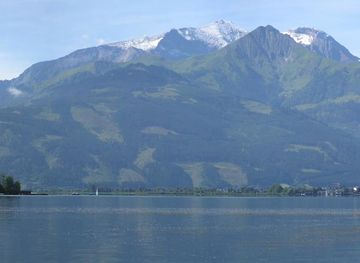
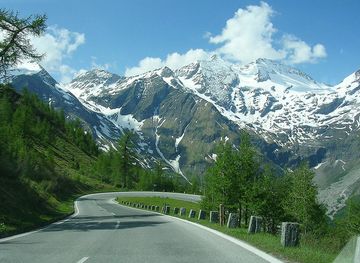
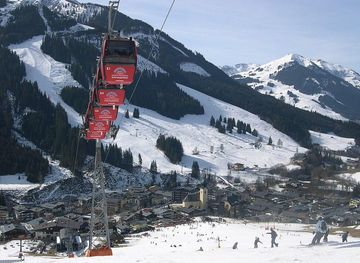
Nestled in the heart of the Tyrol region, the Kitzbühel Alps in Austria offer a perfect blend of natural beauty, rich history, and exhilarating outdoor activities. Known for its picturesque landscapes, the area is a haven for both winter sports enthusiasts and summer adventurers. The charming town of Kitzbühel, with its colorful medieval buildings and vibrant cultural scene, serves as the gateway to exploring this alpine wonderland. During winter, the Kitzbühel Alps transform into a snowy paradise, attracting skiers and snowboarders from around the globe. The Hahnenkamm race, one of the most famous ski races in the world, takes place here and offers a thrilling spectacle for visitors. Beyond skiing, you can enjoy activities such as snowshoeing, ice skating, and horse-drawn sleigh rides, all set against the backdrop of stunning alpine scenery. In the warmer months, the Kitzbühel Alps are equally captivating. Hiking and mountain biking trails crisscross the region, revealing lush meadows, crystal-clear lakes, and breathtaking vistas. The area is also home to several golf courses, providing a unique opportunity to play a round surrounded by towering peaks. Don't miss the chance to take a cable car ride to the top of the Kitzbüheler Horn for panoramic views that will leave you in awe. Beyond its natural attractions, the Kitzbühel Alps boast a rich cultural heritage. Explore the town of Kitzbühel's historic center, with its cobbled streets, traditional Tyrolean architecture, and lively markets. Indulge in local culinary delights at cozy mountain huts and fine-dining restaurants, where you can savor dishes made from fresh, regional ingredients. The region also hosts various festivals and events throughout the year, offering a glimpse into the local traditions and way of life.

Know before you go
Hi, I'm Eve. Here are a few practical things to know before exploring Kitzbühel Alps.
- Visit during January for the Hahnenkamm race, but book accommodations well in advance.
- Summer months (June to September) are perfect for hiking and biking. Don't forget your sunscreen and plenty of water.
- Take the cable car to the top of Kitzbüheler Horn for stunning views and photo opportunities.
- Explore the historic center of Kitzbühel for a taste of traditional Tyrolean culture and architecture.
- Sample local Tyrolean dishes such as Käsespätzle and Tiroler Gröstl at mountain huts for an authentic culinary experience.
Top City Travel Guides in Kitzbühel Alps
The cities of Kitzbühel Alps, and the easiest places to base yourself.

Destinations in Kitzbühel Alps
Resorts, valleys and scenic spots worth a trip of their own.


Explore Kitzbühel Alps: Things to Do, Places to Eat, Hotels & More
Handpicked recommendations for top attractions, local dining, accommodations, and more

Top Attractions & Sightseeing in Kitzbühel Alps
Top-rated picks
Best Attractions

Krimml Waterfalls
Europe's highest waterfall thunders 380 metres through pristine alpine wilderness in Austria's most visited natural spectacle.

Kufstein Fortress
Explore the enchanting Kufstein Fortress, a historical treasure offering stunning views of the Alps and a rich cultural experience in Austria.
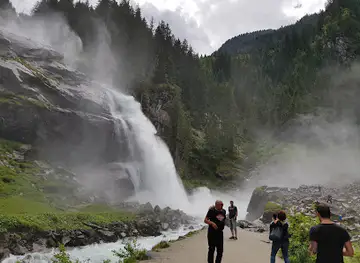
Water Worlds Krimml
Experience the wonder of nature at Water Worlds Krimml, home to the awe-inspiring Krimml Waterfalls and an engaging museum dedicated to water's beauty.

Camping Seespitz
Experience the beauty of nature at Camping Seespitz in Walchsee, where adventure and tranquility meet by the stunning Alpine lake.

Best landmarks in Kitzbühel Alps
Top-rated picks
Best Landmarks

Kufstein Fortress
Explore Kufstein Fortress: A historic Tyrolean landmark with stunning views, museums, and the world-famous Heroes' Organ.
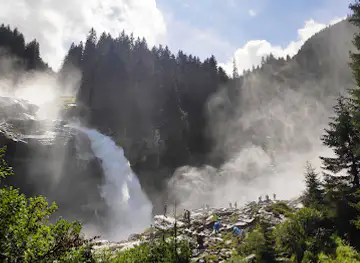
Water Worlds Krimml
Explore Water Worlds Krimml, a unique museum in the Austrian Alps showcasing the beauty and significance of water through interactive exhibits and stunning displays.
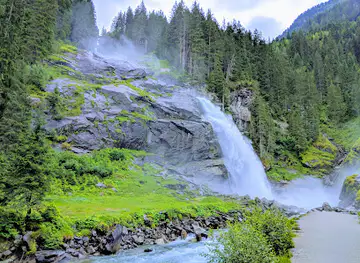
Krimml Waterfall Overlook
Discover the breathtaking views and natural beauty of Krimml Waterfall Overlook, one of Austria's highest waterfalls, set in the stunning alpine landscape.

Parking P2 Krimml Waterfalls
Explore the breathtaking Krimml Waterfalls with ease from Parking P2, your perfect starting point for an unforgettable adventure in Austria's stunning landscapes.

Best restaurants in Kitzbühel Alps
Top-rated picks
Best Restaurants

Rosi's Sonnbergstuben - Rosi's Alm Kitzbühel
Discover Rosi's Sonnbergstuben: A delightful restaurant in Kitzbühel offering traditional Tyrolean cuisine with stunning mountain views.

Restaurant Anna - Kitzbühler Genuss Restaurant
Discover exquisite Austrian cuisine at Restaurant Anna in Reith bei Kitzbühel – where tradition meets taste in a stunning alpine setting.
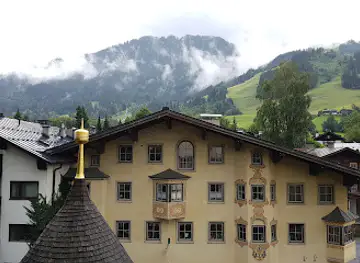
Huberbräu-Stüberl
Discover the essence of Austria with traditional dishes and a cozy atmosphere at Huberbräu-Stüberl in Kitzbühel.

Simple food & drinks
Experience authentic Austrian cuisine at Simple Food & Drinks in Kitzbühel – where local flavors meet modern dining.

Best bars in Kitzbühel Alps
Top-rated picks
Best Bars

Rosi's Sonnbergstuben - Rosi's Alm Kitzbühel
Discover the culinary delights of Rosi's Sonnbergstuben in Kitzbühel, where traditional Tyrolean flavors meet stunning alpine views.

Huberbräu-Stüberl
Discover the heart of Austrian cuisine and hospitality at Huberbräu-Stüberl, where every meal is a warm welcome.

Panorama-Alm
Discover the perfect blend of culinary delights and stunning mountain views at Panorama-Alm in Jochberg.

Simple food & drinks
Discover Simple Food & Drinks in Kitzbühel, where fresh ingredients and a cozy atmosphere create the perfect dining experience for tourists.

Best nightclubs in Kitzbühel Alps
Top-rated picks
Best Nightclubs

Bart
Dive into Kufstein's nightlife at Bart, the ultimate night club experience with electrifying music and vibrant atmosphere.

Bergliebe Club & Hannes' Alm Königsleiten
Discover the perfect blend of lively nightlife and breathtaking alpine scenery at Bergliebe Club & Hannes' Alm in Austria.

Anton Wallner Bräu
Experience the essence of Austrian brewing and local cuisine at Anton Wallner Bräu in Krimml, a must-visit brewpub for every traveler.

ONYX Bar & Lounge
Discover the vibrant nightlife at ONYX Bar & Lounge in Wörgl, where exquisite cocktails meet a lively atmosphere for an unforgettable experience.

Best shops in Kitzbühel Alps
Top-rated picks
Best Shops

SPORTALM Outlet Kitzbühel
Discover stylish clothing and luxurious fabrics at SPORTALM Outlet Kitzbühel, a premier shopping destination in the Austrian Alps.

Weinherz Kitzbühel
Explore exquisite wines and gourmet delights at Weinherz Kitzbühel, a must-visit destination for wine lovers and culinary enthusiasts.

Kitz Galleria
Discover an exceptional shopping experience at Kitz Galleria in Kitzbühel, where fashion meets local charm in a vibrant alpine setting.

INTERSPORT Kitzsport
Discover the thrill of the Austrian Alps at INTERSPORT Kitzsport, your one-stop-shop for ski, snowboard, and bicycle rentals in Kitzbühel.

Explore Kitzbühel Alps on the Map
A handpicked selection of must-see spots in Kitzbühel Alps, mapped for you.
Kitzbühel Alps Essentials
-
The Kitzbühel Alps are located in the Tyrol region of Austria. The closest international airport is Innsbruck Airport, approximately 95 kilometers away. From Innsbruck, you can take a train directly to Kitzbühel, which takes about 1.5 hours. Alternatively, Salzburg and Munich airports are also viable options, followed by a train ride to Kitzbühel. Both journeys take around 2-3 hours. For those driving, the Alps are well-connected by the Austrian motorway network.
-
Once in the Kitzbühel Alps, you can utilize the efficient public transport system, which includes buses and trains connecting various villages and towns. The Kitzbühel Tourist Card provides unlimited travel on local buses. Taxis are available but can be more expensive. For exploring remote areas, renting a car is a good option. During winter, ski buses operate frequently to shuttle visitors between ski resorts.
-
The official currency in Austria is the Euro (EUR). Credit cards are widely accepted in hotels, restaurants, and shops, although smaller establishments may prefer cash. ATMs are plentiful in Kitzbühel and other major towns. It is advisable to carry some cash, especially when traveling to more remote areas.
-
The Kitzbühel Alps are generally very safe for tourists. Crimes targeting tourists are rare, but standard precautions should be taken. Avoid leaving valuables unattended, especially in busy areas. The area is well-patrolled, and emergency services are efficient. There are no specific high-crime areas, but it is always best to stay vigilant and aware of your surroundings.
-
In case of emergency, dial 112 for immediate assistance. The Kitzbühel area has several medical facilities, including hospitals and clinics. Ensure you have travel insurance that covers medical emergencies. For minor health issues, pharmacies are available in most towns. Police stations are also present and can assist with any security concerns.
-
Fashion: Do dress warmly and in layers, especially during the winter. Ski attire is acceptable in most casual settings. Religion: Do respect local customs and traditions, especially when visiting churches. Public Transport: Do validate your ticket before boarding and be punctual. Don't make loud noises or disturb other passengers. Greetings: Do greet people with a friendly 'Grüß Gott' or 'Hallo.' A handshake is common. Eating & Drinking: Do try local dishes such as Tiroler Gröstl and Kaiserschmarrn. Don't forget to tip around 10% in restaurants.
-
To experience the Kitzbühel Alps like a local, visit the weekly farmers' markets where you can buy fresh produce and traditional Tyrolean goods. Participate in local festivals like the Hahnenkamm Race in January, which is a major event. Engage with locals, as they are often friendly and willing to share stories about the region. Don't miss out on hiking or cycling the numerous trails that offer breathtaking views of the Alps. For a unique experience, take a guided tour of the Bergdoktor film locations.
When is the best time to visit Kitzbühel Alps?
Useful Local Phrases for Kitzbühel Alps
You don't need to speak the language perfectly. Even learning a few simple words can make conversations warmer—and locals usually appreciate the effort.
— Eve

Here are the phrases I use most often in Kitzbühel Alps. Try a few—you'll be surprised how far they go! 😊
❤️
-
- HelloGrüß Gott
[Groos Got] - GoodbyeAuf Wiedersehen
[Owf Veederzehn] - YesJa
[Ya] - NoNein
[Nine] - Please/You're welcomeBitte
[Bitt-eh] - Thank youDanke
[Dahn-kuh] - Excuse me/SorryEntschuldigung
[Ent-shool-dee-goong] - How are you?Wie geht's?
[Vee gates?] - Fine. And you?Gut. Und dir?
[Gooot. Oond deer?] - Do you speak English?Sprechen Sie Englisch?
[Shpreken Zee Eng-lish?] - I don't understandIch verstehe nicht
[Ish fer-shtay-eh nikht]
- HelloGrüß Gott
-
- I'd like to see the menu, pleaseIch hätte gern die Speisekarte, bitte
[Ish het-teh gern dee Shpyze-kahrt-eh, bitt-eh] - I don't eat meatIch esse kein Fleisch
[Ish ess-eh kine Flysh] - Cheers!Prost!
[Prohst!] - I would like to pay, pleaseIch möchte bezahlen, bitte
[Ish moech-teh beh-tsah-len, bitt-eh]
- I'd like to see the menu, pleaseIch hätte gern die Speisekarte, bitte
-
- Help!Hilfe!
[Hil-feh!] - Go away!Geh weg!
[Gay veg!] - Call the Police!Rufen Sie die Polizei!
[Roo-fen Zee dee Po-lee-tsai!] - Call a doctor!Rufen Sie einen Arzt!
[Roo-fen Zee eye-nen Artst!] - I'm lostIch bin verloren
[Ish bin fer-lo-ren] - I'm illIch bin krank
[Ish bin krank]
- Help!Hilfe!
-
- I'd like to buy...Ich möchte kaufen...
[Ish moech-teh kow-fen...] - I'm just lookingIch schaue nur
[Ish shou-eh noor] - How much is it?Wie viel kostet es?
[Vee feel koh-stet es?] - That's too expensiveDas ist zu teuer
[Das ist tsoo toy-er] - Can you lower the price?Könnten Sie den Preis senken?
[Kurn-ten Zee den Price zen-ken?]
- I'd like to buy...Ich möchte kaufen...
-
- What time is it?Wie spät ist es?
[Vee shpayt ist es?] - It's one o'clockEs ist ein Uhr
[Es ist ine Oor] - Half past (10)Halb elf
[Halb elf] - MorningMorgen
[Mor-gen] - AfternoonNachmittag
[Nakh-mit-tag] - EveningAbend
[Ah-bent] - YesterdayGestern
[Gess-turn] - TodayHeute
[Hoy-teh] - TomorrowMorgen
[Mor-gen] - 1Eins
[Eyns] - 2Zwei
[Tsvy] - 3Drei
[Dry] - 4Vier
[Fear] - 5Fünf
[Foonf] - 6Sechs
[Zex] - 7Sieben
[Zee-ben] - 8Acht
[Acht] - 9Neun
[Noyn] - 10Zehn
[Tsayn]
- What time is it?Wie spät ist es?
-
- Where's a/the...?Wo ist ein/das...?
[Vo ist ine/das...?] - What's the address?Wie lautet die Adresse?
[Vee loutet dee Ah-dres-se?] - Can you show me (on the map)?Könnten Sie mir (auf der Karte) zeigen?
[Kurn-ten Zee meer (owf der Kart-eh) tsai-gen?] - When's the next (bus)?Wann kommt der nächste (Bus)?
[Vann kommt der nay-sht-eh (Boos)?] - A ticket (to ....)Ein Ticket (nach ...)
[Ine Tick-ett (nakh ...)]
- Where's a/the...?Wo ist ein/das...?
History of Kitzbühel Alps
-
The history of the Kitzbühel Alps stretches back to ancient times when the Celts first settled in the region around 800 BC. They were drawn to the area by its rich mineral resources, particularly copper. The Celts established small communities and laid the foundations for mining activities that would shape the region's economic and cultural landscape for centuries.
-
During the Roman Empire, the Kitzbühel Alps became strategically significant due to their location along important trade routes. The Romans built roads and fortifications to protect these routes, and their presence left a lasting impact on the region's infrastructure. Remnants of Roman roads and fortifications can still be found throughout the area, providing a tangible link to this influential period.
-
The medieval period saw a significant mining boom in the Kitzbühel Alps. By the 13th century, the town of Kitzbühel had become a major center for silver and copper mining. The wealth generated from these activities led to the construction of many notable buildings, including the Gothic church of St. Andreas, which still stands today. The mining industry attracted a diverse population, contributing to the area's rich cultural tapestry.
-
In the early 19th century, the Kitzbühel Alps were a hotbed of activity during the Tyrolean Rebellion against Bavarian and French occupation. Local hero Andreas Hofer led the Tyrolean forces in a series of battles, with the region's mountainous terrain providing a strategic advantage. Although the rebellion was eventually quashed, the spirit of resistance and local pride remains an integral part of the area's cultural identity.
-
The Kitzbühel Alps gained international fame in the 20th century with the rise of winter sports. The first Hahnenkamm ski races were held in 1931, and they quickly became one of the most prestigious events in the world of alpine skiing. The challenging Streif course attracts top athletes and spectators from around the globe, cementing Kitzbühel's reputation as a premier winter sports destination.
-
The Kitzbühel Alps are home to a rich array of cultural festivals and traditions. One of the most famous is the annual Kitzbühel Music Festival, which celebrates Tyrolean folk music and dance. The region also hosts numerous local festivals throughout the year, where visitors can experience traditional costumes, culinary delights, and the warm hospitality of the Tyrolean people. These events provide a glimpse into the enduring cultural heritage of the Kitzbühel Alps.
Neighbouring Regions of Kitzbühel Alps
The closest regions to Kitzbühel Alps, if you have time for more than one.



Your all‑in‑one travel companion app
Explore expert travel guides, compare and book tours, experiences, hotels, and more—all from the palm of your hand. Download now for seamless trip planning wherever your wanderlust takes you.


Explore More of Austria
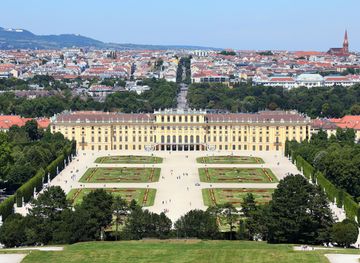
Looking beyond Kitzbühel Alps? Discover Austria for broader travel guides, local hot-spots, and regional highlights.
Explore AustriaKitzbühel Alps in Photos
Browse through our photo collection highlighting the charm and character of the destination.


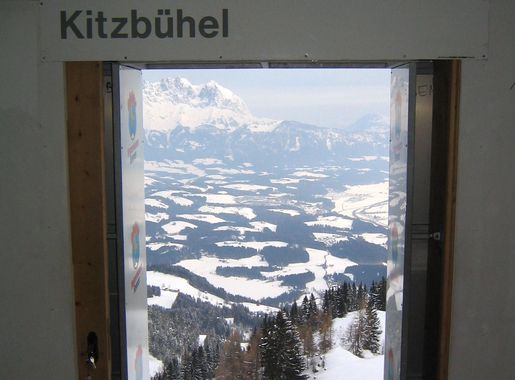


The Enchanting Kitzbühel Alps: Austria's Alpine Gem
Nestled in the heart of the Tyrol region, the Kitzbühel Alps in Austria offer a perfect blend of natural beauty, rich history, and exhilarating outdoor activities. Known for its picturesque landscapes, the area is a haven for both winter sports enthusiasts and summer adventurers. The charming town of Kitzbühel, with its colorful medieval buildings and vibrant cultural scene, serves as the gateway to exploring this alpine wonderland. During winter, the Kitzbühel Alps transform into a snowy paradise, attracting skiers and snowboarders from around the globe. The Hahnenkamm race, one of the most famous ski races in the world, takes place here and offers a thrilling spectacle for visitors. Beyond skiing, you can enjoy activities such as snowshoeing, ice skating, and horse-drawn sleigh rides, all set against the backdrop of stunning alpine scenery. In the warmer months, the Kitzbühel Alps are equally captivating. Hiking and mountain biking trails crisscross the region, revealing lush meadows, crystal-clear lakes, and breathtaking vistas. The area is also home to several golf courses, providing a unique opportunity to play a round surrounded by towering peaks. Don't miss the chance to take a cable car ride to the top of the Kitzbüheler Horn for panoramic views that will leave you in awe. Beyond its natural attractions, the Kitzbühel Alps boast a rich cultural heritage. Explore the town of Kitzbühel's historic center, with its cobbled streets, traditional Tyrolean architecture, and lively markets. Indulge in local culinary delights at cozy mountain huts and fine-dining restaurants, where you can savor dishes made from fresh, regional ingredients. The region also hosts various festivals and events throughout the year, offering a glimpse into the local traditions and way of life.