

Free West Flanders Travel Guide & Mobile App
Explore West Flanders with free travel guides. Discover regional history, expert tips, proposed trips, and audio guides on web or mobile app.


Explore West Flanders for Bruges’ medieval canals, North Sea resorts, First World War heritage, cycling routes and distinctive Belgian food.
Read more about West Flanders
When is the best time to visit West Flanders?
Best: June–August · 20–23°C| Month | High (°C) | Rainfall (mm) |
|---|---|---|
| January | 6 | 60 |
| February | 7 | 50 |
| March | 10 | 60 |
| April | 13 | 50 |
| May | 17 | 60 |
| June (best) | 20 | 70 |
| July (best) | 23 | 70 |
| August (best) | 23 | 70 |
| September | 19 | 60 |
| October | 15 | 70 |
| November | 11 | 70 |
| December | 7 | 70 |
Getting to and around West Flanders
How to get there
Transportation
Top city travel guides in West Flanders
The cities of West Flanders, and the easiest places to base yourself.
-

-
-

-

-

-


Swipe for more cities
Destinations in West Flanders
Resorts, valleys and scenic spots worth a trip of their own.
-

-

-

-

-

-


Swipe for more destinations
Best attractions in West Flanders
West Flanders offers an unusually varied concentration of attractions within a mostly accessible landscape. Bruges provides medieval canals, guild houses, civic architecture and museums, while nearby Damme adds a smaller historic town setting beside the polder waterways. Along the coast, visitors can move between broad beaches, dune reserves, promenades and maritime attractions in resorts such as De Panne, Koksijde, Ostend and Knokke-Heist. The Westhoek is defined by First World War museums, cemeteries, memorials and surviving battlefield landscapes around Ypres and Diksmuide, with the IJzer Tower offering a prominent perspective on the region’s wartime history. Inland, Kortrijk combines heritage buildings and museums with the contemporary life of the Leie valley, while Veurne and Poperinge retain strong market-town identities. Cycling, birdwatching, walking and canal-side exploration are central outdoor pursuits, and protected coastal habitats provide opportunities to observe dunes, tidal landscapes and migratory wildlife without leaving the province.
-
Historical landmark
Belfort
Ascend the iconic Belfry for panoramic views of Bruges, a UNESCO World Heritage Site with a rich history and captivating carillon.
-
Stadium
Pierre Mauroy Stadium
Discover Pierre Mauroy Stadium in Villeneuve-d'Ascq, a premier venue for thrilling sports events and spectacular concerts all year round.
-
Park
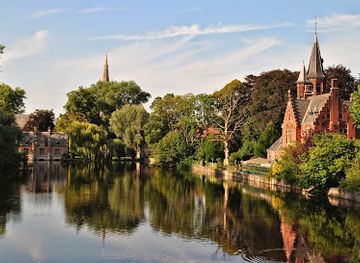
Minnewater Park
Explore the serene beauty of Minnewater Park in Bruges, a perfect blend of nature and history, offering picturesque views and tranquil experiences.
-
Catholic church
Church of Our Lady
Discover the breathtaking Gothic architecture and artistic treasures of the Church of Our Lady in Bruges, Belgium.



Best landmarks in West Flanders
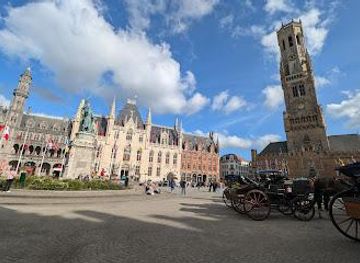
Bruges’ Belfry, Market Square, Basilica of the Holy Blood and medieval canal-side streets form West Flanders’ most recognisable urban landmark ensemble, while the Church of Our Lady remains notable for its architecture and art. In Ypres, the reconstructed Cloth Hall and Menin Gate express both the city’s medieval civic importance and its destruction during the First World War; the nightly Last Post ceremony is a long-established act of remembrance, subject to current arrangements. Diksmuide’s IJzer Tower is a prominent modern memorial in the wartime landscape, and the historic centre of Veurne preserves a distinctive Flemish civic character. Along the coast, Ostend’s long seafront and harbour give the city its maritime identity, while the dunes of De Panne, Koksijde and Knokke-Heist are geographical landmarks shaped by wind and tides. Kortrijk’s medieval Broel Towers, standing beside the Leie, recall the city’s defensive and commercial past.
-
Castle
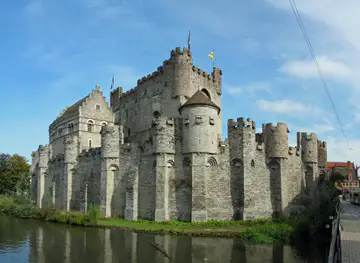
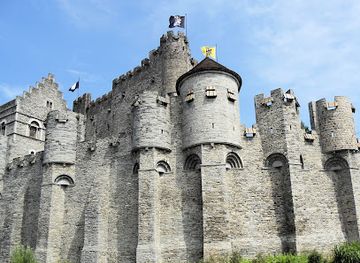
Gravensteen
Explore Gravensteen, the historic Castle of the Counts in Ghent, Belgium, and immerse yourself in the captivating medieval heritage of this charming city.
-
Historical landmark
Belfry of Bruges
Discover the historical charm and breathtaking views at the Belfry of Bruges, a UNESCO World Heritage site and iconic symbol of the city.
-
War memorial
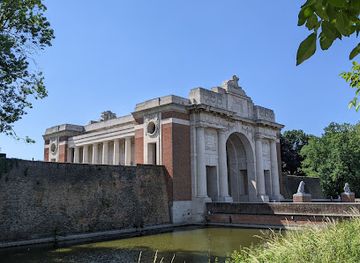
Menin Gate
Explore the Menin Gate in Ypres, a profound war memorial honoring the sacrifices of soldiers during World War I, and witness a moving tribute each evening.
-
Historical landmark
Market Square
Discover the charm of Bruges at Market Square, a historical landmark filled with stunning architecture, lively cafes, and rich cultural experiences.

Explore West Flanders on the map
Plan your trip on one map. See where the top cities, national parks and sights are, and book hotels and experiences in a few clicks.
Best hotels in West Flanders
Best restaurants in West Flanders
Dining in West Flanders reflects the meeting of North Sea, polder and inland food traditions. Coastal towns serve fish, mussels, prawns and other seafood, with the daily character of the menu varying according to season and supply. Inland restaurants and cafés draw on Belgian staples, local meat, dairy, vegetables and bread, while brown cafés and rural inns provide settings for hearty regional cooking and beer. Bruges and Ostend offer the broadest range of contemporary restaurants, bakeries, chocolate shops and international cuisines, whereas smaller towns are often better suited to traditional menus and relaxed café dining. Around Poperinge, hops are an important agricultural and brewing reference, and beer culture is evident throughout the province without being the only focus of its cuisine. Food markets and farm shops are useful places to find local produce, cheese, chocolate and seasonal specialities.
-
Chocolate shop
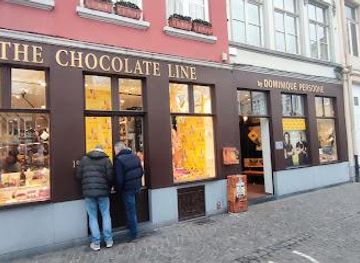
The Chocolate Line
Bruges' premier bean-to-bar chocolate haven where Dominique Persoone's wild innovations meet ethical cacao sourcing in a vibrant historic square.
-
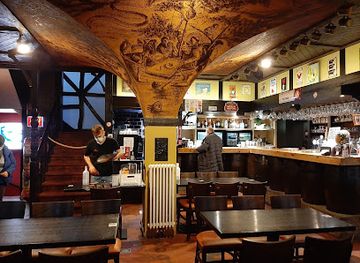
Brasserie
Koekoek Tavern
Experience authentic Belgian cuisine at Koekoek Tavern in Ostend - where flavor meets affordability in a cozy atmosphere.
-
Chocolate shop
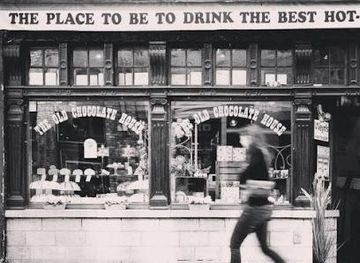
The Old Chocolate House
Whisk your own decadent hot chocolate in Bruges' coziest tearoom, where family-crafted pralines and waffles sweeten medieval charm amid chocolate-scented bliss.
-
Mexican
La Siesta Oostende
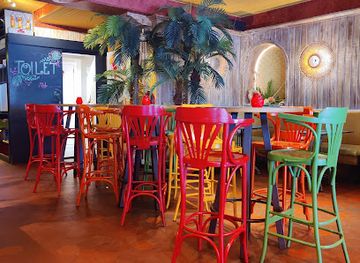
Experience the vibrant fusion of Mexican and Belgian cuisine at La Siesta Oostende – a must-visit dining destination on your Ostend adventure.
Best bars in West Flanders
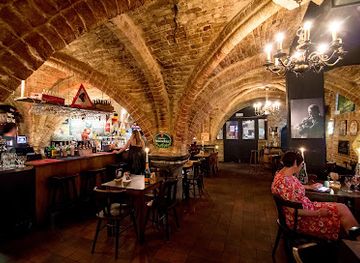
Evening life in West Flanders varies sharply by place. Bruges has a substantial selection of traditional beer cafés, hotel bars, cocktail venues and restaurants within and around the historic centre, though its atmosphere is more suited to conversation and heritage than to a large club scene. Ostend offers the province’s most consistently urban nightlife, with seafront cafés, bars, live music and late-opening venues that become busier during the holiday season. Kortrijk has a younger evening audience, supported by cultural venues, cafés and student life, while Ypres and other Westhoek towns tend towards pubs, beer bars and quieter restaurants. In rural districts, evening entertainment usually centres on local cafés, village events and dining rather than nightclubs. Check current arrangements before travelling, particularly outside the main towns and during the low season.
-
Bar
2be shop / The Beerwall / 2be bar
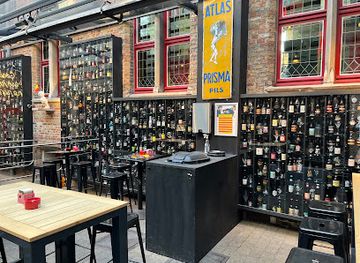
Discover the heart of Belgian beer culture at 2be Shop / The Beerwall / 2be Bar in Bruges, where every sip tells a story.
-
Bar
De Garre
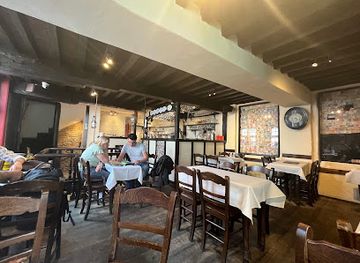
Discover the medieval charm of De Garre, a cozy bar in Bruges offering an exquisite selection of local Belgian beers and a unique atmosphere.
-
Bar
Q Beach House
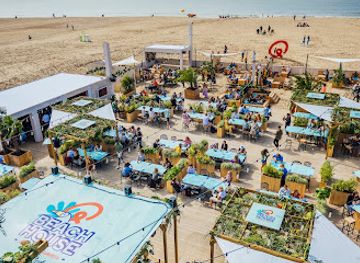
Experience the vibrant atmosphere and stunning seaside views at Q Beach House, the ultimate beach bar in Ostend, Belgium.
-
Bar
Le Trappiste
Experience the authentic Belgian bar atmosphere at Le Trappiste, where craft beers and cozy vibes await in the heart of Bruges.
Best nightclubs in West Flanders
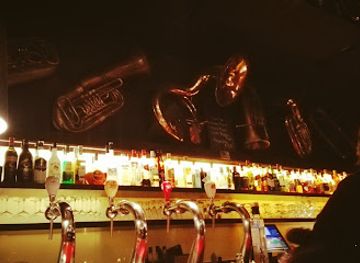
Evening life in West Flanders varies sharply by place. Bruges has a substantial selection of traditional beer cafés, hotel bars, cocktail venues and restaurants within and around the historic centre, though its atmosphere is more suited to conversation and heritage than to a large club scene. Ostend offers the province’s most consistently urban nightlife, with seafront cafés, bars, live music and late-opening venues that become busier during the holiday season. Kortrijk has a younger evening audience, supported by cultural venues, cafés and student life, while Ypres and other Westhoek towns tend towards pubs, beer bars and quieter restaurants. In rural districts, evening entertainment usually centres on local cafés, village events and dining rather than nightclubs. Check current arrangements before travelling, particularly outside the main towns and during the low season.
-
Bar
Lafayette Music Bar
Experience the vibrant nightlife of Ostend at Lafayette Music Bar, where live music and a lively atmosphere await you.
-
Bar
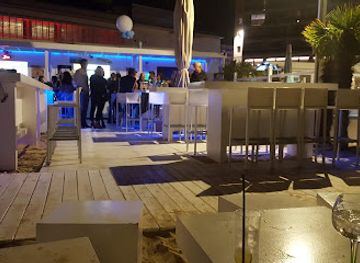
Blue Buddha Beach - Oostende
Experience the vibrant atmosphere of Blue Buddha Beach in Oostende, where stunning sea views meet delicious cocktails and unforgettable memories.
-
Disco club
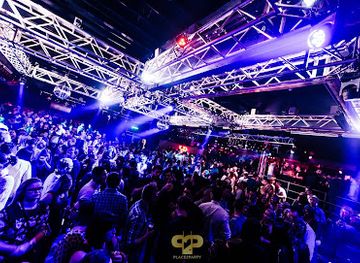
Place2Party
Immerse yourself in the lively nightlife of Torhout at Place2Party, the ultimate disco club for unforgettable music and dancing.
-
Bar
De Coulissen Brugge
Discover the energetic nightlife of Brugge at De Coulissen, a vibrant bar and disco club where unforgettable memories await.
Best shops in West Flanders
Shopping in West Flanders ranges from historic-centre boutiques to practical market-town streets and coastal specialist shops. Bruges is known for chocolate, lace-inspired goods, beer, art, antiques and independent fashion, although visitors should distinguish traditional craft from mass-produced souvenirs. Ostend combines high-street retail with seaside concessions, galleries, food shops and contemporary design, while Kortrijk has a substantial urban shopping offer and a long association with textiles and creative industries. Ypres, Veurne, Poperinge and other inland towns are useful for local produce, bakeries, regional beer, gifts and small independent businesses rather than extensive department-store shopping. Farmers’ markets and farm shops can provide cheese, vegetables, meat and other products from the surrounding countryside, while coastal markets vary by town and season. Opening days and market schedules change, so check locally before planning a dedicated shopping trip.
-
Shopping mall
Wijnegem - Shop Eat Enjoy
Explore Wijnegem - Shop Eat Enjoy, Belgium's ultimate shopping destination with diverse shops, delectable dining, and endless entertainment for the whole family.
-
Shopping mall
Waasland Shopping Center
Explore the Waasland Shopping Center for an unforgettable shopping experience in Sint-Niklaas, featuring diverse stores and delightful dining options.
-
Shopping mall
Ring Kortrijk
Experience shopping like never before at Ring Kortrijk, your ultimate destination for retail therapy and culinary delights in Belgium.
-
 Holiday home
Center Parcs de Haan
Experience family fun and relaxation at Center Parcs de Haan, a premier holiday park in Belgium's beautiful coastal region.

Get your free copy of our complete guide to West Flanders, delivered straight to you.
Everything on this page, from attractions and restaurants to essentials and local phrases, in one PDF you can read offline, print or share.
Already have an account? Sign in
Your West Flanders guide is ready.
We'll send it to · Not you? Sign out

Getting your guide ready…
We are putting together a fresh copy of the West Flanders guide. This can take up to a minute.
This can take a few moments. If your browser asks, choose Allow so the download can start. You'll find the guide in your Downloads folder.
Nothing happened? Download it again
Sorry, the guide is taking longer than usual. Please try again in a minute, or get it by email instead.
West Flanders essentials
Currency and Payment
Safety
Emergency Situations
Do's and Don'ts
Local Tips
From Eve
Local phrases worth knowing
You don't need to get them perfect. A few words go a long way, and locals appreciate the effort.
Basics
| English | Local | Say it |
|---|---|---|
| Hello | Hallo | [Hah-lo] |
| Goodbye | Tot ziens | [Tot zeens] |
| Yes | Ja | [Yah] |
| No | Nee | [Nay] |
| Please/You're welcome | Alstublieft | [Alstuh-bleeft] |
| Thank you | Dank u | [Dahnk oo] |
| Excuse me/Sorry | Sorry | [Sor-ee] |
| How are you? | Hoe gaat het? | [Hoo gaat het] |
| Fine. And you? | Goed. En met jou? | [Hood. En met yow] |
| Do you speak English? | Spreekt u Engels? | [Spreekt oo Eng-els] |
| I don't understand | Ik begrijp het niet | [Ik buh-grijp het neet] |
Eating & Drinking
| English | Local | Say it |
|---|---|---|
| I'd like to see the menu, please | Ik zou graag de menukaart zien, alstublieft | [Ik zow grahkh de menoo-kart zeen, alstuh-bleeft] |
| I don't eat meat | Ik eet geen vlees | [Ik eet ghen vlay-s] |
| Cheers! | Proost! | [Prohst] |
| I would like to pay, please | Ik zou graag betalen, alstublieft | [Ik zow grahkh beh-tah-len, alstuh-bleeft] |
Emergencies
| English | Local | Say it |
|---|---|---|
| Help! | Help! | [Help] |
| Go away! | Ga weg! | [Gah vehkh] |
| Call the Police! | Bel de politie! | [Bel de poh-lit-see] |
| Call a doctor! | Bel een dokter! | [Bel ehn dok-ter] |
| I'm lost | Ik ben verloren | [Ik ben veh-loh-ren] |
| I'm ill | Ik ben ziek | [Ik ben zeek] |
Shopping
| English | Local | Say it |
|---|---|---|
| I'd like to buy... | Ik zou graag ... kopen | [Ik zow grahkh ... koh-pen] |
| I'm just looking | Ik kijk alleen maar | [Ik kike ah-lay maar] |
| How much is it? | Hoeveel kost het? | [Hoo-vayl kost het] |
| That's too expensive | Dat is te duur | [Dat is tuh door] |
| Can you lower the price? | Kunt u de prijs verlagen? | [Kunt oo de prays fer-lah-ghen] |
Time & Numbers
| English | Local | Say it |
|---|---|---|
| What time is it? | Hoe laat is het? | [Hoo laat is het] |
| It's one o'clock | Het is één uur | [Het is ayn oar] |
| Half past (10) | Half elf | [Half elv] |
| Morning | Ochtend | [Okh-tend] |
| Afternoon | Middag | [Mih-dahg] |
| Evening | Avond | [Ah-vond] |
| Yesterday | Gisteren | [Ghis-ter-en] |
| Today | Vandaag | [Vahn-dahg] |
| Tomorrow | Morgen | [Mor-ghen] |
| 1 | 1 | [Eyn] |
| 2 | 2 | [Twee] |
| 3 | 3 | [Drie] |
| 4 | 4 | [Vier] |
| 5 | 5 | [Vijf] |
| 6 | 6 | [Zes] |
| 7 | 7 | [Zeven] |
| 8 | 8 | [Acht] |
| 9 | 9 | [Negen] |
| 10 | 10 | [Tien] |
Transport & Directions
| English | Local | Say it |
|---|---|---|
| Where's a/the...? | Waar is de...? | [Waar is de...?] |
| What's the address? | Wat is het adres? | [Wat is het ah-dres?] |
| Can you show me (on the map)? | Kunt u me tonen (op de kaart)? | [Kunt oo muh toh-nen (op de kart)?] |
| When's the next (bus)? | Wanneer komt de volgende (bus)? | [Van-deer komt de vol-ghen-de (bus)?] |
| A ticket (to ....) | Een ticket (naar ...) | [Ehn ti-ket (naahr ...)] |
History of West Flanders
Roman Coast and Medieval Water Management
The coastal plain of West Flanders was shaped by changing sea levels, tidal channels and human efforts to drain and embank the land. Roman settlement and transport were present in the wider region, although much of the modern landscape developed later through the reclamation of marshes and construction of dykes. Medieval communities gradually organised polders, waterways and agricultural estates, creating the low-lying geography that remains characteristic of the coast and hinterland. Water management was never merely technical: it determined where towns could grow, how goods travelled and how communities responded to flooding.
Bruges and the Medieval Commercial Age
From the twelfth to the fifteenth centuries, Bruges became one of northern Europe’s major commercial centres. Its access to the sea through the Zwin estuary connected the city with merchants from England, the German lands, Italy and the wider Low Countries. Cloth production, banking and international trade financed churches, civic buildings and merchant houses, while nearby Damme served as an important harbour and gateway. The silting of the Zwin and changing trade routes later reduced Bruges’ economic importance, but the medieval urban structure and architecture remain central to West Flanders’ identity.
The Battle of the Golden Spurs, 1302
The Battle of the Golden Spurs took place near Kortrijk on 11 July 1302 during the conflict between the county of Flanders and the French crown. Flemish militias defeated a French force, an event later given powerful symbolic meaning in Flemish national and cultural history. The battle itself was part of a complex political and social struggle rather than a simple modern nationalist story. Kortrijk’s museums, monuments and annual commemorations help visitors understand how the event became embedded in the historical memory of Flanders.
Burgundian and Habsburg Rule
West Flanders became part of the Burgundian Netherlands in the fifteenth century, bringing the county into a larger political structure centred on powerful dynastic courts and prosperous towns. Bruges experienced a notable cultural flowering, while cities such as Ypres, Kortrijk and Veurne remained important centres of trade, administration and religious life. During the sixteenth and seventeenth centuries, religious conflict, war and shifting political borders disrupted the region. Fortifications, churches and civic buildings across West Flanders still reflect these changing periods of authority and insecurity.
The First World War in the Westhoek
From 1914 to 1918, the western part of West Flanders became one of the principal fronts of the First World War. Ypres and surrounding villages were repeatedly shelled and largely destroyed, while the Yser front around Diksmuide marked another important sector of the conflict. The flat terrain, canals and flooded areas shaped military operations, and soldiers from many countries were buried in cemeteries across the countryside. Memorials, museums, reconstructed towns and surviving trenches now form a broad commemorative landscape rather than a single battlefield.
Reconstruction and the Interwar Coast
After the First World War, West Flanders faced the immense task of rebuilding towns, villages, roads and farms. Ypres was reconstructed around its historic plan and major monuments, while other settlements combined traditional regional forms with modern construction. Along the coast, rail access and seaside tourism expanded during the nineteenth and early twentieth centuries, encouraging hotels, promenades and villas in resorts such as Ostend, De Haan and Knokke-Heist. This period established the mixture of heritage, recreation and coastal urban development still visible today.
Ports, Industry and Contemporary West Flanders
The twentieth and twenty-first centuries brought major changes to the province’s economy. Ostend developed as a significant port and maritime centre, while Zeebrugge became an important commercial port linked to Bruges and international shipping. Kortrijk and the Leie region retained strong connections with textiles, design and manufacturing, even as the economy diversified into services, logistics and technology. Agriculture remains important in the polders and inland districts. Contemporary West Flanders therefore combines historic tourism with active ports, industrial towns, farming communities and coastal leisure economies.
West Flanders in Photos
Browse through our photo collection highlighting the charm and character of the destination.
Neighbouring regions of West Flanders
The closest regions to West Flanders, if you have time for more than one.
-

-

-

-

-


Swipe for more regions
Explore more

Explore more of Belgium
Discover Belgium: A blend of medieval charm, culinary delights, and stunning landscapes. Explore historic cities, savor exquisite chocolates, and enjoy a perfect getaway.
Explore Belgium