

Itacaré Travel Guide - Free Web & App
Your ultimate guide to Itacaré. Discover top landmarks, proposed trips, and local tips. Free on the web or via the Evendo companion app.


Discover Itacaré: A Brazilian gem with stunning beaches, lush rainforests, and rich cultural heritage. Perfect for surfers, nature lovers, and food enthusiasts.
Read more about Itacaré
When is the best time to visit Itacaré?
Best: June–August · 30°C| Month | High (°C) | Rainfall (mm) |
|---|---|---|
| January | 32 | 235 |
| February | 32 | 226 |
| March | 32 | 218 |
| April | 32 | 199 |
| May | 31 | 169 |
| June (best) | 30 | 142 |
| July (best) | 30 | 130 |
| August (best) | 30 | 136 |
| September | 31 | 157 |
| October | 31 | 187 |
| November | 32 | 210 |
| December | 32 | 226 |
Getting to and around Itacaré
How to get there
Transportation
Best attractions in Itacaré
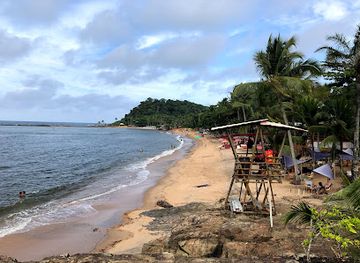
Itacaré, Brazil offers visitors a unique blend of stunning beaches, lush rainforests, and vibrant culture. From the famous surfing spots like Praia da Tiririca to the peaceful shores of Jeribucaçu Beach, there is something for every type of traveler. Explore the historic town center with its colorful buildings and charming cobblestone streets, or hike through the Atlantic Forest to discover hidden waterfalls and wildlife. Indulge in the local cuisine at beachfront restaurants, or shop for handmade crafts at the bustling markets. With a laid-back atmosphere and endless opportunities for adventure, Itacaré is a must-visit destination for those seeking a true taste of Brazil's natural beauty and rich history.
-
Tourist attraction
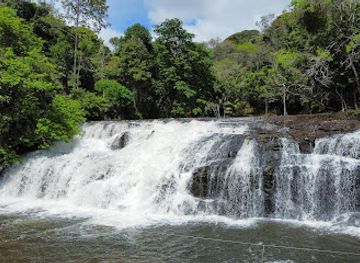
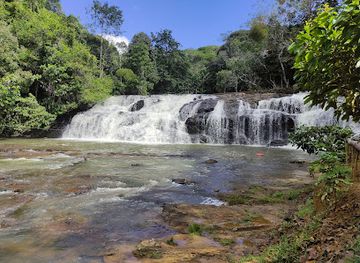
Waterfall Tijuípe
Discover Waterfall Tijuípe: A serene Bahia escape with majestic cascades, lush trails, and tranquil pools for an unforgettable nature experience.
-
Tourist attraction
Mirante do Xaréu
Experience breathtaking sunsets and panoramic views at Mirante do Xaréu, Itacaré's coastal gem on Bahia's picturesque coastline.
-
Park
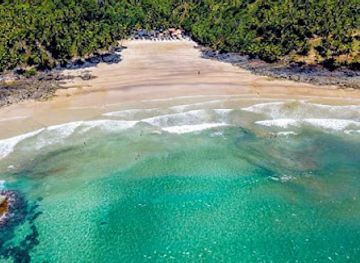
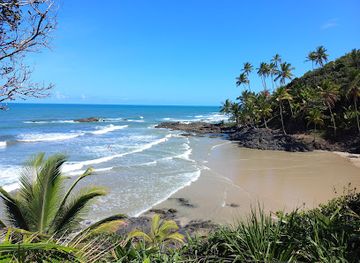
Praia do Havaizinho
Discover Praia do Havaizinho in Itacaré: A serene escape with clear waters, lush trails, and tranquil beauty, perfect for relaxation and exploration.
-
Ecological park
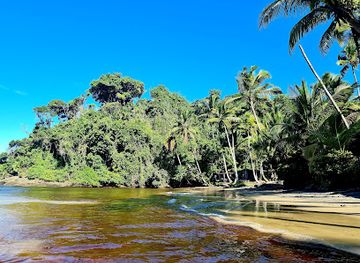
Praia Da Engenhoca
Discover Praia Da Engenhoca in Itacaré: Surfing, scenic trails, and natural beauty converge on this idyllic Bahian beach escape.
Best landmarks in Itacaré
Itacaré offers visitors a blend of natural beauty and cultural richness, with pristine beaches perfect for surfing and sunbathing, lush rainforests filled with exotic wildlife waiting to be explored, and historic landmarks showcasing the town's colonial past. From the iconic Ponta do Xaréu lighthouse offering panoramic views of the coast to the charming cobblestone streets lined with colorful houses, there is something for every traveler to enjoy in Itacaré.
-
Tourist attraction
Waterfall Tijuípe
Discover Waterfall Tijuípe, a hidden gem in Bahia offering serene beauty, hiking, and refreshing cascades amidst lush Brazilian nature.
-
Tourist attraction
Mirante do Xaréu
Experience breathtaking panoramic views and vibrant Bahian culture at Mirante do Xaréu, Itacaré's stunning coastal viewpoint.
-
Park
Praia do Havaizinho
Discover Praia do Havaizinho in Itacaré: A tranquil beach escape with lush scenery, calm waters, and a taste of Bahia's natural beauty.
-
Nature preserve
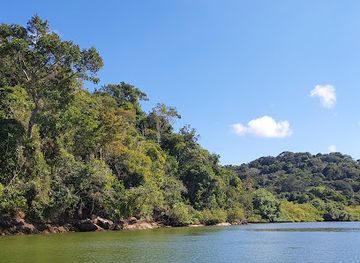
Cachoeira do Cleandro - Rio do Engenho
Discover the serene beauty of Cachoeira do Cleandro in Itacaré, Bahia: a hidden waterfall oasis surrounded by lush nature and vibrant wildlife.
Explore Itacaré on the map
Plan your trip on one map. See where the top attractions, landmarks, restaurants and hotels are, and book hotels and experiences in a few clicks.
Best hotels in Itacaré
Best restaurants in Itacaré
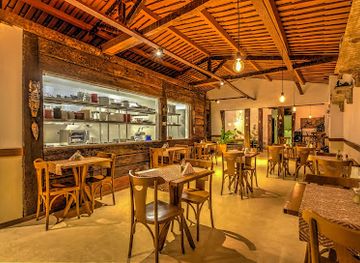
Itacaré offers a vibrant dining scene that showcases the diverse flavors of Brazil. From traditional seafood dishes to fusion cuisine blending local ingredients with international influences, visitors can indulge in a culinary adventure. Cozy beachfront cafes, lively street food vendors, and upscale restaurants all contribute to the rich tapestry of dining options in Itacaré. Whether savoring a fresh-caught fish stew or enjoying a refreshing açai bowl, the dining experience in Itacaré is sure to leave a lasting impression on any traveler.
-
Seafood
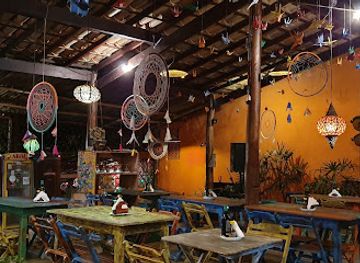
Restaurante Manga Rosa
Experience Bahia's vibrant seafood cuisine at Restaurante Manga Rosa in Itacaré - where every dish tells a delicious story.
-
Restaurant
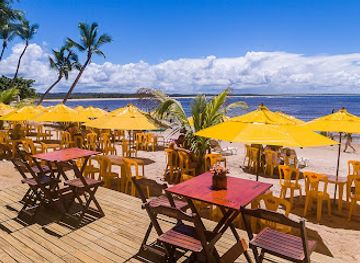
Cabana e Restaurante da Ximbica
Experience the vibrant flavors of Bahia at Cabana e Restaurante da Ximbica - a seafood haven by the beach.
-
Italian
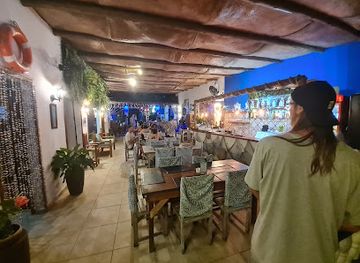
Restaurante Mediterrâneo
Experience the essence of Italy in Itacaré at Restaurante Mediterrâneo - where every dish tells a story.
-
Restaurant
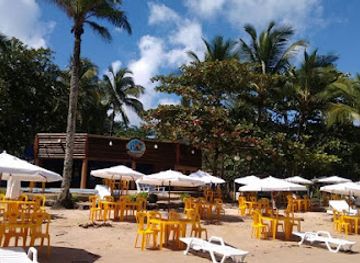
Cabana Corais Restaurante
Savor authentic Bahian flavors at Cabana Corais Restaurante while enjoying breathtaking beach views and vibrant nightlife in Itacaré.
Best bars in Itacaré
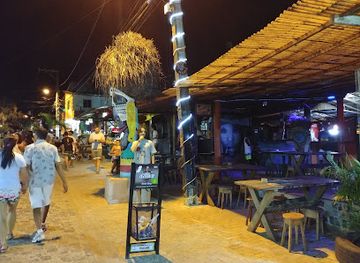
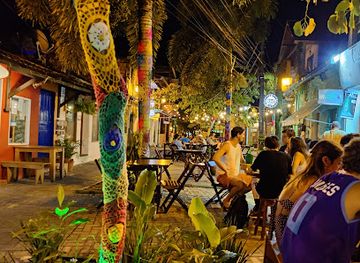
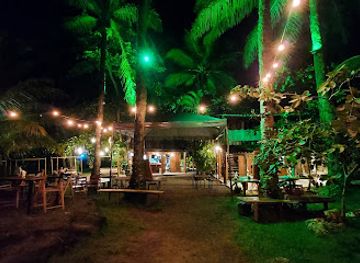
The nightlife scene in Itacaré offers a vibrant mix of beachfront bars, live music venues, and lively nightclubs, creating a lively and energetic atmosphere for visitors to enjoy. From sipping cocktails under the stars at beach bars to dancing the night away to Brazilian beats at local clubs, there is something for everyone to experience and enjoy. The friendly and welcoming locals add to the charm of the nightlife scene, making it a must-visit destination for those looking to immerse themselves in the vibrant culture of Itacaré.
-
Bar
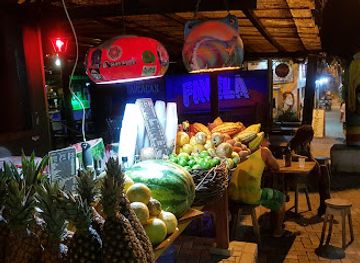
Favela Coffee Shop
Discover the vibrant nightlife at Favela Coffee Shop, a lively bar in Itacaré offering delightful drinks and a taste of Brazilian culture.
-
Restaurant
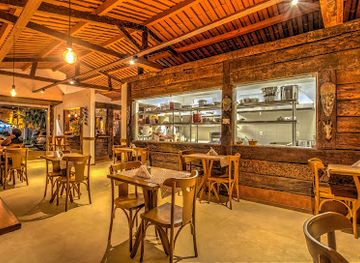
Lua Cheia Bar & Cozinha
Experience the vibrant flavors of Bahia at Lua Cheia Bar & Cozinha, where culinary excellence meets a lively atmosphere in the heart of Itacaré.
-
Cocktail bar
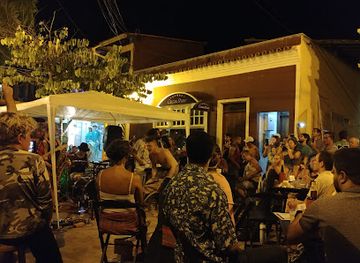
Zero27 Bar e Petiscaria
Discover the vibrant atmosphere and exquisite cocktails at Zero27 Bar e Petiscaria, a must-visit cocktail bar in Itacaré, Bahia.
-
Restaurant
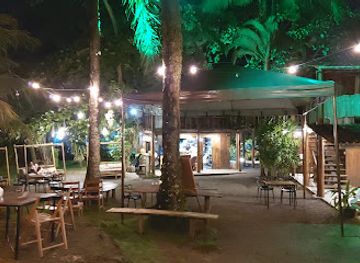
MIRANTE LOUNGE BAR E RESTAURANTE
Discover the flavors of Bahia at Mirante Lounge Bar e Restaurante, where stunning views and delicious cuisine create an unforgettable dining experience.
Best nightclubs in Itacaré
The nightlife scene in Itacaré offers a vibrant mix of beachfront bars, live music venues, and lively nightclubs, creating a lively and energetic atmosphere for visitors to enjoy. From sipping cocktails under the stars at beach bars to dancing the night away to Brazilian beats at local clubs, there is something for everyone to experience and enjoy. The friendly and welcoming locals add to the charm of the nightlife scene, making it a must-visit destination for those looking to immerse themselves in the vibrant culture of Itacaré.
-
Bar
Favela Coffee Shop
Discover the vibrant nightlife of Itacaré at Favela Coffee Shop, where local culture meets delicious drinks and music.
-
Restaurant
Lua Cheia Bar & Cozinha
Experience the best of Bahian cuisine and vibrant nightlife at Lua Cheia Bar & Cozinha, a top dining destination in Itacaré.
-
Cocktail bar
Zero27 Bar e Petiscaria
Experience the vibrant nightlife at Zero27 Bar e Petiscaria in Itacaré, where delightful cocktails and tasty petiscos await every visitor.
-
Restaurant
MIRANTE LOUNGE BAR E RESTAURANTE
Discover the exquisite Mirante Lounge Bar e Restaurante in Itacaré, where stunning views and delightful cuisine create an unforgettable dining experience.
Best shops in Itacaré
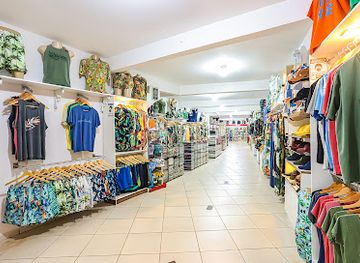
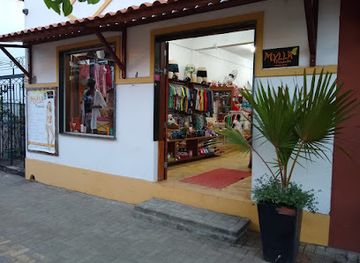
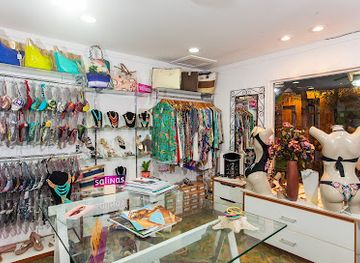
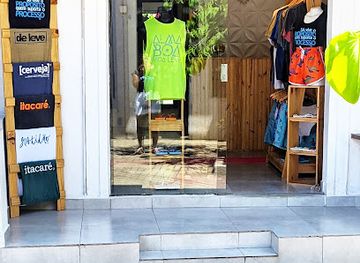
In Itacaré, visitors can expect a vibrant shopping scene that offers a unique blend of local handicrafts, artisanal products, and trendy beachwear. From colorful sarongs and hand-painted ceramics to stylish swimwear and bohemian jewelry, the town's boutiques and markets showcase the best of Brazilian craftsmanship and design. Don't miss the opportunity to browse through the bustling street stalls for one-of-a-kind souvenirs or relax in a cozy cafe while admiring the local artwork on display. Whether you're looking for a special gift or simply want to immerse yourself in the laid-back atmosphere of Itacaré, the shopping experience here is sure to delight and inspire.
-
Beach clothing store
Marimar Presentes
Discover Marimar Presentes in Itacaré for the best in beachwear, outdoor sports gear, and unique toys that capture the spirit of coastal living.
-
Perfume store
MYLLA PRESENTES
Explore Mylla Presentes in Itacaré for unique perfumes, fashion, and beachwear, capturing the vibrant essence of Bahia's culture.
-
Women's clothing store
Aquarella Moda Praia Itacaré
Explore Aquarella Moda Praia in Itacaré for exquisite beachwear, chic handbags, and stylish sunglasses that reflect the vibrant spirit of Bahia.
-
T-shirt store
Aquela Frase Itacaré
Discover unique, locally designed T-shirts at Aquela Frase in Itacaré, capturing the vibrant spirit of Brazil's beautiful coastline.
Get your free copy of our complete guide to Itacaré, delivered straight to you.
Everything on this page, from attractions and restaurants to essentials and local phrases, in one PDF you can read offline, print or share.
Already have an account? Sign in
Your Itacaré guide is ready.
We'll send it to · Not you? Sign out

Getting your guide ready…
We are putting together a fresh copy of the Itacaré guide. This can take up to a minute.
This can take a few moments. If your browser asks, choose Allow so the download can start. You'll find the guide in your Downloads folder.
Nothing happened? Download it again
Sorry, the guide is taking longer than usual. Please try again in a minute, or get it by email instead.
Itacaré essentials
Currency and Payment
Safety
Emergency Situations
Do's and Don'ts
Local Tips
From Eve
Local phrases worth knowing
You don't need to get them perfect. A few words go a long way, and locals appreciate the effort.
Basics
| English | Local | Say it |
|---|---|---|
| Hello | Olá | [oh-LAH] |
| Goodbye | Tchau | [chow] |
| Yes | Sim | [seem] |
| No | Não | [now] |
| Please/You're welcome | Por favor/De nada | [pohr fah-VOHR/deh NAH-dah] |
| Thank you | Obrigado/Obrigada | [oh-bree-GAH-doh/oh-bree-GAH-dah] |
| Excuse me/Sorry | Com licença/Desculpe | [kohm lee-SEN-sah/deh-SKOO-peh] |
| How are you? | Como você está? | [KOH-moh voh-SAY es-TAH] |
| Fine. And you? | Bem. E você? | [behn/eh voh-SAY] |
| Do you speak English? | Você fala inglês? | [voh-SAY FAH-lah een-GLAYSH] |
| I don't understand | Não entendo | [now ehn-TEN-doh] |
Eating & Drinking
| English | Local | Say it |
|---|---|---|
| I'd like to see the menu, please | Gostaria de ver o cardápio, por favor | [goh-stah-REE-ah deh veh oh kahr-DAH-pyoh/pohr fah-VOHR] |
| I don't eat meat | Eu não como carne | [eh-oo now KOH-moh KAH-rneh] |
| Cheers! | Saúde! | [sah-OOH-deh] |
| I would like to pay, please | Gostaria de pagar, por favor | [goh-stah-REE-ah deh pah-GAHR/pohr fah-VOHR] |
Emergencies
| English | Local | Say it |
|---|---|---|
| Help! | Socorro! | [soh-KOH-roh] |
| Go away! | Vá embora! | [vah ehm-BOH-rah] |
| Call the Police! | Chame a polícia! | [shah-MEE ah poh-LEE-see-ah] |
| Call a doctor! | Chame um médico! | [shah-MEE oong MEH-dee-koo] |
| I'm lost | Estou perdido | [ehs-TOH pehr-DEE-doh] |
| I'm ill | Estou doente | [ehs-TOH doo-EN-teh] |
Shopping
| English | Local | Say it |
|---|---|---|
| I'd like to buy... | Eu gostaria de comprar... | [eh-oo goh-stah-REE-ah deh kohm-PRAR] |
| I'm just looking | Estou apenas olhando | [ehs-TOH ah-PEH-nahs oh-LHAHN-doh] |
| How much is it? | Quanto custa? | [KWAHN-too KOOS-tah] |
| That's too expensive | Isso é muito caro | [EE-soh eh MWEEN-too KAH-roh] |
| Can you lower the price? | Você pode baixar o preço? | [voh-SAY POH-deh BAHY-shahr oh PREH-soh] |
Time & Numbers
| English | Local | Say it |
|---|---|---|
| What time is it? | Que horas são? | [keh OH-rahz sah-oh] |
| It's one o'clock | É uma hora | [eh OO-mah OH-rah] |
| Half past (10) | Dez e meia | [dehz eh MAY-ah] |
| Morning | Manhã | [mahn-YAH] |
| Afternoon | Tarde | [TAHR-deh] |
| Evening | Noite | [NOY-chee] |
| Yesterday | Ontem | [OHN-tehn] |
| Today | Hoje | [OH-zhee] |
| Tomorrow | Amanhã | [ah-mahn-YAH] |
| 1 | Um | [oom] |
| 2 | Dois | [doyz] |
| 3 | Três | [trehz] |
| 4 | Quatro | [KWAH-troh] |
| 5 | Cinco | [SEEN-koh] |
| 6 | Seis | [saysh] |
| 7 | Sete | [SEH-teh] |
| 8 | Oito | [OY-toh] |
| 9 | Nove | [NOH-veh] |
| 10 | Dez | [dehz] |
Transport & Directions
| English | Local | Say it |
|---|---|---|
| Where's a/the...? | Onde fica o/a...? | [OHN-deh FEE-kah oh/ah] |
| What's the address? | Qual é o endereço? | [KAHL eh oh ehn-DEH-reh-soh] |
| Can you show me (on the map)? | Você pode me mostrar (no mapa)? | [voh-SAY POH-deh meh moh-SAH oon NOH MAH-pah] |
| When's the next (bus)? | Quando é o próximo (ônibus)? | [KWAHN-doh eh oh PROH-ksih-moh OH-nee-boos] |
| A ticket (to ....) | Um bilhete (para ....) | [oom bee-LYEH-teh (PAH-rah)] |
History of Itacaré
Pre-Colonial Era and Indigenous Tribes
Before the arrival of the Portuguese, the region of Itacaré was inhabited by the Tupiniquim, a subgroup of the larger Tupi people. These indigenous tribes thrived on the rich natural resources, practicing agriculture, fishing, and hunting. Their culture was deeply intertwined with the rainforest and the coastal ecosystem.
Portuguese Colonization
The first Europeans to arrive in Itacaré were the Portuguese in the early 16th century. They were drawn by the area's potential for sugarcane cultivation. The Portuguese established plantations, which significantly altered the landscape and brought about the enslavement of Indigenous people and Africans to work the fields.
The Cocoa Boom
In the late 19th and early 20th centuries, Itacaré experienced an economic boom driven by cocoa production. Wealthy cocoa barons built grand mansions and the town flourished. However, this prosperity was not to last, as the region's cocoa plantations were later devastated by the Witches’ Broom fungus in the late 1980s.
Cultural Heritage and Afro-Brazilian Influence
The cultural landscape of Itacaré has been shaped by its significant Afro-Brazilian population, descendants of the enslaved Africans brought to work the plantations. This influence is evident in the local cuisine, music, and religious practices, including the vibrant celebrations of Candomblé and Capoeira.
Environmental Conservation and Ecotourism
In recent decades, Itacaré has become a hub for ecotourism, drawing visitors with its pristine beaches, lush Atlantic Forest, and opportunities for adventure sports. Efforts have been made to preserve the region's natural beauty, with many areas designated as protected reserves. This shift towards sustainable tourism has brought new economic opportunities while fostering a greater appreciation for the area's ecological significance.
Modern Itacaré
Today, Itacaré is a vibrant, multicultural town that balances its historical roots with modern amenities. It has become a sought-after destination for surfers, nature lovers, and those looking to immerse themselves in its rich cultural tapestry. The town's ongoing commitment to preserving its natural and cultural heritage continues to attract and inspire visitors from around the world.
Itacaré in Photos
Browse through our photo collection highlighting the charm and character of the destination.
Neighbouring destination travel guides
The closest destinations to Itacaré, if you have time for more than one.
-

-

-

-

-


Swipe for more destinations
Explore more

Explore more of Agreste
Discover the hidden charms of Agreste, Brazil - a region rich in culture, stunning landscapes, and authentic local experiences away from the usual tourist trails.
Explore Agreste
Explore more of Brazil
Discover Brazil: a land of samba, stunning landscapes, and rich history. From the Amazon to Rio, explore diverse cultures, world-class cuisine, and vibrant festivals.
Explore Brazil