

Free North Region Travel Guide & Mobile App
Explore North Region with free travel guides. Discover regional history, expert tips, proposed trips, and audio guides on web or mobile app.


Explore Brazil’s North Region through Amazonian rivers, rainforest lodges, Indigenous cultures, historic ports, regional cuisine and Tocantins’ cerrado.
Read more about North Region
When is the best time to visit North Region?
Best: July–September · 33°C| Month | High (°C) | Rainfall (mm) |
|---|---|---|
| January | 31 | 250 |
| February | 31 | 230 |
| March | 32 | 210 |
| April | 32 | 190 |
| May | 32 | 170 |
| June | 32 | 150 |
| July (best) | 33 | 130 |
| August (best) | 33 | 110 |
| September (best) | 33 | 130 |
| October | 33 | 150 |
| November | 34 | 190 |
| December | 34 | 230 |
Getting to and around North Region
How to get there
Transportation
Top city travel guides in North Region
The cities of North Region, and the easiest places to base yourself.

Swipe for more cities
Destinations in North Region
Resorts, valleys and scenic spots worth a trip of their own.
-

-

-

-

-

-


Swipe for more destinations
Best attractions in North Region
-
Recreation center
Pontão Lago Sul
Experience Brasília's vibrant lakeside at Pontão Lago Sul: dining, recreation, and stunning views await!
-
Stadium
Arena BRB Mané Garrincha
Experience the passion of Brazilian sports and entertainment at Brasília's iconic Arena BRB Mané Garrincha, a world-class stadium and event venue.
-
Tourist attraction
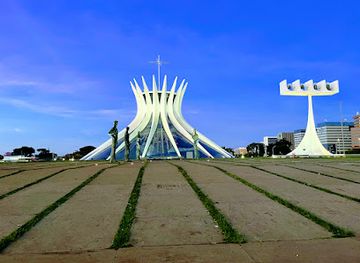
Catedral Metropolitana Nossa Senhora Aparecida
Experience the awe-inspiring architecture and serene atmosphere of Brasília's iconic cathedral, a masterpiece by Oscar Niemeyer.
-
Handicraft fair
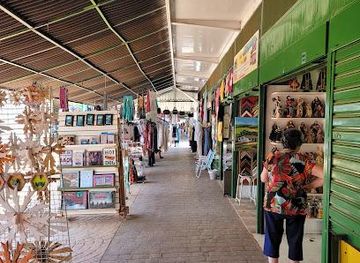
Feira da Torre de TV
Discover Brasília's vibrant culture at Feira da Torre de TV: handcrafted goods, local flavors, and cultural experiences await!


Best landmarks in North Region
The Teatro Amazonas in Manaus is the North Region’s most recognisable architectural reminder of the rubber economy, with its ornate nineteenth-century design contrasting sharply with the surrounding tropical metropolis. In Belém, the Forte do Presépio marks the colonial foundation of the city, while the Ver-o-Peso complex represents the continuing importance of river commerce and regional food exchange. Belém’s Basilica of Our Lady of Nazareth is closely connected with the city’s major Catholic pilgrimage tradition, although religious spaces should be visited respectfully. The Meeting of Waters near Manaus is a landmark of physical geography, where the dark Negro and pale Solimões flow alongside one another for a considerable distance before combining. Porto Velho’s Madeira-Mamoré railway heritage recalls the difficult attempt to connect river basins across the frontier. In Macapá, the Marco Zero monument marks the Equator and reflects the city’s geographic identity, while the broad Amazon estuary and Tocantins’ sandstone landscapes provide natural landmarks that are as significant as its built heritage.
-
Tourist attraction
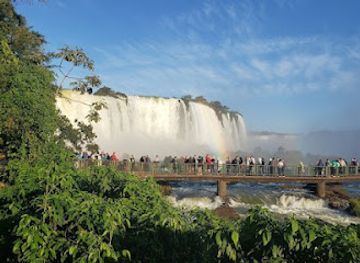
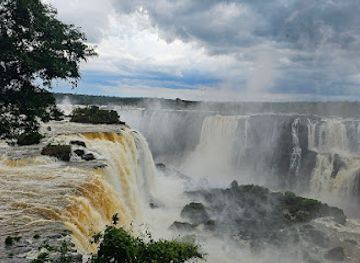
Iguazu Falls
Experience the awe-inspiring power of nature at Iguazu Falls, a UNESCO World Heritage site on the border of Argentina and Brazil.
-
Cultural landmark
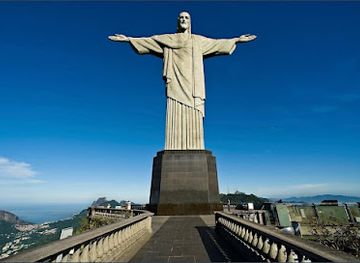
Christ the Redeemer
Visit the iconic Christ the Redeemer statue in Rio de Janeiro for breathtaking views and a symbol of peace and Brazilian culture.
-
National park
Iguazú National Park
Experience the awe-inspiring power of nature at Iguazú National Park, home to over 275 waterfalls and lush rainforest landscapes.
-
Tourist attraction
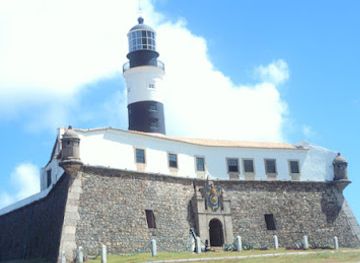
Museu Náutico da Bahia - Farol da Barra
Explore Brazil's maritime history at Museu Náutico da Bahia, housed in a historic fort with stunning lighthouse views.
Explore North Region on the map
Plan your trip on one map. See where the top cities, national parks and sights are, and book hotels and experiences in a few clicks.
Best hotels in North Region
Best restaurants in North Region
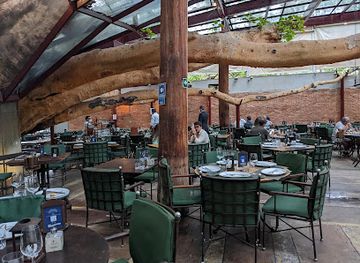
Food in the North Region is grounded in manioc, freshwater fish, forest fruits, herbs and techniques shaped by Indigenous knowledge, with strong differences between states and river basins. Pará is especially associated with tacacá, a hot broth containing jambu and tucupi, pato no tucupi, maniçoba and distinctive manioc flours; Belém is a particularly good place to encounter these traditions in markets, family restaurants and contemporary kitchens. Açaí is central to Pará’s food culture and is often eaten with fish, farinha or other savoury accompaniments rather than only as a sweet frozen bowl. Across Amazonas and neighbouring states, menus may feature tambaqui, pirarucu, jaraqui and other freshwater fish, while cupuaçu, bacuri and tucumã appear in drinks, desserts and snacks. In Manaus, tucumã-filled pão francês is a familiar regional breakfast or snack. Restaurants range from market stalls and simple neighbourhood outlets to polished urban dining rooms, but outside the capitals choice becomes more limited and seasonal ingredients are often central.
-
Seafood
Coco Bambu Águas Claras
Discover exquisite Brazilian seafood at Coco Bambu Águas Claras - where flavor meets vibrant dining.
-
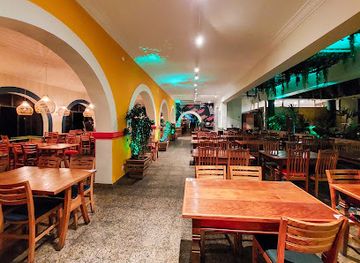
Restaurant
Terra Brasilis
Discover Terra Brasilis in Urca: Enjoy authentic Brazilian cuisine with buffet options and live music in a vibrant setting.
-
Meat
A Figueira Rubaiyat
Experience culinary excellence at A Figueira Rubaiyat, where exquisite meat and seafood dishes await amidst stunning surroundings.
-
Restaurant
Aprazível
Experience exquisite Brazilian cuisine with breathtaking views at Aprazível in Santa Teresa, Rio de Janeiro.

Best bars in North Region
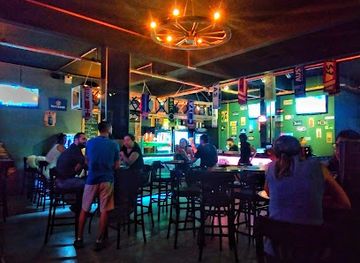
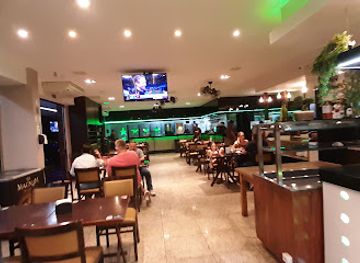
Evening life is concentrated in the regional capitals and larger towns rather than spread evenly across the forest. Belém has the North’s most recognisable urban food-and-music scene, with bars and restaurants around historic central areas and neighbourhoods where live music, local beer and regional ingredients shape the night. Manaus offers bars, cultural venues and music spaces around central districts, although the city’s nightlife is urban rather than a direct reflection of life in remote communities. In Santarém, riverfront dining and small bars provide a relaxed evening focus, while Palmas has a more spread-out restaurant and bar culture linked to its newer urban layout. Smaller settlements generally centre on family restaurants, modest bars, festivals and live music, with earlier closing times than major cities. Forest lodges and riverboats may offer simple communal evenings, but visitors should not expect a nightclub circuit; respecting community routines and reducing noise is important in rural and riverine settings.
-
Gastropub
Vikings Pub
Discover the lively ambiance of Vikings Pub in Goiânia, where delicious food meets craft beers and vibrant rock music for an unforgettable night out.
-
Live music bar
Abençoado Bar - Sudoeste
Experience the essence of Brasília's nightlife at Abençoado Bar, a lively spot for live music, delicious food, and unforgettable moments.
-
Live music bar
Bourbon Street Music Club
Experience the vibrant nightlife and soulful sounds of jazz and blues at Bourbon Street Music Club in São Paulo.
-
Bar
Vai Tomá no Kuka Bar
Discover the vibrant nightlife at Vai Tomá no Kuka Bar in Goiânia, where great music and refreshing drinks create unforgettable memories.


Best nightclubs in North Region
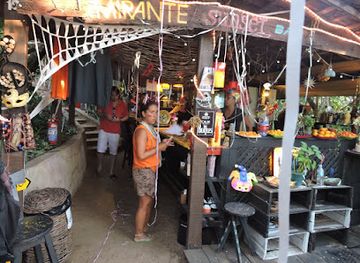
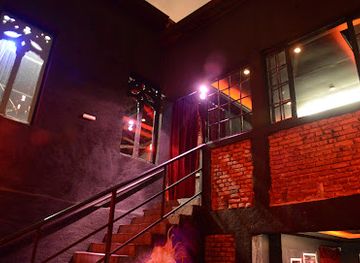
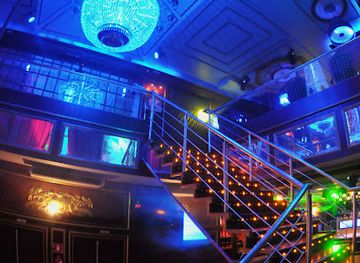
Evening life is concentrated in the regional capitals and larger towns rather than spread evenly across the forest. Belém has the North’s most recognisable urban food-and-music scene, with bars and restaurants around historic central areas and neighbourhoods where live music, local beer and regional ingredients shape the night. Manaus offers bars, cultural venues and music spaces around central districts, although the city’s nightlife is urban rather than a direct reflection of life in remote communities. In Santarém, riverfront dining and small bars provide a relaxed evening focus, while Palmas has a more spread-out restaurant and bar culture linked to its newer urban layout. Smaller settlements generally centre on family restaurants, modest bars, festivals and live music, with earlier closing times than major cities. Forest lodges and riverboats may offer simple communal evenings, but visitors should not expect a nightclub circuit; respecting community routines and reducing noise is important in rural and riverine settings.
-
Cocktail bar
Lookout Sunset Bar
Experience breathtaking sunsets and exquisite cocktails at Lookout Sunset Bar in Praia da Pipa, a perfect retreat for relaxation and socializing.
-
Night club
Madame Underground Club
Discover the electrifying nightlife at Madame Underground Club in São Paulo, where music and energy unite for an unforgettable experience.
-
Night club
Le Rêve Club
Dive into São Paulo's nightlife at Le Rêve Club, where vibrant music and an electrifying atmosphere await every party lover.
-
Night club
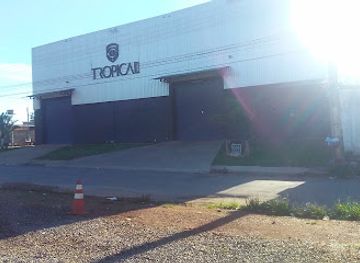
Tropical Club
Unleash your nightlife spirit at Tropical Club in Aparecida de Goiânia, where vibrant atmosphere meets electrifying music and dance.
Best shops in North Region
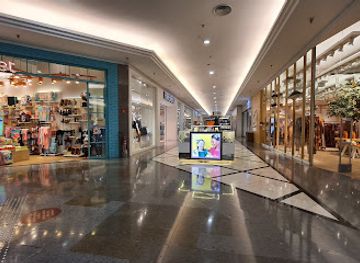
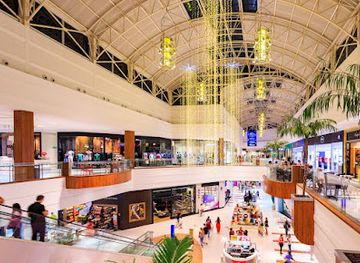
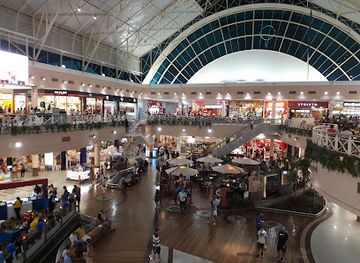
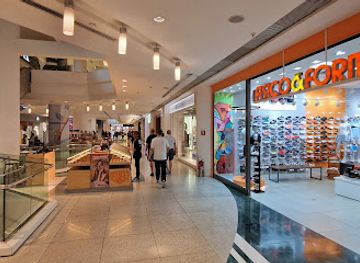
Shopping in the North Region is closely connected to markets, food and regional materials. Belém’s Ver-o-Peso is the most prominent example, offering fruit, herbs, fish, spices, manioc products, prepared foods and traditional remedies in a working market environment rather than a conventional souvenir centre. Manaus has urban markets and shops where visitors may find regional foods, crafts, basketry, carved objects and products made with forest materials, but provenance matters: avoid wildlife products, archaeological objects and anything whose legality or origin is unclear. Across Pará, Amazonas, Amapá and the other states, small craft shops and community initiatives may sell woven goods, ceramics, textiles, native seeds and food products, with quality and authenticity varying by seller. Palmas and other Tocantins towns offer local produce and cerrado-derived foods alongside practical high-street retail. Packaged cupuaçu products, regional flours, preserves and permitted handicrafts travel more easily than fresh or restricted items; check transport and customs rules before buying.
-
Shopping mall
Shopping Eldorado
Explore Shopping Eldorado in São Paulo for a unique blend of shopping, dining, and entertainment experiences in a vibrant atmosphere.
-
Shopping mall
RioMar Recife
Explore RioMar Recife: A vibrant shopping mall in the heart of Recife, blending luxury retail, diverse dining, and family-friendly entertainment.
-
Shopping mall
Iguatemi
Discover the vibrant shopping and dining experiences at Iguatemi, Fortaleza's premier shopping destination with diverse offerings for every taste.
-
Shopping mall
Shopping RioSul
Experience the vibrant shopping scene at Shopping RioSul in Botafogo, Rio de Janeiro, where style meets culture in a premier retail destination.
Get your free copy of our complete guide to North Region, delivered straight to you.
Everything on this page, from attractions and restaurants to essentials and local phrases, in one PDF you can read offline, print or share.
Already have an account? Sign in
Your North Region guide is ready.
We'll send it to · Not you? Sign out

Getting your guide ready…
We are putting together a fresh copy of the North Region guide. This can take up to a minute.
This can take a few moments. If your browser asks, choose Allow so the download can start. You'll find the guide in your Downloads folder.
Nothing happened? Download it again
Sorry, the guide is taking longer than usual. Please try again in a minute, or get it by email instead.
North Region essentials
Currency and Payment
Safety
Emergency Situations
Do's and Don'ts
Local Tips
From Eve
Local phrases worth knowing
You don't need to get them perfect. A few words go a long way, and locals appreciate the effort.
Basics
| English | Local | Say it |
|---|---|---|
| Hello | Olá | [o-LÁ] |
| Goodbye | Tchau | [tchow] |
| Yes | Sim | [seem] |
| No | Não | [nãu] |
| Please/You're welcome | Por favor/De nada | [por fa-VOR/de NA-da] |
| Thank you | Obrigado/Obrigada | [o-bri-GA-do/o-bri-GA-da] |
| Excuse me/Sorry | Desculpe | [des-KUL-pe] |
| How are you? | Como você está? | [KOH-mo vo-SEH es-TAH] |
| Fine. And you? | Estou bem. E você? | [es-TOH bem. E vo-SEH?] |
| Do you speak English? | Você fala inglês? | [vo-SEH FA-la in-GLES?] |
| I don't understand | Eu não entendo | [e-u nâo en-TEN-do] |
Eating & Drinking
| English | Local | Say it |
|---|---|---|
| I'd like to see the menu, please | Gostaria de ver o cardápio, por favor | [gos-ta-RIA dji VER o kar-DÁ-pio, por fa-VOR] |
| I don't eat meat | Eu não como carne | [e-u nâo KOH-mo KAR-ni] |
| Cheers! | Saúde! | [sah-U-di] |
| I would like to pay, please | Eu gostaria de pagar, por favor | [e-u gos-ta-RIA dji pa-GAR, por fa-VOR] |
Emergencies
| English | Local | Say it |
|---|---|---|
| Help! | Ajuda! | [a-JU-da] |
| Go away! | Vá embora! | [VAH em-BO-ra] |
| Call the Police! | Chame a polícia! | [SHA-me a po-LEE-cia] |
| Call a doctor! | Chame um médico! | [SHA-me um ME-dji-co] |
| I'm lost | Estou perdido | [es-TOH per-DI-do] |
| I'm ill | Estou doente | [es-TOH do-EHN-tji] |
Shopping
| English | Local | Say it |
|---|---|---|
| I'd like to buy... | Eu gostaria de comprar... | [e-u gos-ta-RIA dji kom-PRAR...] |
| I'm just looking | Estou apenas olhando | [es-TOH a-PE-nas o-LHAN-do] |
| How much is it? | Quanto custa? | [KWAN-to KUS-ta?] |
| That's too expensive | Isso é muito caro | [EES-so eh MOY-to KAH-ro] |
| Can you lower the price? | Você pode abaixar o preço? | [vo-SEH POH-dji a-ba-YAR o PRE-so?] |
Time & Numbers
| English | Local | Say it |
|---|---|---|
| What time is it? | Que horas são? | [KEH O-ras sa-UM?] |
| It's one o'clock | É uma hora | [EH oo-ma O-ra] |
| Half past (10) | Dez e meia | [DEZ e MEI-a] |
| Morning | Manhã | [man-YA] |
| Afternoon | Tarde | [TAR-dji] |
| Evening | Noite | [NOI-tji] |
| Yesterday | Ontem | [ON-tem] |
| Today | Hoje | [OH-zhi] |
| Tomorrow | Amanhã | [a-ma-NYAH] |
| 1 | Um | [oom] |
| 2 | Dois | [doys] |
| 3 | Três | [tres] |
| 4 | Quatro | [KWAT-ro] |
| 5 | Cinco | [SEEN-ko] |
| 6 | Seis | [sace] |
| 7 | Sete | [SE-te] |
| 8 | Oito | [OY-to] |
| 9 | Nove | [NO-vi] |
| 10 | Dez | [DEZ] |
Transport & Directions
| English | Local | Say it |
|---|---|---|
| Where's a/the...? | Onde fica um/a...? | [ON-de FEE-ka oom/a...?] |
| What's the address? | Qual é o endereço? | [KWAL eh o en-de-RE-so?] |
| Can you show me (on the map)? | Você pode me mostrar (no mapa)? | [vo-SEH POH-dji me mos-TRAR (no MA-pa)?] |
| When's the next (bus)? | Quando é o próximo (ônibus)? | [KWAN-do eh o PRO-simo (Ô-ni-bus)?] |
| A ticket (to ....) | Um bilhete (para ....) | [oom bi-LYE-tji (PA-ra ....)] |
History of North Region
Marajoara and Ancient Amazonian Societies
Long before Portuguese colonisation, the Amazon supported complex societies with managed landscapes, extensive river connections and distinctive artistic traditions. Marajó Island, at the mouth of the Amazon in Pará, is especially associated with Marajoara ceramics, whose elaborate forms and painted decoration reveal sophisticated social and ritual practices. Archaeological evidence across the region also includes earthworks, raised fields, habitation sites and dark anthropogenic soils known as terra preta. These remains challenge the older idea of an untouched forest and show that Indigenous peoples have shaped Amazonian environments over many centuries.
Portuguese Expansion and Belém, from 1616
Portuguese expansion into the lower Amazon was consolidated after the foundation of Belém in 1616, when the fort known as the Presépio was established near the bay. From this base, colonial authorities, missionaries, soldiers and traders pushed along rivers, competing with other European powers and encountering numerous Indigenous nations. River routes became the region’s principal transport network, while the export of forest products tied the Amazon to Atlantic commerce. Colonial control was uneven and frequently violent, with Indigenous resistance, forced labour and disease profoundly altering communities.
Fortifications, Missions and River Trade
During the seventeenth and eighteenth centuries, forts and religious missions marked Portuguese claims across the immense river system. Settlements such as Manaus, then known as a small village in the Rio Negro area, grew around strategic waterways and commercial exchanges. The Amazon’s economy depended on products including cacao, spices, timber, animal products and later rubber, with river ports serving as collection and redistribution points. Surviving churches, forts, urban plans and trading traditions provide fragments of this colonial history, although much of the region’s past remains best understood through Indigenous and riverine perspectives.
The Rubber Boom, Late Nineteenth and Early Twentieth Centuries
The exploitation of rubber transformed Manaus, Belém and many river settlements after industrial demand for latex expanded internationally. Wealth from the seringais, or rubber estates, financed grand urban projects, including Manaus’s Teatro Amazonas and elaborate commercial buildings in both capitals. The boom also depended on coercive labour systems that trapped Indigenous people and migrants in debt, while disease and violence devastated communities. When plantation rubber from Southeast Asia undermined Amazonian production in the early twentieth century, the region entered a prolonged economic decline, though the architecture and social consequences of the boom remain visible.
The Madeira-Mamoré Railway and Frontier Development
The Madeira-Mamoré Railway was built in the early twentieth century to bypass difficult rapids and connect the Madeira River basin with routes towards Bolivia. Construction was marked by immense logistical difficulties, disease and high mortality among workers. Although the railway never fulfilled all its commercial ambitions, it helped shape Porto Velho and became a symbol of the region’s frontier infrastructure. Later roads, air links and river ports extended state and commercial access, often bringing economic opportunity alongside land conflict, environmental pressure and disruption of established communities.
Wartime Rubber and the Mid-Twentieth-Century Interior
During the Second World War, Southeast Asian rubber supplies were disrupted and Brazil revived production for the Allied war effort. Thousands of workers, many recruited from the north-east, travelled to the Amazon as so-called rubber soldiers, often under harsh conditions and with limited support. The episode strengthened the region’s links with the national state but did not produce lasting prosperity for most workers. In the decades that followed, government programmes, new roads and settlement schemes intensified the occupation of western Amazonian territories, particularly in Acre, Rondônia and southern Pará.
The Manaus Free Trade Zone and Contemporary Conservation
Created in 1967, the Manaus Free Trade Zone encouraged manufacturing and strengthened Manaus as the principal industrial centre of the central Amazon. Its factories, ports and urban expansion brought jobs and population growth, while also increasing dependence on complex supply chains. Since the late twentieth century, the North has simultaneously become central to global debates about deforestation, Indigenous rights, protected areas and sustainable development. Contemporary travel therefore takes place within a region where conservation, infrastructure, traditional livelihoods, mining, agriculture and urban growth remain closely connected.
North Region in Photos
Browse through our photo collection highlighting the charm and character of the destination.
Neighbouring regions of North Region
The closest regions to North Region, if you have time for more than one.
-

-

-

-
-


Swipe for more regions
Explore more

Explore more of Brazil
Discover Brazil: a land of samba, stunning landscapes, and rich history. From the Amazon to Rio, explore diverse cultures, world-class cuisine, and vibrant festivals.
Explore Brazil