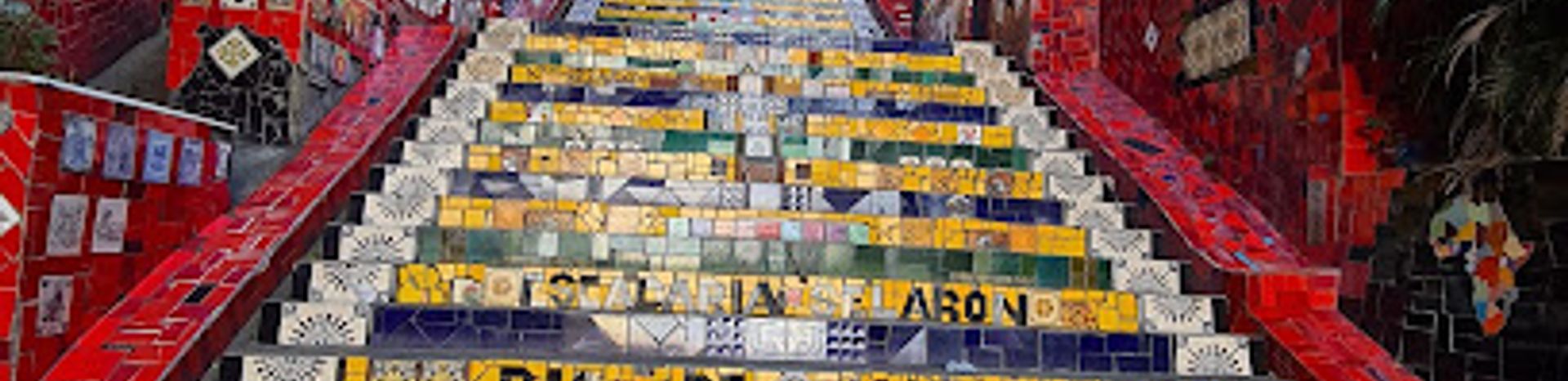
Escadaria Selarón: A Mosaic Stairway to Artistic Heights
Discover Rio's vibrant Escadaria Selarón: a stunning mosaic staircase connecting Lapa and Santa Teresa, a testament to art, culture, and global unity.
Escadaria Selarón, also known as the 'Lapa Steps,' is a vibrant public artwork in Rio de Janeiro, created by Chilean-born artist Jorge Selarón. Beginning in 1990, Selarón transformed a dilapidated staircase into a mosaic of over 2,000 tiles collected from more than 60 countries, a colorful tribute to the Brazilian people and a symbol of global unity.
A brief summary to Escadaria Selarón
- R. Manuel Carneiro, Rio de Janeiro, Santa Teresa, State of Rio de Janeiro, 20241-120, BR
- Visit website
Local tips
- Visit during daylight hours to fully appreciate the vibrant colors and intricate details of the mosaic tiles.
- Wear comfortable shoes, as you'll be walking up and down the steps and exploring the surrounding neighborhoods.
- Be mindful of your belongings, as the area can get crowded, and petty theft can occur.
- Bring a camera to capture the unique beauty of the steps and the surrounding Lapa and Santa Teresa neighborhoods.
- Consider visiting early in the morning to avoid crowds and get the best photos.

Getting There
-
Walking
If you are in the Lapa or Santa Teresa neighborhood, walking to Escadaria Selarón is straightforward. From the Arcos da Lapa (Lapa Arches), walk about 5 minutes to Rua Manuel Carneiro, where the steps are located. The steps connect Rua Joaquim Silva in Lapa with Rua Pinto Martins in Santa Teresa. Be prepared for a steep walk if approaching from Santa Teresa.
-
Public Transport
The closest metro station to Escadaria Selarón is Cinelândia. From Cinelândia, you can take a bus to Santa Teresa or walk for about 25 minutes. Several bus lines serve the area around Rua Teixeira de Freitas, near the steps. Bus fares are typically around R$4.70. Alternatively, from the Carioca station, it's about a 15-minute walk to the steps. A single metro ride costs R$7.50.
-
Taxi/Ride-Share
Taxis and ride-sharing services like Uber are readily available in Rio de Janeiro. A taxi from Cinelândia to Escadaria Selarón will be a short ride, costing approximately R$25.60, with a base fare of R$5.6 and R$4 per km. Ensure the driver turns on the meter or negotiate a flat rate beforehand. Uber fares may vary depending on demand and time of day.
-
Car
If driving, navigate to Rua Manuel Carneiro, Santa Teresa. Parking near Escadaria Selarón is limited. There is free parking on the upper part of the staircase, at the intersection between Rua Manuel Carneiro and Ladeira da Lapa. The nearest parking garage is Estapar Estacionamentos. Be aware of local parking regulations and fees.
Discover more about Escadaria Selarón
Iconic landmarks you can’t miss

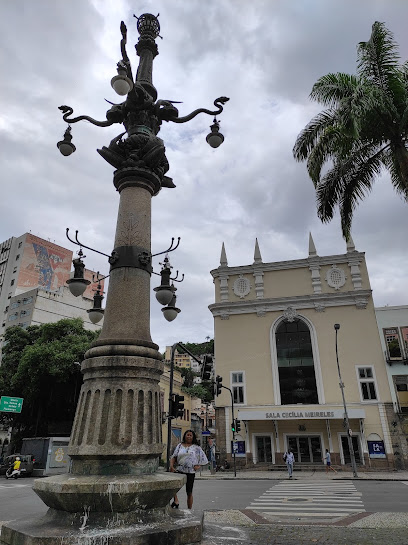
Lampadário da Lapa
0.2 km
Discover the Lampadário da Lapa, a historical landmark in Rio de Janeiro's vibrant Lapa, showcasing art, culture, and stunning urban beauty.
Lapa Irish Pub
0.2 km
Experience the vibrant blend of Irish hospitality and Brazilian energy in the heart of Rio's bohemian Lapa neighborhood.
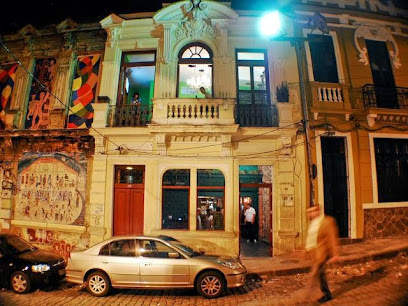
Boate Boas intenções - Lapa
0.2 km
Experience Rio's vibrant nightlife at Boate Boas Intenções in Lapa, where music and an electric atmosphere create unforgettable nights.
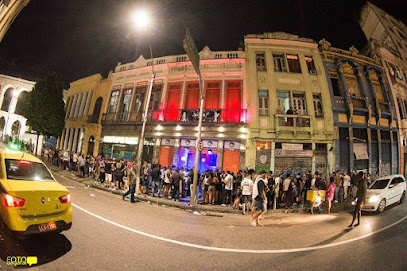
IHGRJ - Historical and Geographical Institute of Rio de Janeiro
0.3 km
Explore Rio de Janeiro's past at the Historical and Geographical Institute, a treasure trove of local history and culture.
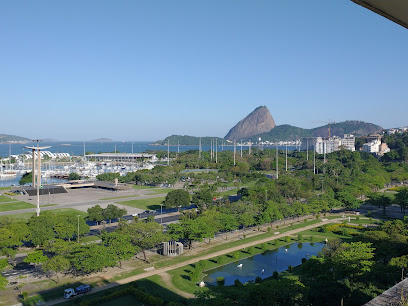
Circo Voador
0.3 km
Experience Rio's vibrant music scene at Circo Voador, a legendary venue in the heart of Lapa, next to the iconic Arcos da Lapa.
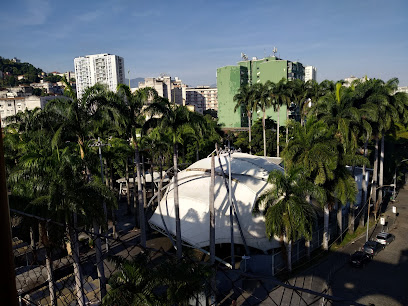
Arco iris da lapa
0.3 km
A classic Lapa bar since 1960, offering affordable drinks and a lively atmosphere in the heart of Rio de Janeiro's bohemian neighborhood.
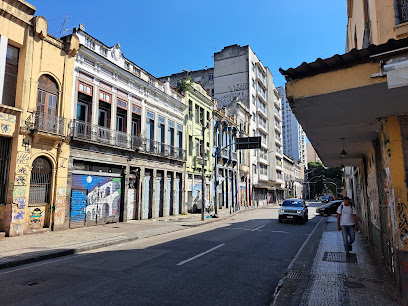
Mirante do Curvelo
0.5 km
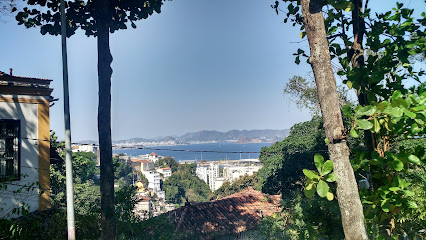
Discover panoramic Rio views from Mirante do Curvelo in Santa Teresa, a bohemian haven of art, culture, and stunning vistas.
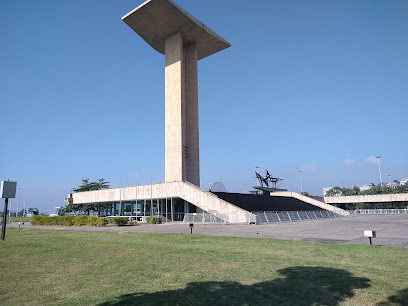
Monumento Nacional aos Mortos da Segunda Guerra Mundial
0.6 km
A striking memorial in Rio de Janeiro honoring the Brazilian soldiers who fought and died during World War II in the Italian Campaign.
Câmara Municipal do Rio de Janeiro
0.6 km
Visit the Câmara Municipal in the Palácio Pedro Ernesto, a landmark of Rio de Janeiro's Cinelândia, steeped in history and political significance.

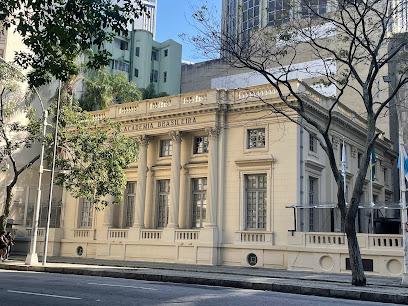
Brazilian Academy of Letters
0.8 km
Explore Brazil's literary heart at the Academia Brasileira de Letras in Rio de Janeiro, a neoclassical masterpiece dedicated to the Portuguese language.
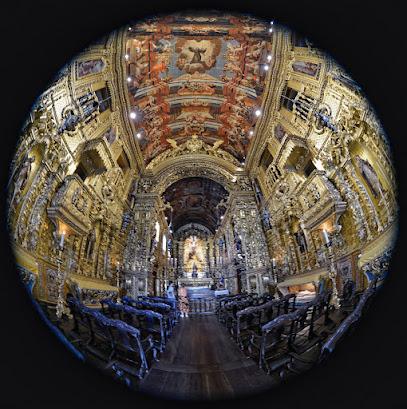
Igreja da Venerável Ordem Terceira de São Francisco da Penitencia
0.9 km
Discover Rio's hidden gem: A breathtaking Baroque church with an opulent, gold-laden interior and rich colonial history.
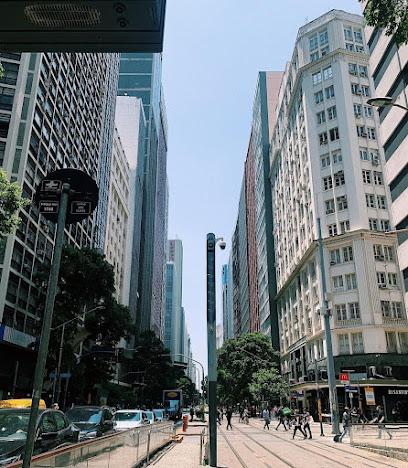
Av. Rio Branco
1.1 km
Experience Rio's vibrant history and modern dynamism on Avenida Rio Branco, a bustling avenue with iconic architecture and cultural landmarks.
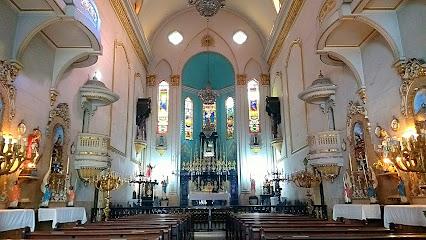
Venerável Confraria Nossa Senhora da Lampadosa
1.1 km
Discover a historic church in Rio's Centro, with a rich heritage rooted in the devotion of Afro-Brazilian Catholics.
Aprazível
1.4 km
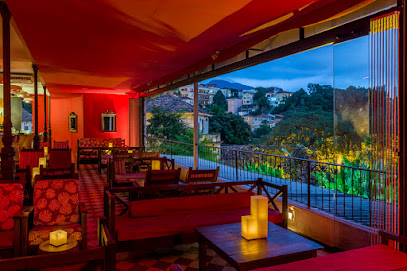
Experience the essence of Brazilian cuisine at Aprazível, a stunning restaurant in Santa Teresa, Rio de Janeiro, with breathtaking views and vibrant ambiance.

Tiradentes Palace
1.4 km
Explore the Tiradentes Palace in Rio de Janeiro, a landmark of Brazilian history, architecture, and democracy in the heart of Centro.

Unmissable attractions to see

Lapa
0.2 km
Experience Rio's vibrant culture in Lapa: historical landmarks, colorful streets, and unforgettable nightlife in the heart of Brazilian bohemia.
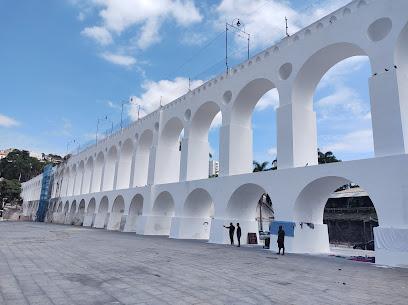
Arcos da Lapa | Aqueduto da Carioca
0.2 km
Discover the Arcos da Lapa in Rio de Janeiro: a historic aqueduct, iconic landmark, and gateway to Lapa's vibrant nightlife and culture.
Beco do Rato - Lapa
0.2 km
Experience authentic samba and vibrant Carioca culture at Beco do Rato, Lapa's iconic music sanctuary.

Leviano Bar
0.3 km
Experience Rio's vibrant nightlife at Leviano Bar in Lapa, with live music, delicious drinks, and an unforgettable atmosphere.
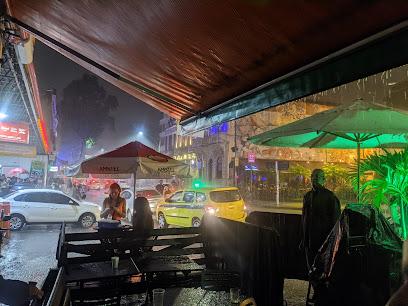
Passeio Público
0.4 km
Discover Rio's oldest park, Passeio Público: a historic oasis of tranquility with gardens, sculptures, and a glimpse into Brazil's colonial past.
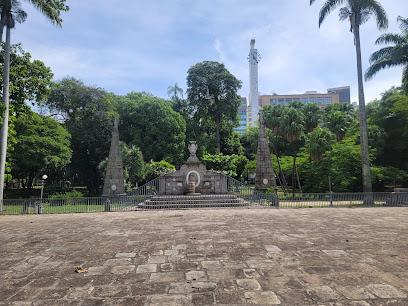
Bar Carioca da Gema
0.4 km
Experience authentic Brazilian music and culture at Bar Carioca da Gema, a vibrant Lapa hotspot with live samba, delicious cocktails, and a lively atmosphere.
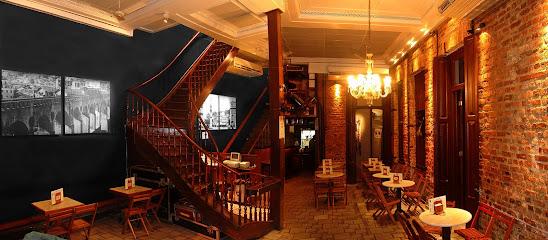
Café Cultural Sacrilégio - Lapa
0.4 km
Experience the heart of Rio's nightlife at this Lapa cultural gem, offering live samba, delicious food, and a vibrant atmosphere.
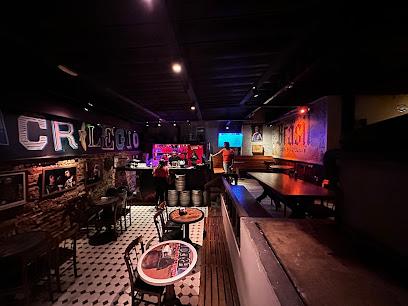
Parque das Ruínas
0.4 km
Experience the blend of culture and nature at Parque das Ruínas in Santa Teresa, a must-visit destination for art lovers and peace seekers in Rio de Janeiro.

Democratic Club
0.4 km
Experience the heart of Rio's nightlife at the historic Democratic Club in Lapa, where samba and forró rhythms ignite the dance floor.
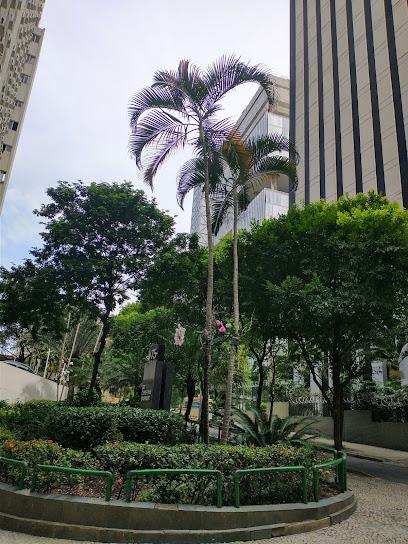
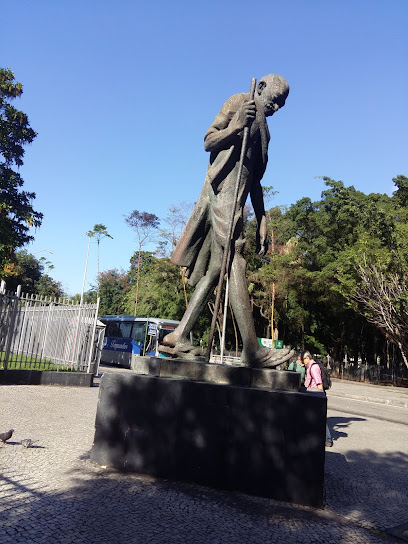
Gandhi statue
0.5 km
A serene monument in Rio de Janeiro honoring Mahatma Gandhi's legacy of peace and non-violence, inviting reflection and cultural exploration.
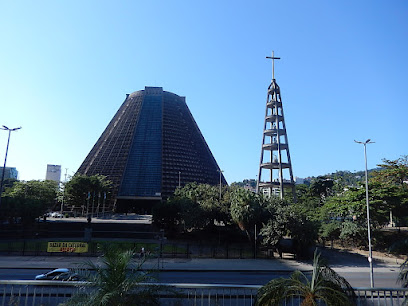
Catedral Metropolitana de São Sebastião do Rio de Janeiro
0.5 km
Discover Rio's modern architectural marvel, a unique cathedral inspired by Mayan pyramids, featuring stunning stained glass and a vast interior.
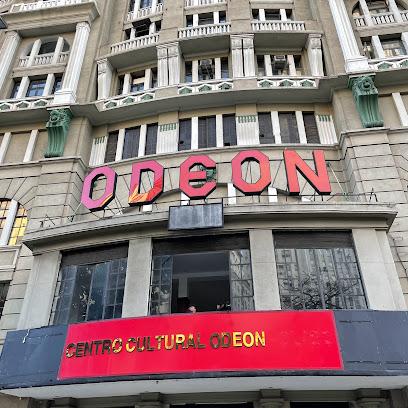
Centro Cultural Luiz Severiano Ribeiro
0.5 km
Experience cinematic history at Centro Cultural Luiz Severiano Ribeiro, a landmark cinema in Rio de Janeiro's vibrant Cinelândia district.
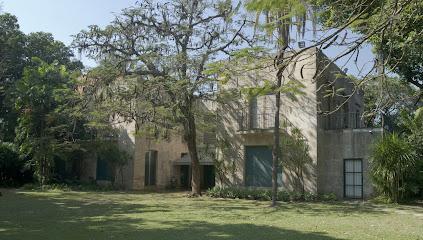
Museu da Chácara do Céu
0.6 km
Explore art, architecture, and panoramic views at this Santa Teresa gem, showcasing Brazilian culture and history.
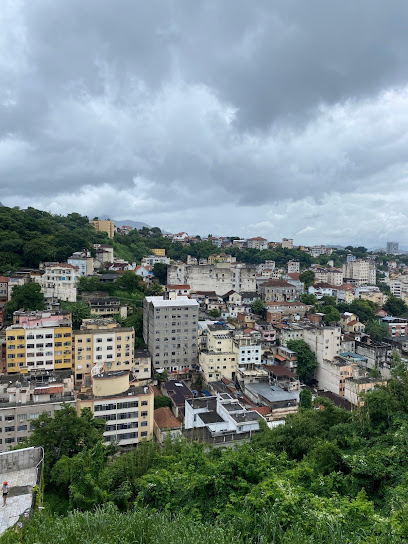
Largo do Curvelo
0.6 km
Experience the vibrant culture and stunning views at Largo do Curvelo, a scenic gem in Santa Teresa, Rio de Janeiro.

Station of Santa Teresa trams
0.6 km
Experience Rio's bohemian side with a ride on the historic Santa Teresa Tram, offering stunning views and a glimpse into the city's artistic heart.
Essential places to dine

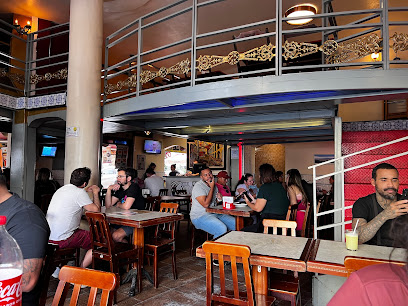
Os Ximenes
0.0 km
Experience vibrant Brazilian cuisine and nightlife at Os Ximenes in Lapa, where every meal is a celebration of flavors.
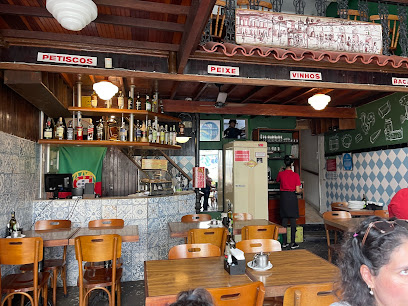
Adega Flor de Coimbra
0.0 km
Discover the essence of Portuguese cuisine at Adega Flor de Coimbra in Rio's lively Lapa district – where tradition meets flavor.
restaurante Cortiço Carioca
0.1 km
Discover authentic Brazilian cuisine in Lapa at Restaurante Cortiço Carioca - where every dish tells a story.
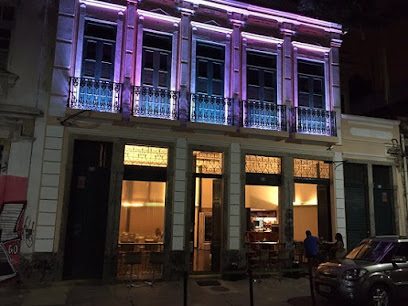
Bar Ernesto
0.1 km
Discover Bar Ernesto: A vibrant German bar in Lapa offering authentic cuisine and local brews amidst Rio de Janeiro's energetic nightlife.
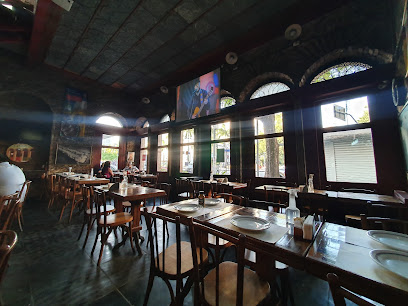
Panka Peruvian Kitchen
0.3 km
Discover authentic Peruvian cuisine at Panka Peruvian Kitchen in Lapa, Rio de Janeiro – where every dish tells a story.
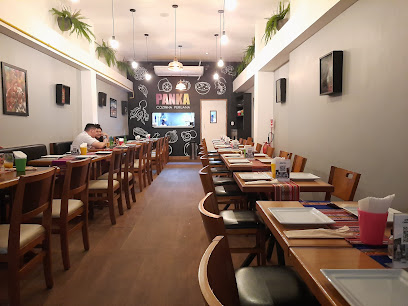
Bar Victor
0.3 km
Discover Bar Victor in Lapa: A culinary haven offering gourmet hamburgers and delectable tapas amidst Rio's vibrant nightlife.
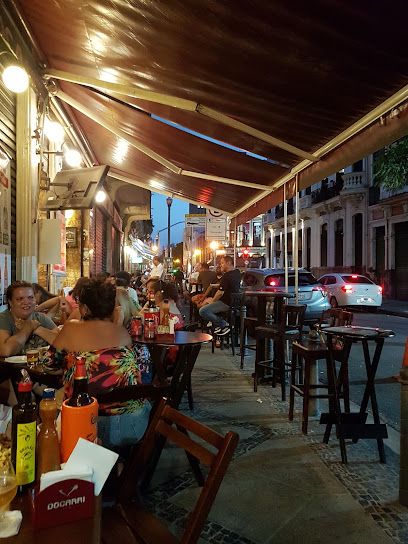
Restaurante Bar Brasil
0.4 km
Discover the taste of Germany in Rio de Janeiro at Restaurante Bar Brasil - where traditional cuisine meets vibrant culture.
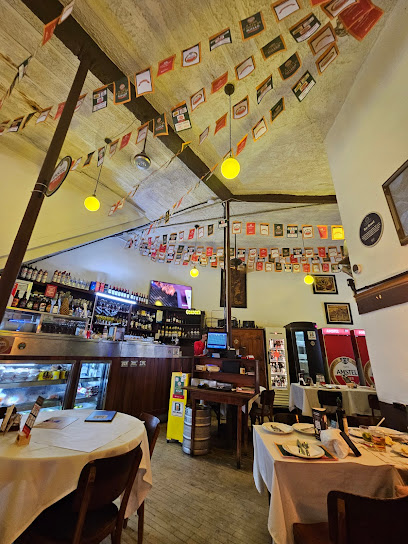
Nova Capela Restaurant & Bar
0.4 km
Experience authentic Brazilian and Portuguese cuisine at Nova Capela Restaurant & Bar in Lapa, Rio de Janeiro - a culinary gem brimming with flavor.
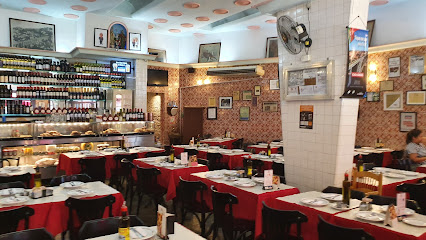
Boteko do Juca
0.4 km
Discover Boteko do Juca in Lapa: where delicious pastéis meet refreshing drinks in Rio de Janeiro's lively atmosphere.
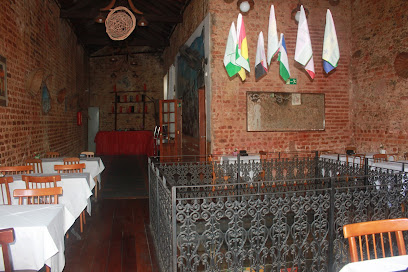
Dos Santos Restaurante
0.7 km
Experience authentic Brazilian cuisine at Dos Santos Restaurante in Lapa, where every meal tells a story of flavor and tradition.
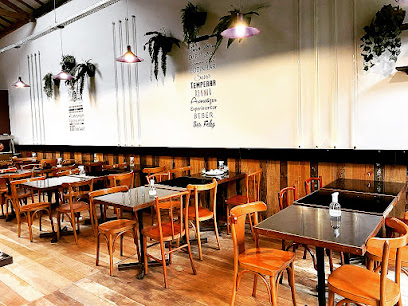
Razzi Restaurante
0.7 km
Discover the authentic taste of Brazil at Razzi Restaurante in Rio de Janeiro's vibrant Centro district.
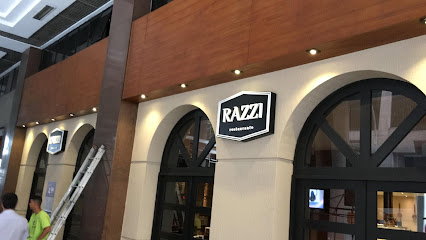
Bistrô Villarino
0.8 km
Experience exceptional cuisine at Bistrô Villarino in Rio's Centro – where tradition meets modern gastronomy in an elegant setting.
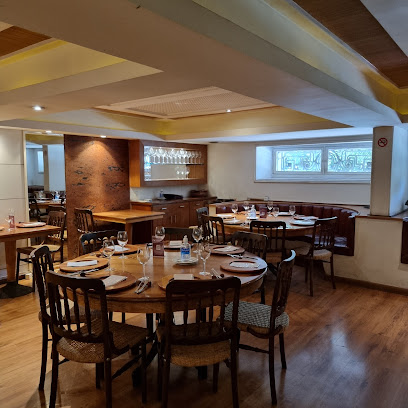
Adega do Pimenta
0.8 km
Discover Adega do Pimenta: A delightful fusion of German cuisine and Brazilian charm in the heart of Santa Teresa.
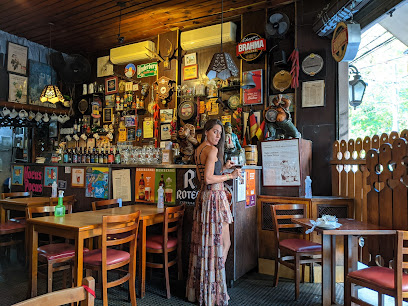
Restaurante Sobrenatural
0.9 km
Experience exquisite seafood at Restaurante Sobrenatural in Santa Teresa, where fresh ingredients meet Brazilian culinary artistry.
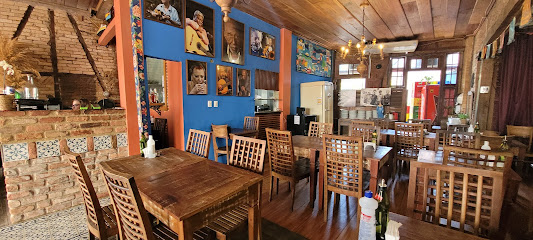
Café do Alto
1.0 km
Experience authentic Brazilian cuisine at Café do Alto in Santa Teresa, where every meal is a celebration of culture and flavor.
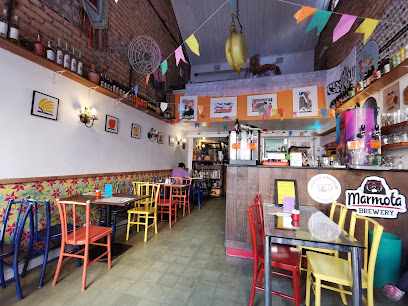
Markets, malls and hidden boutiques

lapaearte
0.0 km
Explore Lapaearte, a vibrant craft store in Rio de Janeiro, showcasing unique handmade creations and local artistry for every traveler.
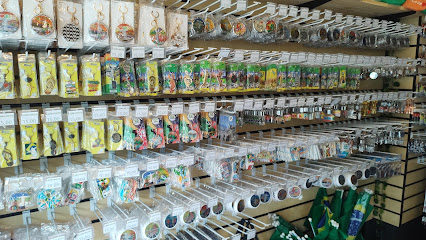
Loja Pence
0.1 km
Discover the essence of Brazilian fashion at Loja Pence, a chic clothing store in Rio de Janeiro's vibrant Centro district.

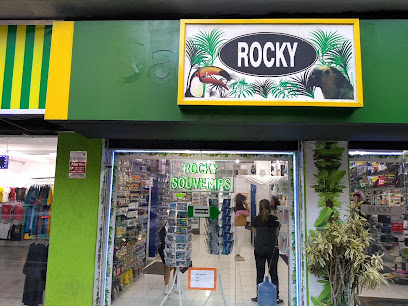
Rocky Souvenirs
0.1 km
Explore the vibrant world of Brazilian souvenirs at Rocky Souvenirs, Copacabana's unique novelty store offering authentic keepsakes.
Cristalit II
0.2 km
Explore Cristalit II in Rio's Lapa district for exquisite mirrors and picture frames that capture the essence of Brazilian craftsmanship.
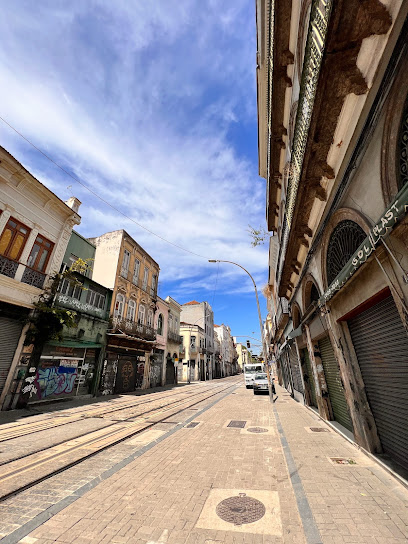
Esplendor Joias Estilo & Luxo
0.2 km
Discover the vibrant world of costume jewelry at Esplendor Joias Estilo & Luxo, where Brazilian creativity meets affordable elegance in the heart of Lapa.
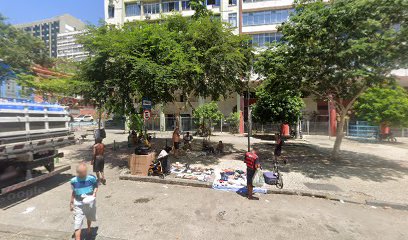
Marioca Moda
0.2 km
Explore the vibrant styles at Marioca Moda, a top women's clothing store in Rio de Janeiro's bustling Centro district.

Maria Rendeira Arte e decoração
0.2 km
Explore the vibrant world of Brazilian artistry at Maria Rendeira Arte e Decoração in Rio de Janeiro's historic Lapa district.
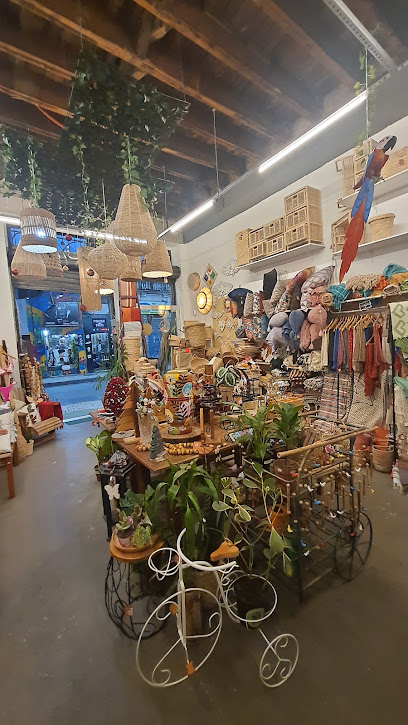
BAGGIO
0.2 km
Explore the vibrant fashion scene of Rio de Janeiro at BAGGIO, a designer clothing store in the historic Lapa district, where style meets culture.
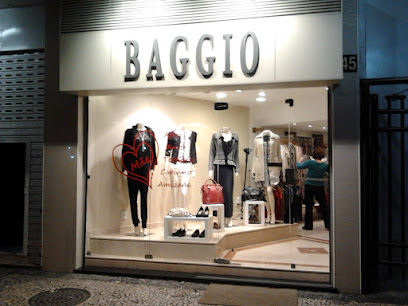
A & M Colecionáveis e Antiguidades - Rio De Janeiro
0.2 km
Discover unique antiques and second-hand treasures at A & M Colecionáveis e Antiguidades in the vibrant Lapa district of Rio de Janeiro.
Lúdka And Co
0.3 km
Explore Lúdka And Co, a gift shop in Lapa, Rio de Janeiro, where unique treasures and local crafts await to capture the city's vibrant spirit.
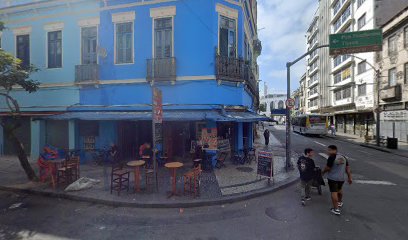
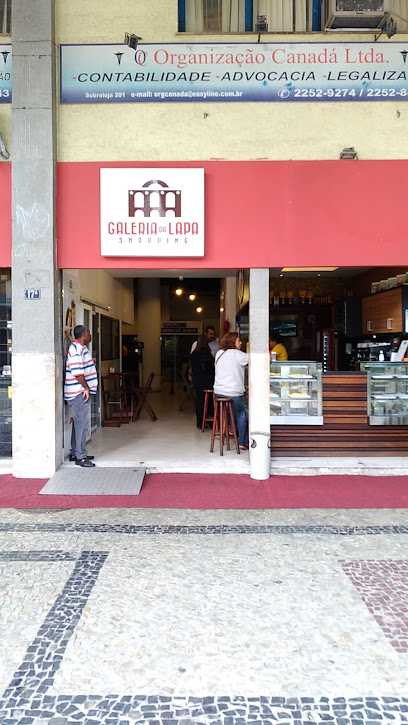
Galeria da Lapa Shopping
0.4 km
Explore Galeria da Lapa Shopping in Rio de Janeiro: A vibrant shopping experience with local flair, diverse dining, and unique finds.
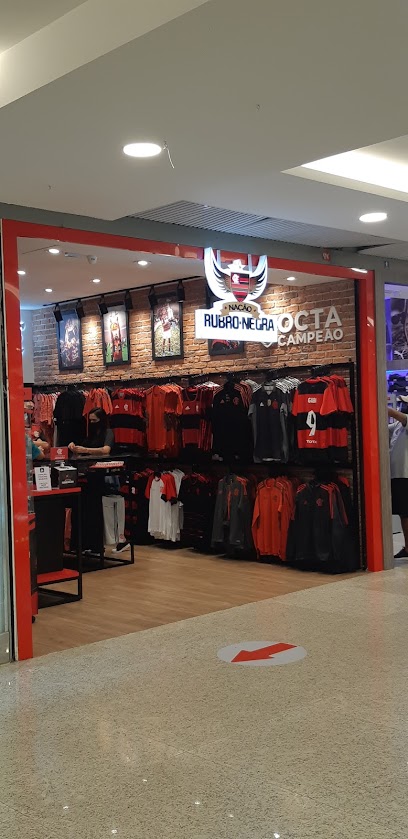
Raça Rubro-Negra
0.5 km
Discover the vibrant sportswear culture at Raça Rubro-Negra, where style meets passion in the heart of Rio de Janeiro.
BRAZUCA STORE
0.7 km
Experience the vibrant spirit of Rio de Janeiro through unique T-shirts at the Brazuca Store, your go-to destination for authentic Brazilian souvenirs.
Lolô Chic
0.8 km
Explore the vibrant styles of Lolô Chic in Santa Teresa, where fashion meets the colorful essence of Rio de Janeiro.
Melhor das Casas
0.9 km
Explore Melhor das Casas, a vibrant craft store in Rio de Janeiro, where creativity meets culture and every item tells a story.
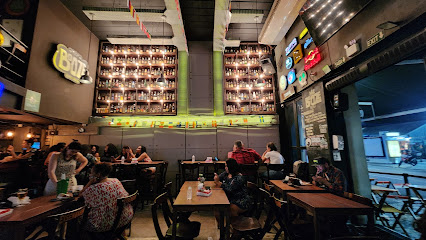
Essential bars & hidden hideouts

Booze Bar Lapa
0.3 km
Experience the vibrant culinary delights of Booze Bar Lapa, where gourmet burgers and craft beers meet a lively atmosphere in Rio de Janeiro.
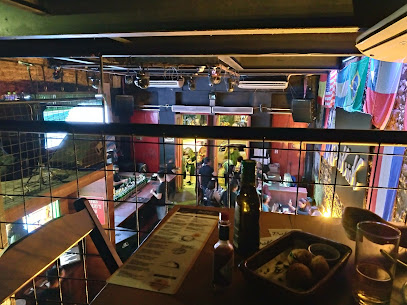
Pub Kriok
0.3 km
Discover the vibrant nightlife at Pub Kriok, a premier bar and disco club in Lapa, Rio de Janeiro, where music and fun collide.
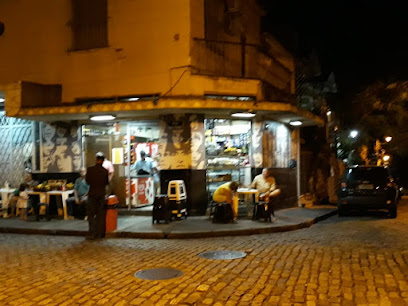
Bar do Serginho
0.3 km
Discover the essence of Brazilian nightlife at Bar do Serginho, where vibrant culture meets delicious flavors in the heart of Santa Teresa.
Improviso Lounge Bar
0.3 km
Discover the lively Improviso Lounge Bar in Lapa, Rio de Janeiro, where creative cocktails and live music create an unforgettable nightlife experience.
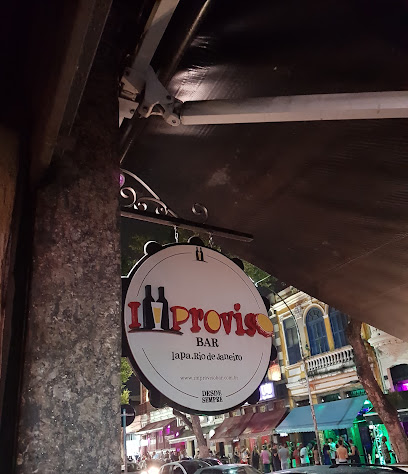
Antonio's Bar
0.4 km
Experience the vibrant Brazilian nightlife at Antonio's Bar in Lapa, where delicious food and lively atmosphere come together.
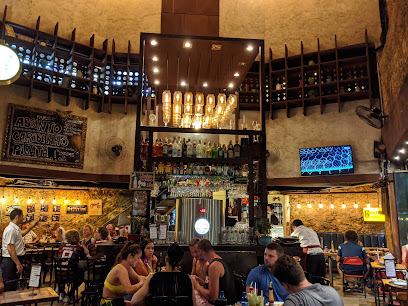
Boteco Carioquinha
0.4 km
Experience the essence of Rio de Janeiro's nightlife at Boteco Carioquinha, where vibrant culture and delicious drinks meet in perfect harmony.
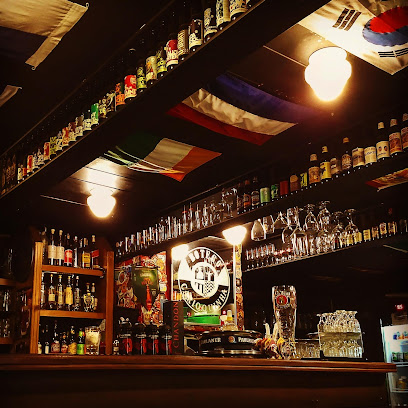
Bohemian Lapa Cavern Pub
0.4 km
Discover the lively spirit of Rio's nightlife at the Bohemian Lapa Cavern Pub, where music, drinks, and vibrant culture collide.
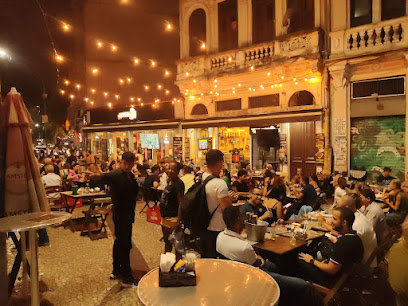
Bar da Cachaça Original
0.5 km
Dive into the heart of Rio's nightlife at Bar da Cachaça Original, where vibrant music, authentic drinks, and local flavors await.
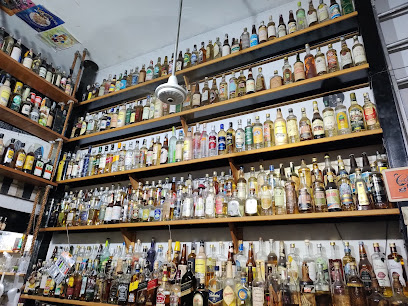
Explorer Bar
0.9 km
Explore the vibrant cocktail culture of Santa Teresa at Explorer Bar, where creative drinks and lively ambiance come together for an unforgettable night.
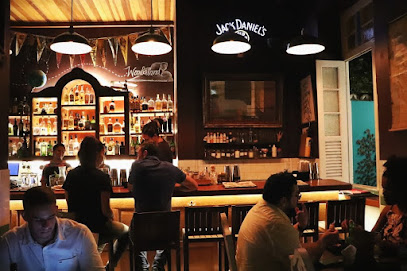
Casa Nossa Lounge
1.0 km
Experience the vibrant culture of Rio at Casa Nossa Lounge, a lively bar and restaurant nestled in the charming Santa Teresa neighborhood.
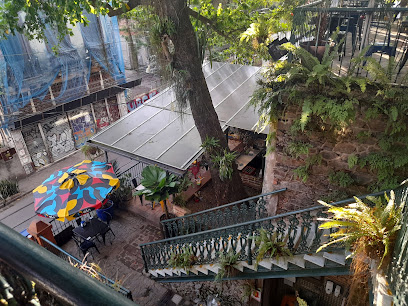
Bar Simplesmente
1.0 km
Discover the vibrant cocktails and lively atmosphere of Bar Simplesmente, a charming bar in Santa Teresa, Rio de Janeiro, perfect for a night out.
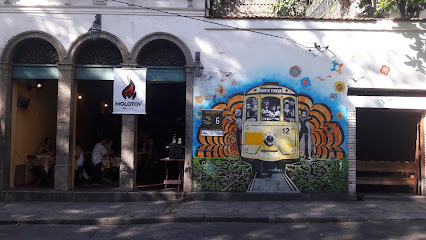
Bar dos Descasados
1.2 km
Immerse yourself in the vibrant atmosphere of Bar dos Descasados, a cultural gem in Santa Teresa, Rio de Janeiro, where art and nightlife come alive.
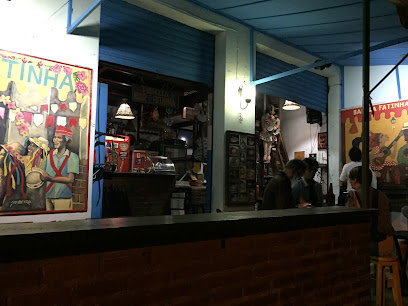
Bar da Fatinha
1.2 km
Experience the vibrant local culture at Bar da Fatinha in Santa Teresa, a cozy bar offering authentic drinks and a lively atmosphere.
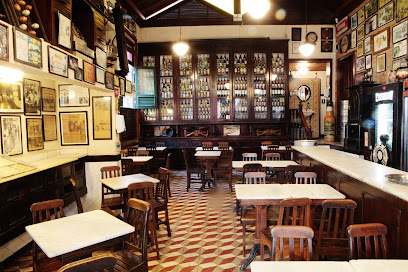
Bar Armazém São Thiago - Santa Teresa
1.3 km
Experience the vibrant nightlife at Bar Armazém São Thiago in Santa Teresa, where delicious cocktails and local culture come together.
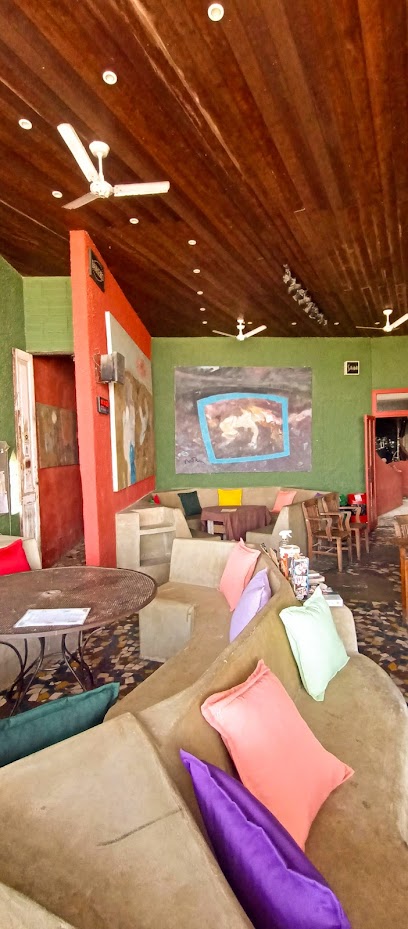
The Maze Rio
1.5 km
Discover the vibrant atmosphere and cultural richness of The Maze Rio, a unique bar experience in the heart of Catete, Rio de Janeiro.
Nightclubs & after hour spots

Febarj
0.2 km
Discover the electrifying nightlife of Rio de Janeiro at Febarj, a premier night club in the heart of Lapa known for its vibrant atmosphere and top-notch DJs.
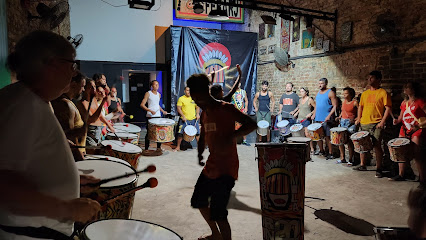
Sobraderia
0.2 km
Experience the vibrant nightlife of Lapa at Sobraderia, a premier night club in Rio de Janeiro, with electrifying music and an unforgettable atmosphere.
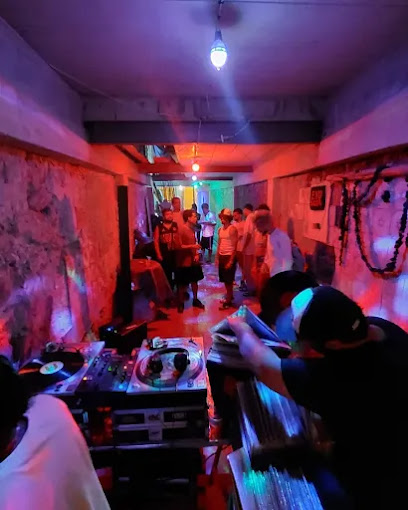
Teatro Odisséia
0.3 km
Experience the electric nightlife of Lapa at Teatro Odisséia, where music, dance, and culture intersect in Rio de Janeiro.
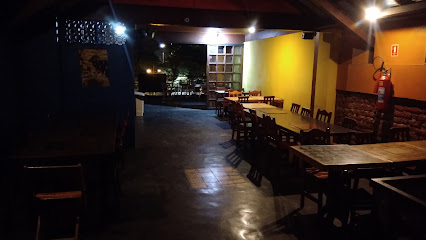
Portal Club
0.4 km
Discover the electrifying nightlife at Portal Club, a premier night club in Lapa, Rio de Janeiro, where music and energy come alive.
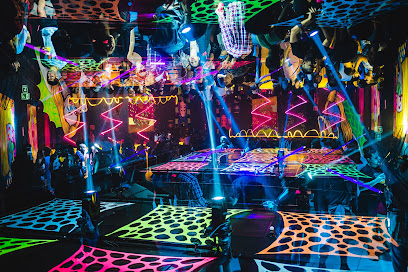
LADIES' CLUB - O Clube das Mulheres
0.4 km
Experience the vibrant nightlife at Ladies' Club - O Clube das Mulheres, a night club that celebrates women in the heart of Rio de Janeiro's Lapa district.
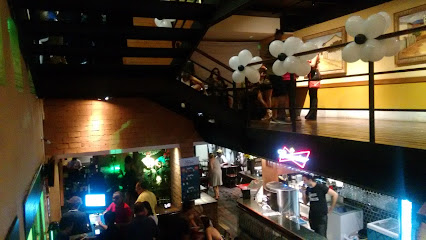
Insensato
0.4 km
Experience the vibrant nightlife at Insensato, a premier night club in Lapa, Rio de Janeiro, where music, dance, and culture collide for an unforgettable evening.
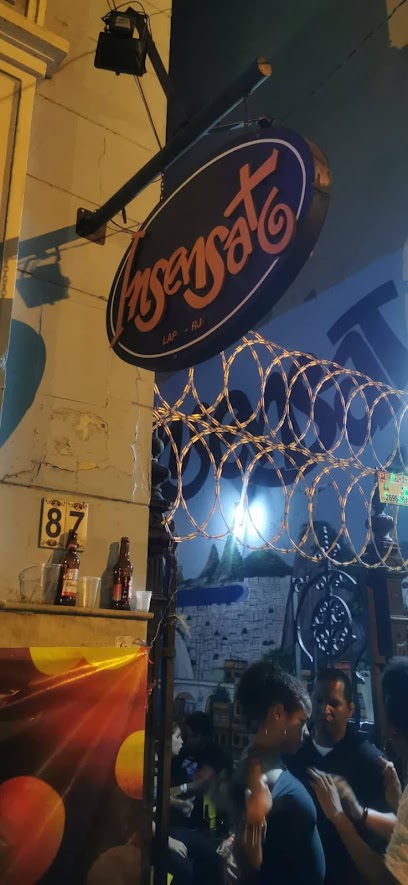
Termas Up House Night Club - Casa Noturna na Lapa
0.4 km
Discover the unique nightlife blend of clubbing and relaxation at Termas Up House in Lapa, Rio de Janeiro.

Indiscretus
0.4 km
Experience the vibrant nightlife of Lapa at Indiscretus, where unforgettable dance parties and electrifying music await every night.
ROXXY Rio
0.4 km
Discover the exhilarating nightlife at ROXXY Rio, where music, dance, and the spirit of Lapa come alive in an unforgettable party experience.
Heaven Club Rio
0.4 km
Discover the vibrant nightlife of Heaven Club Rio, where music, dance, and culture blend in the heart of Santa Teresa.

PIPPER CLUB
0.4 km
Experience the vibrant nightlife of Rio de Janeiro at Pipper Club, where music and culture blend in a lively atmosphere.
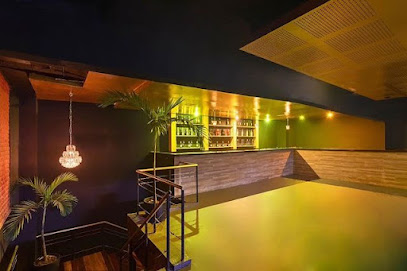
Pub Lapa
0.5 km
Discover the vibrant nightlife of Rio de Janeiro at Pub Lapa, where music and culture come alive in a lively atmosphere.

Street Lapa
0.6 km
Discover the lively atmosphere of Street Lapa, a premier night club in Rio de Janeiro, known for its inclusive vibe and exhilarating dance experiences.
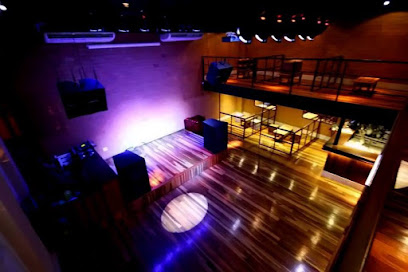
Castelo do Alto
2.6 km
Discover the lively nightlife of Castelo do Alto in Santa Teresa, where music, culture, and stunning views create unforgettable experiences.
Laje da bambina
3.8 km
Experience the vibrant nightlife of Rio de Janeiro at Laje da Bambina, where stunning views and electrifying music create unforgettable nights.