

Free Fresno Travel Guide & Mobile App
Plan your Fresno trip with Evendo. Get free guides to top attractions, restaurants, hotels, and bars. Web access or download the mobile app.


Fresno, California, pairs Central Valley agriculture with Armenian and Mexican food, historic districts, gardens, art, and gateways to Yosemite and Sequoia.
An Agricultural Crossroads
Fresno stands in the fertile centre of California's San Joaquin Valley, where orchards, vineyards and fields stretch towards the Sierra Nevada. The city's identity is closely tied to agriculture, yet its character is shaped just as strongly by the Armenian, Mexican, Hmong, African American and other communities that have made the valley their home. Seasonal farm produce, independent restaurants and neighbourhood markets provide a direct connection with the surrounding countryside.Read more about Fresno
Neighbourhoods and Cultural Life
Gardens and Mountain Gateways
When is the best time to visit Fresno?
Best: April–May, October · 26–30°C| Month | High (°C) | Rainfall (mm) |
|---|---|---|
| January | 14 | 45 |
| February | 17 | 40 |
| March | 21 | 35 |
| April (best) | 26 | 20 |
| May (best) | 30 | 10 |
| June | 35 | 2 |
| July | 39 | 1 |
| August | 37 | 1 |
| September | 34 | 5 |
| October (best) | 26 | 10 |
| November | 18 | 25 |
| December | 13 | 40 |
Getting to and around Fresno
How to get there
Transportation
Best attractions in Fresno
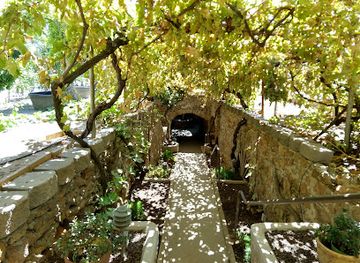
Fresno's attractions range from the unusual Forestiere Underground Gardens, a hand-dug subterranean landscape of tunnels, courtyards and citrus-growing spaces, to the family-oriented Fresno Chaffee Zoo in Woodward Park. The park also contains Shinzen Japanese Garden, whose ponds, bridges and seasonal planting offer a quieter interpretation of the valley's relationship with irrigated landscapes. Kearney Park combines broad lawns with the Kearney Mansion Museum, recalling the agricultural wealth of the late nineteenth century. In the centre, the Fresno Art Museum presents changing exhibitions alongside a collection focused on modern and contemporary art, while the Meux Home Museum preserves an early Victorian residence. The Tower District adds a different kind of sightseeing, with historic buildings, independent businesses and the restored Warnors Theatre. These places reveal Fresno as an agricultural city with layered communities, rather than merely a stopping point on the route to the Sierra Nevada.
-
Tourist attraction
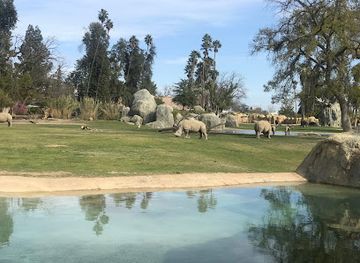
Fresno Chaffee Zoo
Experience the incredible diversity of wildlife at Fresno Chaffee Zoo, where adventure and education come together in the heart of California.
11 min drive · 3.6 km from city centre
-
Tourist attraction
Fresno Chaffee Zoo
Explore the vibrant world of wildlife at Fresno Chaffee Zoo, where education meets adventure in a family-friendly environment.
11 min drive · 3.6 km from city centre
-
Tourist attraction
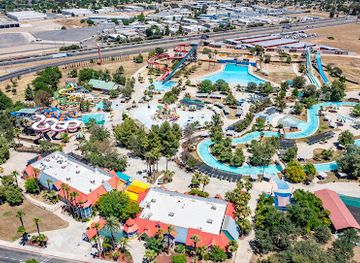
Island Waterpark
Experience the ultimate fun at Island Waterpark in Fresno, California, with thrilling slides, a lazy river, and family-friendly attractions.
33 min drive · 13 km from city centre
-
Tourist attraction
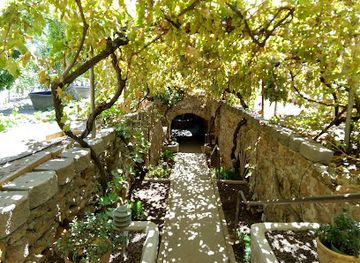
Forestiere Underground Gardens
Explore the Forestiere Underground Gardens, a historical landmark in Fresno, CA, where art, nature, and innovation come together in breathtaking underground tunnels.
31 min drive · 11 km from city centre

Best landmarks in Fresno
Fresno's landmark character is closely tied to agriculture, civic infrastructure and early urban districts. The Fresno Water Tower, built in 1894, is a surviving symbol of the city's early municipal development and now stands near the downtown railway area. Kearney Mansion in Kearney Park represents the wealth and ambitions of a major agricultural estate, while the Meux Home Museum preserves the domestic architecture of Fresno's late nineteenth-century professional class. St John's Cathedral, completed in the early twentieth century, reflects the city's Catholic history and enduring civic presence. In the Tower District, the Warnors Theatre is a distinctive example of historic entertainment architecture and remains a cultural venue rather than simply a façade. The Forestiere Underground Gardens form an unconventional landmark of personal labour and irrigation-era ingenuity, demonstrating how Fresno's built heritage can be both monumental and deeply connected to the valley's soil and water.
-
Zoo
Fresno Chaffee Zoo
Discover the enchanting Fresno Chaffee Zoo, a premier tourist attraction showcasing diverse wildlife and committed to conservation and education.
11 min drive · 3.6 km from city centre
-
Historical landmark
Forestiere Underground Gardens
Explore the magical Forestiere Underground Gardens, a unique historical landmark in Fresno, California, showcasing a creative underground oasis.
31 min drive · 11 km from city centre
-
Stadium
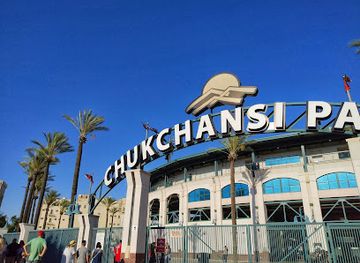
Chukchansi Park
Experience the thrill of live sports at Chukchansi Park in Fresno, a premier stadium offering exciting games and community events in a vibrant downtown setting.
9 min walk · 0.7 km from city centre
-
Park
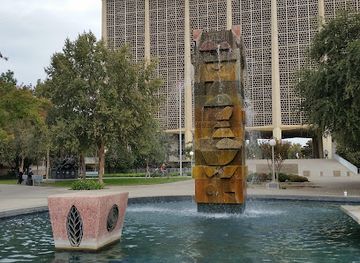
Courthouse Park
Explore the serene Courthouse Park in downtown Fresno for a blend of history, nature, and relaxation amidst lush greenery and beautiful monuments.
4 min walk · 0.3 km from city centre
Explore Fresno on the map
Plan your Fresno trip on one map. See where the top attractions, landmarks, restaurants, bars and hotels are, find what's near where you're staying, and book hotels and experiences in a few clicks.
Best hotels in Fresno
Best restaurants in Fresno
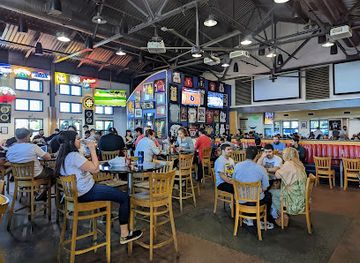
Fresno's dining culture reflects the produce-rich San Joaquin Valley and the migration histories of its residents. Armenian influence is especially visible in restaurants and bakeries serving dishes such as mantou, dolma, grilled meats and fresh breads, while Mexican and Mexican American cooking ranges from taquerias and panaderias to regional family kitchens. Hmong, Thai, Lao and other Southeast Asian traditions add herbs, noodles, grilled meats and intricate spice profiles to the local food landscape. Central Valley fruit, nuts, grapes and vegetables appear in farmers' markets, cafés and seasonal menus. The Tower District has one of the city's most concentrated collections of independent dining and drinking venues, while Downtown and suburban commercial areas provide further variety. Local markets and farm stands are useful places to understand the agricultural economy, though much of the region's food production lies beyond the city itself.
-
Grill
Dog House Grill
Experience the best of Fresno's culinary scene at Dog House Grill with its delicious grilled dishes and inviting atmosphere.
27 min drive · 9.0 km from city centre
-
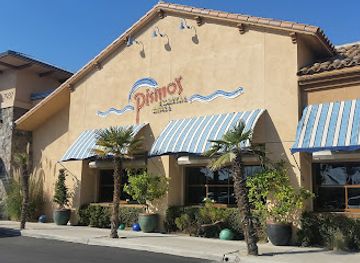
Seafood
Pismo's Coastal Grill
Savor fresh seafood at Pismo's Coastal Grill in Fresno - where culinary excellence meets coastal charm.
33 min drive · 13 km from city centre
-
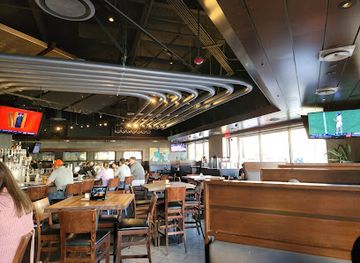
New American
Yard House
Discover vibrant dining at Yard House in Fresno—home to New American cuisine, craft beers, and a lively sports bar atmosphere.
32 min drive · 12 km from city centre
-
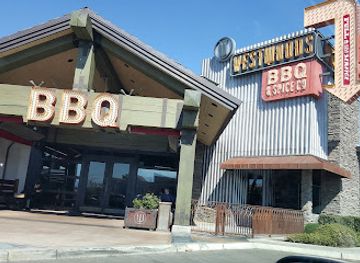
Barbecue
Westwoods BBQ & Spice Co
Experience the rich flavors of authentic barbecue at Westwoods BBQ & Spice Co in Fresno - where every bite tells a story.
33 min drive · 13 km from city centre
Best bars in Fresno
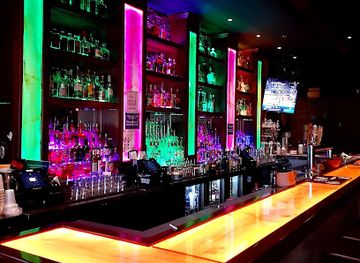
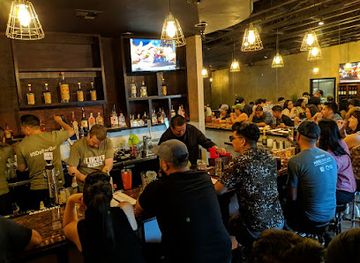
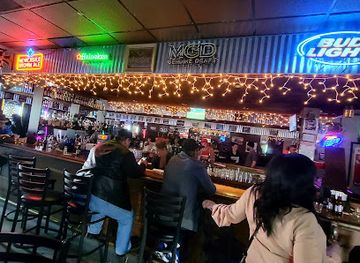
Fresno's evening life is concentrated most visibly in the Tower District, where older commercial buildings hold bars, cafés, restaurants, live-music rooms and entertainment venues. The restored Warnors Theatre hosts film, performance and concert programming, while Strummer's is associated with live music and club events. Downtown has further cultural and evening activity, including events at venues around the Fulton Street area, and Tioga-Sequoia Brewing Company connects local beer with a social setting near the city centre. Nightlife is generally more neighbourhood-based than metropolitan, with audiences moving between food, music, theatre and bars rather than relying on a single club quarter. Programming changes, so visitors should check individual venues before making plans and should use a car service or taxi if travelling between districts after dark.
-
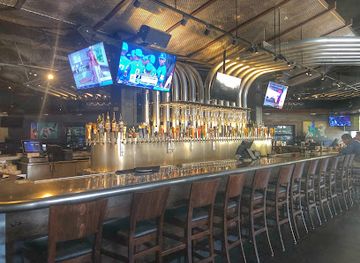
Bar
Yard House
Explore Yard House in Fresno for an unforgettable blend of New American cuisine, craft beers, and a lively sports bar atmosphere perfect for any occasion.
32 min drive · 12 km from city centre
-
Cocktail bar
Lucy's Lounge
Experience the vibrant nightlife of Fresno at Lucy's Lounge, where innovative cocktails meet live music in a welcoming atmosphere.
8 min drive · 2.6 km from city centre
-
Grill
The Lincoln Pub & Grub
Discover the heart of Fresno dining at The Lincoln Pub & Grub, where delicious grill favorites meet a vibrant atmosphere in the Tower District.
8 min drive · 2.7 km from city centre
-
Karaoke bar
The Bar
Experience the vibrant nightlife of Fresno at The Bar, your go-to spot for karaoke, pool, and fun.
21 min drive · 7.0 km from city centre
Best nightclubs in Fresno
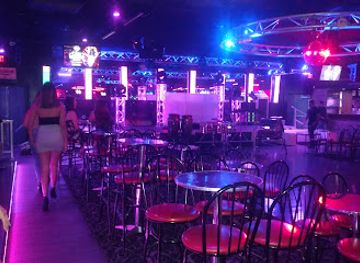
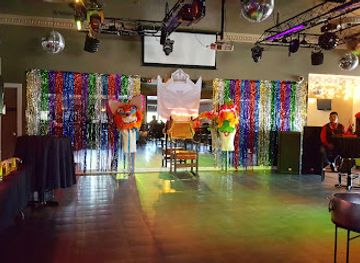
Fresno's evening life is concentrated most visibly in the Tower District, where older commercial buildings hold bars, cafés, restaurants, live-music rooms and entertainment venues. The restored Warnors Theatre hosts film, performance and concert programming, while Strummer's is associated with live music and club events. Downtown has further cultural and evening activity, including events at venues around the Fulton Street area, and Tioga-Sequoia Brewing Company connects local beer with a social setting near the city centre. Nightlife is generally more neighbourhood-based than metropolitan, with audiences moving between food, music, theatre and bars rather than relying on a single club quarter. Programming changes, so visitors should check individual venues before making plans and should use a car service or taxi if travelling between districts after dark.
-
Night club
Aldo's Nightclub & Restaurant
Discover the fusion of authentic Mexican cuisine and vibrant nightlife at Aldo's Nightclub & Restaurant in Fresno, California.
10 min drive · 3.2 km from city centre
-
Night club
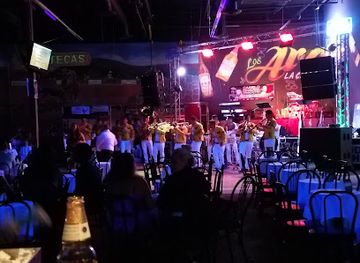
Los Arcos Night Club & Restaurant
Discover the nightlife at Los Arcos Night Club & Restaurant, where vibrant music, delicious food, and an electrifying atmosphere converge in Downtown Fresno.
15 min walk · 1.2 km from city centre
-
Night club
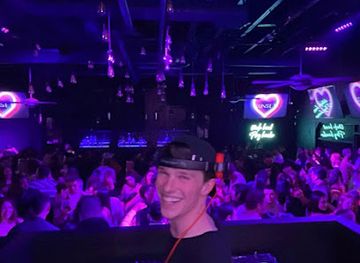
Sunset Nightclub
Dive into the vibrant nightlife of Fresno at Sunset Nightclub, where electrifying music and exhilarating dance create unforgettable experiences.
7 min drive · 2.4 km from city centre
-
Night club
Club Legends
Experience the vibrant nightlife at Club Legends in Fresno, where electrifying music and refreshing cocktails create unforgettable memories.
14 min drive · 4.6 km from city centre
Best shops in Fresno
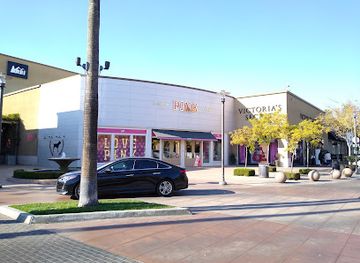
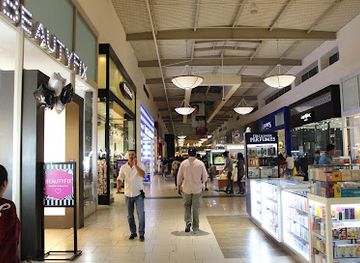
Shopping in Fresno combines practical suburban retail with independent neighbourhood businesses and produce linked to the surrounding farms. The Tower District is the most characterful area for vintage clothing, books, gifts, cafés and small specialist shops, while Fulton Street Downtown has independent businesses and a growing arts-oriented atmosphere. River Park Shopping Center provides a large concentration of national retailers, restaurants and entertainment in the north of the city. Farmers' markets and seasonal roadside stands offer fruit, nuts, vegetables, honey and other Central Valley products, with availability changing through the agricultural year. Visitors may also find Armenian, Mexican and Southeast Asian groceries and bakeries that reflect Fresno's communities more meaningfully than standard souvenirs. Craft and food purchases are best understood as part of the region's working agricultural culture rather than as a single, formalised market tradition.
-
Shopping mall
River Park Shopping Center
Experience the excitement of shopping, dining, and entertainment at River Park Shopping Center in Fresno, California.
32 min drive · 12 km from city centre
-
Shopping mall
Fashion Fair
Explore Fashion Fair in Fresno, California, your ultimate shopping destination featuring diverse stores, delicious dining, and exciting events for all ages.
23 min drive · 7.7 km from city centre
-
Shopping mall
Fig Garden Village
Explore Fig Garden Village, Fresno's premier shopping destination, featuring unique boutiques, diverse dining, and lively community events.
24 min drive · 8.1 km from city centre
-
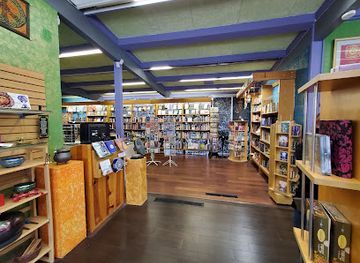
Metaphysical supply store
Brass Unicorn Inc
Explore Brass Unicorn Inc in Fresno, CA - your go-to metaphysical supply store for spirituality, aromatherapy, and unique finds.
7 min drive · 2.2 km from city centre
Get your free copy of our complete guide to Fresno, delivered straight to you.
Everything on this page, from attractions and restaurants to essentials and local phrases, in one PDF you can read offline, print or share.
Already have an account? Sign in
Your Fresno guide is ready.
We'll send it to · Not you? Sign out

Getting your guide ready…
We are putting together a fresh copy of the Fresno guide. This can take up to a minute.
This can take a few moments. If your browser asks, choose Allow so the download can start. You'll find the guide in your Downloads folder.
Nothing happened? Download it again
Sorry, the guide is taking longer than usual. Please try again in a minute, or get it by email instead.
Fresno essentials
Currency and Payment
Safety
Emergency Situations
Do's and Don'ts
Local Tips
From Eve
Local phrases worth knowing
You don't need to get them perfect. A few words go a long way, and locals appreciate the effort.
Basics
| English | Local | Say it |
|---|---|---|
| Hello | Howdy | [haʊ-di] |
| Goodbye | Later | [ˈleɪ.tər] |
| Yes | Yep | [yɛp] |
| No | Nah | [nɑː] |
| Please/You're welcome | Please/No problem | [pliːz/nəʊ ˈprɑbləm] |
| Thank you | Thanks | [θæŋks] |
| Excuse me/Sorry | Pardon me/My bad | [ˈpɑːrdn miː/maɪ bæd] |
| How are you? | How you doin'? | [haʊ juː ˈduɪn] |
| Fine. And you? | Good. How 'bout you? | [ɡʊd haʊ ˈbaʊt juː] |
| Do you speak English? | Ya speak English? | [jə spiːk ˈɪŋɡlɪʃ] |
| I don't understand | I ain't gettin' it | [aɪ eɪnt ˈɡɛtɪn ɪt] |
Eating & Drinking
| English | Local | Say it |
|---|---|---|
| I'd like to see the menu, please | Can I check out the menu? | [kæn aɪ tʃɛk aʊt ðə ˈmɛnjuː] |
| I don't eat meat | I don't do meat | [aɪ doʊnt duː mit] |
| Cheers! | Bottoms up! | [ˈbɑtəmz ʌp] |
| I would like to pay, please | I'm ready to settle up | [aɪm ˈrɛdi tuː ˈsɛtəl ʌp] |
Emergencies
| English | Local | Say it |
|---|---|---|
| Help! | SOS! | [ɛs.oʊ.ɛs] |
| Go away! | Scram! | [skræm] |
| Call the Police! | Dial 911! | [daɪəl naɪn.wʌn.wʌn] |
| Call a doctor! | Get a doc! | [ɡɛt ə dɑk] |
| I'm lost | I'm turned around | [aɪm tɜrnd əˈraʊnd] |
| I'm ill | I'm under the weather | [aɪm ˈʌndər ðə ˈwɛðər] |
Shopping
| English | Local | Say it |
|---|---|---|
| I'd like to buy... | I'm lookin' to purchase... | [aɪm ˈlʊkɪn tuː ˈpɜːrtʃəs] |
| I'm just looking | Just browsin' | [dʒʌst ˈbraʊzɪn] |
| How much is it? | What's the damage? | [wɑːts ðə ˈdæmɪdʒ] |
| That's too expensive | That's a bit steep | [ðæts ə bɪt stip] |
| Can you lower the price? | Can ya cut me a deal? | [kæn jə kʌt miː ə diːl] |
Time & Numbers
| English | Local | Say it |
|---|---|---|
| What time is it? | What's the clock say? | [wɑːts ðə klɑːk seɪ] |
| It's one o'clock | It's one on the dot | [ɪts wʌn ɒn ðə dɑt] |
| Half past (10) | Ten thirty | [tɛn ˈθɜːr.di] |
| Morning | Mornin' | [ˈmɔːrnɪn] |
| Afternoon | Afternoon | [ˌæf.tərˈnuːn] |
| Evening | Evenin' | [ˈiːvnɪn] |
| Yesterday | Yest'day | [ˈjɛst.deɪ] |
| Today | Today | [təˈdeɪ] |
| Tomorrow | Tomorrah | [təˈmɑː.rɑː] |
| 1 | One | [wʌn] |
| 2 | Two | [tuː] |
| 3 | Three | [θriː] |
| 4 | Four | [fɔːr] |
| 5 | Five | [faɪv] |
| 6 | Six | [sɪks] |
| 7 | Seven | [ˈsɛv.ən] |
| 8 | Eight | [eɪt] |
| 9 | Nine | [naɪn] |
| 10 | Ten | [tɛn] |
Transport & Directions
| English | Local | Say it |
|---|---|---|
| Where's a/the...? | Where's the... | [wɛərz ðə] |
| What's the address? | Where's it located? | [wɛərz ɪt ˈloʊˌkeɪtɪd] |
| Can you show me (on the map)? | Can ya point it out (on the map)? | [kæn jə pɔɪnt ɪt aʊt ɒn ðə mæp] |
| When's the next (bus)? | When's the next one comin'? | [wɛnz ðə nɛkst wʌn ˈkʌmɪn] |
| A ticket (to ....) | A pass (to ....) | [ə pæs tuː] |
History of Fresno
Yokuts Country and Valley Beginnings
Before American settlement, the southern San Joaquin Valley was home to Yokuts peoples, whose communities lived through a landscape of rivers, wetlands, grasslands and oak woodlands. Spanish and Mexican rule brought new geopolitical boundaries to the region, but the area around present-day Fresno remained comparatively lightly urbanised until the nineteenth century. The arrival of large-scale American irrigation and transport infrastructure transformed the valley's environment and economy. Fresno's later development therefore rests on an older Indigenous landscape, even though much of the original wetlands and native habitat was altered by farming and city growth.
Railways Create a New City
Fresno emerged as a town in the 1870s after the Central Pacific Railroad established a station in the area in 1872. The railway connected the inland valley with California's larger commercial centres and encouraged merchants, farmers and workers to settle nearby. Fresno County was created in 1856, but the railroad gave the settlement its decisive urban momentum. Warehouses, shops and civic institutions followed the tracks, while the town became a service and distribution centre for the expanding agricultural region. The early railway corridor helped establish the relationship between transport, trade and farming that still defines Fresno's regional role.
Irrigation and Agricultural Expansion
During the late nineteenth and early twentieth centuries, irrigation made it possible to cultivate the San Joaquin Valley on an increasingly intensive scale. Grapes, raisins, fruit, nuts and other crops supported processing, packing and distribution industries, drawing workers and entrepreneurs from across the United States and overseas. Buildings such as Kearney Mansion, preserved in Kearney Park, reflect the wealth generated by large agricultural estates, while the Fresno County Blossom Trail recalls the continuing importance of orchards. The city's economy became closely linked to seasonal labour, water management and the global movement of Central Valley produce.
Migration and a Multicultural Valley
Fresno's agricultural economy attracted successive waves of migrants, creating communities whose languages, religious institutions and food traditions reshaped the city. Armenian growers and merchants became especially influential in the valley's raisin and vineyard industries, while Mexican and Mexican American workers formed a major part of the region's agricultural and urban life. Japanese, Chinese, Sikh, Hmong and other communities also contributed to Fresno's social history. This multicultural development is visible today in neighbourhood restaurants, churches, markets, cultural organisations and family businesses, although the history of farm labour also includes serious inequality and difficult working conditions.
War, Displacement and Civic Change
The Second World War brought major disruption to Fresno's Japanese American community. The Pinedale Assembly Center, located in Fresno, was one of the temporary detention sites used in 1942 before Japanese Americans were transferred to more permanent camps; the episode remains an important part of the city's history of wartime discrimination and civil rights. Post-war Fresno expanded through suburban development, new roads and continued agricultural growth. At the same time, civic institutions, neighbourhood organisations and cultural groups worked to represent a population becoming increasingly diverse in language, ethnicity and religious practice.
A Contemporary Regional Centre
In the late twentieth and early twenty-first centuries, Fresno grew as the largest urban centre in the southern San Joaquin Valley and as a gateway between California's agricultural interior and the Sierra Nevada. Downtown redevelopment, the revival of the Tower District and new educational, medical and cultural institutions have added different layers to the older railway and farm economy. The city continues to face familiar Central Valley challenges, including air quality, water pressure, poverty and uneven investment, while its contemporary identity is increasingly expressed through local arts, independent food businesses, community festivals and the preservation of historic places.
Fresno in Photos
Browse through our photo collection highlighting the charm and character of the destination.
Cities near Fresno
The closest cities to Fresno, if you have time for more than one stop.
-

-

-

-

-


Swipe for more cities
Explore more
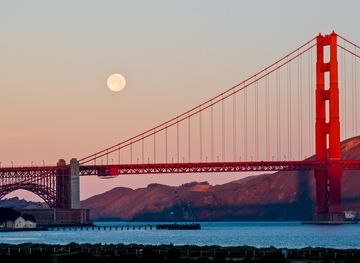
Explore more of California
Discover California: A land of diverse landscapes, iconic cities, and endless adventures, from sun-soaked beaches to towering redwoods and vibrant cultural experiences.
Explore California