

Free Pismo Beach Travel Guide & Mobile App
Plan your Pismo Beach trip with Evendo. Get free guides to top attractions, restaurants, hotels, and bars. Web access or download the mobile app.


Pismo Beach pairs a classic California pier and broad beaches with monarch butterflies, surf culture, seafood and access to Central Coast wine country.
Oceanfront Character
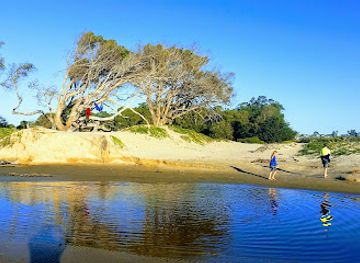
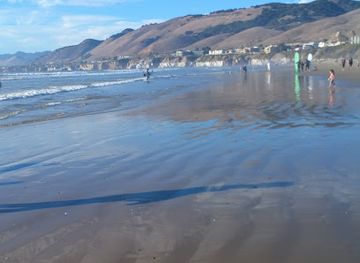
Pismo Beach occupies a broad stretch of California’s Central Coast between San Luis Obispo and Santa Maria, with the Pacific defining both its scenery and its easy-going identity. A long municipal pier reaches into the surf, while Pismo State Beach extends north and south in wide bands of sand suited to walking, beachcombing and watching the changing light over the water. The compact centre around Pomeroy Avenue and the pier combines cafés, seafood restaurants, surf shops and casual bars, giving the town a distinctly traditional seaside character.Read more about Pismo Beach
Wildlife and Coastal Landscapes
A Small City with Regional Reach
When is the best time to visit Pismo Beach?
Best: July–September · 23°C| Month | High (°C) | Rainfall (mm) |
|---|---|---|
| January | 16 | 75 |
| February | 16 | 60 |
| March | 17 | 55 |
| April | 17 | 30 |
| May | 19 | 15 |
| June | 21 | 5 |
| July (best) | 23 | 2 |
| August (best) | 23 | 3 |
| September (best) | 23 | 10 |
| October | 21 | 20 |
| November | 17 | 40 |
| December | 16 | 60 |
Getting to and around Pismo Beach
How to get there
Transportation
Best attractions in Pismo Beach
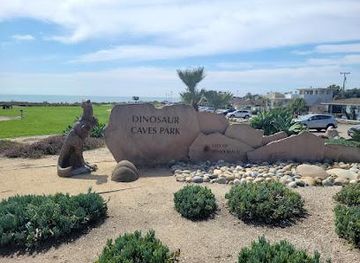
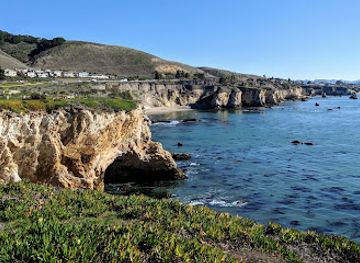
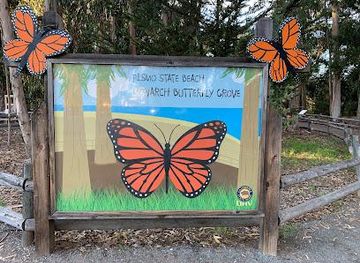
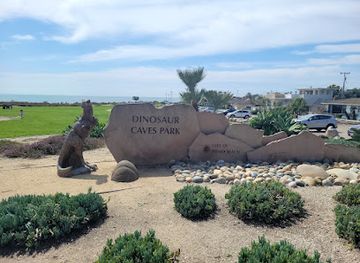
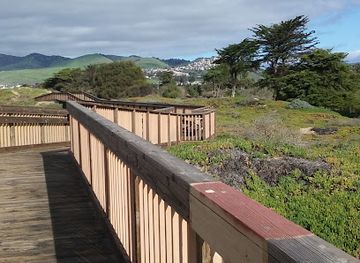
Pismo Beach’s principal attractions centre on its shoreline and compact seaside streets. The Pismo Pier is the city’s defining public viewpoint, extending over the Pacific beside a broad promenade and beach, while Pismo State Beach offers long walks, surf watching and access to the seasonal Monarch Butterfly Grove. The grove is at its most notable during the cooler months, when western monarchs gather in the eucalyptus trees. North of the pier, Dinosaur Caves Park combines ocean-facing lawns, walking paths and family play areas above the coast. Shell Beach provides a different atmosphere, with cliffs, small coves and rocky stretches that reward careful exploration at suitable tides. Downtown Pismo Beach adds independent shops, cafés and galleries within easy reach of the waterfront, and the nearby Oceano Dunes landscape introduces a more expansive coastal setting just beyond the city limits.
-
Tourist attraction
Dinosaur Caves Park
Discover the whimsical Dinosaur Caves Park in Pismo Beach, where fun, nature, and stunning coastal views come together for an unforgettable family experience.
8 min drive · 2.6 km from city centre
-
Tourist attraction
Dinosaur Caves Park
Explore ocean views, dinosaur fun, and family-friendly activities at this unique Pismo Beach park on California's beautiful Central Coast.
8 min drive · 2.6 km from city centre
-
Tourist attraction
Monarch Butterfly Grove
Experience the wonder of the Monarch migration at Pismo Beach, where thousands of butterflies create a breathtaking winter spectacle along the California coast.
5 min drive · 1.7 km from city centre
-
Tourist attraction
Monarch Butterfly Grove
Experience the enchanting migration of monarch butterflies in Pismo Beach, a breathtaking natural spectacle you won't soon forget.
5 min drive · 1.7 km from city centre
Best landmarks in Pismo Beach
The Pismo Pier is the city’s most recognisable landmark, representing the long relationship between the community, recreational fishing and the open Pacific; its modern structure also reflects the continuing renewal required by a working coastal environment. The Pismo Beach sign and oceanfront promenade form a familiar visual gateway to the downtown shore, while the historic commercial buildings around Pomeroy Avenue express the scale of an established small resort rather than a major urban centre. Pismo State Beach and the Monarch Butterfly Grove are natural landmarks as well as visitor attractions, linking the city’s identity to protected coastal habitat. At the northern edge of the city, the cliffs and coves of Shell Beach provide a geological counterpoint to the broad sands by the pier. The nearby Oceano Dunes are a significant regional landscape, although they lie south of central Pismo Beach and should not be treated as an urban landmark.
-
Park
Dinosaur Caves Park
Explore the whimsical Dinosaur Caves Park in Pismo Beach, where adventure meets relaxation amidst stunning coastal views and unique dinosaur-themed attractions.
8 min drive · 2.6 km from city centre
-
Nature preserve
Monarch Butterfly Grove
Experience the breathtaking spectacle of nature at the Monarch Butterfly Grove in Pismo Beach, where thousands of butterflies gather each winter in a stunning display.
5 min drive · 1.7 km from city centre
-
Bakery
Old West Cinnamon Rolls
Experience the iconic Old West Cinnamon Rolls in Pismo Beach, where oversized cinnamon rolls and delightful baked goods await your taste buds.
2 min walk · 0.2 km from city centre
-
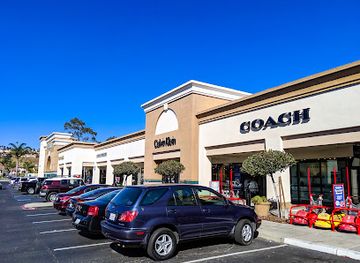
Outlet mall
Pismo Beach Premium Outlets
Explore unbeatable discounts at Pismo Beach Premium Outlets, where shopping meets the California coastline in a delightful experience.
19 min walk · 1.5 km from city centre
Explore Pismo Beach on the map
Plan your Pismo Beach trip on one map. See where the top attractions, landmarks, restaurants, bars and hotels are, find what's near where you're staying, and book hotels and experiences in a few clicks.
Best hotels in Pismo Beach
Best restaurants in Pismo Beach
Pismo Beach’s dining scene reflects its position between the Pacific and the agricultural valleys of San Luis Obispo County. Seafood features prominently, from fish and shellfish to fish-and-chips and clam chowder, while casual cafés and beachfront restaurants suit the town’s relaxed resort character. Local menus also draw on Central Coast produce, California-style salads, seasonal vegetables and the region’s well-known tri-tip barbecue tradition. Around Pomeroy Avenue, the pier and Price Street, visitors find a mixture of long-established eateries, bakeries, coffee shops, wine-focused restaurants and contemporary casual dining. The nearby Five Cities area adds further choice, while wines from the Edna Valley and Arroyo Grande Valley are commonly represented in local restaurants and tasting rooms. Food shopping and farmers’ market offerings in the wider region provide another way to experience the produce-driven culture of the Central Coast.
-
American
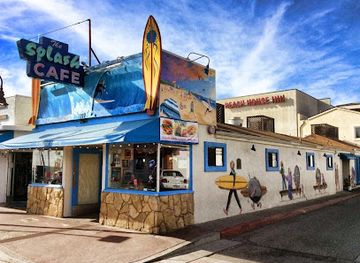
Splash Café
Experience the flavors of America at Splash Café in Pismo Beach—where fresh seafood meets casual dining by the coast.
4 min walk · 0.3 km from city centre
-
Grill
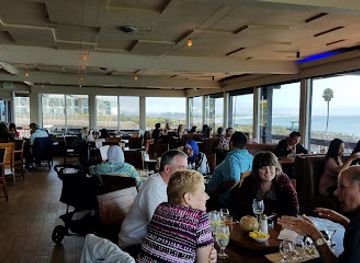
Ventana Grill
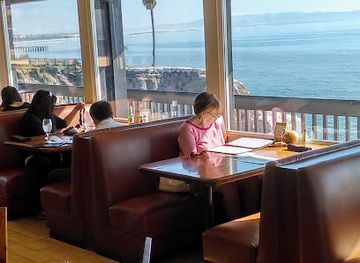
Experience exceptional grilled cuisine and stunning ocean views at Ventana Grill in Pismo Beach – your perfect culinary escape.
18 min walk · 1.4 km from city centre
-
Seafood
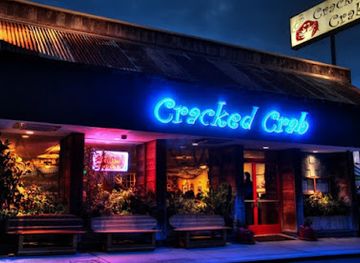
Cracked Crab
Experience culinary excellence at Cracked Crab in Pismo Beach - where fresh seafood meets coastal charm.
1 min walk · 0.1 km from city centre
-
Hamburger
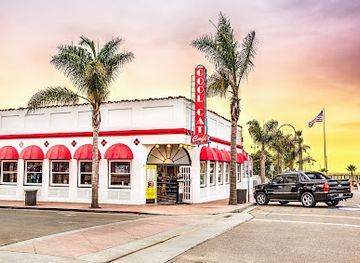
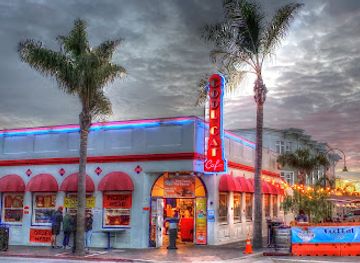
Cool Cat Cafe
Savor mouthwatering burgers at Cool Cat Cafe in Pismo Beach – where great food meets a fun atmosphere.
4 min walk · 0.3 km from city centre
Best bars in Pismo Beach
Pismo Beach has a modest, sociable nightlife rather than a large club scene. Evening activity is concentrated around downtown, the pier and nearby commercial streets, where visitors can find relaxed bars, brew-oriented venues, wine lists featuring Central Coast producers and restaurants that remain lively after sunset. Some establishments host live music or informal performances, particularly during busy travel periods, while hotel lounges provide a quieter setting for an evening drink. The beach itself is atmospheric after dark, but visitors should follow local restrictions, avoid isolated areas and keep clear of unstable shorelines. For a broader cultural evening, San Luis Obispo offers more extensive live music, theatre and bar options within a regional journey, though Pismo Beach’s appeal lies in its low-key coastal pace rather than late-night clubbing.
-
Grill
Ventana Grill
Experience the best of coastal dining at Ventana Grill in Pismo Beach, offering seafood and Latin American flavors with stunning ocean views.
18 min walk · 1.4 km from city centre
-
Hamburger
Cool Cat Cafe
Discover the iconic Cool Cat Cafe in Pismo Beach, where delicious burgers meet a vibrant atmosphere, perfect for every traveler!
4 min walk · 0.3 km from city centre
-
Grill
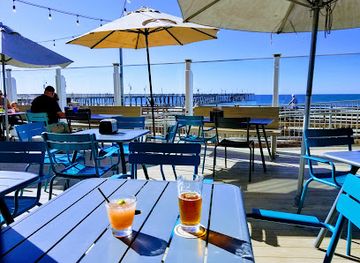
Wooly's
Discover Wooly's in Pismo Beach for a delightful grill and seafood dining experience with stunning ocean views.
5 min walk · 0.4 km from city centre
-
Brewpub
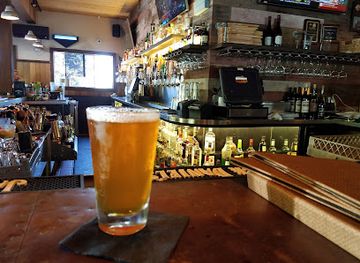
Shell Beach Brew House
Experience the best of craft beer and delicious pub fare at Shell Beach Brew House in Pismo Beach, California.
10 min drive · 3.3 km from city centre
Best nightclubs in Pismo Beach
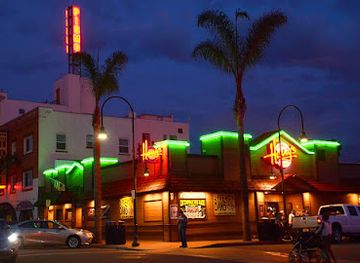
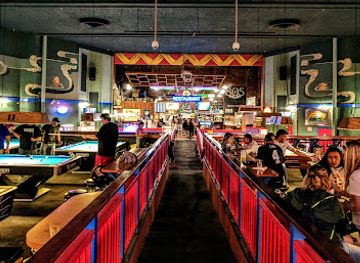
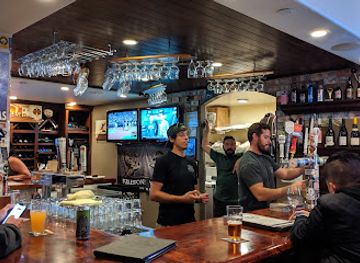
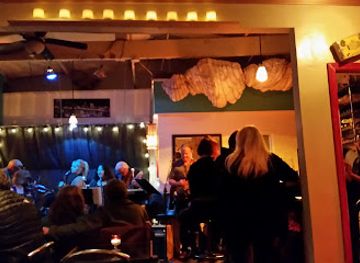
Pismo Beach has a modest, sociable nightlife rather than a large club scene. Evening activity is concentrated around downtown, the pier and nearby commercial streets, where visitors can find relaxed bars, brew-oriented venues, wine lists featuring Central Coast producers and restaurants that remain lively after sunset. Some establishments host live music or informal performances, particularly during busy travel periods, while hotel lounges provide a quieter setting for an evening drink. The beach itself is atmospheric after dark, but visitors should follow local restrictions, avoid isolated areas and keep clear of unstable shorelines. For a broader cultural evening, San Luis Obispo offers more extensive live music, theatre and bar options within a regional journey, though Pismo Beach’s appeal lies in its low-key coastal pace rather than late-night clubbing.
-
Night club
Harry's Night Club & Beach Bar
Experience the vibrant nightlife at Harry's Night Club & Beach Bar, where live music and dancing meet stunning seaside views in Pismo Beach.
4 min walk · 0.3 km from city centre
-
Bar
HotShots Billiards & Family Entertainment
Experience the vibrant atmosphere at HotShots Billiards & Family Entertainment, where delicious food meets fun games in Pismo Beach.
3 min walk · 0.3 km from city centre
-
Pub
The Boardroom Beer Pub
Discover the lively ambiance and craft beer selection at The Boardroom Beer Pub in Pismo Beach - a perfect blend of fun, flavor, and sports!
5 min walk · 0.4 km from city centre
-
Wine bar
Puffer's of Pismo
Discover Puffer's of Pismo, a vibrant wine bar in Pismo Beach offering exquisite wines and live music for unforgettable nights.
1 min walk · 0.1 km from city centre
Best shops in Pismo Beach
Shopping in Pismo Beach is concentrated around downtown, Pomeroy Avenue, Price Street and the nearby commercial areas. Independent surf shops, beachwear stores, gift shops, galleries and small specialist retailers reflect the city’s seaside culture, with clothing, coastal artwork, locally made goods and practical equipment for a day by the water among the typical finds. Visitors can also look for Central Coast wines, olive oil, preserves and other regional food products, although specialist wine shopping is more extensive in the surrounding valleys. The Pismo Beach Premium Outlets, on Five Cities Drive, provide a larger modern retail environment outside the pier district. Shopping here is generally informal and visitor-oriented, combining souvenirs and everyday beach essentials with selected local crafts rather than the luxury retail found in California’s major cities.
-
Outlet mall
Pismo Beach Premium Outlets
Discover unbeatable deals at Pismo Beach Premium Outlets, where shopping meets stunning coastal views in California.
19 min walk · 1.5 km from city centre
-
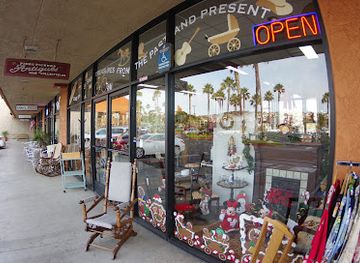
Shopping mall
Pismo Coast Shopping Plaza
Discover the premier shopping destination in Pismo Beach, where retail therapy meets coastal relaxation in a vibrant atmosphere.
5 min drive · 1.7 km from city centre
-
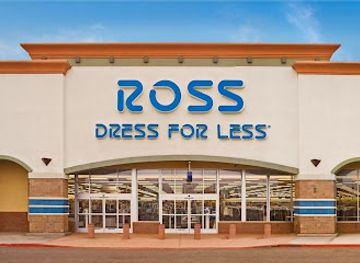
Clothing store
Ross Dress for Less
Explore Ross Dress for Less in Pismo Beach for unbeatable deals on stylish clothing, shoes, and accessories for the whole family.
10 min drive · 3.2 km from city centre
-
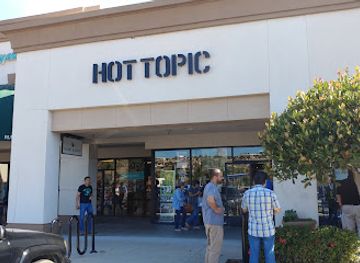
Clothing store
Hot Topic
Explore Hot Topic in Pismo Beach for trendy fashion, unique music merchandise, and pop culture collectibles that celebrate individuality.
17 min walk · 1.4 km from city centre
Get your free copy of our complete guide to Pismo Beach, delivered straight to you.
Everything on this page, from attractions and restaurants to essentials and local phrases, in one PDF you can read offline, print or share.
Already have an account? Sign in
Your Pismo Beach guide is ready.
We'll send it to · Not you? Sign out

Getting your guide ready…
We are putting together a fresh copy of the Pismo Beach guide. This can take up to a minute.
This can take a few moments. If your browser asks, choose Allow so the download can start. You'll find the guide in your Downloads folder.
Nothing happened? Download it again
Sorry, the guide is taking longer than usual. Please try again in a minute, or get it by email instead.
Pismo Beach essentials
Currency and Payment
Safety
Emergency Situations
Do's and Don'ts
Local Tips
From Eve
Local phrases worth knowing
You don't need to get them perfect. A few words go a long way, and locals appreciate the effort.
Basics
| English | Local | Say it |
|---|---|---|
| Hello | Howdy | [haʊdi] |
| Goodbye | Catch you later | [kætʃ ju ˈleɪtər] |
| Yes | Yep | [jɛp] |
| No | Nope | [noʊp] |
| Please/You're welcome | Please | [pliz] |
| Thank you | Thanks | [θæŋks] |
| Excuse me/Sorry | Pardon | [ˈpɑrdn] |
| How are you? | How's it hangin'? | [haʊz ɪt ˈhæŋɪn] |
| Fine. And you? | A-OK. You? | [eɪ oʊ ˈkeɪ ju] |
| Do you speak English? | Speak English? | [spik ˈɪŋɡlɪʃ] |
| I don't understand | Huh? | [hʌ] |
Eating & Drinking
| English | Local | Say it |
|---|---|---|
| I'd like to see the menu, please | Menu, please | [ˈmɛnju pliz] |
| I don't eat meat | No meat for me | [noʊ mit fɔr mi] |
| Cheers! | Cheers! | [ʧɪrz] |
| I would like to pay, please | Check, please | [ʧɛk pliz] |
Emergencies
| English | Local | Say it |
|---|---|---|
| Help! | Help! | [hɛlp] |
| Go away! | Get lost! | [ɡɛt lɔst] |
| Call the Police! | Call the cops! | [kɔl ðə kɑps] |
| Call a doctor! | Doctor! | [ˈdɑktər] |
| I'm lost | Lost | [lɔst] |
| I'm ill | Sick | [sɪk] |
Shopping
| English | Local | Say it |
|---|---|---|
| I'd like to buy... | I want to buy... | [aɪ wɑnt tu baɪ] |
| I'm just looking | Just browsing | [ʤʌst ˈbraʊzɪŋ] |
| How much is it? | How much? | [haʊ mʌʧ] |
| That's too expensive | Too pricey | [tu ˈpraɪsi] |
| Can you lower the price? | Discount? | [ˈdɪskaʊnt] |
Time & Numbers
| English | Local | Say it |
|---|---|---|
| What time is it? | What's the time? | [wɑts ðə taɪm] |
| It's one o'clock | It's one | [ɪts wʌn] |
| Half past (10) | Half ten | [hæf tɛn] |
| Morning | Morning | [ˈmɔrnɪŋ] |
| Afternoon | Afternoon | [ˌæftərˈnun] |
| Evening | Evening | [ˈivnɪŋ] |
| Yesterday | Yesterday | [ˈjɛstərdeɪ] |
| Today | Today | [təˈdeɪ] |
| Tomorrow | Tomorrow | [təˈmɑroʊ] |
| 1 | One | [wʌn] |
| 2 | Two | [tu] |
| 3 | Three | [θri] |
| 4 | Four | [fɔr] |
| 5 | Five | [faɪv] |
| 6 | Six | [sɪks] |
| 7 | Seven | [ˈsɛvən] |
| 8 | Eight | [eɪt] |
| 9 | Nine | [naɪn] |
| 10 | Ten | [tɛn] |
Transport & Directions
| English | Local | Say it |
|---|---|---|
| Where's a/the...? | Where's the...? | [wɛrz ðə] |
| What's the address? | Address? | [ˈædrɛs] |
| Can you show me (on the map)? | Show me | [ʃoʊ mi] |
| When's the next (bus)? | Next bus? | [nɛkst bʌs] |
| A ticket (to ....) | Ticket | [ˈtɪkɪt] |
History of Pismo Beach
Chumash Country and the Pismu Name
The coast around present-day Pismo Beach lies within the traditional homeland of the Chumash people, whose communities used the rich marine and coastal resources of the region for generations. The name Pismo is generally connected with the Chumash word pismu, associated with tar, asphalt or a mineral substance found around local springs and seepages; the precise linguistic history is discussed by historians and place-name researchers. Shellfish, fish, seaweed and other shoreline resources formed part of the wider coastal economy, while inland valleys supported additional movement and exchange. The beaches and waterways encountered by later settlers were therefore not an empty landscape but part of an established Indigenous cultural geography.
Spanish and Mexican Coastal Settlement
Spanish colonisation brought missions, ranching and profound disruption to Chumash communities along the Central Coast. The nearby Mission San Luis Obispo de Tolosa, founded in 1772, became an important centre in the region, while Mexican rule after independence altered landholding patterns. The Pismo area formed part of the Rancho Pismo land grant, reflecting the rancho system that followed Mexico’s secularisation of the missions. Cattle ranching and agriculture grew in importance, and the coast remained connected to inland valleys through tracks and local trade rather than functioning as a major urban centre in its own right.
A Railway Town and Beach Resort
Pismo’s modern town developed in the late nineteenth century as transportation links improved and the Southern Pacific railway connected the Central Coast with larger Californian markets. The railway encouraged settlement, commerce and agricultural shipment, while the shoreline’s warm-season appeal helped establish a resort economy. Visitors arrived for bathing, fishing and the atmosphere of a small Pacific seaside town. Pismo Beach’s identity was shaped during this period by the combination of a working regional economy and leisure travel, a pattern that still distinguishes it from larger California coastal cities.
Agriculture, Oil and Coastal Change
During the twentieth century, the surrounding region supported agriculture, ranching and limited extractive industries, including oil activity in the broader coastal area. Pismo’s growth was also tied to California’s expanding road network and the increasing popularity of automobile tourism. Motels, restaurants and independent shops joined the older town centre as travellers began using the Pacific coast highways for leisure journeys. The beach remained the central public landscape, but the city’s economy became progressively more dependent on hospitality, recreation and the circulation of visitors through the Central Coast.
Incorporation and the Modern Seaside City
Pismo Beach incorporated as a city in 1946, formalising local government as post-war car travel and coastal development accelerated. Subsequent decades brought changes to the pier, beachfront public spaces, roads and accommodation, while conservation efforts gave greater attention to dunes, shore habitats and the seasonal monarch butterfly colony. The city today retains the visual language of a classic American beach resort—pier, promenade, surf shops and low-rise lodging—alongside a stronger emphasis on environmental stewardship. Its historical character is therefore expressed not through a large concentration of monumental buildings but through the continuing relationship between town, transport routes and the Pacific shore.
Pismo Beach in Photos
Browse through our photo collection highlighting the charm and character of the destination.
Cities near Pismo Beach
The closest cities to Pismo Beach, if you have time for more than one stop.
-

-

-

-

-


Swipe for more cities
Explore more
Explore more of California
Discover California: A land of diverse landscapes, iconic cities, and endless adventures, from sun-soaked beaches to towering redwoods and vibrant cultural experiences.
Explore California