

Free Walnut Creek Travel Guide & Mobile App
Plan your Walnut Creek trip with Evendo. Get free guides to top attractions, restaurants, hotels, and bars. Web access or download the mobile app.


Walnut Creek, California blends Bay Area arts, open-space trails, garden culture, thoughtful dining and easy access to Mount Diablo and San Francisco.
A Downtown Shaped by Arts and Open Space
Walnut Creek occupies a sunny inland valley in Contra Costa County, east of the Berkeley hills and within easy reach of the wider San Francisco Bay Area. Its compact downtown combines the pedestrian-friendly Broadway Plaza shopping district with Locust Street restaurants, independent shops and the Lesher Center for the Arts, giving the city a more polished cultural atmosphere than its suburban setting might suggest. Beyond the commercial centre, broad streets quickly give way to creek corridors, leafy neighbourhoods and extensive public open space.Read more about Walnut Creek
Gardens, Wildlife and Local History
A Gateway to the Diablo Range
When is the best time to visit Walnut Creek?
Best: May–June, September · 24–28°C| Month | High (°C) | Rainfall (mm) |
|---|---|---|
| January | 15 | 112 |
| February | 17 | 102 |
| March | 19 | 86 |
| April | 21 | 41 |
| May (best) | 24 | 16 |
| June (best) | 28 | 4 |
| July | 29 | 2 |
| August | 29 | 3 |
| September (best) | 28 | 10 |
| October | 23 | 33 |
| November | 17 | 68 |
| December | 14 | 99 |
Getting to and around Walnut Creek
How to get there
Transportation
Best attractions in Walnut Creek
Walnut Creek’s principal attractions combine arts, gardens, wildlife and open space rather than forming a single historic quarter. The Lesher Center for the Arts presents theatre, dance, music and other performances in the downtown cultural district, while Broadway Plaza provides a landscaped setting for shopping, public gatherings and people-watching. At Lindsay Wildlife Experience, visitors learn about Northern California animals through exhibitions and wildlife-focused programmes. The Ruth Bancroft Garden is notable for its extensive collection of succulents, cacti and other plants suited to dry climates. Heather Farm Park offers gardens, lawns, ponds and recreational space, and nearby trail systems lead into the hills and protected countryside. Shadelands Ranch Museum adds a local historical dimension through its preserved ranch house and collections. Together these sites show Walnut Creek as an active suburban centre with unusually direct access to cultivated landscapes, environmental education and the wider East Bay outdoors.
-
Water park
Six Flags Hurricane Harbor Concord
Experience the ultimate water adventure at Six Flags Hurricane Harbor Concord, where thrilling rides and family fun meet under the California sun.
24 min drive · 8.0 km from city centre
-
Tourist attraction
Heather Farm Park
Discover Walnut Creek's vibrant heart: Heather Farm Park, where history, nature, and recreation unite for an unforgettable experience.
6 min drive · 2.0 km from city centre
-
Tourist attraction
Lindsay Wildlife Experience
Explore the Lindsay Wildlife Experience in Walnut Creek, CA, where education meets conservation through interactive wildlife encounters and exhibits.
12 min drive · 3.9 km from city centre
-
Tourist attraction
Civic Park
Discover the tranquil beauty of Civic Park in Walnut Creek, a perfect blend of nature and recreation for tourists seeking relaxation and outdoor fun.
5 min drive · 1.7 km from city centre


Best landmarks in Walnut Creek
Walnut Creek’s landmarks express its evolution from ranching valley to arts-oriented East Bay city. Shadelands Ranch Museum occupies a historic ranch property associated with the region’s agricultural past, while Old Borges Ranch in the surrounding open-space landscape preserves buildings and evidence of early twentieth-century ranch life. The Lesher Center for the Arts is a modern civic landmark whose theatres anchor Walnut Creek’s cultural identity. The Ruth Bancroft Garden is significant as a designed landscape and living collection, demonstrating how dry-climate horticulture has become part of the city’s public character. Downtown’s Broadway Plaza, with its pedestrian spaces and commercial architecture, represents the postwar development of Walnut Creek as a regional shopping and service centre. Rather than being defined by a medieval core or monumental religious buildings, the city’s landmark character lies in the contrast between preserved ranch heritage, civic arts architecture, specialist gardens and the open hills surrounding the developed valley.
-
Park
Heather Farm Park
Discover nature, recreation, and community at Walnut Creek's Heather Farm Park, a sprawling oasis with activities for everyone.
6 min drive · 2.0 km from city centre
-
Steak
Ruth's Chris Steak House
Savor USDA Prime steaks and New Orleans-inspired cuisine in an upscale setting, perfect for celebrations and memorable dining experiences in Walnut Creek.
6 min drive · 2.0 km from city centre
-
Park
Civic Park
Experience the heart of Walnut Creek at Civic Park: recreation, events, and natural beauty for everyone.
5 min drive · 1.7 km from city centre
-
Park
Shell Ridge Open Space
Explore Walnut Creek's Shell Ridge Open Space: Hike scenic trails, discover marine fossils, and enjoy panoramic views of the East Bay.
10 min drive · 3.4 km from city centre


Explore Walnut Creek on the map
Plan your Walnut Creek trip on one map. See where the top attractions, landmarks, restaurants, bars and hotels are, find what's near where you're staying, and book hotels and experiences in a few clicks.
Best hotels in Walnut Creek
Best restaurants in Walnut Creek
Walnut Creek has one of Contra Costa County’s broadest dining selections, concentrated around downtown, Broadway Plaza, Locust Street and nearby commercial corridors. Restaurants range from American and Californian cooking to Italian, Japanese, Chinese, Indian, Mexican and other international cuisines, reflecting the metropolitan character of the Bay Area rather than one narrowly defined local cuisine. Cafés and bakeries support daytime visits, while bars and full-service restaurants make the central districts active into the evening. Seasonal produce, wine from Northern California and contemporary farm-to-table influences appear frequently, alongside familiar casual dining and specialist ethnic food. The area around North Main Street and downtown offers the greatest concentration of choices, while neighbourhood centres provide a more local, less central atmosphere. Farmers’ markets and food events, when operating, offer opportunities to encounter regional produce and prepared foods without confusing Walnut Creek’s dining identity with that of San Francisco.
-
Fast Food
Chick-fil-A
Experience the iconic flavors of Chick-fil-A in Walnut Creek - delicious chicken sandwiches and family-friendly dining await!
9 min drive · 3.1 km from city centre
-
Tapas
Telefèric Barcelona Walnut Creek
Experience authentic Spanish tapas at Telefèric Barcelona in Walnut Creek - where flavor meets tradition in a vibrant atmosphere.
6 min drive · 1.9 km from city centre
-
Restaurant
Sauced BBQ & Spirits
Experience authentic barbecue at Sauced BBQ & Spirits in Walnut Creek - where flavor meets fun in every bite.
6 min drive · 2.0 km from city centre
-
American
Black Bear Diner Walnut Creek
Experience hearty American cuisine at Black Bear Diner in Walnut Creek – where family-friendly dining meets delicious comfort food.
8 min drive · 2.8 km from city centre


Best bars in Walnut Creek
Walnut Creek’s evening scene is centred more on restaurants, wine bars, cocktail lounges, live performances and sociable downtown venues than on large nightclubs. Locust Street, North Main Street and the blocks around Broadway Plaza form the principal evening areas, with options ranging from relaxed drinks to busier late-night settings. The Lesher Center for the Arts provides a substantial cultural alternative through theatre, concerts, dance and comedy, while other local venues periodically host live music and community performances. The atmosphere tends to be polished and suburban rather than intensely club-oriented, and crowds often combine after-work diners, theatre-goers and residents meeting for drinks. Visitors should check current venue information for performances and admission arrangements, as nightlife schedules and individual businesses change. Evening walks are most comfortable in the central, well-used districts, with transport arranged in advance for outlying neighbourhoods.
-
Bar
Telefèric Barcelona Walnut Creek
Experience the vibrant flavors of Spain at Telefèric Barcelona in Walnut Creek, where tapas and a lively atmosphere await every visitor.
6 min drive · 1.9 km from city centre
-
Small Plates
Va de Vi Bistro & Wine Bar
Discover a vibrant atmosphere and exquisite small plates at Va de Vi Bistro & Wine Bar, the perfect spot for food and wine lovers in Walnut Creek.
6 min drive · 1.9 km from city centre
-
American
Rooftop Restaurant & Bar
Experience stunning skyline views and exquisite New American cuisine at Walnut Creek's Rooftop Restaurant & Bar, a must-visit dining destination.
6 min drive · 1.9 km from city centre
-
Bar
Retro Junkie
Discover Retro Junkie in Walnut Creek, CA - a lively bar filled with nostalgia, live music, and classic games for an unforgettable night out.
7 min drive · 2.3 km from city centre


Best nightclubs in Walnut Creek
Walnut Creek’s evening scene is centred more on restaurants, wine bars, cocktail lounges, live performances and sociable downtown venues than on large nightclubs. Locust Street, North Main Street and the blocks around Broadway Plaza form the principal evening areas, with options ranging from relaxed drinks to busier late-night settings. The Lesher Center for the Arts provides a substantial cultural alternative through theatre, concerts, dance and comedy, while other local venues periodically host live music and community performances. The atmosphere tends to be polished and suburban rather than intensely club-oriented, and crowds often combine after-work diners, theatre-goers and residents meeting for drinks. Visitors should check current venue information for performances and admission arrangements, as nightlife schedules and individual businesses change. Evening walks are most comfortable in the central, well-used districts, with transport arranged in advance for outlying neighbourhoods.
-
Bar
Retro Junkie
Explore Retro Junkie in Walnut Creek - a nostalgic bar offering vibrant nightlife, themed events, and a diverse drink selection for all ages.
7 min drive · 2.3 km from city centre
-
Restaurant
1515 Restaurant & Lounge
Discover the vibrant 1515 Restaurant & Lounge in Walnut Creek, where exquisite cuisine meets a lively bar atmosphere for an unforgettable dining experience.
6 min drive · 1.9 km from city centre
-
Sports bar
Dan's Irish Sports Bar
Discover the lively ambiance of Dan's Irish Sports Bar, where sports, cocktails, and live music combine for the ultimate Walnut Creek experience.
6 min drive · 2.0 km from city centre
-
Bar
Bourbon Highway Country Bar & Kitchen
Discover Bourbon Highway Country Bar & Kitchen - a lively bar in Walnut Creek combining Southern cuisine with vibrant nightlife and live music.
6 min drive · 2.0 km from city centre


Best shops in Walnut Creek
Shopping in Walnut Creek is concentrated in and around Broadway Plaza, a major open-air retail district in the downtown area, with additional independent shops and specialist businesses along Locust Street and neighbouring streets. The city offers well-known American brands, department-store-style retail and restaurants alongside boutiques, beauty businesses, galleries and locally oriented retailers. Downtown is convenient for combining shopping with a performance or meal, while larger commercial areas beyond the centre serve everyday needs rather than presenting a traditional market atmosphere. Visitors looking for distinctive purchases may find Northern Californian food products, wine-related gifts, garden goods, design items and locally made crafts, although Walnut Creek is not primarily a craft-market destination. Seasonal community events and farmers’ markets can add a more local dimension to the retail scene when scheduled. The contrast between landscaped modern shopping areas and older ranch properties reflects the city’s wider blend of contemporary affluence and agricultural memory.
-
Shopping mall
Broadway Plaza
Discover Broadway Plaza: Walnut Creek's premier shopping destination with a blend of fashion, culinary delights, and community events.
5 min drive · 1.7 km from city centre
-
Department store
Nordstrom
Discover fashion and beauty at Nordstrom in Walnut Creek, the ultimate shopping destination for all ages with a diverse selection of quality apparel and accessories.
5 min drive · 1.7 km from city centre
-
Shopping mall
Countrywood Shopping Center
Explore the diverse shops and dining at Countrywood Shopping Center in Walnut Creek, the ultimate shopping destination for tourists.
9 min drive · 2.9 km from city centre
-
Shopping mall
Ygnacio Plaza
Discover Ygnacio Plaza, Walnut Creek's vibrant shopping destination featuring diverse stores, delightful dining, and community events for the whole family.
5 min drive · 1.8 km from city centre


Get your free copy of our complete guide to Walnut Creek, delivered straight to you.
Everything on this page, from attractions and restaurants to essentials and local phrases, in one PDF you can read offline, print or share.
Already have an account? Sign in
Your Walnut Creek guide is ready.
We'll send it to · Not you? Sign out

Getting your guide ready…
We are putting together a fresh copy of the Walnut Creek guide. This can take up to a minute.
This can take a few moments. If your browser asks, choose Allow so the download can start. You'll find the guide in your Downloads folder.
Nothing happened? Download it again
Sorry, the guide is taking longer than usual. Please try again in a minute, or get it by email instead.
Walnut Creek essentials
Currency and Payment
Safety
Emergency Situations
Do's and Don'ts
Local Tips
From Eve
Local phrases worth knowing
You don't need to get them perfect. A few words go a long way, and locals appreciate the effort.
Basics
| English | Local | Say it |
|---|---|---|
| Hello | Hey | [hey] |
| Goodbye | See ya | [see yah] |
| Yes | Yep | [yep] |
| No | Nope | [nohp] |
| Please/You're welcome | Please/No worries | [please/no wuhr-eez] |
| Thank you | Thanks | [thanks] |
| Excuse me/Sorry | Pardon me/My bad | [pahr-dun me/my bad] |
| How are you? | How's it going? | [hows it goh-ing?] |
| Fine. And you? | Good. You? | [good. you?] |
| Do you speak English? | You speak English? | [you speak ing-glish?] |
| I don't understand | I'm lost | [im lost] |
Eating & Drinking
| English | Local | Say it |
|---|---|---|
| I'd like to see the menu, please | Can I see the menu? | [can eye see the men-yoo?] |
| I don't eat meat | I'm vegetarian | [im veh-juh-tair-ee-an] |
| Cheers! | Cheers! | [cheers] |
| I would like to pay, please | Can I pay now? | [can eye pay now?] |
Emergencies
| English | Local | Say it |
|---|---|---|
| Help! | Help! | [help!] |
| Go away! | Leave me alone! | [leave mee uh-lohn] |
| Call the Police! | Call the cops! | [call the cops] |
| Call a doctor! | Need a doctor! | [need uh doc-tur] |
| I'm lost | I'm lost | [im lost] |
| I'm ill | I'm sick | [im sik] |
Shopping
| English | Local | Say it |
|---|---|---|
| I'd like to buy... | I want to buy... | [eye want to buy] |
| I'm just looking | I'm just browsing | [im just brow-zing] |
| How much is it? | How much does it cost? | [how much duhz it cost] |
| That's too expensive | That's pricey | [thats prahy-see] |
| Can you lower the price? | Can you give a discount? | [can you give uh dis-count] |
Time & Numbers
| English | Local | Say it |
|---|---|---|
| What time is it? | What's the time? | [whats the time] |
| It's one o'clock | It's one | [its one] |
| Half past (10) | Ten thirty | [ten thur-tee] |
| Morning | Morning | [mor-ning] |
| Afternoon | Afternoon | [af-ter-noon] |
| Evening | Evening | [ee-ven-ing] |
| Yesterday | Yesterday | [yes-ter-day] |
| Today | Today | [toh-day] |
| Tomorrow | Tomorrow | [toh-mor-row] |
| 1 | One | [wuhn] |
| 2 | Two | [too] |
| 3 | Three | [three] |
| 4 | Four | [four] |
| 5 | Five | [five] |
| 6 | Six | [six] |
| 7 | Seven | [sev-en] |
| 8 | Eight | [ayt] |
| 9 | Nine | [nine] |
| 10 | Ten | [ten] |
Transport & Directions
| English | Local | Say it |
|---|---|---|
| Where's a/the...? | Where's the...? | [wheres the] |
| What's the address? | What's the address? | [whats the address] |
| Can you show me (on the map)? | Can you show me (on the map)? | [can you show me on the map] |
| When's the next (bus)? | When's the next (bus)? | [whens the next bus] |
| A ticket (to ....) | A ticket (to ....) | [uh ticket to] |
History of Walnut Creek
Bay Miwok Homelands
Before American settlement, the Walnut Creek valley formed part of the homeland of Bay Miwok communities, whose lives were connected to seasonal movement, native plants, wildlife and the waterways of the East Bay. The creek now called Walnut Creek was one element of a broader landscape of valley floor, oak woodland and grassland. Indigenous history is sometimes underrepresented in local built heritage, but it remains essential to understanding the area before ranches, roads and suburban development transformed it. Contemporary interpretations of the region increasingly place the valley within the longer history of Native communities and their enduring presence in the East Bay.
Rancho Era and Mexican California
Following Mexico’s independence from Spain, large land grants altered the organisation of the East Bay countryside. The Walnut Creek area lay within the wider Rancho Arroyo de las Nueces, or Rancho San Miguel, granted to Juana Sánchez in the nineteenth century. Cattle raising and agriculture became important uses of the valley, while adobe ranch buildings and dispersed settlements replaced earlier patterns of Indigenous land use. Although much of this landscape has since disappeared beneath roads and neighbourhoods, the city’s surviving ranch properties and open-space preserves help explain the agricultural character of the valley before its transformation into a modern town.
American Settlement and the Railroad
American settlers arrived in increasing numbers during the mid-nineteenth century, following the Gold Rush and the expansion of United States control over California. Agriculture, orchards and local commerce developed around the creek and valley roads, and the settlement became known as Walnut Creek. Rail connections in the late nineteenth century strengthened links with Oakland, the Bay waterfront and other Contra Costa communities, encouraging the movement of produce and people. The railroad helped turn a rural settlement into a more established commercial centre, while ranching families and merchants laid foundations for the town’s civic identity.
Incorporation and Civic Growth
Walnut Creek incorporated as a city in 1914, formalising local government as agriculture and commerce continued to develop. Roads, schools and civic institutions gradually expanded, and the valley became increasingly connected to the growing urban network around San Francisco Bay. Properties such as Shadelands Ranch preserve the memory of the ranching and horticultural economy that preceded extensive suburban construction. The city’s later identity was shaped not by heavy industry but by retail, professional services, education, culture and its location between established Bay Area centres and the open landscapes of the Diablo Range.
Postwar Suburban and Cultural Transformation
After the Second World War, Walnut Creek experienced substantial population growth as improved roads and regional transport made Contra Costa County more accessible to commuters and new residents. Orchards and open land gave way to housing, schools and commercial development, while the city invested in a defined downtown and cultural institutions. Broadway Plaza became a major retail presence, and the Lesher Center for the Arts, opened in 1990, reinforced Walnut Creek’s role as an East Bay arts destination. At the same time, local parks, gardens and protected hillsides preserved a visible relationship with the valley’s natural and agricultural past.
Walnut Creek in Photos
Browse through our photo collection highlighting the charm and character of the destination.
Cities near Walnut Creek
The closest cities to Walnut Creek, if you have time for more than one stop.
-
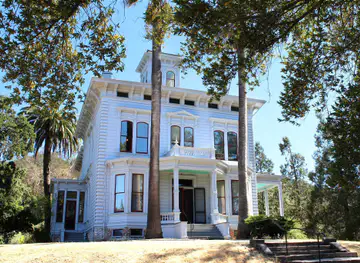
-
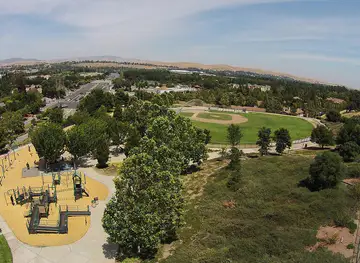
-

-

-


Swipe for more cities
Explore more
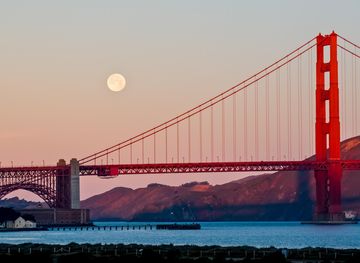
Explore more of California
Discover California: A land of diverse landscapes, iconic cities, and endless adventures, from sun-soaked beaches to towering redwoods and vibrant cultural experiences.
Explore California