Jennie Lakes Wilderness: A Sierra Nevada Escape
Discover pristine lakes, towering forests, and panoramic vistas in California's Jennie Lakes Wilderness, a sub-alpine escape in Sequoia National Forest offering hiking and backpacking adventures.
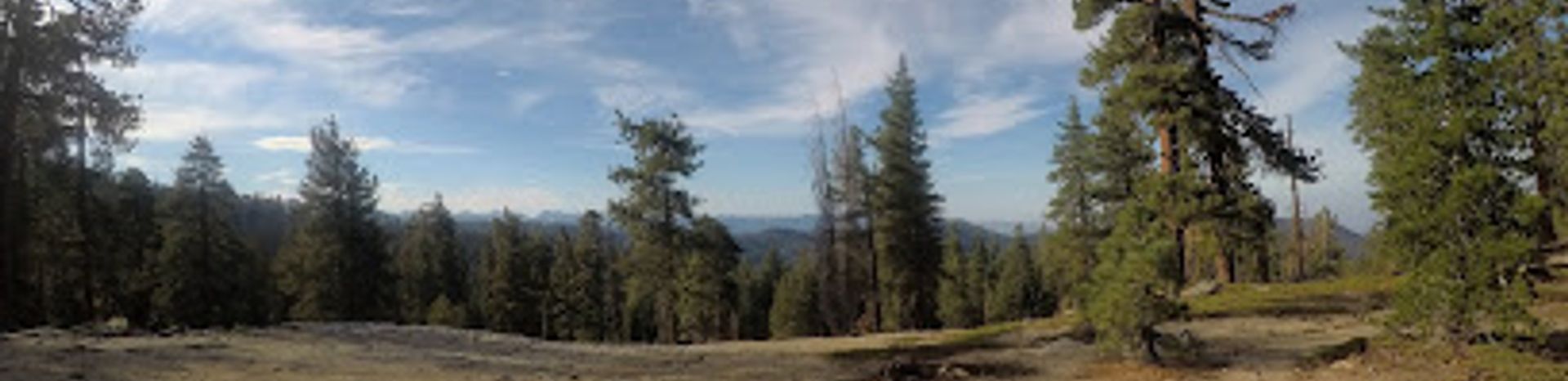
Escape to the serene beauty of Jennie Lakes Wilderness, a 10,500-acre haven nestled in California's Sequoia National Forest. This sub-alpine paradise, characterized by its elevation above 7,000 feet, boasts a diverse landscape of lush meadows, towering coniferous forests, and sparkling lakes like Jennie and Weaver. Hike through 26 miles of trails, discover panoramic vistas from Mitchell Peak, and immerse yourself in the tranquility of the Sierra Nevada. Whether you seek a challenging backpacking adventure or a peaceful day hike, Jennie Lakes Wilderness offers an unforgettable experience for nature enthusiasts. Remember to obtain a California Campfire Permit for any open flames and practice Leave No Trace principles to preserve this pristine environment. Be aware of camping restrictions near the lakeshores and check for current fire restrictions before your visit.
A brief summary to Jennie Lakes Wilderness
- California, 93262, US
- +1559-338-2251
- Visit website
Local tips
- Obtain a California Campfire Permit online or at a ranger station before your visit, even if you plan to use a stove.
- Be aware of camping restrictions near Jennie and Weaver Lakes; camping within 100 feet of the shoreline is often prohibited during peak season.
- If entering Sequoia & Kings Canyon National Park from Jennie Lakes Wilderness, obtain a backcountry permit from the National Park Service beforehand.
- Bring a map and compass or GPS device, as trails can be poorly marked in some areas.
- Pack bear-resistant food storage canisters, as black bears are common in the area.

Getting There
-
Driving
From Grant Grove Village in Kings Canyon National Park, head east on Generals Highway/Hwy 198 for approximately 7 miles. Turn left onto Big Meadows Road (Forest Road 14S11). Follow Big Meadows Road to reach trailheads like Big Meadows, Rowell Meadow, and Marvin Pass. The road is generally accessible by standard vehicles, but be prepared for some unpaved sections. Parking is available at the trailheads, but it can fill up quickly during peak season. There are no fees for parking. Note that Sequoia & Kings Canyon National Park charges entrance fees at the Big Stump and Ash Mountain entrance stations.
-
Walking/Hiking
Once you arrive at any of the trailheads (Big Meadows, Rowell Meadow, Stony Creek, or Marvin Pass), the final approach involves hiking to your desired destination within the wilderness. From Big Meadows Trailhead to Jennie Lake is approximately 6.5 miles, cutting slowly around Shell Mountain and then up and down either side of Poop Out Pass. From Big Meadows Trailhead to Weaver Lake is approximately 3.5 miles. Follow the signs for the Jennie Lakes Trail or Weaver Lake Trail. Be prepared for moderate to strenuous hiking, depending on your destination. There are no fees associated with hiking in the Jennie Lakes Wilderness.
Discover more about Jennie Lakes Wilderness
Iconic landmarks you can’t miss

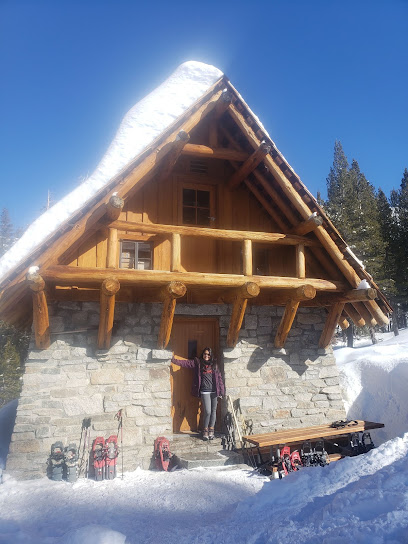
Pear Lake Winter Hut
8.4 km
Escape to a winter wonderland at Pear Lake Winter Hut in Sequoia National Park, offering a rustic backcountry experience for seasoned adventurers amidst breathtaking alpine scenery.
Tokopah Falls
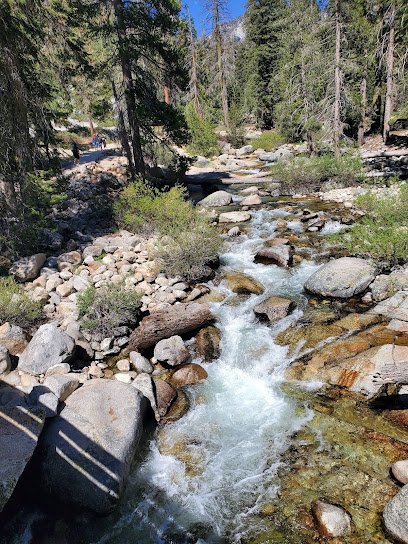
8.5 km
Explore the breathtaking Tokopah Falls in Sequoia National Park, a stunning natural waterfall surrounded by majestic granite cliffs and lush wilderness.
Tokopah Trailhead
10.0 km
Hike to the stunning 1,200-foot Tokopah Falls in Sequoia National Park, a moderate 3.4-mile trail through granite cliffs and lush forests along the Marble Fork of the Kaweah River.
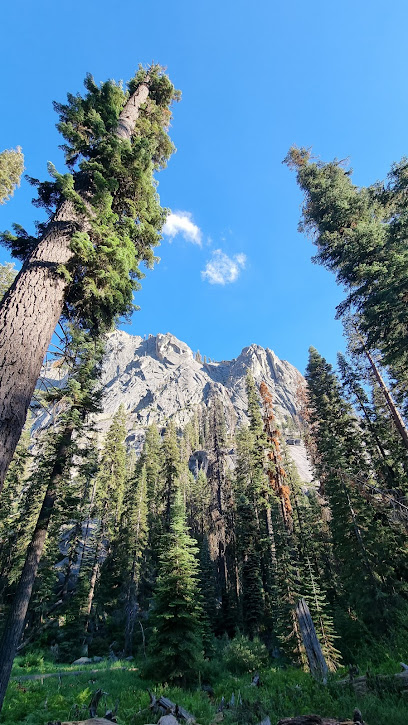
Alta Peak
10.4 km
Conquer Alta Peak in Sequoia National Park for unparalleled panoramic views of the Great Western Divide and the vast San Joaquin Valley on a challenging yet rewarding hike.
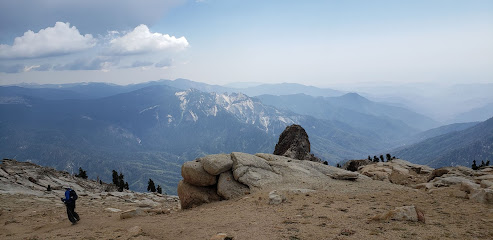
The Peaks Restaurant
11.1 km
Experience the beauty of Sequoia National Park while enjoying delectable American cuisine at The Peaks Restaurant, a perfect blend of nature and flavors.
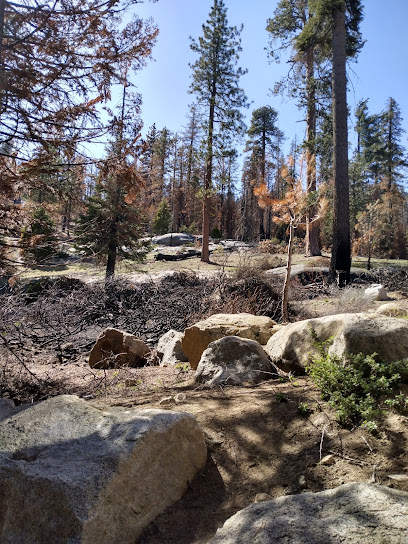
Wuksachi Lodge
11.1 km
Experience rustic elegance in Sequoia National Park at Wuksachi Lodge, offering modern comforts, stunning views, and easy access to the park's iconic giant sequoias and breathtaking wilderness.
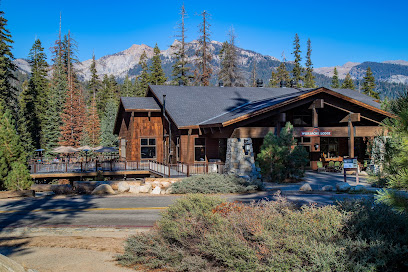
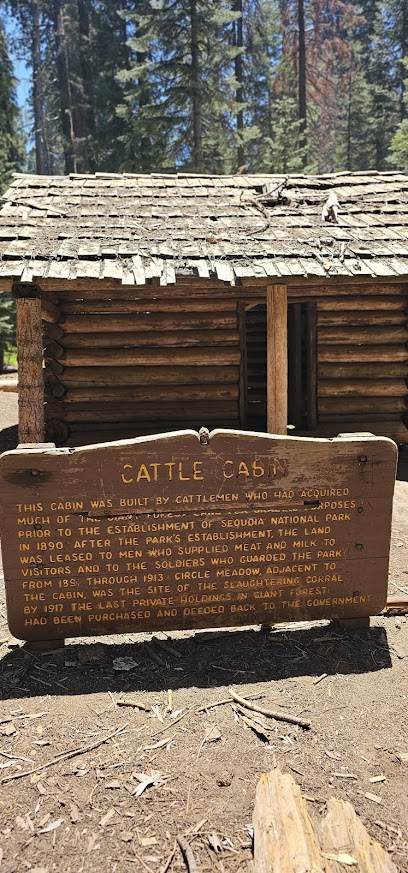
Cattle Cabin
14.7 km
Step back in time at the Cattle Cabin in Sequoia National Park, a historical landmark offering a glimpse into California's ranching past amidst the stunning Giant Forest.
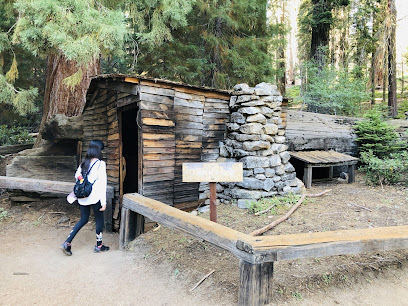
Tharp's Log
15.2 km
Step back in time at Tharp's Log, a remarkable pioneer cabin built inside a fallen giant sequoia, offering a unique glimpse into the early days of Sequoia National Park and the Giant Forest.
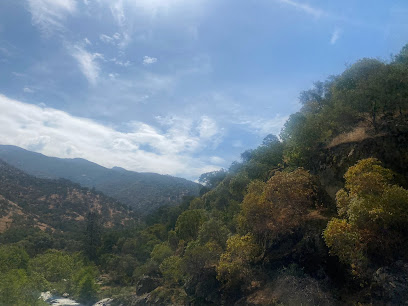
Giant Forest
15.4 km
Discover the awe-inspiring Giant Forest in Sequoia National Park: home to the world's largest trees, offering accessible trails and a profound connection with nature's ancient wonders.
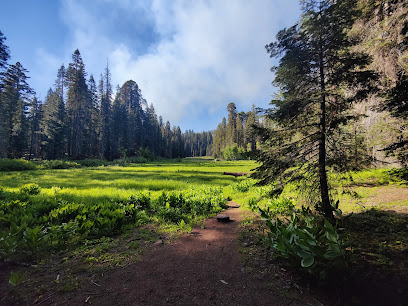
Crescent Meadow
15.6 km
Discover the serene beauty of Crescent Meadow in Sequoia National Park, a lush, sequoia-rimmed oasis offering easy trails, abundant wildlife, and a connection to nature's giants.
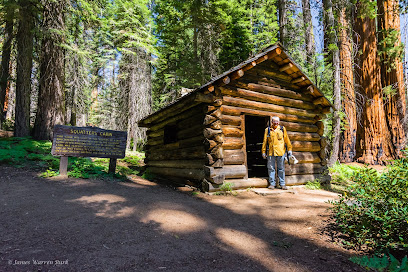
Squatters Cabin
15.9 km
Step back in time at Squatters Cabin in Sequoia National Park, a rustic reminder of the Kaweah Colony's utopian dreams amidst the towering sequoias and breathtaking Sierra Nevada scenery.
Muir Grove
16.1 km
Discover a serene escape among giant sequoias in Muir Grove, a hidden gem in Sequoia National Park offering a tranquil and intimate experience with nature's giants.
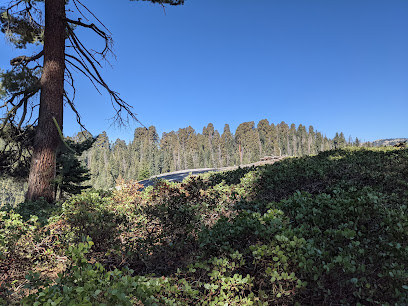
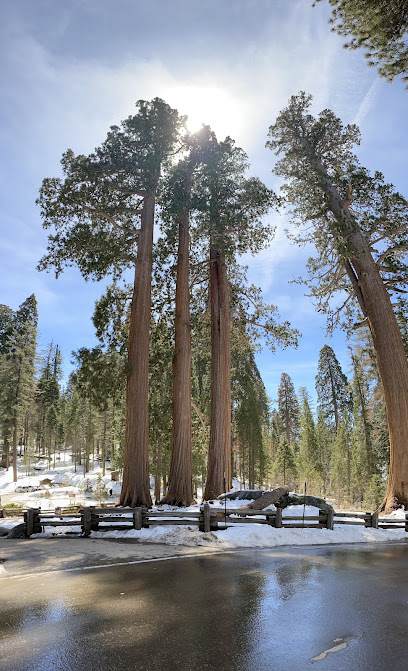
Beetle Rock Trail
16.3 km
Discover panoramic views and natural beauty at Beetle Rock in Sequoia National Park, an accessible granite vista offering a memorable experience for all visitors.
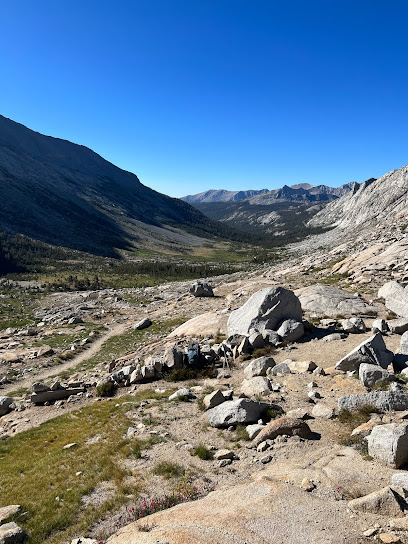
Kaweah Gap
17.5 km
Hike through the majestic Kaweah Gap in Sequoia National Park, a gateway to the High Sierra's remote beauty, offering challenging trails and unforgettable panoramic views.
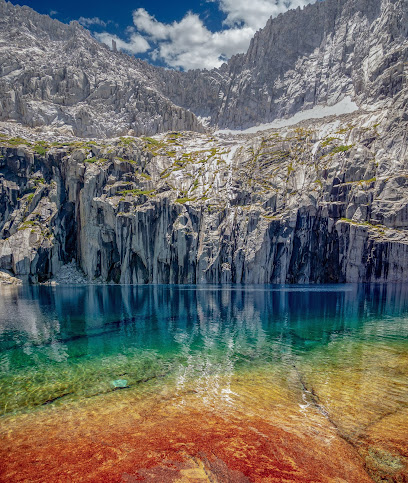
Precipice Lake
17.5 km
Discover the pristine beauty of Precipice Lake in Sequoia National Park: a challenging High Sierra Trail hike to breathtaking alpine scenery and iconic Ansel Adams views.
Unmissable attractions to see

Sequoia & Kings Canyon National Parks
9.8 km
Explore Sequoia & Kings Canyon National Parks: Home to towering trees, stunning landscapes, and rich wildlife in California's natural paradise.
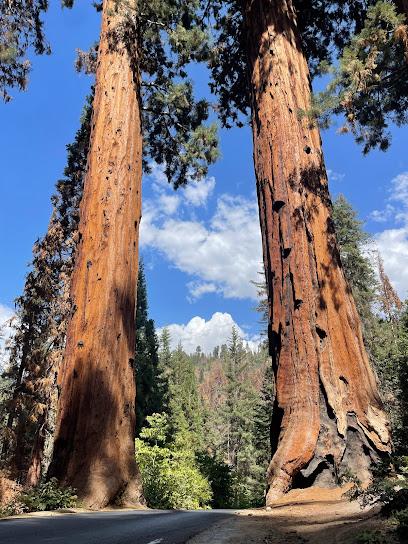
Lodgepole Visitor Center
10.5 km
Explore the majestic beauty of Sequoia National Park at Lodgepole Visitor Center, your gateway to the giant sequoias and breathtaking landscapes.
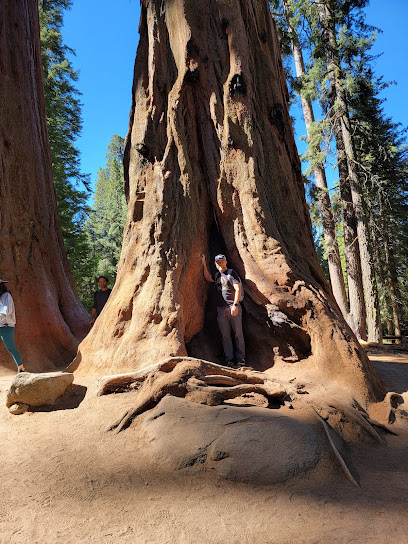
Roaring River Falls
11.6 km
Explore Roaring River Falls: A Stunning Waterfall in California Perfect for Nature Lovers and Adventure Seekers.
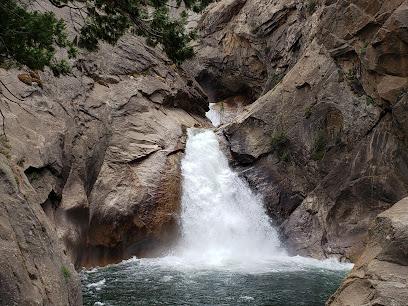
Cedar Grove Pack Station
12.1 km
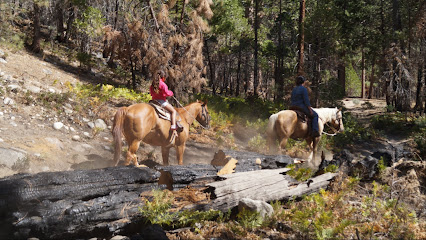
Explore Kings Canyon National Park on horseback with guided trail rides and pack trips from Cedar Grove Pack Station. Open seasonally.
Sherman Tree Trail
13.2 km
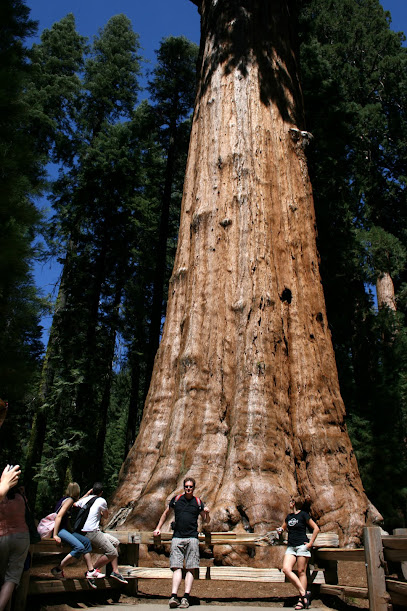
Explore the iconic Sherman Tree Trail in Sequoia National Park, home to the magnificent General Sherman Tree and breathtaking natural beauty.
Sequoia-Kings Canyon Wilderness
13.4 km
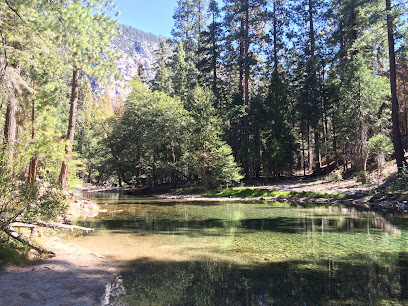
Explore the breathtaking Sequoia-Kings Canyon Wilderness, a nature preserve filled with towering sequoias, stunning vistas, and diverse wildlife in California.
General Sherman Tree
13.5 km
Explore the breathtaking General Sherman Tree, the largest tree on Earth, nestled in the stunning Sequoia National Park's majestic landscape.
The Congress Trail
13.6 km
Discover the breathtaking beauty of the Congress Trail in Sequoia National Park, where towering giant sequoias and stunning vistas await your exploration.
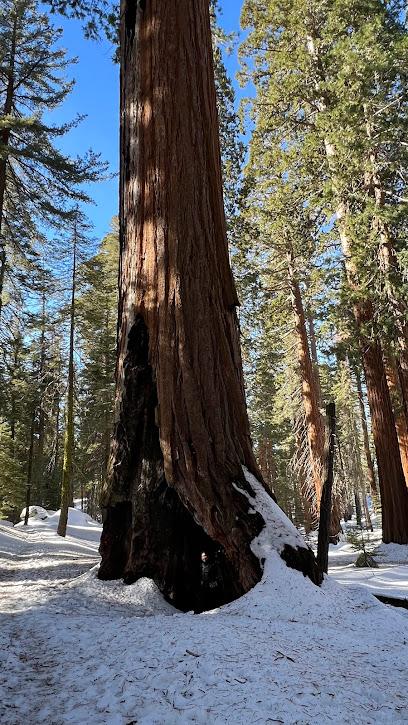
Chief Sequoyah Tree
14.2 km
Visit the Chief Sequoyah Tree in Sequoia National Park, a towering tribute to Cherokee innovator Sequoyah, surrounded by the Giant Forest's splendor.
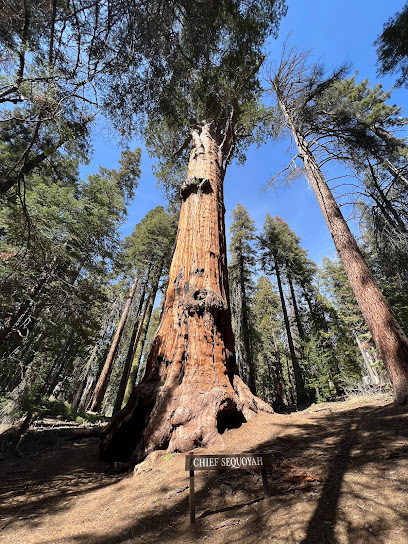
McKinley Tree
14.4 km
Explore the breathtaking McKinley Tree in California's Sierra Nevada, a scenic spot perfect for nature lovers and families seeking tranquility.
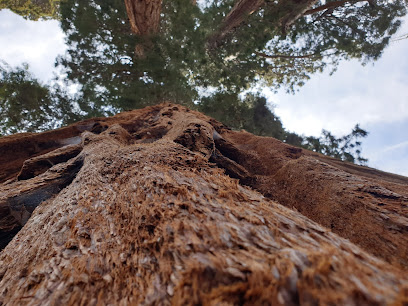
Grizzly Falls Picnic Area
15.0 km
Discover the natural beauty and tranquility of Grizzly Falls Picnic Area, a perfect picnic spot with stunning waterfalls and scenic trails in California.
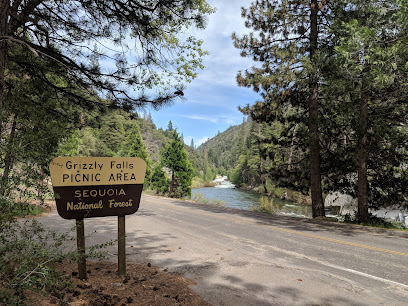
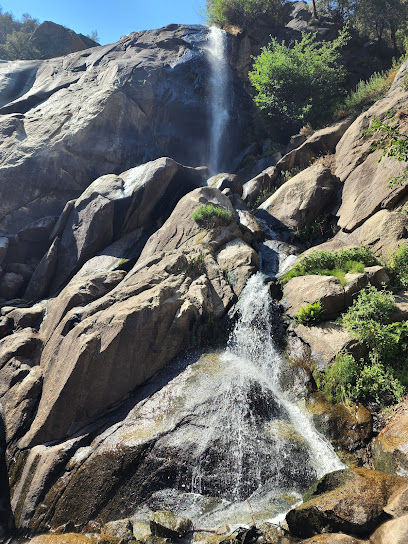
Grizzly Falls
15.0 km
Experience the breathtaking beauty of Grizzly Falls in Cedar Grove, California, a must-visit destination for nature lovers and adventure seekers.
Chimney Tree
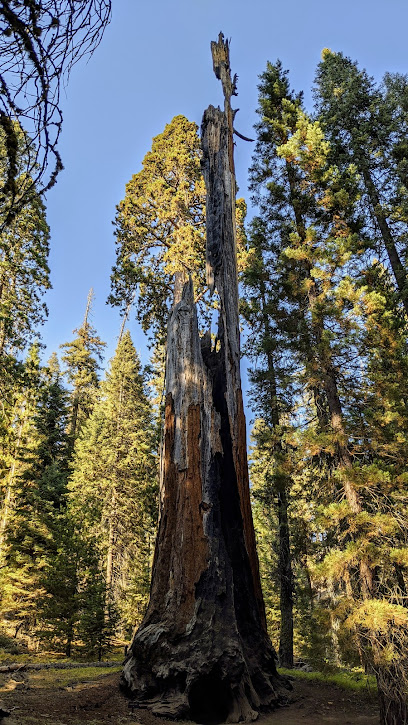
15.4 km
Explore the Chimney Tree in Sequoia National Park, a natural wonder that showcases the beauty and resilience of giant sequoias in California's stunning wilderness.
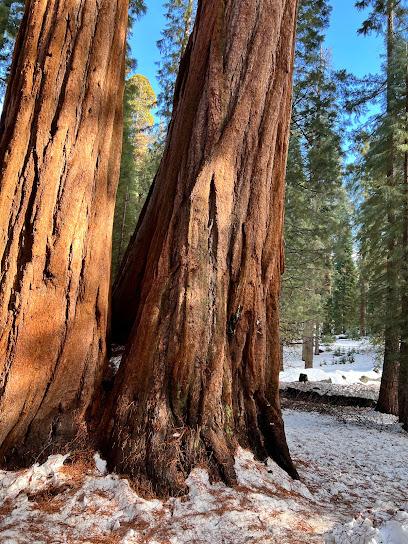
Big Trees Trail
15.7 km
Discover the breathtaking beauty of the Big Trees Trail in California, where towering sequoias and stunning landscapes await every nature lover.
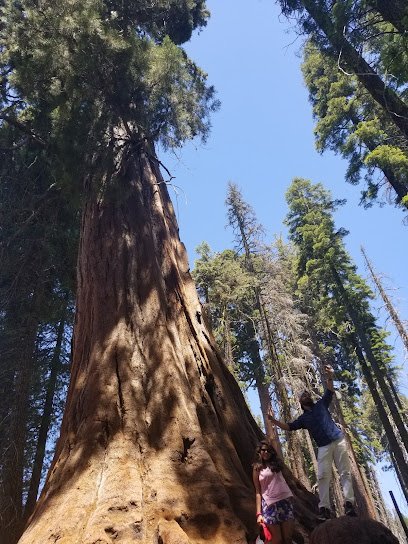
High Sierra Trailhead
16.0 km
Discover the breathtaking trails and stunning vistas at High Sierra Trailhead, a premier hiking destination in California's Sierra Nevada.
Essential places to dine

Lodgepole Campground
10.1 km
Experience the tranquility of Lodgepole Campground in Sequoia National Park – where nature meets adventure in California's Sierra Nevada.
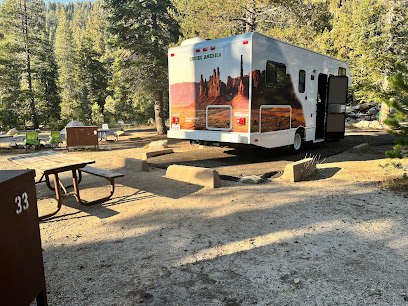
Stony Creek Lodge
15.6 km
Experience rustic charm at Stony Creek Lodge in Sequoia National Park - your perfect retreat into nature's breathtaking beauty.

Montecito Sequoia Lodge
18.3 km
Discover the serenity of Montecito Sequoia Lodge nestled in Sequoia National Park – your gateway to outdoor adventures and natural beauty.
John Muir Lodge
26.9 km
Discover the serene beauty of John Muir Lodge in Kings Canyon National Park—your gateway to majestic landscapes and outdoor adventures.
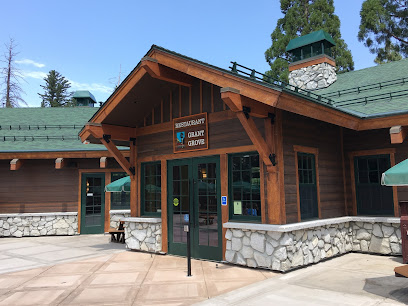
Grant Grove Restaurant
27.1 km
Experience delicious American cuisine amidst the majestic beauty of Sequoia National Park at Grant Grove Restaurant.
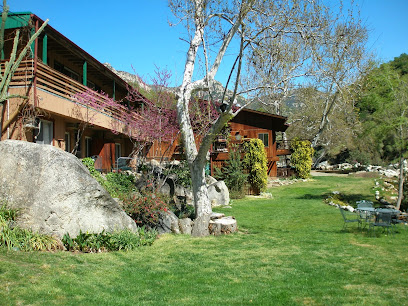
Buckeye Tree Lodge & Cabins
27.2 km
Discover tranquility at Buckeye Tree Lodge & Cabins—your gateway to adventure in beautiful Three Rivers, California.
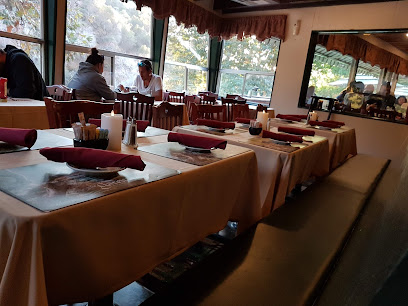
The Gateway Restaurant & Lodge
27.3 km
Discover the perfect blend of fine dining and cozy lodging at The Gateway Restaurant & Lodge near Sequoia National Park.
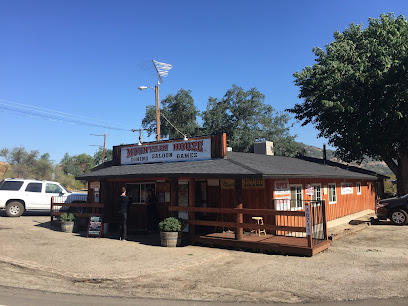
Baker Mountain House
32.2 km
Experience delectable dining at Baker Mountain House in Badger, California—where local flavors meet stunning mountain views.
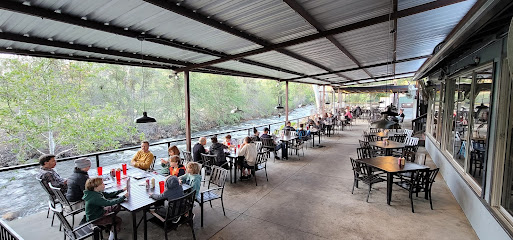
River View Grill & Bar
33.3 km
Discover River View Grill & Bar in Three Rivers: A perfect blend of scenic views and delectable American cuisine awaits you!
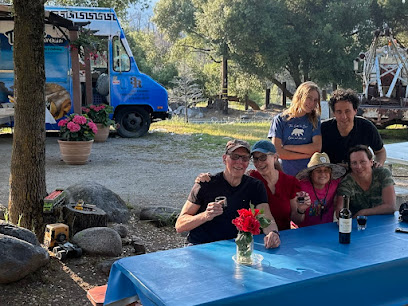
Tony's Taverna On Wheels
33.5 km
Discover delicious Mediterranean flavors at Tony's Taverna On Wheels in Three Rivers – a must-visit culinary experience for every traveler.
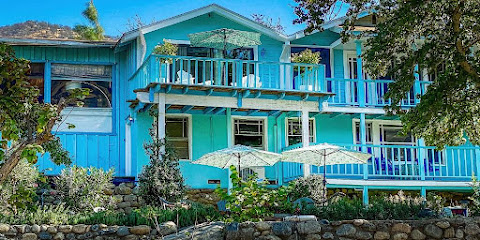
Rio Sierra Riverhouse
33.9 km
Discover tranquility at Rio Sierra Riverhouse - your gateway to adventure near Sequoia National Park in Three Rivers, California.
Pupusas La Sabrosa Three Rivers
34.3 km
Discover the authentic flavors of El Salvador at Pupusas La Sabrosa in Three Rivers—where every dish tells a story.
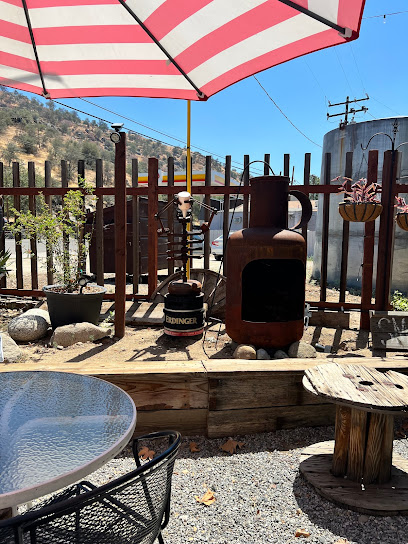
Ol Buckaroo
34.5 km
Discover Ol Buckaroo: A delightful New American restaurant in Three Rivers offering unique flavors and unforgettable dining experiences.
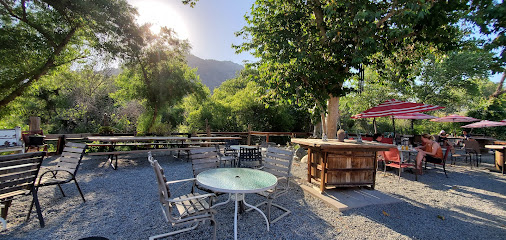
Pizza Factory
35.9 km
Experience family-friendly dining at Pizza Factory in Three Rivers – savor delicious pizzas and authentic Italian cuisine near Sequoia National Park.
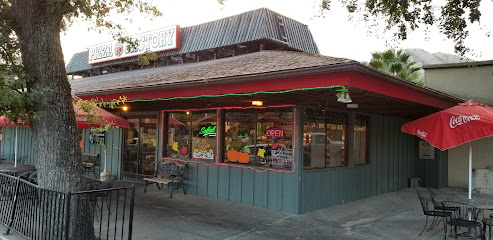
Casa Mendoza Mexican Restaurant
35.9 km
Discover authentic Mexican cuisine at Casa Mendoza in Three Rivers—where vibrant flavors meet stunning scenery.
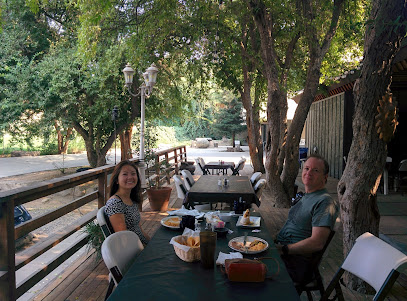
Markets, malls and hidden boutiques

Lodgepole Market & Grill
10.5 km
Discover Lodgepole Market & Grill in Sequoia National Park for local snacks, delicious meals, and unique souvenirs amidst stunning natural beauty.
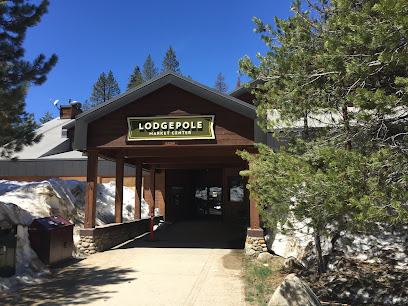
Grant Grove Gift Shop
27.1 km
Discover unique souvenirs and local crafts at Grant Grove Gift Shop, your perfect stop in Sequoia National Park for memorable gifts.
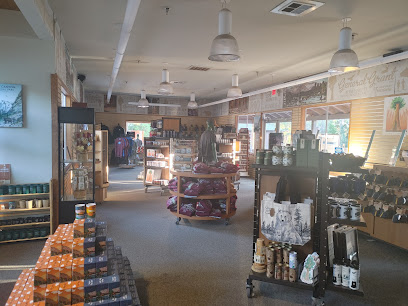
Grant Grove Market
27.1 km
Discover the delightful Grant Grove Market, a grocery store nestled in Sequoia National Park, offering local snacks and essentials for every adventurer.
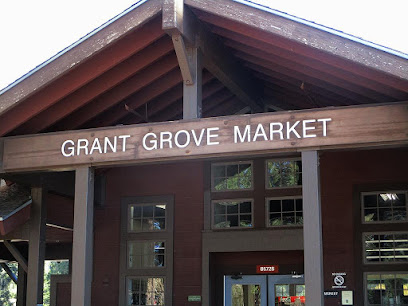
Totem Market & Gifts
28.6 km
Explore Totem Market & Gifts for unique souvenirs, gourmet snacks, and local brews in the heart of California's Sequoia region.
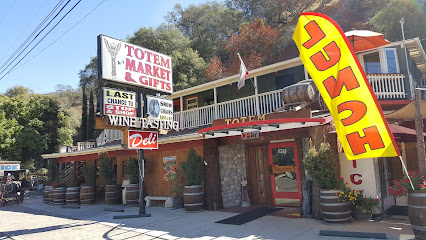
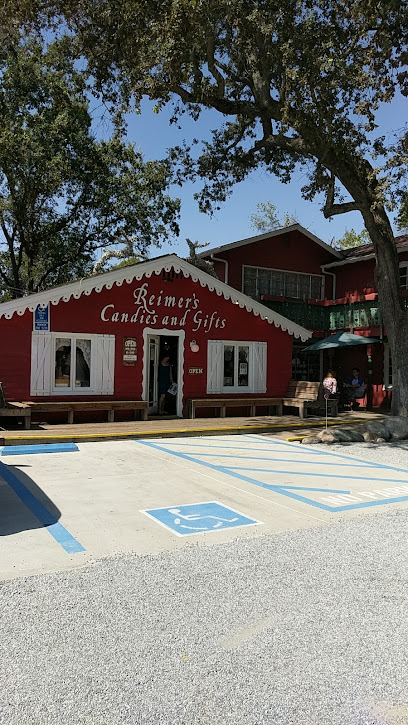
Reimers Candies & Gifts
33.1 km
Discover the sweet side of Three Rivers at Reimers Candies & Gifts, where artisanal treats and delightful gifts await every visitor.
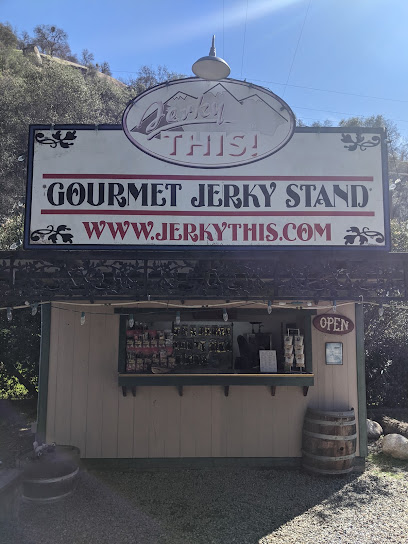
Jerky This!
33.2 km
Discover a gourmet treasure trove of flavors at Jerky This! in Three Rivers, California, where artisanal jerky meets local charm.
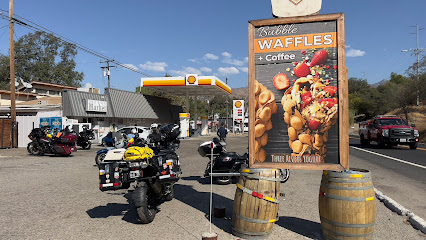
Shell
34.4 km
Discover Sierra Drive in Three Rivers: Your go-to gas station with essential amenities, delicious meals, and a gateway to California's natural beauty.
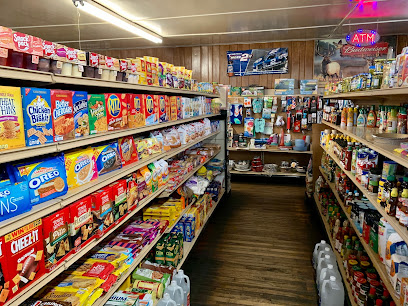
Three Rivers Market
34.4 km
Discover the convenience of Three Rivers Market, your go-to grocery store in Three Rivers, California, offering local goods, snacks, and essentials for your adventures.
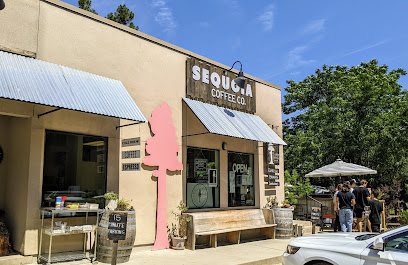
Sequoia Coffee Co.
34.5 km
Enjoy exceptional coffee and a cozy atmosphere at Sequoia Coffee Co., the perfect stop for nature lovers near Sequoia National Park.
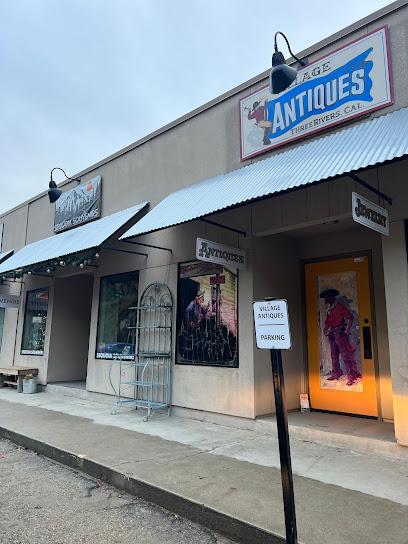
Sequoia Souveniers
34.5 km
Explore Sequoia Souveniers for unique gifts and keepsakes that celebrate the beauty of California's Sierra Nevada region.
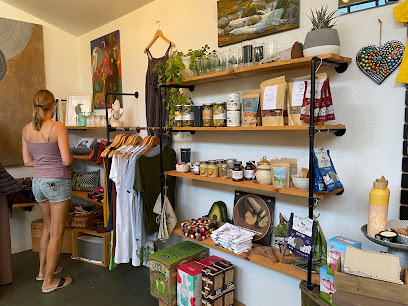
Gathered
34.5 km
Discover unique home goods and artisanal treasures at Gathered in Three Rivers, California - a true reflection of local craftsmanship.
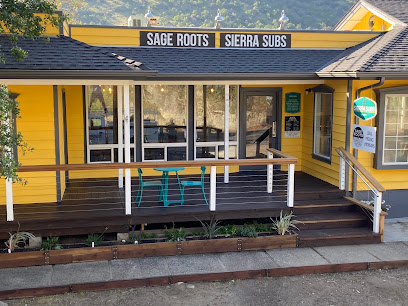
Sierra Subs & Salad
34.6 km
Discover fresh, delicious sandwiches and salads at Sierra Subs & Salad, the perfect stop before your Sequoia National Park adventure.
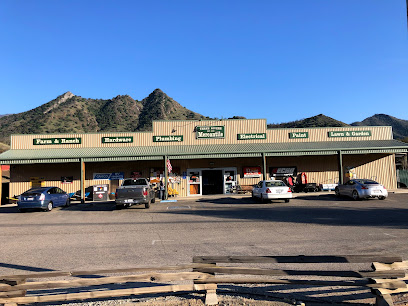
Three Rivers Mercantile
35.6 km
Explore Three Rivers Mercantile, your go-to stop for home improvement, gardening essentials, and local charm in the heart of California's Sierra Nevada.
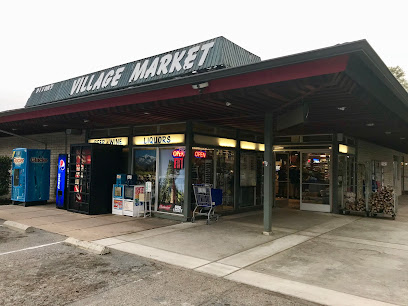
Village Market
35.9 km
Discover the Village Market in Three Rivers, CA – your go-to grocery store near Sequoia National Park, offering fresh produce, snacks, and local essentials.
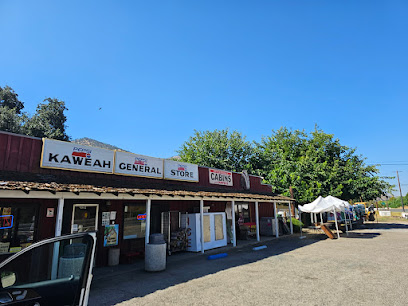
Kaweah General Store
36.9 km
Experience the rustic charm of Kaweah General Store, your go-to spot for local groceries and essentials in Three Rivers, California.
Essential bars & hidden hideouts

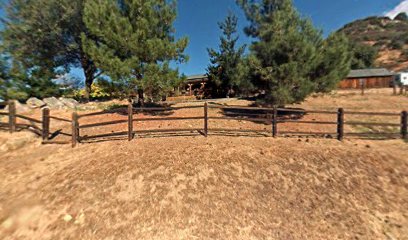
Lake Canyon Ranch
28.3 km
Experience the serene beauty of Lake Canyon Ranch, a perfect bar retreat in Three Rivers, CA, surrounded by nature's splendor.
Serrano's Mexican Restaurant
35.9 km
Experience the vibrant flavors of Mexico at Serrano's Mexican Restaurant in Three Rivers, CA, where every dish tells a story.
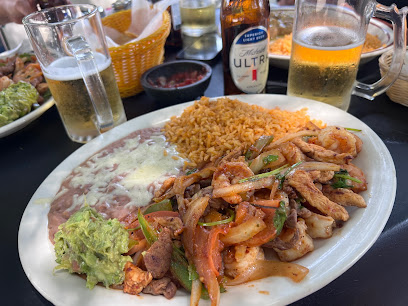
Next Bar
97.4 km
Experience the lively atmosphere and diverse menu at Next Bar, a must-visit bar and grill in Fresno, California, perfect for socializing and relaxing.
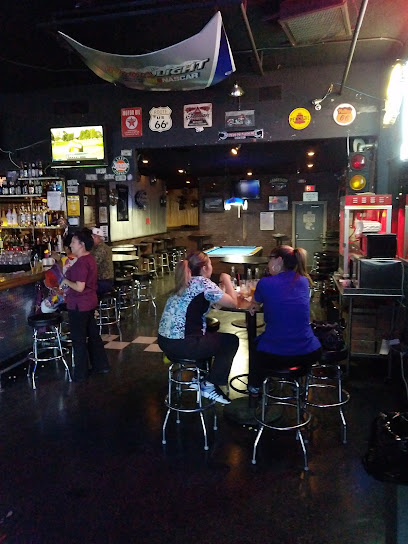
Elliott's Bar
98.7 km
Experience the vibrant atmosphere and diverse culinary offerings at Elliott's Bar, Fresno's premier bar and grill destination.
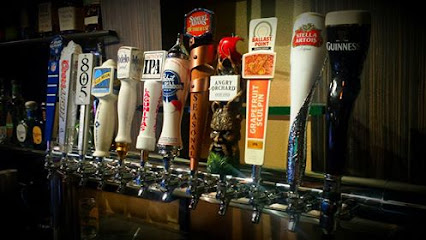
Uncle Tom's Cabin
98.8 km
Discover the charm of Uncle Tom's Cabin, a cozy bar in Fresno offering affordable drinks and a relaxed atmosphere perfect for unwinding.
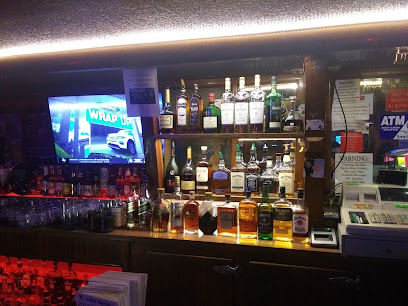
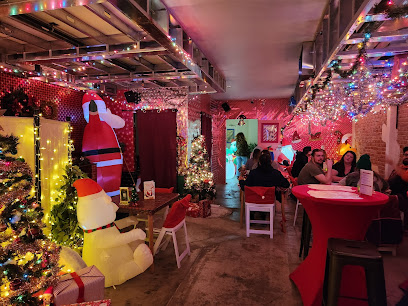
The Bar
99.2 km
Experience the vibrant nightlife of Fresno at The Bar, your go-to spot for karaoke, pool, and fun.
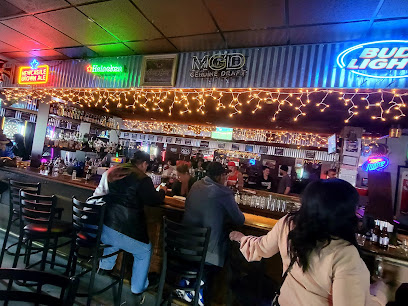
Bespoke
100.0 km
Discover Bespoke, Fresno's premier cocktail bar and event venue, where crafted drinks and a vibrant atmosphere await your visit.
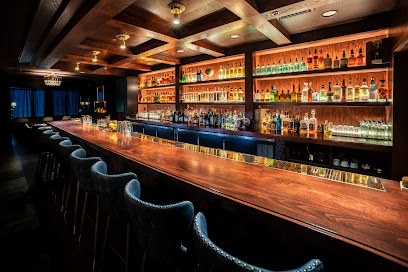
Modernist Craft Cocktail Bar
100.0 km
Experience the art of mixology at Fresno's Modernist Craft Cocktail Bar, where each drink tells a unique story.
Nightclubs & after hour spots

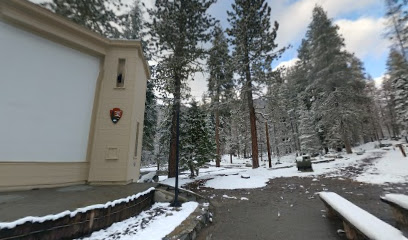
Lodgepole Amphitheater
10.4 km
Explore the serene Lodgepole Amphitheater in Sequoia National Park, a natural venue for cultural events amidst breathtaking landscapes.
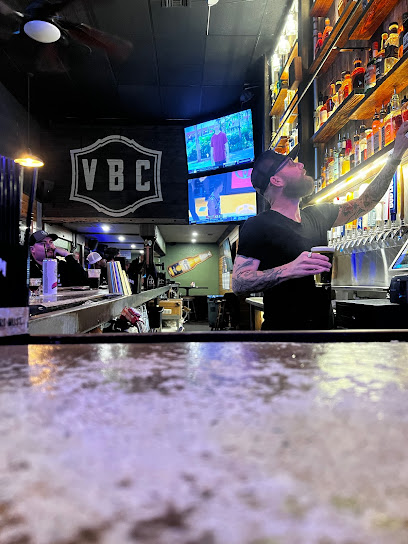
VBC
68.3 km
Experience the vibrant nightlife of Visalia at VBC, where exceptional drinks and a lively atmosphere await every visitor.
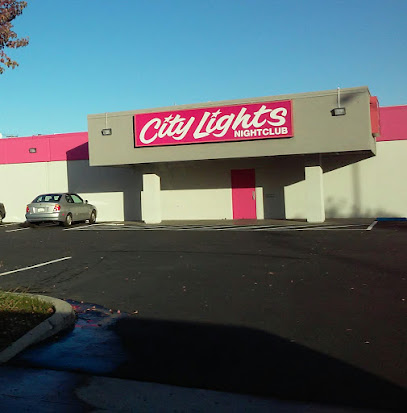
City Lights Nightclub
92.5 km
Discover the electrifying nightlife at City Lights Nightclub in Fresno, where vibrant music and captivating crowds create unforgettable memories.
The Sequoia Club
96.2 km
Experience the vibrant nightlife of Hanford at The Sequoia Club, featuring lively karaoke nights and a welcoming bar atmosphere for all.