

Tharp's Log, Sequoia National Park Travel Guide
Step back in time at Tharp's Log, a remarkable pioneer cabin built inside a fallen giant sequoia, offering a unique glimpse into the early days of Sequoia National Park and the Giant Forest.
Tharp's Log is a remarkable historical landmark nestled within Sequoia National Park's Giant Forest. It's a testament to early pioneer life and ingenuity, offering visitors a glimpse into the past. Hale Dixon Tharp, considered the first non-Native American to settle in the Giant Forest, ingeniously converted a fallen giant sequoia into a rustic cabin in 1861. This unique structure served as his summer home while he grazed cattle in the nearby meadows. Today, visitors can explore this unusual dwelling, marvel at its construction, and imagine life in the heart of the Giant Forest over 150 years ago. The site is a poignant reminder of the complex relationship between humans and the natural world, offering a unique blend of history and natural beauty. The log is accessible via a short, scenic hike, making it a must-see destination for anyone visiting Sequoia National Park.
A brief summary to Tharp's Log
- California, 93262, US

Know before you go
Hi, I'm Eve. Here are a few practical things to know before exploring Tharp's Log.
- Visit during the shoulder seasons (spring or fall) for fewer crowds and pleasant weather.
- Combine your visit to Tharp's Log with a hike around Crescent Meadow for a longer, more immersive experience.
- Check the National Park Service website for updates on trail conditions and shuttle schedules.
Do you manage this location?
Take control to get all the benefits, like improved information, better appearance, and stronger visibility across AI-powered discovery. Learn more about listing your business on Evendo
Activate your presenceOther nearby places you may find interesting
The closest places of the same kind, if this one is not quite what you had in mind.
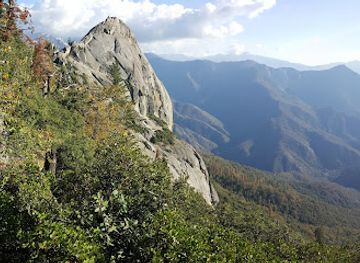
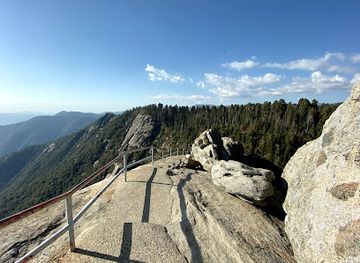
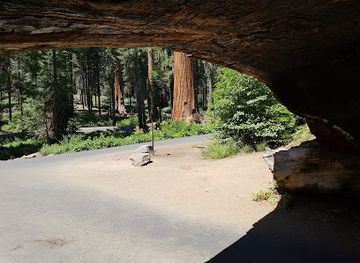
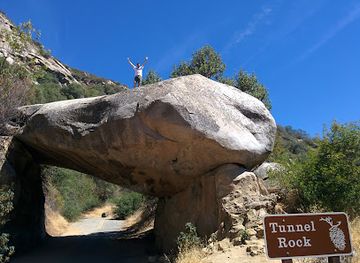
Explore Tharp's Log on the Map
A handpicked selection of must-see spots near Tharp's Log, mapped for you.
Getting There
-
Shuttle & Walking
During the summer (late May to early September), Crescent Meadow Road is often closed to private vehicles on weekends and holidays. Park at the Giant Forest Museum and take the free Sequoia Shuttle (Gray Route 2) to the Crescent Meadow parking lot. From the Crescent Meadow parking area, follow the paved path east towards the High Sierra Trailhead. After a short distance, the path splits; veer left to continue towards Crescent Meadow and Tharp's Log. The walk to Tharp's Log is approximately 1 mile (1.6 km) on a mostly paved, gentle trail. The shuttle is free, but park entrance fees apply ($35 per vehicle).
-
Driving & Walking
When Crescent Meadow Road is open to private vehicles (typically weekdays and outside the peak summer season), drive to the Crescent Meadow parking lot at the end of Crescent Meadow Road. From the parking lot, follow the paved path east towards the High Sierra Trailhead. After a short distance, the path splits; veer left to continue towards Crescent Meadow and Tharp's Log. The walk to Tharp's Log is approximately 1 mile (1.6 km) on a mostly paved, gentle trail. Parking at Crescent Meadow is free, but can be limited, especially during peak season. Park entrance fees apply ($35 per vehicle).
Discover more about Tharp's Log













Your all‑in‑one travel companion app
Explore expert travel guides, compare and book tours, experiences, hotels, and more—all from the palm of your hand. Download now for seamless trip planning wherever your wanderlust takes you.


Explore More of Sequoia National Park
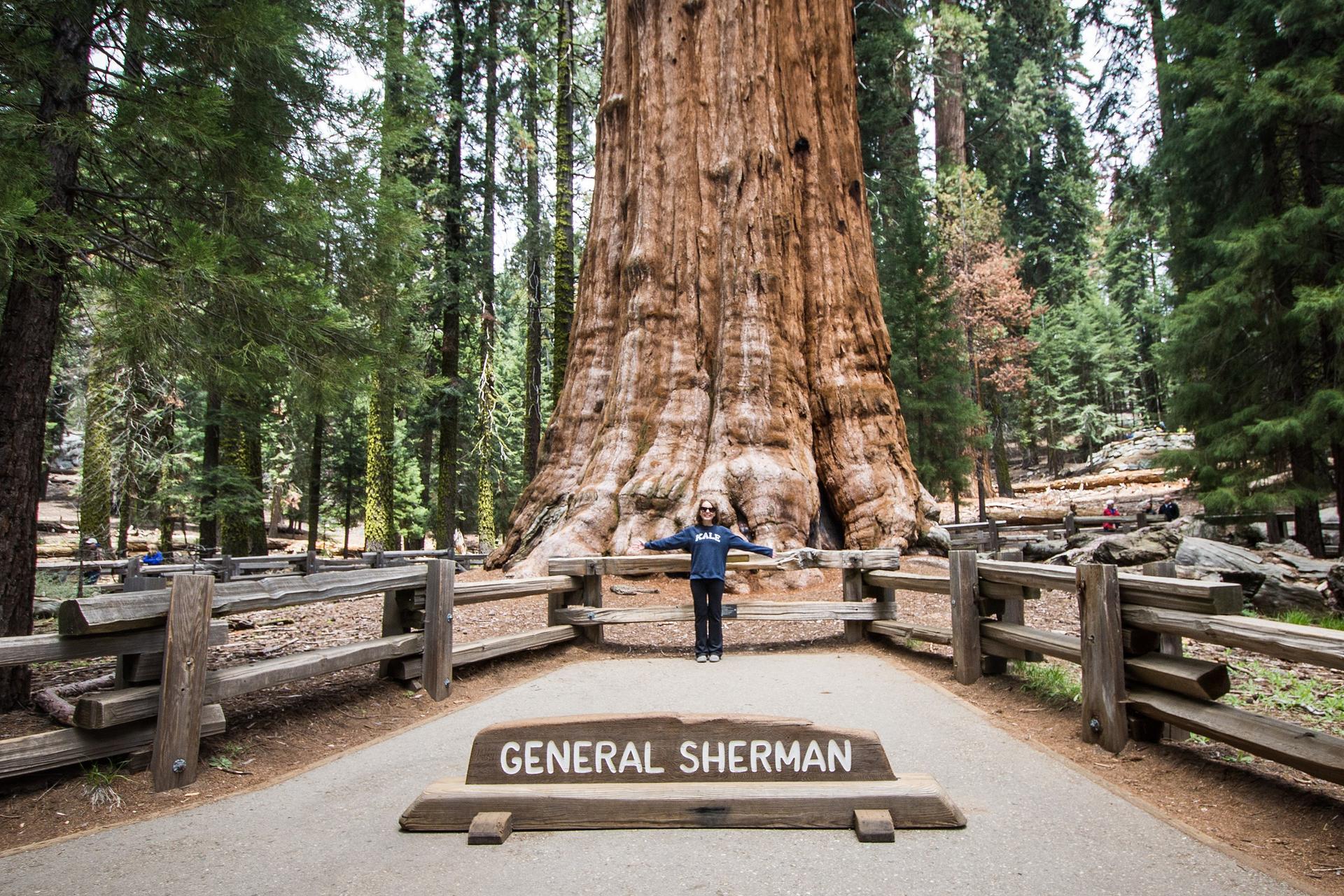
Looking beyond Tharp's Log? Discover Sequoia National Park for broader travel guides, local hot-spots, and regional highlights.
Explore Sequoia National Park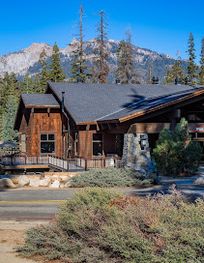
Experience rustic elegance in Sequoia National Park at Wuksachi Lodge, offering modern comforts, stunning views, and easy access to the park's iconic giant sequoias and breathtaking wilderness.
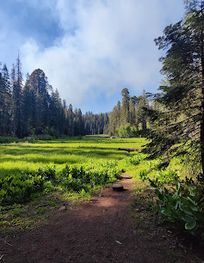
Discover the serene beauty of Crescent Meadow in Sequoia National Park, a lush, sequoia-rimmed oasis offering easy trails, abundant wildlife, and a connection to nature's giants.
