

Yosemite, California Travel Guide
Discover Yosemite National Park: A stunning natural wonderland in California's Sierra Nevada, featuring majestic cliffs, ancient sequoias, and breathtaking waterfalls.
Yosemite National Park is a treasure trove of natural wonders located in the Sierra Nevada mountains of California. This iconic park is known for its stunning granite cliffs, lush meadows, ancient giant sequoias, and picturesque waterfalls, making it a paradise for nature lovers and adventure seekers alike. The park spans over 1,200 square miles, offering visitors a diverse range of landscapes to explore. Yosemite Valley is the heart of the park and home to some of its most famous landmarks, including El Capitan, Half Dome, and Bridalveil Fall. The valley's dramatic scenery can be enjoyed from various viewpoints, such as Glacier Point and Tunnel View, which offer breathtaking panoramic vistas. Hiking trails abound, ranging from easy strolls to challenging climbs, providing opportunities for all levels of outdoor enthusiasts. In addition to its natural beauty, Yosemite has a rich cultural history. The park is home to the Ahwahneechee people, who have lived in the region for thousands of years. Visitors can learn about their heritage at the Yosemite Museum and Indian Village. Throughout the year, the park hosts numerous ranger-led programs and events, offering deeper insights into its ecological and cultural significance. Whether you're looking to camp under the stars, photograph the striking landscapes, or simply take in the serene beauty of nature, Yosemite National Park promises an unforgettable experience.

Know before you go
Hi, I'm Eve. Here are a few practical things to know before exploring Yosemite.
- Visit during the spring or fall to avoid summer crowds and enjoy milder weather.
- Book accommodations well in advance, as lodgings within the park fill up quickly.
- Take advantage of the free shuttle bus service to navigate popular areas of the park.
- Bring plenty of water and snacks, especially if you plan on hiking.
- Check current weather and trail conditions before heading out.
Top City Travel Guides in Yosemite
The cities of Yosemite, and the easiest places to base yourself.

Destinations in Yosemite
Resorts, valleys and scenic spots worth a trip of their own.

Explore Yosemite: Things to Do, Places to Eat, Hotels & More
Handpicked recommendations for top attractions, local dining, accommodations, and more

Top Attractions & Sightseeing in Yosemite
Top-rated picks
Best Attractions

Yosemite National Park
Discover the breathtaking landscapes and rich biodiversity of Yosemite National Park, an iconic destination for nature lovers and adventure seekers.

Glacier Point
Experience Yosemite's grandeur from Glacier Point: panoramic views, hiking trails, and unforgettable sunsets await!

Lower Yosemite Fall Trailhead
Discover the breathtaking beauty of Lower Yosemite Falls, a stunning hiking area in the heart of Yosemite National Park, perfect for all adventurers.

Lower Yosemite Fall Vista Point
Experience the stunning views of Lower Yosemite Fall, a must-visit scenic spot in Yosemite National Park, perfect for nature lovers and photographers.

Best landmarks in Yosemite
Top-rated picks
Best Landmarks

Yosemite National Park
Discover Yosemite National Park: Majestic granite cliffs, giant sequoias, and unparalleled wilderness in California's Sierra Nevada.

Vernal Falls
Explore the stunning Vernal Falls in Yosemite National Park, a breathtaking natural wonder perfect for hiking and photography enthusiasts.

Tunnel view
Experience Yosemite's most iconic view: El Capitan, Half Dome, and Bridalveil Fall await at the breathtaking Tunnel View overlook.

Olmsted Point
Experience Yosemite's iconic views of Half Dome and Tenaya Lake from Olmsted Point, a roadside vista named for famed landscape architects.

Best restaurants in Yosemite
Top-rated picks
Best Restaurants

Jackalope's Bar and Grill
Discover Jackalope's Bar and Grill in Fish Camp - where hearty American grill favorites meet stunning Sierra Nevada views.

The Ahwahnee Dining Room
Experience exquisite traditional American cuisine at The Ahwahnee Dining Room in Yosemite National Park, where fine dining meets stunning natural beauty.

Base Camp Eatery
Experience delectable dining at Base Camp Eatery in Yosemite National Park – where nature meets flavor in every bite!

June Bug Café
Discover the heart of American cuisine at June Bug Café in Midpines—where comfort food meets charming ambiance.

Best bars in Yosemite
Top-rated picks
Best Bars

Oakhurst Grill & Whiskey 41 Lounge
Experience delicious American cuisine and a wide selection of whiskey at Oakhurst Grill & Whiskey 41 Lounge, your perfect dining getaway in California.

Iron Door Saloon
Experience a slice of history at Iron Door Saloon, California's oldest saloon, serving delicious grill cuisine in the heart of Groveland.

Ducey's On the Lake & Ducey's Bar & Grill
Experience the best of American cuisine at Ducey's On the Lake, overlooking the stunning Bass Lake in California.

Yosemite Ranch - Steak, Fish, Bar
Experience the best of Fresno dining at Yosemite Ranch, where succulent steaks and fresh seafood meet a warm bar atmosphere.

Best nightclubs in Yosemite
Top-rated picks
Best Nightclubs

The River Restaurant & Lounge
Experience the flavors of America in a serene setting at The River Restaurant & Lounge, your perfect dining spot near Yosemite.

The Alley
Experience the charm of Mariposa at The Alley - a cozy bar and lounge offering exquisite small plates and an impressive wine selection.

The Ahwahnee Bar
Experience luxury and breathtaking views at The Ahwahnee Bar in Yosemite National Park, where exquisite drinks meet natural beauty.

Bar 1899
Experience the perfect blend of local flavors and stunning natural beauty at Bar 1899, a must-visit bar in Yosemite's Tuolumne Meadows.

Best shops in Yosemite
Top-rated picks
Best Shops

Village Store
Explore Yosemite National Park with ease at the Village Store, your one-stop shop for groceries and memorable souvenirs.

Coarsegold Historic Village
Experience the unique blend of history and charm at Coarsegold Historic Village, a must-visit for antique lovers and souvenir hunters.

Tractor Supply Co.
Discover the charm of Oakhurst at Tractor Supply Co., your go-to destination for farm supplies, pet care, and more in California.

Yosemite Crossing
Experience the best shopping and dining at Yosemite Crossing, a premier shopping mall in Merced, California, perfect for tourists and locals alike.

Explore Yosemite on the Map
A handpicked selection of must-see spots in Yosemite, mapped for you.
Yosemite Essentials
-
Yosemite National Park is located in the Sierra Nevada mountains of California. The closest major airport is Fresno Yosemite International Airport (FAT), approximately 65 miles from the park's southern entrance. Other nearby airports include San Francisco International Airport (SFO) and Los Angeles International Airport (LAX), which are about 200 and 300 miles away respectively. From these airports, you can rent a car or take a shuttle service to reach the park. Public transportation options include the YARTS (Yosemite Area Regional Transportation System) buses, which connect various locations in the region to Yosemite.
-
Once inside Yosemite, the most convenient way to get around is by car. However, during peak seasons, parking can be limited. The park offers a free shuttle service that operates year-round in Yosemite Valley, making stops at major attractions like Yosemite Falls, Half Dome Village, and El Capitan. Biking is also a popular way to explore the valley, with bikes available for rent. For those wishing to hike, the park has an extensive network of trails catering to all skill levels.
-
The official currency in the United States is the US Dollar (USD). Most establishments in and around Yosemite accept credit and debit cards. ATMs can be found at several locations within the park, including Yosemite Village and Half Dome Village. It is advisable to carry some cash, particularly if you plan to visit more remote areas or smaller establishments that may not accept cards.
-
Yosemite is generally a safe destination, but it is important to take standard precautions. Avoid leaving valuables in your car and always lock your vehicle. Be aware of wildlife, and never approach or feed animals. Stick to marked trails and observe all warning signs. There are no high-crime areas targeting tourists within the park, but it is always wise to stay vigilant and aware of your surroundings.
-
In case of emergency, dial 911 for immediate assistance. Yosemite has several emergency services, including a medical clinic located in Yosemite Valley. Rangers are also available to provide assistance. It is recommended to have travel insurance that covers medical emergencies. For minor health issues, there are pharmacies at the Yosemite Village and Half Dome Village.
-
Fashion: Do wear comfortable and weather-appropriate clothing. Layers are recommended due to variable weather conditions. Don't wear flip-flops or open-toed shoes on hikes. Religion: Do be respectful of any cultural or spiritual sites you may visit within the park. Public Transport: Do use the free shuttle service to reduce traffic congestion. Don't litter; always use designated trash and recycling bins. Greetings: Do greet fellow hikers and park staff with a friendly nod or hello. Eating & Drinking: Do pack out all your trash and leftover food. Don't feed wildlife, as it is harmful to them and illegal.
-
To experience Yosemite like a local, visit during the shoulder seasons of late spring or early fall to avoid the crowds. Start your day early to catch the sunrise at Tunnel View or Glacier Point. Attend a ranger-led program to learn more about the park's natural and cultural history. Take the less crowded trails like the Taft Point and Sentinel Dome hikes for stunning views without the crowds. Finally, make sure to try local favorites like the homemade pizza at Half Dome Village Pizza Deck.
When is the best time to visit Yosemite?
Useful Local Phrases for Yosemite
You don't need to speak the language perfectly. Even learning a few simple words can make conversations warmer—and locals usually appreciate the effort.
— Eve

Here are the phrases I use most often in Yosemite. Try a few—you'll be surprised how far they go! 😊
❤️
-
- HelloHi
[haɪ] - GoodbyeSee ya
[si jɑ] - YesYep
[jɛp] - NoNope
[noʊp] - Please/You're welcomeSure thing
[ʃʊr θɪŋ] - Thank youThanks
[θæŋks] - Excuse me/SorrySorry
[ˈsɔri] - How are you?How's it going?
[haʊz ɪt ˈɡoʊɪŋ] - Fine. And you?Good. You?
[ɡʊd. ju?] - Do you speak English?You speak English?
[ju spiːk ˈɪŋɡlɪʃ?] - I don't understandI don’t get it
[aɪ doʊnt ɡɛt ɪt]
- HelloHi
-
- I'd like to see the menu, pleaseCan I see the menu?
[kæn aɪ si ðə ˈmɛnju] - I don't eat meatI’m vegetarian
[aɪm ˌvɛdʒəˈtɛriən] - Cheers!Cheers!
[ʧɪrz] - I would like to pay, pleaseCan I get the check?
[kæn aɪ ɡɛt ðə ʧɛk]
- I'd like to see the menu, pleaseCan I see the menu?
-
- Help!Help!
[hɛlp] - Go away!Leave me alone!
[liːv mi əˈloʊn] - Call the Police!Call 911!
[kɔl naɪn wʌn wʌn] - Call a doctor!Get a doctor!
[ɡɛt ə ˈdɑktər] - I'm lostI'm lost
[aɪm lɔst] - I'm illI’m not feeling well
[aɪm nɑt ˈfiːlɪŋ wɛl]
- Help!Help!
-
- I'd like to buy...I want to buy...
[aɪ wɑnt tu baɪ] - I'm just lookingJust browsing
[dʒʌst ˈbraʊzɪŋ] - How much is it?What’s the price?
[wʌts ðə praɪs] - That's too expensiveThat’s pricey
[ðæts ˈpraɪsi] - Can you lower the price?Can you do a better price?
[kæn ju du ə ˈbɛtər praɪs]
- I'd like to buy...I want to buy...
-
- What time is it?What time?
[wʌt taɪm] - It's one o'clockIt’s one
[ɪts wʌn] - Half past (10)Half past ten
[hæf pæst tɛn] - MorningMorning
[ˈmɔrnɪŋ] - AfternoonAfternoon
[ˌæftərˈnun] - EveningEvening
[ˈivnɪŋ] - YesterdayYesterday
[ˈjɛstərdeɪ] - TodayToday
[təˈdeɪ] - TomorrowTomorrow
[təˈmɔroʊ] - 1One
[wʌn] - 2Two
[tu] - 3Three
[θri] - 4Four
[fɔr] - 5Five
[faɪv] - 6Six
[sɪks] - 7Seven
[ˈsɛvən] - 8Eight
[eɪt] - 9Nine
[naɪn] - 10Ten
[tɛn]
- What time is it?What time?
-
- Where's a/the...?Where's the...?
[wɛrz ðə...?] - What's the address?What’s the address?
[wʌts ði əˈdrɛs] - Can you show me (on the map)?Can you point it out?
[kæn ju pɔɪnt ɪt aʊt] - When's the next (bus)?When’s the next bus?
[wɛn z ðə nɛkst bʌs] - A ticket (to ....)A ticket to...
[ə ˈtɪkɪt tu...]
- Where's a/the...?Where's the...?
History of Yosemite
-
Long before Yosemite became a national park, it was home to the Ahwahneechee, a Native American tribe. The Ahwahneechee lived in the Yosemite Valley for thousands of years, thriving off the land and developing a rich culture deeply connected to the natural environment. They called the valley 'Ahwahnee,' meaning 'big mouth,' due to its shape. The tribe's traditions, legends, and knowledge of the land were passed down through generations, forming a significant part of Yosemite's cultural heritage.
-
In 1851, the Mariposa Battalion, a group of European-American miners and soldiers, became the first non-Native Americans to enter Yosemite Valley. Led by Major James D. Savage, they were on a mission to suppress the native tribes in the area. The battalion's entry into the valley marked a turning point in Yosemite's history, leading to increased interest and eventually the displacement of the Ahwahneechee people.
-
John Muir, a Scottish-American naturalist and writer, played a pivotal role in the conservation of Yosemite. Arriving in the valley in 1868, Muir was captivated by its beauty and became an advocate for its preservation. His writings and activism were instrumental in the creation of Yosemite National Park in 1890. Muir's efforts not only protected the park but also laid the groundwork for the broader American conservation movement.
-
Yosemite National Park was officially established on October 1, 1890, thanks largely to the efforts of John Muir and the Sierra Club. The park initially covered over 1,500 square miles, protecting the stunning landscapes of Yosemite Valley, the Mariposa Grove of Giant Sequoias, and the high Sierra Nevada. This designation marked a crucial step in the preservation of America's natural wonders, setting a precedent for future national parks.
-
In 1916, the National Park Service (NPS) was created to manage and protect the United States' national parks. Yosemite became one of the first parks to be managed by the NPS, which aimed to preserve the natural and cultural resources for future generations. The establishment of the NPS ensured that Yosemite would receive consistent and professional management, helping to maintain its pristine condition and accessibility for visitors.
-
During the Great Depression, the Civilian Conservation Corps (CCC) played a significant role in developing Yosemite's infrastructure. From 1933 to 1942, the CCC built trails, campgrounds, and other facilities that greatly improved the park's accessibility and visitor experience. Their work left a lasting legacy, many of their constructions still in use today, showcasing the enduring impact of the New Deal programs on America's national parks.
-
World War II brought changes to Yosemite, including the temporary closure of the park's hotels and lodges as tourism declined. The park also served as a training ground for the U.S. military, with soldiers practicing mountain warfare and survival skills. Post-war, the park experienced a surge in visitors, prompting further development of its facilities to accommodate the growing number of tourists.
-
In recent decades, modern conservation efforts have focused on preserving Yosemite's unique ecosystems and addressing the challenges posed by climate change, wildfires, and increased tourism. Initiatives such as habitat restoration, wildlife protection, and sustainable tourism practices aim to ensure that Yosemite remains a natural treasure for future generations. These ongoing efforts highlight the park's significance as a beacon of conservation in the 21st century.
Neighbouring Regions of Yosemite
The closest regions to Yosemite, if you have time for more than one.
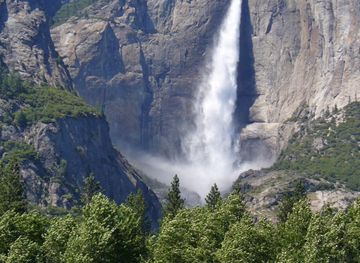


Your all‑in‑one travel companion app
Explore expert travel guides, compare and book tours, experiences, hotels, and more—all from the palm of your hand. Download now for seamless trip planning wherever your wanderlust takes you.


Explore More of California
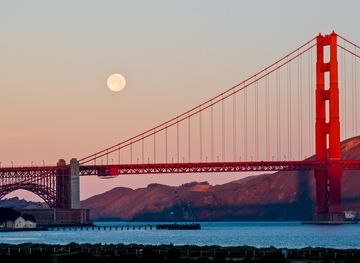
Looking beyond Yosemite? Discover California for broader travel guides, local hot-spots, and regional highlights.
Explore CaliforniaYosemite in Photos
Browse through our photo collection highlighting the charm and character of the destination.


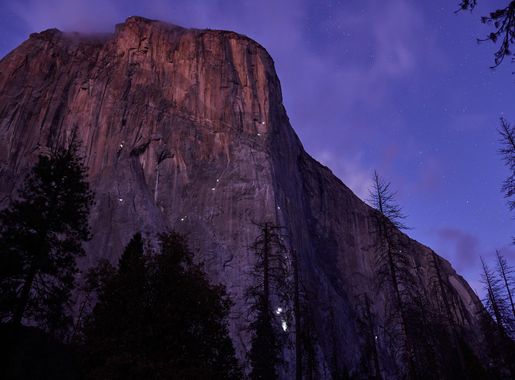


Yosemite: A Natural Wonderland in California
Yosemite National Park is a treasure trove of natural wonders located in the Sierra Nevada mountains of California. This iconic park is known for its stunning granite cliffs, lush meadows, ancient giant sequoias, and picturesque waterfalls, making it a paradise for nature lovers and adventure seekers alike. The park spans over 1,200 square miles, offering visitors a diverse range of landscapes to explore. Yosemite Valley is the heart of the park and home to some of its most famous landmarks, including El Capitan, Half Dome, and Bridalveil Fall. The valley's dramatic scenery can be enjoyed from various viewpoints, such as Glacier Point and Tunnel View, which offer breathtaking panoramic vistas. Hiking trails abound, ranging from easy strolls to challenging climbs, providing opportunities for all levels of outdoor enthusiasts. In addition to its natural beauty, Yosemite has a rich cultural history. The park is home to the Ahwahneechee people, who have lived in the region for thousands of years. Visitors can learn about their heritage at the Yosemite Museum and Indian Village. Throughout the year, the park hosts numerous ranger-led programs and events, offering deeper insights into its ecological and cultural significance. Whether you're looking to camp under the stars, photograph the striking landscapes, or simply take in the serene beauty of nature, Yosemite National Park promises an unforgettable experience.