

Free Gold Country Travel Guide & Mobile App
Explore Gold Country with free travel guides. Discover regional history, expert tips, proposed trips, and audio guides on web or mobile app.


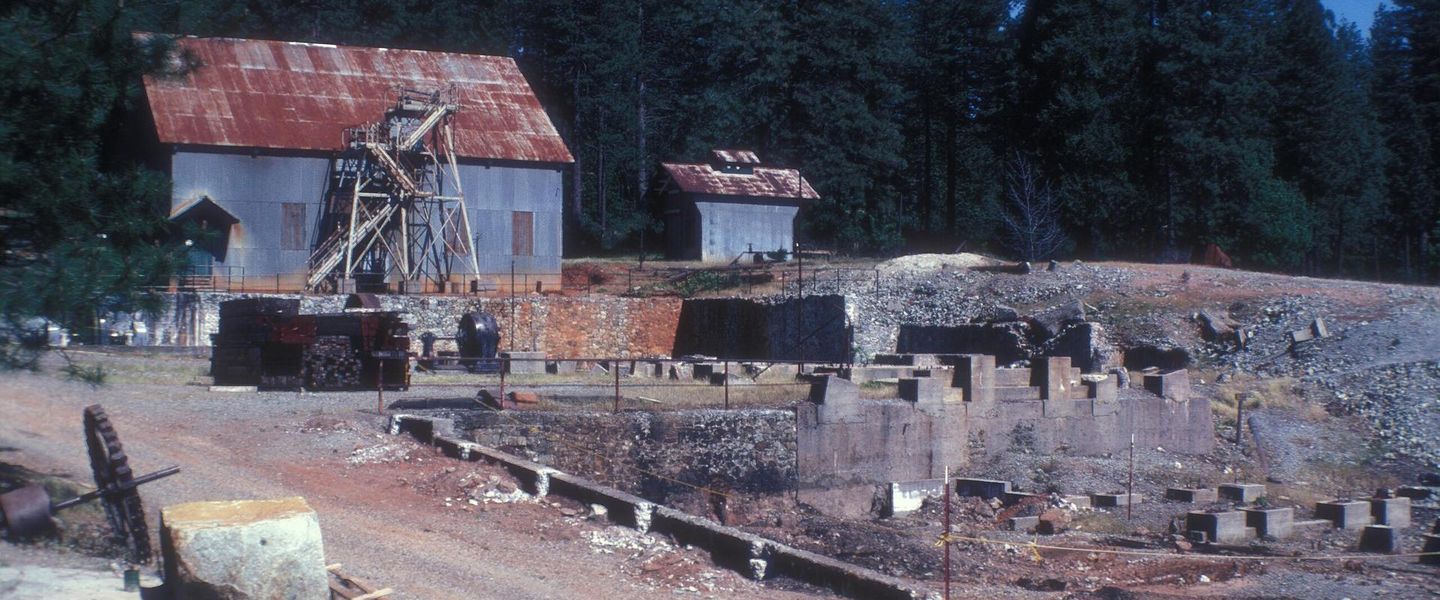


Explore California’s Gold Country for Gold Rush towns, historic mines, foothill vineyards, rivers, forests and scenic Sierra Nevada drives.
Read more about Gold Country
When is the best time to visit Gold Country?
Best: May–June, October · 24–29°C| Month | High (°C) | Rainfall (mm) |
|---|---|---|
| January | 12 | 100 |
| February | 14 | 90 |
| March | 17 | 80 |
| April | 21 | 60 |
| May (best) | 25 | 40 |
| June (best) | 29 | 20 |
| July | 33 | 10 |
| August | 32 | 10 |
| September | 30 | 20 |
| October (best) | 24 | 40 |
| November | 17 | 60 |
| December | 13 | 90 |
Getting to and around Gold Country
How to get there
Transportation
Top city travel guides in Gold Country
The cities of Gold Country, and the easiest places to base yourself.
-

-

-

-

-

-


Swipe for more cities
Destinations in Gold Country
Resorts, valleys and scenic spots worth a trip of their own.
-

-

-

-


Swipe for more destinations
Best attractions in Gold Country
Gold Country’s attractions range from preserved mining settlements to broad foothill landscapes. Marshall Gold Discovery State Historic Park at Coloma interprets the 1848 discovery beside the South Fork of the American River, while Columbia State Historic Park preserves a Gold Rush-era townscape where streets, buildings and demonstrations convey the scale of a nineteenth-century commercial settlement. Empire Mine State Historic Park near Grass Valley explores the engineering and labour of deep hard-rock mining, and Malakoff Diggins State Historic Park presents the immense eroded terrain left by hydraulic mining. Historic districts in Nevada City, Grass Valley, Placerville, Sutter Creek, Jackson, Murphys and Sonora add museums, galleries, restaurants and surviving civic architecture. Beyond heritage, the region offers rafting and river recreation, reservoirs, cycling routes, oak woodland, vineyards, orchards, fishing and hiking. Calaveras Big Trees State Park, at the eastern edge of the foothill travel area, provides a contrasting forest experience beneath giant sequoias. Distances, road conditions and seasonal wildfire restrictions matter, so attractions are best explored as distinct northern, central and southern itineraries rather than as a single compact circuit.
-
State park
Sand Harbor State Park
Discover the breathtaking landscapes and outdoor adventures at Sand Harbor State Park, a premier destination on the shores of Lake Tahoe.
-
Tourist attraction
Sand Harbor
Explore the breathtaking beauty of Sand Harbor, a stunning state park at Lake Tahoe with pristine beaches and endless outdoor activities.
-
Lake
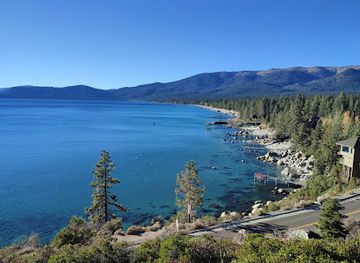
Lake Tahoe
Experience the unparalleled beauty and year-round adventure of Lake Tahoe, a pristine alpine paradise in the heart of the Sierra Nevada.
-
State park
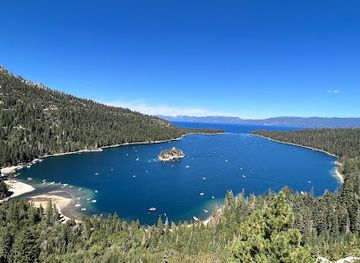
Emerald Bay State Park
Explore Emerald Bay State Park in California, a natural wonder with stunning views, recreational activities, and rich history, perfect for a day of adventure.


Best landmarks in Gold Country
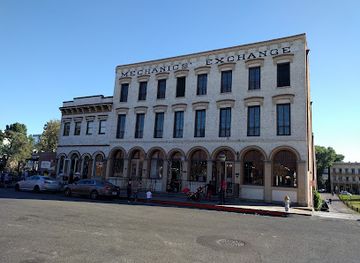
The South Fork of the American River at Coloma is Gold Country’s defining historical landscape, marking the location associated with James Marshall’s 1848 discovery at Sutter’s Mill. In Grass Valley, the headframe and surviving industrial structures of Empire Mine represent the scale of deep quartz mining, while nearby Nevada City’s preserved nineteenth-century streets express the wealth and civic ambition generated by the Mother Lode. Columbia State Historic Park is a landmark townscape rather than a single building, with wooden commercial frontages and a street plan that make the Gold Rush period unusually legible. Malakoff Diggins is a powerful geological and industrial landmark: hydraulic mining carved a vast amphitheatre from the foothills. In the southern region, Angels Camp’s historic centre recalls the mining town immortalised in Mark Twain’s celebrated frog story, while the courthouse and commercial buildings of Sonora reflect its role as a county centre. At the eastern edge, the giant sequoias of Calaveras Big Trees provide a natural landmark whose longevity contrasts with the brief intensity of the Gold Rush.
-
National park
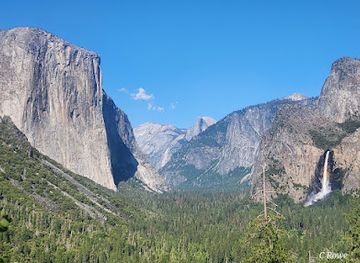
Yosemite National Park
Explore the breathtaking beauty of Yosemite National Park, a natural wonder showcasing stunning granite cliffs, majestic waterfalls, and rich biodiversity.
-
Historical landmark
Old Sacramento Waterfront
Explore the historic charm of Old Sacramento Waterfront, where 19th-century architecture meets vibrant culture and riverside beauty.
-
State park
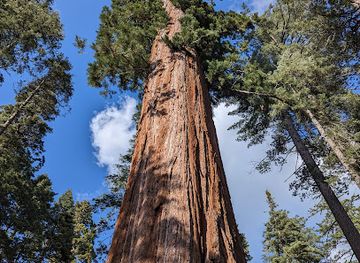
Calaveras Big Trees State Park
Discover the towering giant sequoias and breathtaking landscapes of Calaveras Big Trees State Park, a must-visit natural wonder in California.
-
State park
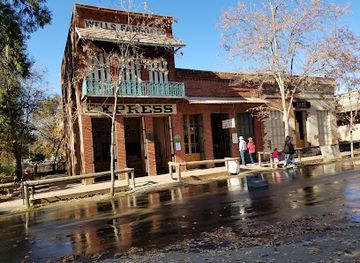
Columbia State Historic Park
Discover the captivating history of California's Gold Rush at Columbia State Historic Park, where preserved buildings and engaging demonstrations bring the past to life.
Explore Gold Country on the map
Plan your trip on one map. See where the top cities, national parks and sights are, and book hotels and experiences in a few clicks.
Best hotels in Gold Country
Best restaurants in Gold Country
Dining in Gold Country reflects both its rural setting and its historic towns. Placerville and Camino are associated with orchard produce, cider and farm-based goods, while vineyards around El Dorado and Amador counties support tasting rooms and restaurants focused on local wines. In the Mother Lode towns, independent cafés, bakeries, traditional American eateries, pizzerias, contemporary restaurants and historic inns occupy former commercial buildings. Farmers’ markets and farm stalls are useful for seasonal fruit, preserves, vegetables and other regional products. Menus vary with the landscape: river communities may feature trout and picnic provisions, while foothill kitchens often use beef, pork, poultry, mushrooms, stone fruit and locally grown wine. Chinese and other immigrant histories are important to the Gold Rush story, although visitors should distinguish historical interpretation from claims that a particular modern dish originated locally. Reservations are prudent at well-known dining rooms on weekends, while rural establishments may keep shorter or seasonal hours.
-
Resort hotel
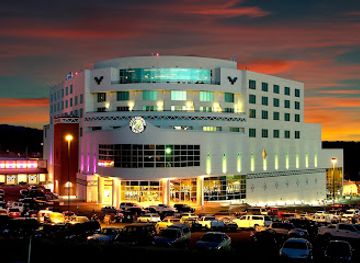
Gold Country Casino Resort
Experience thrilling gaming and luxurious relaxation at Gold Country Casino Resort in Oroville – your ultimate California getaway.
-
American
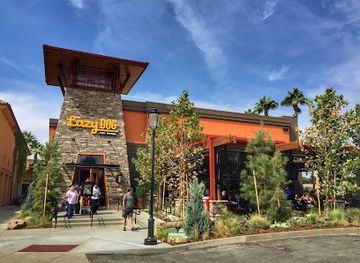
Lazy Dog Restaurant & Bar
Experience cozy dining with American cuisine at Lazy Dog Restaurant & Bar in Folsom—perfect for families and food lovers alike.
-
Californian
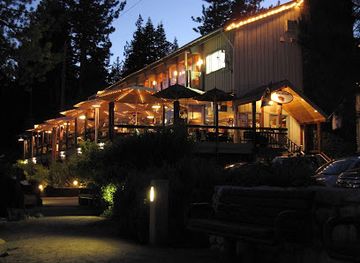
Gar Woods Grill & Pier
Experience exquisite Californian cuisine and breathtaking views at Gar Woods Grill & Pier on Lake Tahoe.
-
Steak
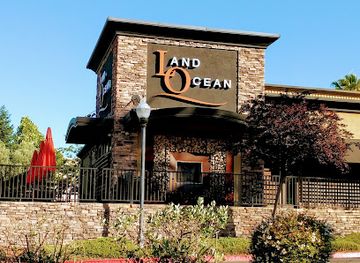
Land Ocean Restaurant Folsom
Experience top-notch steak and seafood at Land Ocean Restaurant in Folsom - where every meal is crafted with care and flavor.
Best bars in Gold Country
Evenings in Gold Country are generally centred on historic-town pubs, wine-tasting rooms, breweries, restaurants and live music rather than a large nightclub scene. Nevada City and Grass Valley have the region’s more developed arts and evening culture, with bars, performance spaces and independent venues concentrated around their walkable historic centres. Placerville, Sutter Creek, Murphys, Sonora and other established towns offer a smaller selection of pubs, saloons, cocktail-focused venues and wine bars, often in nineteenth-century buildings. Amador and El Dorado wine areas are oriented towards daytime tastings and dining, so visitors should not assume that rural tasting rooms remain open late. Summer concerts and community events can add seasonal activity, but programmes and venues change. Outside the main towns, evening choices may be limited and roads are dark and winding; arrange a safe return journey rather than depending on last-minute taxis or rideshares.
-
Bar
Gold Country Casino Resort
Gold Country Casino Resort: Your Premier Destination for Gaming and Relaxation in Oroville, California, Offering Unmatched Entertainment and Comfort.
-
Bar
Yard House
Experience the vibrant atmosphere and diverse menu at Yard House in Roseville, a top choice for food lovers and sports fans alike.
-
American
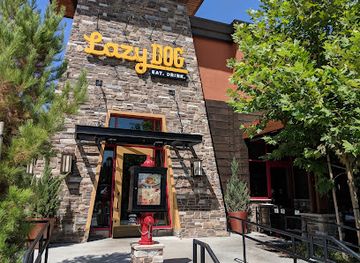
Lazy Dog Restaurant & Bar
Discover Lazy Dog Restaurant & Bar in Folsom for a delightful blend of American cuisine and a welcoming atmosphere perfect for all visitors.
-
Bar
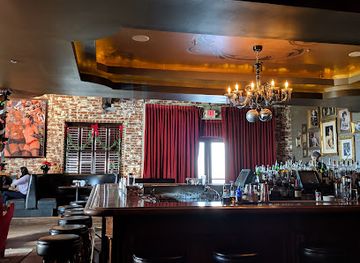
The Shady Lady Saloon
Discover the eclectic charm of The Shady Lady Saloon, a premier bar and restaurant in Sacramento, perfect for cocktails and culinary delights.


Best nightclubs in Gold Country
Evenings in Gold Country are generally centred on historic-town pubs, wine-tasting rooms, breweries, restaurants and live music rather than a large nightclub scene. Nevada City and Grass Valley have the region’s more developed arts and evening culture, with bars, performance spaces and independent venues concentrated around their walkable historic centres. Placerville, Sutter Creek, Murphys, Sonora and other established towns offer a smaller selection of pubs, saloons, cocktail-focused venues and wine bars, often in nineteenth-century buildings. Amador and El Dorado wine areas are oriented towards daytime tastings and dining, so visitors should not assume that rural tasting rooms remain open late. Summer concerts and community events can add seasonal activity, but programmes and venues change. Outside the main towns, evening choices may be limited and roads are dark and winding; arrange a safe return journey rather than depending on last-minute taxis or rideshares.
-
Resort hotel
Gold Country Casino Resort
Experience luxury and excitement at Gold Country Casino Resort in Oroville, where gaming, dining, and relaxation come together for an unforgettable getaway.
-
Bar
Powerhouse Pub
Discover the lively Powerhouse Pub in Folsom, CA – a unique bar and live music venue offering delicious food and unforgettable entertainment.
-
Bar
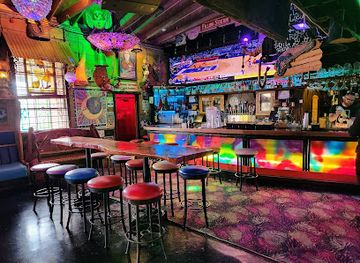
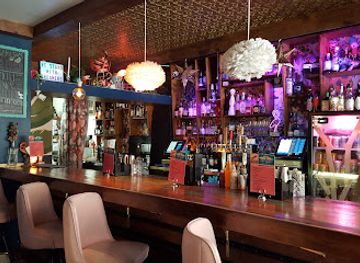
The Flamingo House Social Club
Experience Sacramento's nightlife at The Flamingo House Social Club, where vibrant ambiance meets delicious food and creative cocktails.
-
Bar
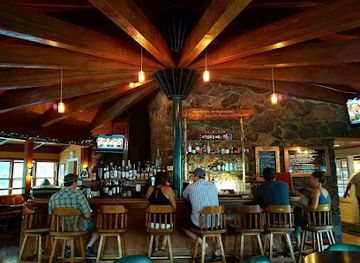
River Ranch Lodge & Restaurant
Discover River Ranch Lodge & Restaurant: A perfect blend of Californian fine dining and stunning riverside views in Tahoe City.

Best shops in Gold Country
Shopping in Gold Country is concentrated in historic main streets rather than large metropolitan malls. Placerville, Nevada City, Grass Valley, Sutter Creek, Murphys and Sonora offer independent bookshops, galleries, antiques, clothing, homewares, specialist food shops and craft businesses in adapted nineteenth-century buildings. Farm stands, orchard outlets and seasonal markets provide apples, stone fruit, preserves, cider, honey, olive oil and wine, with availability changing through the year. Gold Rush souvenirs range from books and geological specimens to replica mining objects, but reputable heritage shops should explain whether an item is modern or genuinely historic. Galleries and studios showcase ceramics, jewellery, paintings, woodwork and textiles made in the foothills, while winery tasting rooms sell bottles that may be difficult to find elsewhere. Market days and small-town retail hours vary, especially outside summer, so visitors should not assume every independent shop opens daily.
-
Shopping mall
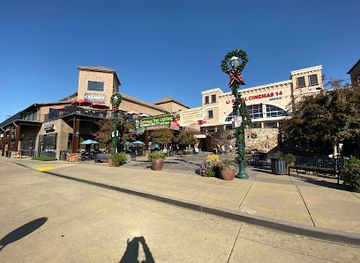
El Dorado Hills Town Center
Explore El Dorado Hills Town Center - a vibrant shopping and dining destination with community events in a picturesque California setting.
-
Supermarket
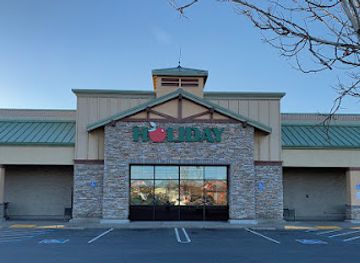
Holiday Market
Explore the Holiday Market in Cool, CA for a delightful blend of fresh produce, artisanal foods, and local wines in a charming community atmosphere.
-
Grocery store
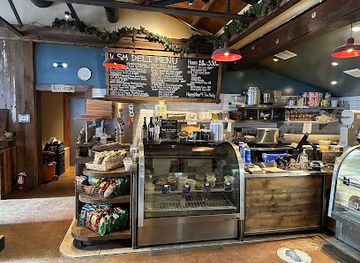
West Shore Market
Experience the charm of Tahoe at West Shore Market, your go-to destination for local groceries, baked goods, coffee, and fine wines.
-
Department store
HomeGoods
Explore an eclectic mix of furnishings and home decor at HomeGoods in Loomis, California - where unique finds meet affordable prices.

Get your free copy of our complete guide to Gold Country, delivered straight to you.
Everything on this page, from attractions and restaurants to essentials and local phrases, in one PDF you can read offline, print or share.
Already have an account? Sign in
Your Gold Country guide is ready.
We'll send it to · Not you? Sign out

Getting your guide ready…
We are putting together a fresh copy of the Gold Country guide. This can take up to a minute.
This can take a few moments. If your browser asks, choose Allow so the download can start. You'll find the guide in your Downloads folder.
Nothing happened? Download it again
Sorry, the guide is taking longer than usual. Please try again in a minute, or get it by email instead.
Gold Country essentials
Currency and Payment
Safety
Emergency Situations
Do's and Don'ts
Local Tips
From Eve
Local phrases worth knowing
You don't need to get them perfect. A few words go a long way, and locals appreciate the effort.
Basics
| English | Local | Say it |
|---|---|---|
| Hello | Howdy | [Ha-oo-dee] |
| Goodbye | See ya later | [See ya lay-ter] |
| Yes | Yep | [Yep] |
| No | Nah | [Nah] |
| Please/You're welcome | No problem | [No prob-lem] |
| Thank you | Thanks a bunch | [Thanks a bunch] |
| Excuse me/Sorry | Pardon me | [Par-don me] |
| How are you? | How's it going? | [How's it go-ing?] |
| Fine. And you? | Good. You? | [Good. You?] |
| Do you speak English? | Do ya speak English? | [Do ya speak English?] |
| I don't understand | I ain't following | [I ain't fol-low-ing] |
Eating & Drinking
| English | Local | Say it |
|---|---|---|
| I'd like to see the menu, please | Can I see the menu? | [Can I see the men-u?] |
| I don't eat meat | I ain't into meat | [I ain't in-to meat] |
| Cheers! | Cheers! | [Cheers!] |
| I would like to pay, please | Can I get the check? | [Can I get the check?] |
Emergencies
| English | Local | Say it |
|---|---|---|
| Help! | Help! | [Help!] |
| Go away! | Beat it! | [Beat it!] |
| Call the Police! | Call the cops! | [Call the cops!] |
| Call a doctor! | Get a doc! | [Get a doc!] |
| I'm lost | I'm turned around | [I'm turned a-round] |
| I'm ill | I'm not feeling well | [I'm not feel-ing well] |
Shopping
| English | Local | Say it |
|---|---|---|
| I'd like to buy... | I wanna buy... | [I wanna buy...] |
| I'm just looking | Just browsing | [Just brows-ing] |
| How much is it? | What’s the damage? | [What’s the dam-age?] |
| That's too expensive | That's way too pricey | [That's way too price-y] |
| Can you lower the price? | Can ya drop the price? | [Can ya drop the price?] |
Time & Numbers
| English | Local | Say it |
|---|---|---|
| What time is it? | What time's it? | [What time's it?] |
| It's one o'clock | It's one | [It's one] |
| Half past (10) | Half past ten | [Half past ten] |
| Morning | Mornin' | [Morn-in'] |
| Afternoon | Afternoon | [Af-ter-noon] |
| Evening | Evenin' | [Eve-nin'] |
| Yesterday | Yesterday | [Yes-ter-day] |
| Today | Today | [To-day] |
| Tomorrow | Tomorrow | [To-mor-row] |
| 1 | One | [One] |
| 2 | Two | [Two] |
| 3 | Three | [Three] |
| 4 | Four | [Four] |
| 5 | Five | [Five] |
| 6 | Six | [Six] |
| 7 | Seven | [Seven] |
| 8 | Eight | [Eight] |
| 9 | Nine | [Nine] |
| 10 | Ten | [Ten] |
Transport & Directions
| English | Local | Say it |
|---|---|---|
| Where's a/the...? | Where's the...? | [Where's the...?] |
| What's the address? | What's the address? | [What's the ad-dress?] |
| Can you show me (on the map)? | Can you point it out? | [Can you point it out?] |
| When's the next (bus)? | When's the next bus? | [When's the next bus?] |
| A ticket (to ....) | One ticket (to ...) | [One tick-et (to ...)] |
History of Gold Country
Indigenous Homelands Before the Gold Rush
Long before American miners arrived, the foothills were home to Native peoples including Nisenan, Miwok and Maidu communities, whose territories and lifeways differed by watershed and locality. They managed landscapes through seasonal movement, food gathering, hunting, fishing and sophisticated knowledge of plants and rivers. The Gold Rush brought disease, violence, dispossession and drastic population loss, while state and local policies offered little protection. Present-day museums, cultural programmes and historical interpretation increasingly acknowledge that Gold Country’s mining story began on older Indigenous homelands rather than on an empty frontier.
The Discovery of Gold, 1848–1849
James W. Marshall’s discovery of gold at Sutter’s Mill on the South Fork of the American River near Coloma in January 1848 set in motion one of the largest migrations of the nineteenth century. News spread internationally, and by 1849 thousands of prospectors were travelling to California by sea, overland routes and the Isthmus of Panama. Coloma and nearby river settlements became symbols of the beginning of the California Gold Rush, while camps and trading posts rapidly appeared throughout the foothills. The new population brought commerce and state formation, but also severe consequences for Indigenous communities.
Mining Towns and the Mother Lode
Easy river gold declined quickly, encouraging miners and companies to pursue deeper deposits in quartz veins along the Mother Lode. Towns such as Grass Valley, Nevada City, Sutter Creek, Jackson, Sonora and Angels Camp developed around mines, mills, shops and transport routes. Mining required substantial capital, pumps, stamp mills and underground engineering, and it continued in some districts for decades after the first rush. Cornish miners, Chinese workers and migrants from many parts of the world contributed to the industry, although they faced unequal laws, exclusion and discrimination.
Water, Ditches and Industrial Engineering
Hydraulic mining became one of the Gold Country’s most forceful transformations during the later nineteenth century. Companies constructed extensive networks of canals and flumes to carry water to mining sites, where high-pressure jets washed away hillsides in search of gold. The debris damaged farmland and river channels, leading to major legal and political conflict; the federal court decision in Woodruff v. North Bloomfield Mining and Gravel Company in 1884 helped bring large-scale hydraulic mining to an end. Malakoff Diggins preserves the dramatic altered landscape created by this technology.
Railways, Timber and Foothill Communities
As placer mining declined, the region diversified through hard-rock mining, agriculture, timber, livestock, commerce and transport. Railways reached parts of the foothills in the nineteenth century, connecting mining towns with Sacramento and wider markets, while wagon roads and stage routes remained important elsewhere. Orchards, especially around El Dorado County, and later vineyards became lasting features of the economy. Timber operations expanded in the Sierra, and settlements adapted from mining camps into county seats, market towns and rural communities. Many former mining buildings survived because these towns retained practical local functions.
Preserving Gold Rush Heritage
During the twentieth century, historic parks, museums and local preservation groups began protecting structures, landscapes and mining machinery threatened by demolition or redevelopment. Columbia State Historic Park, Marshall Gold Discovery State Historic Park, Empire Mine State Historic Park and other sites now interpret different phases of the region’s history. Preservation has also shaped the appearance of towns such as Nevada City, Sutter Creek and Murphys, where historic commercial buildings remain part of everyday streetscapes. This heritage economy sits alongside working farms, vineyards, forests and contemporary community life.
Gold Country Today
Modern Gold Country is no longer defined primarily by mining, although limited extraction and mining heritage remain visible. Tourism, wine-making, agriculture, outdoor recreation, arts, heritage conservation and small-scale hospitality now support many communities. The region also faces contemporary pressures, including wildfire, drought, water scarcity, housing constraints and changing rural economies. Its identity is therefore both historical and current: Gold Rush landscapes provide the framework, but residents, farmers, artists, businesses and conservation organisations continue to shape the foothills.
Gold Country in Photos
Browse through our photo collection highlighting the charm and character of the destination.
Neighbouring regions of Gold Country
The closest regions to Gold Country, if you have time for more than one.
-

-

-

-

-


Swipe for more regions
Explore more
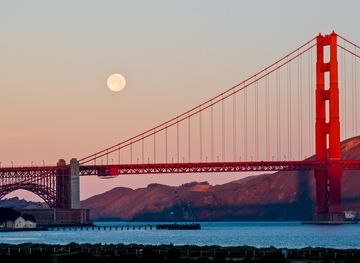
Explore more of California
Discover California: A land of diverse landscapes, iconic cities, and endless adventures, from sun-soaked beaches to towering redwoods and vibrant cultural experiences.
Explore California