

ByWard Market (Ottawa) Travel Guide - Free
Explore ByWard Market in Ottawa with Evendo's free guide. Find the best shops, historic streets, restaurants, and gems on web or mobile.


ByWard Market in Ottawa blends historic market stalls, local food, independent shops, heritage streets and lively evening venues near Parliament Hill.
A Market at the Centre of Ottawa
ByWard Market occupies a compact, walkable quarter immediately east of Parliament Hill and downtown Ottawa, where the city’s early commercial life still shapes the streetscape. Its name comes from Colonel John By, the engineer who oversaw construction of the Rideau Canal, and from the By Ward that once covered much of the area. The district centres on the ByWard Market building and the open-air stalls around ByWard, York and William streets, where seasonal produce, flowers, maple products and prepared food are sold alongside cafés and small shops.Read more about ByWard Market
Historic Streets and Everyday Culture
From Morning Stalls to Late Evenings
Best attractions in ByWard Market
The ByWard Market building and the surrounding outdoor stalls are the district’s defining attraction, offering a close view of Ottawa’s everyday food commerce through seasonal produce, flowers, baked goods, maple products and ready-to-eat food. William Street provides the clearest concentration of pedestrian activity, while York Street and ByWard Street reveal the market’s transition into restaurants, cafés and small retailers. The quarter’s historic commercial façades reward a slower walk, particularly where older masonry buildings survive among later shopfronts. Just beyond the market are major nearby attractions including the National Gallery of Canada, Notre-Dame Basilica and Parliament Hill; they should be treated as adjoining stops rather than sights within the market itself. The Rideau Canal and the Rideau Centre are also close enough to form part of a wider central Ottawa itinerary, although the market’s own appeal lies in its compact mixture of stalls, food businesses and lively public streets.
-
Tourist attraction
Ottawa Art Gallery
Experience the essence of contemporary Canadian art at the Ottawa Art Gallery, a vibrant cultural hub in the heart of the capital.
5 min walk · 0.4 km from neighbourhood centre
-
Tourist attraction
ByWard Market Clock
Discover the ByWard Market Clock, a historic Ottawa landmark that connects you to the vibrant heart of the city's culture and commerce.
3 min walk · 0.3 km from neighbourhood centre
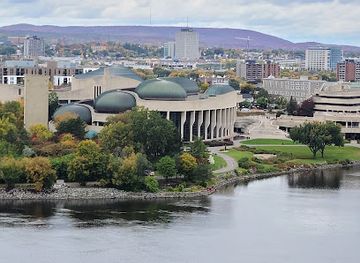

Best landmarks in ByWard Market
The ByWard Market building is the quarter’s central physical landmark and a continuing reminder that the district began as a place for agricultural trade and public commerce rather than solely as an entertainment area. Its twentieth-century structure replaced earlier market buildings while the surrounding streets preserve a layered collection of older commercial façades, later brick premises and narrow urban blocks. The name of the market itself connects the area with Colonel John By and the early settlement around the Rideau Canal. Notre-Dame Basilica and the National Gallery of Canada stand immediately beyond the market area and are important nearby landmarks, but their separate locations should not be blurred with the market’s own heritage. The compact relationship between market, church, gallery, government quarter and canal helps explain why this part of Ottawa has remained symbolically and commercially prominent.
-
 Historical place
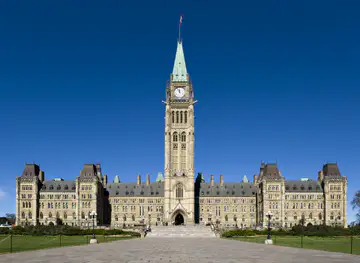
Parliament Hill
Explore the iconic Parliament Hill, the heart of Canada's democracy, with stunning architecture, rich history, and vibrant cultural experiences.
13 min walk · 1.1 km from neighbourhood centre
-
War memorial
The National War Memorial
Discover the National War Memorial in Ottawa, where history and remembrance converge in a powerful tribute to Canada's military heroes.
9 min walk · 0.7 km from neighbourhood centre
-
Tourist attraction
Ottawa Sign, ByWard Market
Discover the iconic Ottawa Sign in ByWard Market, a vibrant attraction perfect for photos, local culture, and unforgettable experiences.
5 min walk · 0.4 km from neighbourhood centre
-
Tour agency
Haunted Walk of Ottawa
Explore Ottawa's darker side with award-winning lantern-lit ghost tours, uncovering spine-chilling tales and historical secrets since 1995.
10 min walk · 0.8 km from neighbourhood centre


Explore ByWard Market on the map
A handpicked selection of must-see spots in ByWard Market, mapped for you.
Best hotels in ByWard Market
Best restaurants in ByWard Market
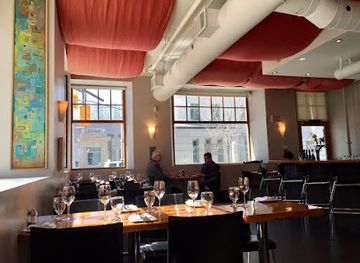
Eating in ByWard Market ranges from quick food bought at market counters to sit-down restaurants, cafés, bakeries and late-night diners spread through the compact street grid. The market’s traditional role is visible in produce stalls, prepared foods and specialist vendors, while nearby restaurants reflect Ottawa’s bilingual, international and increasingly contemporary dining culture. William Street is particularly associated with pedestrian terraces and food-led activity, and the surrounding blocks include long-established names such as Zak’s Diner and La Bottega alongside independent restaurants that change over time. Chateau Lafayette, known locally as the Laff, contributes a historic pub tradition rather than a market-stall experience. Visitors should distinguish the market’s food businesses from the larger Rideau Centre dining offer nearby, and should expect the atmosphere and choice to vary considerably between daytime browsing, dinner service and late-night eating.
-
Italian
The Grand Pizzeria and Bar
Experience authentic Italian flavors at The Grand Pizzeria and Bar in Ottawa's vibrant Byward Market – where every bite is a taste of Italy.
3 min walk · 0.2 km from neighbourhood centre
-
French
Chez Lucien
Discover authentic French cuisine at Chez Lucien in Ottawa's Byward Market – where every meal is a delightful journey into flavor.
4 min walk · 0.3 km from neighbourhood centre
-
Restaurant
Play Food & Wine
Experience innovative dishes crafted from local ingredients at Play Food & Wine in Ottawa’s Byward Market.
6 min walk · 0.5 km from neighbourhood centre
-
Restaurant
Blue Cactus Bar and Grill
Discover Blue Cactus Bar and Grill: A vibrant dining experience in Ottawa's Byward Market with diverse dishes and inviting atmosphere.
4 min walk · 0.3 km from neighbourhood centre


Best bars in ByWard Market
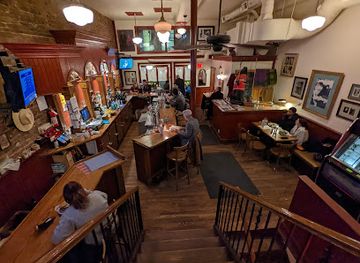
ByWard Market is one of central Ottawa’s most concentrated evening entertainment districts, with traditional pubs, casual bars, cocktail-led venues, live-music settings and clubs occupying the streets around York, William, Dalhousie and Clarence. The long-established Chateau Lafayette, widely known as the Laff, is associated with the area’s pub history, while other venues cater to students, office workers, visitors and weekend nightlife. The district changes character sharply after dinner: terraces and dining rooms give way to louder venues, queues and busy pavements, particularly on Friday and Saturday nights. Not every part of the market is devoted to nightlife, and quieter residential edges sit close to the entertainment core, so visitors should plan their route with consideration for residents. Venue policies, admission arrangements and programming can change, making direct checking sensible before a specific evening out.
-
Irish pub
Aulde Dubliner & Pour House - ByWard Market, Ottawa ON
Immerse yourself in authentic Irish culture at Aulde Dubliner & Pour House, where hearty food, lively music, and a welcoming atmosphere await you in Ottawa's ByWard Market.
3 min walk · 0.3 km from neighbourhood centre
-
Irish pub
Heart & Crown - ByWard Market
Discover Heart & Crown, Ottawa's premier Irish pub in the lively ByWard Market, offering delicious food, drinks, and entertainment.
4 min walk · 0.3 km from neighbourhood centre
-
Bar
The Laff
Experience the heartbeat of Ottawa's nightlife at The Laff, where live music and vibrant pub culture converge in the Byward Market.
4 min walk · 0.3 km from neighbourhood centre
-
Bar
Pub 101
Discover the lively ambiance of Pub 101 in Ottawa’s Byward Market, where delicious food meets a vibrant pub experience.
2 min walk · 0.2 km from neighbourhood centre


Best nightclubs in ByWard Market
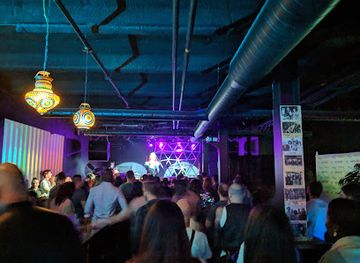
ByWard Market is one of central Ottawa’s most concentrated evening entertainment districts, with traditional pubs, casual bars, cocktail-led venues, live-music settings and clubs occupying the streets around York, William, Dalhousie and Clarence. The long-established Chateau Lafayette, widely known as the Laff, is associated with the area’s pub history, while other venues cater to students, office workers, visitors and weekend nightlife. The district changes character sharply after dinner: terraces and dining rooms give way to louder venues, queues and busy pavements, particularly on Friday and Saturday nights. Not every part of the market is devoted to nightlife, and quieter residential edges sit close to the entertainment core, so visitors should plan their route with consideration for residents. Venue policies, admission arrangements and programming can change, making direct checking sensible before a specific evening out.
-
Night club
The Lookout Bar
Experience the energy of Ottawa's nightlife at The Lookout Bar, where stunning views meet lively entertainment in the heart of Byward Market.
4 min walk · 0.3 km from neighbourhood centre
-
Night club
Hyde & Seek
Experience the electrifying nightlife at Hyde & Seek, Ottawa's premier night club, offering exceptional cocktails and a vibrant ambiance.
1 min walk · 0.1 km from neighbourhood centre
-
Night club
The 27 Club
Experience the pulse of Ottawa's nightlife at The 27 Club, where live music, a vibrant bar scene, and unforgettable nights await.
5 min walk · 0.4 km from neighbourhood centre
-
Night club
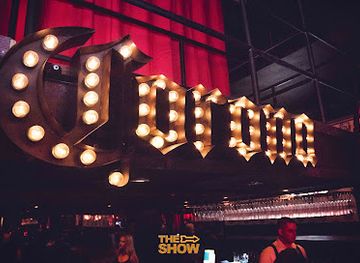
The Show Ottawa
Discover the vibrant nightlife at The Show Ottawa, where electrifying beats and a lively atmosphere promise an unforgettable experience.
3 min walk · 0.2 km from neighbourhood centre


Best shops in ByWard Market
Shopping in ByWard Market centres on the market stalls, where visitors can browse seasonal produce, flowers, baked goods, prepared food, maple products and other Canadian specialities, with the outdoor offer varying through the year. William Street and the adjacent blocks add independent retailers, souvenir shops, specialist food businesses, clothing shops and small gift-oriented stores within historic commercial premises. The experience is more mixed and street-based than the enclosed retail environment of the nearby Rideau Centre, which lies just outside the market quarter. Browsing is part of the appeal: stalls and shopfronts change, and the market’s retail identity is shaped by direct contact with vendors as much as by permanent shops. Visitors interested in local products should distinguish genuinely Canadian food and craft goods from generic souvenirs and ask sellers about provenance when it matters.
-
Clothing store
STUNNING Women's Fashion + Accessories, ByWard Market, Ottawa
Explore eclectic women's fashion and unique accessories at STUNNING in Ottawa's ByWard Market, where style meets individuality.
5 min walk · 0.4 km from neighbourhood centre
-
Gift shop
Milk Shop, ByWard Market
Explore Milk Shop in ByWard Market for unique gifts, local crafts, and memorable souvenirs in Ottawa's vibrant shopping district.
3 min walk · 0.2 km from neighbourhood centre
-
Clothing store
Adorit Boutique
Discover unique fashion at Adorit Boutique in Ottawa's Byward Market, where style meets individuality for all genders.
2 min walk · 0.1 km from neighbourhood centre
-
Gift shop
Crazy Moose Clothing Co
Explore Crazy Moose Clothing Co in Ottawa's Byward Market for unique gifts and local artisan treasures that capture the essence of the city.
3 min walk · 0.2 km from neighbourhood centre


ByWard Market essentials
Getting There
Getting Around
Safety
Emergency Situations
Do's and Don'ts
Local Tips

From Eve
Local phrases worth knowing
You don't need to get them perfect. A few words go a long way, and locals appreciate the effort.
Basics
| English | Local | Say it |
|---|---|---|
| Hello | Bonjour | [bon-zhoor] |
| Goodbye | Au revoir | [oh ruh-vwah] |
| Yes | Oui | [wee] |
| No | Non | [nohn] |
| Please/You're welcome | S'il vous plaît | [seel voo pleh] |
| Thank you | Merci | [mehr-see] |
| Excuse me/Sorry | Excusez-moi | [ex-kew-zay mwah] |
| How are you? | Comment ça va? | [koh-mohn sah vah] |
| Fine. And you? | Bien. Et toi? | [byan. eh twah] |
| Do you speak English? | Parlez-vous anglais? | [par-lay voo ahn-glay] |
| I don't understand | Je ne comprends pas | [zhuh nuh kohm-prahn pah] |
Eating & Drinking
| English | Local | Say it |
|---|---|---|
| I'd like to see the menu, please | Je voudrais voir le menu, s'il vous plaît | [zhuh voo-dray vwahr luh meh-nyoo, seel voo pleh] |
| I don't eat meat | Je ne mange pas de viande | [zhuh nuh mahnj pah duh vyand] |
| Cheers! | Santé! | [sahn-tay] |
| I would like to pay, please | Je voudrais payer, s'il vous plaît | [zhuh voo-dray pay-ay, seel voo pleh] |
Emergencies
| English | Local | Say it |
|---|---|---|
| Help! | Au secours! | [oh suh-koor] |
| Go away! | Allez-vous-en! | [ah-lay vooz ahn] |
| Call the Police! | Appelez la Police! | [ah-puh-lay lah pee-lease] |
| Call a doctor! | Appelez un médecin! | [ah-puh-lay uh mayd-sahn] |
| I'm lost | Je suis perdu | [zhuh swee pair-doo] |
| I'm ill | Je suis malade | [zhuh swee mah-lahd] |
Shopping
| English | Local | Say it |
|---|---|---|
| I'd like to buy... | Je voudrais acheter... | [zhuh voo-dray zheh-tshay] |
| I'm just looking | Je regarde juste | [zhuh ruh-gard zhewst] |
| How much is it? | Combien ça coûte? | [kohm-byen sah koot] |
| That's too expensive | C'est trop cher | [say troh shair] |
| Can you lower the price? | Pouvez-vous baisser le prix? | [poo-veh voo bay-say luh pree] |
Time & Numbers
| English | Local | Say it |
|---|---|---|
| What time is it? | Quelle heure est-il? | [kell ur ay teel] |
| It's one o'clock | Il est une heure | [eel ay tun ur] |
| Half past (10) | Dix heures et demie | [dees ur ay duh-mee] |
| Morning | Matin | [mah-tan] |
| Afternoon | Après-midi | [ah-pray mee-dee] |
| Evening | Soir | [swahr] |
| Yesterday | Hier | [yair] |
| Today | Aujourd'hui | [oh-zhoor dewee] |
| Tomorrow | Demain | [duh-mahn] |
| 1 | Un | [uh] |
| 2 | Deux | [duh] |
| 3 | Trois | [twah] |
| 4 | Quatre | [kah-truh] |
| 5 | Cinq | [sank] |
| 6 | Six | [sees] |
| 7 | Sept | [sett] |
| 8 | Huit | [wheat] |
| 9 | Neuf | [nuff] |
| 10 | Dix | [dees] |
Transport & Directions
| English | Local | Say it |
|---|---|---|
| Where's a/the...? | Où est...? | [oo ay] |
| What's the address? | Quelle est l'adresse? | [kell ay lah-dress] |
| Can you show me (on the map)? | Pouvez-vous me montrer (sur la carte)? | [poo-veh voo muh mohn-tray (soor lah kart)] |
| When's the next (bus)? | Quand est le prochain (bus)? | [kahnd ay luh proh-shay (boos)] |
| A ticket (to ....) | Un billet (pour ...) | [uhn bee-yay (poor)] |
History of ByWard Market
The Canal Builders’ Market
ByWard Market developed alongside the settlement that grew around the construction of the Rideau Canal in the 1820s. Colonel John By established the canal’s northern works and the adjoining town, later known as Bytown, while the area east of the canal became an important place for trade and settlement. The name ByWard referred to the administrative ward associated with Colonel By rather than to a traditional market name. Its position close to the Ottawa River, the canal works and early roads made it practical for farmers, merchants and labourers exchanging food and supplies.
A Permanent Commercial Quarter
During the nineteenth century, the market became one of Bytown and then Ottawa’s principal centres for agricultural produce and everyday commerce. Market buildings and stalls served a growing population, while nearby streets filled with shops, workshops, hotels and small businesses. The quarter’s proximity to the legislative precinct and to the port and railway connections around Lowertown helped give it a mixed social character: it was both a working market and a convenient commercial district for government employees, residents and travellers. The surviving street pattern and varied building stock reflect this gradual growth rather than a single planned development.
Rebuilding the Market
The market has been altered and rebuilt several times as Ottawa expanded and commercial expectations changed. The present ByWard Market building dates from 1926 and replaced earlier structures on the site, while the surrounding blocks retained a mixture of older masonry buildings and later commercial façades. Improvements to roads, public transport and the downtown street network changed how goods and customers reached the district, but the market continued to function as a recognisable public meeting place. Its identity therefore rests on both an operating food market and the wider urban quarter that formed around it.
A Contemporary Urban Quarter
In the twentieth and twenty-first centuries, ByWard Market increasingly combined traditional market activity with restaurants, nightlife, specialist retail and cultural tourism. Its central location brought redevelopment pressures and changing patterns of ownership, while nearby universities, government offices and residential districts continued to supply regular customers. The quarter remains more than a heritage setting: vendors, food businesses, bars and small retailers occupy a dense commercial environment used by residents as well as visitors. Ongoing debates about public space, seasonal stalls, housing and the balance between nightlife and neighbourhood life reflect its importance within modern Ottawa.
ByWard Market in Photos
Browse through our photo collection highlighting the charm and character of the destination.
Neighbourhoods near ByWard Market
The closest neighbourhoods to ByWard Market, if you have time for more than one stop.
-

-

-

-
-


Swipe for more neighbourhoods
Explore more

Explore more of Ottawa
Ottawa blends Canada's parliamentary heritage, national museums, riverside paths and bilingual culture with memorable architecture and seasonal outdoor life.
Explore Ottawa