

Bear Mountain Travel Guide - Free Web & App
Your ultimate guide to Bear Mountain. Discover top landmarks, proposed trips, and local tips. Free on the web or via the Evendo companion app.


Bear Mountain, Connecticut’s highest summit, offers Appalachian Trail hiking, woodland scenery and wide views near Salisbury in the Taconic Range.
Mountain and Landscape
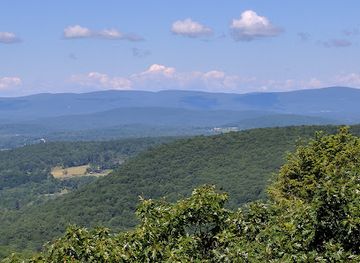
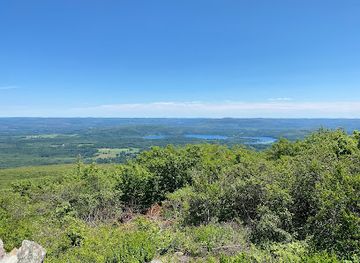
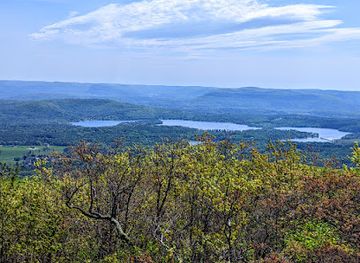
Bear Mountain rises in the north-western corner of Connecticut near Salisbury, within the Taconic Mountains and close to the Massachusetts border. At about 2,354 feet (717 metres), it is generally recognised as Connecticut’s highest summit, although the state’s highest point lies on the flanks of nearby Mount Frissell. The mountain is a compact, forested destination rather than a developed resort, with rocky paths, steep woodland climbs and open ledges near the upper slopes. Its setting is characteristic of the upland landscape of Litchfield County, where ridges, ponds, farms and small villages meet the wider Appalachian terrain.Read more about Bear Mountain
Walking and Scenic Character
When is the best time to visit Bear Mountain?
Best: June, August–September · 23–28°C| Month | High (°C) | Rainfall (mm) |
|---|---|---|
| January | 4 | 80 |
| February | 5 | 70 |
| March | 10 | 90 |
| April | 15 | 100 |
| May | 21 | 100 |
| June (best) | 26 | 100 |
| July | 28 | 110 |
| August (best) | 28 | 100 |
| September (best) | 23 | 100 |
| October | 17 | 100 |
| November | 10 | 100 |
| December | 4 | 90 |
Getting to and around Bear Mountain
How to get there
Transportation
Best attractions in Bear Mountain
The central attraction is the hike to Bear Mountain’s summit, where a forested ascent leads towards rocky upper slopes and a modest high point in Connecticut’s Taconic corner. Sections of the route connect with the Appalachian Trail, allowing experienced walkers to extend their outing along a nationally significant long-distance footpath, although the broader trail involves much greater distances than the summit walk. Nearby Mount Frissell is important for visitors interested in Connecticut’s topographic high point, while the surrounding border country offers wooded ridges, open farmland and quiet rural roads rather than a concentration of formal attractions. Salisbury provides a useful cultural complement, with a historic village setting, churches, galleries and access to Lake Wononscopomuc, Connecticut’s deepest natural lake. The wider area around Lakeville and Mount Riga adds ponds, forest tracks and historic iron-making associations, but these are neighbouring regional features rather than facilities located on Bear Mountain itself.
-
State park
Camp Columbia State Park
Experience the serenity and natural beauty of Camp Columbia State Park in Connecticut, a perfect escape for outdoor lovers and families alike.
-
Tourist attraction
Hollister House Garden
Explore the enchanting Hollister House Garden in Washington, Connecticut, where nature and artistry collide for a serene escape.
-
Tourist attraction
Sharon Audubon Center
Explore the serene Sharon Audubon Center, a wildlife refuge in Connecticut where nature and education come together in perfect harmony.
-
Tourist attraction
American Museum of Tort Law
Explore landmark legal cases and the evolution of consumer protection at America's first tort law museum in historic Winsted, Connecticut.
Best landmarks in Bear Mountain
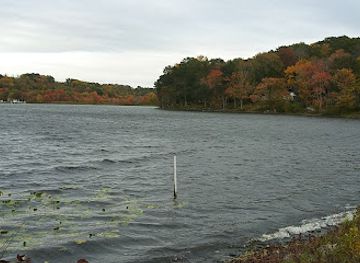
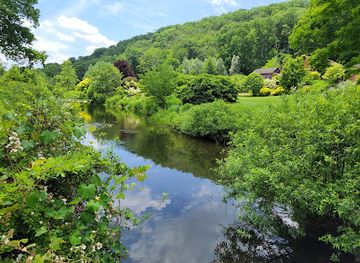
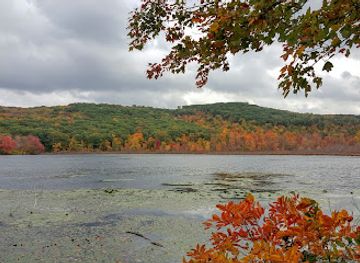
Bear Mountain’s defining landmark is its wooded summit, recognised as Connecticut’s highest mountain at approximately 2,354 feet, with rocky terrain and intermittent outlooks characteristic of the Taconic uplands. The Appalachian Trail is an important human-made landmark of the landscape, marking a long-distance route through the eastern United States and connecting the mountain with a much wider chain of ridges and valleys. Nearby Mount Frissell has particular geographic significance because Connecticut’s highest point is located on its slope, although the summit itself is in Massachusetts. In the surrounding region, Salisbury’s historic village buildings and the waters of Lake Wononscopomuc provide cultural and natural reference points. These features belong to the wider Salisbury landscape rather than forming a built complex on Bear Mountain, whose character remains predominantly wooded and undeveloped.
-
State park
Haystack Mountain State Park
Discover the breathtaking vistas and outdoor adventures at Haystack Mountain State Park, a hidden gem in Connecticut's scenic landscape.
-
Wildlife refuge
Sharon Audubon Center
Explore the breathtaking landscapes and diverse wildlife at the Sharon Audubon Center, a serene refuge for nature lovers in Connecticut.
-
Park
Mount Riga State Park
Explore the breathtaking landscapes and rich history of Mount Riga State Park, a serene escape for nature lovers and adventurers in Connecticut.
Explore Bear Mountain on the map
Plan your trip on one map. See where the top attractions, landmarks, restaurants and hotels are, and book hotels and experiences in a few clicks.
Best hotels in Bear Mountain
Best restaurants in Bear Mountain
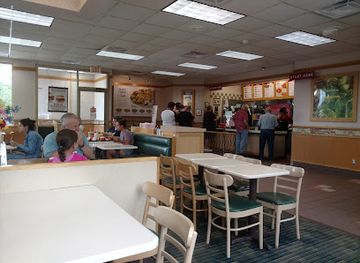
There is no dining establishment on Bear Mountain, so walkers should obtain food and drink before setting out. The nearest meaningful choice of cafés, restaurants and general provisions is in Salisbury and Lakeville, where the rural setting supports a modest local dining scene rather than a large restaurant district. Menus in the area commonly reflect New England traditions, with seasonal produce, baked goods, soups, sandwiches and hearty meals suited to the surrounding countryside; exact offerings vary by establishment and season. Traditional inns and village businesses may provide a more atmospheric meal than the trailhead, while farm shops and local food producers are useful for picnic supplies when open. Visitors following the Appalachian Trail should plan carefully, as the mountain’s access points do not provide dependable refreshments, toilets or food services.
-
Fast Food
Wendy's
Discover Wendy's in Torrington for fresh fast food delights and classic hamburgers that satisfy your cravings on the go.
-
New American
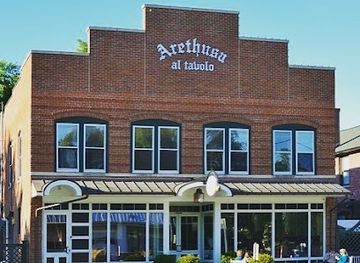
Arethusa al tavolo
Experience culinary artistry at Arethusa al Tavolo in Bantam - where local ingredients meet innovative New American cuisine.
-
Fine Dining
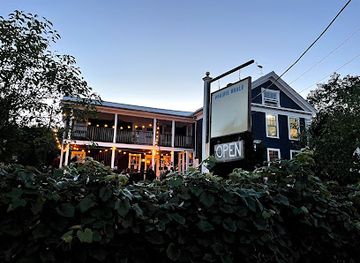
The Prairie Whale
Experience exquisite American cuisine at The Prairie Whale in Great Barrington - where fine dining meets local charm.
-
American
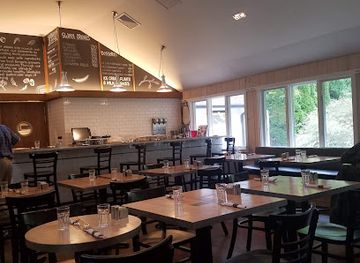
Mountainside Cafe
Experience delightful American cuisine at Mountainside Cafe - perfect for breakfast lovers in scenic Falls Village.
Best bars in Bear Mountain
Bear Mountain has no nightlife infrastructure, and evenings in the immediate area are quiet, rural and oriented towards rest after walking. Salisbury and Lakeville offer the most plausible options for a drink or an unhurried meal, with evening hospitality generally centred on restaurants, inns and village establishments rather than nightclubs or entertainment districts. The atmosphere is subdued, and opening patterns can be seasonal or limited, particularly outside the main visitor period. Travellers seeking a broad choice of bars, live music or late-night venues would need to look beyond the Bear Mountain area to larger towns elsewhere in north-western Connecticut or the neighbouring Hudson Valley, rather than expecting a developed nightlife scene near the summit.
-
American
The White Horse
Experience the best of American cuisine at The White Horse, where great food meets a welcoming pub atmosphere in New Preston, Connecticut.
-
Restaurant
The Norfolk Pub
Experience the charm of Norfolk at The Norfolk Pub, where delicious American fare meets a cozy atmosphere in the heart of the Historic District.
-
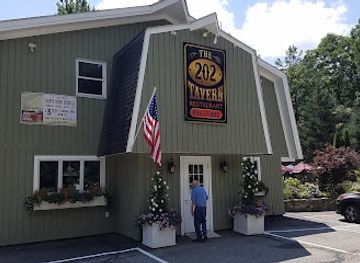
Grill
THE 202 TAVERN
Discover the flavors of New Preston at The 202 Tavern, where grilled delights and a cozy atmosphere await every visitor.
-
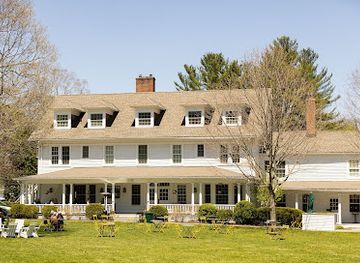
Restaurant
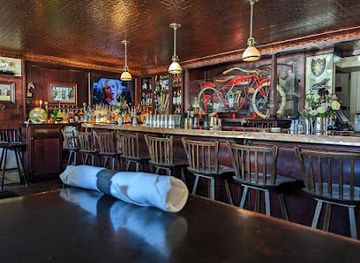
The White Hart
Discover The White Hart, a charming inn and restaurant in Salisbury, Connecticut, offering exquisite dining and a cozy stay amidst stunning natural beauty.

Best shops in Bear Mountain
Shopping on Bear Mountain is limited to what visitors bring with them, and there are no summit shops or outdoor retail facilities at the trailhead. Salisbury and Lakeville provide the nearest practical places for provisions, with small businesses, galleries, craft-oriented retailers and food producers reflecting the rural character of north-western Connecticut. Visitors may find locally made art, books, seasonal produce, baked goods and other regional products, although stock and opening patterns vary. The area’s historic villages and surrounding farms give shopping a distinctly local scale rather than the feel of a commercial centre. Specialist hiking equipment and a wider range of supplies may require a journey to a larger town outside the immediate Bear Mountain area, so walkers should prepare before driving to the mountain.
-
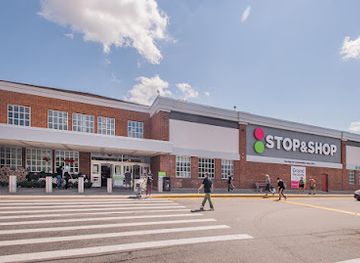
Grocery store
Stop & Shop
Explore local flavors at Stop & Shop in Canaan, where fresh produce and unique finds await every visitor.
-
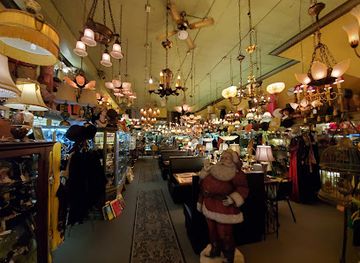
Antique store
Remember When
Explore Remember When, where antiques meet nostalgia in Torrington, CT – discover unique treasures and stories from the past.
-
Mountain peak
Bear Mountain
Discover the breathtaking views and serene trails at Bear Mountain, a perfect escape for nature lovers in Salisbury, Connecticut.
-
Picture frame shop
Berkshire Great Finds & Frame Shop
Explore antiques, collectibles, and custom framing at Berkshire Great Finds & Frame Shop, a treasure trove in Sheffield, Massachusetts.
Get your free copy of our complete guide to Bear Mountain, delivered straight to you.
Everything on this page, from attractions and restaurants to essentials and local phrases, in one PDF you can read offline, print or share.
Already have an account? Sign in
Your Bear Mountain guide is ready.
We'll send it to · Not you? Sign out

Getting your guide ready…
We are putting together a fresh copy of the Bear Mountain guide. This can take up to a minute.
This can take a few moments. If your browser asks, choose Allow so the download can start. You'll find the guide in your Downloads folder.
Nothing happened? Download it again
Sorry, the guide is taking longer than usual. Please try again in a minute, or get it by email instead.
Bear Mountain essentials
Currency and Payment
Safety
Emergency Situations
Do's and Don'ts
Local Tips
From Eve
Local phrases worth knowing
You don't need to get them perfect. A few words go a long way, and locals appreciate the effort.
Basics
| English | Local | Say it |
|---|---|---|
| Hello | Howdy | [haw-dee] |
| Goodbye | See ya later | [see yuh lay-tur] |
| Yes | Yup | [yuhp] |
| No | Nah | [nah] |
| Please/You're welcome | Please/No problem | [pleez/no prob-lem] |
| Thank you | Thanks | [thanks] |
| Excuse me/Sorry | Pardon me/My bad | [par-dun me/my bad] |
| How are you? | Howdy, how ya doin'? | [haw-dee, how yuh doin'] |
| Fine. And you? | Good. How 'bout you? | [good. how 'bout yuh] |
| Do you speak English? | Y'all speak English? | [yaw-l speak ing-glish] |
| I don't understand | I ain't gettin' ya | [eye ent get-tin' yuh] |
Eating & Drinking
| English | Local | Say it |
|---|---|---|
| I'd like to see the menu, please | I wanna check out the menu, please | [eye wanna check out the menu, please] |
| I don't eat meat | I don't do meat | [eye don't do meat] |
| Cheers! | Cheers! | [cheers] |
| I would like to pay, please | I wanna settle up, please | [eye wanna set-tul up, please] |
Emergencies
| English | Local | Say it |
|---|---|---|
| Help! | Help! | [help] |
| Go away! | Git outta here! | [git out-ta here] |
| Call the Police! | Get the cops! | [get the cops] |
| Call a doctor! | Get a doc! | [get uh doc] |
| I'm lost | I'm all turned around | [eye'm all turned uh-round] |
| I'm ill | I ain't feelin' so hot | [eye ent feel-in' so hot] |
Shopping
| English | Local | Say it |
|---|---|---|
| I'd like to buy... | I wanna pick up... | [eye wanna pick up...] |
| I'm just looking | I'm just browsin' | [eye'm just brow-sin'] |
| How much is it? | How much does it go for? | [how much duz it go fur] |
| That's too expensive | That's a bit steep | [that's uh bit steep] |
| Can you lower the price? | Can ya do a deal? | [can yuh do uh deal] |
Time & Numbers
| English | Local | Say it |
|---|---|---|
| What time is it? | What's the time? | [whuts the time] |
| It's one o'clock | It's one | [its one] |
| Half past (10) | Ten thirty | [ten thur-tee] |
| Morning | Mornin' | [morn-in'] |
| Afternoon | Afternoon | [after-noon] |
| Evening | Evenin' | [even-in'] |
| Yesterday | Yest'day | [yest-day] |
| Today | Today | [to-day] |
| Tomorrow | Tomorrah | [tom-or-rah] |
| 1 | One | [wun] |
| 2 | Two | [too] |
| 3 | Three | [three] |
| 4 | Four | [four] |
| 5 | Five | [five] |
| 6 | Six | [six] |
| 7 | Seven | [seven] |
| 8 | Eight | [ate] |
| 9 | Nine | [nine] |
| 10 | Ten | [ten] |
Transport & Directions
| English | Local | Say it |
|---|---|---|
| Where's a/the...? | Where's the...? | [wheres the] |
| What's the address? | What's the addy? | [whuts the addy] |
| Can you show me (on the map)? | Can ya point me in the right direction (on the map)? | [can ya point me in the right di-rek-shun (on the map)] |
| When's the next (bus)? | When's the next (bus)? | [whens the next (bus)] |
| A ticket (to ....) | A ticket (to ....) | [uh ticket (to)] |
History of Bear Mountain
Ancient Taconic Foundations
Bear Mountain forms part of the Taconic Mountains, an upland belt shaped by ancient geological processes and later erosion. The surrounding ridges consist largely of resistant metamorphic rocks that have weathered more slowly than neighbouring lowlands, leaving a landscape of wooded summits, exposed ledges and narrow valleys. This geological setting explains the mountain’s prominence within north-western Connecticut, although its elevation is modest compared with major ranges farther west. The land’s modern appearance has also been influenced by glacial activity, which helped shape nearby valleys, ponds and irregular upland terrain.
Indigenous and Colonial Landscapes
The wider Housatonic and Taconic region was used by Indigenous peoples long before European settlement, with travel, hunting and seasonal resource gathering taking place across the uplands and valleys. During the colonial period, European settlers established farms and small communities around Salisbury and neighbouring settlements, while the mountains remained comparatively remote and heavily wooded. The surrounding area developed through mixed agriculture, timber use and iron production, activities that altered parts of the landscape without turning Bear Mountain itself into an industrial centre. Roads, farms and village institutions gradually connected the upland communities to markets beyond the region.
Salisbury and the Iron Industry
Salisbury became an important centre of iron production during the eighteenth and nineteenth centuries because the region possessed ore, forests for charcoal and waterpower for furnaces and forges. The industry helped shape the economic history of north-western Connecticut and left traces in the wider landscape, including historic industrial sites and altered woodland patterns. Bear Mountain stands within this broader cultural setting, although the summit is primarily valued today for recreation and scenery rather than for surviving industrial structures. Salisbury’s historic buildings and village character provide a visible connection with the communities that developed around the upland economy.
Trails, Conservation and Recreation
Bear Mountain’s modern identity emerged through the growing appreciation of the north-western Connecticut uplands for walking, scenery and open-space conservation. The Appalachian Trail established a long-distance route through the surrounding mountain country, linking Bear Mountain with a much wider corridor of protected and managed landscapes. Recreation has remained relatively low-key, with no large visitor complex or summit development. Today, conservation interests, private landowners and public agencies all contribute to the character of the area, while hikers are expected to follow marked routes and respect the rural and environmentally sensitive setting.
Bear Mountain in Photos
Browse through our photo collection highlighting the charm and character of the destination.
Neighbouring destination travel guides
The closest destinations to Bear Mountain, if you have time for more than one.
-
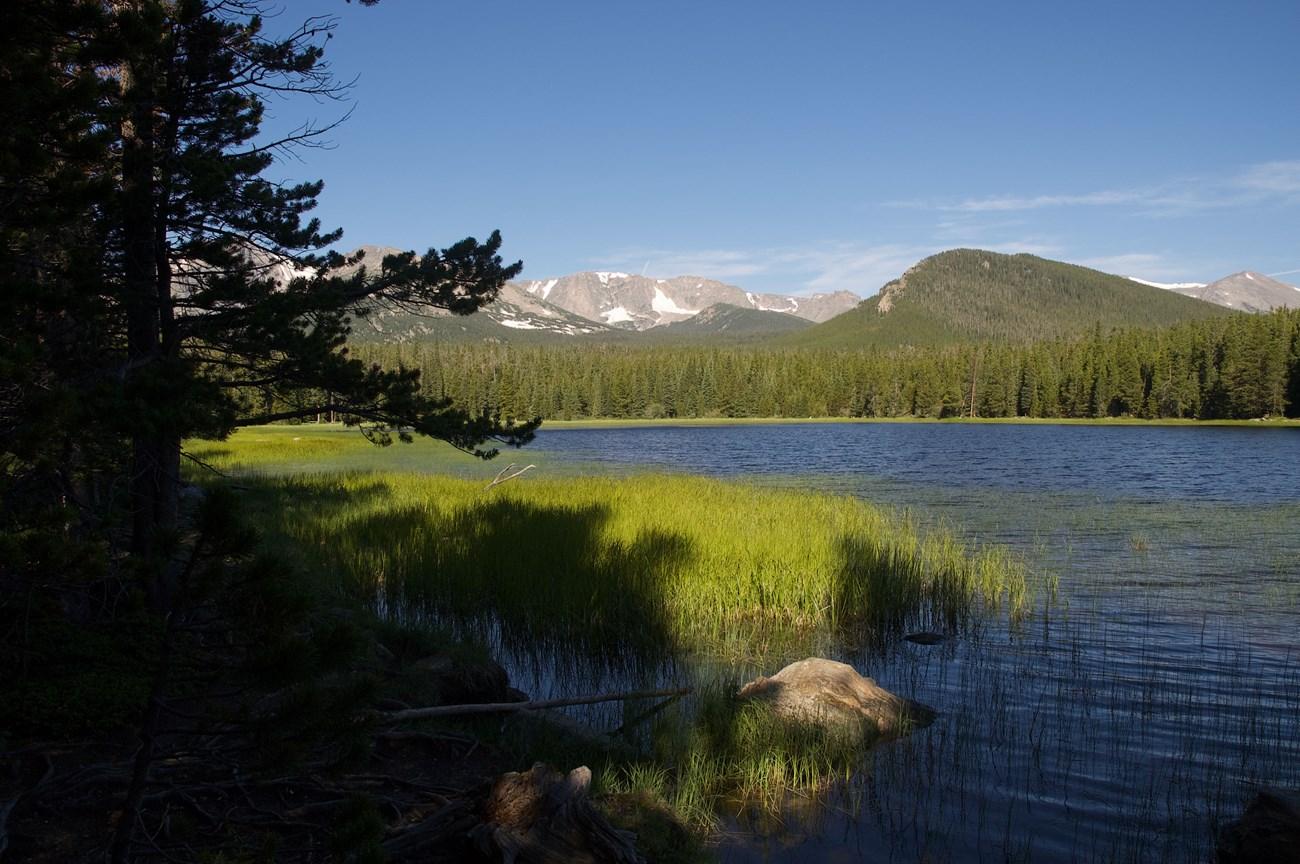 Bear Mountain State Park
 in New York combines Hudson Highlands trails, river views, Perkins Memorial Tower, wildlife exhibits, boating and historic scenery.
Bear Mountain State Park
Bear Mountain State Park in New York combines Hudson Highlands trails, river views, Perkins Memorial Tower, wildlife exhibits, boating and historic scenery.
-

-

-
-


Swipe for more destinations
Explore more

Explore more of Litchfield County
Explore Litchfield County’s historic towns, Housatonic valleys, wooded hills, farm-to-table food and four-season outdoor pursuits in north-west Connecticut.
Explore Litchfield County
Explore more of Connecticut
Discover Connecticut: A blend of charming coastal towns, rich history, and scenic landscapes, perfect for nature lovers, history buffs, and cultural enthusiasts.
Explore Connecticut