

Pálava Travel Guide - Free Web & App
Your ultimate guide to Pálava. Discover top landmarks, proposed trips, and local tips. Free on the web or via the Evendo companion app.


Discover Pálava: A UNESCO Biosphere Reserve with rolling vineyards, ancient ruins, and stunning natural beauty, perfect for history buffs, nature lovers, and wine enthusiasts.
Read more about Pálava
When is the best time to visit Pálava?
Best: June–August · 23–24°C| Month | High (°C) | Rainfall (mm) |
|---|---|---|
| January | 1 | 23 |
| February | 3 | 20 |
| March | 7 | 18 |
| April | 12 | 16 |
| May | 18 | 16 |
| June (best) | 23 | 17 |
| July (best) | 24 | 14 |
| August (best) | 23 | 16 |
| September | 19 | 17 |
| October | 12 | 20 |
| November | 6 | 22 |
| December | 1 | 23 |
Getting to and around Pálava
How to get there
Transportation
Best attractions in Pálava
Pálava in Czechia offers visitors a journey through time with its stunning blend of natural beauty and rich history. From the picturesque vineyards and charming villages to the ancient ruins and medieval castles, there is something for every type of traveler to enjoy. Explore the UNESCO-protected landscape, hike through the rolling hills, or sample the delicious local wines. Don't miss the opportunity to visit the impressive Mikulov Castle or the fascinating archaeological site of Dolní Věstonice. Pálava is a true hidden gem waiting to be discovered.
-
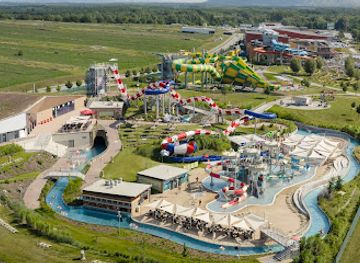
Aqualand Moravia
Experience endless fun and relaxation at Aqualand Moravia, the premier water park in the Czech Republic, perfect for families and thrill-seekers alike.
-
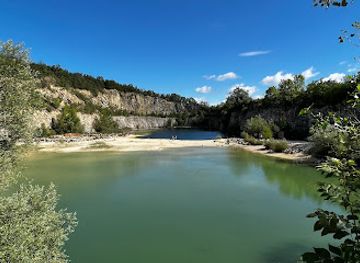
Pálava Protected Landscape Area
Explore the breathtaking landscapes, rich biodiversity, and historical treasures of Pálava Protected Landscape Area in the Czech Republic.
-
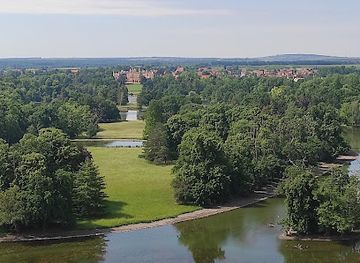
Minaret
Discover the stunning Minaret of Lednice, an architectural gem offering breathtaking views and serene park surroundings in the heart of the Czech Republic.
-
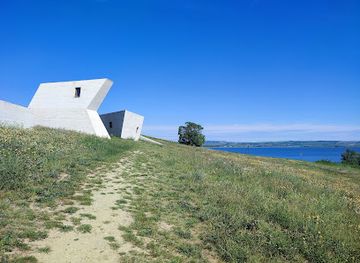
Pavlov Archaeological Park
Explore Pavlov Archaeological Park, a captivating journey into the prehistoric past amidst stunning Moravian landscapes.
Best landmarks in Pálava
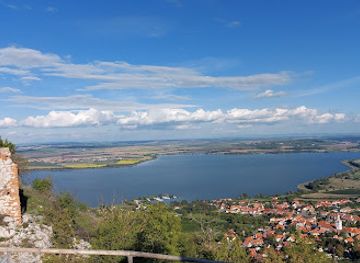
Pálava in Czechia offers visitors a captivating journey through ancient history and stunning natural beauty. Explore the impressive ruins of the Pálava Castle, which dates back to the 11th century, and marvel at the well-preserved archaeological sites scattered throughout the area. Hike through the picturesque Pálava Hills, dotted with vineyards and charming villages, and enjoy panoramic views of the surrounding landscape from the top of Devin Castle. Discover the unique flora and fauna of the UNESCO-protected Pálava Biosphere Reserve, home to rare species and diverse ecosystems. Whether you're a history enthusiast, nature lover, or simply seeking a peaceful escape, Pálava has something for everyone to enjoy.
-
Botanical garden
Lednice–Valtice Cultural Landscape
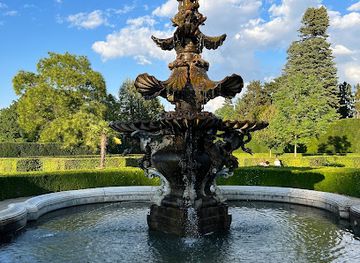
Discover the breathtaking Lednice–Valtice Cultural Landscape, a UNESCO World Heritage Site blending stunning architecture and natural beauty in the Czech Republic.
-
National park
Pálava Protected Landscape Area
Discover the breathtaking Pálava Protected Landscape Area, a national park offering stunning landscapes, rich biodiversity, and endless outdoor adventures.
-
Castle
Děvičky
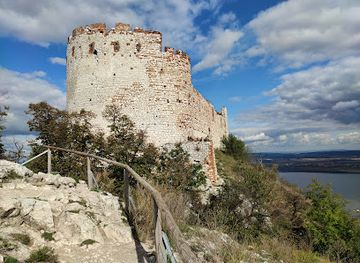
Discover the breathtaking Děvičky Castle in Moravia, where history meets stunning landscapes and outdoor adventures await every traveler.
-
Historical landmark
Rendezvous - Dianin chrám
Explore Dianin Chrám - a charming historical landmark in Valtice, surrounded by nature and rich Czech heritage, perfect for hikers and history lovers.

Explore Pálava on the map
Plan your trip on one map. See where the top attractions, landmarks, restaurants and hotels are, and book hotels and experiences in a few clicks.
Best hotels in Pálava
Best restaurants in Pálava
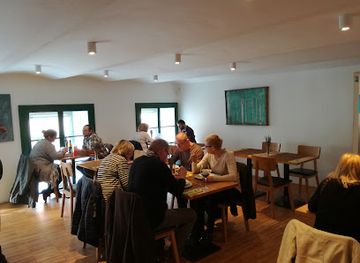
The dining scene in Pálava offers a unique blend of traditional Czech cuisine with a modern twist, showcasing the rich flavors of the region. Visitors can indulge in delicious dishes made with locally sourced ingredients, paired with exquisite wines from the surrounding vineyards. From cozy family-run eateries serving hearty comfort food to upscale restaurants offering gourmet meals with stunning views of the countryside, there is something for every palate in Pálava. Don't miss the opportunity to savor the flavors of this historical region while enjoying the warm hospitality of the locals.
-
Restaurant
Sojka & spol. Restaurant
Experience authentic Czech cuisine at Sojka & spol., a charming restaurant in Mikulov na Moravě with delightful local flavors.
-
Restaurant
Restaurace-Apartmány Bobule
Discover authentic Czech cuisine and warm hospitality at Restaurace-Apartmány Bobule in scenic Pavlov-Mikulov.
-
Restaurant
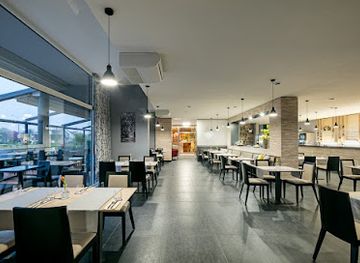
Amande restaurant
Experience exquisite dining at Amande Restaurant in Hustopeče – where traditional Czech cuisine meets modern elegance.
-
Restaurant
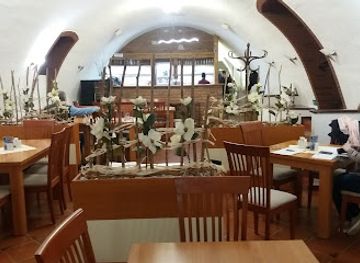
RESTAURACE MIKULOV - Pod radnicí
Experience authentic Moravian cuisine at Restaurace Mikulov - Pod radnicí, where every dish tells a story.
Best bars in Pálava
When the sun sets over the picturesque vineyards of Pálava, the nightlife scene comes alive with a vibrant mix of bars and clubs catering to every taste. From cozy wine bars serving up local varietals to energetic nightclubs pulsing with music and dancing, visitors can immerse themselves in the lively atmosphere of this historic region. Whether you prefer a laid-back evening sipping cocktails under the stars or a night of revelry with new friends, Pálava offers a diverse array of options to enjoy after dark.
-
Restaurant
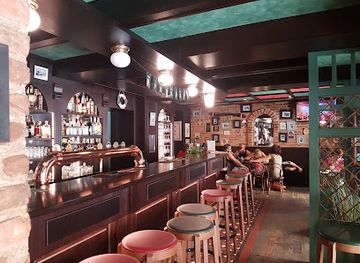
O´HARA Bar & Restaurant
Discover the charm of O'HARA Bar & Restaurant in Mikulov – where Irish hospitality meets local culture, delicious food, and lively music.
-
Bar
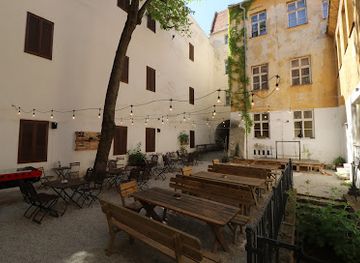
Zahrádka U Zajíce
Experience the best of Moravian wines and craft beers at Zahrádka U Zajíce, a cozy bar and wine garden in the heart of Mikulov.
-
Wine bar
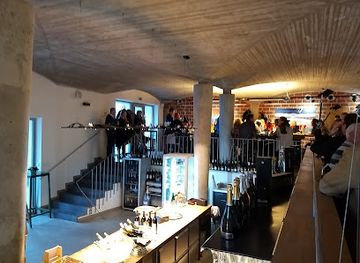
Galerie Venuše Pálava
Unwind at Galerie Venuše Pálava, where exquisite local wines and the beauty of Moravia come together for an unforgettable experience.
Best nightclubs in Pálava
When the sun sets over the picturesque vineyards of Pálava, the nightlife scene comes alive with a vibrant mix of bars and clubs catering to every taste. From cozy wine bars serving up local varietals to energetic nightclubs pulsing with music and dancing, visitors can immerse themselves in the lively atmosphere of this historic region. Whether you prefer a laid-back evening sipping cocktails under the stars or a night of revelry with new friends, Pálava offers a diverse array of options to enjoy after dark.
-
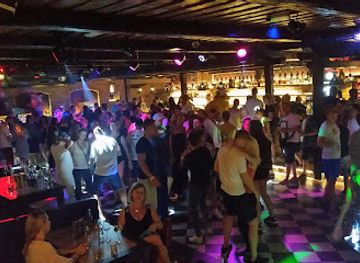
Retro Music Club
Discover the energy and nostalgia of Zaječí's nightlife at Retro Music Club, where the beats are retro and the atmosphere is electric.
-
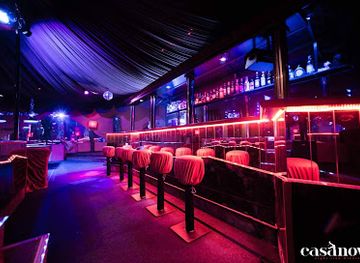
Night Club Casanova
Discover the thrilling nightlife at Night Club Casanova, the ultimate adult entertainment destination in Mikulov, where the party never stops.
-
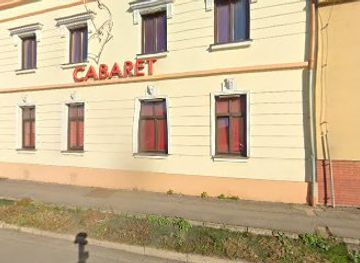
Cabaret
Dive into the vibrant nightlife of Mikulov at Cabaret, a night club where music, dance, and unforgettable experiences come alive.
Best shops in Pálava
The shopping scene in Pálava offers a delightful mix of traditional markets, charming boutiques, and unique souvenir shops. Visitors can explore local handicrafts, wines, and regional products, making it a perfect opportunity to take home a piece of Czech culture. From intricately designed ceramics to locally produced wines, the shopping options in Pálava cater to a wide range of tastes and preferences. Whether you are looking for a special gift or simply want to indulge in some retail therapy, Pálava's shopping scene has something for everyone.
-
Supermarket
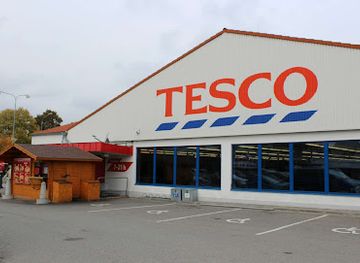
Supermarket Mikulov
Discover the flavors of Moravia at Supermarket Mikulov, your one-stop shopping destination for local delicacies and essentials.
-
Wine bar
Galerie Venuše Pálava
Experience the best of Moravian wines and local flavors at Galerie Venuše Pálava, a charming wine bar in the heart of Pavlov-Mikulov.
Get your free copy of our complete guide to Pálava, delivered straight to you.
Everything on this page, from attractions and restaurants to essentials and local phrases, in one PDF you can read offline, print or share.
Already have an account? Sign in
Your Pálava guide is ready.
We'll send it to · Not you? Sign out

Getting your guide ready…
We are putting together a fresh copy of the Pálava guide. This can take up to a minute.
This can take a few moments. If your browser asks, choose Allow so the download can start. You'll find the guide in your Downloads folder.
Nothing happened? Download it again
Sorry, the guide is taking longer than usual. Please try again in a minute, or get it by email instead.
Pálava essentials
Currency and Payment
Safety
Emergency Situations
Do's and Don'ts
Local Tips
From Eve
Local phrases worth knowing
You don't need to get them perfect. A few words go a long way, and locals appreciate the effort.
Basics
| English | Local | Say it |
|---|---|---|
| Hello | Ahoj | [ahoy] |
| Goodbye | Na shledanou | [na shledanou] |
| Yes | Ano | [ah-no] |
| No | Ne | [neh] |
| Please/You're welcome | Prosím | [pro-seem] |
| Thank you | Děkuji | [dyeh-koo-yee] |
| Excuse me/Sorry | Promiňte | [pro-meen-tye] |
| How are you? | Jak se máš? | [yak se mash] |
| Fine. And you? | Dobře. A ty? | [doh-breh. ah tee] |
| Do you speak English? | Mluvíte anglicky? | [mloo-vee-teh ahng-leet-skee] |
| I don't understand | Nerozumím | [neh-roh-zoo-meem] |
Eating & Drinking
| English | Local | Say it |
|---|---|---|
| I'd like to see the menu, please | Rád bych viděl menu, prosím | [rahd bikh vee-dyehl meh-noo pro-seem] |
| I don't eat meat | Nejím maso | [nyeem mah-so] |
| Cheers! | Na zdraví! | [na zdra-vee] |
| I would like to pay, please | Chtěl bych zaplatit, prosím | [khtyel bikh zah-pla-teet pro-seem] |
Emergencies
| English | Local | Say it |
|---|---|---|
| Help! | Pomoc! | [po-moats] |
| Go away! | Jdi pryč! | [ydee preetch] |
| Call the Police! | Zavolejte policii! | [za-vo-ley-teh po-lee-tsee] |
| Call a doctor! | Zavolejte doktora! | [za-vo-ley-teh dohk-toh-rah] |
| I'm lost | Ztratil jsem se | [ztra-teel ysem seh] |
| I'm ill | Jsem nemocný | [ysem ne-mo-tsnay] |
Shopping
| English | Local | Say it |
|---|---|---|
| I'd like to buy... | Chtěl bych koupit... | [khtyel bikh koh-pee-t] |
| I'm just looking | Jen se dívám | [yen seh dee-vaam] |
| How much is it? | Kolik to stojí? | [ko-lik toh stoy-ee] |
| That's too expensive | To je příliš drahé | [toh yeh pree-lish draa-heh] |
| Can you lower the price? | Můžete snížit cenu? | [moo-zheh-teh snee-zheet tseh-noo] |
Time & Numbers
| English | Local | Say it |
|---|---|---|
| What time is it? | Kolik je hodin? | [ko-leek yeh ho-deen] |
| It's one o'clock | Je jedna hodina | [yeh yed-na ho-dee-na] |
| Half past (10) | Půl jedenácté | [pool yed-nyan-teh] |
| Morning | Ráno | [raa-noh] |
| Afternoon | Odpoledne | [od-po-led-neh] |
| Evening | Večer | [veh-cher] |
| Yesterday | Včera | [v-cheh-rah] |
| Today | Dnes | [dnes] |
| Tomorrow | Zítra | [zee-tra] |
| 1 | Jedna | [yed-na] |
| 2 | Dva | [dvah] |
| 3 | Tři | [tree] |
| 4 | Čtyři | [cht-yer-zee] |
| 5 | Pět | [pyet] |
| 6 | Šest | [sh-est] |
| 7 | Sedm | [sedm] |
| 8 | Osm | [osm] |
| 9 | Devět | [deh-vyet] |
| 10 | Deset | [deh-set] |
Transport & Directions
| English | Local | Say it |
|---|---|---|
| Where's a/the...? | Kde je... | [kde yeh] |
| What's the address? | Jaká je adresa? | [yah-kah yeh ah-dreh-sa] |
| Can you show me (on the map)? | Můžete mi ukázat (na mapě)? | [moo-zheh-teh mee oo-kah-zat nah mah-peh] |
| When's the next (bus)? | Kdy jede další (autobus)? | [kdee yeh-deh dahl-shee ow-toh-boos] |
| A ticket (to ....) | Jednu jízdenku (do ....) | [yed-noo yeez-den-koo doh] |
History of Pálava
Prehistoric Settlements
Pálava is renowned for its prehistoric significance, particularly during the Paleolithic era. The region is home to the famed Dolní Věstonice archaeological site, where the Venus of Dolní Věstonice, a ceramic figurine dating back to around 29,000–25,000 BCE, was discovered. This site provides invaluable insights into the lives of early humans in Central Europe.
Celtic and Roman Influence
During the Iron Age, Pálava was inhabited by Celtic tribes, who left behind numerous artifacts. The arrival of the Romans in the 1st century CE brought further cultural and architectural developments. The Romans established military camps and trade routes in the region, evidence of which can still be found today.
Medieval Castles and Fortresses
The medieval period saw the construction of several castles and fortresses in Pálava. Notable among them is the Děvičky Castle, also known as Maidenburg, which offers panoramic views of the surrounding landscape. These fortifications played a crucial role in the region's defense and governance during the Middle Ages.
The Hussite Wars
In the early 15th century, Pálava was affected by the Hussite Wars, a series of conflicts driven by religious and political tensions in Bohemia. The local fortresses and towns were often sites of military engagements between the Hussites and Catholic forces, leaving a lasting impact on the region's historical landscape.
The Lichtenstein Legacy
The Lichtenstein family, one of the most influential noble families in Central Europe, left a significant mark on Pálava. They were responsible for the construction of numerous architectural landmarks, including the Lednice-Valtice Cultural Landscape, a UNESCO World Heritage site that showcases the family's grandeur and vision.
Wine Cultivation
Pálava is part of the Moravian wine region, known for its exceptional vineyards and wine production. The tradition of viticulture in Pálava dates back to the Roman era, but it flourished during the Middle Ages and continues to be a vital part of the local culture and economy. The region is particularly famous for its white wines, such as Pálava, a fragrant and full-bodied variety.
Modern-Day Pálava
Today, Pálava is a protected landscape area, celebrated for its natural beauty, biodiversity, and rich cultural heritage. It attracts tourists from around the world who come to explore its historical sites, enjoy its scenic hiking trails, and experience its renowned wine culture. The region's commitment to preserving its historical and natural legacy ensures that it remains a vibrant and cherished destination.
Pálava in Photos
Browse through our photo collection highlighting the charm and character of the destination.
Neighbouring destination travel guides
The closest destinations to Pálava, if you have time for more than one.
-

-

-

-


Swipe for more destinations
Explore more

Explore more of South Moravia
Discover South Moravia: A blend of exquisite wines, historic towns, and breathtaking landscapes in the heart of Czechia.
Explore South Moravia
Explore more of Czechia
Discover Czechia: A European gem with historic towns, stunning landscapes, and cultural delights. Perfect for travelers seeking charm, history, and adventure.
Explore Czechia