

Fenwick Island State Park Travel Guide - Free Web & App
Your ultimate guide to Fenwick Island State Park. Discover top landmarks, proposed trips, and local tips. Free on the web or via the Evendo companion app.


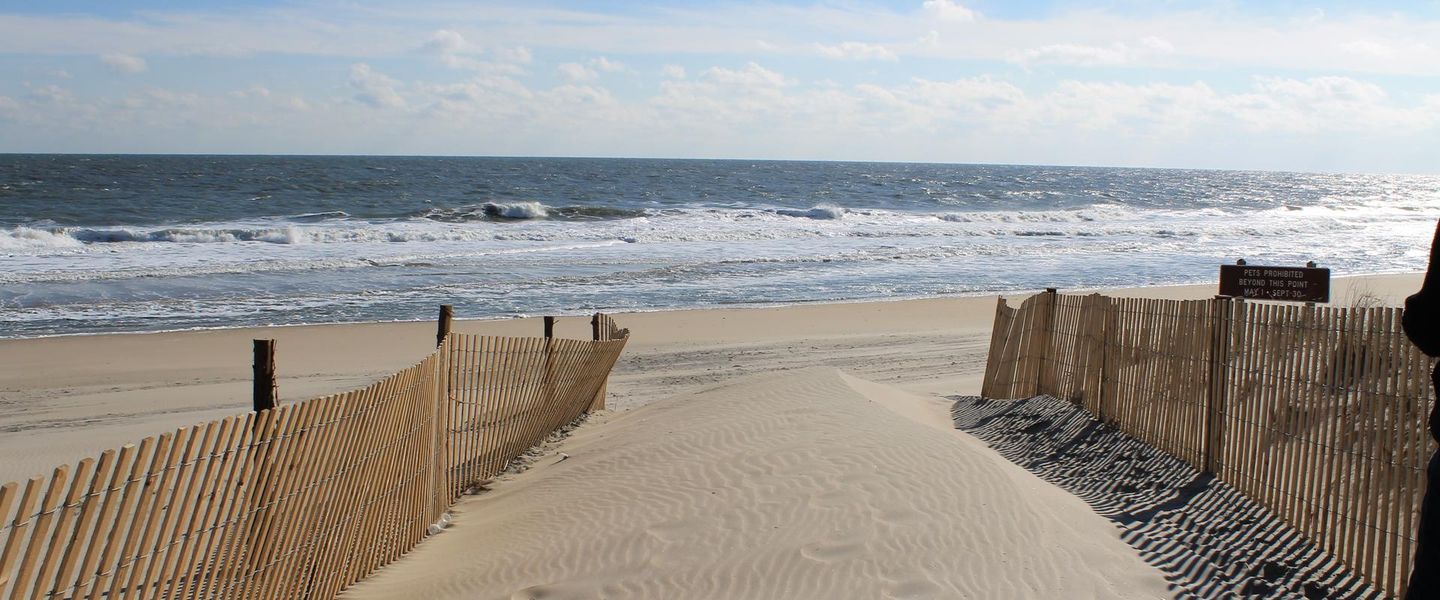


Fenwick Island State Park in Delaware pairs Atlantic beaches, swimming, surfing and bay views with coastal wildlife and easy access to Bethany Beach.
Atlantic Beach and Barrier-Island Landscape
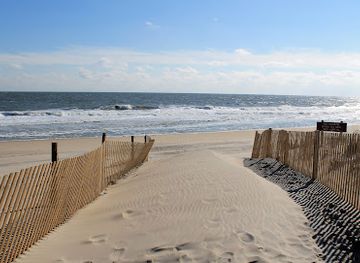
Fenwick Island State Park occupies a narrow stretch of Delaware’s southern barrier island between the Atlantic Ocean and the quieter waters of Little Assawoman Bay. Its broad ocean beach is the main attraction: a place for swimming, surfing, sunbathing, beachcombing and surf fishing, with shifting dunes providing a natural divide between the shore and the island’s developed communities. The park’s landscape is shaped by wind, tides and storms, so the beach and dunes are living coastal environments rather than fixed scenery.Read more about Fenwick Island State Park
Between Bethany Beach and Fenwick Island
Wildlife, Water and Outdoor Recreation
When is the best time to visit Fenwick Island State Park?
Best: May–June, September · 22–27°C| Month | High (°C) | Rainfall (mm) |
|---|---|---|
| January | 6 | 85 |
| February | 6 | 75 |
| March | 11 | 100 |
| April | 16 | 95 |
| May (best) | 22 | 90 |
| June (best) | 27 | 95 |
| July | 30 | 110 |
| August | 29 | 120 |
| September (best) | 26 | 100 |
| October | 19 | 90 |
| November | 14 | 90 |
| December | 7 | 100 |
Getting to and around Fenwick Island State Park
How to get there
Transportation
Best attractions in Fenwick Island State Park
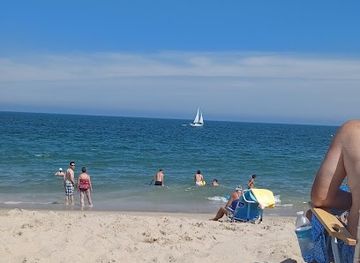
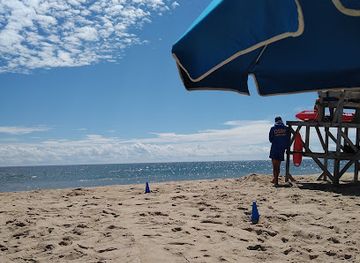
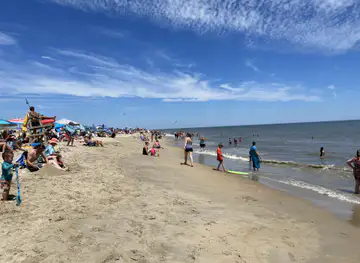
The principal attraction is Fenwick Island’s wide Atlantic beach, where visitors can swim in designated areas, surf, sunbathe, walk the shoreline and fish from the surf when regulations and conditions permit. The dune line provides a close view of a working barrier-island habitat, while the western side of the island leads towards the waters of Little Assawoman Bay. The park’s position between Bethany Beach and Fenwick Island makes it easy to combine a quieter public beach with the boardwalk atmosphere, shops and restaurants of the nearby resort communities. Just beyond the park, the Fenwick Island Lighthouse offers a contrasting glimpse of the coast’s maritime past; its grounds and exterior are maintained by the Fenwick Island Lighthouse Society. Visitors interested in nature should watch for shorebirds and other coastal wildlife without approaching nesting areas or crossing protected dunes, as seasonal management can change where people may walk.
-
Park
Fenwick Island State Park Concessions
Enjoy convenient refreshments and beach essentials at Fenwick Island State Park's concessions, enhancing your day of sun, surf, and sand.
-
Tourist attraction
Fishing access
Access coastal Delaware's rich fishing grounds from Fenwick Island; surf fishing, bay fishing, and a relaxing beach atmosphere await.
Best landmarks in Fenwick Island State Park
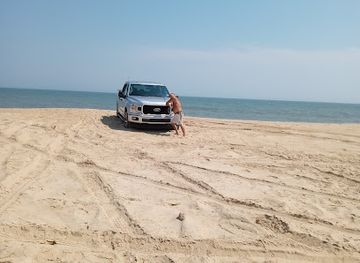
The defining natural landmark is the Atlantic shoreline of Fenwick Island, a mobile barrier coast where surf, wind and tides continually reshape the beach and dune profile. The dunes are significant not as built monuments but as protective coastal landforms and habitats that help shield the island’s low interior. To the west, Little Assawoman Bay represents the sheltered-water side of the barrier-island system, contrasting with the exposed ocean front. The nearby Fenwick Island Lighthouse, completed in 1859, is the area’s principal historic landmark and a reminder of the coast’s maritime dangers and navigation history. It stands close to the Delaware–Maryland boundary outside the main state-park beach landscape and is associated with the Fenwick Island Lighthouse Society. Together, these natural and human-made features express the area’s identity as both a working coastal environment and a long-established seaside community.
-
Park
Fenwick Island State Park Concessions
Explore the breathtaking Fenwick Island State Park, where pristine beaches meet lush landscapes, perfect for relaxation and outdoor adventures.
Explore Fenwick Island State Park on the map
Plan your trip on one map. See where the top attractions, landmarks, restaurants and hotels are, and book hotels and experiences in a few clicks.
Best hotels in Fenwick Island State Park
Best restaurants in Fenwick Island State Park
Fenwick Island State Park is primarily a beach landscape rather than a dining destination, so visitors generally eat in the neighbouring communities of Fenwick Island, Bethany Beach or, farther south, Ocean City, Maryland. These resort towns offer a broad coastal dining scene shaped by the Atlantic and nearby bays, including seafood restaurants, casual beach cafés, traditional American fare, ice-cream shops and family-oriented eateries. Regional menus commonly feature crab, oysters, clams, fish and other Mid-Atlantic seafood, although availability varies by season and establishment. Grocery shops, delis and takeaway outlets in the surrounding towns are useful for picnics, particularly when spending a full day on the beach. There are no grounds for assuming extensive food facilities within the state-park beach area itself, so visitors should obtain supplies before arriving and follow park rules concerning food, litter and wildlife.
-
Family-friendly
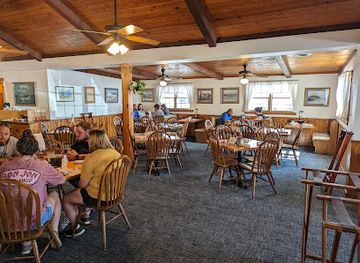
Warren's Station
Experience delightful family dining at Warren's Station in Fenwick Island – where great food meets unforgettable memories.
-
Breakfast
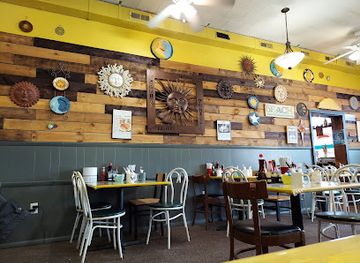
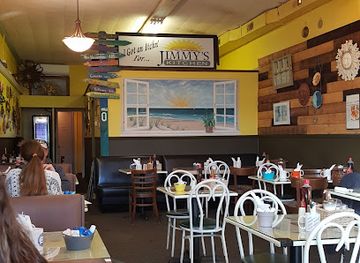
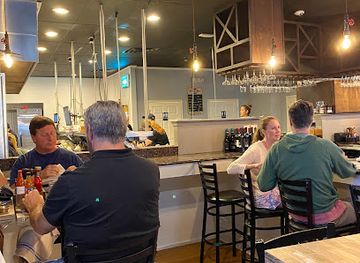
Jimmy's Kitchen
Savor delightful breakfasts at Jimmy's Kitchen in Fenwick Island - where every meal feels like home!
-
Seafood
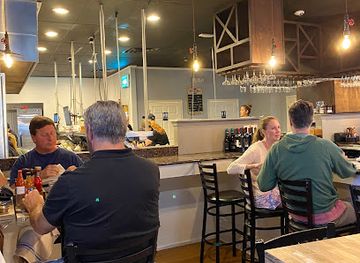
JR's Seafood Shack
Experience fresh coastal cuisine at JR's Seafood Shack in Fenwick Island – where every bite tells a story of Delaware’s rich maritime heritage.
Best bars in Fenwick Island State Park
Evening entertainment is limited inside Fenwick Island State Park, which closes into a quieter coastal environment after daytime recreation. The nearby towns provide the area’s established evening options, including casual bars, restaurants serving drinks and seasonal resort entertainment, while Bethany Beach has a more concentrated visitor atmosphere during the summer. Ocean City, Maryland, offers a larger range of nightlife and live entertainment farther south, but it lies outside both the state park and Delaware. Evening plans should therefore be based on the surrounding resort communities rather than on venues within the protected beach landscape. Visitors staying near the park can enjoy sunset walks, the sound of the surf and a subdued shoreline atmosphere, while respecting beach restrictions, wildlife closures and neighbouring residential areas.
-
Family-friendly
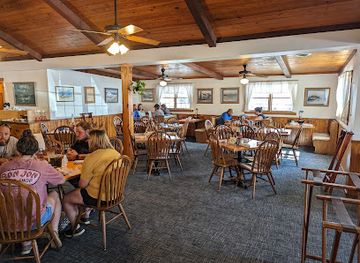
Warren's Station
Discover Warren's Station in Fenwick Island for a delightful family-friendly dining experience with fresh local flavors and a warm atmosphere.
-
Breakfast
Jimmy's Kitchen
Experience the best breakfast in Fenwick Island at Jimmy's Kitchen, where delicious food and a warm atmosphere await you.
-
Seafood
JR's Seafood Shack
Experience the best of coastal dining at JR's Seafood Shack in Fenwick Island, where fresh seafood meets a vibrant atmosphere.
Best shops in Fenwick Island State Park
Shopping within Fenwick Island State Park is limited because the park is devoted chiefly to beach recreation and coastal conservation. Visitors normally find supplies, beach equipment, clothing, gifts and everyday essentials in Fenwick Island, Bethany Beach or the larger resort centre of Ocean City, Maryland. The surrounding communities also provide opportunities to browse Delaware and Delmarva-themed souvenirs, coastal artwork, shell-inspired decorations and locally oriented food products, although the character and availability of individual businesses change with the season. Farm stands, markets and independent food retailers in the wider coastal region can be useful for picnic ingredients, while outdoor shops serve visitors preparing for beach, cycling or fishing activities. To avoid unnecessary journeys, obtain water, snacks, sun protection and other essentials in a nearby town before spending the day in the park.
-
State park
Fenwick Island State Park
Explore Fenwick Island State Park: A Perfect Blend of Beaches, Hiking, and Kayaking Adventures in Delaware's Coastal Paradise.
-
Gift shop
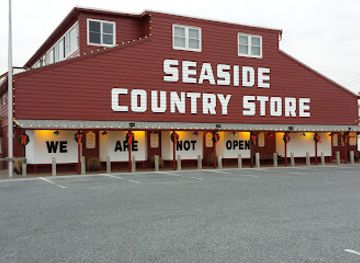
Seaside Country Store
Explore a unique gift shop in Fenwick Island, Delaware, with a wide range of local crafts and beach-themed memorabilia.
-
Pottery store
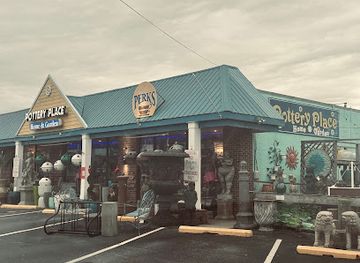
The Pottery Place
Discover a treasure trove of handcrafted ceramics, antiques, and outdoor furniture at The Pottery Place in Fenwick Island, Delaware.
-
Consignment shop
Christine's Consignments
Explore the eclectic charm of Christine's Consignments in Fenwick Island, DE – where unique treasures await every visitor.

Get your free copy of our complete guide to Fenwick Island State Park, delivered straight to you.
Everything on this page, from attractions and restaurants to essentials and local phrases, in one PDF you can read offline, print or share.
Already have an account? Sign in
Your Fenwick Island State Park guide is ready.
We'll send it to · Not you? Sign out

Getting your guide ready…
We are putting together a fresh copy of the Fenwick Island State Park guide. This can take up to a minute.
This can take a few moments. If your browser asks, choose Allow so the download can start. You'll find the guide in your Downloads folder.
Nothing happened? Download it again
Sorry, the guide is taking longer than usual. Please try again in a minute, or get it by email instead.
Fenwick Island State Park essentials
Currency and Payment
Safety
Emergency Situations
Do's and Don'ts
Local Tips
From Eve
Local phrases worth knowing
You don't need to get them perfect. A few words go a long way, and locals appreciate the effort.
Basics
| English | Local | Say it |
|---|---|---|
| Hello | Hey | [hay] |
| Goodbye | See ya | [see yah] |
| Yes | Yeah | [yeh] |
| No | Nah | [nah] |
| Please/You're welcome | Please/No worries | [pleez / no worries] |
| Thank you | Thanks | [thanks] |
| Excuse me/Sorry | Sorry | [sor-ee] |
| How are you? | How's it goin'? | [hows it goin] |
| Fine. And you? | Good. You? | [good. yah?] |
| Do you speak English? | Ya speak English? | [yah speak ing-lish] |
| I don't understand | I dunno | [I dunno] |
Eating & Drinking
| English | Local | Say it |
|---|---|---|
| I'd like to see the menu, please | Menu, please | [men-yoo, please] |
| I don't eat meat | No meat for me | [no meat for mee] |
| Cheers! | Cheers! | [cheers!] |
| I would like to pay, please | Check, please | [check, please] |
Emergencies
| English | Local | Say it |
|---|---|---|
| Help! | Help! | [help!] |
| Go away! | Go away! | [go away!] |
| Call the Police! | Police! | [po-leece!] |
| Call a doctor! | Doctor! | [doc-tor!] |
| I'm lost | Lost | [lost] |
| I'm ill | Sick | [sick] |
Shopping
| English | Local | Say it |
|---|---|---|
| I'd like to buy... | Wanna buy... | [wanna buy] |
| I'm just looking | Just browsing | [just brows-ing] |
| How much is it? | How much? | [how much] |
| That's too expensive | Too pricey | [too pricey] |
| Can you lower the price? | Can you do cheaper? | [can yah do cheaper] |
Time & Numbers
| English | Local | Say it |
|---|---|---|
| What time is it? | What time is it? | [what time is it] |
| It's one o'clock | It's one | [its one] |
| Half past (10) | Half ten | [half ten] |
| Morning | Morning | [morning] |
| Afternoon | Afternoon | [afternoon] |
| Evening | Evening | [evening] |
| Yesterday | Yesterday | [yester-day] |
| Today | Today | [to-day] |
| Tomorrow | Tomorrow | [tom-or-row] |
| 1 | One | [wun] |
| 2 | Two | [too] |
| 3 | Three | [three] |
| 4 | Four | [four] |
| 5 | Five | [five] |
| 6 | Six | [six] |
| 7 | Seven | [seven] |
| 8 | Eight | [eight] |
| 9 | Nine | [nine] |
| 10 | Ten | [ten] |
Transport & Directions
| English | Local | Say it |
|---|---|---|
| Where's a/the...? | Where's the...? | [wheres the] |
| What's the address? | Address? | [address] |
| Can you show me (on the map)? | Show me (on map) | [show me on map] |
| When's the next (bus)? | Next (bus) time? | [next bus time] |
| A ticket (to ....) | Ticket (to ...) | [ticket to] |
History of Fenwick Island State Park
A Shifting Barrier-Island Coast
Fenwick Island State Park forms part of a barrier-island system created and continually remodelled by waves, currents, storms and wind-blown sand. The island separates the Atlantic Ocean from the sheltered bays of coastal Delaware and Maryland, while dunes protect the low-lying interior from ordinary wave action and help support specialised beach vegetation. Its shape and shoreline are not permanent: coastal storms and long-term erosion can move sand, alter beach width and affect access. This physical setting is fundamental to understanding both the park’s scenery and the need for careful management of dunes and public facilities.
Coastal Settlement and Maritime Identity
Before the modern resort era, the Fenwick Island area was part of a sparsely settled coastal landscape associated with fishing, farming and maritime travel. The name reflects the wider Fenwick Island region, which was named for John Fenwick, an early colonial proprietor connected with Delaware’s southern coast. The surrounding inlets and bays supported local water-based livelihoods, while the ocean shore remained difficult terrain for permanent settlement. The boundary between Delaware and Maryland runs through the broader Fenwick Island area, giving the coast a distinctive regional identity that predates modern state-park administration.
The Fenwick Island Lighthouse
The Fenwick Island Lighthouse was completed in 1859 to mark the dangerous coast between the Delaware and Maryland capes and to assist vessels approaching the Atlantic shoreline. Built on land near the state boundary, it became an enduring symbol of the area’s maritime history. The lighthouse is not part of the state park’s main beach facilities, but its presence helps explain the importance of this exposed coastline before the growth of tourism. Today it is cared for by the Fenwick Island Lighthouse Society, and its grounds and exterior are a notable historical feature of the nearby community.
From Public Beach to State Park
As automobile access and seaside recreation expanded along Delaware’s coast during the twentieth century, pressure grew to protect stretches of beach from complete private development. Fenwick Island State Park was established as part of Delaware’s state-park system in 1962, preserving ocean frontage for public recreation and coastal conservation. The park’s role has since combined swimming, surfing, surf fishing and other beach activities with the management of dunes, wildlife habitat and storm-prone infrastructure. Its continued importance reflects the challenge of providing access to a popular shore while maintaining the natural processes that sustain a barrier island.
Fenwick Island State Park in Photos
Browse through our photo collection highlighting the charm and character of the destination.
Neighbouring destination travel guides
The closest destinations to Fenwick Island State Park, if you have time for more than one.
-

-

-

-
-


Swipe for more destinations
Explore more

Explore more of The Lewes and Rehoboth Canal Area
Explore the Lewes and Rehoboth Canal Area for Delaware beaches, historic Lewes, coastal parks, waterways, cycling and lively seaside dining.
Explore The Lewes and Rehoboth Canal Area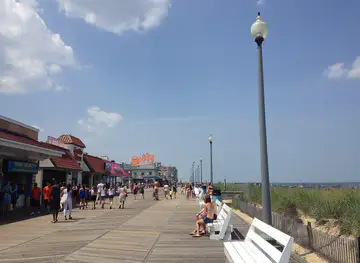
Explore more of Delaware
Discover Delaware: From historic sites and serene beaches to culinary delights and scenic parks, this small state offers big experiences for every traveler.
Explore Delaware