

Free The Dover Metropolitan Area Travel Guide & Mobile App
Explore The Dover Metropolitan Area with free travel guides. Discover regional history, expert tips, proposed trips, and audio guides on web or mobile app.




Explore the Dover Metropolitan Area for Delaware history, state museums, agricultural heritage, wildlife refuges and the tidal landscapes of Delaware Bay.
Read more about The Dover Metropolitan Area
When is the best time to visit The Dover Metropolitan Area?
Best: May–June, September · 24–28°C| Month | High (°C) | Rainfall (mm) |
|---|---|---|
| January | 6 | 76 |
| February | 8 | 67 |
| March | 12 | 89 |
| April | 18 | 76 |
| May (best) | 24 | 92 |
| June (best) | 28 | 96 |
| July | 31 | 106 |
| August | 30 | 105 |
| September (best) | 26 | 98 |
| October | 20 | 83 |
| November | 14 | 77 |
| December | 8 | 82 |
Getting to and around The Dover Metropolitan Area
How to get there
Transportation
Top city travel guides in The Dover Metropolitan Area
The cities of The Dover Metropolitan Area, and the easiest places to base yourself.
-

-
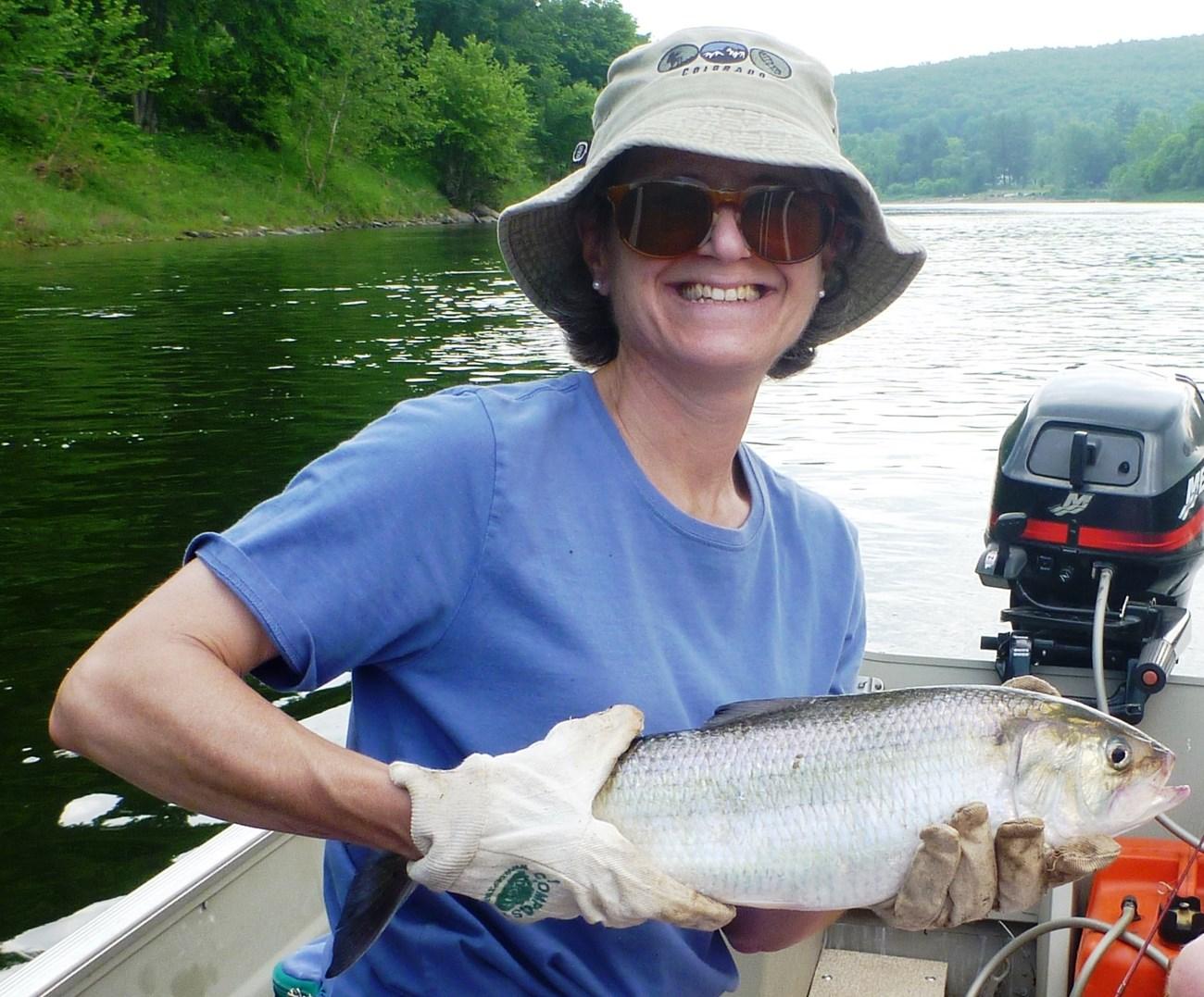 Milford
, Delaware, pairs a historic Mispillion River downtown with galleries, local dining, museums, trails and easy access to Delaware’s coast and beaches.
-

-


Swipe for more cities
Destinations in The Dover Metropolitan Area
Resorts, valleys and scenic spots worth a trip of their own.
-
-

-

-


Swipe for more destinations
Best attractions in The Dover Metropolitan Area
The Dover Metropolitan Area combines state-capital museums with rural, military and wetland attractions. In central Dover, the First State Heritage Park links the Old State House, Legislative Hall and other sites that explain Delaware’s political development, while the Biggs Museum of American Art and Johnson Victrola Museum provide contrasting perspectives on art and technological history. John Dickinson Plantation explores an eighteenth-century estate and the people who lived and worked there, and the Delaware Agricultural Museum and Village presents the machinery, homes and working practices of the state’s farming communities. North-east of Dover, Bombay Hook National Wildlife Refuge is the region’s leading nature destination, with tidal marshes, observation points and seasonal birdlife. The St Jones Reserve offers a more compact encounter with marsh and woodland habitats. The Air Mobility Command Museum, near Dover Air Force Base, gives aviation enthusiasts access to historic military aircraft in a setting shaped by the base’s continuing operations. Historic streets in Dover, Smyrna, Camden, Wyoming and Milford, together with orchards, farm stands and Delaware Bay viewpoints, broaden the experience beyond formal attractions.
-
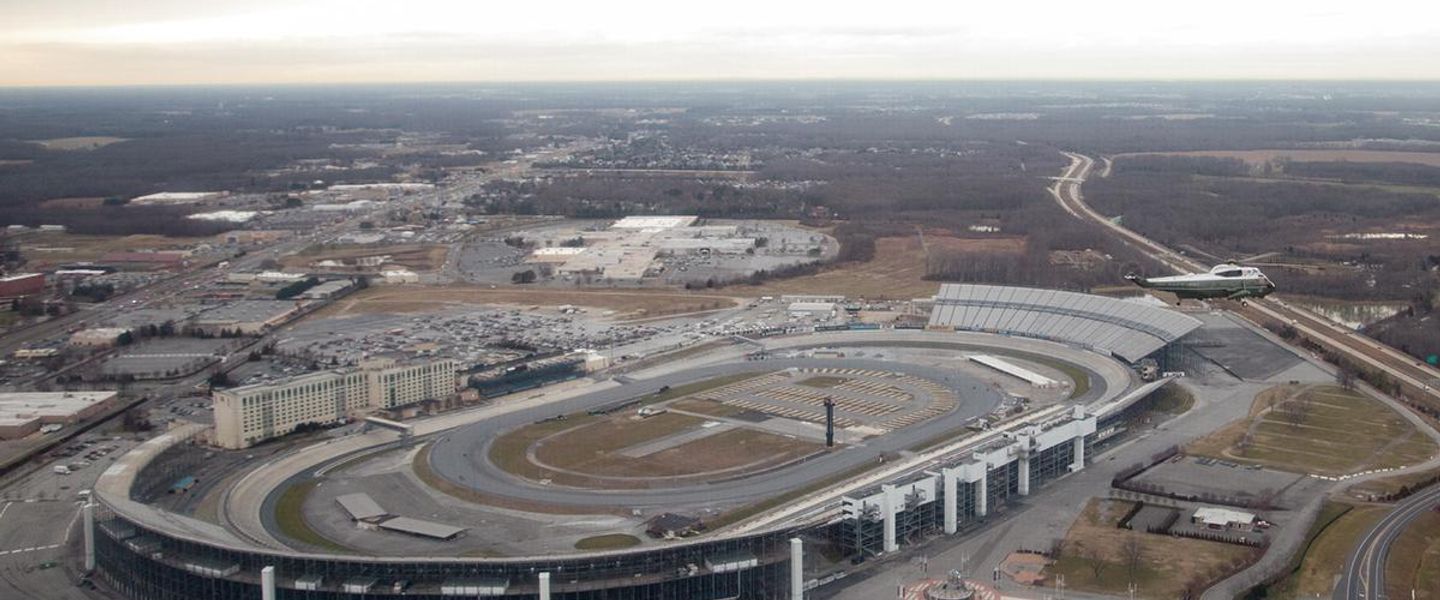
Car racing track
Dover Motor Speedway
Feel the roar at the Monster Mile! Dover Motor Speedway: high-speed thrills, iconic NASCAR races, and a legendary racing experience in Delaware.
-
History museum
Air Mobility Command Museum
Explore the history of air transport and refueling at the Air Mobility Command Museum, home to a fascinating collection of vintage aircraft.
-
Park
Brecknock County Park
Explore history and nature at Brecknock County Park in Camden, DE, offering trails, recreation, and historical insights for all ages.
-
Park
Silver Lake Park
Discover a tranquil oasis in Dover: Silver Lake Park offers scenic beauty, recreation, and a peaceful escape in the heart of the First State.



Best landmarks in The Dover Metropolitan Area
Dover’s Old State House is the metropolitan area’s most important historic civic landmark, a Georgian-era building associated with Delaware’s colonial and early state governments. Nearby Legislative Hall represents the continuing role of Dover as the state capital, while the surrounding historic streets preserve a mixture of early American domestic and institutional architecture. John Dickinson Plantation is a significant rural landmark: its house, grounds and wider interpretation connect revolutionary-era politics with plantation agriculture and enslavement. The Johnson Victrola Museum is another distinctive local landmark because its collections recall Camden’s connection with the manufacture of recorded-sound technology. Outside the capital, Bombay Hook’s long tidal marshes and winding channels form a major geographical landmark on Delaware Bay, defined by seasonal waterbirds and changing light rather than monumental architecture. Dover Air Force Base and the large aircraft displayed at the Air Mobility Command Museum provide a powerful modern reference point, reflecting Kent County’s continuing association with military transport and aviation.
-
State park
Cape Henlopen State Park
Explore the stunning beaches, rich history, and diverse recreational activities at Cape Henlopen State Park in Delaware, a perfect destination for outdoor enthusiasts.
-
Car racing track
Dover Motor Speedway
Dover Motor Speedway: The ultimate destination for thrilling car racing experiences and unforgettable motorsport events in Delaware.
-
Hotel
Bally's Dover Casino Resort
Discover the excitement at Bally's Dover Casino Resort, where luxury meets entertainment in the heart of Delaware.
-
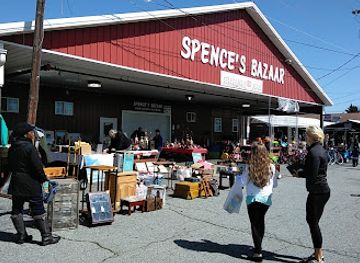
Market
Spence's bazaar
Explore Spence's Bazaar in Dover, DE – a bustling market filled with unique finds, local delicacies, and vibrant community spirit.
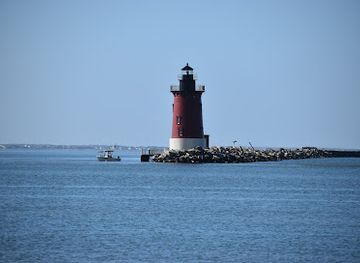


Explore The Dover Metropolitan Area on the map
Plan your trip on one map. See where the top cities, national parks and sights are, and book hotels and experiences in a few clicks.
Best hotels in The Dover Metropolitan Area
Best restaurants in The Dover Metropolitan Area
Dining in the Dover Metropolitan Area reflects central Delaware’s agricultural setting and its position between the Chesapeake region and Delaware Bay. Dover has the widest choice, ranging from casual American restaurants and cafés to independent eateries, breweries and traditional pubs, while smaller Kent County towns offer diners, bakeries, family restaurants and locally oriented establishments. Farm stands and seasonal producers provide fruit, vegetables and other roadside purchases, with orchards and harvest businesses around Camden and Wyoming especially relevant at the appropriate time of year. Seafood is widely available because of Delaware’s coastal geography, although not every seafood dish served locally is exclusive to the region. Visitors may also encounter Mid-Atlantic comfort food, poultry, barbecue, crab and seasonal pies alongside familiar national styles. In rural districts, dinner options can be limited outside town centres, so plan ahead rather than assuming that every heritage or wildlife site has a full-service restaurant nearby.
-
Hotel
Bally's Dover Casino Resort
Discover the ultimate entertainment hub at Bally's Dover Casino Resort - where luxury meets excitement in Delaware.
-
Traditional American
Cheddar's Scratch Kitchen
Experience the heart of American cuisine at Cheddar's Scratch Kitchen in Camden – where every dish is made from scratch with love.
-
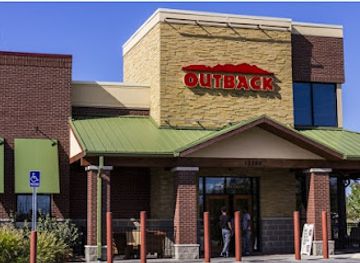
Steak
Outback Steakhouse
Experience the unique flavors of Australia with mouthwatering steaks and vibrant dishes at Outback Steakhouse in Dover.
-
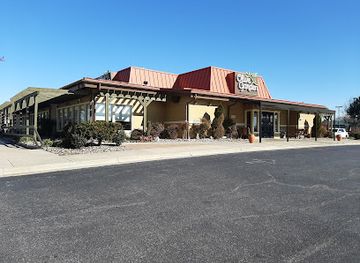
Italian
Olive Garden Italian Restaurant
Experience authentic Italian cuisine at Olive Garden in Dover - where every meal feels like a family gathering.


Best bars in The Dover Metropolitan Area
Evening life in the Dover Metropolitan Area is modest and dispersed rather than concentrated in a large entertainment district. Dover provides the broadest selection of pubs, casual bars, breweries, restaurants with evening service and occasional live music, with additional local venues in towns such as Smyrna and Milford. The area’s colleges, civic institutions and seasonal events can add activity at particular times, but programming and opening arrangements change. In smaller communities, historic inns, neighbourhood taverns and restaurants are more characteristic than late-night clubs. Visitors staying near wildlife refuges or agricultural districts should expect quiet evenings and arrange transport before drinking, as rural roads have limited alternatives to a private vehicle. The region’s evening culture is best approached through food, conversation, local performances and community events rather than an assumption of continuous nightlife.
-
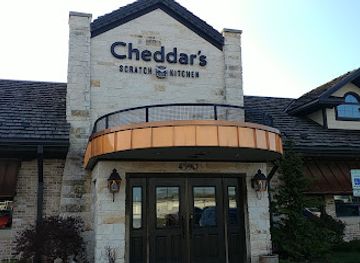
Traditional American
Cheddar's Scratch Kitchen
Discover Cheddar's Scratch Kitchen: A delightful family restaurant in Camden, DE, serving traditional American comfort food made from scratch.
-
Steak
LongHorn Steakhouse
Discover the ultimate steakhouse experience at LongHorn Steakhouse in Dover, where tradition meets flavor in every delicious bite.
-
Seafood
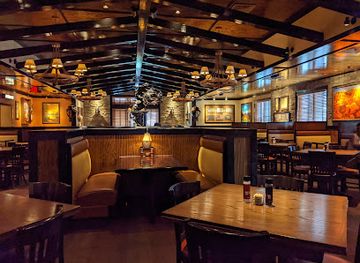
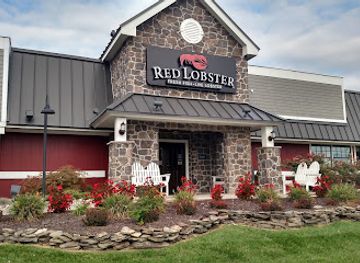
Red Lobster
Savor the freshness of ocean delights at Red Lobster, where family dining meets a seafood lover's paradise in Dover, Delaware.
-
Sports bar
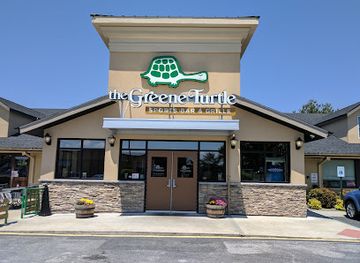
The Greene Turtle Sports Bar & Grille
Discover the perfect blend of sports, food, and fun at The Greene Turtle Sports Bar & Grille in Dover, DE, where every game is a celebration.
Best nightclubs in The Dover Metropolitan Area
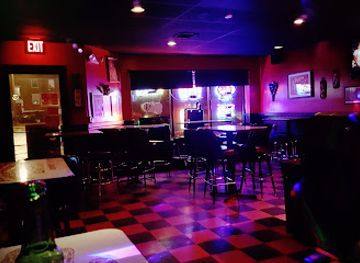
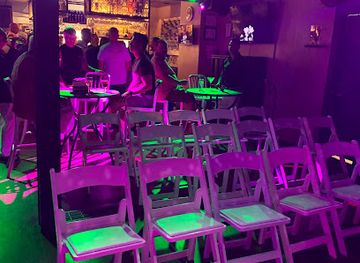
Evening life in the Dover Metropolitan Area is modest and dispersed rather than concentrated in a large entertainment district. Dover provides the broadest selection of pubs, casual bars, breweries, restaurants with evening service and occasional live music, with additional local venues in towns such as Smyrna and Milford. The area’s colleges, civic institutions and seasonal events can add activity at particular times, but programming and opening arrangements change. In smaller communities, historic inns, neighbourhood taverns and restaurants are more characteristic than late-night clubs. Visitors staying near wildlife refuges or agricultural districts should expect quiet evenings and arrange transport before drinking, as rural roads have limited alternatives to a private vehicle. The region’s evening culture is best approached through food, conversation, local performances and community events rather than an assumption of continuous nightlife.
-
Sports bar
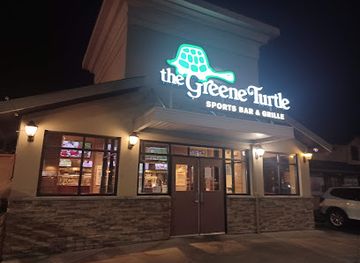
The Greene Turtle Sports Bar & Grille
Experience the excitement of live sports and delicious dining at The Greene Turtle Sports Bar & Grille in Dover, Delaware.
-
Bar
ICONZ Bar and Venue
Discover the heartbeat of Wilmington's nightlife at ICONZ Bar and Venue, where live music and great vibes come together.
-
Restaurant
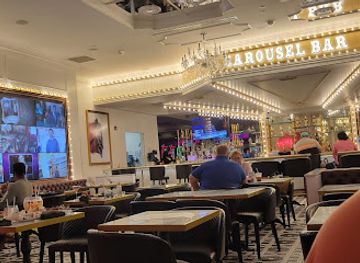
Sugar Factory - Dover
Discover a sweet escape at Sugar Factory - Dover, where decadent treats and savory delights meet an enchanting atmosphere.
-
Gay night club
Diego's Bar Nightclub, Rehoboth Avenue Extension, Rehoboth Beach, DE
Dive into the vibrant nightlife at Diego's Bar Nightclub, where dance, drinks, and diversity unite in Rehoboth Beach.
Best shops in The Dover Metropolitan Area
Shopping across the Dover Metropolitan Area is centred on everyday retail, independent businesses, historic town streets and agricultural producers rather than a single destination shopping quarter. Dover has the region’s broadest selection of shops and services, while Smyrna, Camden, Wyoming and Milford offer smaller main-street environments with cafés, antiques, books, gifts and locally oriented businesses. Farm stands and orchard outlets are valuable for seasonal fruit, vegetables, baked goods and other Delaware produce, though their stock and opening arrangements vary through the year. Visitors looking for regional souvenirs can explore museum shops for books and heritage items, galleries for American art and craft, and specialist stores in the area’s older towns. Farmers’ markets and community markets may operate seasonally, but schedules should be checked locally. Delaware’s absence of state sales tax is relevant to general shopping, although individual businesses and nearby jurisdictions may have different arrangements for particular services.
-
Shopping mall
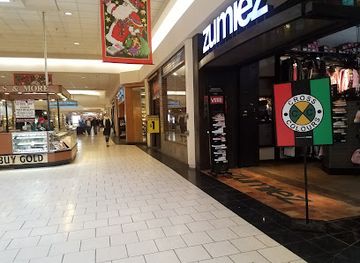
Dover Mall
Explore Dover Mall for an exceptional shopping experience with diverse stores, dining, and entertainment in Delaware's vibrant retail hub.
-
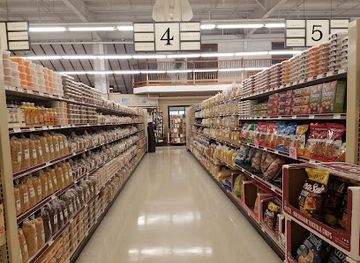
Grocery store
Byler's Store in Dover
Experience local flavors and unique goods at Byler's Store in Dover, a culinary gem for every visitor.
-
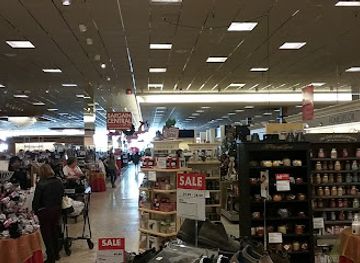
Department store
Boscov's
Discover Boscov's in Dover, DE: Your ultimate shopping destination for clothing, home goods, and more!
-
Market
Spence's bazaar
Uncover unique finds and local flavors at Spence's Bazaar, Dover's vibrant market filled with treasures waiting to be discovered.
Get your free copy of our complete guide to The Dover Metropolitan Area, delivered straight to you.
Everything on this page, from attractions and restaurants to essentials and local phrases, in one PDF you can read offline, print or share.
Already have an account? Sign in
Your The Dover Metropolitan Area guide is ready.
We'll send it to · Not you? Sign out

Getting your guide ready…
We are putting together a fresh copy of the The Dover Metropolitan Area guide. This can take up to a minute.
This can take a few moments. If your browser asks, choose Allow so the download can start. You'll find the guide in your Downloads folder.
Nothing happened? Download it again
Sorry, the guide is taking longer than usual. Please try again in a minute, or get it by email instead.
The Dover Metropolitan Area essentials
Currency and Payment
Safety
Emergency Situations
Do's and Don'ts
Local Tips
From Eve
Local phrases worth knowing
You don't need to get them perfect. A few words go a long way, and locals appreciate the effort.
Basics
| English | Local | Say it |
|---|---|---|
| Hello | Hey | [Hey] |
| Goodbye | See ya | [See ya] |
| Yes | Yeah | [Yeah] |
| No | Nah | [Nah] |
| Please/You're welcome | Sure thing | [Shoor thing] |
| Thank you | Thanks | [Thanks] |
| Excuse me/Sorry | Sorry 'bout that | [Sorry 'bout that] |
| How are you? | How ya doin'? | [How ya doin'?] |
| Fine. And you? | Good. You? | [Good. You?] |
| Do you speak English? | You speakin' English? | [You speakin' English?] |
| I don't understand | I ain't followin' | [I ain't followin'] |
Eating & Drinking
| English | Local | Say it |
|---|---|---|
| I'd like to see the menu, please | Can I see the menu? | [Can I see the menu?] |
| I don't eat meat | I don't eat meat | [I don't eat meat] |
| Cheers! | Cheers! | [Cheers!] |
| I would like to pay, please | Can I get the check? | [Can I get the check?] |
Emergencies
| English | Local | Say it |
|---|---|---|
| Help! | Help! | [Help!] |
| Go away! | Get lost! | [Get lost!] |
| Call the Police! | Call the cops! | [Call the cops!] |
| Call a doctor! | Get a doctor! | [Get a doctor!] |
| I'm lost | I’m lost | [I’m lost] |
| I'm ill | I’m sick | [I’m sick] |
Shopping
| English | Local | Say it |
|---|---|---|
| I'd like to buy... | I wanna buy... | [I wanna buy...] |
| I'm just looking | Just browsin' | [Just browsin'] |
| How much is it? | What’s the price? | [What’s the price?] |
| That's too expensive | That's way too pricey | [That's way too pricey] |
| Can you lower the price? | Can you drop the price? | [Can you drop the price?] |
Time & Numbers
| English | Local | Say it |
|---|---|---|
| What time is it? | What time is it? | [What time is it?] |
| It's one o'clock | It’s one | [It’s one] |
| Half past (10) | Half past ten | [Half past ten] |
| Morning | Morning | [Morning] |
| Afternoon | Afternoon | [Afternoon] |
| Evening | Evenin' | [Evenin'] |
| Yesterday | Yesterday | [Yesterday] |
| Today | Today | [Today] |
| Tomorrow | Tomorrow | [Tomorrow] |
| 1 | One | [One] |
| 2 | Two | [Two] |
| 3 | Three | [Three] |
| 4 | Four | [Four] |
| 5 | Five | [Five] |
| 6 | Six | [Six] |
| 7 | Seven | [Seven] |
| 8 | Eight | [Eight] |
| 9 | Nine | [Nine] |
| 10 | Ten | [Ten] |
Transport & Directions
| English | Local | Say it |
|---|---|---|
| Where's a/the...? | Where's the...? | [Where's the...?] |
| What's the address? | What's the address? | [What's the address?] |
| Can you show me (on the map)? | Can you show me on the map? | [Can you show me on the map?] |
| When's the next (bus)? | When's the next bus? | [When's the next bus?] |
| A ticket (to ....) | A ticket to ... | [A ticket to ...] |
History of The Dover Metropolitan Area
Lenape and Nanticoke Homelands
Before European colonisation, the lands around present-day Dover and Delaware Bay were part of the wider homeland and trading world of Indigenous peoples, including Lenape and Nanticoke communities. The region’s rivers, marshes and forests supported fishing, hunting, gathering and seasonal movement. European settlement disrupted these patterns through land acquisition, disease and political pressure, although Indigenous history remains an essential part of understanding Delaware’s past. The waterways and ecological systems that shaped Indigenous life also continued to influence later agriculture, transport and settlement across Kent County.
Colonial Settlement and Kent County
European settlement expanded in central Delaware during the seventeenth and eighteenth centuries under Dutch, Swedish and English influence, before the area became associated with the colonial Lower Counties on the Delaware. Dover developed as a courthouse and administrative centre, and Kent County was formally established in the late seventeenth century. Farms, mills, waterways and small trading communities formed the economic foundation of the region. The surviving street plans, houses and civic buildings of Dover and nearby towns reflect this gradual process rather than the planning of a single large colonial city.
John Dickinson and Revolutionary Delaware
John Dickinson, born in Maryland and raised partly at his family’s plantation near Dover, became a major political writer during the imperial crisis and the American Revolution. His Letters from a Farmer in Pennsylvania argued against parliamentary taxation and circulated widely in the colonies, while his later political position emphasised constitutional compromise. The plantation associated with Dickinson in Kent County now interprets the lives of the Dickinson family, enslaved people and other workers who sustained the estate. The site illustrates both revolutionary-era political thought and the realities of plantation society.
Delaware’s Early Statehood
Delaware was the first state to ratify the United States Constitution in 1787, a distinction that has strongly shaped the state’s public identity. Dover’s position as the state capital made it the setting for legislative, judicial and administrative development, while the Old State House served as an important centre of government. The capital’s civic buildings and historic district preserve the physical legacy of this period. Statehood did not erase the region’s agricultural character, but it gave Dover an institutional role extending beyond its size.
Agriculture, Quakers and Expanding Towns
During the nineteenth century, Kent County’s economy remained closely linked to grain, livestock, orchards and market gardening, with roads, canals and railways improving connections between farms and towns. Quaker communities and other religious groups contributed to the development of settlements such as Smyrna and Camden, while Milford grew as a commercial centre straddling Kent and Sussex counties. The region’s historic houses and town streets reveal the prosperity generated by agriculture and trade, as well as the social divisions and labour systems on which that prosperity depended.
The Rise of Recorded Sound in Dover
The Victor Talking Machine Company operated an important manufacturing plant in Camden, just south of Dover, during the early twentieth century. The company produced phonographs and helped make recorded music a mass-market product in the United States. The Johnson Victrola Museum in Dover preserves this industrial and cultural story, including the business history of Eldridge R. Johnson and the development of sound reproduction. The legacy is significant because it connects a small Delaware capital with a technological change that transformed domestic entertainment around the world.
Military Aviation and Modern Transformation
Dover Air Force Base, established during the Second World War as a military airfield, became a major transport installation for the United States Air Force. Its large cargo aircraft and global logistical role have influenced the region’s economy and landscape ever since. The Air Mobility Command Museum records this history through aircraft and exhibits, while the base remains an active military facility rather than simply a heritage site. The twentieth century also brought suburban growth, improved highways and a gradual diversification of Kent County beyond its traditional agricultural economy.
The Dover Metropolitan Area in Photos
Browse through our photo collection highlighting the charm and character of the destination.
Neighbouring regions of The Dover Metropolitan Area
The closest regions to The Dover Metropolitan Area, if you have time for more than one.
-

-

-

-

-


Swipe for more regions
Explore more
Explore more of Delaware
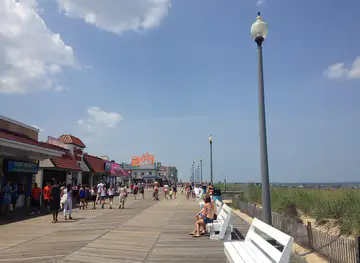
Discover Delaware: From historic sites and serene beaches to culinary delights and scenic parks, this small state offers big experiences for every traveler.
Explore Delaware