

Free The Coastal Plain Travel Guide & Mobile App
Explore The Coastal Plain with free travel guides. Discover regional history, expert tips, proposed trips, and audio guides on web or mobile app.


Explore Delaware’s Coastal Plain for bayside wetlands, Atlantic beaches, maritime history, farm produce, wildlife refuges and welcoming coastal towns.
Read more about The Coastal Plain
Getting to and around The Coastal Plain
How to get there
Transportation
Top city travel guides in The Coastal Plain
The cities of The Coastal Plain, and the easiest places to base yourself.
-

-

-
-
 Milford
, Delaware, pairs a historic Mispillion River downtown with galleries, local dining, museums, trails and easy access to Delaware’s coast and beaches.
Milford
Milford, Delaware, pairs a historic Mispillion River downtown with galleries, local dining, museums, trails and easy access to Delaware’s coast and beaches.
-

-


Swipe for more cities
Destinations in The Coastal Plain
Resorts, valleys and scenic spots worth a trip of their own.
-
-
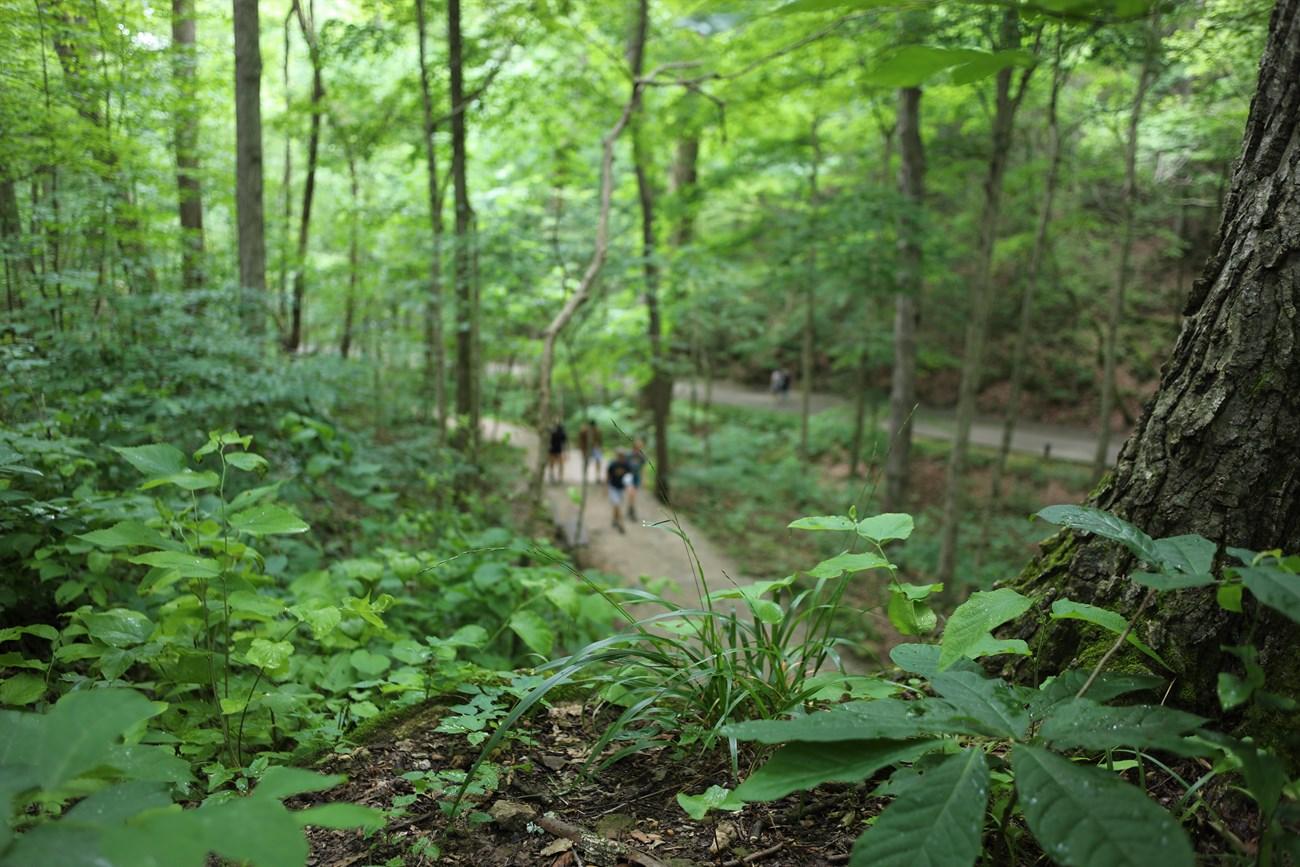 Lums Pond State Park
 in Delaware offers woodland trails, freshwater boating, fishing, camping and treetop adventures near Bear and Newark.
Lums Pond State Park
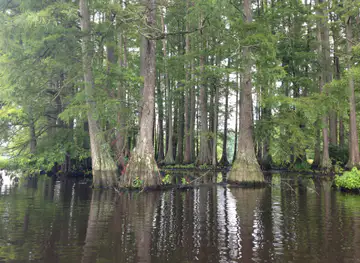
Lums Pond State Park in Delaware offers woodland trails, freshwater boating, fishing, camping and treetop adventures near Bear and Newark.
-

-

-
-


Swipe for more destinations
Best attractions in The Coastal Plain
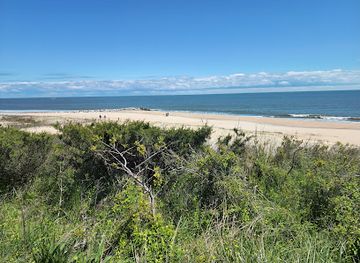
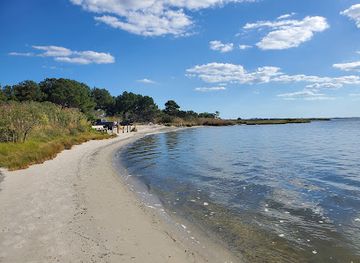
The Coastal Plain’s attractions range from Atlantic beaches and boardwalks to quiet bay marshes, historic towns and working agricultural landscapes. Cape Henlopen State Park combines swimming beaches, dunes, maritime forest, cycling routes and former military defences, while Delaware Seashore State Park occupies a narrow coastal setting between major bays and is known for beaches, boating and fishing. Rehoboth Beach, Bethany Beach and Fenwick Island provide distinct resort atmospheres, with boardwalks, family recreation and access to the shore. Lewes adds maritime museums, historic streets and Delaware Bay scenery. Inland, Dover offers state history and the Biggs Museum of American Art, while the First State Heritage Park links several historic sites in and around the capital. Birdwatchers should allow time for Bombay Hook and Prime Hook national wildlife refuges, where tidal creeks, impoundments and salt marshes attract large numbers of migratory birds. Kayaking, cycling, fishing and walking are particularly rewarding ways to experience the region, although access, conditions and seasonal closures vary. Farm stands, small museums and historic districts provide further insight into the Coastal Plain beyond its beaches.
-
State park
Cape Henlopen State Park
Discover pristine beaches, historic Fort Miles, and endless outdoor activities at Delaware's Cape Henlopen State Park. A coastal treasure for all ages.
-
Tourist attraction
Bethany Beach Boardwalk
Experience the charm of the Delaware coast on the Bethany Beach Boardwalk, a family-friendly destination with stunning ocean views and classic amusements.
-
State park
White Clay Creek State Park
Explore scenic trails, historical sites, and natural beauty at White Clay Creek State Park in northern Delaware.
-
Museum
Nemours Estate
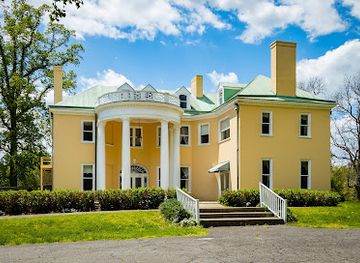
Experience Gilded Age opulence at Nemours Estate, a French-inspired mansion and gardens in Wilmington, Delaware. Open Tuesday to Sunday.


Best landmarks in The Coastal Plain
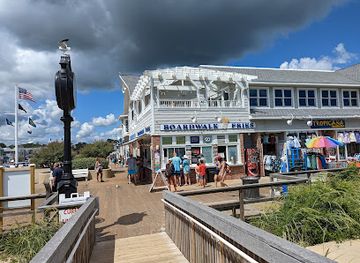
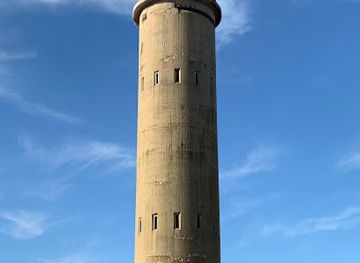
The Coastal Plain’s most recognisable landmarks reveal the relationship between Delaware and the water. Cape Henlopen Lighthouse no longer stands, but the cape remains a defining geographical and historical landmark at the entrance to Delaware Bay, with fortifications and observation structures recalling its military and maritime role. The Delaware Breakwater at Lewes is a major engineering feature that sheltered ships and helped establish the town’s harbour importance. In Dover, the Delaware Legislative Hall and the historic buildings of the First State Heritage Park express the political significance of the state capital. The boardwalk and beach frontage at Rehoboth Beach symbolise Delaware’s resort culture, while the Indian River Inlet Bridge is a prominent modern structure within Delaware Seashore State Park. Farther inland and along the bay, broad salt marshes at Bombay Hook and Prime Hook are natural landmarks shaped by tides, migration and changing coastal conditions. Historic church buildings, farmsteads, courthouse squares and maritime structures in towns such as Lewes, Georgetown and Dover add a human scale to the region’s otherwise open, low-lying landscape.
-
State park
Cape Henlopen State Park
Experience the beauty and history of Cape Henlopen State Park, where sandy beaches and outdoor adventures await in Delaware's stunning coastal landscape.
-
State park
Fenwick Island State Park
Explore Fenwick Island State Park: A Coastal Paradise for Hiking, Water Sports, and Relaxation Along Delaware's Scenic Shoreline.
-
Tourist attraction
Brandywine Park
Discover the natural beauty and recreational charm of Brandywine Park, Wilmington's urban oasis filled with history and adventure.
-
Historical landmark
Bellevue State Park
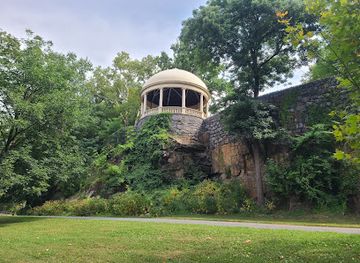
Discover the blend of history and nature at Bellevue State Park, Wilmington, Delaware - an ideal destination for outdoor adventures and historical exploration.
Explore The Coastal Plain on the map
Plan your trip on one map. See where the top cities, national parks and sights are, and book hotels and experiences in a few clicks.
Best hotels in The Coastal Plain
Best restaurants in The Coastal Plain
Dining in the Coastal Plain reflects both Delaware’s shore and its productive interior. Coastal menus commonly feature blue crab, oysters, clams, local fish and other seafood, served in settings ranging from informal crab houses and fish shacks to waterfront restaurants and polished dining rooms. Rehoboth Beach has the broadest concentration of restaurants, cafés, bakeries and contemporary food businesses, while Lewes and the southern beach towns offer strong seafood and casual dining traditions. Inland, family restaurants, diners, rural inns and seasonal farm stands connect visitors with the agricultural economy, including poultry, fruit, vegetables and berries. Farmers’ markets and roadside sellers are useful places to find local produce, baked goods and preserves when in season. Delaware’s wider Mid-Atlantic food culture is also present in the region, so not every popular dish is uniquely local. Beer, cider and American wines may appear on regional menus, but the strongest sense of place usually comes from the combination of bay seafood, farm produce and relaxed coastal dining.
-
Grill
Woody's Dewey Beach
Experience fresh seafood and vibrant flavors at Woody's Dewey Beach – where great food meets stunning coastal views.
-
Traditional American
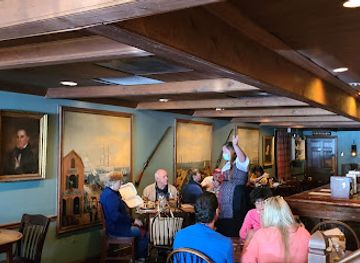
Jessop's Tavern
Discover Jessop's Tavern: A culinary gem offering traditional American dishes in an enchanting colonial setting.
-
Seafood
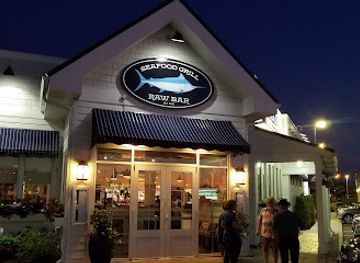
Bluecoast Seafood Grill & Raw Bar Rehoboth
Experience exquisite seafood dining at Bluecoast Seafood Grill & Raw Bar in Rehoboth Beach - where freshness meets flavor!
-
Restaurant
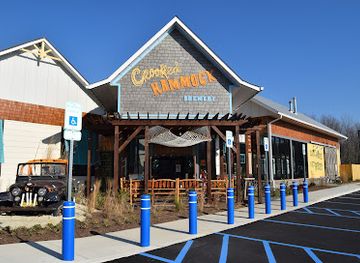
Crooked Hammock Brewery
Discover the laid-back vibe at Crooked Hammock Brewery in Lewes, DE – where craft beer meets delicious food in a welcoming atmosphere.
Best bars in The Coastal Plain
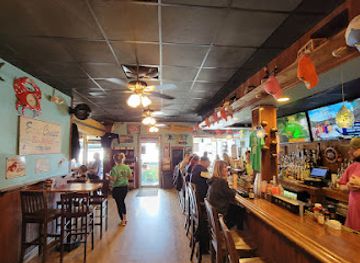
Evening life varies between the resort coast and the inland towns. Rehoboth Beach has the most extensive choice, including traditional pubs, brewpubs, cocktail bars, wine bars, live-music venues and restaurants that remain active after the beach day ends. Lewes offers a quieter mix of taverns, waterfront dining and historic-town bars, while Bethany Beach and Fenwick Island tend towards seasonal restaurants, casual bars and family-oriented evening entertainment rather than a large nightclub scene. Dover and other inland centres provide local pubs, breweries, restaurants and occasional live music, with activity shaped more by the year-round community than by summer tourism. Nightlife is substantially busier from late spring through early autumn, and some coastal businesses have seasonal schedules. Visitors should check current arrangements locally, particularly outside the main resort corridors, where late-night transport and venues are limited.
-
Traditional American
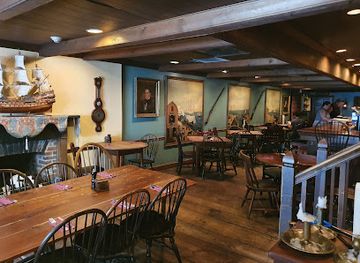
Jessop's Tavern
Experience the charm of traditional American cuisine at Jessop's Tavern in New Castle, a perfect blend of history and flavor.
-
Bar
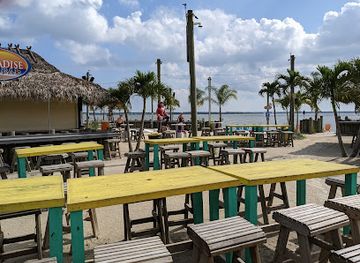
Paradise Grill
Discover the vibrant flavors and stunning views at Paradise Grill, a must-visit bar and restaurant in Millsboro, Delaware.
-
Grill
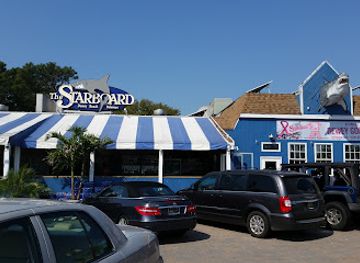
The Starboard
Experience coastal dining at The Starboard in Dewey Beach, where delicious food meets a vibrant atmosphere and stunning seaside views.
-
American
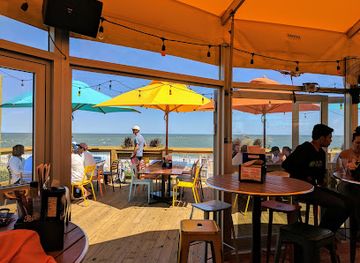
Big Chill Beach Club
Experience the perfect blend of beach vibes and American cuisine at Big Chill Beach Club in Bethany Beach, Delaware.
Best nightclubs in The Coastal Plain
Evening life varies between the resort coast and the inland towns. Rehoboth Beach has the most extensive choice, including traditional pubs, brewpubs, cocktail bars, wine bars, live-music venues and restaurants that remain active after the beach day ends. Lewes offers a quieter mix of taverns, waterfront dining and historic-town bars, while Bethany Beach and Fenwick Island tend towards seasonal restaurants, casual bars and family-oriented evening entertainment rather than a large nightclub scene. Dover and other inland centres provide local pubs, breweries, restaurants and occasional live music, with activity shaped more by the year-round community than by summer tourism. Nightlife is substantially busier from late spring through early autumn, and some coastal businesses have seasonal schedules. Visitors should check current arrangements locally, particularly outside the main resort corridors, where late-night transport and venues are limited.
-
Bar
ICONZ Bar and Venue
Discover ICONZ Bar and Venue in Wilmington for an unforgettable evening of live music and great drinks in a vibrant atmosphere.
-
Night club
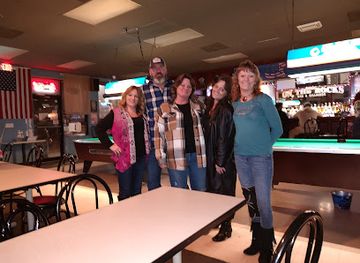
On The Rocks Bar
Discover the lively ambiance and affordable drinks at On The Rocks Bar, a must-visit destination for nightlife in Newark, Delaware.
-
Gay night club
Diego's Bar Nightclub, Rehoboth Avenue Extension, Rehoboth Beach, DE
Discover the lively atmosphere of Diego's Bar Nightclub, a premier gay nightlife destination in Rehoboth Beach, perfect for unforgettable nights out.
-
Gay night club
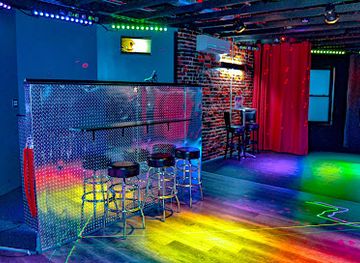
Crimson Moon
Crimson Moon: Wilmington's vibrant gay nightclub, where energetic dance, themed nights, and a welcoming atmosphere await you.

Best shops in The Coastal Plain
Shopping is concentrated in the coastal resorts and historic town centres rather than in a single regional retail district. Rehoboth Beach combines a busy boardwalk, national brands, independent boutiques, galleries, beachwear shops and food retailers, while downtown Lewes is known for antiques, books, crafts, homewares, galleries and small specialist businesses in historic surroundings. Bethany Beach and Fenwick Island focus on holiday essentials, casual clothing, gifts and family-oriented coastal shopping. Inland towns such as Dover, Milford and Georgetown offer traditional main streets, local services, antique shops and occasional markets, with larger retail areas located along their main transport corridors. Farm stands and seasonal markets are particularly worthwhile for fruit, vegetables, honey, baked goods and preserves from the Coastal Plain. Suitable regional souvenirs include maritime-themed crafts, locally produced food and artwork inspired by marshes, lighthouses and beaches. Retail choice and opening patterns vary considerably by season, with the coast busiest during the summer holiday period.
-
Shopping mall
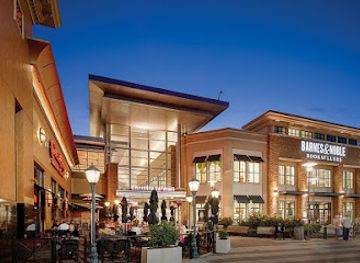
Christiana Mall
Explore Christiana Mall, Delaware's premier shopping destination with a variety of stores, dining options, and entertainment for every traveler.
-
Outlet mall
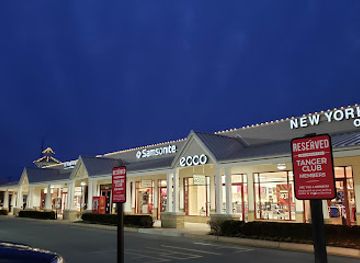
Tanger Rehoboth Beach - Surfside
Experience the best of shopping and dining at Tanger Rehoboth Beach - Surfside, your destination for outlet deals and coastal fun.
-
Gift shop
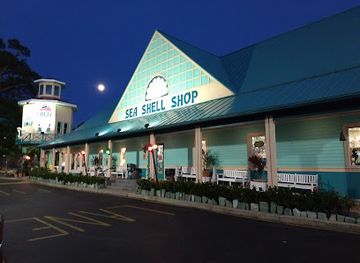
Sea Shell Shop
Discover unique coastal treasures at the Sea Shell Shop in Rehoboth Beach, where every visit brings a piece of the beach to your home.
-
Gift shop
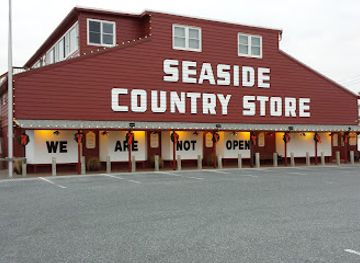
Seaside Country Store
Explore unique gifts and gourmet treats at Seaside Country Store, the perfect stop for every beachgoer in Fenwick Island, Delaware.
Get your free copy of our complete guide to The Coastal Plain, delivered straight to you.
Everything on this page, from attractions and restaurants to essentials and local phrases, in one PDF you can read offline, print or share.
Already have an account? Sign in
Your The Coastal Plain guide is ready.
We'll send it to · Not you? Sign out

Getting your guide ready…
We are putting together a fresh copy of the The Coastal Plain guide. This can take up to a minute.
This can take a few moments. If your browser asks, choose Allow so the download can start. You'll find the guide in your Downloads folder.
Nothing happened? Download it again
Sorry, the guide is taking longer than usual. Please try again in a minute, or get it by email instead.
The Coastal Plain essentials
Currency and Payment
Safety
Emergency Situations
Do's and Don'ts
Local Tips
From Eve
Local phrases worth knowing
You don't need to get them perfect. A few words go a long way, and locals appreciate the effort.
Basics
| English | Local | Say it |
|---|---|---|
| Hello | Howdy | [Hau-dee] |
| Goodbye | See ya | [See yah] |
| Yes | Yup | [Yup] |
| No | Nope | [Nope] |
| Please/You're welcome | Sure thing | [Shoor thing] |
| Thank you | Thanks a lot | [Thanks a lot] |
| Excuse me/Sorry | Pardon me | [Pardon me] |
| How are you? | How ya doin'? | [How yah doin'?] |
| Fine. And you? | Good. You? | [Good. You?] |
| Do you speak English? | Can ya speak English? | [Can yah speak English?] |
| I don't understand | I ain't following | [I ain't followin'] |
Eating & Drinking
| English | Local | Say it |
|---|---|---|
| I'd like to see the menu, please | Can I see the menu? | [Can I see the menu?] |
| I don't eat meat | I ain't a meat eater | [I ain't a meat eater] |
| Cheers! | Cheers! | [Cheers!] |
| I would like to pay, please | Can I get the check? | [Can I get the check?] |
Emergencies
| English | Local | Say it |
|---|---|---|
| Help! | Help! | [Help!] |
| Go away! | Get lost! | [Get lost!] |
| Call the Police! | Call the cops! | [Call the cops!] |
| Call a doctor! | Get a doctor! | [Get a doctor!] |
| I'm lost | I’m turned around | [I’m turned around] |
| I'm ill | I ain't feelin' well | [I ain't feelin' well] |
Shopping
| English | Local | Say it |
|---|---|---|
| I'd like to buy... | I wanna buy... | [I wanna buy...] |
| I'm just looking | Just browsing | [Just browsing] |
| How much is it? | What’s the price? | [What’s the price?] |
| That's too expensive | That's way too high | [That's way too high] |
| Can you lower the price? | Can ya cut me a deal? | [Can yah cut me a deal?] |
Time & Numbers
| English | Local | Say it |
|---|---|---|
| What time is it? | What time ya got? | [What time ya got?] |
| It's one o'clock | It's one o'clock | [It's one o'clock] |
| Half past (10) | Half past ten | [Half past ten] |
| Morning | Mornin' | [Mornin'] |
| Afternoon | Afternoon | [Afternoon] |
| Evening | Evenin' | [Evenin'] |
| Yesterday | Yesterday | [Yesterday] |
| Today | Today | [Today] |
| Tomorrow | Tomorrow | [Tomorrow] |
| 1 | One | [One] |
| 2 | Two | [Two] |
| 3 | Three | [Three] |
| 4 | Four | [Four] |
| 5 | Five | [Five] |
| 6 | Six | [Six] |
| 7 | Seven | [Seven] |
| 8 | Eight | [Eight] |
| 9 | Nine | [Nine] |
| 10 | Ten | [Ten] |
Transport & Directions
| English | Local | Say it |
|---|---|---|
| Where's a/the...? | Where's the...? | [Where's the...?] |
| What's the address? | What's the address? | [What's the address?] |
| Can you show me (on the map)? | Can ya point it out? | [Can yah point it out?] |
| When's the next (bus)? | When's the next bus? | [When's the next bus?] |
| A ticket (to ....) | A ticket to... | [A ticket to...] |
History of The Coastal Plain
Indigenous Lenape and Nanticoke Homelands
Before European settlement, the Coastal Plain was home to Indigenous communities including Lenape and Nanticoke peoples, whose lives were connected to the rivers, forests, marshes and coastal waters. Seasonal movement, fishing, hunting, shellfishing and cultivation shaped relationships with the landscape. The Nanticoke homeland extended across parts of the Delmarva Peninsula, while Lenape communities were associated particularly with the Delaware Valley and nearby coastal areas. European colonisation disrupted these societies through land loss, disease, conflict and political pressure, but Indigenous heritage remains an important part of Delaware’s history and contemporary identity.
Dutch, Swedish and English Colonisation
European settlement on Delaware’s waterways began in the seventeenth century. The Dutch established the short-lived Swanendael colony at present-day Lewes in 1631, and Swedish settlers later developed communities along the Delaware River and Bay. English control followed through the competing claims of the Duke of York and William Penn. The Coastal Plain’s navigable rivers and access to the bay made it strategically important, while small farms, mills and trading settlements gradually spread inland. The layered colonial history is reflected in historic town plans, archaeological sites and the region’s long association with maritime commerce.
Agriculture, Tidewater Trade and Early Statehood
During the eighteenth and early nineteenth centuries, the Coastal Plain developed as a landscape of farms, timber, mills and small ports. Rivers and creeks connected inland producers with the Delaware Bay, Philadelphia and other Atlantic markets. Delaware’s position between the Chesapeake and Delaware bays also encouraged movement across the Delmarva Peninsula. The state was the first to ratify the United States Constitution in 1787, and settlements such as Dover, Georgetown and Lewes became centres of government, trade and local administration. Much of the rural road pattern and town architecture visible today descends from this period.
Maritime Commerce and the Era of Lighthouses
Shoals, shifting channels and heavy traffic around Delaware Bay made navigation hazardous, prompting the construction and improvement of lighthouses and other aids. The Delaware Breakwater at Lewes, begun in the nineteenth century, provided shelter for vessels waiting to enter the bay and helped establish the town as a maritime harbour. Cape Henlopen Lighthouse guided shipping for generations before erosion led to its collapse in 1924. Lifesaving stations, pilots, ferries and commercial fishing all contributed to a working coastal culture that remains visible in museums, preserved structures and harbour landscapes.
Canning, Poultry and Industrial Agriculture
The fertile Coastal Plain supported grain, vegetables, fruit and later intensive poultry production. From the nineteenth century into the twentieth, canneries and food-processing businesses connected farms with regional markets and seasonal labour. Poultry became particularly important in southern Delaware, where modern production and processing transformed the rural economy. The agricultural legacy can still be seen in broad fields, farm stands, grain facilities and small towns, although suburban growth and tourism have changed parts of the landscape. Food production remains a major influence on the region’s economy and cuisine.
The Growth of the Atlantic Resorts
Rehoboth Beach, Bethany Beach and neighbouring coastal communities developed from modest seaside settlements into major holiday destinations during the late nineteenth and twentieth centuries. Rail connections, improved roads, automobiles and rising leisure time made the coast accessible to visitors from the Mid-Atlantic cities. Boardwalks, bathing beaches, hotels and seasonal cottages became defining features, while fishing and boating continued alongside tourism. Lewes followed a different path, retaining a stronger port and historic-town identity. Today, the coast combines year-round communities with a substantial summer economy.
Coastal Conservation and Wildlife Refuges
The wetlands, dunes and barrier beaches of Delaware’s Coastal Plain became increasingly recognised for their ecological importance during the twentieth century. Bombay Hook National Wildlife Refuge was established in 1937 to protect tidal marshes and migratory birds, followed by Prime Hook National Wildlife Refuge in 1963. Cape Henlopen and Delaware Seashore also became important public conservation and recreation landscapes. These sites preserve habitats shaped by tides and storms while offering visitors a practical understanding of coastal change, bird migration and the continuing need to balance development with environmental protection.
Civil Rights and the Desegregation of Delaware Beaches
Delaware’s beaches were affected by the racial segregation that shaped public life across the United States. African American visitors and residents faced restricted access to hotels, restaurants and bathing beaches, and Rehoboth Beach was among the places where civil-rights campaigning challenged unequal treatment. Legal action and wider changes in American society contributed to the ending of segregated public facilities during the mid-twentieth century. The history adds an important social dimension to the resort coast, whose present-day openness should be understood alongside the exclusion experienced by earlier generations.
The Coastal Plain in Photos
Browse through our photo collection highlighting the charm and character of the destination.
Neighbouring regions of The Coastal Plain
The closest regions to The Coastal Plain, if you have time for more than one.
-

-

-
-

-


Swipe for more regions
Explore more
Explore more of Delaware
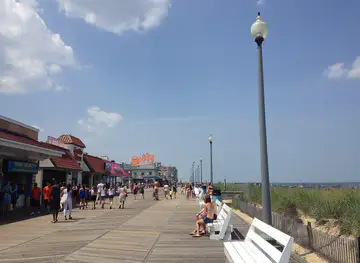
Discover Delaware: From historic sites and serene beaches to culinary delights and scenic parks, this small state offers big experiences for every traveler.
Explore Delaware