

The Atlantic Coastal Plain, Delaware Travel Guide
Discover the serenity and natural beauty of Delaware's Atlantic Coastal Plain, a haven for outdoor enthusiasts and beach lovers alike.
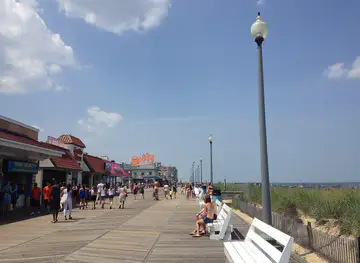
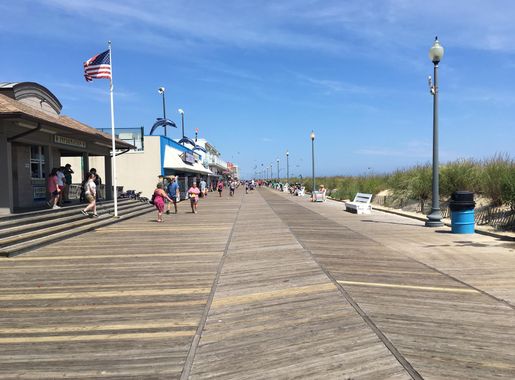
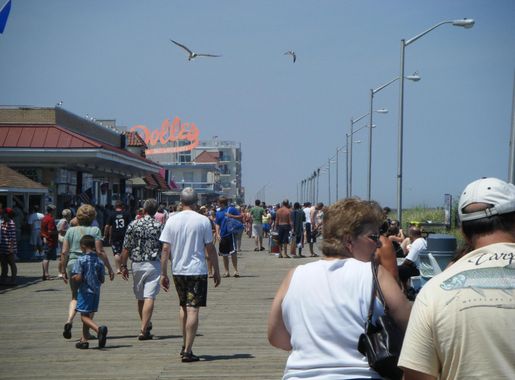
The Atlantic Coastal Plain in Delaware offers a peaceful retreat for travelers seeking natural beauty and quiet charm. Stretching along the eastern edge of the state, this region is characterized by its flat terrain, sandy soil, and stunning coastal views. Visitors can experience a variety of outdoor activities, from hiking and bird watching to fishing and boating, making it an ideal destination for nature enthusiasts. The region is home to several state parks and wildlife refuges, where visitors can explore diverse ecosystems and spot local wildlife. Prime Hook National Wildlife Refuge is a must-see, offering miles of trails and the chance to see migratory birds in their natural habitat. For a taste of local culture, the quaint towns of Lewes and Rehoboth Beach provide charming streets lined with shops, restaurants, and historic landmarks. Delaware's Atlantic Coastal Plain also boasts some of the most beautiful beaches on the East Coast. Rehoboth Beach, with its classic boardwalk and family-friendly atmosphere, is perfect for a day of sun and surf. Bethany Beach and Fenwick Island offer quieter, more relaxed settings for those looking to escape the hustle and bustle. Whether you're seeking adventure or relaxation, the Atlantic Coastal Plain in Delaware has something for everyone.

Know before you go
Hi, I'm Eve. Here are a few practical things to know before exploring The Atlantic Coastal Plain.
- Visit during spring or fall for mild weather and fewer crowds.
- Bring binoculars for bird watching, especially at Prime Hook National Wildlife Refuge.
- Explore the historic town of Lewes for a glimpse into Delaware's past.
- Try the local seafood, particularly blue crabs and oysters, available at many coastal restaurants.
- Plan a trip to Rehoboth Beach's boardwalk for family-friendly fun and local treats.
Top City Travel Guides in The Atlantic Coastal Plain
The cities of The Atlantic Coastal Plain, and the easiest places to base yourself.


Destinations in The Atlantic Coastal Plain
Resorts, valleys and scenic spots worth a trip of their own.


Explore The Atlantic Coastal Plain: Things to Do, Places to Eat, Hotels & More
Handpicked recommendations for top attractions, local dining, accommodations, and more

Top Attractions & Sightseeing in The Atlantic Coastal Plain
Top-rated picks
Best Attractions

First State National Historical Park
Discover the essence of American history and nature at First State National Historical Park, a captivating blend of historical landmarks and scenic beauty.

Cape Henlopen State Park
Discover pristine beaches, historical landmarks, and outdoor adventures at Cape Henlopen State Park, where the Delaware Bay meets the Atlantic Ocean.

Fenwick Island State Park
Discover pristine beaches, tranquil waters, and historical landmarks at Delaware's southernmost coastal escape, Fenwick Island State Park.

Fort Delaware State Park
Explore a historic Civil War fortress and natural bird sanctuary on Pea Patch Island, accessible by ferry from Delaware City.

Best landmarks in The Atlantic Coastal Plain
Top-rated picks
Best Landmarks

Cape Henlopen State Park
Explore the stunning Cape Henlopen State Park in Delaware, where beaches, trails, and history await nature lovers and adventure seekers.

Fenwick Island State Park
Experience the beauty of Fenwick Island State Park, a premier destination for outdoor adventures, pristine beaches, and wildlife in Delaware.

Bellevue State Park
Discover the diverse offerings of Bellevue State Park in Wilmington, DE, where history, nature, and outdoor fun unite in a beautiful setting.

Brandywine Creek State Park
Experience the breathtaking landscapes and diverse wildlife of Brandywine Creek State Park, a true gem for outdoor enthusiasts in Wilmington, Delaware.

Best restaurants in The Atlantic Coastal Plain
Top-rated picks
Best Restaurants

Big Fish Grill on the Riverfront
Experience exquisite seafood dining at Big Fish Grill on Wilmington's picturesque Riverfront - where fresh flavors meet stunning views.

Woody's Dewey Beach
Experience coastal dining at Woody's Dewey Beach with fresh seafood, American classics, and vibrant atmosphere in Delaware.

Coastal Salt
Experience the best of coastal cuisine at Coastal Salt in Ocean City, MD – where fresh ingredients meet culinary creativity.

Jessop's Tavern
Discover the rich flavors of traditional American cuisine at Jessop's Tavern in New Castle—where history meets delicious dining.

Best bars in The Atlantic Coastal Plain
Top-rated picks
Best Bars

Harpoon Hanna's
Experience the best of coastal dining at Harpoon Hanna's, where fresh seafood meets a lively marina atmosphere in Fenwick Island.

Woody's Dewey Beach
Experience the vibrant flavors of coastal cuisine at Woody's Dewey Beach, your go-to spot for grill and seafood delights.

Paradise Grill
Discover the delightful flavors and vibrant atmosphere of Paradise Grill in Millsboro, Delaware, perfect for a memorable dining experience.

The Starboard
Discover the vibrant atmosphere and delightful flavors at The Starboard, a must-visit grill and restaurant in Dewey Beach, Delaware.

Best nightclubs in The Atlantic Coastal Plain
Top-rated picks
Best Nightclubs

Merengue House Bar & Restaurant
Discover the heart of Dominican culture at Merengue House Bar & Restaurant, where vibrant flavors and lively nightlife meet in Wilmington.

The Nomad Bar
Experience The Nomad Bar in Wilmington, DE: an eclectic bar with live jazz, a diverse crowd, and refreshing drinks, perfect for unwinding after your adventures.

Diego's Bar Nightclub, Rehoboth Avenue Extension, Rehoboth Beach, DE
Discover the electrifying nightlife at Diego's Bar Nightclub in Rehoboth Beach, where diversity and fun come together in a vibrant setting.

Apexx Lounge
Experience the vibrant culinary scene at Apexx Lounge in Wilmington, where delicious grilled dishes meet a lively lounge atmosphere.

Best shops in The Atlantic Coastal Plain
Top-rated picks
Best Shops

Christiana Mall
Discover the bustling Christiana Mall in Newark, Delaware, where shopping, dining, and entertainment come together for an unforgettable experience.

Concord Mall
Discover Concord Mall in Wilmington, DE - a premier shopping destination with diverse stores, dining options, and exciting community events.

Dover Mall
Discover the ultimate shopping experience at Dover Mall, featuring diverse stores, dining, and entertainment options in the heart of Delaware.

Tanger Rehoboth Beach - Surfside
Explore the ultimate shopping destination at Tanger Rehoboth Beach - Surfside, with an array of outlet stores and dining options for a perfect day out.

Explore The Atlantic Coastal Plain on the Map
A handpicked selection of must-see spots in The Atlantic Coastal Plain, mapped for you.
The Atlantic Coastal Plain Essentials
-
The Atlantic Coastal Plain in Delaware is accessible via several major routes. The nearest major airports are Philadelphia International Airport (PHL) and Baltimore/Washington International Thurgood Marshall Airport (BWI), both of which are about a 1.5 to 2-hour drive away. From either airport, you can rent a car or take a bus to reach your destination. Amtrak also provides train services to Wilmington, DE, which is a good starting point for exploring the coastal plain.
-
Within The Atlantic Coastal Plain, transportation options include rental cars, local buses, and taxis. Public transportation is available but can be infrequent, so renting a car might be the most convenient option for travelers who want to explore the area extensively. Biking is also popular, especially in coastal towns. Ride-sharing services like Uber and Lyft are available in larger towns and cities.
-
The official currency is the United States Dollar (USD). Credit and debit cards are widely accepted across the region, including in restaurants, shops, and hotels. ATMs are readily available for cash withdrawals. It’s advisable to carry some cash for smaller establishments, farmer’s markets, and tips.
-
The Atlantic Coastal Plain in Delaware is generally a safe destination for tourists. However, standard safety precautions should be taken. Avoid isolated areas after dark and keep an eye on your belongings in crowded places. Wilmington has some neighborhoods with higher crime rates, so it is advisable to stay in well-populated and tourist-friendly areas.
-
In case of emergency, dial 911 for immediate assistance. Hospitals and urgent care centers are available in larger towns like Dover and Wilmington. It is recommended to have travel insurance that covers medical emergencies. Pharmacies are widely available for minor health issues and over-the-counter medications.
-
Fashion: Do dress comfortably and weather-appropriately. Delaware's coastal areas can be windy, so layers are advisable. Religion: Do respect local customs when visiting religious sites. Public Transport: Do respect fellow passengers and follow posted rules. Don't eat or drink on public transport. Greetings: Do greet people with a smile or a handshake. Eating & Drinking: Do try local seafood delicacies. Don't forget to tip your server, generally 15-20% of the bill.
-
To experience The Atlantic Coastal Plain like a local, visit the smaller coastal towns such as Lewes and Rehoboth Beach, which offer charming shops and local eateries. Attend local festivals and farmers' markets to get a taste of regional produce and crafts. For a unique experience, explore the Great Cypress Swamp or take a scenic drive along the Coastal Highway to enjoy stunning ocean views.
When is the best time to visit The Atlantic Coastal Plain?
Useful Local Phrases for The Atlantic Coastal Plain
You don't need to speak the language perfectly. Even learning a few simple words can make conversations warmer—and locals usually appreciate the effort.
— Eve

Here are the phrases I use most often in The Atlantic Coastal Plain. Try a few—you'll be surprised how far they go! 😊
❤️
-
- HelloHowdy
[HAO-dee] - GoodbyeSee ya later
[SEE ya LAY-ter] - YesYep
[YEP] - NoNah
[NAH] - Please/You're welcomeNo problem
[NO PROB-lem] - Thank youThanks a lot
[THANKS a LOT] - Excuse me/SorryPardon me
[PAR-don me] - How are you?How ya doin'?
[HOW ya DO-in?] - Fine. And you?Good. You?
[GOOD. YOU?] - Do you speak English?You speakin' English?
[YOU SPEAK-in EN-glish?] - I don't understandI ain't gettin' it
[I AIN'T GET-in' IT]
- HelloHowdy
-
- I'd like to see the menu, pleaseCan I see the menu?
[CAN I SEE the MEN-u?] - I don't eat meatI don't eat no meat
[I DON'T EAT NO MEAT] - Cheers!Cheers!
[CHEERS!] - I would like to pay, pleaseCan I get the check?
[CAN I GET the CHECK?]
- I'd like to see the menu, pleaseCan I see the menu?
-
- Help!Help!
[HELP!] - Go away!Leave me alone!
[LEAVE me a-LONE!] - Call the Police!Call the cops!
[CALL the COPS!] - Call a doctor!Get a doctor!
[GET a DOC-tor!] - I'm lostI'm turned around
[I'M TURNED a-ROUND] - I'm illI ain't feelin' well
[I AIN'T FEEL-in' WELL]
- Help!Help!
-
- I'd like to buy...I wanna buy...
[I WAN-na BUY...] - I'm just lookingJust browsing
[JUST BROW-sing] - How much is it?How much's this?
[HOW MUCH's THIS?] - That's too expensiveThat's a bit pricey
[THAT'S a BIT PRICE-y] - Can you lower the price?Can ya drop the price?
[CAN ya DROP the PRICE?]
- I'd like to buy...I wanna buy...
-
- What time is it?What time ya got?
[WHAT TIME ya GOT?] - It's one o'clockIt's one
[IT'S ONE] - Half past (10)Half past ten
[HALF PAST TEN] - MorningMornin'
[MORN-in'] - AfternoonAfternoon
[AFTER-noon] - EveningEvenin'
[EVE-nin'] - YesterdayYesterday
[YES-ter-day] - TodayToday
[TO-day] - TomorrowTomorrow
[TO-mor-row] - 1One
[ONE] - 2Two
[TWO] - 3Three
[THREE] - 4Four
[FOUR] - 5Five
[FIVE] - 6Six
[SIX] - 7Seven
[SEV-en] - 8Eight
[EIGHT] - 9Nine
[NINE] - 10Ten
[TEN]
- What time is it?What time ya got?
-
- Where's a/the...?Where's the...?
[WHERE's the...?] - What's the address?What's the address?
[WHAT's the AD-dress?] - Can you show me (on the map)?Can ya point it out?
[CAN ya POINT it OUT?] - When's the next (bus)?When's the next bus?
[WHEN's the NEXT BUS?] - A ticket (to ....)A ticket to...
[A TICKET to...]
- Where's a/the...?Where's the...?
History of The Atlantic Coastal Plain
-
Long before European settlers arrived, the Atlantic Coastal Plain in Delaware was inhabited by Native American tribes such as the Lenape and Nanticoke. These tribes thrived on the abundant resources provided by the coastal environment, engaging in fishing, hunting, and agriculture. Their rich cultural traditions and artifacts still influence the region today.
-
The arrival of European settlers in the early 1600s marked a significant turning point in the history of the Atlantic Coastal Plain. The Dutch were the first to establish a settlement in the area, followed by the Swedes and the English. Fort Christina, founded by the Swedes in 1638, became the first permanent European settlement in Delaware, laying the foundation for the state's future development.
-
During the American Revolutionary War, the Atlantic Coastal Plain played a crucial role. Delaware was one of the original thirteen colonies that revolted against British rule. The Battle of Cooch's Bridge in 1777 was the only significant military engagement fought in Delaware, and it marked the first time the Stars and Stripes were flown in battle. The region's strategic location made it a key area for both American and British forces.
-
The Atlantic Coastal Plain's proximity to the ocean has always been a significant factor in its economy. From the 18th century onwards, shipbuilding, fishing, and trade thrived. Towns like Lewes and Rehoboth Beach became bustling maritime hubs. The Lewes Maritime Museum at the Cannonball House offers a glimpse into this rich maritime history.
-
Delaware's Atlantic Coastal Plain was a critical route for the Underground Railroad, the network of secret routes and safe houses used by enslaved African Americans to escape to free states and Canada. Figures like Harriet Tubman and local abolitionists played vital roles in guiding and sheltering escapees. The Seaford Museum features exhibits on this important chapter of history.
-
The fertile soils of the Atlantic Coastal Plain in Delaware have long supported a thriving agricultural industry. From the 19th century onwards, the region became known for its production of grains, fruits, and vegetables. The development of canning and food processing industries in towns like Dover further boosted the local economy.
-
In the 20th century, the Atlantic Coastal Plain saw a rise in tourism, particularly in beach towns like Rehoboth Beach and Bethany Beach. These areas became popular vacation destinations, known for their beautiful beaches, boardwalks, and recreational activities. The establishment of Cape Henlopen State Park in 1964 provided visitors with access to preserved natural landscapes and historic sites.
-
In recent decades, there has been a growing focus on environmental conservation in the Atlantic Coastal Plain. Efforts to preserve wetlands, protect wildlife habitats, and maintain clean waterways have been spearheaded by organizations like the Delaware Center for the Inland Bays. These initiatives aim to balance development with the preservation of the region's natural beauty and ecological health.
Neighbouring Regions of The Atlantic Coastal Plain
The closest regions to The Atlantic Coastal Plain, if you have time for more than one.




Your all‑in‑one travel companion app
Explore expert travel guides, compare and book tours, experiences, hotels, and more—all from the palm of your hand. Download now for seamless trip planning wherever your wanderlust takes you.


Explore More of Delaware
Looking beyond The Atlantic Coastal Plain? Discover Delaware for broader travel guides, local hot-spots, and regional highlights.
Explore DelawareThe Atlantic Coastal Plain in Photos
Browse through our photo collection highlighting the charm and character of the destination.




The Tranquil Atlantic Coastal Plain of Delaware
The Atlantic Coastal Plain in Delaware offers a peaceful retreat for travelers seeking natural beauty and quiet charm. Stretching along the eastern edge of the state, this region is characterized by its flat terrain, sandy soil, and stunning coastal views. Visitors can experience a variety of outdoor activities, from hiking and bird watching to fishing and boating, making it an ideal destination for nature enthusiasts. The region is home to several state parks and wildlife refuges, where visitors can explore diverse ecosystems and spot local wildlife. Prime Hook National Wildlife Refuge is a must-see, offering miles of trails and the chance to see migratory birds in their natural habitat. For a taste of local culture, the quaint towns of Lewes and Rehoboth Beach provide charming streets lined with shops, restaurants, and historic landmarks. Delaware's Atlantic Coastal Plain also boasts some of the most beautiful beaches on the East Coast. Rehoboth Beach, with its classic boardwalk and family-friendly atmosphere, is perfect for a day of sun and surf. Bethany Beach and Fenwick Island offer quieter, more relaxed settings for those looking to escape the hustle and bustle. Whether you're seeking adventure or relaxation, the Atlantic Coastal Plain in Delaware has something for everyone.