

Free The Delmarva Central Railroad Region Travel Guide & Mobile App
Explore The Delmarva Central Railroad Region with free travel guides. Discover regional history, expert tips, proposed trips, and audio guides on web or mobile app.


Explore Delaware’s Delmarva Central Railroad Region for capital-city history, railway towns, agricultural landscapes, river scenery and local food traditions.
Read more about The Delmarva Central Railroad Region
Getting to and around The Delmarva Central Railroad Region
How to get there
Transportation
Top city travel guides in The Delmarva Central Railroad Region
The cities of The Delmarva Central Railroad Region, and the easiest places to base yourself.
-

-
-

-
-
 Milford
, Delaware, pairs a historic Mispillion River downtown with galleries, local dining, museums, trails and easy access to Delaware’s coast and beaches.
-


Swipe for more cities
Destinations in The Delmarva Central Railroad Region
Resorts, valleys and scenic spots worth a trip of their own.
-
-
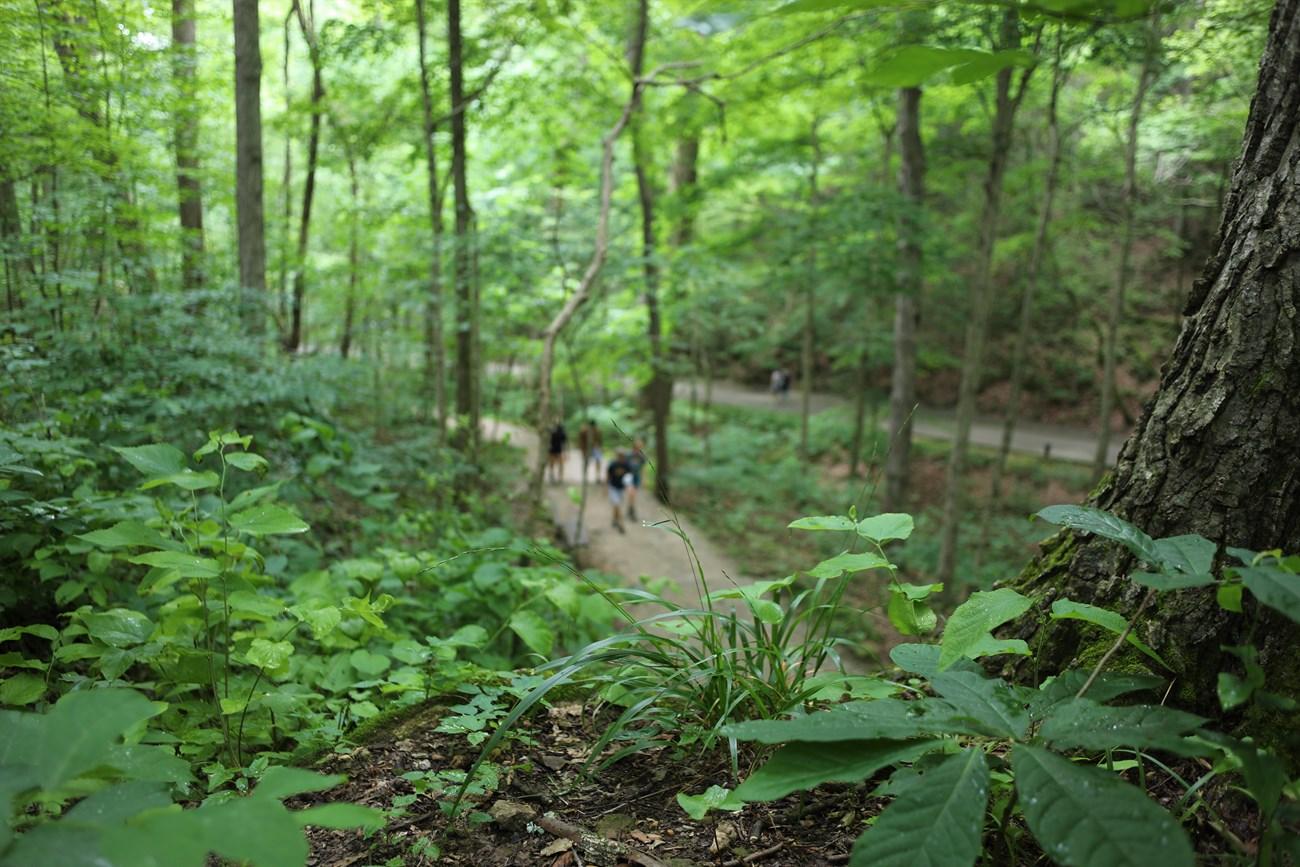 Lums Pond State Park
 in Delaware offers woodland trails, freshwater boating, fishing, camping and treetop adventures near Bear and Newark.
-

-

-
-


Swipe for more destinations
Best attractions in The Delmarva Central Railroad Region
Attractions in the Delmarva Central Railroad Region are spread through a chain of working towns rather than concentrated in one resort centre. Dover anchors the northern section with the First State Heritage Park, the Delaware Legislative Hall area, the Biggs Museum of American Art, the Delaware Agricultural Museum and Village, and the Air Mobility Command Museum at Dover Air Force Base. Harrington contributes the Delaware State Fairgrounds and an agricultural-event tradition, while Georgetown offers historic civic architecture and access to the heritage of Sussex County. Seaford combines museums, river scenery and stories of African American life, industry and local commerce. Delmar provides a useful perspective on the state line and the railway’s wider peninsula connections. Around the towns, flat farm country, wooded roads and the Nanticoke River create opportunities for birdwatching, paddling, fishing and cycling. Millsboro and the Indian River vicinity are useful southern gateways, although Delaware’s principal ocean beaches lie beyond this inland railroad corridor.
-
State park
Cape Henlopen State Park
Explore Delaware's coastal gem: history, nature, and endless outdoor adventures await at Cape Henlopen State Park.
-
State park
Killens Pond State Park
Discover scenic Killens Pond State Park in Delaware: boating, hiking, waterpark, camping, and nature for a perfect family getaway.
-
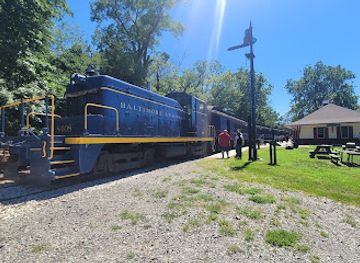
Railroad company
Wilmington & Western Railroad
Experience a nostalgic train ride through Delaware's scenic Red Clay Valley on a historic railroad dating back to 1867.
-
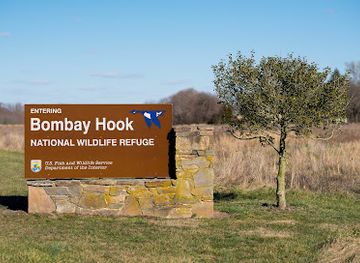
Wildlife refuge
Bombay Hook National Wildlife Refuge
Discover the rich biodiversity and stunning landscapes of Bombay Hook National Wildlife Refuge, a premier destination for nature lovers and birdwatchers in Delaware.

Best landmarks in The Delmarva Central Railroad Region
The Delaware State Capitol complex and the historic locations of First State Heritage Park form Dover’s most important civic landmarks, expressing the city’s role as Delaware’s capital and its connection with the state’s early political history. The Delaware Legislative Hall is a prominent twentieth-century government building, while the Old State House and nearby historic sites represent earlier periods of public life. In Georgetown, the circular courthouse square is an unusually distinctive piece of town planning and remains the visual centre of Sussex County’s historic seat. The Nanticoke River is the region’s defining natural landmark, shaping Seaford’s geography, commerce and cultural identity. Harrington’s fairgrounds are a major modern landmark of agricultural Delaware, and the active railway itself is a defining linear feature: freight tracks, crossings and station-era town layouts reveal how transport structured settlement across the coastal plain. Delmar’s position on the Delaware–Maryland line adds another layer, showing how the peninsula’s communities developed across a state boundary.
-
State park
Killens Pond State Park
Explore the tranquility of Killens Pond State Park in Delaware, offering canoeing, hiking, bird watching, and family-friendly activities amidst stunning natural landscapes.
-
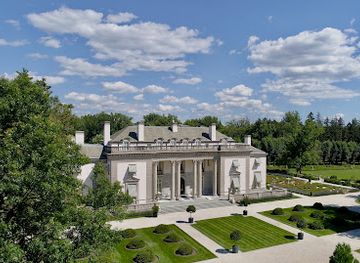
Museum
Nemours Estate
Discover the elegance and history of Nemours Estate, a captivating museum and garden oasis in Wilmington, Delaware, that showcases the heritage of the du Pont family.
-
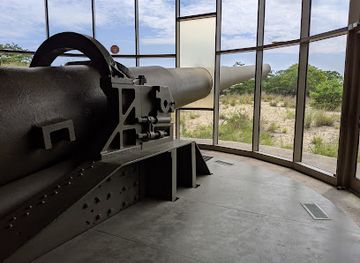
Historical landmark
Fort Miles Historical Area
Discover the historical significance and natural beauty of Fort Miles Historical Area, a must-visit landmark in Delaware offering rich military heritage and stunning views.
-
National reserve
First State National Historical Park
Discover the rich history of Delaware and explore the natural beauty at First State National Historical Park, a must-visit national reserve for all travelers.


Explore The Delmarva Central Railroad Region on the map
Plan your trip on one map. See where the top cities, national parks and sights are, and book hotels and experiences in a few clicks.
Best hotels in The Delmarva Central Railroad Region
Best restaurants in The Delmarva Central Railroad Region
Dining follows the agricultural and coastal-influenced character of central and southern Delaware. Expect poultry, seafood, sweet corn, tomatoes, seasonal fruit and other produce from the Delmarva farming economy, alongside familiar American dishes served in diners, cafés, family restaurants and traditional pubs. Seaford and other communities near the Nanticoke River offer access to river-country and Chesapeake-influenced food traditions, while Dover has the broadest choice of casual dining and international cuisines. Farm stands and seasonal markets are practical places to find local produce, baked goods and prepared foods, although their availability changes through the year. Restaurants around fairgrounds and event venues often cater to large seasonal crowds, whereas smaller towns tend towards informal, locally oriented establishments. Regional eating is best understood through the relationship between farms, poultry production, waterways and town markets rather than through one single signature dish.
-
American
Cottage Cafe
Discover the charm of Cottage Cafe in Bethany Beach: where delicious American cuisine meets cozy coastal vibes.
-
Seafood
Meding's Seafood
Experience the best of coastal dining at Meding's Seafood - where fresh flavors meet family-friendly atmosphere.
-
Pub
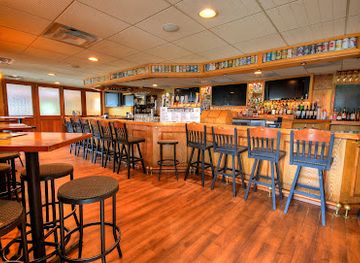
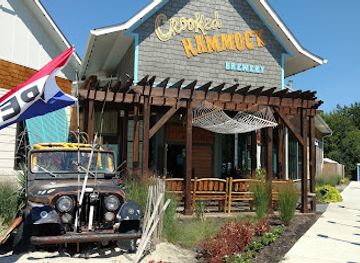
Crooked Hammock Brewery
Discover Crooked Hammock Brewery: A vibrant pub experience in Lewes with craft beers, delicious food & family-friendly fun.
-
Italian
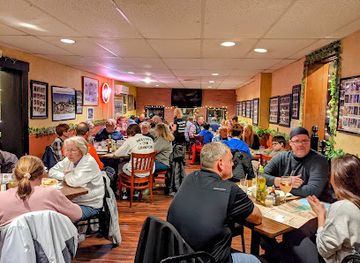
Mrs. Robino's Restaurant
Experience authentic Italian cuisine at Mrs. Robino's Restaurant in Wilmington's Little Italy – where every dish tells a story.

Best bars in The Delmarva Central Railroad Region
Evening life in the Delmarva Central Railroad Region is generally low-key and centred on restaurants, traditional bars, breweries, community events and live entertainment rather than a large nightclub scene. Dover has the widest selection of evening venues, including bars, casual restaurants and cultural programming, while Harrington’s nightlife is strongly influenced by fairground events and other large gatherings. Georgetown, Seaford and Delmar offer smaller town-centre choices, with evenings often focused on dining, local music or social events rather than late opening hours. Seasonal festivals, agricultural shows and motorsport weekends can temporarily change the atmosphere and attract visitors from across Delaware and the Eastern Shore. In rural areas, venues may be widely spaced, so arranging transport in advance is sensible and drinking and driving should be avoided.
-
Sports bar
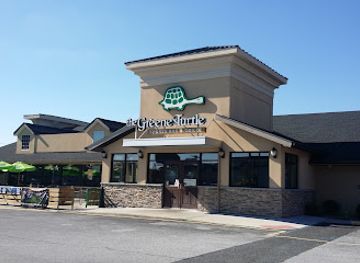
The Greene Turtle Sports Bar & Grille
Experience the thrill of sports and delicious food at The Greene Turtle Sports Bar & Grille in Dover, the ultimate destination for fans and foodies alike.
-
Pizza
Anna & Mike's Pizza
Discover the authentic taste of Italy with delicious pizzas and Italian dishes at Anna & Mike's Pizza in Felton, Delaware.
-
Pizza
Felton Pizza
Discover the irresistible taste of Felton Pizza, where every slice is crafted with love and fresh ingredients in a cozy, welcoming atmosphere.
-
Bar
Paskey’s Owls Nest
Discover the local charm of Paskey’s Owls Nest, a cozy bar in Felton, Delaware, offering a fantastic selection of beers and liquors in a welcoming atmosphere.


Best nightclubs in The Delmarva Central Railroad Region
Evening life in the Delmarva Central Railroad Region is generally low-key and centred on restaurants, traditional bars, breweries, community events and live entertainment rather than a large nightclub scene. Dover has the widest selection of evening venues, including bars, casual restaurants and cultural programming, while Harrington’s nightlife is strongly influenced by fairground events and other large gatherings. Georgetown, Seaford and Delmar offer smaller town-centre choices, with evenings often focused on dining, local music or social events rather than late opening hours. Seasonal festivals, agricultural shows and motorsport weekends can temporarily change the atmosphere and attract visitors from across Delaware and the Eastern Shore. In rural areas, venues may be widely spaced, so arranging transport in advance is sensible and drinking and driving should be avoided.
-
Gay night club
Diego's Bar Nightclub, Rehoboth Avenue Extension, Rehoboth Beach, DE
Unleash your spirit at Diego's Bar Nightclub, the premier gay nightlife destination in Rehoboth Beach, where every night is a celebration of diversity and joy.
-
Gay night club
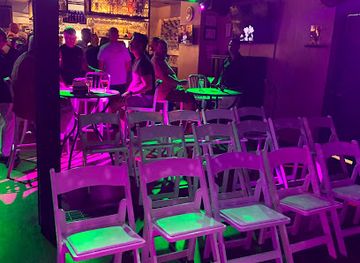
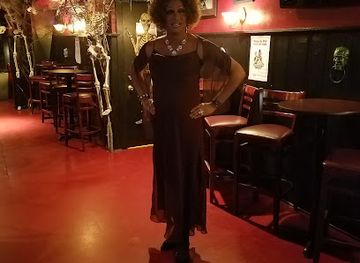
Crimson Moon
Unleash your spirit at Crimson Moon, Wilmington's premier gay night club, where vibrant dance floors and welcoming vibes await every visitor.
-
Night club
Fire & Ice at Dover Downs Hotel & Casino
Discover the energetic nightlife of Fire & Ice at Dover Downs Hotel & Casino, where dancing, drinks, and excitement converge for a memorable experience.
Best shops in The Delmarva Central Railroad Region
Shopping is mainly local and practical, with historic town centres, independent businesses, antique shops, seasonal farm stands and community markets providing more character than large retail districts. Dover has the broadest range of shops, galleries and everyday services, while Georgetown’s central area is suited to browsing small businesses, antiques and locally oriented stores. Seaford and Harrington offer a more compact town-centre experience, with opportunities to look for books, gifts, clothing, crafts and food products. Agricultural produce is among the most appropriate purchases: seasonal fruit and vegetables, baked goods, preserves and other farm-made items reflect the surrounding countryside. Visitors should distinguish permanent shops from event-based stalls, particularly around the fairgrounds and seasonal festivals. For extensive mainstream retail, larger shopping areas outside the immediate railroad corridor may be more suitable, but the region’s best purchases are generally tied to Delaware produce, local crafts and small-town commerce.
-
Shopping mall
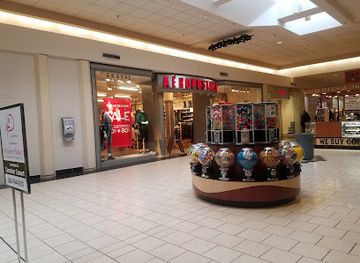
Dover Mall
Explore Dover Mall in Delaware: A premier shopping destination with diverse stores, dining, and entertainment options for a perfect day out.
-
Gift shop
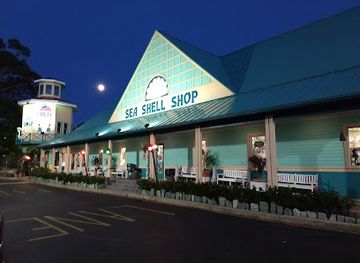
Sea Shell Shop
Explore a treasure trove of unique gifts and coastal treasures at the Sea Shell Shop, a must-visit gift shop in Rehoboth Beach.
-
Gift shop
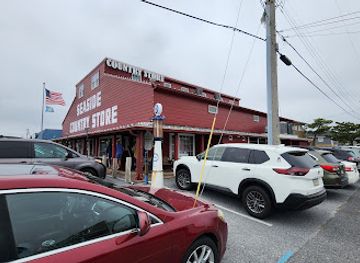
Seaside Country Store
Explore Seaside Country Store for unique gifts, local gourmet foods, and a taste of Fenwick Island's charm.
-
Antique store
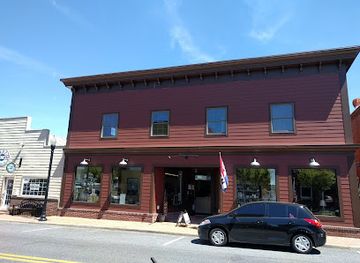
The Mercantile at Milton
Explore The Mercantile at Milton for unique antiques and handcrafted gifts that celebrate local culture and history.
Get your free copy of our complete guide to The Delmarva Central Railroad Region, delivered straight to you.
Everything on this page, from attractions and restaurants to essentials and local phrases, in one PDF you can read offline, print or share.
Already have an account? Sign in
Your The Delmarva Central Railroad Region guide is ready.
We'll send it to · Not you? Sign out

Getting your guide ready…
We are putting together a fresh copy of the The Delmarva Central Railroad Region guide. This can take up to a minute.
This can take a few moments. If your browser asks, choose Allow so the download can start. You'll find the guide in your Downloads folder.
Nothing happened? Download it again
Sorry, the guide is taking longer than usual. Please try again in a minute, or get it by email instead.
The Delmarva Central Railroad Region essentials
Currency and Payment
Safety
Emergency Situations
Do's and Don'ts
Local Tips
From Eve
Local phrases worth knowing
You don't need to get them perfect. A few words go a long way, and locals appreciate the effort.
Basics
| English | Local | Say it |
|---|---|---|
| Hello | Hiya | [Hiyah] |
| Goodbye | See ya | [See yah] |
| Yes | Yup | [Yup] |
| No | Nah | [Nah] |
| Please/You're welcome | Sure thing | [Shoor thing] |
| Thank you | Thanks | [Thangs] |
| Excuse me/Sorry | Pardon me | [Pardon me] |
| How are you? | How ya doin’? | [How yah doin'?] |
| Fine. And you? | I’m good. You? | [I'm good. You?] |
| Do you speak English? | You speakin' English? | [You speakin' English?] |
| I don't understand | I ain't gettin' it | [I ain't gettin' it] |
Eating & Drinking
| English | Local | Say it |
|---|---|---|
| I'd like to see the menu, please | Can I see the menu? | [Can I see the men-yoo?] |
| I don't eat meat | I ain't eatin' meat | [I ain't eatin' meat] |
| Cheers! | Cheers! | [Cheers!] |
| I would like to pay, please | Can I get the check? | [Can I get the chek?] |
Emergencies
| English | Local | Say it |
|---|---|---|
| Help! | Help! | [Help!] |
| Go away! | Leave me alone! | [Leave me alone!] |
| Call the Police! | Call the cops! | [Call the cops!] |
| Call a doctor! | Get a doctor! | [Get a doctor!] |
| I'm lost | I'm lost | [I'm lost] |
| I'm ill | I ain't feelin' well | [I ain't feelin' well] |
Shopping
| English | Local | Say it |
|---|---|---|
| I'd like to buy... | I wanna buy... | [I wanna buy...] |
| I'm just looking | Just browsing | [Just browsing] |
| How much is it? | What’s the price? | [What's the price?] |
| That's too expensive | That's a bit pricey | [That's a bit pricey] |
| Can you lower the price? | Can ya drop the price? | [Can yah drop the price?] |
Time & Numbers
| English | Local | Say it |
|---|---|---|
| What time is it? | What time is it? | [What time is it?] |
| It's one o'clock | It's one | [It's one] |
| Half past (10) | Half past ten | [Half past ten] |
| Morning | Mornin' | [Mornin'] |
| Afternoon | Afternoon | [Afternoon] |
| Evening | Evenin' | [Evenin'] |
| Yesterday | Yesterday | [Yesterday] |
| Today | Today | [Today] |
| Tomorrow | Tomorrow | [Tomorrow] |
| 1 | One | [One] |
| 2 | Two | [Two] |
| 3 | Three | [Three] |
| 4 | Four | [Four] |
| 5 | Five | [Five] |
| 6 | Six | [Six] |
| 7 | Seven | [Seven] |
| 8 | Eight | [Eight] |
| 9 | Nine | [Nine] |
| 10 | Ten | [Ten] |
Transport & Directions
| English | Local | Say it |
|---|---|---|
| Where's a/the...? | Where's the...? | [Where's the...?] |
| What's the address? | What's the address? | [What's the address?] |
| Can you show me (on the map)? | Can ya point it out? | [Can yah point it out?] |
| When's the next (bus)? | When's the next bus? | [When's the next bus?] |
| A ticket (to ....) | A ticket to... | [A ticket to...] |
History of The Delmarva Central Railroad Region
Indigenous Nanticoke Heritage
Before European colonisation, the wider region was home to Indigenous peoples including the Nanticoke, whose ancestral connections remain especially significant around the Nanticoke River and southern Delmarva. The river, wetlands and coastal plain supported fishing, hunting, farming and seasonal movement. European settlement, land acquisition and disease disrupted Indigenous communities, while later colonial boundaries divided the peninsula between Delaware, Maryland and Virginia. The Nanticoke story remains an essential part of the region’s historical context, particularly in and around Seaford and the lower river landscape.
Colonial Settlement and Sussex County
European settlement expanded across southern Delaware during the seventeenth and eighteenth centuries under Dutch, Swedish and English influence, followed by a more firmly established English colonial administration. Farming communities developed around waterways and overland routes, producing grain, livestock and timber. Georgetown was founded in 1791 as the county seat of Sussex County and became an important centre for courts, administration and commerce. Its central circle and courthouse area still express the civic structure created during this period of county growth.
The Rise of Delaware’s Railways
Railways transformed central and southern Delaware during the nineteenth century by connecting inland farms and towns with larger markets. The Delaware Railroad extended south from the northern part of the state and reached the Delmar area in the 1850s, helping establish or strengthen communities such as Harrington, Seaford and Delmar as transport and trading centres. Rail access reduced dependence on slow overland movement and supported the shipment of grain, timber, livestock and other agricultural products. The resulting route remains the foundation of the modern Delmarva Central corridor.
Agriculture, River Commerce and Manufacturing
During the nineteenth and twentieth centuries, the region’s economy combined agriculture with river commerce and processing industries. The Nanticoke River supported transport and trade around Seaford, while railways allowed farm products and manufactured goods to move efficiently beyond the peninsula. Grains, vegetables, poultry and timber became particularly important, and processing plants helped create employment in the towns along the line. These industries shaped the low-density settlement pattern still visible today, with compact town centres surrounded by fields, woodland and transport infrastructure.
African American Communities and Civil Rights
African American communities have played a central role in the history of Delaware’s inland towns, building churches, schools, businesses and civic organisations despite slavery, segregation and discrimination. Seaford and other southern Delaware communities were connected to the wider struggles over education, voting rights and equal treatment. Delaware’s position as a border state gave its twentieth-century history particular complexity. Museums, heritage organisations and surviving community institutions help interpret these experiences, which should be considered alongside the region’s agricultural and railroad narratives rather than treated as a separate story.
The Delaware State Fair and Community Life
The Delaware State Fair, held in Harrington since the early twentieth century, reflects the continuing importance of agriculture and community gathering in the region. The fairgrounds developed into a major venue for livestock exhibitions, agricultural displays, entertainment and seasonal events. Its history illustrates how rural Delaware communities used shared institutions to promote farming, commerce and civic identity. Harrington’s relationship with the fairgrounds also demonstrates the continuing connection between the railroad town and the wider agricultural economy of the Delmarva Peninsula.
Modern Freight Rail and the Delmarva Central Railroad
The Delmarva Central Railroad began operating Delaware and wider Delmarva freight routes in 2016 after taking over lines previously associated with Norfolk Southern. The railway carries freight for regional industries and maintains the peninsula’s historic north–south transport spine. It is not a heritage passenger railway or a conventional tourist attraction, but its continued operation gives the corridor an active working character. Contemporary visitors can see how a nineteenth-century transport route still serves agriculture, manufacturing and distribution in a modern regional economy.
The Delmarva Central Railroad Region in Photos
Browse through our photo collection highlighting the charm and character of the destination.
Neighbouring regions of The Delmarva Central Railroad Region
The closest regions to The Delmarva Central Railroad Region, if you have time for more than one.
-

-

-
-

-


Swipe for more regions
Explore more
Explore more of Delaware
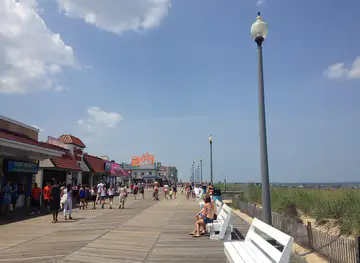
Discover Delaware: From historic sites and serene beaches to culinary delights and scenic parks, this small state offers big experiences for every traveler.
Explore Delaware